Technical Knowledge
How to consider its practicality and ease of use when purchasing a laser receiver?
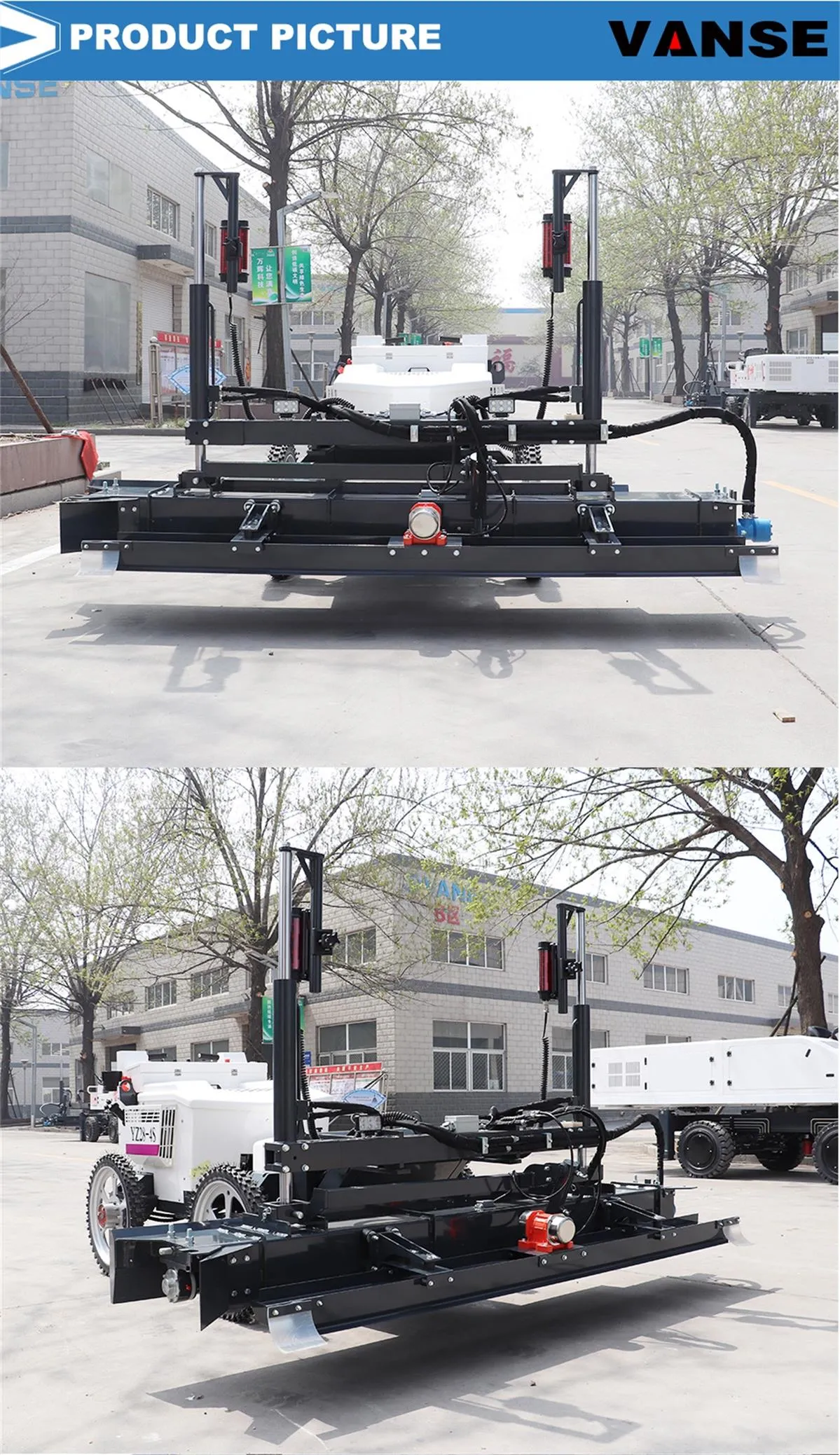
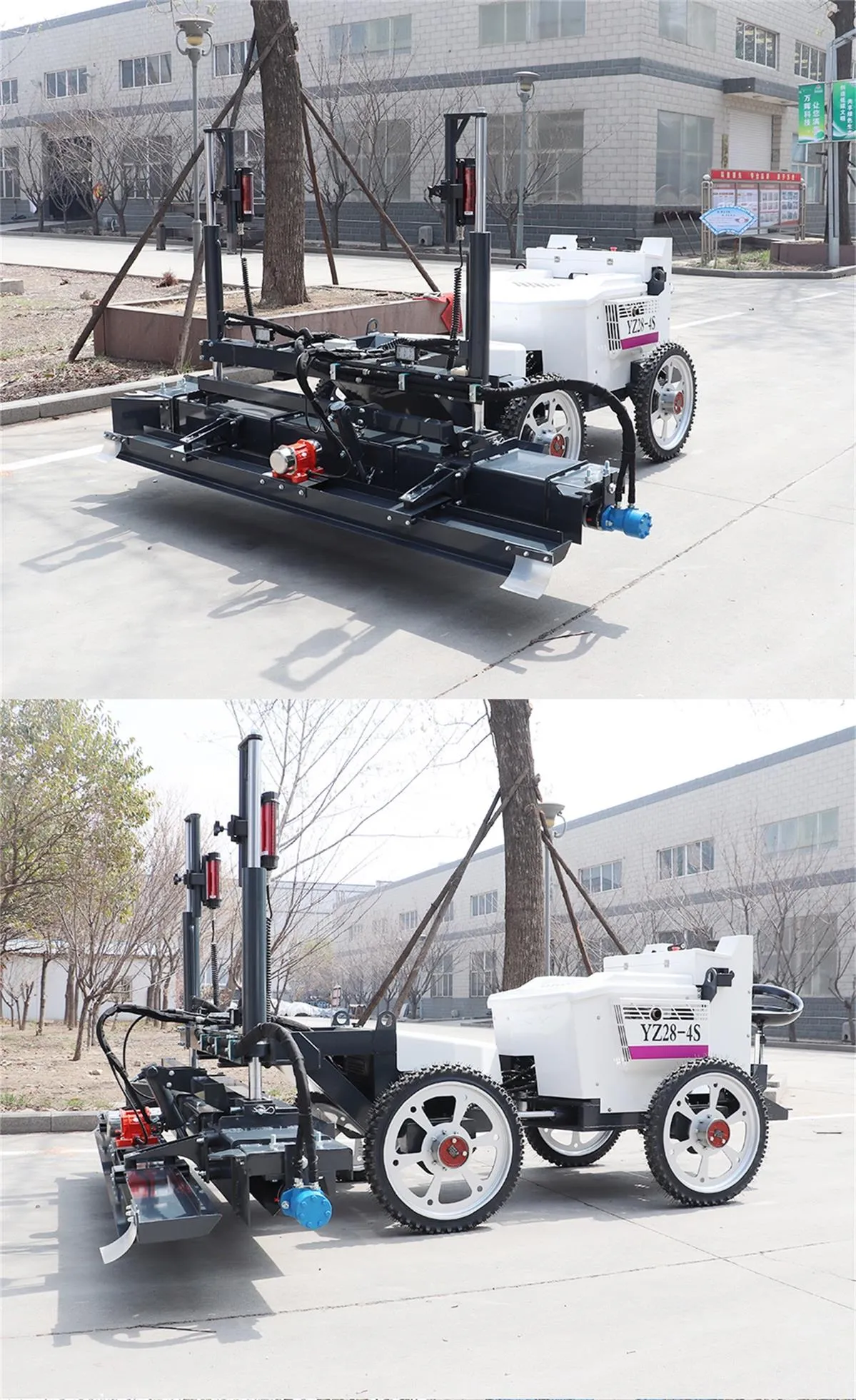
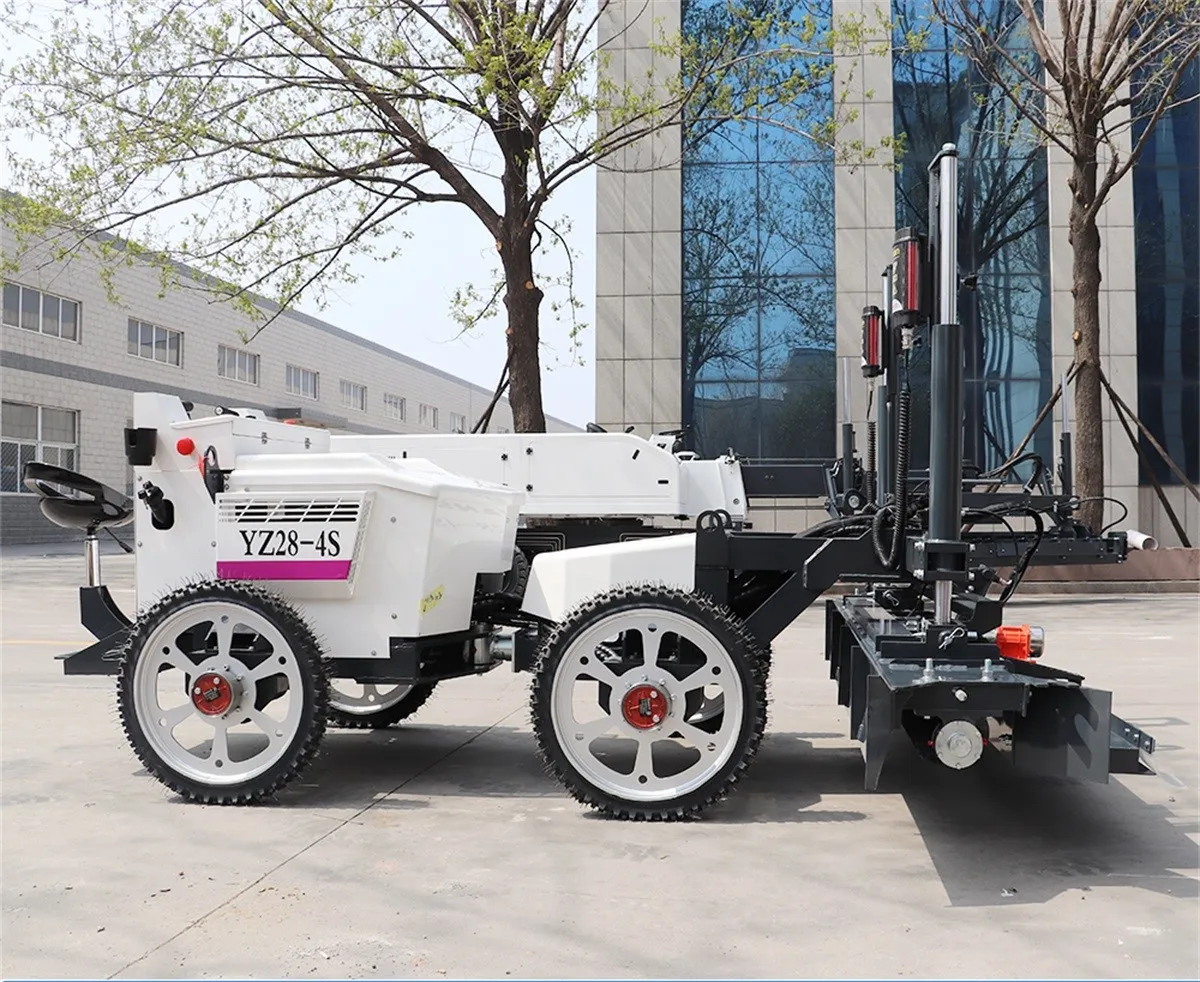
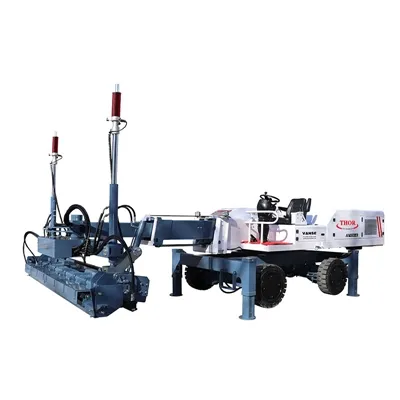
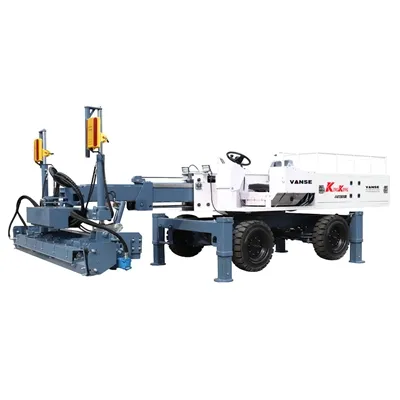
When purchasing a laser receiver, it is important to consider its practicality and ease of use. This is not only related to the performance of the equipment in daily work, but also affects the operator's experience and efficiency. Here are some specific considerations and suggestions regarding practicality and ease of use when purchasing a laser receiver:
◇◇◇ Practical considerations ◇◇◇
Application scene matching:
First of all, it is necessary to clarify what scene the laser receiver will be used in. Different scenarios may require different performance parameters and features. For example.
1.
Laser receivers in industrial environments may require stronger anti-interference capabilities and higher stability.
2. Performance requirements:
According to the application scenario, determine the required performance parameters, such as receiving sensitivity, dynamic range, wavelength compatibility, etc. These parameters directly affect the practicality and working effect of the laser receiver.
3. Durability and reliability:
Consider the durability and reliability of the equipment to ensure that it can operate stably for a long time in harsh working environments. Understand the materials, workmanship, and protection levels of your equipment to ensure it meets the needs of the actual application.
4. Compatibility and scalability:
Consider the compatibility of the laser receiver with existing systems and possible future scalability. This helps ensure that the device integrates smoothly into existing systems and accommodates possible future technology upgrades and expansion needs.
5. Technical support and after-sales service:
Understand the supplier's technical support and after-sales service policies. A good technical support and after-sales service team can help solve problems during use and ensure the continued stable operation of the equipment.
◇◇◇ Ease of use considerations ◇◇◇
1. Operation interface and instructions:
Ensure that the operation interface of the laser receiver is concise and clear, and the instructions are clear and easy to understand. This helps operators quickly become familiar with the equipment and reduce operational difficulty and error rates.
2. Installation and maintenance:
Considering the difficulty of installation and maintenance of the equipment, the installation process of the equipment should be simple and clear, and the maintenance should also be convenient and fast, which will help reduce downtime caused by installation and maintenance problems.
3. User manual and training materials:
Suppliers should provide detailed user manuals and training materials to help operators better understand and use the equipment. These materials should include basic operation of the equipment, performance parameters, FAQs, etc.
4. Training and technical support:
Suppliers should provide necessary training and technical support to help operators better master the use skills and maintenance methods of the equipment. This ensures that the device will perform optimally in real-world applications.
◇◇◇ Comprehensive suggestions ◇◇◇
1. Trial and evaluation:
Before purchasing, strive for trial opportunities as much as possible to conduct a practical evaluation of the performance and ease of use of the laser receiver. This helps provide a more accurate picture of how the equipment will perform in actual work.
2. Refer to user feedback and reviews:
Check the feedback and reviews of other users to understand the actual use of the device. This helps identify potential issues and deficiencies, allowing for more informed purchasing decisions.
3. Communicate with suppliers:
Establish good communication channels with suppliers to understand the performance characteristics, usage skills and maintenance methods of the equipment. Maintaining close contact with suppliers can ensure timely technical support and assistance during use.
To sum up, when purchasing a laser receiver, it is very important to consider practicality and ease of use. By clarifying application scenarios, understanding performance requirements, evaluating durability and reliability, considering compatibility and scalability, paying attention to technical support and after-sales service, and paying attention to operating interfaces and instructions, you can ensure that you purchase a laser that is both practical and easy to use. receiver. This will help improve the overall performance and user experience of the device, bringing convenience and efficiency to actual work.
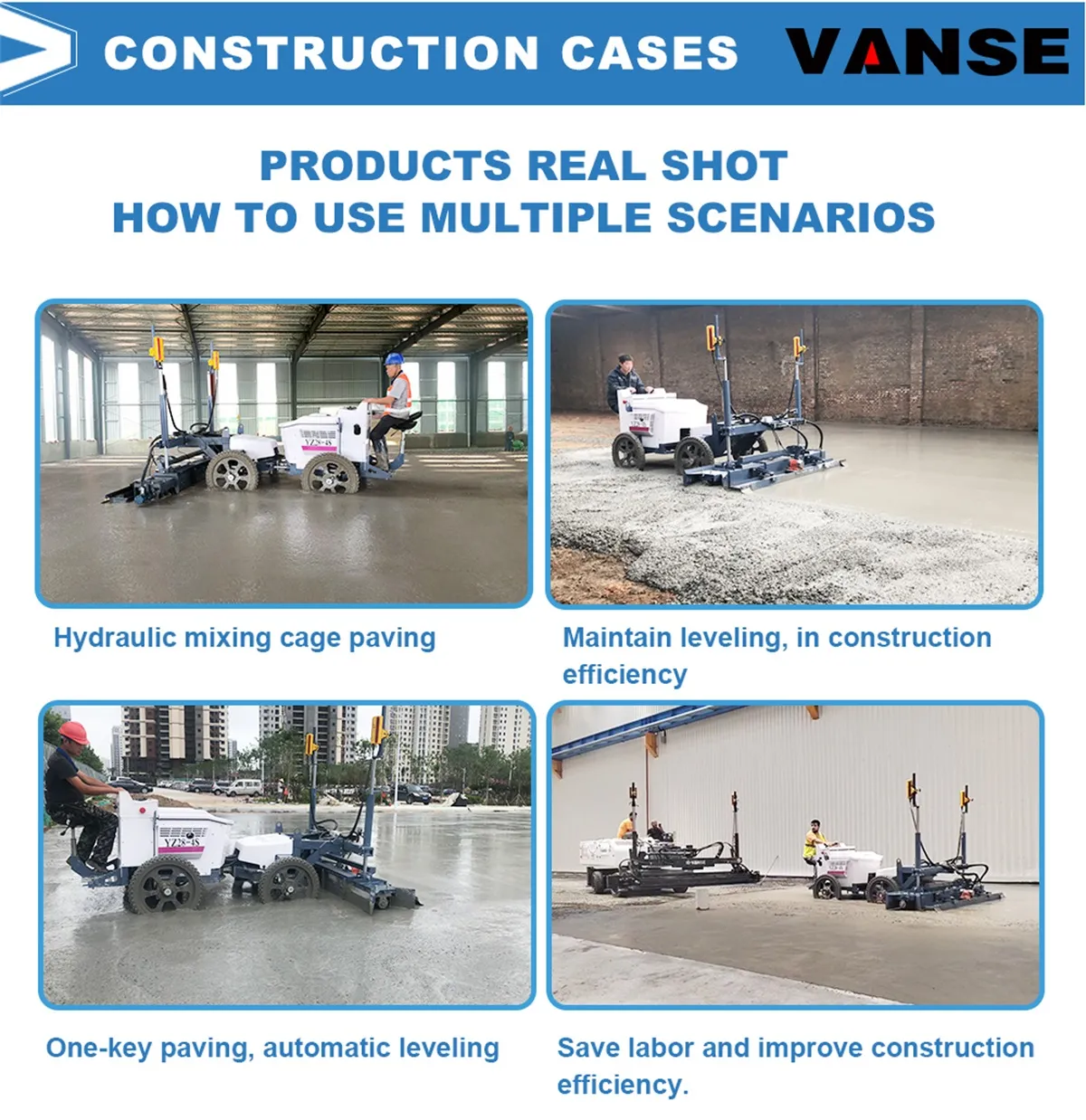
Thanks to All the Friends Who Support and Trust Shandong Vanse Machinery Technology Co., Ltd.
If you want to know more about Shandong Vanse Machinery Technology Co., Ltd. or have any questions, please feel free to contact us:
Our Factory
Shandong Vanse Machinery Technology Co., Ltd.








Share this article

About the Author: Shandong Vanse Machinery Technology Co., Ltd.
Shandong Vanse Machinery Technology Co., Ltd. is a high-tech manufacturer specializing in concrete construction machinery, including laser screeds and related equipment. The company integrates R&D, production, and global sales, with products exported to over 60 countries and widely used in infrastructure projects worldwide.
Previous Post
Next Post
Related Articles
You Might Also Like
The laser leveling machine is very fuel intensive? Understand these three operations, fuel consumption drop!
Fuel consumption can be said to be a point of particular concern to most laser leveling machine users. Since the leveling machine is used very frequently during the construction stage, the fuel consumption will continue to increase accordingly. In the long run, the overall cost of using the laser leveling machine will inevitably rise sharply, so it will be difficult to obtain ideal economic benefits. In fact, fuel consumption can be reduced in the process of using the laser leveling machine, of course, the premise is that the correct operation method needs to be mastered. ❥ Reduce unnecessary idling: If you want to save fuel, you need to reduce the necessary idling of the engine. It should be clear that when the laser leveling machine is idling, it is also using the hydraulic pump to circulate the hydraulic oil. The longer the idling time, the more fuel is wasted. The correct way to save fuel is to try not to idle the laser leveling machine when standing by and resting. This is one of the secrets to saving fuel. ❥ Master the correct operation: If you want to reduce unnecessary operations that increase fuel consumption in the laser leveling machine, the premise is that you must first be familiar with the basic operations of the leveling machine and master the correct operations of loading, walking, rotation, leveling, slope repair and other operations. Who should be blamed for the fuel consumption of the leveling machine if the foundation is not good? I would like to remind the newcomers who have just entered the industry to listen to the advice of the old drivers and learn the leveling operation well. ❥ Reduce the engine speed: When performing the same excavation operation, when the engine is at a higher speed, the laser leveling machine operates faster, but consumes more fuel; when operating at non-full throttle, appropriately reduce the engine speed. Although the operating speed is reduced, it can reduce fuel consumption and improve fuel efficiency. ❥ Walking at non-full throttle: The laser leveling machine should be walked at non-full throttle of the engine. Everyone should know that the higher the engine speed, the faster the walking speed and the higher the fuel consumption. Reducing the engine speed during operation can improve the fuel consumption efficiency during walking. ❥ Try not to do invalid actions: If you want to save fuel, you must also pay attention to minimizing the invalid actions of the laser leveling machine. Invalid actions can only waste more fuel in vain. Operate according to the specific conditions of the construction work to avoid unnecessary rotation. ❥Reduce the rotation angle: Try to reduce the rotation angle. If the rotation angle is small, it can shorten the operation cycle, increase the amount of work per unit time, and thus improve fuel efficiency. Then place the laser leveler closer to the operation. As a user of the laser leveler, using scientific methods to reduce fuel consumption can not only save the cost of use, but also help to extend the service life of the leveler. In order to make the laser leveler work better for us, we hope that everyone will refer to the above content to develop a simple and effective leveler consumption reduction strategy.What are the common causes and troubleshooting methods for concrete laser leveling machines?
– Laser Beam Unstable: Check that the laser transmitter and receiver are clean and correctly aligned, clean the lens and reflector, clean the dust and dirt. – The device cannot be calibrated horizontally: Make sure the device is placed on a flat ground and the reference point is set correctly. – Flating head slides by itself: Clean the surface of the valve group, remove the hydraulic lock to check whether there is dirt inside, check whether the seal ring is damaged and replace it. – The lifting cylinder is not sensitive: Remove the proportional valve core and clean up the dirt, check whether the valve core is operating normally, and remove air in the oil pipe. – Vibration or noise abnormality: Turn off the equipment to check for loose or damaged parts, fasten screws or replace damaged parts. – The device does not start: Check whether the power supply and cable connection are normal to ensure that the power supply is normal. – Flating head lifting motor cannot be operated manually: Check the control box relay and plug, motor or controller. – Flating head cannot work automatically: Replace the automatic manual switch or inclination sensor. – Flating head slides by itself: Clean the surface of the valve group, remove the hydraulic lock to check whether there is dirt inside, check whether the seal ring is damaged and replace it. – The lifting cylinder is not sensitive: Remove the proportional valve core and clean up the dirt, check whether the valve core is operating normally, and remove air in the oil pipe. – Construction accuracy decreases: Regular cleaning and maintenance of lenses or sensors. – The upper and lower rollers of the leveler do not run: Check whether the chain is off, check whether the motor activation button or contactor is faulty, and check whether the motor line is normal. – Flooring materials are left and right, and the feeding is unstable: Check whether the twisting dragon and the correction roller are parallel and adjust the material.The causes of common surface defects during construction and the related preventive measures for the operation of the power trowel machine
Let's focus on discussing how to prevent surface defects of concrete by standardizing the operation of power trowels. The following is a summary of targeted preventive measures based on common defects, aiming to provide a clear operational guide for construction. Defect type Core preventive measures (Operating Angle of the power trowel machine) Detailed explanation of key operation points 1. The surface shows signs of sanding and powdering No watering is allowed. Seize the opportunity for the initial grinding 1. Iron rule: Do not sprinkle water when grinding flour: This is the first principle for preventing sanding. When the surface becomes dry, wait for the right moment to polish it instead of sprinkling water. 2. The timing of initial grinding is accurate: When the concrete can withstand a person's foot subsidence of about 3-5mm, immediately use a disc for initial grinding to lift the slurry and bring the cement slurry to the surface. 2. Cracking/plastic shrinkage cracks Timely initial grinding and sealing for efficient operation 1. Seal the surface as early as possible: In high-temperature and windy weather, concrete may lose water before it begins to set. Once it is accessible to people, immediately use the disc of the power trowel to quickly lift the slurry to form a sealing layer and lock in the moisture. 2. Continuous operation: Plan the operation sequence well to ensure that the power trowel machine can continuously and efficiently complete the initial grinding and sealing of one area, avoiding surface water loss and cracking due to excessive intervals. 3. Uneven surface/Poor waviness Standardize the operation techniques and maintain uniformity 1. Use the cross-grinding method: The grinding paths of two adjacent times should be perpendicular to each other (one horizontally and one vertically) to avoid the formation of furrows due to unidirectional grinding. 2. Uniform and stable operation: Keep the machine moving at a constant speed and avoid sudden acceleration and deceleration. 3. Reduce downtime: It is strictly prohibited to leave the machine in one place for a long time to prevent local excessive vibration and subsidence. 4. Smooth steering: When turning or making a U-turn, lift the power trowel steadily to avoid forced twisting that may cause tool marks and bulges. 4. Surface color difference Unify the timing of light collection to avoid excessive grinding in certain areas 1. Unify the state of the working surface: Wait until the concrete setting state of the entire working surface is basically consistent (all reaching the required dryness and wetness for finishing) before starting the finishing. 2. "One-time Pass" principle: During the fine grinding and finishing stage, strive for success in one go and avoid repeatedly grinding local areas. For areas that truly need to be supplemented, they should be briefly touched upon. 5. Hollowing/peeling Avoid excessive light collection and prevent operation during bleeding 1. Identify the final setting point: When the sound of the power trowel rubbing against the ground becomes clear and the ground's reflectivity weakens, the operation should be stopped immediately. Forced light collection will damage the structure and cause delamination. 2. Do not work on standing water: When there is bleeding or accumulated water on the surface, the power trowel must not be used. The water should be removed first using a vacuum suction hose or rubber hose. To ensure the implementation of preventive measures, the following standardized operating procedures must be followed: Timing judgment: When the foot sinks by 25-30mm (or when a finger presses and leaves a fingerprint of 10-15mm). This is a key window for preventing cracking. Tool: Install the disc. Operation The machine maintains a steady speed. Perform the first grinding in the same direction, overlapping the previous one-third of the disc diameter. Objective: Slightly press down the coarser aggregates to bring the cement slurry to the surface, seal the surface evaporation channels, and provide a smooth foundation for subsequent fine grinding. Timing judgment: After the initial grinding, the surface footprints disappear, there is no free water, and it presents a matte state. Tool: Replace with a coarse power trowel (power trowel). Operation Adopt the crossover method: for instance, walk vertically for the first time and horizontally for the second time. This is the core to ensuring flatness. Adjust the Angle of the spatula to a slight upward Angle (about 1-3°), mainly to smooth it out. Objective: To eliminate the marks left by the disc, further compact the surface, and eliminate minor height differences. Timing judgment: When stepped on, there is almost no trace left. When the spatula passes over the surface, the trace is slight and can close quickly. Tool: The same or thinner spatula. Operation The Angle of the spatula can be adjusted to be flatter or slightly upward. The operation should be gentle and uniform, striving for success in one attempt. Objective: To make the surface particles more closely arranged to achieve a dense and smooth effect. At this point, any unnecessary operation is harmful. Timing is more important than anything else: The greatest skill of an operator is to accurately judge the setting state of concrete. Moisture is a double-edged sword: internal moisture is the source of strength, while surface excess moisture is the root cause of defects. Never sprinkle water. Uniformity is the foundation of flatness: maintaining a constant speed, crossing, and reducing pauses are the only ways to achieve high flatness. Know when to stop: Dimming is not the more times the better. Excessive dimming is a direct cause of hollowing and cracking. By integrating the above preventive measures and standardized procedures throughout the entire construction process, surface defects caused by improper operation of the power trowel can be minimized to the greatest extent, thereby effectively improving the final quality of the concrete floor. Note: The parameters provided in this document are for reference only and are not mandatory. Due to differences in technical characteristics between different brands and models of laser levelers, please consult the manufacturer for a suitable solution before actual operation. This reference document assumes no responsibility for any issues arising from failure to follow the manufacturer's instructions.