Technical Knowledge
How to ensure the construction quality of laser leveling machine during construction?
Success Case
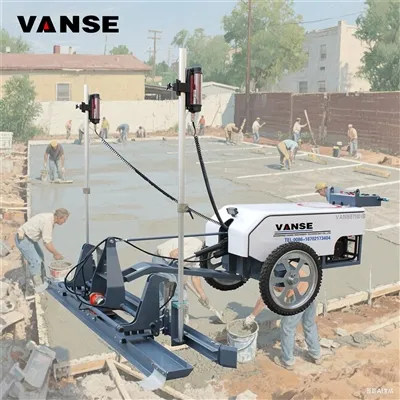
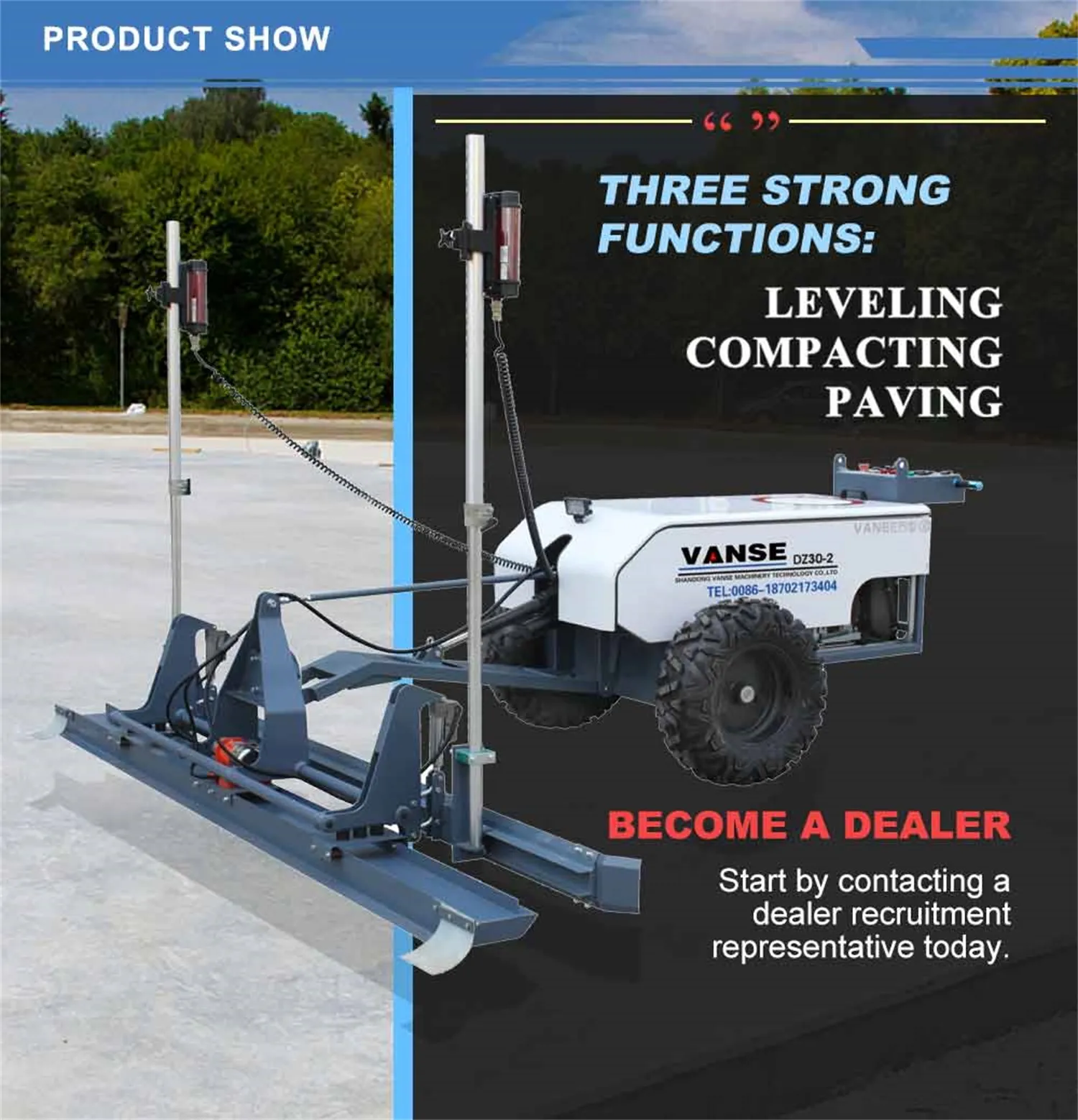
Designed for small commercial, upper deck, and residential projects—-the WALK-BEHIND concrete laser leveling provides you and your customers with high quality, professionally produced floors at a fraction of the cost of conventional methods.
-
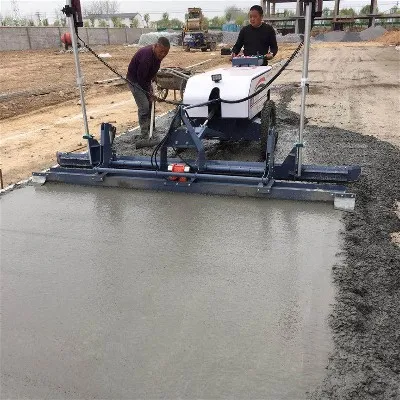
How to ensure the construction quality of laser leveling machine during construction? 7 -
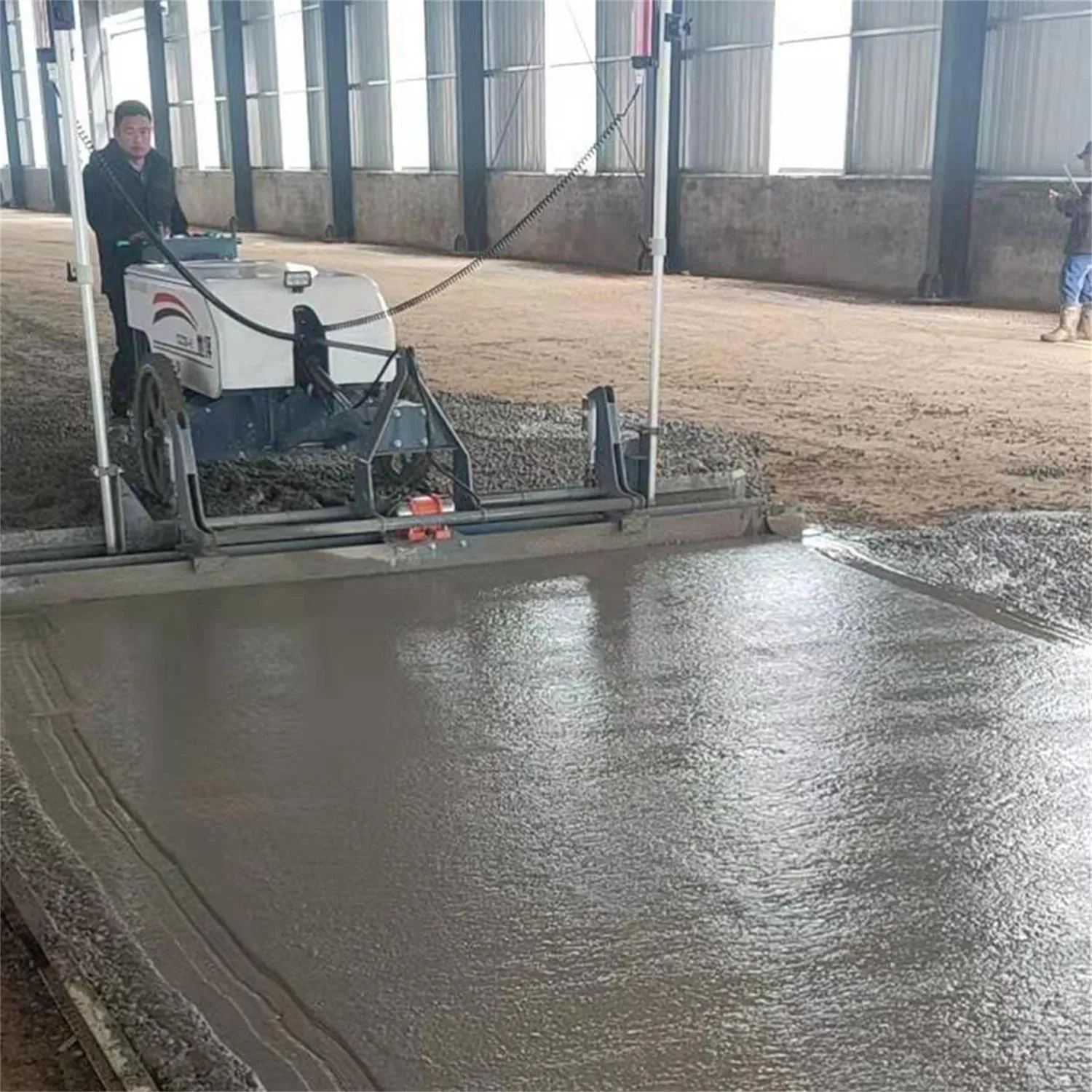
How to ensure the construction quality of laser leveling machine during construction? 8 -
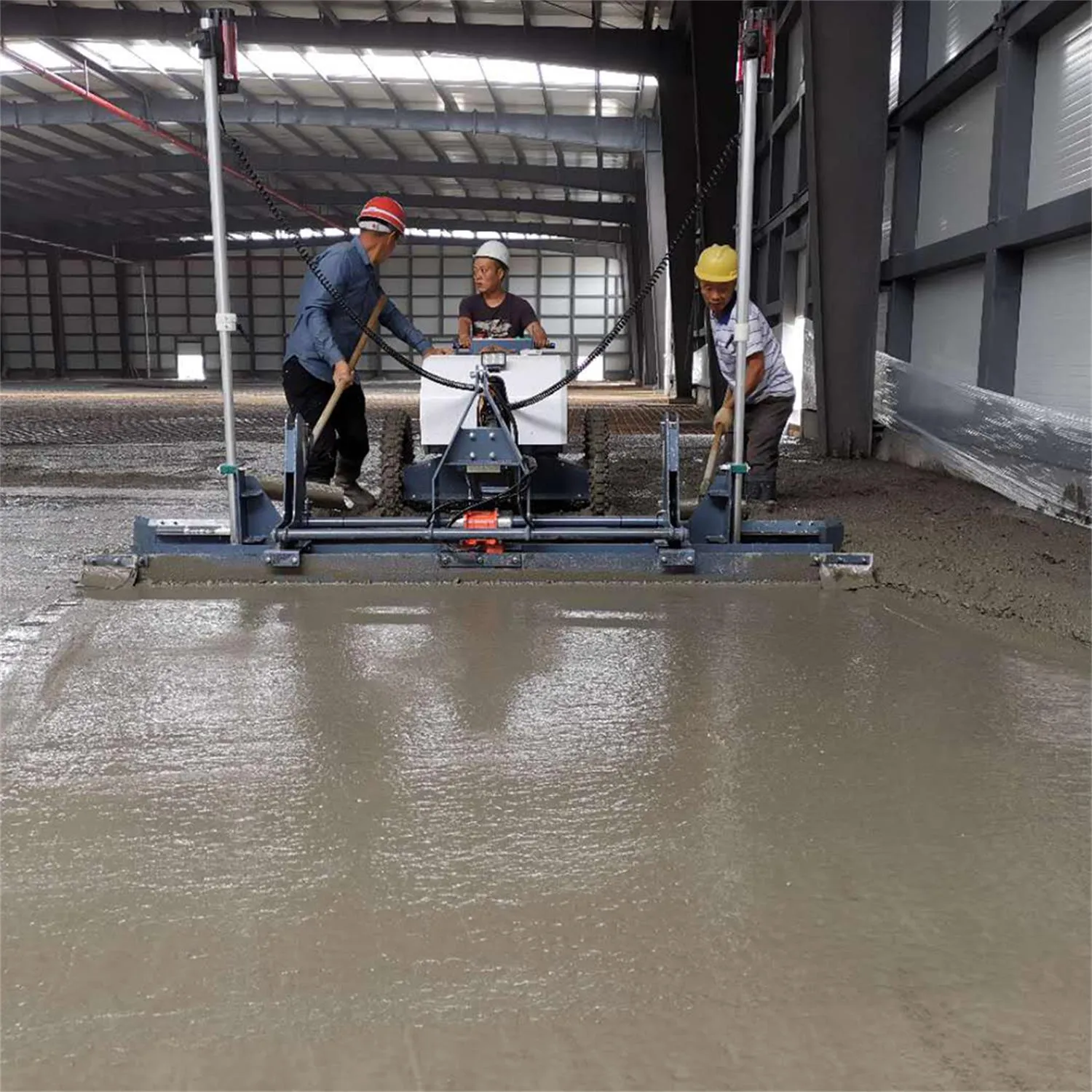
How to ensure the construction quality of laser leveling machine during construction? 9 -
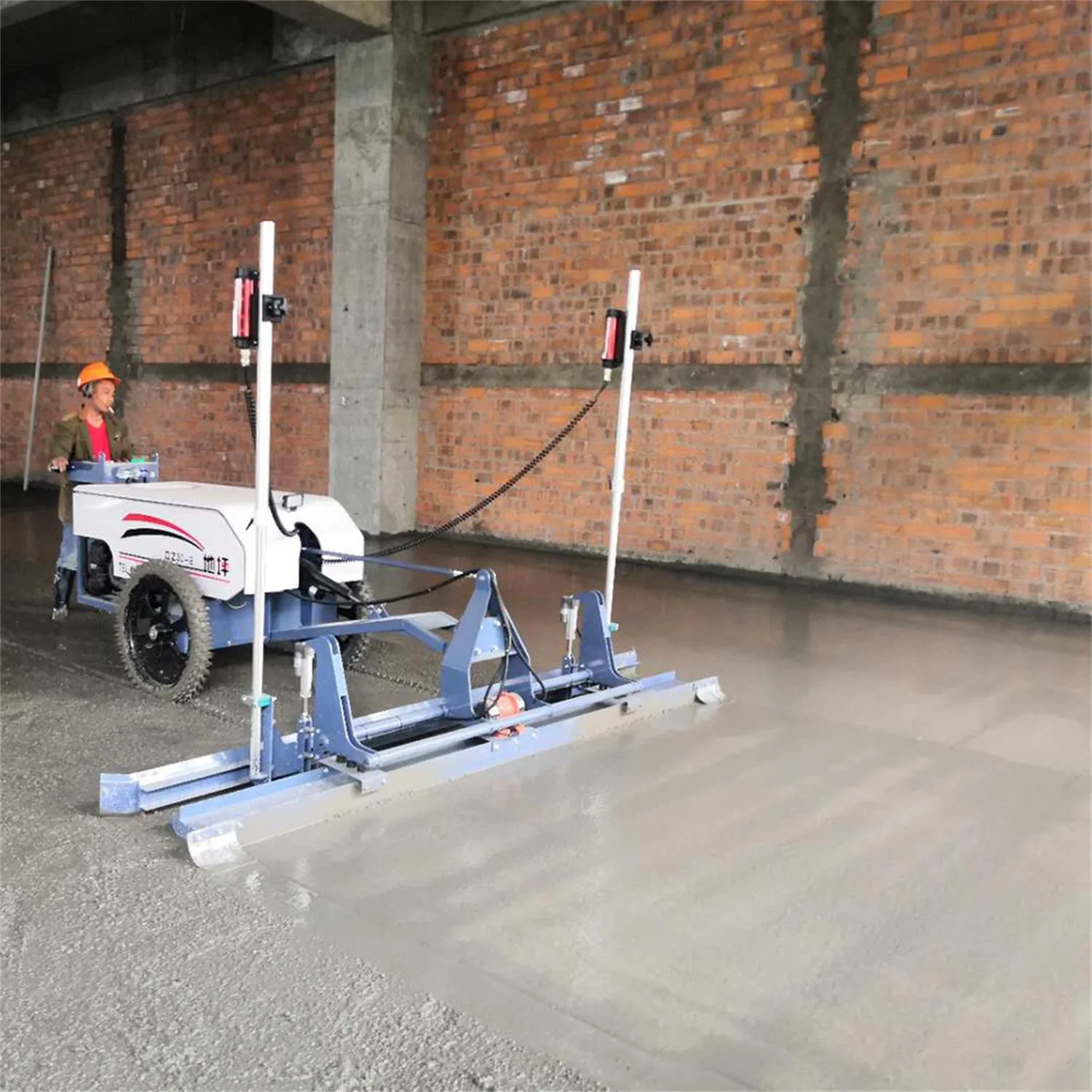
How to ensure the construction quality of laser leveling machine during construction? 10
The methods for laser leveling machines to ensure construction quality during construction include:
1. **Precise laser control system**:
– Use high-precision laser transmitters and receivers to ensure flatness and elevation control during construction.
2. **Automated operation**:
– Use the automated control system of the laser leveling machine to adjust the height and angle of the leveling head in real time to adapt to different construction conditions.
3. **High-quality construction materials**:
– Select appropriate concrete mix ratios and aggregates to ensure the fluidity and plasticity of concrete and reduce cracks and unevenness.
4. **Professionally trained operators**:
– Ensure that operators receive professional training, are familiar with the operation and maintenance of the equipment, and understand the key points of quality control during construction.
5. **Real-time monitoring and adjustment**:
– Use monitoring equipment to monitor the laying of concrete in real time during construction, and adjust the working parameters of the laser leveling machine in time.
6. **Strict construction plan and process**:
– Develop a detailed construction plan and process, arrange the construction sequence reasonably, and avoid cross-construction and construction interruption.
7. **Environmental adaptability**:
– Adjust equipment settings according to the characteristics of the construction environment, such as taking corresponding measures under high temperature or high humidity conditions.
8. **Post-construction maintenance management**:
– Perform maintenance in time after construction, such as covering and moistening maintenance, to ensure that the concrete reaches the designed strength.
9. **Quality inspection and acceptance**:
– Use professional tools to test flatness, levelness and strength to ensure that the construction quality meets the standards.
10. **Risk management**:
– Identify possible risk factors during the construction process and formulate corresponding prevention and response measures.
11. **Technology upgrade and maintenance**:
– Regularly upgrade and maintain the laser leveling machine to ensure that the equipment is in the best working condition.
12. **Construction data recording and analysis**:
– Record key data during the construction process, such as concrete temperature, pouring speed, etc., and analyze the data to optimize the construction plan.
Through the above measures, the laser leveling machine can ensure construction quality during the construction process, reduce rework and maintenance costs, and improve the overall quality and efficiency of the project.
Thanks to All the Friends Who Support and Trust Shandong Vanse Machinery Technology Co., Ltd.
If you want to know more about Shandong Vanse Machinery Technology Co., Ltd. or have any questions, please feel free to contact us:
Our Factory
Shandong Vanse Machinery Technology Co., Ltd.








Share this article

About the Author: Shandong Vanse Machinery Technology Co., Ltd.
Shandong Vanse Machinery Technology Co., Ltd. is a high-tech manufacturer specializing in concrete construction machinery, including laser screeds and related equipment. The company integrates R&D, production, and global sales, with products exported to over 60 countries and widely used in infrastructure projects worldwide.
Previous Post
Next Post
Related Articles
You Might Also Like
What benefits does a concrete laser leveling machine offer in comparison to conventional leveling approaches?
Concrete laser leveling machine is an efficient and precise equipment in modern concrete construction. Compared with traditional manual leveling (such as ruler, scraper, vibrator) or mechanical leveling (such as simple leveling by paver), its advantages are mainly reflected in the following dimensions: Laser control, unified global benchmark: The laser leveling machine establishes a horizontal reference plane through a laser transmitter, and the leveling head always works with this reference as a reference, avoiding the local height difference caused by manual visual errors and reference line offset (such as loose wire) in traditional methods. Accuracy can reach millimeter level: The flatness error of traditional manual leveling is usually above 5-10mm, while the laser leveling machine can control the error within 3mm, which is especially suitable for scenes with high flatness requirements (such as industrial plants, storage and logistics floors, precision instrument workshops, etc.), which can reduce the risk of sanding and cracking of the ground in the later stage, and also provide a more stable foundation for subsequent epoxy flooring, wear-resistant flooring and other processes. The single-shift operation area doubles: A traditional manual leveling team (3-5 people) can complete about 300-500 square meters per day, while a laser leveling machine (operated by 1-2 people) with concrete conveying equipment can complete 1000-2000 square meters in a single shift, and the efficiency is increased by 2-4 times. Integrated operation, reducing processes: The laser leveling machine integrates the functions of vibration, leveling, and slurry. The traditional method of "paving – vibration – scraping – slurry" requires multiple people to cooperate, and the laser leveling machine can complete it at one time, shortening the process connection time. Save labor costs: Traditional leveling requires a large number of workers to work together (such as paving, measuring, scraping, finishing, etc.), while the laser leveling machine only requires 1 operator and 1-2 auxiliary workers (handling corners, filling materials), which greatly reduces the number of workers, especially suitable for the current situation of labor shortage in the construction industry. Reduce labor intensity: Traditional manual leveling requires bending over and repeatedly pushing and pulling the scraper bar, which is labor-intensive, and long-term operation is prone to cause occupational diseases such as lumbar muscle strain; laser leveling machines are operated through mechanical automation, and the labor intensity of workers is significantly reduced. High-frequency vibration reduces bubbles and honeycombs: The leveling head of the laser leveling machine is equipped with a high-frequency vibrator (the vibration frequency can reach 3000-5000 times/minute), which can fully discharge the air in the concrete, avoid local leakage and lack of vibration caused by uneven manual operation of traditional vibrating rods, and improve the density and strength of concrete. Uniform slurry lifting effect: The leveling head completes slurry lifting simultaneously during the leveling process, making the surface cement mortar more evenly distributed, reducing the local thinning or overdrying caused by traditional manual slurry lifting, which is conducive to subsequent surface finishing and enhancing surface wear resistance. Capability of large slope construction: Some laser levelers support slope adjustment (0-5% or even higher), which can be used in scenes with slope requirements such as ramps and sloping roofs. Traditional manual leveling is difficult to accurately control the slope. Large area seamless construction: For ultra-large area concrete (such as large factory buildings and airport runways), laser levelers can operate continuously, reduce joint errors caused by manual segmented construction, and improve overall flatness. Adaptability to harsh environments: The laser system is less affected by weather (such as strong light and breeze), while manual leveling is prone to visual errors under strong light, and strong winds will affect the stability of the baseline. Reduce later maintenance costs: Due to high flatness and good density, the probability of cracking and sanding of concrete floors is reduced, and subsequent repair and maintenance costs are reduced. Shorten construction period and accelerate capital turnover: Efficient construction can complete project nodes ahead of schedule, reduce indirect costs such as equipment rental and labor management, and especially for large projects, the time cost savings are more significant. The concrete laser leveling machine surpasses the traditional leveling method in terms of accuracy, efficiency, quality, cost, etc. through "laser precision control + mechanical automation operation", and is especially suitable for projects with high requirements for ground quality and large construction areas. Although the initial equipment investment is high, in the long run, the comprehensive benefits it brings (reducing rework, saving labor, shortening construction period, etc.) can significantly improve the competitiveness of construction. Click the below to jump immediately!!! ARMOUR JOINT CONCRETE LASER LEVELING MACHINE LIGHT TOWER POWER TROWEL SLIPFORM MACHINE STEEL FIBER TOPPING SPREADER TRACKED MINI DUMPERWhat is the efficient of a large concrete trowel?
The working efficiency of large concrete trowels varies depending on factors such as model, configuration and construction conditions. The working efficiency of common ride-on double-disc trowels is generally around 400-500 square meters per hour. Calculated on an 8-hour workday, its working efficiency is between 3000-5000 square meters.Auto spreader VS manual spreading—Who ensures even hardener distribution?
In the battle for the perfect bond-whether you're working with resins, adhesives, or body fillers-the goal is homogeneity. If the hardener isn't distributed evenly, you end up with "soft spots" (under-cured) or "brittle spots" (over-cured). Here is the breakdown of how these two methods stack up. Automatic systems (like those used in industrial laminating or high-end body shops) are designed to remove human error from the equation. Mechanical Metering: These machines use synchronized pumps to ensure the ratio of resin to hardener is exact down to the milligram. Static Mixers: Most auto-spreaders force the components through a series of internal baffles (a static mixer) before the material even hits the surface. This ensures that by the time the product is "spread," it is already 100% chemically integrated. Consistency: It provides the same thickness and mix quality on the first inch as it does on the thousandth. Manual spreading relies entirely on the technique, patience, and "eye" of the operator. Human Variable: Even a pro can have an "off" day. Swirl marks or "streaks" of hardener are common if the mixing board isn't scraped properly. The "Pocket" Problem: In manual mixing, unmixed hardener often gets stuck on the spreader tool or the corners of the mixing container, leading to uneven streaks during application. Adaptability: The only area where manual wins is geometry. A human can navigate complex curves or tight corners that a fixed mechanical head might miss. Feature Auto Spreader Manual Spreading Ratio Accuracy Near Perfect Subject to "eyeballing" Chemical Bond Highly Uniform Risks "hot spots" or soft zones Waste Low (precise application) High (excess mixed is often tossed) Initial Cost High (Equipment) Low (Hand tools) The Auto Spreader ensures far superior hardener distribution. While a skilled technician can do a great job manually, they cannot compete with the mechanical integration of an automated system. In manual spreading, you are mixing and spreading as two distinct (and often flawed) steps. An auto-spreader treats them as a single, controlled process. Pro Tip: If you are spreading manually, always use the "Double Mix" method: mix your components, transfer them to a clean second container/board, and mix again with a clean tool to catch any unreacted material from the edges. Would you like me to look into specific auto-spreading equipment recommendations for your industry, or perhaps a guide on manual mixing techniques to minimize "soft spots"? Contact us NOW Note: The parameters provided in this document are for reference only and are not mandatory. Due to differences in technical characteristics between different brands and models of laser levelers, please consult the manufacturer for a suitable solution before actual operation. This reference document assumes no responsibility for any issues arising from failure to follow the manufacturer's instructions.