Technical Knowledge
How does the concrete laser leveling machine achieve high-precision leveling?
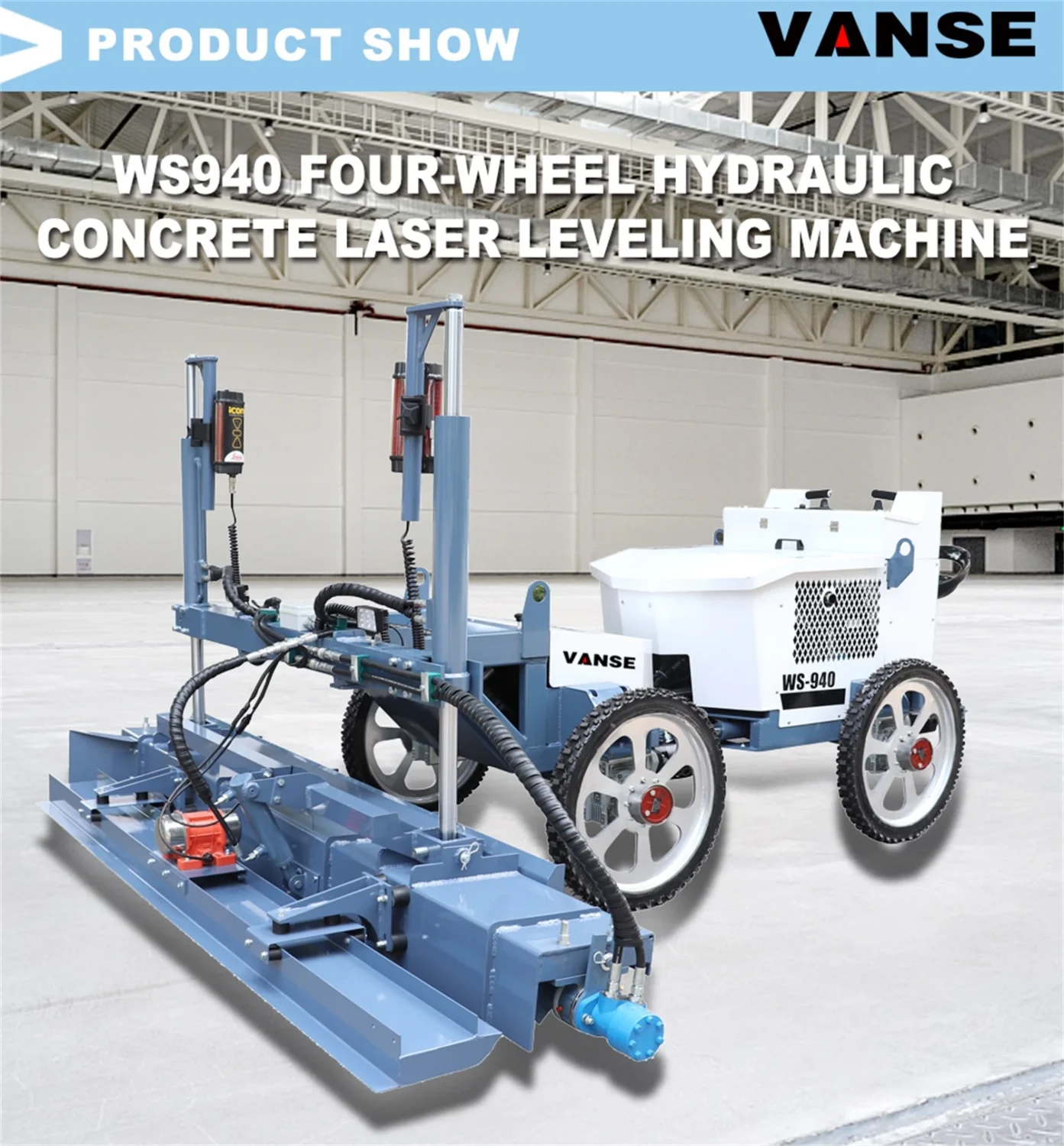
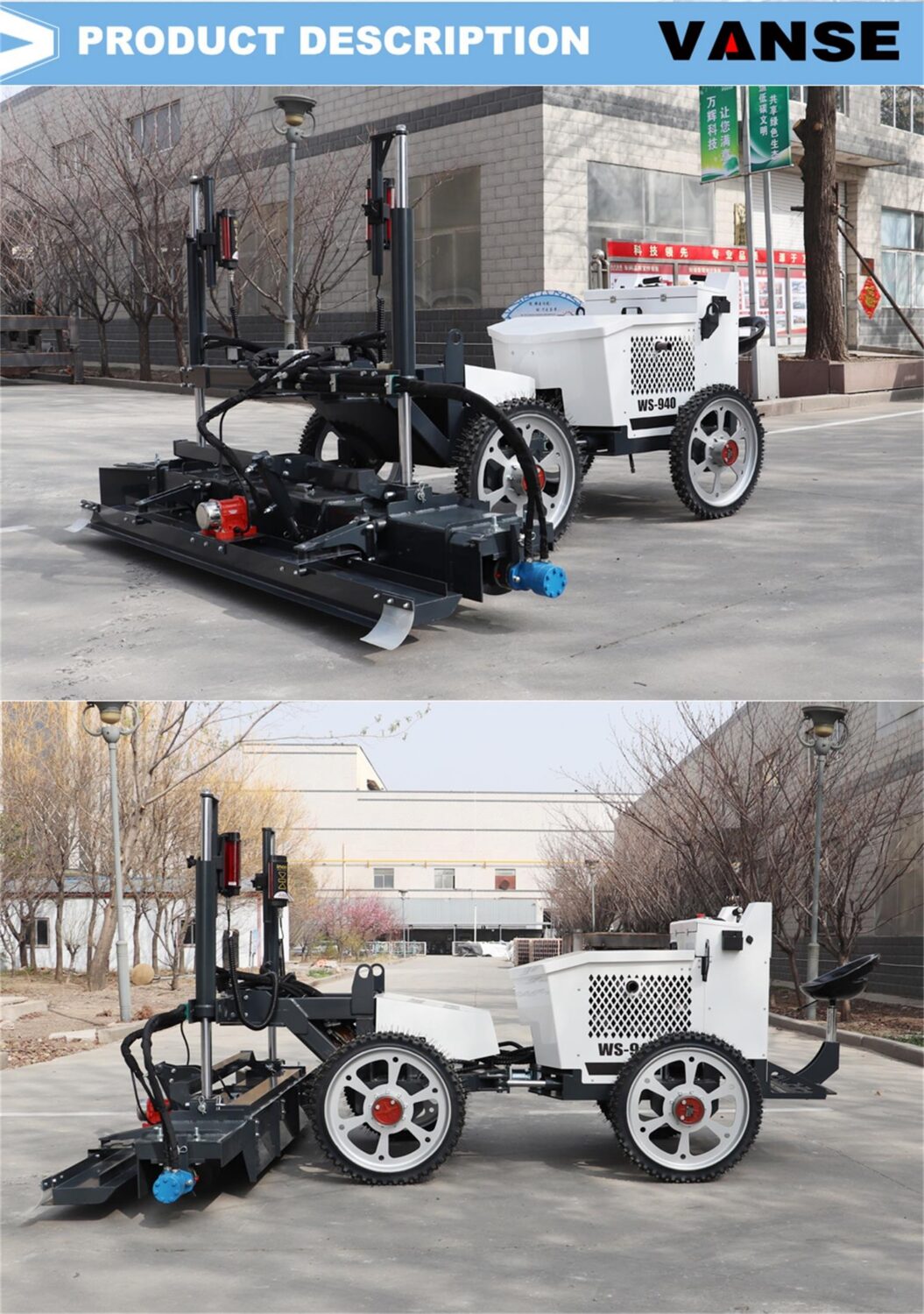
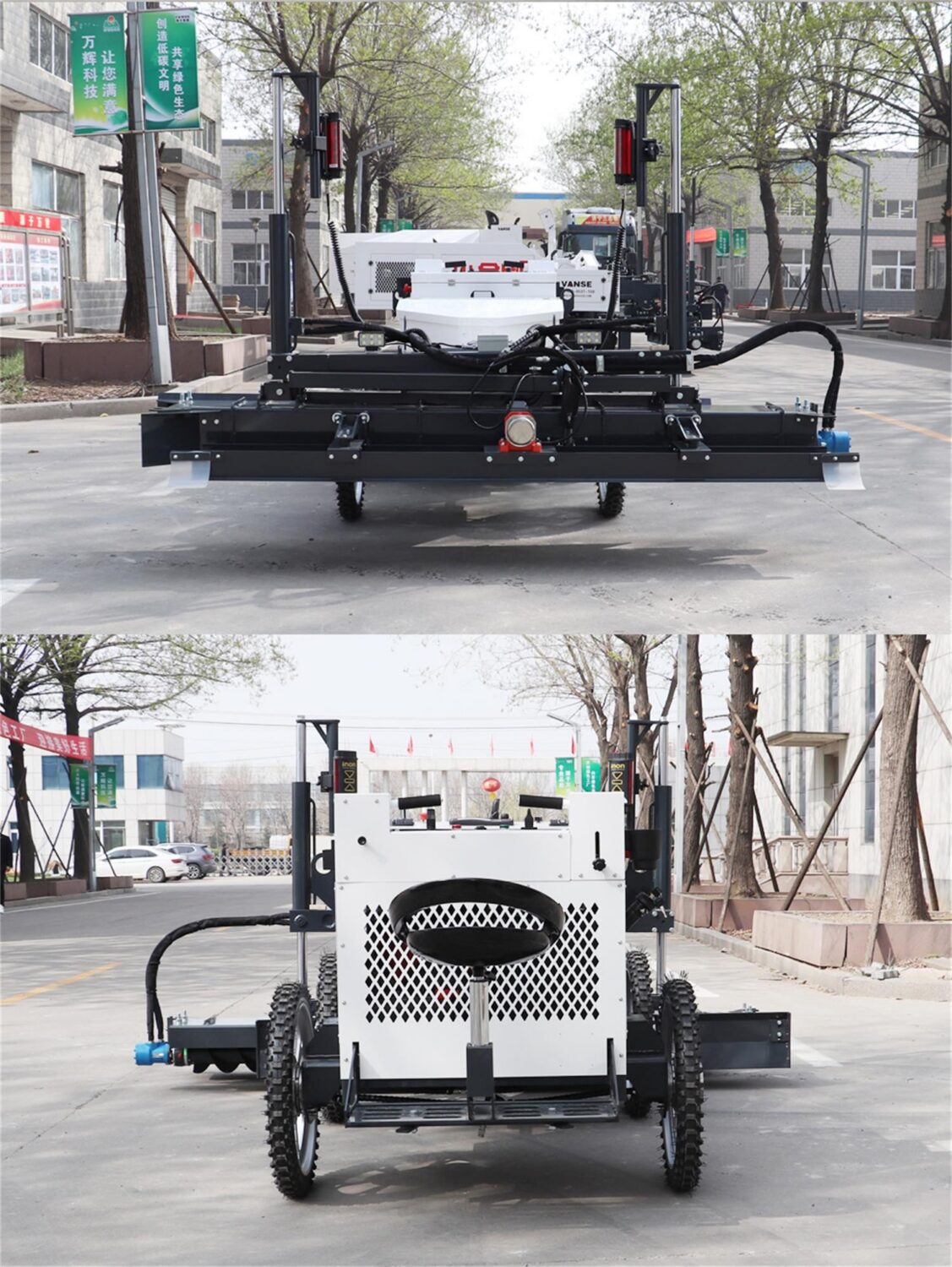
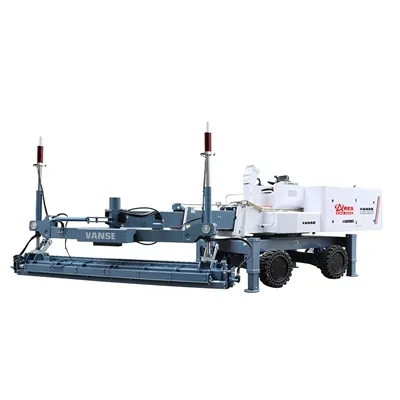
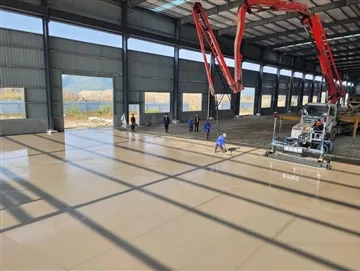
The concrete laser leveling machine mainly relies on advanced laser technology and computer control system to achieve high-precision leveling. Specifically, the working principle of the concrete laser leveling is as follows:
First, the laser transmitter emits a laser beam, which is positioned and navigated through a computer control system to ensure the accuracy and stability of the laser beam. After the laser beam is received by the receiver, it forms an optical path through a series of optical operations such as reflection and focusing, which provides a benchmark for the operation of the leveler.
Secondly, the leveling head is the core part of the concrete laser leveling machine. It integrates components such as scrapers, spirals and vibrating plates, and can complete the initial leveling, vibrating and leveling of concrete at one time. The operation of the leveling head is controlled by a computer control system. The leveling head is accurately adjusted through the received laser signal so that the elevation of the leveling head is always maintained at the set value to ensure the flatness of the floor.
At the same time, the compacted soil laser leveling machine uses high-precision laser ranging sensors and angle sensors to monitor the position and attitude of the leveling head in real time and feed the data back to the control system. The control system adjusts the running trajectory and speed of the leveling head based on the feedback data to ensure that the leveling machine can quickly and accurately complete the floor leveling work.
In addition, the concrete laser leveling machine is also equipped with a high-precision weighing system that can monitor the amount and distribution of concrete in real time. By adjusting the proportion of concrete and the mixing method, as well as controlling the pouring speed and thickness of concrete during construction, the flatness and quality of the floor can be further improved.
To sum up, the compacted soil laser leveling machine achieves high-precision and efficient leveling work through advanced laser technology and computer control system. It can not only improve the quality and service life of the floor, but also significantly reduce labor costs and material waste, providing strong support for the development of the modern construction industry.
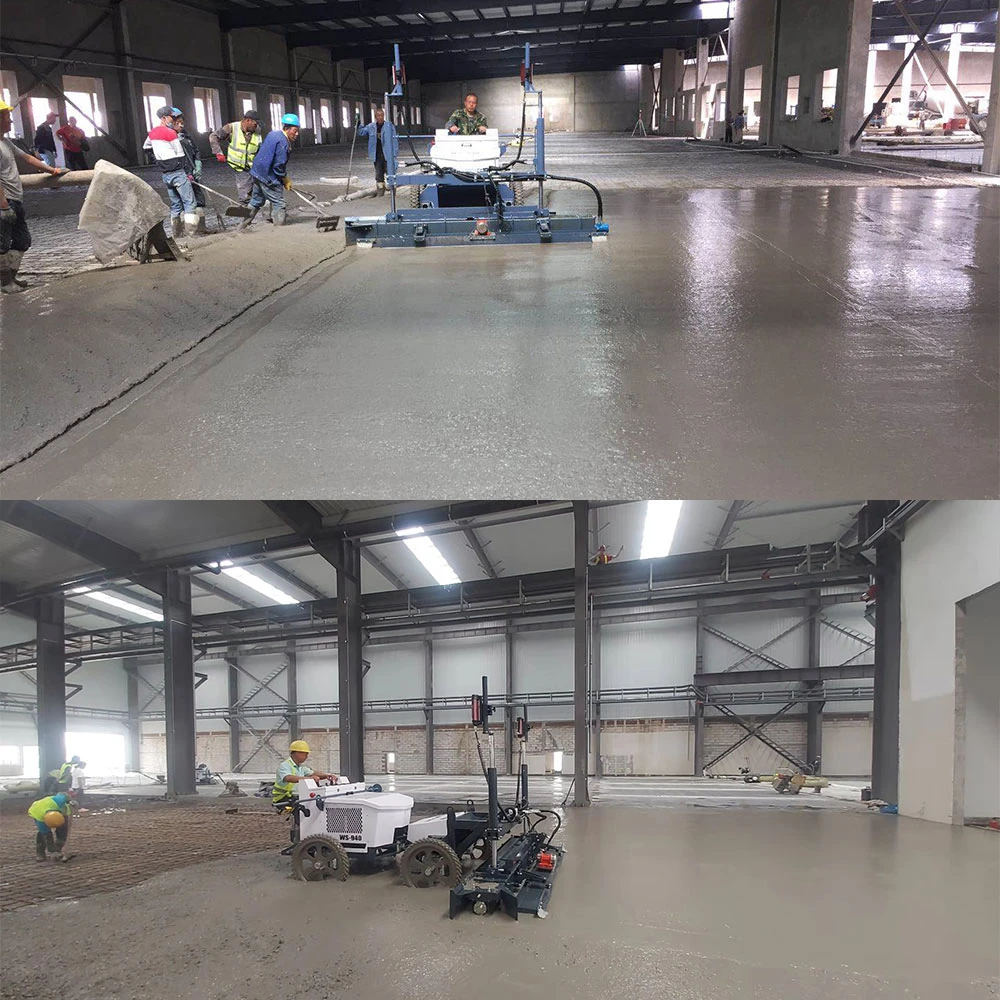
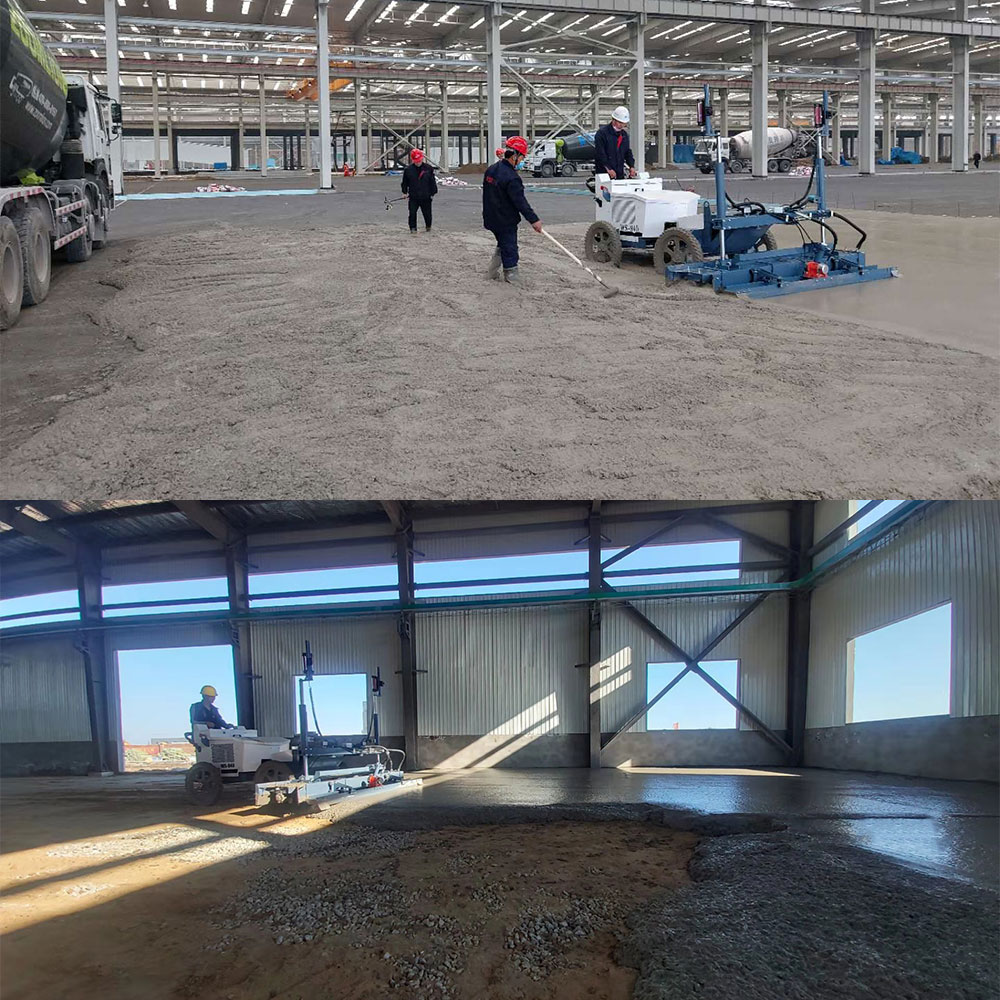
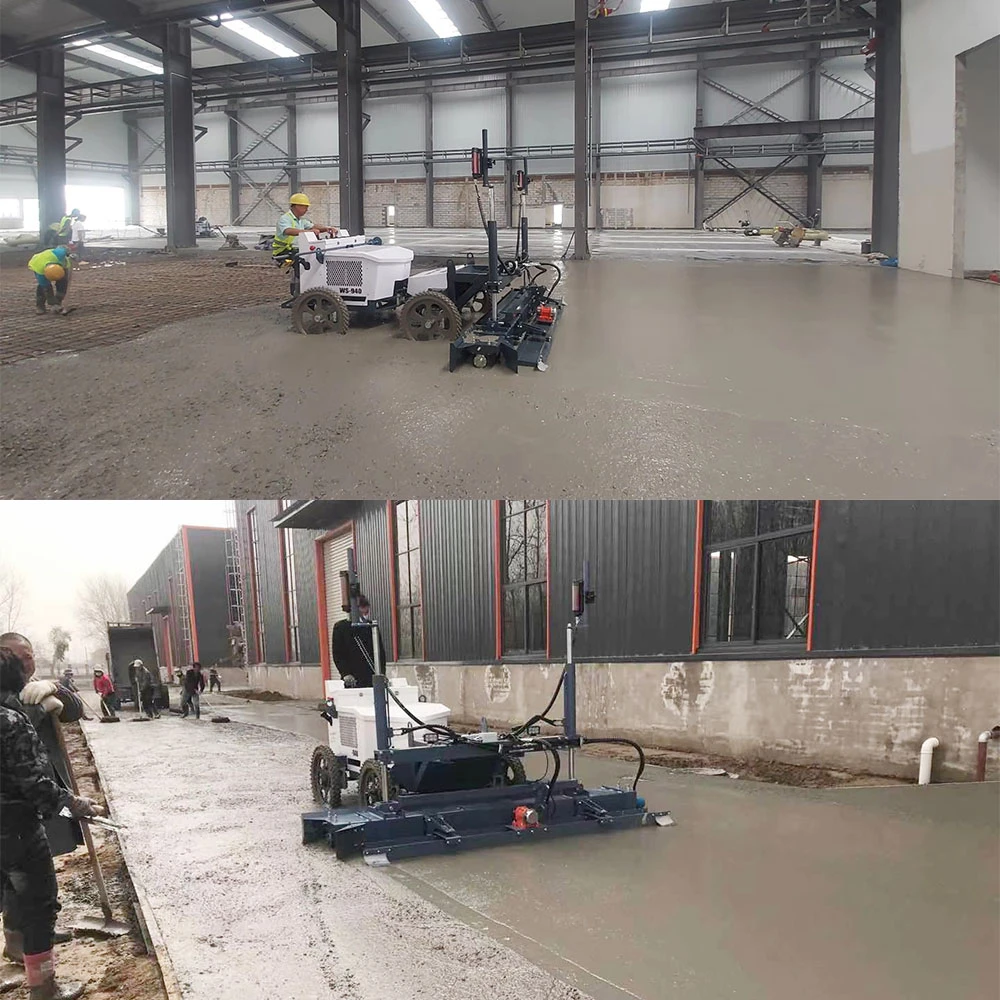
Thanks to All the Friends Who Support and Trust Shandong Vanse Machinery Technology Co., Ltd.
If you want to know more about Shandong Vanse Machinery Technology Co., Ltd. or have any questions, please feel free to contact us:
Our Factory
Shandong Vanse Machinery Technology Co., Ltd.








Share this article

About the Author: Shandong Vanse Machinery Technology Co., Ltd.
Shandong Vanse Machinery Technology Co., Ltd. is a high-tech manufacturer specializing in concrete construction machinery, including laser screeds and related equipment. The company integrates R&D, production, and global sales, with products exported to over 60 countries and widely used in infrastructure projects worldwide.
Previous Post
Next Post
Related Articles
You Might Also Like
Whether the laser leveling machine should be maintained in time after use
We found that when many users use the laser leveling machine, they often just know how to use it, but the follow-up maintenance and maintenance are basically not done. They don't know that maintenance and maintenance are actually a crucial step for the leveling machine, because the correct maintenance steps are actually an important prerequisite for ensuring the efficient use of the leveling machine. 1. After the work is completed, please use the arm lift button to manually lift the machine head, and then push it out of the construction site. It is forbidden to push the machine when the vibrating leveling part is in contact with the ground to avoid damage to the vibrating plate. 2. After the construction is completed, it is necessary to rinse the laser leveling machine with a high-pressure water gun in time (it is strictly forbidden to flush the water gun directly at the mesh part of the fuselage, so as to prevent water from entering the inside of the fuselage and causing short circuits, etc.). 3. The place where the laser leveling machine is placed must be kept dry, and debris and flammable and explosive materials must not be piled up around it. 4. The battery of the leveler also needs to be paid attention to. If it is not used together for a long time, make sure to remove all batteries from the host and receiver and store them properly. The transmitter comes with a rechargeable battery with a charging time of eight hours. 5. During the use of the laser leveling machine, please try to charge the battery after the battery is fully used. When charging, try to ensure that it is fully charged for 8 hours at a time. The charging time is recommended to be 12 hours, and it is advisable to charge it for 8 hours later. To avoid damage to the battery and the transmitter, please unplug the power plug in time after it is fully charged. 6. If the laser signal is lost during the construction process, the concrete laser leveling machine needs to be restarted, and the interval time needs to be more than ten seconds. 7. If the laser leveling machine is placed on a stable ground when it is not used for a long time, lubricating grease should be added to each bearing part once a week, and lubricating oil should also be added to each chain to maintain good lubrication. At the same time, attention should be paid to avoid sand and other sundries getting into the chain to prevent premature damage to the chain. Generally, at the end of one month or every construction period, the laser leveling machine should be inspected and maintained once. Always pay attention to the tightness of the V-belt and the chain, adjust it in time if it is too loose, and adjust the fastening bolts frequently to prevent loosening. About the maintenance method of the laser leveling machine, I will introduce you here. I believe that you have understood it clearly after reading it. If you want to know more about the leveling machine, you can continue to pay attention to our website. We will provide you with more information in this regard.How can maintenance of the concrete laser leveling machine ensure safe and stable construction?
Maintenance of concrete laser screed machines is a key component in ensuring safe and stable construction. Essentially, it involves regularly inspecting, repairing, and maintaining key equipment systems to eliminate potential failures and ensure the equipment maintains a controllable and reliable operating state during construction. The following details how maintenance can achieve safe and stable construction through three key dimensions: core system maintenance, periodic maintenance procedures, and specialized safety inspections: The safety and stability of laser screed machines depend on the coordinated operation of four core systems: power, laser control, travel, and leveling. Any malfunction in any of these systems can lead to construction deviations, equipment loss of control, or even safety accidents, necessitating targeted maintenance: The power system (engine/motor, fuel/circuit board, cooling system) is the foundation of equipment operation. Failures in the power system can cause sudden equipment shutdown (impacting the initial setting quality of concrete) or unstable power output (causing equipment vibration). Engine (Fuel Type) Maintenance: Before each operation, check the engine oil level (must be between the "MIN-MAX" marks on the dipstick), the fuel filter (replace monthly to prevent clogging and fuel shortages), and the air filter (clean every 20 hours to prevent dust from entering the cylinder and causing power loss). Weekly check the cooling fan blades for damage and the radiator for dust accumulation (clean with compressed air if clogged) to prevent engine overheating, shutdown, or cylinder seizure. Strictly prohibit the use of inferior fuel (must comply with the fuel grade specified in the equipment manual, such as 0# diesel) to prevent fuel pump wear and power loss. Motor (Electric) Maintenance: Before each startup, check the cables for damage and loose connectors (wrap damaged areas with insulating tape and tighten connectors to prevent electrical leakage). Monthly, check the motor's carbon brushes for wear (replace when worn to 1/3 of their original length) to prevent premature stops or unusual noises caused by poor contact. The laser control system (laser transmitter, receiver, and controller) is the core of the screed's precise operation. Inaccuracies not only result in substandard concrete flatness (requiring rework and increasing construction risks), but can also cause mechanical collisions due to misjudgment of height. Laser Transmitter Maintenance: Clean the transmitter lens before each use (wipe with a dust-free cloth to prevent dust from affecting the laser signal). Check the mounting bracket for stability (to prevent the transmitter from tipping over and causing the laser to drift). Calibrate the laser level weekly (using the device's built-in calibration function or using a level to assist), ensuring the laser plane error is ≤±1mm/10m. Protect the transmitter from direct sunlight or rain (install a sunshade or rain cover for extended outdoor use) to prevent internal components from moisture and aging. Receiver and Controller Maintenance: Check the receiver probe daily for scratches (replace if damaged to prevent signal reception errors). Clean the controller buttons and display monthly (use an alcohol wipe). Check the connection harness for tightness (to prevent vibration that could cause poor contact and malfunction). The travel system (tires/tracks, drive motor, reduction gearbox) and leveling system (leveling disc, scraper, hydraulic cylinder) come into direct contact with the concrete. Failures can cause the equipment to become stuck or erroneous, potentially cracking the concrete surface and causing injuries to personnel. Travel System Maintenance: After each construction phase, clean concrete debris from the gaps between the tires and tracks (use a shovel or high-pressure water jet to prevent hardened debris from causing travel jams). Check the drive motor gear oil level weekly (must comply with the manufacturer's instructions and replenish promptly if insufficient). For crawler-type equipment, check track tension (too loose can lead to derailment, while too tight can cause wear). Check the travel wheel bearings monthly for abnormal noise. If any abnormal noise is detected, disassemble and lubricate or replace the bearings to prevent bearing seizure and equipment loss of control. Leveling System Maintenance: Check the leveling plate and scraper for wear daily before application (if edge wear exceeds 5mm, repair or replace to prevent loss of leveling accuracy). Check the hydraulic cylinder seal weekly (check for oil leaks on the cylinder surface. If leaking, replace the seal to prevent insufficient hydraulic pressure from causing the leveling plate to raise and lower slowly or become stuck). Clean the leveling plate promptly after application (rinse with clean water to prevent concrete from settling on the plate and scratching the concrete surface during subsequent use). In addition to daily inspections, a periodic maintenance plan should be developed based on the equipment's lifetime. This shifts from "reactive maintenance" to "proactive prevention," ensuring safe and stable construction over time. Maintenance cycle Maintenance content Safety assurance target Daily maintenance (before/after construction) 1. Check the powertrain fluid, circuits, and cables; Eliminate immediate hidden dangers during construction on the same day and ensure that the equipment is stable from the moment it is turned on 2. Clean the laser transmitter and receiver lenses; 3. Clean concrete debris from the travel and leveling systems; 4. Test run the equipment (run the equipment at no load for 5 minutes to check for abnormal noise or jamming). Weekly maintenance 1. Calibrate the laser control system accuracy; Repair minor wear or deviation to avoid potential failures caused by accumulation of hidden dangers 2. Check the travel system gear oil and track tension; 3. Check the hydraulic cylinder seal and leveling plate wear; 4. Clean the equipment's cooling system (radiator, motor fan). Monthly maintenance 1. Replace the engine oil, fuel filter, and air filter (fuel-powered models); Restore equipment performance and prevent safety accidents caused by aging of key components 2. Replace the motor carbon brushes and check the cable insulation (electric models); 3. Lubricate the travel wheel bearings and leveling system connecting shaft (apply grease); 4. Thoroughly inspect the equipment's structural components (such as the frame and handrails) for looseness or deformation. Quarterly / Annual Maintenance 1. Disassemble and inspect the gearbox and hydraulic pump (clean out any impurities and replace the hydraulic oil); In-depth investigation of hidden faults to ensure long-term safe operation of equipment 2. Test the laser control system accuracy (contact the manufacturer or a professional calibration agency); 3. Inspect the welds of the equipment's structural components (if cracks are found, repair them to prevent structural failure). 4. Replace aging cables, seals, filters, and other vulnerable parts. Maintenance and maintenance not only focus on the equipment itself but also must be combined with "operator specifications" and "adaptation to the construction environment" to avoid safety risks caused by "proper equipment but improper use." Operator Training and Qualification Verification: Ensure that operators receive professional training (familiarity with equipment operating procedures and emergency troubleshooting). Unqualified personnel are strictly prohibited from operating the equipment. Regular maintenance training (such as daily inspection points and simple troubleshooting) is provided to operators to prevent equipment damage or safety accidents caused by operator errors (such as accidentally touching the laser transmitter or improperly adjusting the leveling plate height). Check the suitability of the construction environment: Before construction, check the flatness of the work surface. (If the ground is undulating, lay gravel to level it to prevent the equipment from tilting during travel, which could cause laser signal distortion.) For outdoor construction, pay attention to the weather. (Strong winds and heavy rain are strictly prohibited to prevent laser signal interference or water intrusion and short circuits.) Warning signs should be posted in the work area to prevent unauthorized access and avoid collisions with the leveling plate or travel system. The key to ensuring safe and stable construction through maintenance of concrete laser screeds is to eliminate inherent equipment hazards through "core system maintenance," prevent cumulative failures through "periodic maintenance," and standardize the coordination between man, machine, and the environment through "special safety inspections." Only by integrating maintenance into the entire construction process can we minimize safety risks caused by equipment failures, ensure stable concrete construction quality, and ensure safe and controllable operations. Note: The parameters provided in this document are for reference only and are not mandatory. Due to differences in technical characteristics between different brands and models of laser levelers, please consult the manufacturer for a suitable solution before actual operation. This reference document assumes no responsibility for any issues arising from failure to follow the manufacturer's instructions.Concrete laser leveling machine winter maintenance tips
The strongest cold wave hits, Wanshi machinery warm reminder you now is the off-season construction, machine maintenance can not slack off oh, here is the winter maintenance of the machine super practical knowledge, the following winter maintenance measures are in the routine maintenance needs special attention to matters, must be completed under the premise of conventional maintenance: Before the onset of winter, replace the winter fuel in advance to avoid the wax accumulation of ordinary diesel in the filter element and pipeline due to low temperature, thus causing the engine to fail to start normally. Choose a standard engine oil. Open the anti-icing device of the compressed air system and check the ether level regularly. Many engines require additional additives in the coolant, known as SCA (Supplemental Coolant Additive). It is usually used in the process of contact between aluminum parts and coolant, so as to prevent metal corrosion, mineral precipitation, cylinder liner cavitation and foaming more effectively. Please refer to the machine's manual for details. Electrical system maintenance: Please start the engine once every half a month, charge the battery, and run all hydraulic actuators, such as rotating hydraulic motor, telescopic cylinder, etc. Do not remove the battery from the machine to prevent the failure of the internal software program of the controller due to the loss of the equipment for a long time. Hydraulic system maintenance: Start the machine regularly and open all hydraulic functions on the machine, so that the hydraulic drive components work regularly, in order to prevent the related seals due to long time parking damage, and cylinder rod and other metal components corrosion and other failures. As far as possible, all cylinder rods are shrunk into the hydraulic cylinder cavity to better protect the surface of the cylinder rod. Maintenance of mechanical parts: Before parking the machine for a long time in winter, lubrication and maintenance of each mechanical hinge point and bearing should be done well. Check the integrity of the dustproof cover of each mechanical component, and replace the damaged seals in time. Metal contact surfaces exposed to air should be treated against rust. Start the engine regularly and run all reduction gear boxes to prevent the shaft seals and rubber seals in the gear boxes from being damaged by long-term parking and bonding with gear oil.