Technical Knowledge
What’s so good about VANSE laser leveling machine?
[MANUAL PK EQUIPMENT] WHAT'S SO GOOD ABOUT VANSE LASER LEVELING MACHINE?
We have all seen the exquisiteness of manual production, but after all, it is aimed at a small number of people and cannot be mass-produced, and manual work will prolong the construction time. Some time ago, VANSE Machinery specially conducted a man-machine battle, asking 8 senior technicians to compete with the laser leveling machine, and the result is self-evident.
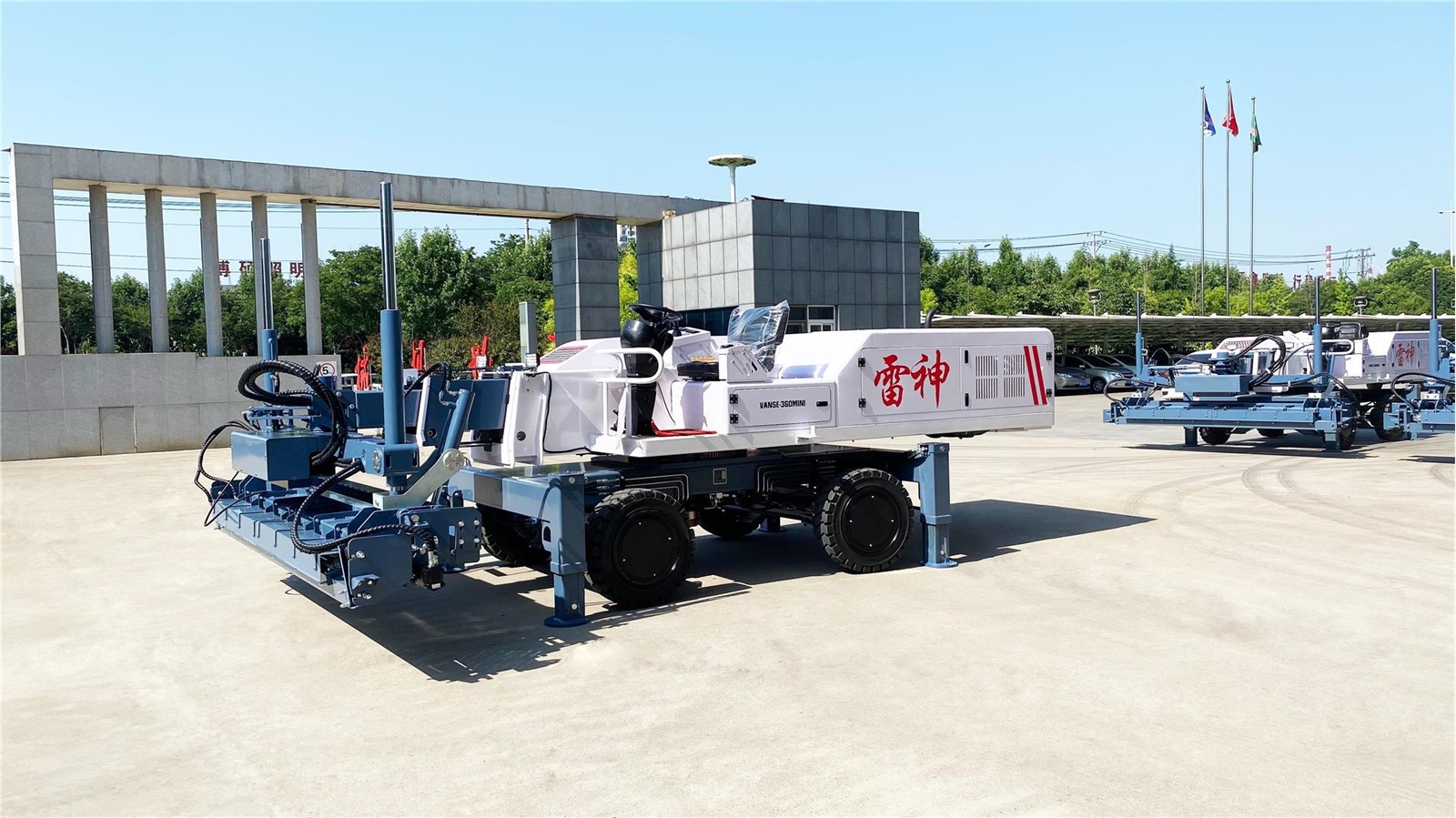
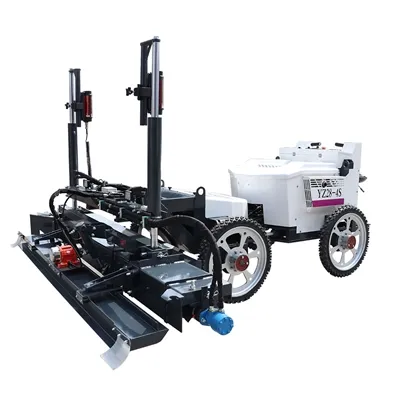
Concrete laser leveling machine has many advantages compared with traditional construction. Take the YZ30-4E concrete laser leveling machine as an example. After years of research and development, Shandong VANSE Machinery is the first to launch a laser leveling machine in China, which directly solves these troubles of customers . Let me tell you about the five advantages of our concrete laser leveling machine compared with traditional construction:
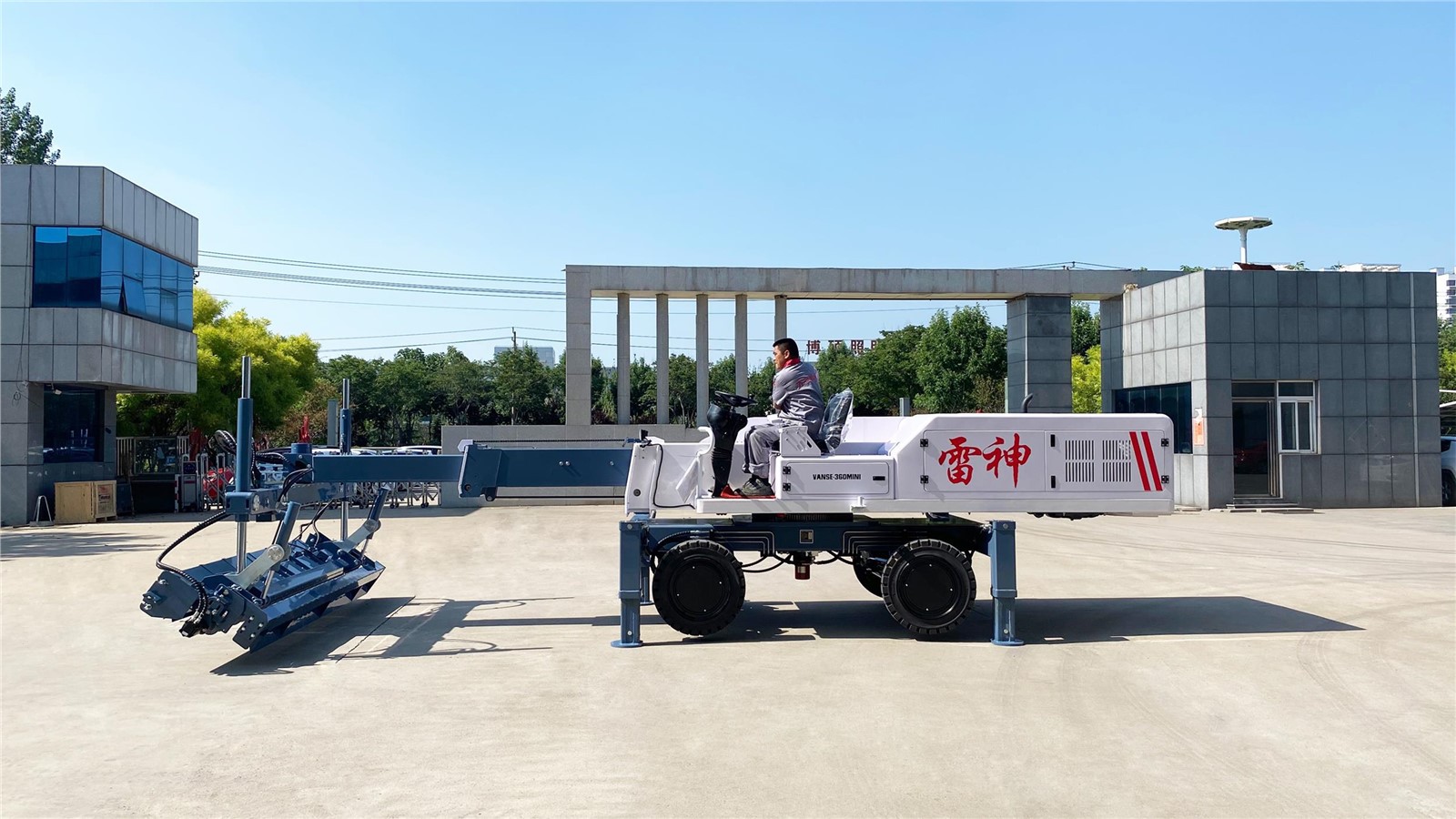
First: Save labor input for concrete leveling
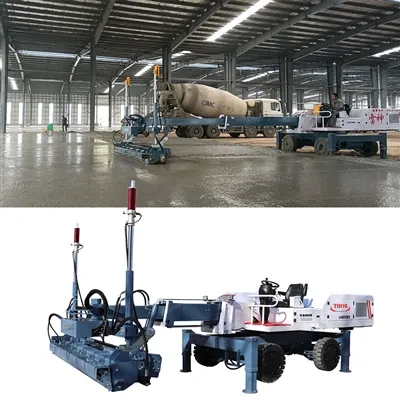
About 8 workers use Wanshi laser leveling machine to form a construction team, which can complete 300 square meters of paving work per hour, and a single shift can complete 3000-5000 square meters. In large-area floor construction, manual construction with traditional techniques requires a team of about 15 people, and the workload of a single shift is within 700 square meters.
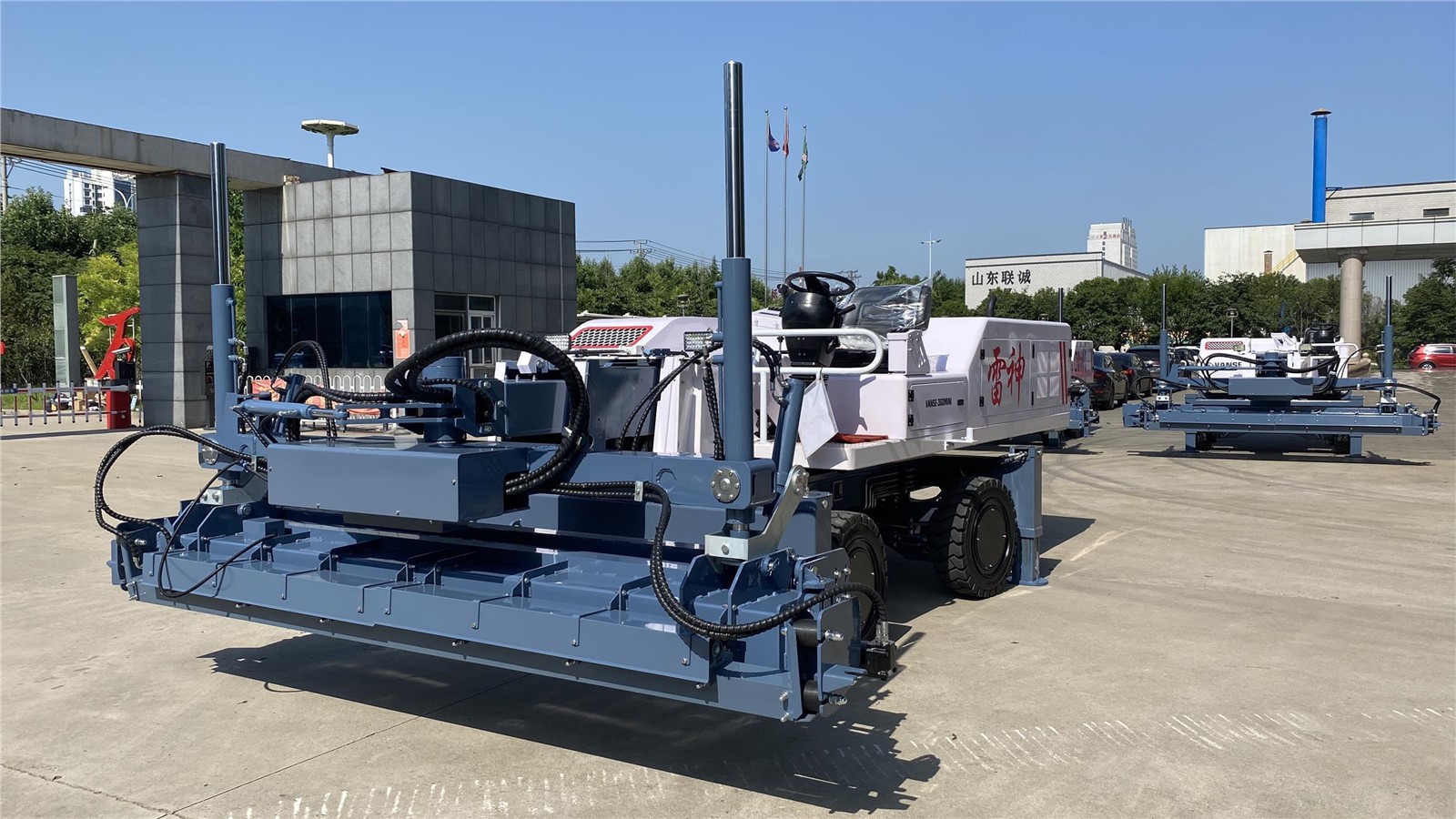
Second: save capital investment in concrete leveling
The original labor needs to pay the formwork in advance, which wastes labor, delays the construction period, and cannot effectively return funds.
Third: shorten the construction period of concrete leveling
Using VANSE concrete laser leveling machine, 3000-5000 square meters can be completed in one day. The original artificial formwork is supported in advance, the construction effect is low, and the construction period is prolonged.
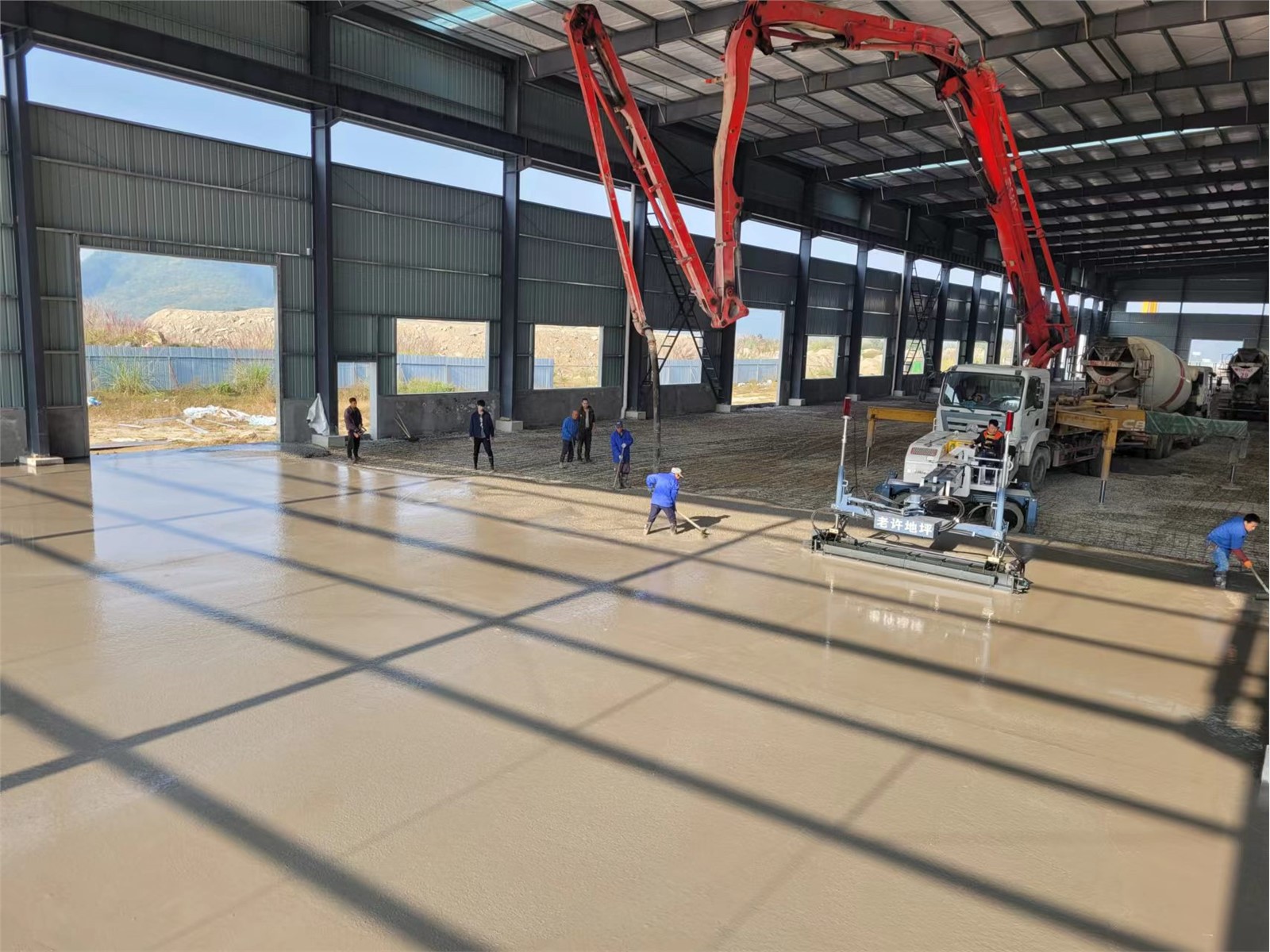
Fourth: the incomparable flatness and integrity of artificial concrete leveling
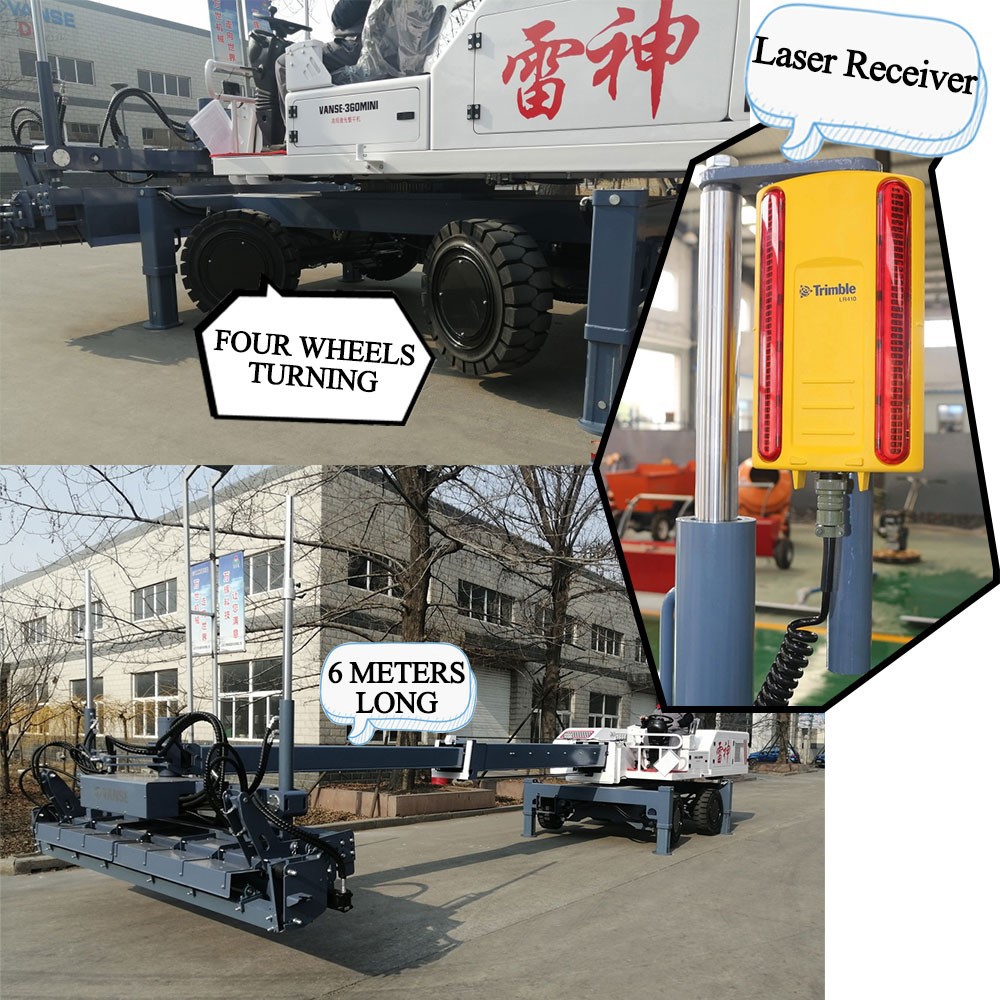
The working principle of VANSE Concrete Laser Leveling Machine is that the laser transmitter generates rotating laser, the laser receiver on the leveling machine receives the signal, and the laser measurement and control system analyzes it, and the deviation will be fed back to the sensitive computer control system on the leveling machine. The left and right electric push rods will adjust the height of the scraper to ensure leveling accuracy and high leveling.
Fifth: laser alignment, high precision, low error.
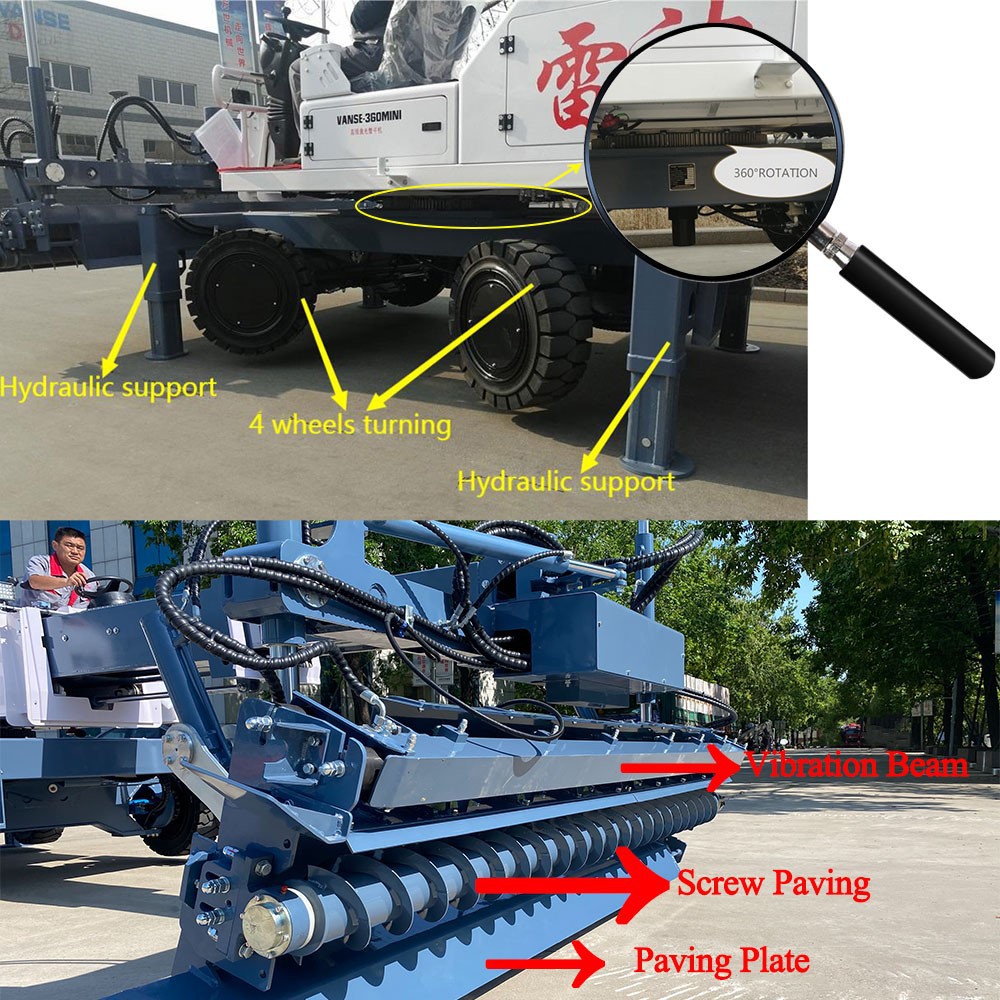
The technological principle of VANSE Concrete Laser Leveling Machine is to rely on gasoline generators to generate electricity, and use electric power to drive the laser measurement and control system, computer control system and servo drive system to use the leveling head to complete the leveling work. Laser leveling machine leveling does not need to pull the control line, and also There is no need for side templates to control the ground elevation, but it is controlled in real time by the laser measurement and control system on the leveling machine. As long as the laser transmitter is not disturbed, no matter where the leveling machine moves, the overall elevation of the paved ground can be ensured Not affected.
Sixth: The ground is more dense and uniform
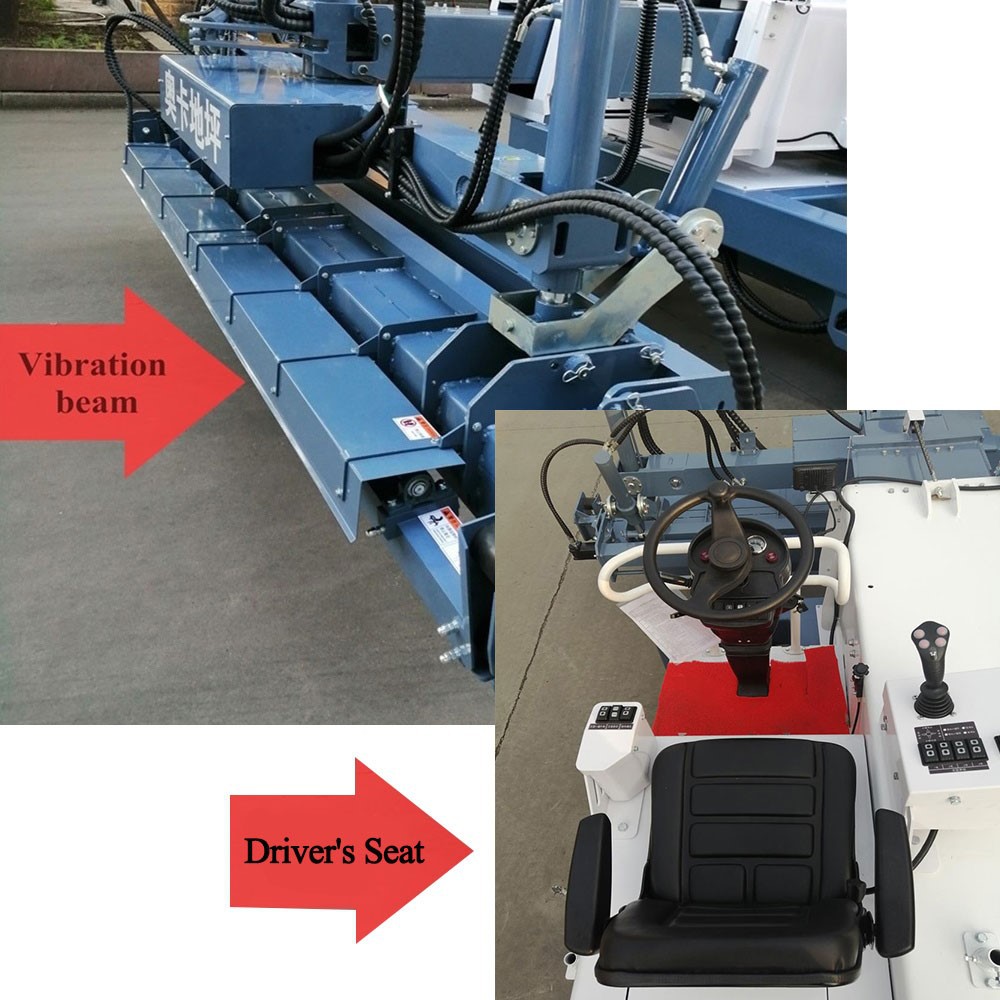
Our VANSE laser leveling machine uses a high-frequency vibrator of 4,000 times per minute. The uniform high-frequency vibration of the vibrating plate of the leveling head makes the concrete floor dense and can avoid ground cracks caused by stress concentration caused by deformation. It can reduce cracks and effectively solve the problems of hollowing, shelling, cracking and inequality on the ground.
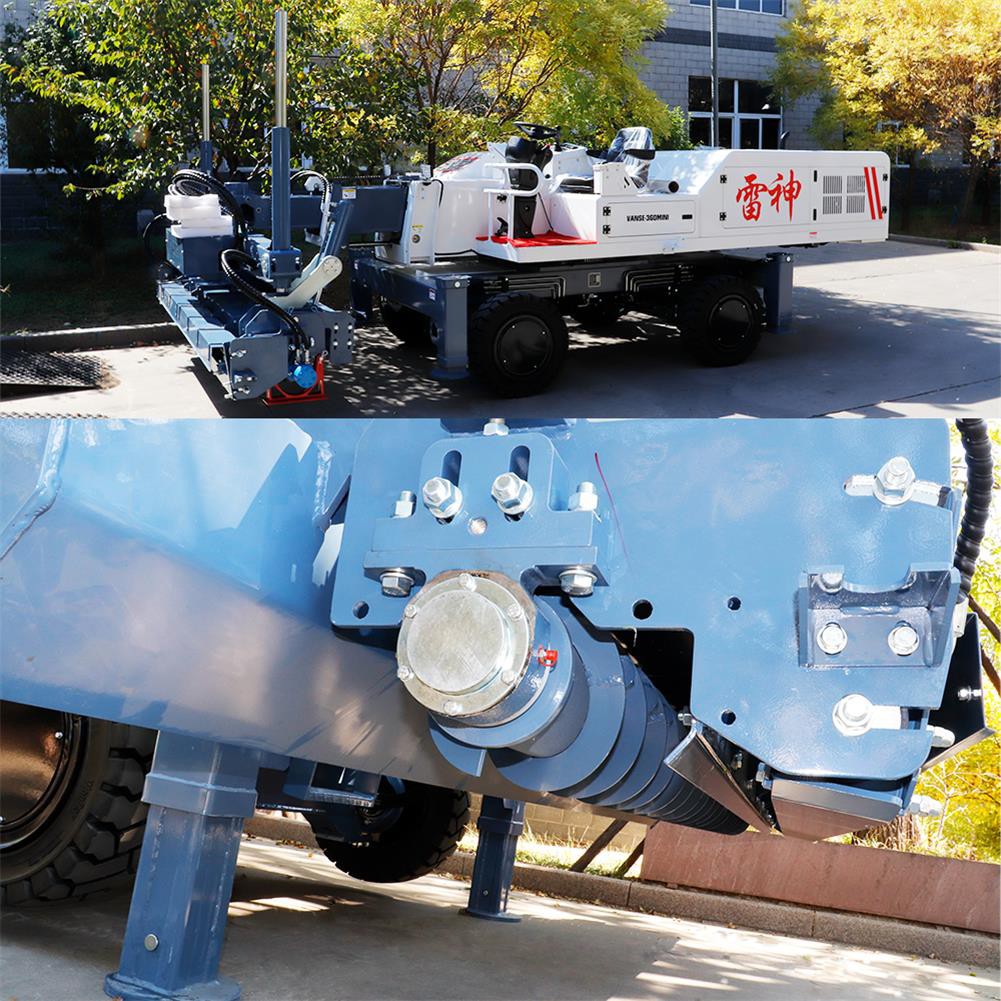
Thanks to All the Friends Who Support and Trust Shandong Vanse Machinery Technology Co., Ltd.
If you want to know more about Shandong Vanse Machinery Technology Co., Ltd. or have any questions, please feel free to contact us:
Our Factory
Shandong Vanse Machinery Technology Co., Ltd.








Share this article

About the Author: Shandong Vanse Machinery Technology Co., Ltd.
Shandong Vanse Machinery Technology Co., Ltd. is a high-tech manufacturer specializing in concrete construction machinery, including laser screeds and related equipment. The company integrates R&D, production, and global sales, with products exported to over 60 countries and widely used in infrastructure projects worldwide.
Previous Post
Next Post
Related Articles
You Might Also Like
Revealing the importance of relaxation angle during laser leveling machine construction
The laser leveling machine equipment produced by our manufacturer has good precision. It can perform leveling work efficiently and accurately under any conditions, saving a lot of manual maintenance operations and truly realizing the advantages of intelligent performance. If users want to truly play the role of the laser leveling machine, they can only better apply the equipment by understanding its operating points. So, what is the importance of adjusting the relaxation angle during the construction of the laser leveling machine? The molds used in the field of precision stamping processing are equipped with guide pins to correct the length of the material fed into the mold each time to ensure the accuracy of the stamping production. If this correction is to be truly realized, the laser leveling machine must be equipped with a relaxation device to achieve it. After the tip of the mold guide pin enters the stamping material, the laser leveling machine clamp is in a relaxed state. At this time, the guide pin can correct the error in time, and this relaxation time is the relaxation angle of the laser leveling machine. When professional technicians install laser levelers for customers to debug and test molds, they will adjust the leveling height, leveling angle and relaxation angle of the leveler according to the molds used by the customers for actual mold testing. After single punching and mold testing, continuous punching will be performed to ensure that the continuous punching reaches the predetermined accuracy. At the same time, they will provide detailed training to the operators of the punch laser leveler production line, teaching them how to use, debug, maintain and repair the laser leveler equipment on a daily basis. However, in actual use, many operators use laser levelers for the first time. After replacing the new mold for the punch, they often only remember to adjust the height of the laser leveler (because after changing the mold, the mold height is different, and the leveling height needs to change, which is very intuitive), but ignore the adjustment of the relaxation angle of the leveler. At this time, the leveling will be inaccurate. The operator is not familiar with the leveler and often can't think of the problem. At this time, the operator will complain that the leveler is not good and can only be used for one mold. In fact, this is because the relaxation angle of the laser leveler has not been adjusted correctly, resulting in inaccurate leveling. The laser leveling machine manufacturer told us that the adjustment of the leveling angle of the laser leveling machine after changing the mold is an indispensable link. The adjustment standard is that when the mold guide pin enters the material hole and relaxes, the guide pin is not out of the material pinhole when the mold rises. The precision laser leveling machine clamps the material as the basic principle, so as to truly ensure the high-precision punching production. The equipment provided by the laser leveling machine manufacturer has a more advanced function, can perform leveling operations efficiently, and our price is reasonable and the product quality is good. I don't know if you have gained some new knowledge about the laser leveling machine through our detailed introduction above? If our sharing provides you with corresponding help, please continue to pay attention to our website. We will share more exciting news with you later. Thank you for your support.What is the future development trend of concrete laser leveling machine?
In the future, concrete laser leveling machines will develop in the direction of intelligence, high precision, energy saving and environmental protection, multi-function, miniaturization and lightness to adapt to the ever-changing needs of the construction industry. The following is a specific analysis: ⛳ The degree of intelligence continues to improve: In the future, concrete laser leveling machines will be equipped with more advanced sensors and control systems, such as laser radar, BIM technology, etc. For example, BIM navigation concrete leveling robots can generate construction maps in 5 minutes, and laser radar scans the environment 1,000 times per second, correcting path deviations in real time, and flatness deviations ≤ 2mm. At the same time, remote monitoring and operation will also be realized. Operators can grasp the operating status of the equipment in real time through mobile phones or computer terminals, perform remote parameter adjustments and fault diagnosis, and improve construction management efficiency. ⛳ Further improvement in accuracy: As construction projects continue to increase their requirements for ground flatness, concrete laser leveling machines will continue to optimize leveling technology. By improving the laser ranging system, improving the computing speed and accuracy of the control system, etc., the flatness error can be controlled within a smaller range. For example, the future leveling robot can lock the leveling accuracy within the 2mm error range, and the accuracy is expected to be further improved. ⛳ Energy-saving and environmental protection trends are obvious: Against the backdrop of increasingly stringent environmental protection policies, concrete laser leveling machines will develop in the direction of energy conservation and environmental protection. On the one hand, a more energy-saving power system is adopted, such as electric drive instead of traditional fuel drive. For example, lithium-powered laser leveling machines are small and flexible and suitable for construction in confined spaces without exhaust emissions. On the other hand, the hydraulic system and control algorithm of the equipment are optimized to reduce energy consumption. ⛳ More diversified functions: In the future, concrete laser leveling machines may integrate more functions. In addition to the existing concrete leveling and vibration functions, they may also have functions such as slurry lifting and polishing, realizing one-stop operations from concrete laying to surface treatment. ⛳ Miniaturization and lightweight of products: In order to adapt to different construction scenarios, especially narrow spaces and indoor construction, concrete laser leveling machines will develop in the direction of miniaturization and lightweight. Lightweight equipment is easy to transport and move, which can increase the scope and flexibility of equipment use and meet more construction needs. Click the below to jump immediately!!! ARMOUR JOINT CONCRETE LEVELING MACHINE LIGHT TOWER POWER TROWEL SLIPFORM MACHINE STEEL FIBER TOPPING SPREADER TRACKED MINI DUMPERPrecautions for Using Power Trowels in Epoxy Floor Substrate Preparation
In epoxy flooring construction, power trowels are primarily used for smoothing and leveling the concrete substrate. It is crucial to note that the requirements for the substrate in epoxy flooring differ significantly from those for ordinary hardened floors. While ordinary floors strive for a "shinier, better" finish, improper substrate preparation for epoxy flooring (such as excessive burnishing) can lead to delamination and peeling later on. The following are key precautions for using power trowels in epoxy floor substrate preparation: This is the most important point. Problem: High-speed power trowels at large blade angles can create a "singeing" or "smoothing" effect, forming an extremely dense, hard, and smooth metallic sheen layer (sealing layer) on the concrete surface. Consequence: This dense film seals the concrete's pores, preventing epoxy primer from penetrating and resulting in extremely poor adhesion. The flooring is prone to peeling off in large sections later on, almost like "peeling off" the skin. Consequence: This dense film seals the concrete's pores, preventing epoxy primer from penetrating and resulting in extremely poor adhesion. The flooring is prone to peeling off in large sections later on, almost like "peeling off" the skin. Recommendation: Only perform moderate polishing. Ensure a smooth surface, but maintain some microporous structure (presenting a matte or slightly textured finish). During the use of a power trowel, workers may spray curing agents to prevent excessive moisture evaporation. Note: Most oil-based or silicone-based curing agents are incompatible with epoxy resin. If curing is necessary, please use a water spraying method, or confirm that the curing agent is "removable" or "epoxy-compatible." Epoxy flooring is typically thin (1mm – 5mm), and it cannot conceal unevenness in the subfloor like a cement leveling layer. Procedure: Initial leveling must be performed using **float pans** to eliminate waviness during paving. Standard: For precision epoxy flooring, the smoothness error within a 2-meter straightedge range should be ≤ 2mm – 3mm. If the surface is not leveled during the troweling stage, expensive epoxy mortar will be required for later leveling. Blade Angle: Maintain a small blade angle. A larger angle results in more concentrated pressure, making it easier to create an overly dense finish. Intervention Timing: Finish the finishing process slightly earlier than for regular floor finishing. Stop the machine as soon as the surface is smooth and there are no obvious blade marks. Edge Treatment: Corners and column edges that the power trowel cannot reach must be smoothed by hand with a trowel; otherwise, these protrusions will be difficult to remove with a sander later. Even with a perfect trowel finish, surface preparation using a grinder or shot blaster is essential before applying the epoxy primer. Purpose: To thoroughly remove the laitance layer created by the trowel, exposing the internal sand-grain structure (similar to the texture of coarse sandpaper), achieving CSP 2-3 (concrete surface roughness grade) standards. If you are working as a base coat for epoxy flooring, the goal of using a power trowel is to achieve a **smooth, not glossy** finish. Is your current work environment an indoor factory or an outdoor parking lot? Different environments have different requirements for the moisture content and strength (C25/C30) of the base coat. I can provide you with more detailed advice. Note: The parameters provided in this document are for reference only and are not mandatory. Due to differences in technical characteristics between different brands and models of laser levelers, please consult the manufacturer for a suitable solution before actual operation. This reference document assumes no responsibility for any issues arising from failure to follow the manufacturer's instructions.