Technical Knowledge
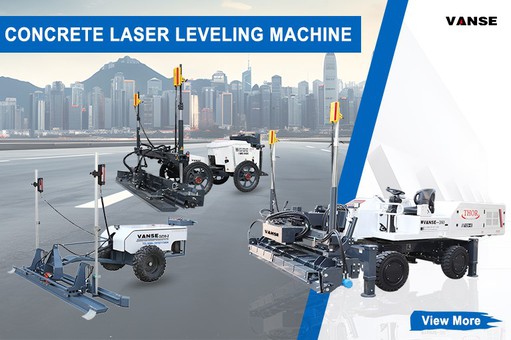
Concrete laser leveling machine helps you overcome the labor shortage problem!
CONCRETE LASER LEVELING MACHINE HELPS YOU OVERCOME THE LABOR SHORTAGE PROBLEM!
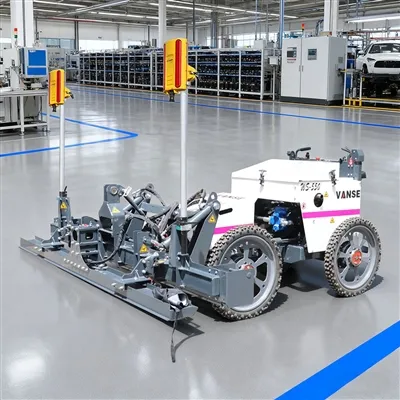
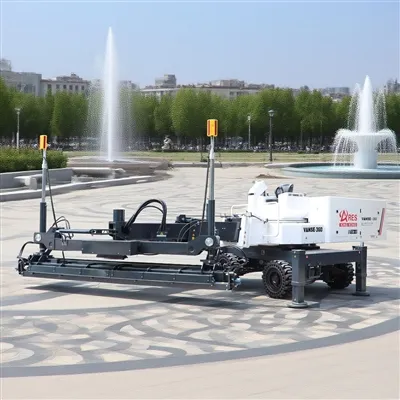
It is difficult to find labor force in the current market, especially for some industries that are tiring and often exposed to wind and sun. It is even more difficult to recruit people. What should we do in the market floor leveling industry facing a labor shortage? This situation had begun to emerge a few years ago, and VANSE, as a professional laser leveling machine manufacturer, developed a laser leveling machine that can replace manual labor, which greatly eased the current situation.
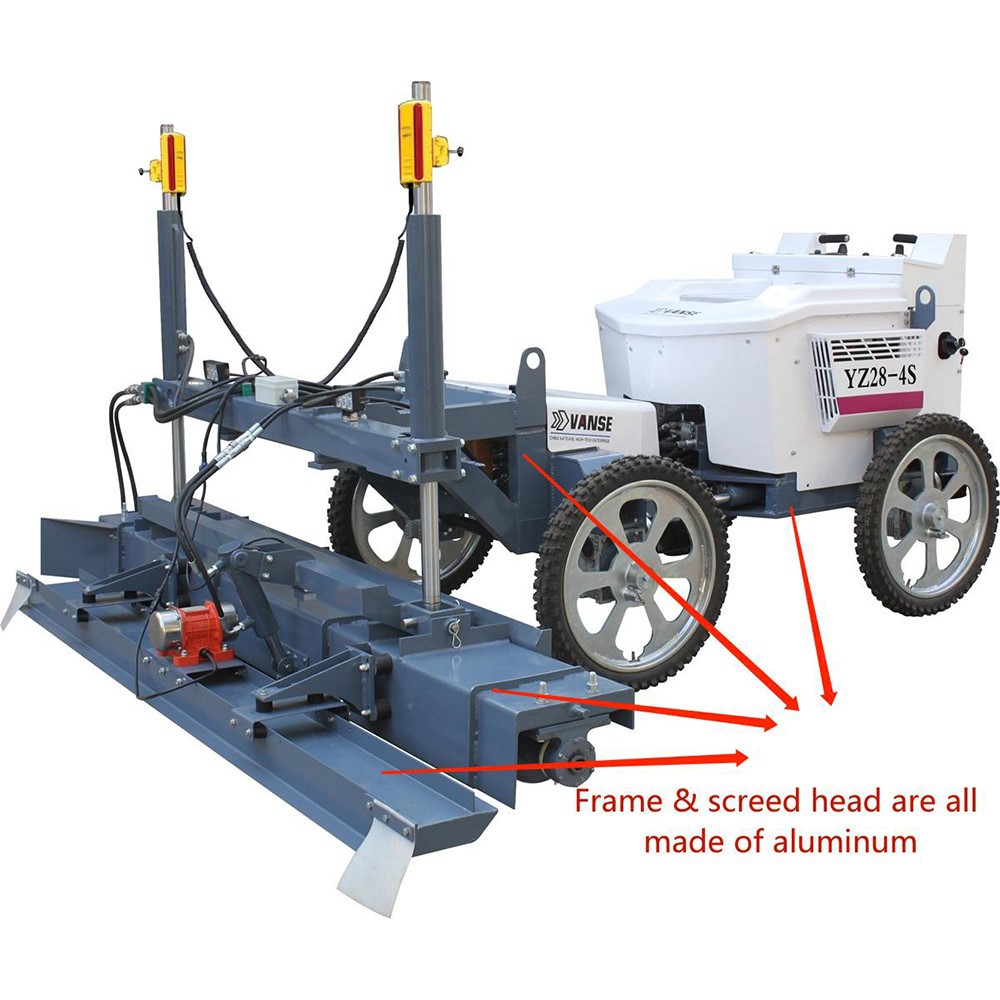
For example, a construction company won 5 new bidding projects from January to February this year, a year-on-year increase of 66.0%. At the end of February, the surveyed companies had the largest number of construction projects in progress, 95. Despite the growth in business, there is still a shortage of skilled workers. The first reason is that there is a large market demand for skilled workers; the "demographic dividend" of low labor wages is gradually disappearing, and labor costs have greatly increased. But the construction industry has to continue to develop, so a better solution is to replace labor with machines.
CONCRETE LASER LEVELING MACHINE HELPS YOU OVERCOME THE LABOR SHORTAGE PROBLEM!
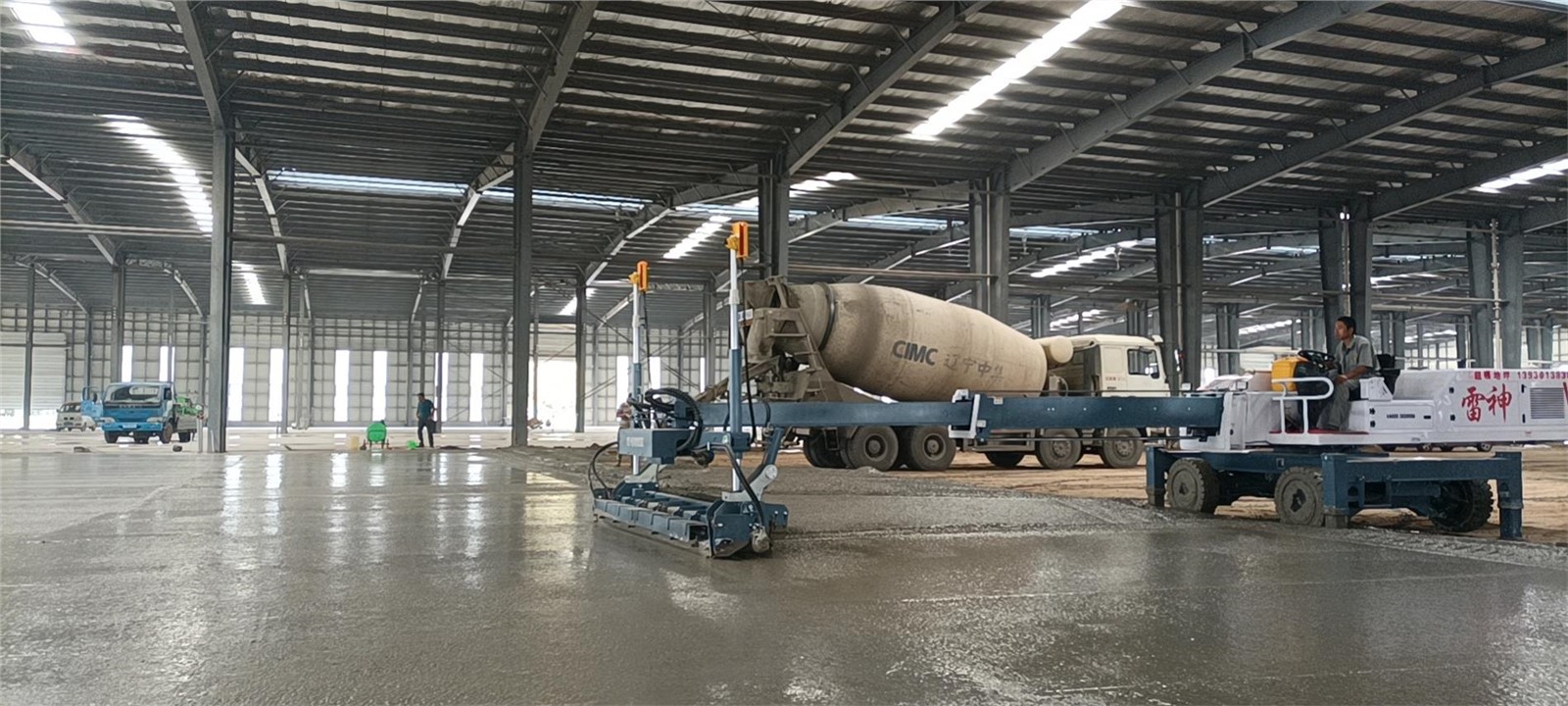
With the development of logistics and aviation industry, the golden age of floor construction has opened. Thousands of square meters of ground are only allowed to have a flatness error of 3 mm, which has become a new standard for floor construction. It is undoubtedly a dream to realize it by traditional manual labor. Owning a laser leveling machine has become an essential requirement for floor construction companies to undertake projects.
CONCRETE LASER LEVELING MACHINE HELPS YOU OVERCOME THE LABOR SHORTAGE PROBLEM!
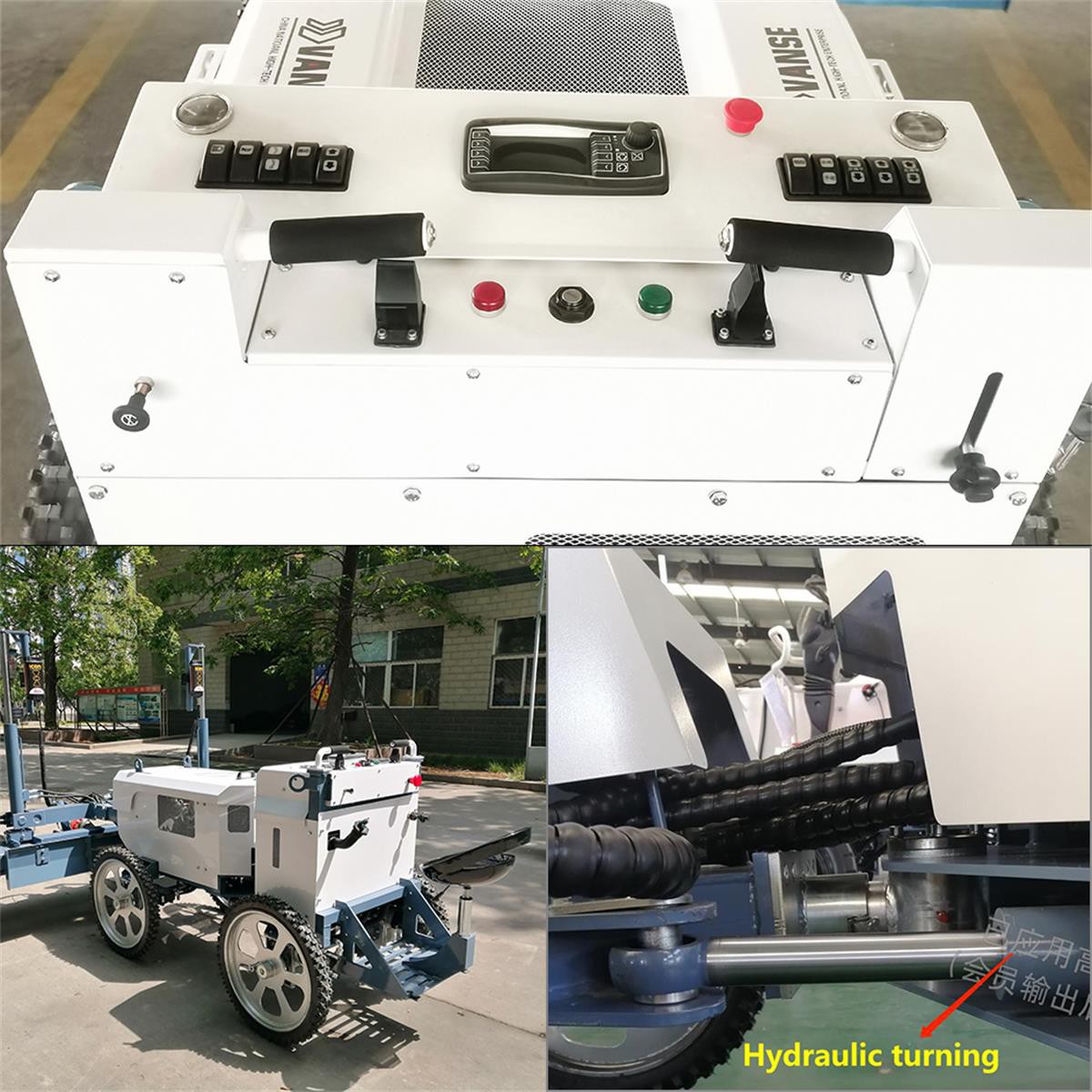
1. The leveling principle of the laser leveling machine is realized under the automatic control of the computer by using precision laser technology, closed-loop control technology and high-precision hydraulic system. This is the most prominent difference between it and other floor construction processes features.
CONCRETE LASER LEVELING MACHINE HELPS YOU OVERCOME THE LABOR SHORTAGE PROBLEM!
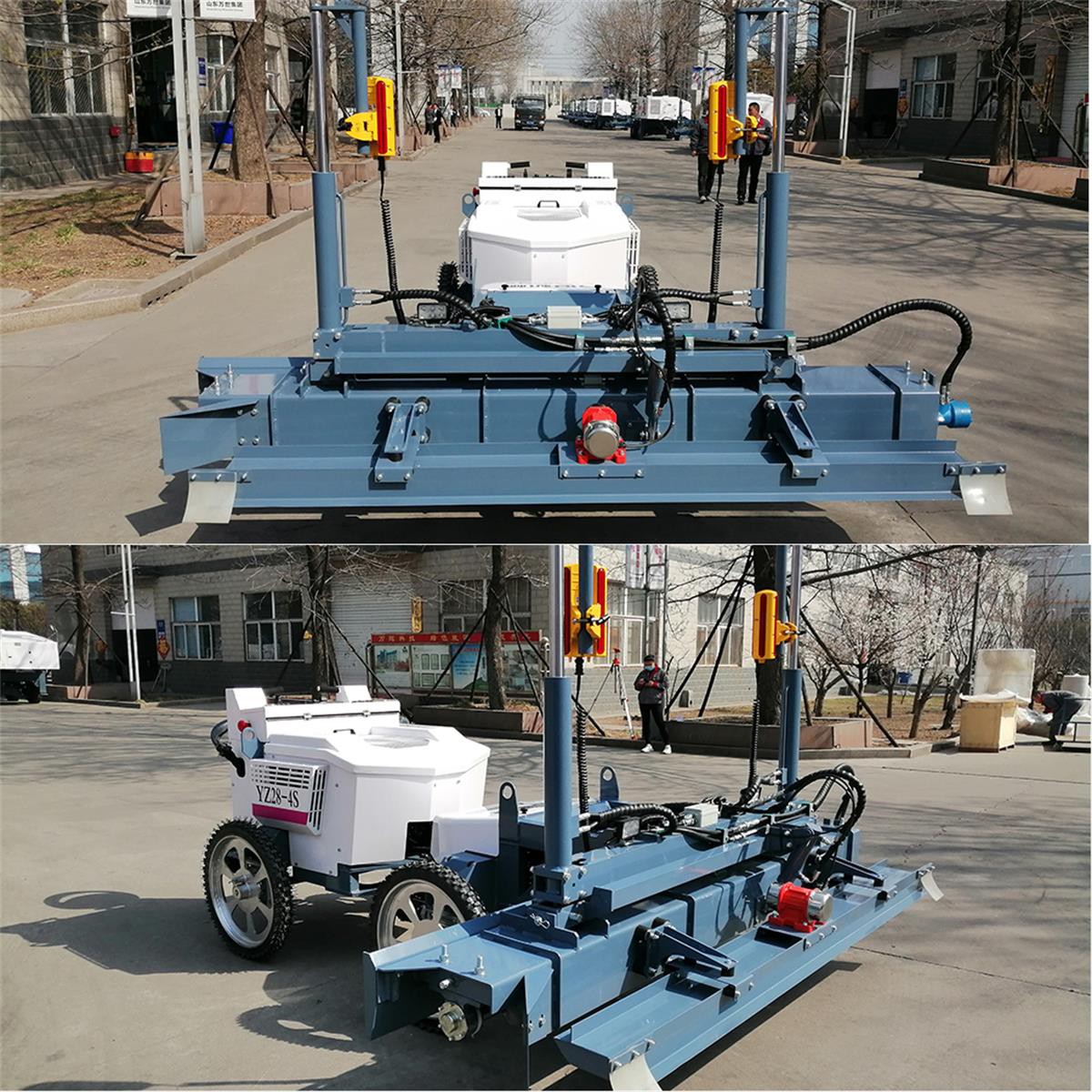
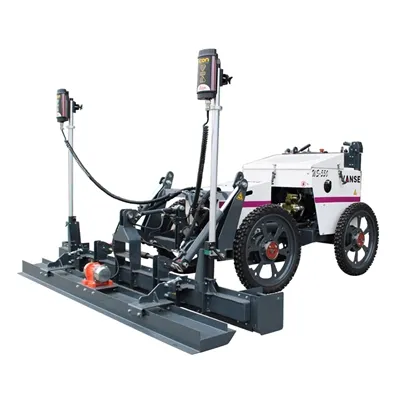
2. The leveling principle of the precision laser leveling machine is to rely on the leveling head driven by hydraulic power, cooperate with the laser system and the computer control system to complete the leveling work while automatically leveling. The leveling head is equipped with an integrated scraper, vibrator and leveling plate, which integrates all leveling, leveling, vibration and compaction work, and completes it at one time. The computer control system automatically adjusts the elevation 10 times per second in real time, and the vibration frequency of the vibrator with a balanced design reaches 3000 times per minute.
CONCRETE LASER LEVELING MACHINE HELPS YOU OVERCOME THE LABOR SHORTAGE PROBLEM!
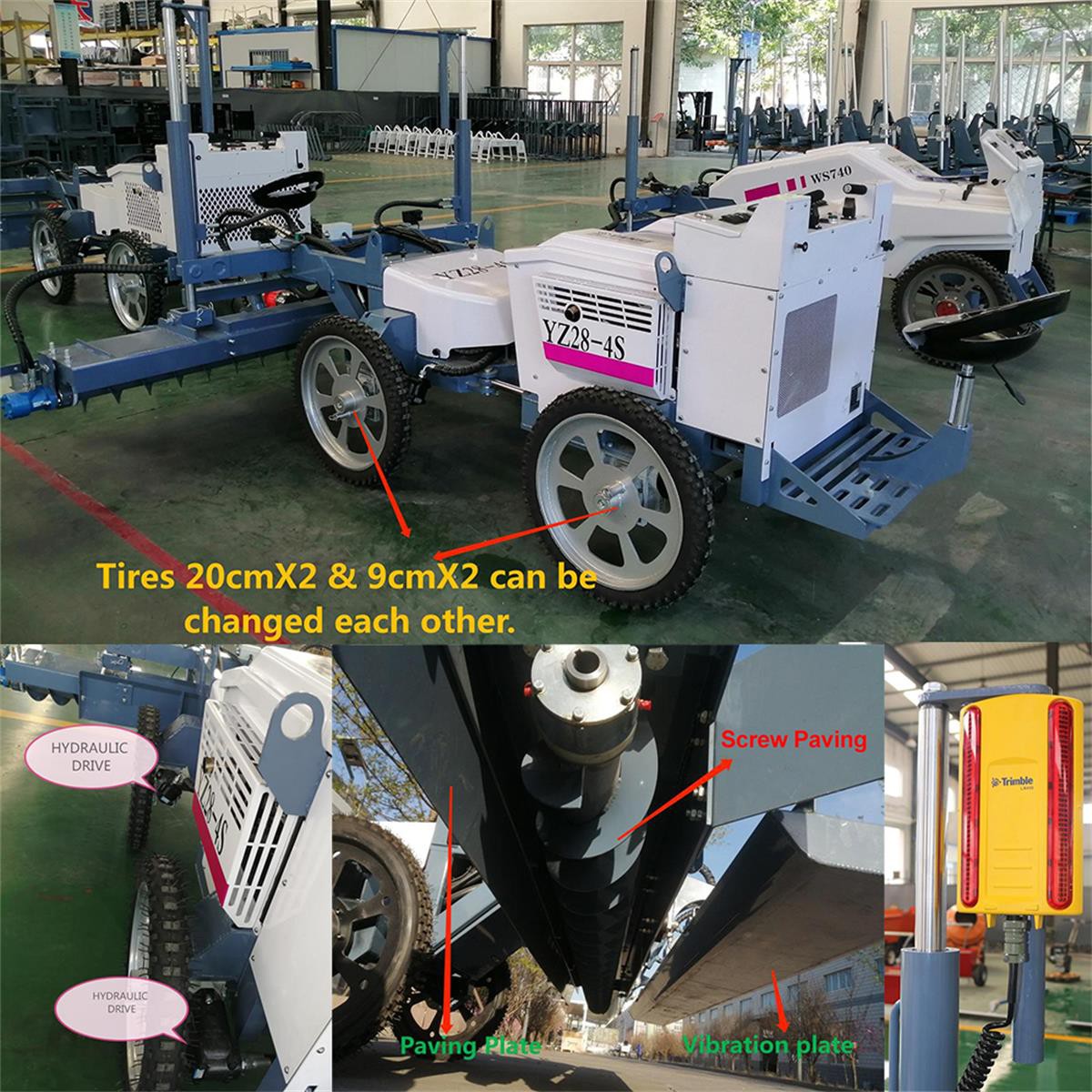
3. The laser transmitter used to control the ground level is arranged independently, so that the level of the ground is not controlled by the template, and no cumulative error will occur.
CONCRETE LASER LEVELING MACHINE HELPS YOU OVERCOME THE LABOR SHORTAGE PROBLEM!
4. The laser leveling machine can also automatically control the longitudinal and transverse slopes, which is also completed by the laser system, computer system, hydraulic system, and mechanical system.
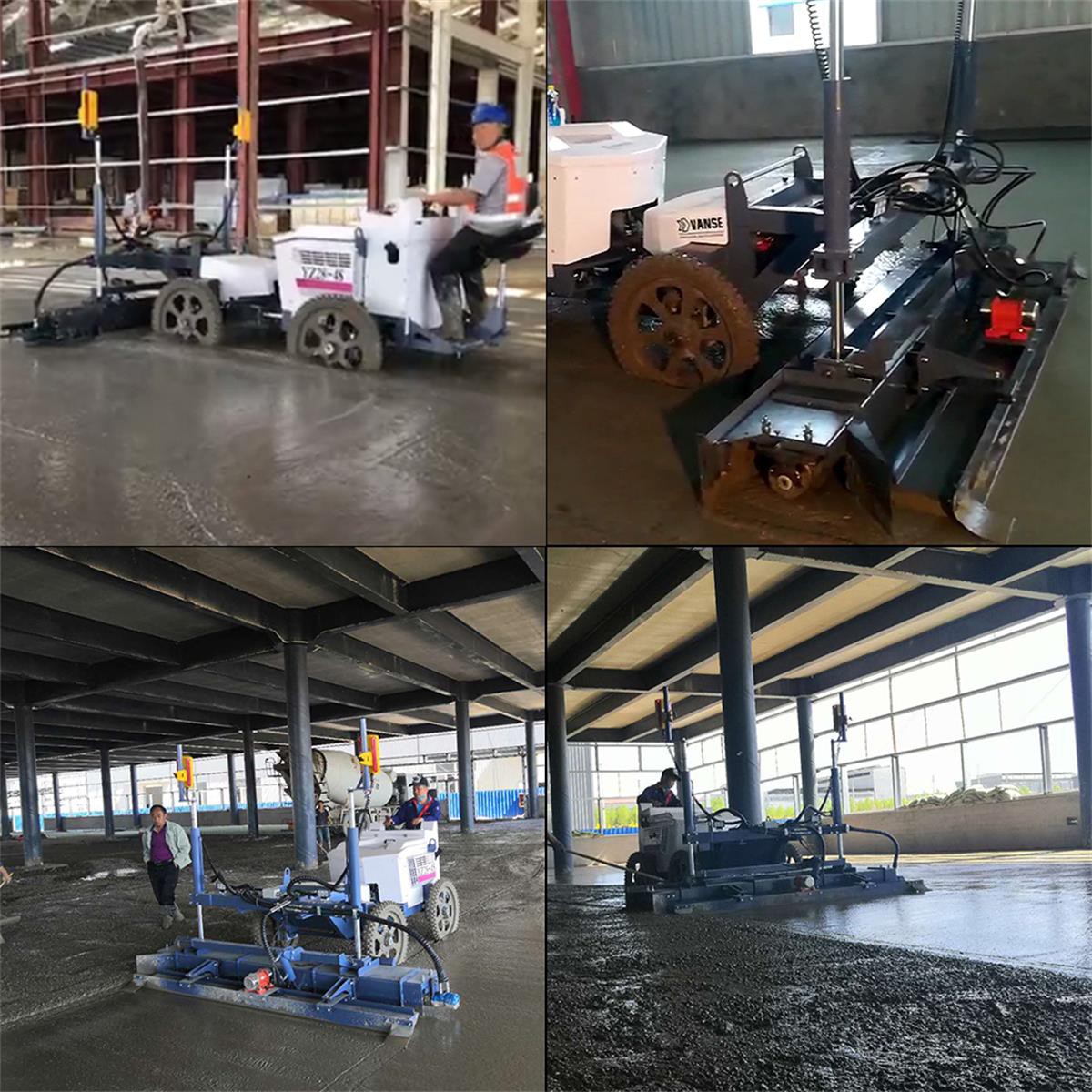
5. There are many people in the construction of the traditional craft, which requires support formwork (channel steel), spotting, and paving. About 20 people are needed. The daily construction area is 2000㎡. The use of laser leveling machine can reduce the overall number of people to 4-8. Can be operated by one person. The daily construction area is increased to 3000㎡-5000㎡. Greatly reduced labor costs.
In the long run, if we want to continue to develop in the flooring industry, we can only use laser leveling machines instead of labor. Now Shandong VANSE Machinery conforms to the needs of the development of the times.

Thanks to All the Friends Who Support and Trust Shandong Vanse Machinery Technology Co., Ltd.
If you want to know more about Shandong Vanse Machinery Technology Co., Ltd. or have any questions, please feel free to contact us:
Our Factory
Shandong Vanse Machinery Technology Co., Ltd.
Share this article

About the Author: Shandong Vanse Machinery Technology Co., Ltd.
Shandong Vanse Machinery Technology Co., Ltd. is a high-tech manufacturer specializing in concrete construction machinery, including laser screeds and related equipment. The company integrates R&D, production, and global sales, with products exported to over 60 countries and widely used in infrastructure projects worldwide.
Previous Post
Next Post
Related Articles
You Might Also Like
Safety & environmental protection measures for fine stone concrete floor construction
Construction of fine aggregate concrete floor: Safety protection and environmental protection measures To ensure the smooth progress of the fine aggregate concrete floor construction process, safeguard the safety and health of the workers, and minimize the negative impact on the environment, the following measures are specially formulated. Safe construction should follow the principle of "safety first, prevention foremost, and comprehensive governance". Head protection: All personnel entering the construction site must wear qualified safety helmets correctly. Foot protection: Construction workers should wear safety shoes that are resistant to impact, puncture and slip. Concrete operators are advised to wear rubber boots to prevent cement slurry corrosion. Respiratory protection: When handling, mixing and dry spreading cement and sand and gravel, especially in poorly ventilated environments, dust masks must be worn to prevent inhalation of cement dust. Hand protection: Operators should wear rubber or plastic gloves to prevent skin burns from cement and alkaline substances. Eye protection : When mixing, pumping or using power tools for cutting and grinding, protective glasses should be worn to prevent concrete slurry or debris from splashing into the eyes. High-altitude work protection: When working near edges or openings, safety belts must be fastened. Before use, check the electrical circuits, insulation conditions and whether the protective covers are in good condition. When in operation, it is strictly forbidden to insert hands or tools into the mixing drum. When cleaning or conducting maintenance, the power supply must be cut off, and a dedicated person should be assigned for supervision. A warning sign reading "Do Not Close the Switch" should be hung. Before operation, check whether the cable, switch, blade/grinding disc are in good condition and securely fastened. Operators need to be familiar with the equipment operation procedures, hold the control lever tightly with both hands to prevent the machine from getting out of control. The cable should be suspended to prevent it from being caught or dragged by the machine. The support of the pump pipe must be firm, especially at the elbows and joints. When pumping, it is strictly prohibited for anyone to stand at the outlet of the pump pipe. When cleaning the pipeline, there must be no personnel in front of the outlet. All electric tools must be powered by a power supply equipped with a leakage protection device. Cables must not be dragged on the ground, rolled over or immersed in water. They should be installed overhead or buried underground. Non-professional electricians are strictly prohibited from privately connecting wires or repairing electrical equipment. Openings and edge protection: The reserved openings on the floor, staircase entrances, and elevator shaft openings must be covered with solid covers or guardrails, and safety warning signs must be hung. Material stacking safety: Materials such as cement and sand and gravel should be stacked neatly, and the height should not be too high to prevent collapse. The stacking area should be kept away from slopes and pits. Safety of cross-operation: Arrange the construction sequence reasonably and reduce vertical cross-operation. When it is unavoidable, a safety isolation layer should be set up, and a dedicated person should be assigned to direct and communicate between the upper and lower floors. Fire prevention measures: Smoking is strictly prohibited at the construction site, and sufficient fire-fighting equipment (such as fire extinguishers) should be provided as required. When conducting thermal construction (such as using a furnace for heating in winter construction), there must be a dedicated person to supervise and keep away from flammable materials. Lighting and ventilation: When conducting construction in the basement or at night, there must be sufficient lighting. When working in a closed space, good ventilation should be ensured. Environmental protection should follow the principle of "source control, process management and end-of-pipe treatment". Cement and sand: Cement should be stored in a dedicated warehouse or tightly covered with tarpaulin. Sand and gravel storage sites should be appropriately watered to reduce dust or covered. Mixing operation: Pre-mixed commercial fine aggregate concrete is preferred. If on-site stirring is carried out, it should be set up in a closed or semi-closed stirring shed and equipped with dust suppression devices. Transportation and paving: Transport vehicles should be protected from spillage. When laying manually, avoid raising dust. Cutting and grinding: When performing ground cutting and grinding, it is necessary to use dedicated equipment with dust collection devices or carry out wet water spraying operations to effectively suppress dust. Equipment selection: Give priority to using construction machinery with low noise and high efficiency. Work time: Reasonably arrange the time for high-noise operations (such as cutting and grinding), and try to avoid construction at night or during lunch breaks. If continuous operation is required, it should be reported to the environmental protection department in advance and the surrounding residents should be informed. Sound insulation measures: For fixed high-noise equipment (such as fixed mixers), sound insulation sheds can be set up. Mobile device operators should wear earplugs. Classified collection: Separate construction waste from household waste. Discarded concrete blocks, mortar, packaging bags, etc. should be sorted and stacked. Recycling: Discarded concrete blocks, bricks, etc. can be crushed and used as backfill materials or roadbed materials. Timely removal: Assign dedicated personnel to be responsible for transporting the waste to the designated construction waste storage area in a centralized manner. It is strictly prohibited to dump or landfill it at will. Cleaning of mixing equipment: The wastewater from cleaning mixers and transport vehicles should be discharged into a dedicated sedimentation tank. After sedimentation treatment, the supernatant can be recycled for water spraying and dust suppression. It is strictly prohibited to directly discharge it into the municipal water network or natural water bodies. Curing wastewater: The wastewater generated during the curing stage (such as watering and covering with a wet cloth) is basically clean water, but the flow rate should be controlled to avoid surface runoff, which could lead to water resource waste and site mud. Material conservation: Accurately calculate the amount of concrete used, adopt advanced construction techniques, and reduce unnecessary waste and loss. Water conservation: It is recommended to use spray moisture retention during maintenance and avoid flooding with water. Promote the use of water-saving curing agents (film curing liquid) to replace traditional watering curing. Energy conservation: Select construction equipment with high energy efficiency, rationally arrange the process, and reduce the idling time of equipment. The safety and environmental protection management of fine aggregate concrete floor and ground construction is a dynamic and full-process management. All construction personnel must receive detailed safety and technical briefings before taking up their posts, clearly defining all risks and response measures. Only through strict on-site management and continuous education can safety accidents be effectively prevented and the goal of green and civilized construction be achieved. Note: The parameters provided in this document are for reference only and are not mandatory. Due to differences in technical characteristics between different brands and models of laser levelers, please consult the manufacturer for a suitable solution before actual operation. This reference document assumes no responsibility for any issues arising from failure to follow the manufacturer's instructions.Specific cases of reducing labor reliance & improving labor efficiency by using concrete laser leveling machine (such as one machine replacing three teams).
The improvement of labor force and human efficiency brought about by the use of concrete laser leveling machine is revolutionary. We will break down the details through a specific virtual case, which integrates typical practices within the industry. Project: Ground engineering of a large logistics warehouse, with a concrete floor area of 20,000 square meters. It is required to be a high-grade (C30) wear-resistant floor, and a curing agent floor will be applied subsequently. Traditional craftsmanship: The construction method involves the combination of traditional manual labor and vibrating beams. New process: Construction is carried out using a concrete laser leveling machine machine. Labor force allocation (one team) Technical workers: 4-5 positions. Be responsible for operating the vibrating beam, controlling the elevation, local material replenishment and initial leveling. General workers: 8 to 10 people. Be responsible for unloading materials, initial spreading of concrete, and assisting in moving tools. A standard team consists of approximately 12 to 15 people in total. Working Mode and Issues Reliance on experience: The elevation and flatness are entirely dependent on the accuracy of formwork support and the experience of experienced workers, resulting in significant quality fluctuations. High physical exertion: Operating vibrating beams and paving are heavy physical labors. Workers are prone to fatigue and their efficiency decreases with working hours. Coordination difficulties: A dozen people need to be highly coordinated, and the communication cost is high. Any slowness in any link will affect the overall situation. Construction efficiency: Under ideal circumstances, such a team can complete approximately 600 to 800 square meters in a day (based on 8 to 10 effective working hours). Resources required to complete 20,000 square meters To meet the construction schedule, it is usually arranged for three teams to work simultaneously in different areas. Total labor force: 3 teams * 14 people/team ≈ 42 people. Total construction period: 20,000 square meters/(3 teams * 700 square meters/day) ≈ 9.5 days. Labor force allocation (one leveling machine unit) Operator/Technician: 1-2 people. Be responsible for setting machine parameters, monitoring operation and handling abnormalities. Assistants: 4 to 6 people. Responsible for managing concrete pump pipes, conducting initial material distribution in front of the machine, handling corner areas, and subsequent smoothing and finishing work. A machine crew consists of approximately 6 to 8 people in total. The key difference is that the demand for auxiliary workers has significantly decreased, and the skill requirements for "technical workers" have changed from judging based on experience to being able to operate and maintain equipment. Working mode and advantages Automated leveling: The concrete laser leveling machine automatically levels based on the pre-set three-dimensional digital model (via laser or GPS), with constant precision and not affected by human factors. Human-machine separation: The operator is remotely monitored, while the assistant worker collaborates nearby. There is no need to walk on the wet concrete, reducing the workload of footprint repair. Continuous operation: The concrete laser leveling machine is tireless and can maintain a constant high-speed screed speed. Construction efficiency: One concrete laser leveling machine can easily complete 1,500 to 2,000 square meters in a day (also 8 to 10 hours), which is more than 2.5 times the efficiency of a traditional team. Resources required to complete 20,000 square meters Only one machine is needed to operate continuously. Total workforce: 7 people (for one crew). Total construction period: 20,000 square meters / 1,750 square meters/day ≈ 11.5 days. Comparison item Traditional mode (3 teams) concrete laser leveling machine machine mode (1 unit) Analysis and Conclusion Total number of people ~42 people Seven people The labor force has directly decreased by approximately 83%. This is not merely a decrease in the number of people, but also a shift in reliance on high skills. Average daily efficiency ~2100 square meters (3*700) ~ 1,750 square meters The absolute daily efficiency of the concrete laser leveling machine may be slightly lower than the total of three teams, but considering factors such as quality and continuity, its overall labor efficiency is higher. Total construction period ~9.5 days ~11.5 days The construction period of the concrete laser leveling machine machine plan is slightly longer, but it is achieved under the premise of an 83% reduction in labor force. If the same 42 people are invested, 5 to 6 machines can be operated, and the construction period will be shortened to 3 to 4 days. Quality consistency Relying on workers' skills, it fluctuates greatly and is prone to fatigue errors. Digital control ensures constant precision, with extremely high flatness (less than 3mm for a 2-meter straightedge) and levelness. The quality value is incalculable. It provides a perfect base surface for the subsequent epoxy/cured floor construction, greatly reducing the amount of grinding and material waste. Labor force skills Rely on experienced "master craftsmen". Relying on "new technicians" who can operate the equipment makes personnel easier to train and manage. It has reduced the reliance on traditional scarce occupations and adapted to the changes in the young labor market. Safety and labor intensity Heavy physical labor and working on wet concrete can easily lead to fatigue and work-related injuries. Human-machine collaboration significantly reduces labor intensity and enhances safety. The working environment has been improved, meeting the safety and humanitarian requirements of modern construction. The core essence of the saying "One machine can replace three teams" lies in: To complete the same amount of work, the total number of workers required has been significantly reduced: from 42 to 7. This is the most direct form of labor substitution. A leap in per capita efficiency Traditional model: 20,000 square meters/(42 people * 9.5 days) ≈ 50 square meters/person/day Machine mode: 20,000 square meters/(7 people * 11.5 days) ≈ 248 square meters/person/day The per capita efficiency has increased by approximately five times. Therefore, the concrete laser leveling machine brings about not only a reduction in labor force, but also a comprehensive upgrade in overall efficiency, engineering quality, construction safety and project management level under the "human-machine collaboration" mode. It makes large-scale floor construction more controllable and economical in today's increasingly scarce labor force. Note: The parameters provided in this document are for reference only and are not mandatory. Due to differences in technical characteristics between different brands and models of laser levelers, please consult the manufacturer for a suitable solution before actual operation. This reference document assumes no responsibility for any issues arising from failure to follow the manufacturer's instructions.How to extend the service life of concrete laser leveling machine?
In the field of concrete construction, concrete laser leveling machine (concrete laser leveling machine or concrete laser leveler) has become a key equipment to improve construction efficiency and quality. With the vigorous development of the construction industry, the demand for high-precision, large-area concrete construction continues to grow, and the application of concrete laser leveling machine is becoming more and more extensive. According to a market research report, the global concrete laser leveling machine market size is expected to reach US$1.76 billion in 2025, with an annual growth rate of approximately 11.4%. During long-term high-intensity use, how to extend the service life of the concrete laser leveling machine has become the focus of many users. This is not only related to the return on equipment investment, but also affects the smooth progress and cost control of construction projects. After each operation with a concrete laser leveling machine, timely cleaning is essential. Since the equipment will be exposed to a large amount of concrete, mud and other impurities during operation, if it is not cleaned in time, these substances will adhere to the surface of the equipment and key components, accelerating component wear. For example, the body shell, leveling blade, vibrating device and other parts can be washed with a high-pressure water gun (but it should be noted that it is strictly forbidden to directly aim the water gun at the mesh part of the body to prevent water from entering the body and causing a short circuit) to remove the concrete residue and dust on the surface. For some stubborn stains that are difficult to wash off, use a soft cloth dipped in a neutral detergent dilution to wipe. Do not use strong alkali or strong acid cleaning agents to avoid corrosion of the paint and electroplating layer on the surface of the equipment, affecting the appearance and reducing the protective performance. Regularly check the connection and tightening of each component. During the operation of the equipment, the connecting bolts may become loose or even broken due to factors such as vibration and impact. For example, the connecting bolts of the frame, walking mechanism, laser transmitting and receiving device of the laser leveling machine should be carefully checked before and after each operation. If they are loose, tighten them in time. If the bolts are broken, they need to be replaced immediately. At the same time, check whether there is leakage in all parts of the equipment, including engine oil, coolant, hydraulic oil of the hydraulic system, etc. Once leakage is found, the cause should be promptly investigated and repaired to avoid problems such as poor lubrication and overheating of components due to oil leakage, which will affect the service life of the equipment. The timely replacement of wearing parts is the key to ensuring the continuous and stable operation of the equipment. For example, the leveling scraper, vibrator, tires (or rubber tracks) of the leveling machine will wear faster during frequent use. Generally speaking, the wearing parts should be checked after each use. If the wear exceeds the prescribed limit, they should be replaced immediately. Even if the wearing parts do not seem to be damaged during normal use, it is recommended to replace them every six months to ensure that the overall performance of the equipment is not affected. For example, a severely worn leveling scraper cannot effectively scrape the concrete, which will cause the ground flatness to decrease, and will also increase the workload of other parts of the equipment, accelerating the overall loss of the equipment. In a high temperature environment, the concrete laser leveling machine faces many challenges. The engine is prone to overheating, resulting in power reduction and increased wear of parts. Therefore, when constructing in high temperatures in summer, first ensure that the engine cooling system is working properly. Before daily operation, check the coolant level and add it in time if it is insufficient; regularly clean the dust and debris on the surface of the radiator to ensure that the heat dissipation duct is unobstructed. When the engine temperature is too high, you should choose a cool area to stop and cool down. Do not rush to add cooling water. You need to let the engine idle for a while and add it after the temperature drops slightly to prevent the engine cylinder from cracking due to excessive temperature difference. At the same time, high temperature will also affect the performance of the hydraulic system. Check the hydraulic oil temperature frequently. If the oil temperature is too high, stop the machine for a rest to avoid long-term operation of the equipment at high temperatures. For example, in some southern regions during summer construction, if you do not pay attention to the heat dissipation of the equipment, it may cause the hydraulic system seals to age faster and leak oil, which will seriously affect the normal use of the equipment. High humidity environment can easily cause the metal parts of the concrete laser leveling machine to rust and corrode, especially when constructing in coastal areas or rainy seasons. To cope with high humidity environments, the equipment should be parked in a dry place and avoid being placed in the open air. If it is unavoidable to operate in a humid environment, anti-rust oil can be applied to the surface of the equipment, especially to parts that are prone to rust, such as the frame and chassis. At the same time, the electrical circuit should be checked regularly to prevent short circuit failures caused by moisture. For the battery of the equipment, it is necessary to keep it clean and dry, check the electrolyte level and density regularly, and replenish distilled water in time to ensure good battery performance. For example, if the laser leveling machine used for a long time in a high humidity environment does not pay attention to anti-rust treatment, it may cause problems such as frame rust and strength reduction in a short period of time, affecting the safety and service life of the equipment. Concrete contains alkaline substances. If the protection is not appropriate during long-term contact, it will cause corrosion to the components of the concrete laser leveling machine. For parts that are in direct contact with concrete, such as leveling blades, vibrating devices, etc., they can be made of corrosion-resistant materials or undergo special surface treatment to improve their resistance to alkali corrosion. After each operation, clean the equipment thoroughly to remove residual concrete and prevent alkaline substances from adhering to the surface of the equipment for a long time. In a high-alkaline environment, attention should also be paid to the lubrication system of the equipment, and lubricating oils and greases with good alkali resistance should be selected and replaced regularly to ensure that all moving parts are well lubricated and reduce the occurrence of failures caused by corrosion and wear. For example, in the construction of some industrial plant floors, due to the strong alkalinity of concrete, if effective protective measures are not taken, the key components of the equipment may be severely corroded in a short period of time, shortening the service life of the equipment. Strictly operate in accordance with the rated working parameters of the concrete laser leveling machine to avoid operating in a condition that exceeds the equipment's bearing capacity. Overload operation will cause excessive pressure on the engine, hydraulic system, transmission components, etc., accelerate the wear of parts, and even cause equipment failure. For example, behaviors such as leveling thickness exceeding the maximum thickness specified by the equipment and forced operation on a site with a large slope will cause damage to the equipment. As an equipment manager, you should ensure that the operator is familiar with the equipment performance and operating procedures, and strictly prohibit illegal operations. Before construction, arrange construction tasks reasonably according to actual working conditions to ensure that the equipment operates stably within the normal load range. During the operation of the equipment, try to ensure smooth operation and avoid violent operations such as sudden acceleration, sudden braking and frequent steering. Sudden acceleration and sudden braking will cause the engine and transmission system to bear greater impact force instantly, which may easily cause damage to parts; frequent steering will aggravate the wear of tires (or tracks) and steering mechanisms. After starting the equipment, the engine should be allowed to idle for a period of time to allow all parts to be fully lubricated before operation. During the leveling operation, keep the equipment moving at a uniform speed to avoid speed fluctuations, which can not only ensure the construction quality but also reduce the wear of the equipment. For example, when driving a concrete laser leveler, smoothly controlling the throttle and steering wheel can effectively extend the service life of key parts of the equipment. The correct start and stop sequence also has an important impact on the service life of the concrete laser leveler. Before starting the equipment, check the environment around the equipment to ensure that there are no obstacles; check whether the liquid levels of fuel, engine oil, coolant, hydraulic oil, etc. are normal, and whether the indications of various instruments are normal. When starting, first turn the key to the power-on position, wait for the instrument self-check to complete, and then start the engine. After the engine is started, let it idle for a few minutes, observe the engine sound, vibration and whether the display of each instrument is normal, and then proceed to the next step after confirming that it is correct. When shutting down, first park the equipment on a flat and solid ground, lower the working device to the lowest position, and then turn off the engine. If the equipment is not used for a long time, the equipment should be sealed and maintained in accordance with the requirements of the equipment manual, such as draining fuel and coolant, lubricating and protecting key parts, etc. For example, the wrong starting method, such as forcibly starting the engine before the equipment completes the self-check, may damage the engine control system and affect the normal use of the equipment. The hydraulic system is an important part of the concrete laser leveling machine, and regular maintenance is essential. Hydraulic oil will be contaminated and its performance will deteriorate during use, so the hydraulic oil should be replaced regularly. Under normal circumstances, the hydraulic oil should be replaced every 1,000 working hours or so. The specific replacement cycle can be adjusted appropriately according to the equipment use environment and the oil quality monitoring results. When replacing the hydraulic oil, use a clean container to hold the oil. The hydraulic oil must be filtered through the oil filter before adding it to the hydraulic oil tank to ensure that the oil is clean. At the same time, clean the hydraulic oil radiator regularly to ensure good heat dissipation and prevent the hydraulic system from malfunctioning due to excessive oil temperature. In addition, the replacement cycle of the hydraulic oil filter should also be appropriately shortened, generally 750 hours is appropriate. When replacing a new filter, check carefully. It is strictly forbidden to use a deformed, contaminated or rusted filter. For example, at some construction sites, due to the harsh environment, the hydraulic oil is easily contaminated by dust and impurities. If the filter and hydraulic oil are not replaced in time, it may cause blockage, leakage and other faults in the hydraulic system, seriously affecting the normal operation of the equipment. Regularly check the electrical system of the concrete laser leveling machine to ensure that all electrical components are firmly connected and the circuits are not damaged or aged. Check the performance of the laser transmitting and receiving device to ensure that the laser signal is stable and accurate. Start the engine once every two months, charge the battery, and run all hydraulic actuators, such as rotary hydraulic motors, telescopic cylinders, etc., to prevent battery loss and rust and jamming of hydraulic system components. Do not remove the battery from the machine at will to avoid the loss of internal software program failures in the equipment control. At the same time, pay attention to check the grounding of the electrical system to ensure that the grounding is good to prevent safety accidents caused by leakage. For example, if the electrical line is aging and damaged, it may cause a short circuit, causing a fire, and endangering the safety of equipment and personnel. Perform a comprehensive performance test on the concrete laser leveling machine every once in a while (such as half a year or a year). The test content includes key performance indicators such as leveling accuracy, work efficiency, engine power, and hydraulic system pressure. Through testing, potential problems with the equipment can be discovered in time, and targeted repairs and adjustments can be made. For example, if the leveling accuracy is found to be reduced, it may be due to laser system failure, wear of the leveling blade, or looseness of the mechanical parts of the equipment. It is necessary to check and repair them one by one to ensure that the equipment always maintains a good working condition and extends its service life. Click the below to jump immediately!!! ARMOUR JOINT CONCRETE LASER LEVELING MACHINE LIGHT TOWER POWER TROWEL SLIPFORM MACHINE STEEL FIBER TOPPING SPREADER TRACKED MINI DUMPER