Technical Knowledge
Is it normal for the laser level to have heavy lines? How to solve it?
It may be abnormal for the laser level to have heavy lines. The working principle of the laser level is to introduce the laser beam emitted by the laser device into the telescope tube of the level, and make it emit along the direction of the collimation axis. The precision of the laser beam to the level is used, and then the precise data of the horizontal line is calculated by the microcomputer. If there are heavy lines on the laser level, it may be that the laser is aging or the solder joints have burned the glass.
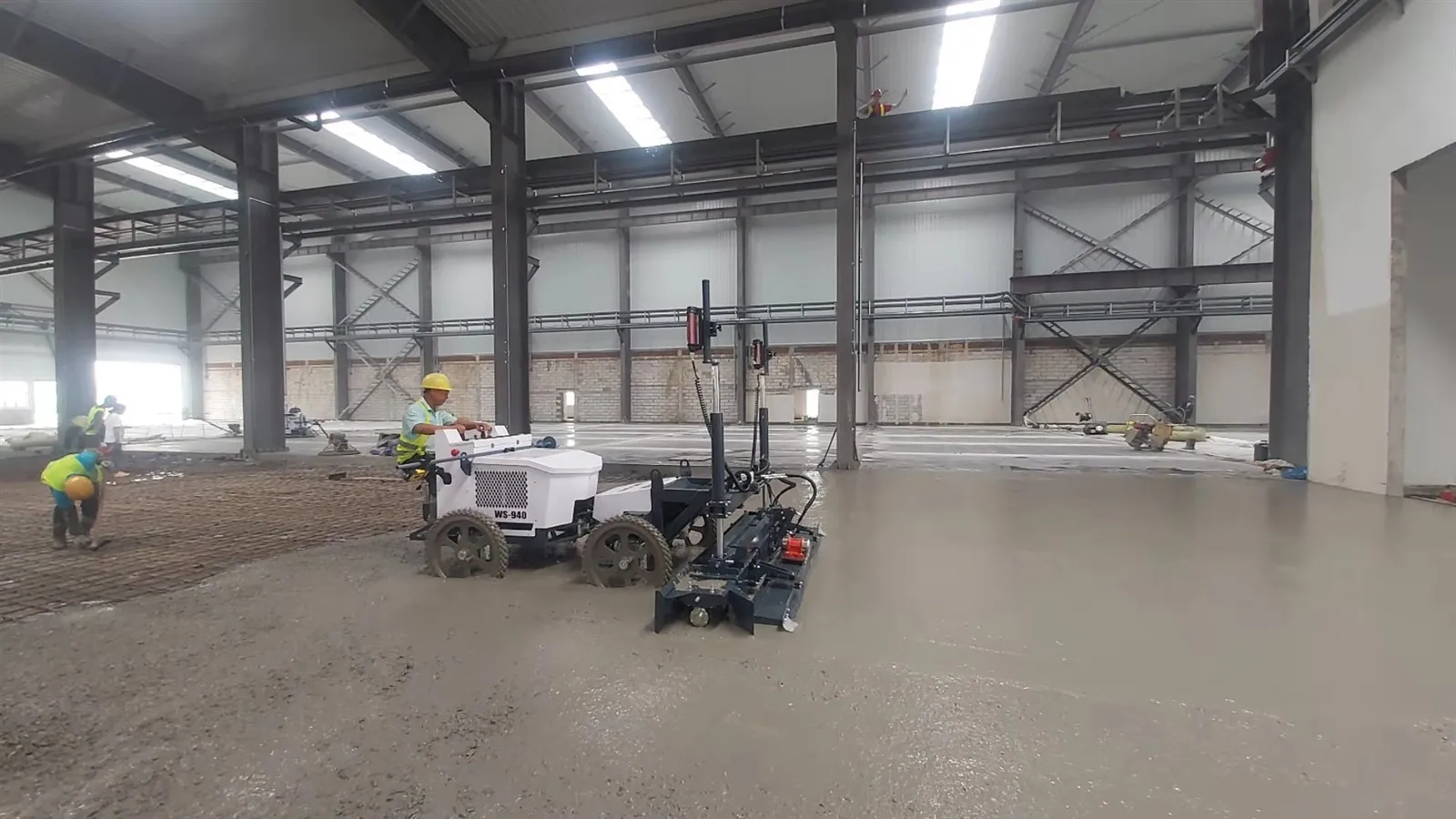
The laser level may have heavy lines due to the following reasons:
The lenses are dirty. Just wipe gently with a clean, soft cloth.
Problems with the device itself. Equipment needs to be repaired or replaced.
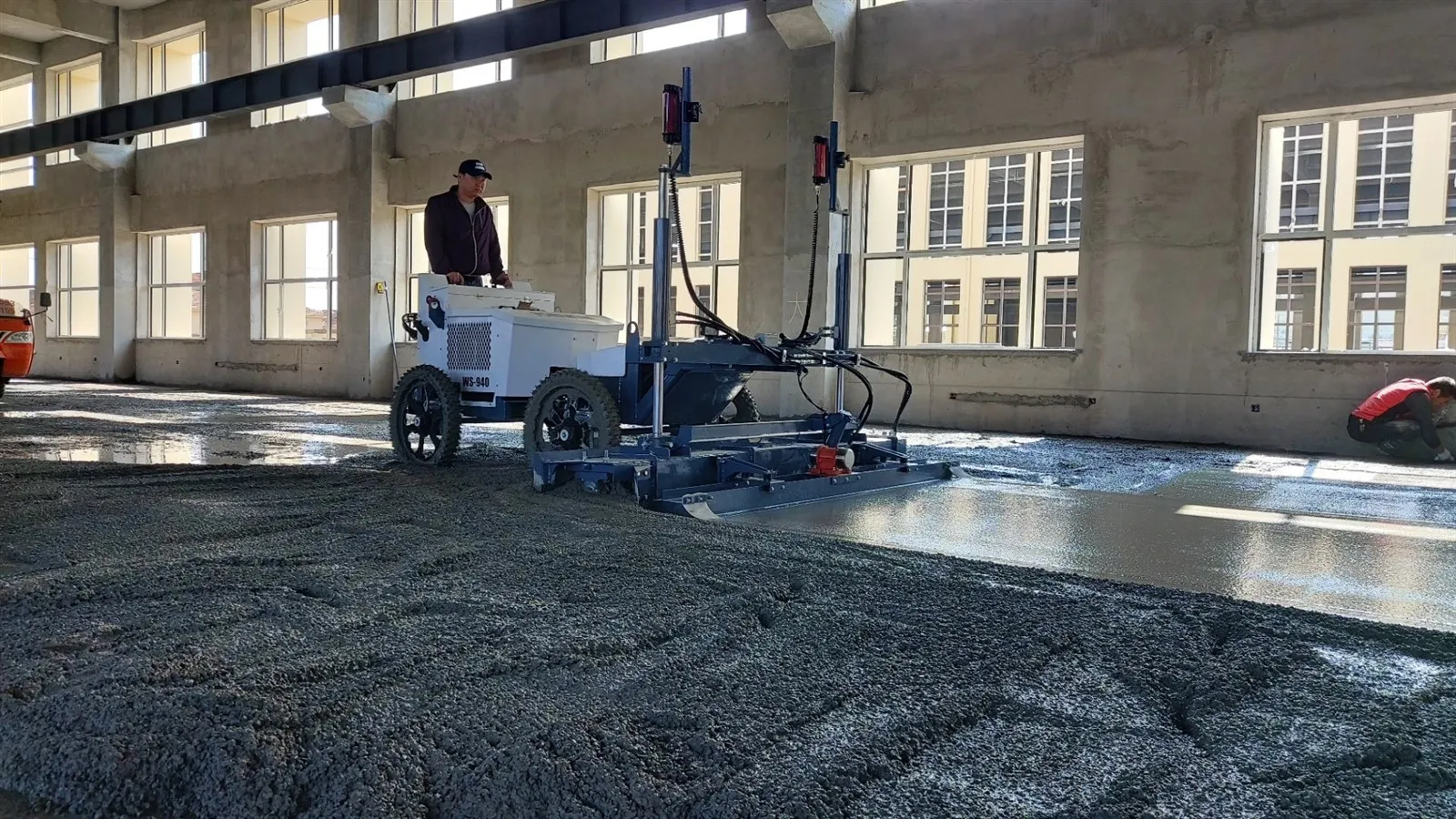
The solution to the light ghosting of the level is as follows:
Check to see if there is a problem with the glass. If so, replace the glass.
Wipe the laser head with a dry cloth, do not use a lint-free cloth.
Adjust the laser, turn on the power switch of the machine, connect the power, place the machine on the table or the ground, slowly tilt it to the alarm state, and observe the alarm sensitivity.
Restart the laser level.
If none of the above methods can solve the problem, you need to replace the laser head or adjust the position of the laser.
If the above methods cannot solve the problem, it is recommended to seek help from professional maintenance personnel. When using a laser level, be sure to protect the laser head and laser to avoid damage or aging. At the same time, the laser level must be maintained and inspected regularly to ensure that it can work properly.
Thanks to All the Friends Who Support and Trust Shandong Vanse Machinery Technology Co., Ltd.
If you want to know more about Shandong Vanse Machinery Technology Co., Ltd. or have any questions, please feel free to contact us:
Our Factory
Shandong Vanse Machinery Technology Co., Ltd.








Share this article

About the Author: Shandong Vanse Machinery Technology Co., Ltd.
Shandong Vanse Machinery Technology Co., Ltd. is a high-tech manufacturer specializing in concrete construction machinery, including laser screeds and related equipment. The company integrates R&D, production, and global sales, with products exported to over 60 countries and widely used in infrastructure projects worldwide.
Previous Post
Next Post
Related Articles
You Might Also Like
Acceptance Standards And Acceptance Procedures For Concrete Laser Leveling Machines
Acceptance standards and acceptance procedures for concrete laser leveling machines ✔ Introduction As an important equipment for modern floor construction, the concrete laser leveling machine's acceptance work is of great significance to ensure equipment performance and construction quality. This article aims to discuss the acceptance standards and acceptance process of concrete laser leveling machines, combined with specific cases, to provide practical reference for relevant personnel. ✔ Acceptance Criteria for Concrete Laser Leveling Machines 1. Equipment appearance inspection The appearance of the equipment should have no obvious damage, deformation, rust, etc. The connecting fasteners of each part should be in good condition without looseness or falling off. The paint coating on the surface of the equipment should be even and free of peeling, blistering, etc. 2. Equipment performance check The performance inspection of laser leveling machine mainly includes the following aspects: (1) Laser system: The laser transmitter should work normally, the light should be stable, and there should be no obvious drift. The receiver should be able to accurately receive the laser signal and control the leveling machine to operate according to the preset elevation. (2) Leveling system: The scraper, vibrator and other components of the leveling machine should work normally without obvious wear, deformation, etc. The leveled ground should be smooth, without waves, bubbles, etc. (3) Power system: Power systems such as engines and motors should work normally without abnormal noise, vibration, etc. Parameters such as oil pressure and water temperature should be within the normal range. 3. Safety performance check Equipment safety performance inspection mainly includes the following aspects: (1) Safety protection devices: The equipment should be equipped with complete safety protection devices, such as protection devices, emergency stop buttons, etc. These devices should be intact and functioning properly. (2) Electrical system: Electrical circuits should be arranged neatly and without damage or exposure. The grounding of the equipment should be firm and reliable to ensure the safety of electricity. (3) Operation convenience: The operation interface of the equipment should be clear and easy to understand, and the operating handles, switches, etc. should be sensitive and reliable and easy for operators to use. ✔ Acceptance process of concrete laser leveling machine 1.Preparation stage Before acceptance, relevant acceptance tools should be prepared, such as distance meters, spirit levels, vibration testers, etc. At the same time, an acceptance team should be formed to clarify their respective responsibilities and tasks. In addition, you should also be familiar with the equipment's technical specifications, operating procedures and other related documents, and understand the equipment's performance characteristics and operating requirements. 2. Appearance inspection Conduct a comprehensive inspection of the appearance of the equipment in accordance with the equipment appearance inspection requirements in the acceptance standards. If problems are discovered, they should be recorded in time and take photos to facilitate subsequent processing. 3.Performance check In accordance with the equipment performance inspection requirements in the acceptance standards, inspect each performance of the equipment one by one. Such as the calibration of the laser system, the flatness test of the leveling system, the oil pressure and water temperature detection of the power system, etc. During the inspection process, the operating procedures should be strictly followed to ensure the accuracy of the inspection results. 4. Safety performance check Conduct a comprehensive inspection of the safety performance of the equipment in accordance with the safety performance inspection requirements in the acceptance standards. Such as the integrity of safety protection devices, the safety of electrical circuits, the grounding of equipment, etc. During the inspection, special attention should be paid to potential safety hazards and dealt with promptly. 5. Rectification and re-inspection If problems are found during the inspection, the supplier should be notified promptly for rectification. After the rectification is completed, the acceptance team should conduct a re-inspection to ensure that the problem is completely resolved. If the problem is serious and cannot be rectified or the acceptance standards are still not met after rectification, acceptance should be refused and the equipment should be returned or replaced. 6. Preparation and filing of acceptance report After passing the acceptance, the acceptance team should prepare a detailed acceptance report. The report should include the acceptance process, problems discovered and their rectification status, acceptance conclusions, etc. The acceptance report should be true, accurate, complete, and archived for subsequent reference. ✔ Actual case analysis Taking a floor construction project in an industrial park as an example, the project uses a concrete laser leveling machine to perform ground leveling operations. During the project acceptance phase, the acceptance team conducted strict checks in accordance with the above acceptance standards and processes. 1. During the appearance inspection, the acceptance team found minor scratches and paint peeling on the surface of the equipment. After communication and negotiation with the supplier, the supplier agreed to repair and repaint the equipment. 2. During the performance inspection, the acceptance team found that there was a deviation in the calibration of the laser system, resulting in the flatness of the ground being substandard. After inspection, it was found that the problem was caused by the improper installation position of the laser transmitter. The supplier promptly reinstalled and calibrated the laser transmitter, and the problem was resolved. 3. During the safety performance inspection, the acceptance team found that the electrical circuits of the equipment were exposed, posing safety hazards. The supplier immediately insulated the exposed parts and strengthened safety protection measures. After rectification and re-inspection, all indicators of the equipment met the acceptance standards. The acceptance team finally issued a detailed acceptance report and archived it. ✔ Conclusion Through a detailed discussion of the acceptance criteria and acceptance process of concrete laser leveling machines and analysis of actual cases, we can see that strict acceptance work is of great significance to ensure equipment performance and construction quality. In the future, with the advancement of technology and the continuous development of the market, we look forward to more innovations and breakthroughs in performance and safety of concrete laser leveling machines, bringing more convenience and value to the floor construction industry. At the same time, we also call on relevant departments and enterprises to strengthen their understanding of the importance and necessity of equipment acceptance work, improve the scientificity and standardization of acceptance standards and processes, and provide a strong guarantee for the healthy development of the industry.Take precautionary measures and say goodbye to the troubles of operating the laser leveler in rainy season!
Any road construction machinery will inevitably be affected by external environmental factors, and this is no exception for laser levelers, especially in the hot and rainy summer. Once the laser leveler is exposed to too much rain, it is very likely to cause a series of problems such as rust on the leveler body and damage to parts. In order to avoid unnecessary maintenance costs and extend the service life of the leveler, it is particularly necessary to do a good job of laser leveling maintenance in the rainy season. Below, our company will combine its own years of work experience to make several suggestions on how to do a good job of protecting the leveler in the rainy season. First, before parking the laser leveler, you should use your naked eyes to observe and judge whether the surrounding geographical environment is safe, stay away from rivers or hillsides that may cause landslides. Under a big tree is not a good parking place. It is easy to be struck by lightning in thunderstorms, and if a big tree is blown down on the laser leveler in windy weather, it will also cause great losses. Choose a place with a solid road surface to park. It is good to be able to park on cement or asphalt, but our leveling machine usually rarely has cement roads. Most of them are operated in the field. In this case, you should choose to park on a stable ground for a long time, and try to avoid parking on the fill ground. Second, if necessary, you need to install anti-skid chains on the laser leveler to increase the safety factor. The installation of anti-skid chains should be carried out in advance. Do not start installing them in an emergency environment. Such hasty installation is unsafe and troublesome. If it is a special case, safety warning signs must be placed before and after the laser leveler. Do not install anti-skid chains when the tire pressure is insufficient. Also pay attention to the different sizes of anti-skid chains. Choose anti-skid chains that match the size of the wheel hub and wheel width. After installing the anti-skid chain, pay attention to the driving speed of the roller should not be too fast, and also pay attention to avoid sudden acceleration or deceleration to cause damage to the anti-skid chain. Third, if conditions permit, you can park in the garage, and try to avoid parking in an overly humid environment and choose indoor storage. The rust prevention of laser leveling machines is very important. If the machine is parked for a long time, it should be started and driven once a month to charge the battery. After the machine is stored for a long time, the grease on the piston rod should be wiped dry and all parts should be filled with grease. When the machine is parked, the working device should be kept dry and clean, and water should not be put in to avoid rust and make the machine inconvenient to operate. In fact, in addition to the above aspects, there are many details that need to be paid attention to during the construction of the laser leveling machine in the rainy season. This site will continue to pay attention to, organize and share related content. Interested users can directly visit the official website of this site to inquire and obtain it. I believe it will be helpful for your future use.Vanse mechanical laser leveling machine serves overseas construction sites.
Laser leveling machines are widely used in modern industrial plants, large shopping places, warehouses and other large-area concrete ground construction. Its maintenance can greatly improve the life of the machine and save costs. Laser leveling machine maintenance method/step Fuselage cleaning: When cleaning the surface of the machine, first check whether there is any depression or leakage in the fuel tank, oil pipes, joints, etc., and check whether the fixing screws of the fuel tank bracket are tightened before cleaning. Prevent rust: In the daily maintenance of the laser leveling machine, butter or anti-rust oil should be used to prevent the rust of the exposed parts and mechanical parts, and the gears, sprockets and other parts should be lubricated every half a month. Leveling: The quality of the leveling and the construction quality also have a necessary relationship. Some buildings have a lot of dust or other sundries, which will cause the leveling machine to level the concrete and become dirty, which will lead to unqualified construction. Therefore, it is usually necessary to Remember to tell Xun Phi to clean the leveling in time. Oil replacement: The engine oil and hydraulic oil in the machine need to be replaced after a period of use. Most people think that it is enough to drain the oil in the oil tank and fill up with new hydraulic oil. But at this time, there will be a lot of old grease trace hydraulic oil in the hydraulic oil pipe. When the equipment is in use, the new oil and the old oil will be mixed together, which will shorten the service life of the new oil. The correct oil change procedure is to drain the hydraulic oil in the hydraulic oil tank first, clean the oil tank and then add new hydraulic oil. Then remove the circuit main pipe, start the engine and run it at a low speed to make the oil pump work, operate each mechanism separately, and use new hydraulic oil to discharge the old oil in the circuit one by one until new oil flows out of the oil return main pipe. Finally, connect the oil return main pipe to the fuel tank, and add new hydraulic oil to the fuel tank to the specified position. Precautions The usual maintenance and maintenance of machinery is important, but it is more important to choose a good machine equipment. VANSE laser leveling machine is your best choice!