Technical Knowledge
How does the concrete laser leveling machine improve construction efficiency and quality?

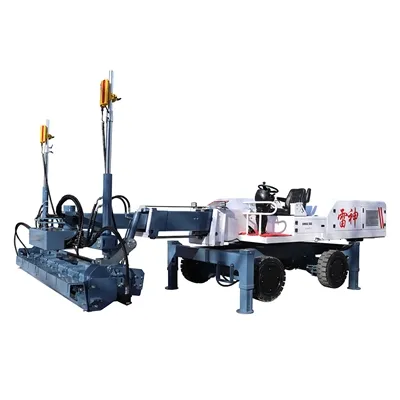
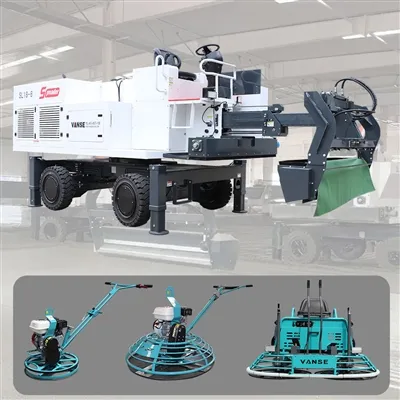
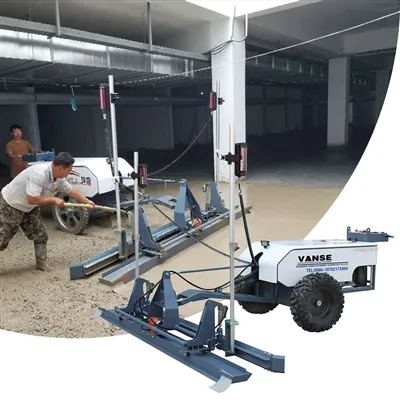
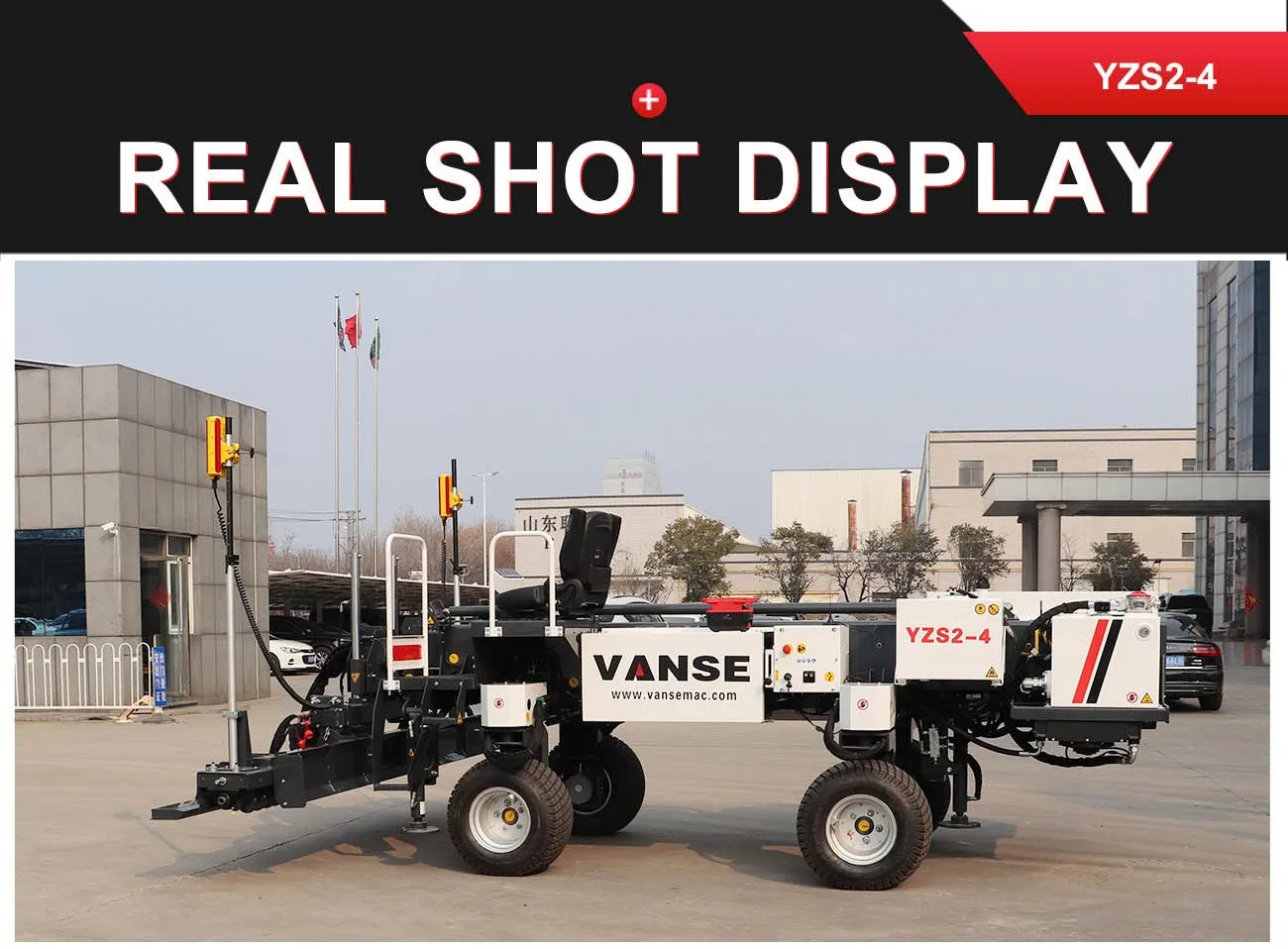
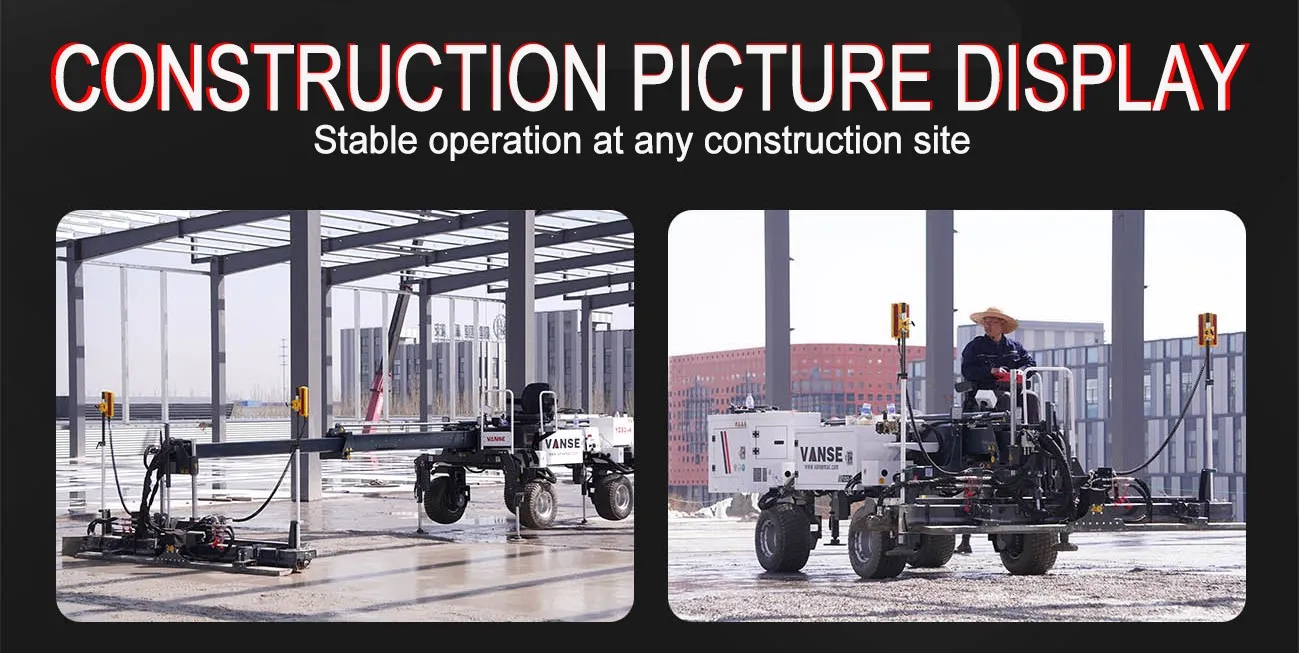
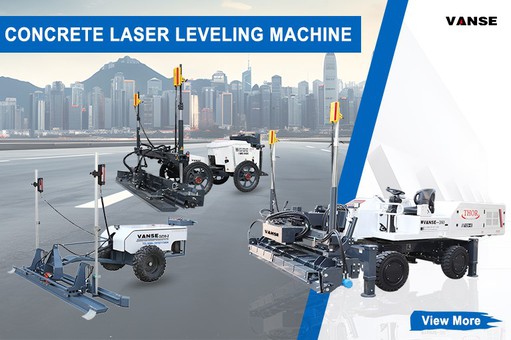
Concrete laser leveling machine is a key equipment to improve efficiency and quality in modern concrete construction. Its core is to achieve high-precision leveling through the laser system, and to complete large-area concrete paving, vibration and leveling in combination with mechanical structure. The following is a detailed analysis of its advantages and mechanism of action from the two aspects of construction efficiency and construction quality:
🎯 Core mechanism to improve construction efficiency
1. Large-area continuous operation, reducing process connection time
Traditional manual leveling requires multiple vibration and scraping in different areas, and is limited by manual physical strength and operating range (small single-person operation area). The laser leveling machine can cover a range of up to 3-6 meters (depending on the model) through a mechanical arm or scraper, and can achieve a construction area of 500-3000㎡/day (traditional manual only 100-300㎡/day), especially suitable for large areas such as factories, warehouses, and parking lots.
– Advantages: Reduce the gap between manual shifts and tool adjustments, and realize the integrated continuous operation of "paving-vibration-leveling".
2. Automatic control, reducing the time spent on manual intervention
The laser leveling machine establishes a horizontal reference plane through a laser transmitter, and the sensor receives signals in real time and automatically adjusts the scraper height, without the need for repeated manual measurement and adjustment. For example:
– Traditional manual work requires frequent calibration of elevations with rulers and levels, measuring every 1-2 meters; the laser system can dynamically level in real time, with a response time of only 0.1-0.3 seconds, greatly reducing the time spent on measurement and adjustment.
3. Integrated vibration function, reducing repetitive work
The bottom of the equipment is usually equipped with multiple sets of high-frequency vibrating rods (vibration frequency 200-300 times/minute), which complete the concrete vibration and compaction while leveling, avoiding the repeated process of manual vibration first and then leveling. The vibration depth can reach 10-30cm, the coverage range is synchronized with the leveling, and the efficiency is 3-5 times higher than manual vibration alone.
🎯 Key advantages for improving construction quality
1. High-precision leveling, control of flatness error
The horizontal accuracy of the laser system can reach ±1mm/3m, which is much higher than the ±5-10mm error of manual leveling. The principle is:
– The laser transmitter emits a 360° rotating laser beam to form a horizontal reference plane;
– The fuselage sensor detects the height difference with the reference plane in real time, and automatically adjusts the scraper height through the hydraulic system to ensure that the surface flatness of the concrete meets high standards (such as precision workshops, airport runways, etc.).
2. Reduce concrete segregation and ensure uniform density
When paving manually, coarse aggregates are prone to sinking (segregation) due to uneven shovel throwing and vibration. The laser leveler pushes concrete at a uniform speed through the scraper, and cooperates with high-frequency vibration to make the aggregate distribution more uniform, avoiding defects such as honeycombs and hemp surfaces. At the same time, the vibration frequency can be adjusted according to the slump of the concrete (such as reducing the frequency when the slump is high to prevent over-vibration segregation), and it is more adaptable.
3. Reduce manual operation errors and improve construction consistency
Manual leveling is greatly affected by experience, physical strength, and environment (such as strong light and fatigue), and height differences may occur in the same area; laser leveling machines use mechanical automation to ensure the consistency of bid height and slope (supporting one-way/two-way slope settings) in large-scale construction, especially suitable for sites with drainage slope requirements (such as parking lots and roofs).
4. Shorten the preparation time before maintenance
Due to the high surface flatness and uniform density, there is no need for repeated finishing before the initial setting of concrete, and the maintenance stage can be quickly entered, indirectly reducing the quality risks caused by later repairs.
🎯 Summary: Logic of synergistic improvement of efficiency and quality
The laser leveling machine reduces the inefficient links of manual intervention (such as multiple measurements and repeated vibration) through "automatic benchmark control + integrated process integration", and avoids the quality fluctuations of manual operation through high-precision systems. In actual application, its comprehensive benefits are reflected in:
– Efficiency:
Construction speed increased by 2-3 times, and labor costs reduced by more than 50%;
– Quality:
The flatness pass rate increased from 70%-80% of manual work to more than 95%, and the problems of cracking and sanding in the later stage of the ground were reduced by more than 60%.
Therefore, in large-scale, high-standard concrete construction, laser leveling machines have become the core equipment to replace traditional processes.
Click the below to jump immediately!!!

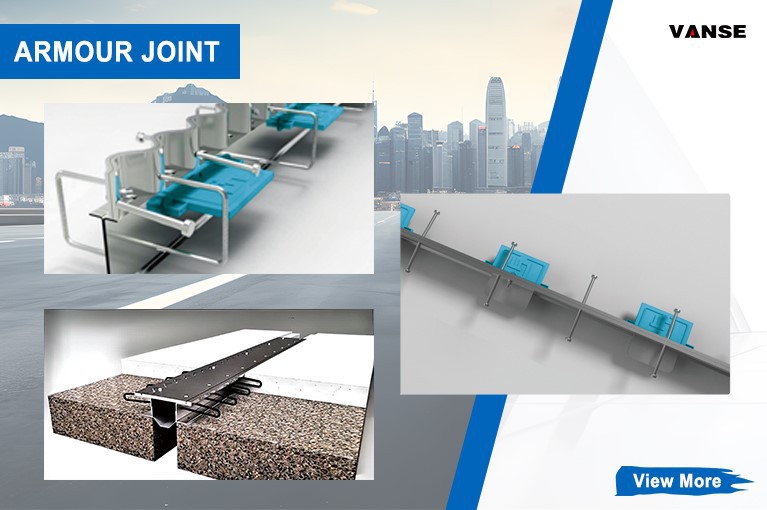
AMOUR JOINT

CONCRETE LEVELING MACHINE

LIGHT TOWER

POWER TROWEL

SLIPFORM MACHINE

STEEL FIBER

TOPPING SPREADER

Thanks to All the Friends Who Support and Trust Shandong Vanse Machinery Technology Co., Ltd.
If you want to know more about Shandong Vanse Machinery Technology Co., Ltd. or have any questions, please feel free to contact us:
Our Factory
Shandong Vanse Machinery Technology Co., Ltd.
Share this article

About the Author: Shandong Vanse Machinery Technology Co., Ltd.
Shandong Vanse Machinery Technology Co., Ltd. is a high-tech manufacturer specializing in concrete construction machinery, including laser screeds and related equipment. The company integrates R&D, production, and global sales, with products exported to over 60 countries and widely used in infrastructure projects worldwide.
Previous Post
Next Post
Related Articles
You Might Also Like
What are the rules of use of concrete laser leveling machine?
If you want to use the concrete laser leveling machine better, there are some prerequisites. First, you need to be familiar with the structural characteristics of the concrete laser leveling machine, and you must abide by the rules during use, which can effectively guarantee the use of the equipment. In order to allow users to use the leveling machine both to ensure the effect and to rest assured, the staff will lead everyone to look at the rules that need to be followed when operating the concrete laser leveler safely. ◤First of all, it is necessary to ensure that all parts of the concrete laser leveling machine are connected in good condition without any looseness, so as to prevent problems during the operation; ◤Add enough lubricating oil to the internal combustion frame leveler in advance to improve the flexibility of the controller so as to improve work efficiency; ◤The surface insulation part of the cable must be complete, and a little bit of damage must be treated with caution until it is completely intact. This will not only ensure the safety of construction personnel, but also the safety of passers-by. ◤After turning on the power, you need to check the rotation direction of the motor, and change the wire immediately if there is an error, so as to avoid bigger problems during work. ◤Personnel who operate the leveling machine must undergo professional training, such as not tilting and not holding too tightly during the operation, so as to avoid careless accidents. ◤During the construction process, the concrete laser leveling machine needs dense soil, which can be repeatedly tamped on the spot without moving back and forth, so that even if the result is the same, more energy will be spent on moving, which is uneconomical; ◤So how should the laser leveling machine be used? In fact, this problem will be introduced in great detail in the product manual of the device, such as what is the operating procedure, what safety issues should be paid attention to when switching on and off, etc. There are very detailed step-by-step instructions in the product manual. Therefore, when using the device, the user has nothing to worry about. The only thing to pay attention to is to be familiar with the relevant information in the manual. From the content of the above-mentioned safe operation rules for concrete laser leveling machines, it can be seen that if you want the production enterprise to develop for a long time, you must not only abide by the operating rules reflected in the above content, but also need to do a good job in the maintenance of equipment on a regular basis. . VANSE Machinery Technology has been engaged in the production and processing of leveling machines for a long time. It has rich experience and can meet the various needs of customers. If you are interested in this equipment, please come to the manufacturer directly for guidance.Timing Control of Concrete Spreader & Power Trowel Machine Collaboration
In concrete floor construction, the coordinated operation of concrete spreaders and power trowels is like a relay race against time. Because anti-corrosion flooring (such as acid-resistant and oil-resistant flooring) requires extremely high density, poor timing control can lead to peeling, cracking, or failure of anti-corrosion performance. The following are the key timing points and collaborative logic in the standard construction process: Judgment Criteria: After concrete paving and leveling, when construction workers step on the concrete surface, the footprint depth is approximately 3mm-5mm. Collaborative Operation: At this point, most of the moisture on the concrete surface has evaporated, but it can still moisten the aggregate. The spreader begins spreading the first layer of material (usually 2/3 of the total). Note: Spreading material on a surface with standing water is strictly prohibited, as it will dilute the thickness of the anti-corrosion coating. Judgment Criteria: After material spreading, wait for the aggregate to absorb moisture from the concrete and darken (approximately 5-15 minutes). Coordinated Operation: The power trowel, equipped with a "disc," performs the initial grouting. Objective: Through the kneading action of the disc, the anti-corrosion aggregate is pressed into the concrete surface, integrating it with the base grout. Timing: Immediately after the initial slurry application. Coo rdinated Operation: The material application machine applies the remaining 1/3 of the material (to reinforce areas unevenly applied in the first round). The power trowel then applies the slurry again in a crisscrossing pattern. Judgment Criteria: The concrete begins to harden; footprints are barely visible when stepped on. Coordinated Operation: The power trowel removes its disc and uses a blade for finishing. Key to Corrosion Prevention: 3-4 repeated finishing passes are required. As the concrete hardens, continuously increase the blade angle until a mirror-like surface is achieved. Construction joints are not fixed; the coordination speed of the spreading machine and the power trowel must be adjusted according to environmental changes. Environmental factors Impact on timing Coordinated Adjustment Strategies High temperature/strong wind Concrete dehydrates extremely quickly, shortening the window period. The spreading machine should closely follow the leveling machine, and the number of power trowels should be increased to operate synchronously. Low temperature/high humidity Slow setting; premature construction may bury materials. Extend the waiting time to prevent aggregate from settling to the bottom of the concrete. Indoor/underfloor heating The bottom heats up quickly, causing a skin to form on the surface. The power trowel should apply slurry as early as possible to prevent "false drying" that can lead to hollow areas. For special functional flooring such as acid-resistant and oil-resistant flooring, extra attention needs to be paid during collaborative construction: Prioritize Density: The power trowel should apply 1-2 more passes than for ordinary flooring to seal all micropores and prevent acid/oil penetration. Joint Treatment: When the spreader is moving, ensure that the overlap area between two applications is approximately 10cm. The power trowel should then focus on strengthening the grinding at the overlap area. Finished Product Protection: After the final pass, a curing agent or anti-corrosion sealant should typically be sprayed within 4-6 hours. If your construction area is large (over 1000㎡ per day), we recommend using a combined operation mode of laser leveling machine + automatic material spreader + ride-on power trowel to ensure that the corrosion resistance of the entire floor is at a consistent level. Is your current construction environment indoors or outdoors? Depending on the ventilation conditions, I can provide you with detailed parameters for controlling the material spread thickness. Note: The parameters provided in this document are for reference only and are not mandatory. Due to differences in technical characteristics between different brands and models of laser levelers, please consult the manufacturer for a suitable solution before actual operation. This reference document assumes no responsibility for any issues arising from failure to follow the manufacturer's instructions.Large-area ultra-flat wear-resistant floor concrete laser leveling machine one-time forming construction method
At the moment when the construction field is constantly innovating, the pursuit of flatness, strength and construction efficiency in large-area floor construction has reached a new height. Traditional construction methods are difficult to accurately control flatness when dealing with large-scale ground operations, and the construction period is long. The use of concrete laser leveling machine Beton – Laser – Nivelliermaschine to implement one-time forming construction has become an effective solution to break through these bottlenecks and provide strong guarantees for creating high-quality ultra-flat wear-resistant floors. Excellent precision: With the help of advanced laser systems, Macchina livellatrice laser per calcestruzzo has extremely high control accuracy for ground elevation, and can control flatness deviation within a very small range, far exceeding traditional construction methods, and meeting the stringent requirements of high-standard ultra-flat floors. Efficient operation: The equipment has a leading degree of automation, and a large area of ground leveling can be completed in a single operation. Compared with traditional manual leveling, the construction period is greatly shortened and the construction efficiency is greatly improved. Material optimization: With precise elevation control, it can effectively avoid the situation of too much or too little concrete laying, reduce material waste and construction costs. Performance enhancement: Uniform vibration during the leveling process makes the internal structure of the concrete more compact and uniform, significantly enhances the strength and wear resistance of the ground, and extends the service life of the ground. This method is widely used in various large-area places with high requirements for ground flatness and wear resistance, such as industrial plants that need to withstand the operation of heavy equipment; logistics warehouses, where frequent cargo handling causes great damage to the ground; large shopping malls, where there is a large flow of people and the ground needs to be beautiful; parking lots, where vehicles frequently enter and exit and test the durability of the ground, etc. The core of Extendedoras de hormigón lies in the collaborative work of high-precision laser transmitters and receivers. The laser transmitter emits a stable horizontal laser beam, just like building a precise reference plane in the air. The laser receiver is installed on the leveling machine frame to capture the laser signal in real time and quickly transmit it to the control system. The control system automatically and accurately adjusts the height of the screed blade according to the received signal to ensure accurate leveling of the concrete surface during the process. At the same time, the vibrating device equipped with the screed works synchronously to fully vibrate the concrete, ensure its density, and lay the foundation for high-quality ground. Base treatment → measurement and layout → installation of formwork → concrete pouring → laser leveling machine leveling → surface treatment (smoothing, spreading wear-resistant materials, etc.) → maintenance Base treatment Thoroughly remove debris, dust, oil and other pollutants on the surface of the base to ensure that the surface of the base is clean and flat, providing a good foundation for subsequent construction. Use compaction machinery to compact the base. For weak foundations, effective measures such as replacement and reinforcement piles are required to improve the bearing capacity of the base and prevent later ground settlement. Measurement and layout Use precision measuring instruments such as total stations to accurately measure and lay out the elevation control lines and construction boundaries of the floor according to the requirements of the design drawings. Set firm control points at a certain distance (usually 3-5 meters) on the base. These control points serve as key references for the initial positioning and calibration of the laser leveling machine to ensure the accuracy of the equipment's running trajectory and elevation control. Install the formwork Install the formwork strictly according to the measured layout position. The formwork should be made of materials with high strength and good rigidity, such as high-quality steel formwork or reinforced wooden formwork. Use a level to accurately adjust the elevation of the top surface of the formwork so that it is completely consistent with the design elevation. The joints of the formwork should be tight, and sealing strips or tapes can be used to seal to prevent leakage during concrete pouring and affect the quality of the ground. Preferably use commercial concrete, and its mix ratio needs to be professionally optimized according to factors such as engineering design strength, durability, and construction environment to ensure that the concrete performance meets the construction requirements. Concrete is efficiently transported to the construction area through equipment such as concrete pump trucks or mixer trucks. Pour in layers and sections from one end to the other. The pouring thickness should be 2-3 cm higher than the design elevation, and space for leveling should be reserved. During the pouring process, use an inserted vibrator or a flat vibrator to vibrate the concrete in time. The vibration points should be evenly distributed to avoid leakage or over-vibration and ensure the density of the concrete. Laser leveling machine leveling After the concrete pouring is completed, the laser leveling machine should be driven into the construction area as soon as possible to avoid the initial setting of the concrete affecting the leveling effect. Start the laser transmitter and laser leveling machine in turn, calibrate and debug the equipment comprehensively, and check whether the laser signal reception, scraper lifting control, and vibration device operation are normal. The operator sets a reasonable leveling machine route and speed according to the shape and area of the construction site. The general speed is controlled at 1-3 meters per minute. During the leveling machine's movement, pay close attention to the equipment's operating status and the concrete surface. If local unevenness, depressions or convexities are found, stop the machine immediately and use manual filling or shoveling to repair. Surface treatment For ordinary floors, use a trowel machine for mechanical troweling after the initial setting of the concrete and before the final setting. The trowel machine operates in a horizontal and vertical cross-pattern, and generally needs to be troweled 3-5 times until the ground surface is flat, smooth, and free of smear marks. For wear-resistant floors, when the concrete is initially set, the wear-resistant materials (such as metal aggregates and non-metallic aggregate wear-resistant materials) selected according to the design requirements will be evenly spread on the concrete surface, and the spreading amount will be determined according to the material description and design requirements. After spreading, use a trowel to smooth the surface so that the wear-resistant materials and concrete are fully integrated to form a solid and wear-resistant floor surface. Maintenance After the ground construction is completed, maintenance work should be carried out immediately. Sprinkling maintenance can be used. The number of sprinkling times per day is determined according to the temperature and humidity, generally not less than 3-5 times, to keep the ground moist; plastic film can also be covered to prevent water evaporation and maintain the internal humidity of the concrete; curing agent can also be sprayed to form a protective film on the ground to achieve the maintenance effect. The curing time is usually not less than 7-14 days, and the specific duration is determined according to the concrete strength growth and relevant specifications. During the maintenance period, it is strictly forbidden for people and vehicles to walk or roll on the ground to prevent damage to the ground strength growth process and ensure that the final strength of the ground meets the design requirements. Concrete: must strictly meet the design strength grade requirements, have good workability, fluidity and durability, and ensure easy pouring and vibration during construction. Wear-resistant materials: accurately select wear-resistant materials according to the actual needs of the project and design standards. Metal aggregate wear-resistant materials have the characteristics of high hardness and high strength; non-metal aggregate wear-resistant materials have excellent performance in impact resistance and anti-static, and can be selected as needed. Formwork materials: steel formwork has the advantages of high strength and high turnover; wooden formwork has certain advantages in shape adaptability and splicing flexibility. Appropriate formwork materials can be selected according to construction conditions and cost considerations, but their strength and rigidity must meet construction requirements. Extendedoras de hormigón: According to the size of the construction site, the complexity of the shape and the ground design requirements, reasonably select equipment models with power, leveling width and accuracy. Laser transmitter and receiver: Closely matched with laser leveling machine, laser transmitter emits stable and accurate laser beam, receiver accurately captures signal, the two work together to ensure high precision of elevation control, and their performance directly affects the quality of ground leveling. Concrete delivery equipment: Concrete pump truck has strong mobility and is suitable for concrete delivery in different site conditions; mixer truck can ensure the uniformity and working performance of concrete during transportation, and can be reasonably used according to the construction site conditions. Trowel machine: Divided into hand-held type and driving type, selected according to the ground area and construction efficiency requirements. Its high-speed rotating trowel compacts and smoothes the ground to make the ground flat and smooth. Measuring instruments: Total station is used for large-area high-precision measurement and layout; level can accurately measure elevation; theodolite assists in determining angles and verticality. These measuring instruments jointly provide accurate data support for positioning and elevation control during construction. Quality management system construction: Set up a professional quality management team to clarify the specific responsibilities of each member in the stages of construction preparation, construction process and quality acceptance. Formulate a detailed quality management system and set clear and quantifiable quality goals, such as controlling the ground flatness deviation within ±2 mm. Raw material quality control: Each batch of raw materials such as concrete and wear-resistant materials entering the site shall be inspected and tested strictly in accordance with relevant standards. Concrete needs to be tested for slump, compressive strength and other indicators; wear-resistant materials need to be tested for their wear resistance, hardness and other properties to ensure that the quality of raw materials fully meets the design and specification requirements and ensure the quality of the project from the source. Construction process quality supervision: Arrange professional quality management personnel to supervise the entire construction process and strictly follow the established construction process and operation points. Focus on monitoring whether the laser operation is standardized, including equipment calibration, travel speed and route control; whether the concrete pouring and vibration meet the requirements, such as pouring sequence, vibration time and depth, etc.; the timing of polishing in the surface treatment process, the uniformity of wear-resistant material spreading, etc., and timely rectification when problems are found. Quality acceptance: After the construction is completed, the ground is comprehensively inspected in accordance with the current relevant national specifications and standards. Use professional measuring tools to detect the flatness and elevation deviation of the ground; use equipment such as rebound testers to detect the ground strength; and use wear resistance testers to test the wear resistance of wear-resistant floors. Only after all indicators meet the requirements after testing can the project quality be determined to be qualified. Building a safety management system: Develop a complete safety management system covering all aspects such as construction site safety protection, equipment operation specifications, and personnel safety training. Clarify the safety responsibilities of personnel in various positions, and implement safety responsibilities at all levels from project managers to front-line construction personnel. Safety education and training: Regularly organize construction personnel to participate in safety education and training, including safety regulations, safety operating procedures, accident case analysis, etc. New employees must undergo three-level safety education and training and pass the assessment before they can take up their posts. Special types of work (such as electricians, welders, machine operators, etc.) must be certified to work, and continuously improve the safety awareness and operating skills of construction personnel. Safety protection at the construction site: Set up obvious safety warning signs at the entrance of the construction site and dangerous areas (such as deep foundation pits, high-altitude working areas, etc.). Set up protective railings and safety nets for high-altitude working surfaces; equip construction workers with qualified personal protective equipment such as safety helmets, safety belts, safety shoes, and supervise their correct wearing and use. Equipment safety management: Establish a regular inspection and maintenance system for construction equipment such as laser levelers and concrete conveying equipment, conduct equipment appearance inspections and performance tests before and after each use, and conduct regular comprehensive maintenance and repairs. During the operation of the equipment, operators must strictly abide by the operating procedures, and illegal operations are strictly prohibited to prevent safety accidents caused by equipment failures or improper operations. Construction dust control: Harden the main roads in the construction site, and arrange special personnel to sprinkle water to reduce dust regularly. Sand, stone and other materials that are prone to dust are stored in closed silos, or covered with dustproof nets to reduce dust pollution. Construction noise control: Plan construction time reasonably to avoid high-noise operations during residents' rest time (such as 22:00 to 6:00 the next day). Take noise reduction measures for high-noise equipment such as concrete pumps and vibrators, such as installing silencers and setting up soundproof covers, to reduce the impact of construction noise on the surrounding environment. Waste treatment: Set up classified trash cans and waste storage sites at the construction site to classify and collect construction waste and domestic waste generated during the construction process. Recyclable waste (such as scrap steel, waste wood, etc.) is recycled and reused; non-recyclable waste is transported to designated locations for proper disposal in accordance with the requirements of local environmental protection departments to prevent environmental pollution. Economic benefits: The one-time forming construction method of the laser leveling machine has greatly improved construction efficiency, shortened the construction period, and correspondingly reduced labor costs and equipment rental costs. Accurate leveling effectively reduces concrete waste and saves material costs. Comprehensive calculations can significantly improve the economic benefits of the project. Social benefits: The high-quality, ultra-flat, wear-resistant floor created by this method can effectively improve the performance and durability of the building, reduce the cost of later maintenance and renovation, provide the society with better building space, and create good social benefits. Environmental benefits: By implementing a series of environmental protection measures, such as dust control, noise control, and reasonable disposal of waste, the pollution of the surrounding environment during the construction process is reduced, which conforms to the concept of green environmental protection and sustainable development, and produces positive environmental benefits.