Technical Knowledge
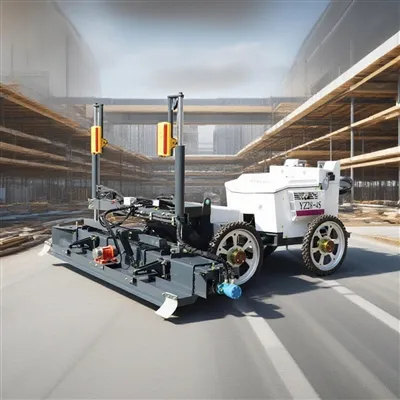
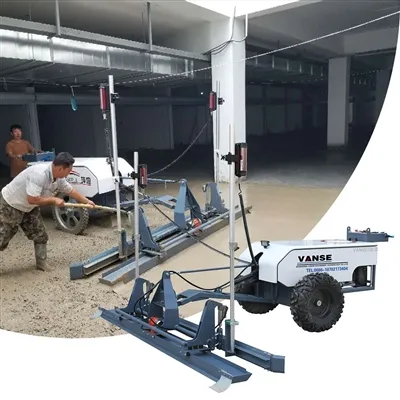
During the construction process, how to ensure that the operators of the laser leveling machine can strictly abide by the operating procedures?

Ensuring that laser leveling machine operators strictly follow operating procedures is the key to construction safety and project quality. Here are some effective ways to achieve this goal:
1. **Comprehensive training**:
Provide detailed theoretical and practical training to operators before they take up their posts. The training content should cover the working principle, operating steps, safety regulations and emergency handling procedures of the laser leveling machine.
2. **Operation manual and checklist**:
Provide operators with clear operation manuals and daily checklists to ensure that they are familiar with each operation process and daily maintenance tasks.
3. **On-site guidance and supervision**:
Arrange experienced old employees or supervisors to provide guidance and supervision at the construction site, correct improper operations in a timely manner, and answer operators' questions.
4. **Regular assessment and evaluation**:
Implement regular skill assessments and assessments of compliance with operating procedures to ensure that operators' knowledge and skills remain up-to-date and proficient.
5. **Safety awareness education**:
Regularly carry out safety awareness education activities to emphasize the importance of complying with operating procedures, including warnings about the consequences of illegal operations.
6. **Clear responsibility and reward and punishment mechanism**:
Establish a clear responsibility system and reward and punishment mechanism, reward those who comply with the operating procedures, and punish those who violate the regulations, so as to motivate operators to comply with the regulations.
7. **Equipment maintenance and inspection**:
Ensure that the laser leveling machine is regularly maintained and inspected to maintain a good working condition and avoid operating errors caused by equipment failure.
8. **Smooth communication channels**:
Establish effective communication channels to encourage operators to report equipment abnormalities or difficulties in operation, solve problems in a timely manner, and prevent small problems from turning into major accidents.
9. **Emergency drills**:
Organize regular emergency drills to familiarize operators with the response measures for various possible emergencies.
10. **Technology update and training**:
With the development of technology, laser leveling machines may have new functions or operating methods. Operators should be updated and trained in a timely manner to ensure that they master the latest technology.
Through these measures, the professional quality and safety awareness of operators can be effectively improved, ensuring that they strictly abide by the operating procedures during the construction process, thereby ensuring construction safety and project quality.
Thanks to All the Friends Who Support and Trust Shandong Vanse Machinery Technology Co., Ltd.
If you want to know more about Shandong Vanse Machinery Technology Co., Ltd. or have any questions, please feel free to contact us:
Our Factory
Shandong Vanse Machinery Technology Co., Ltd.








Share this article

About the Author: Shandong Vanse Machinery Technology Co., Ltd.
Shandong Vanse Machinery Technology Co., Ltd. is a high-tech manufacturer specializing in concrete construction machinery, including laser screeds and related equipment. The company integrates R&D, production, and global sales, with products exported to over 60 countries and widely used in infrastructure projects worldwide.
Previous Post
Next Post
Related Articles
You Might Also Like
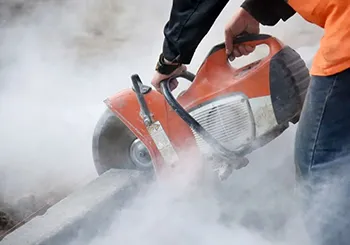
Characteristics of concrete cutting
Concrete cutting is the use of water-cooled diamond track or rope saw cutting machine on the concrete hole, demolition, construction speed, noise, no vibration, good quality, no impact on the building structure is to replace the hammer, picks, artificial brazing Playing and other large vibration of the construction of the most advanced technology.Can I use a concrete laser leveling machine to level ground
Yes, you absolutely can, and that's one of their primary and most valuable functions. However, it's important to be precise about what "leveling ground" means and which type of machine is best for the job. Let's clarify, because there are two main types of "laser leveling" equipment: Laser-Controlled Graders/Scrapers (For Dirt/Gravel): These are often called "laser graders," "grading buckets," or "box blades." They are towed by a tractor or skid-steer and have a laser receiver mounted on a mast. The receiver controls the hydraulic lift of the blade, automatically cutting high spots and filling low spots to achieve a perfectly flat or precisely sloped grade. This is what you'd use for fine grading soil, gravel, or sand sub-base. Laser Screeds (For Concrete): These are the machines often called "concrete laser leveling machines" (like Somero S-10). They are designed to strike off and consolidate wet concrete to a precise grade. They are too heavy and not designed for moving significant amounts of dirt. Yes, you absolutely can, and that's one of their primary and most valuable functions. However, it's important to be precise about what "leveling ground" means and which type of machine is best for the job. Let's clarify, because there are two main types of "laser leveling" equipment: Laser-Controlled Graders/Scrapers (For Dirt/Gravel): These are often called "laser graders," "grading buckets," or "box blades." They are towed by a tractor or skid-steer and have a laser receiver mounted on a mast. The receiver controls the hydraulic lift of the blade, automatically cutting high spots and filling low spots to achieve a perfectly flat or precisely sloped grade. This is what you'd use for fine grading soil, gravel, or sand sub-base. Laser Screeds (For Concrete): These are the machines often called "concrete laser leveling machines" (like Somero S-10). They are designed to strike off and consolidate wet concrete to a precise grade. They are too heavy and not designed for moving significant amounts of dirt. Building Pads: Creating a perfectly flat and compacted base for a house, garage, or shop slab. Sub-base Preparation: Fine grading the gravel or sand layer that goes directly under the concrete. Agricultural Land Leveling: For flood irrigation to ensure even water distribution. Sports Fields & Lawns: Achieving a perfectly flat surface for turf or seeding. Trench Backfilling & Compacting: To restore a surface to grade after utility work. Flooring Substrates: Leveling a floor inside a building before installing tile, epoxy, or other flooring. Extreme Precision: Achieves accuracy within ±1/8 inch or better over large areas. Correct Slope for Drainage: You can program a precise, consistent slope (e.g., 1/4" per foot). Massive Time Savings: One person can do the work of a surveyor and a grading crew. Material Efficiency: You move only the necessary dirt, minimizing cut and fill. You Need the Right Equipment: You need a tractor/skid-steer with hydraulic controls, a compatible grading implement (scraper is best), and the laser transmitter/receiver system. Cost of the System: Laser Level & Receiver: A good quality kit (e.g., from Topcon, Spectra, DeWalt) costs $3,000 – $8,000. Grading Implement: A laser-guided scraper can cost $2,000 – $10,000+. The Smart Alternative: Rent or Hire. Rent: You can often rent a complete laser grading setup for $200 – $500 per day. This is perfect for a one-time project like leveling a yard or preparing for a concrete slab. Hire a Pro: Many excavation contractors offer laser grading services. For a typical residential lot pad, this might cost a few hundred to a couple thousand dollars and is often worth it for the guaranteed result. Can you use a concrete laser leveling machine to level ground? For soil/gravel: No, not directly. Use a laser-guided grader/scraper. For the sub-base layer right before concrete: Yes, absolutely. This is a critical step. You use the laser grader to create a perfectly flat compacted gravel base, then you would use a laser screed to pour the concrete on top of that perfectly prepared surface. IN SUMMARY: The technology to laser-level ground exists, is mature, and is incredibly effective. For a serious landscaping, farming, or construction project requiring a flat, well-drained surface, it is absolutely worth using-whether you rent the equipment, hire a contractor with it, or invest in it for your business. Note: The parameters provided in this document are for reference only and are not mandatory. Due to differences in technical characteristics between different brands and models of laser levelers, please consult the manufacturer for a suitable solution before actual operation. This reference document assumes no responsibility for any issues arising from failure to follow the manufacturer's instructions.What are the advantages and disadvantages of self-leveling cement?
Self-leveling cement is a floor material with the following advantages and disadvantages: Advantage: 1. Fast construction speed: The construction speed of cement self-leveling is fast, which can greatly shorten the construction period and improve construction efficiency. 2. High flatness of the ground: The self-leveling cement floor has a very high flatness and can achieve a very smooth effect, improving the aesthetics and comfort of the ground. 3. Strong wear resistance: The wear resistance of self-leveling cement is very good and can withstand a lot of walking and friction, extending the service life of the ground. 4. Good anti-slip properties: The self-leveling surface of cement has certain anti-slip properties, which can reduce the risk of slipping and falling. 5. Easy to clean: The self-leveling cement surface is very easy to clean and does not easily accumulate dust and dirt, keeping the floor clean and hygienic. Shortcoming: 1. High construction requirements: The construction requirements of self-leveling cement are relatively high and require professional construction personnel and technical support, otherwise quality problems will easily occur. 2. Higher price: Compared with ordinary floor materials, cement self-leveling is more expensive and requires more investment. 3. Easy to crack: If the construction is improper or the material quality is poor, problems such as cracking may easily occur in self-leveling cement, which will affect the aesthetics and use effect of the ground. 4. Not suitable for all occasions: Cement self-leveling is suitable for some specific occasions, such as offices, workshops and other floors that require high flatness and wear resistance, but it may not be suitable for some occasions that require special functions, such as swimming pools, gyms, etc. So applicable. In summary, cement self-leveling has the advantages of fast construction speed, high ground flatness, strong wear resistance, good anti-skid properties, and easy cleaning. However, it also has high construction requirements, high price, easy cracking, and is not suitable for all occasions. and other shortcomings. When choosing to use it, you need to decide whether it is suitable for use based on specific needs and circumstances.