Technical Knowledge
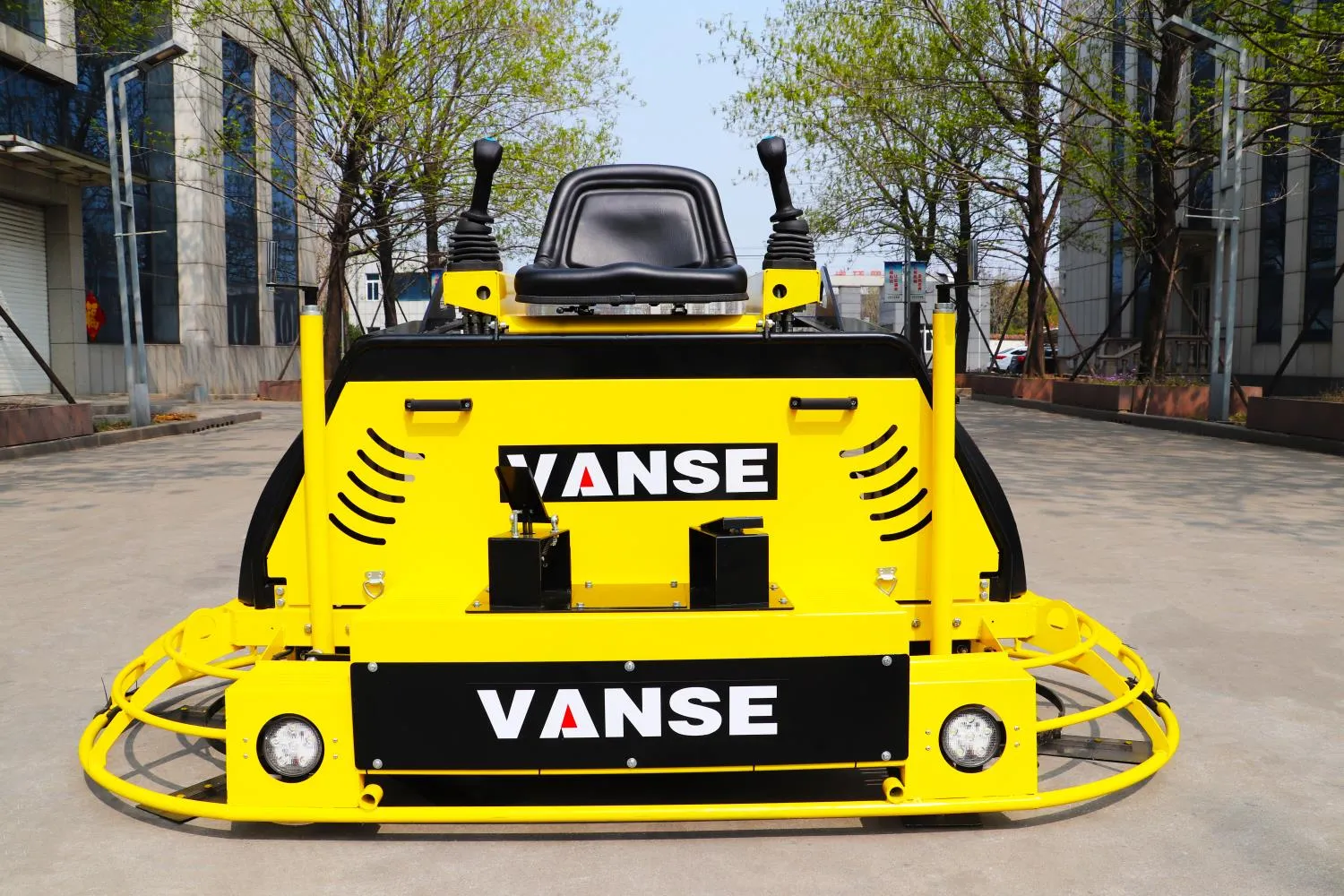
Concrete finishing – troweling machine
June 25, 2023
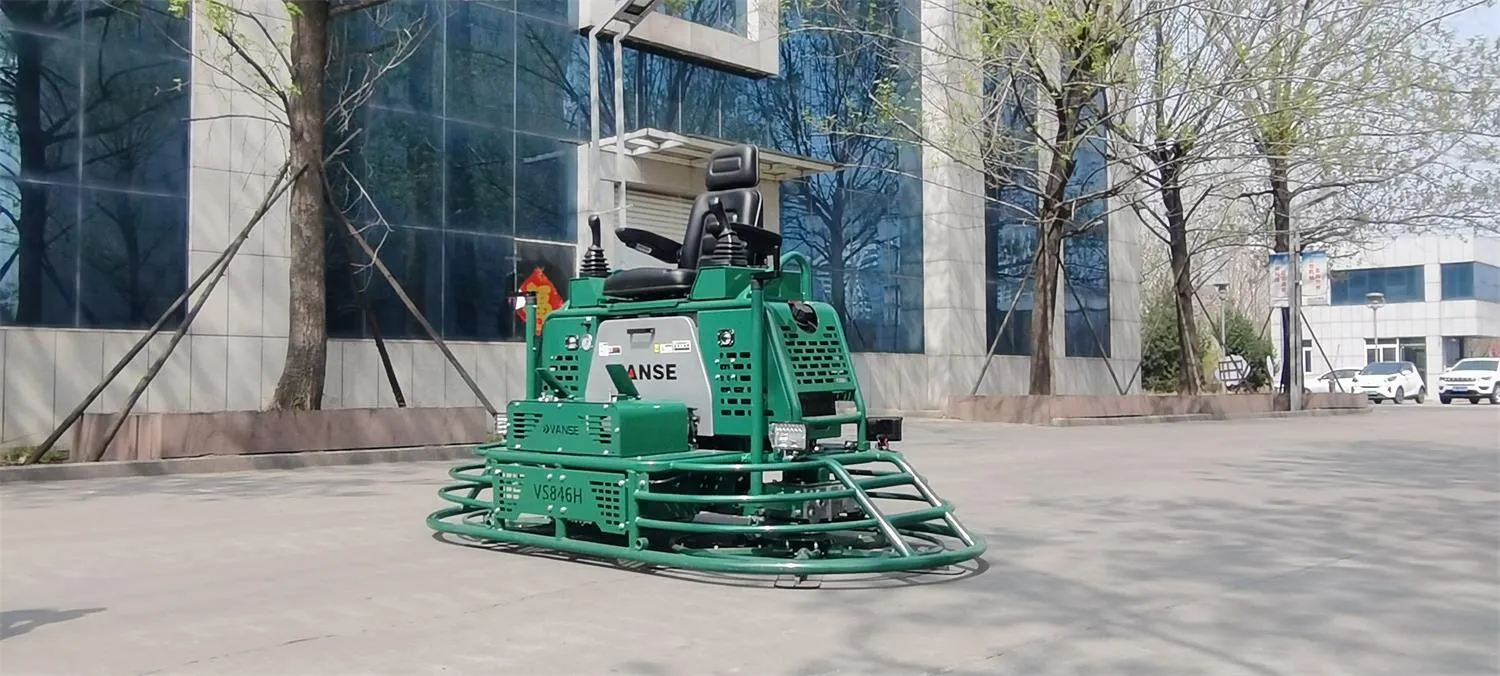
Finishing concrete is not an easy job. During construction, workers’ hands, backs and knees are vulnerable to injury. The advent of the trowel allows construction workers to stand while the concrete is finished. Based on the size of the project, the number of people and the customer’s requirements for the surface layer, the construction party may consider purchasing a trowel. If you are a construction party specializing in concrete staining, staining or home improvement polishing, maybe you don’t need to buy a ride-on trowel (double disc machine). This type of troweling machine is not only expensive, but also has a high hardness of the ground after finishing, so the above-mentioned type of ground does not have such high requirements. In fact, a walk-behind trowel is sufficient to meet the work requirements of pulping and finishing small-area floors.
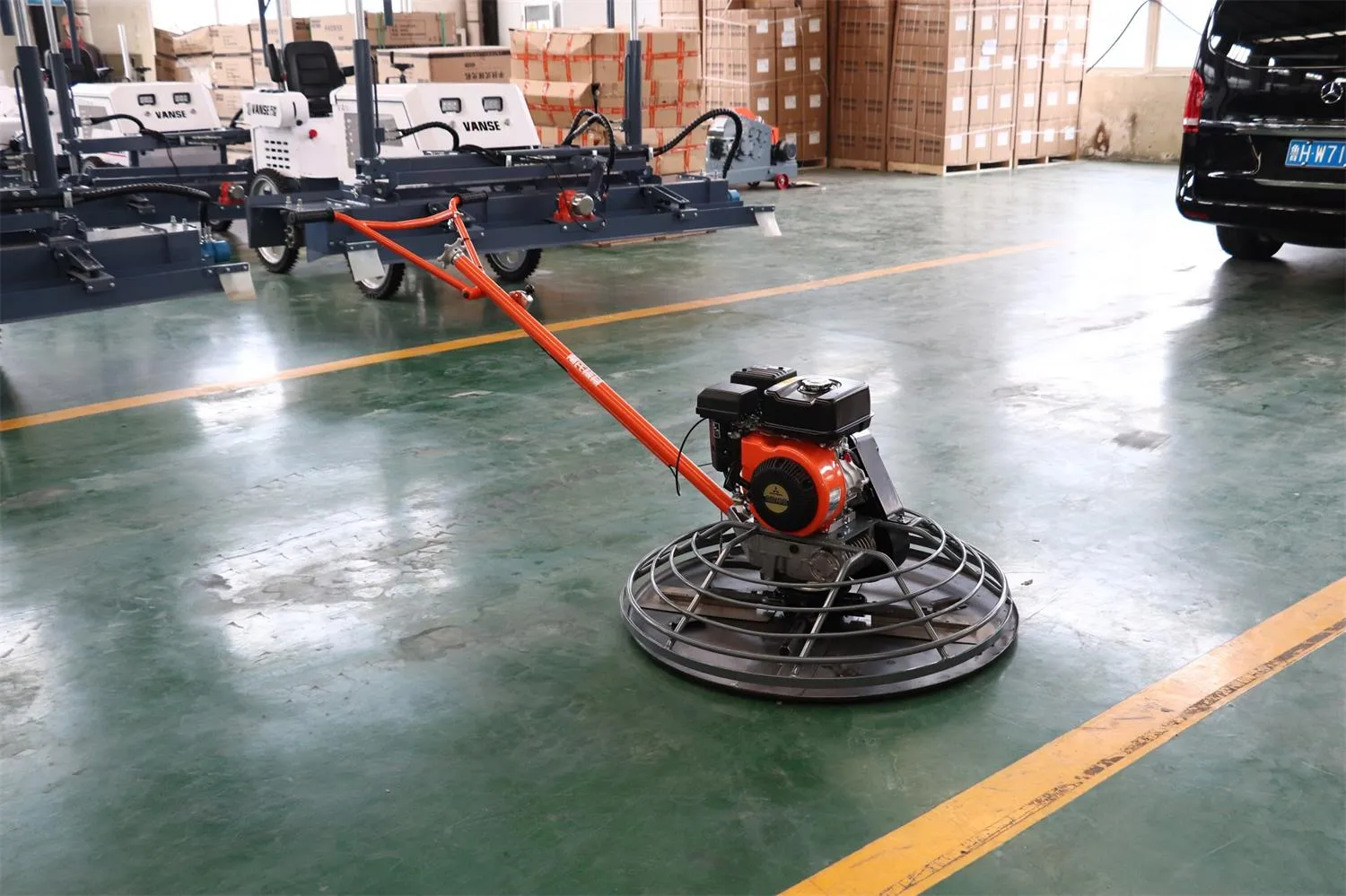
Under what circumstances should you consider investing in a trowel? In general, construction area is an important consideration. "Even a small-area project can use a trowel, even if the project is only a few hundred square meters. As long as the construction area reaches 100 square meters, you must use a trowel, and if it exceeds 300 square meters, you have to consider using a small ride-on trowel From another perspective, the work efficiency of a single-disk trowel is equivalent to that of three construction workers using traditional manual finishing tools such as scrapers.
It seems that the biggest advantage of the trowel is to increase the speed of application. But this is only a one-sided understanding of the advantages of the trowel. What the trowel gives is not a simple speed increase but the efficiency when dealing with large-scale construction. Furthermore, the troweling machine allows the construction party to choose a more appropriate time to start the machine when dealing with large-scale construction, instead of having to start early due to the need to consider the overall area of construction like traditional construction.
Troweling machine operation steps:
1. Before use, check whether the motor, electrical switch, cable and wiring are normal and comply with the regulations, and install a leakage protector.
2. Before use, check and clean up the sundries on the wipe plate to avoid the whole machine from jumping when in use.
3. After turning on the power, carry out a test run, the blades will rotate clockwise and must not be reversed.
4. Operators should wear insulating shoes and gloves, and the cables should be picked up by auxiliary personnel, who should also wear insulating shoes and gloves. Pay attention to prevent electric shock accidents caused by the cable insulation layer being broken.
5. The troweling machine breaks down, and it needs to be shut down to cut off the power before it can be repaired.
6. The trowel should be stored in a dry, clean and non-corrosive gas environment. The handle should be placed in the specified position, and no rough loading and unloading should be allowed during transfer.
Construction Notes:
1. During construction, pay attention to the temperature of the motor reducer box not exceeding 80°
2. The engine oil in the turbine box needs to be checked frequently. If the oil level is lower than the oil level, please refuel in time. After each use, the equipment should be cleaned in time, especially the smears should be stored in a dry, clean and non-corrosive environment. When the smear is worn to 30mm on one side, loosen the nut, turn the smear around and re-tighten the screw to achieve the purpose of two pairs of use. Angle of smear Rotate the hand wheel to adjust the angle of smear to achieve the ideal effect of rough smearing. If you need to shut down during construction, please turn off the power in time. When the gasoline engine stops, press the switch on the handle in time to stop.
The ground effect after the troweling machine is more uniform, the construction speed is faster, and the operation is more convenient. Working with a hand-held spatula for a long time will easily fatigue the knees, shoulders and elbows of the construction workers, which will affect the construction effect. To put it simply, the use of a trowel makes the difficult operation easier, and it is the best equipment for finishing the floor.
Thanks to All the Friends Who Support and Trust Shandong Vanse Machinery Technology Co., Ltd.
If you want to know more about Shandong Vanse Machinery Technology Co., Ltd. or have any questions, please feel free to contact us:
Our Factory
Shandong Vanse Machinery Technology Co., Ltd.


About the Author: Shandong Vanse Machinery Technology Co., Ltd.

Shandong Vanse Machinery Technology Co., Ltd. is a high-tech manufacturer specializing in concrete construction machinery, including laser screeds and related equipment. The company integrates R&D, production, and global sales, with products exported to over 60 countries and widely used in infrastructure projects worldwide.

Shandong Vanse Machinery
Leading manufacturer specializing in high-performance concrete laser screeds, telescopic arm flatwork handlers, and mechanical ride-on power trowels.
Post overview
Main PRODUCT Categories
Need Machine Guidance?
Speak directly with Shandong Vanse field specialists for tailored equipment quotes and site planning.
Contact Us TodayRelated Articles
You Might Also Like
March 17, 2025
The construction process and requirements of laser leveling concrete wear-resistant floor
Laser leveling concrete wear-resistant floor refers to the use of laser leveling machines to perform high-precision and rapid leveling operations on concrete, thereby obtaining a concrete wear-resistant floor that meets high standards in terms of flatness, levelness, density and strength. The concrete laser leveling machine uses laser as the reference plane, and emits rotating laser through the laser transmitter. The laser signal is captured by the laser receiver on the leveling machine. The received signal is deeply analyzed by the laser measurement and control system, and any deviation will be accurately identified and fed back to the highly sensitive computer control system on the leveling machine. Based on this feedback information, the leveling machine will intelligently adjust the height of the scraper or leveling head to ensure the accuracy of the leveling operation. At the same time, the hydraulically driven vibration motor drives the vibration plate to vibrate the concrete to further compact the ground. (1) Construction preparation Material preparation: Ensure the quality of concrete materials. Polycondensate high-efficiency water reducer can be added to reduce the risk of cracking. At the same time, prepare the required wear-resistant aggregates, interface agents and other materials. Equipment preparation: Transport and place laser leveling machines, trowels, trimmers, vacuum cleaners and other equipment to the designated location on site, and perform maintenance work to ensure that the equipment is in good standby condition. Base treatment: Mill the base to increase the adhesion between the leveling layer concrete and the base. Clean the surface of the concrete base plate and use a high-pressure water gun to thoroughly rinse the floor surface. Sweep mortar or apply special interface agent as needed. (2) Formwork setting and steel bar laying Formwork setting: Set the formwork according to the design requirements, ensure that the formwork support is on the same horizontal line as the elevation, and use a special formwork frame to set it at an inclined angle to facilitate subsequent construction. Rebar laying: Adding steel bars to concrete can effectively increase the tensile strength of concrete and prevent cracking. The steel mesh should be placed 20mm~30mm away from the floor surface, which not only increases the tensile strength of concrete but also protects the surface from cracks. (3) Concrete paving and laser leveling Concrete paving: The mixed concrete is pumped and spread on the crushed stone base. The paving speed should be appropriate, and manual leveling should be assisted quickly. Ensure that the concrete construction thickness meets the design requirements. Laser leveling: Use a laser transmitter to determine the height of the concrete paving construction, and use a laser leveling machine to perform leveling operations. During the leveling process, one person should be responsible for moving the laser leveling machine, and two people should be responsible for the front-end auxiliary leveling to ensure that the concrete surface remains at the designed height (4) Initial grinding and slurry breaking and throwing wear-resistant aggregates Initial grinding and slurry breaking: When the concrete is initially set, use a single-disc and double-disc trowel to repeatedly rub and level the concrete slurry. The best time is when there are no clear footprints left by people on the concrete. Spreading wear-resistant aggregate: Spread the specified amount of wear-resistant material evenly on the surface of the concrete just after the slurry is broken. Special materials can be considered as specific conditions and spread more than twice. After each spreading, use a trowel to grind and compact the aggregate. Finishing and maintenance Finishing operation: Depending on the degree of hardening of the concrete, perform at least three trowel operations without a disc. The speed and angle of the trowel should be adjusted according to the degree of hardening of the concrete. The corners can be manually scraped. Maintenance: After the construction is completed, it takes more than 28 days to maintain. Sprinkle water for maintenance and lay soil cloth to reduce water evaporation and keep the wear-resistant floor after construction in water. (5) Cutting expansion joints and subsequent treatment Cutting expansion joints: After the concrete has been sprinkled with water for a certain period of time (such as 24 hours), cut the expansion joints according to the design requirements. The setting of expansion joints should take into account the expansion and contraction space of concrete to prevent cracking. Subsequent treatment: Clean and fill the expansion joints after cutting to ensure the beauty and practicality of the floor. The construction requirements of laser-leveled concrete wear-resistant floor are strict, covering material selection, construction equipment, construction process, construction environment and other aspects. The following is a detailed summary of these requirements: (1) Material requirements: Concrete Strength grade: C25~C30 concrete, 28-day strength not less than 25MPa. Water-cement ratio: not more than 0.5, no water should be added at will during the feeding process. Cement: ordinary silicate cement with a grade not less than 42.5 should be used. Bone material: well-graded, coarse bone material is crushed granite or pebble, with a maximum diameter not more than 25mm; fine bone material is clean river sand, with a fineness modulus of 2.4~2.7. Concrete mix ratio: cement dosage is not less than 350Kg/m³, and the sand ratio is controlled at 35%~40%. Concrete slump: 14±2cm, maximum 16cm. Setting time: The initial setting time is controlled within 3-5 hours. Wear-resistant aggregate: The amount of wear-resistant aggregate is not less than 5kg/㎡, and it is evenly spread in batches to ensure wear resistance and flatness. (2) Construction equipment requirements Concrete laser leveling machine: Ensure that the laser transmitter and receiver work normally, without dead corners, and can monitor and control the ground elevation in real time. Other auxiliary equipment: Including concrete mixing station, pumping equipment, trowel, trimmer, vacuum cleaner, etc., to ensure that the equipment is intact and meets the construction requirements. (3) Construction process requirements Preparation work: Including laying the base, steel mesh, setting the transmission rod, placing the buffer zone, etc., to ensure that the foundation is firm and flat. Concrete paving: Pump concrete to the site and manually assist in leveling to ensure that the concrete is evenly distributed. Laser leveling: Use a laser leveling machine for high-precision leveling to ensure that the ground flatness and levelness meet the requirements. Initial grinding and breaking of slurry: When the concrete is initially set, use a trowel to perform initial grinding and breaking of slurry to remove the concrete slurry. Spreading of wear-resistant aggregate: Spread wear-resistant aggregate evenly in batches and compact and grind with a trowel. Finishing: Perform multiple finishing operations according to the hardening of the concrete to ensure that the floor is smooth and free of defects. Maintenance: After the construction is completed, perform maintenance for more than 28 days to ensure the strength and durability of the concrete. (4) Construction environment requirements Temperature: Avoid construction in extremely high or low temperature environments to prevent the concrete from drying or condensing too quickly. Humidity: Keep the construction environment moderately moist to prevent the concrete from losing water too quickly and causing cracks. Avoid wind and rain: The newly constructed concrete floor should not be exposed to sunlight, wind, rain and other environments that are unfavorable to the health of concrete. (5) Other requirements Cutting expansion joints: Cut expansion joints in time to prevent concrete from cracking due to expansion and contraction. Construction sequence: Ensure that the construction sequence such as concrete feeding speed, leveling speed, polishing time is reasonable to avoid problems such as cold joints. Personnel coordination: Manual and mechanical construction to ensure construction quality and efficiency. Safety requirements: Comply with construction safety regulations to ensure the safety of personnel and equipment. (1) Protection principles Timeliness: After the construction is completed, protective measures should be taken as soon as possible to prevent the floor from being polluted and damaged. Comprehensiveness: The protective measures should cover the entire floor, leaving no dead corners, to ensure comprehensive protection. Targetedness: Develop targeted protection measures for different construction environments and floor uses. (2) Protection measures Covering protection Maintenance blanket or non-woven fabric covering: Within 5-10 hours after the construction is completed, use a maintenance blanket or special maintenance non-woven fabric to cover the floor and water it to keep it moist to prevent the floor from drying out too quickly and causing cracks. Film covering: In certain circumstances, such as before the steel structure is hoisted, a film can be used to cover the floor to prevent components from falling and damaging the floor. Isolation protection Set up guardrails: Set up guardrails for the completed floor area to prohibit people from entering at will to prevent trampling and pollution. Warning signs: Set up eye-catching warning signs at places such as doors where people frequently enter and exit to remind people to pay attention to protecting the floor. Anti-collision protection Fully spread earth cloth or wooden formwork: During the hoisting operation, the floor is protected from collision by fully spread earth cloth or densely spread wooden formwork. Take anti-fall measures: Small objects such as tools and screws (caps) should be packed in special tool bags to prevent them from falling and damaging the floor. Anti-pollution protection Apply special concrete sealing wax: Apply special concrete sealing wax on the floor surface to form a surface wax coating to prevent pollution and damage. Receiving bucket setting: During the hydraulic test of electromechanical installation, arrange the water inlet and outlet positions to prevent the test water from flowing into the floor. At the same time, place the receiving bucket at the joint position to prevent leakage from polluting the floor. Repair measures Small pit repair: If the floor has small pits and other damage, it can be repaired with a special adhesive SBR. Finished product protection team: Establish a special finished product protection team to be responsible for daily inspection and maintenance of the floor, and promptly discover and deal with damage problems. (3) Protection period and supervision Protection period: According to the specific situation of the floor and construction requirements, determine a reasonable protection period to ensure that the floor is fully protected during the maintenance period. Supervision and inspection: Regularly inspect the floor to ensure that the protection measures are effectively implemented. Violations of protection measures will be corrected and punished in a timely manner. ①Material preparation: Ensure the quality of concrete materials. The concrete specifications must meet the design requirements, such as C25~C30 concrete, and the 28-day strength is not less than 25MPa. The aggregate grading is good, the maximum particle size of coarse aggregate is not more than 25mm, and the fineness modulus of fine aggregate is moderate. Ordinary silicate cement with a cement grade of not less than 42.5. Equipment inspection: The laser leveling machine and auxiliary equipment (such as mixing station, pumping equipment, trowel, etc.) should be intact and overhauled to ensure normal operation during construction. Check whether the laser transmitter and receiver are working properly, ensure that the laser signal has no dead corners, and can monitor and control the ground elevation in real time. Base treatment: The base should be flat, solid, free of oil and debris to ensure good bonding between the concrete and the base. After the base is treated, it should be inspected and accepted, and the next step can be carried out only after it is qualified. ② Matters needing attention during construction Concrete paving: The minimum hourly feeding speed of concrete should be determined according to the ground thickness and pouring area to avoid cold joint problems. When manually assisted leveling, attention should be paid to the uniform distribution of concrete to avoid large piles falling. Laser leveling: When using the laser leveling machine, the measured height of the vertical pole should be accurate to ensure the leveling accuracy. During the leveling process, the laser leveling machine should be integrated with the paving machine to maintain good rigidity and avoid excessive vibration affecting the construction quality. Operators of laser leveling machines need to undergo professional training and be familiar with the performance and operating procedures of the equipment. Spreading of wear-resistant bone materials: Wear-resistant bone materials should be spread evenly in batches, and after each spreading, they should be compacted and polished with a trowel to ensure wear resistance and flatness. Finishing and maintenance: The finishing operation should be polished multiple times according to the hardening of the concrete to ensure that the floor is smooth and flawless. The floor should be kept moist during maintenance, and a maintenance blanket, non-woven fabric or film should be used to cover and moisturize the floor to prevent the concrete from drying out too quickly and causing cracking. ③ Precautions after construction Cutting and expansion joint treatment: After the construction of the laser-leveled concrete wear-resistant floor is completed, the expansion joint should be cut in time to prevent the concrete from cracking due to expansion and contraction. Professional personnel should be assigned to the cutting operation to ensure that the cutting depth and spacing meet the design requirements. Finished product protection: Guardrails and warning signs should be set up for the completed floor area to prevent people from stepping on and contaminating. Use maintenance blankets, non-woven fabrics or films to cover and protect the floor from external damage. Quality inspection and acceptance: After the construction is completed, the floor should be inspected for quality, including flatness, levelness, density, strength and other indicators. It can only be delivered for use after acceptance to ensure that the floor meets the design requirements and usage functions.Read More
August 11, 2025
How to construct concrete laser leveling machine in complex environment
Concrete laser leveling operate in complex environments, requiring specialized plans tailored to specific environmental characteristics (such as confined spaces, areas with varying heights, inclement weather, and numerous obstacles), ensuring a balanced balance of efficiency, precision, and safety. The following details construction strategies and key technical points based on common complex environments: The core challenges of confined spaces are limited equipment maneuverability and the susceptibility of laser signals to obstruction. These limitations must be overcome through equipment selection and operational optimization. Select a compact machine: Prefer a small laser leveling (such as a walk-behind or mini-ride model) with a wheelbase ≤ 2.5m and a width ≤ 1.2m. Keep the minimum turning radius within 1.5m to allow for operation in narrow passages (widths ≥ 1.5m). Laser System Adaptation: Utilize multi-transmitter networking technology, placing 2-3 laser transmitters at different locations within the space (e.g., corners, near pillars) to prevent a single transmitter from being blocked by walls or pillars. Use anti-interference laser receivers (operating at 635nm red light or 532nm green light) to reduce signal interference from obstacles. Zoned and Miniaturized Operations: Divide a narrow space into multiple micro-blocks, such as 3m x 3m units, based on the equipment's operating radius (usually 2-3m). Work progresses zone by zone, avoiding frequent equipment maneuvers. Manually Assisted Spreading and Finishing: Due to space constraints, large-scale spreading equipment cannot be used. Manually spread the concrete in advance to a height 3-5cm above the design elevation (to reduce the burden on the equipment). Corners that cannot be reached by the equipment (e.g., walls and pillar bases) are manually leveled using aluminum alloy scrapers and vibrators to ensure a smooth transition with the machine work area. Real-time Signal Monitoring: Assign a dedicated person to monitor the laser receiver indicator light (green indicates normal operation, red indicates signal loss). Immediately stop the machine and adjust the transmitter position if a signal interruption is detected to avoid elevation errors caused by signal deviation. Precise control of elevation gradients is required in areas with complex level differences to avoid step-like errors. The key lies in the flexible adaptability and reference setting of the laser system. Slope Construction: Slope Sensor Interaction: Install a slope sensor (accuracy ±0.1%) on the leveling machine. Interact with the laser system to preset the laser plane inclination angle based on the designed slope (e.g., 2% or 5%). During operation, the machine automatically adjusts the scraper blade height according to the slope, ensuring that the elevation difference per meter meets the designed value (e.g., a 2% slope means a 2cm elevation difference per meter). Step/Platform Construction: Layered Reference Stakes: Set layered reference stakes (spacing ≤3m) at the intersection of height differences. Use a total station to calibrate the top elevation of the stakes. Mount the laser transmitter on the stakes to create a "stepped laser plane." Complete the lower elevation area first, then adjust the laser system parameters to accommodate the higher elevation area. Overlap the work at the intersection by 5-10cm. Preventing Segregation on Slopes: Control the concrete slump to 80-100mm (slightly lower than when working on flat ground) to prevent aggregate sinking due to the slope. Lay the concrete from the bottom of the slope toward the top, with each layer ≤20cm thick to prevent concrete from sliding down. Edge Height Adjustment: Set temporary barriers (height equal to the designed height difference) at the edge of the height difference (e.g., where the platform meets the ramp). After the equipment is in place, manually remove the barriers and trim the edges to ensure a height difference error of ≤3mm. Obstacles (e.g., rebar, pipelines, embedded components, walls) can hinder equipment movement and laser signals, requiring path planning and protective measures. Locate obstacles using 3D modeling: Utilize BIM technology or on-site surveying to mark the location, height, and spacing of obstacles (e.g., pipeline depth, rebar mesh elevation). Generate a feasible equipment route map, avoiding areas with dense obstacles (manual handling is preferred for areas with spacing ≤1m). "Obstacle Avoidance + Compensation" Combined Process: The equipment operates by circumventing obstacles 10-15cm from the edge. Pre-defined obstruction areas are manually compensated using a small vibrator (≤1m in length). After compensation, a 2m ruler is used to level the area with the machine work area to ensure a smooth connection. Signal Blind Spot Solutions: For areas blocked by walls or large structures, use wired references (e.g., installing aluminum alloy guide beams next to the obstacles, attaching the laser receiver to the guide beams, and using the guide beams to transmit the elevation reference). Alternatively, use a handheld laser leveler for real-time calibration of manually adjusted areas. Equipment Collision Protection: Install rubber anti-collision strips on the front of the equipment and wear-resistant alloy plates on the bottom of the scraper to prevent scratching rebar. During operation, a supervisor should be assigned to provide real-time distance between the equipment and obstacles, ensuring a safe distance of ≥5cm. Weather factors can affect concrete performance and equipment stability, requiring targeted adjustments to construction parameters and schedules. Concrete Temperature and Initial Setting Control: Use cooling aggregates (such as ice water mixing) to keep the concrete temperature at ≤ 30°C upon entering the mold. Add a retarding water reducer to extend the initial setting time (from 2-3 hours to 4-5 hours) to prevent initial setting before the equipment is fully operational. Protecting the Laser System from Sun Exposure: Install a sunshade for the laser transmitter to prevent direct sunlight from overheating and freezing the device. Regularly water the receiver to cool it down (keep the surface clean to prevent high temperatures from affecting signal reception sensitivity). Staggered Operation: Choose construction hours between 6:00 AM and 4:00 PM to avoid the midday heat, and shorten the interval between work steps (complete finishing within 30 minutes after leveling). Concrete Insulation and Freeze Protection: Use hot water mixing or add antifreeze to ensure the concrete temperature at ≥ 10°C upon entering the mold. Immediately cover the unused area with a blanket after paving to prevent low temperatures from reducing fluidity. Equipment Preheating and Lubrication: Preheat the engine for 10-15 minutes before starting. Run the hydraulic system at no load for 3-5 minutes until the oil temperature reaches ≥15°C to prevent component wear caused by low temperatures. Install the laser transmitter away from drafts and, if necessary, wrap it in an insulation cover to prevent frost. In high winds (wind speed ≥ Level 5): The laser transmitter must be mounted on a weighted base (weighing ≥50kg) or a windproof transmitter (wind resistance rating ≥ Level 8) must be used. During operation, reduce the laser reception range (adjust the receiver sensitivity to "high") to minimize wind-induced signal fluctuations. In Rain and Snow: In light rain, a temporary awning can be constructed (e.g., covering the work area with tarpaulin). Waterproofing can be added to the concrete. In moderate rain or snow, work should be suspended immediately. Cover the paved concrete with tarpaulin and drain the water. Before resuming work, check the moisture content of the base layer (≤10%). Unstable terrain can cause base settlement or equipment tilt, requiring enhanced base treatment and equipment support. Soft Base Treatment: Use a replacement method (replace with 30-50cm of graded sand and gravel) or reinforce with cement-soil mixing piles to ensure a base bearing capacity ≥150kPa to prevent equipment sinking during operation (settlement ≤2mm/h). Leveling Mountainous Terrain: First, use a bulldozer to roughly level the terrain (slope ≤10%). Then, lay a 10-15cm thick crushed stone cushion and compact it. This serves as the base for the laser leveling machine, reducing the need for frequent adjustments to the equipment due to uneven terrain. Track/Tire Grounding Treatment: Lay steel plates (thickness ≥ 10mm) or roadbed boxes on soft subgrade to increase the equipment's ground contact area (ground pressure ≤ 50kPa) and prevent the equipment from sinking. Tracked equipment can be tightened to improve its climbing ability (maximum climbing angle ≤ 15°). Real-Time Tilt Monitoring: The equipment is equipped with a horizontal tilt sensor that automatically alarms when the tilt angle exceeds 3°, prompting the operator to immediately adjust the equipment's position to avoid leveling errors caused by machine tilt. Emergency Plan Preparation: Develop contingency plans for equipment failure, signal interruption, and abnormal concrete supply, including backup laser transmitters, small generators (for power outages), and manual leveling tool kits (vibrator, scraper, trowel), etc. Real-Time Quality Inspection: After completing every 50 square meters, use a laser leveler (accuracy ±0.5mm) to check levelness. Areas with errors exceeding 5mm require immediate re-leveling to avoid further losses from rework. Specialized team training: Operators undergo complex environment simulation training, focusing on skills such as obstacle avoidance, signal calibration, and emergency shutdown, ensuring that each operator masters at least two emergency response methods. Through these strategies, the concrete laser leveling machine can achieve the goal of "maintaining accuracy and minimizing efficiency loss" in complex environments. The flatness pass rate remains above 90%, and operating efficiency only decreases by 10%-20% compared to conventional environments (400-500 square meters/day in conventional environments, 300-400 square meters/day in complex environments). The core principles are: proactively adapting to the environment, flexibly adjusting parameters, strengthening human-machine collaboration, and strictly controlling quality milestones. ARMOUR JOINT CONCRETE LASER LEVELING MACHINE POWER TROWEL TOPPING SPREADERRead More
June 4, 2025
How to extend the service life of concrete laser leveling machine?
In the field of concrete construction, concrete laser leveling machine (concrete laser leveling machine or concrete laser leveler) has become a key equipment to improve construction efficiency and quality. With the vigorous development of the construction industry, the demand for high-precision, large-area concrete construction continues to grow, and the application of concrete laser leveling machine is becoming more and more extensive. According to a market research report, the global concrete laser leveling machine market size is expected to reach US$1.76 billion in 2025, with an annual growth rate of approximately 11.4%. During long-term high-intensity use, how to extend the service life of the concrete laser leveling machine has become the focus of many users. This is not only related to the return on equipment investment, but also affects the smooth progress and cost control of construction projects. After each operation with a concrete laser leveling machine, timely cleaning is essential. Since the equipment will be exposed to a large amount of concrete, mud and other impurities during operation, if it is not cleaned in time, these substances will adhere to the surface of the equipment and key components, accelerating component wear. For example, the body shell, leveling blade, vibrating device and other parts can be washed with a high-pressure water gun (but it should be noted that it is strictly forbidden to directly aim the water gun at the mesh part of the body to prevent water from entering the body and causing a short circuit) to remove the concrete residue and dust on the surface. For some stubborn stains that are difficult to wash off, use a soft cloth dipped in a neutral detergent dilution to wipe. Do not use strong alkali or strong acid cleaning agents to avoid corrosion of the paint and electroplating layer on the surface of the equipment, affecting the appearance and reducing the protective performance. Regularly check the connection and tightening of each component. During the operation of the equipment, the connecting bolts may become loose or even broken due to factors such as vibration and impact. For example, the connecting bolts of the frame, walking mechanism, laser transmitting and receiving device of the laser leveling machine should be carefully checked before and after each operation. If they are loose, tighten them in time. If the bolts are broken, they need to be replaced immediately. At the same time, check whether there is leakage in all parts of the equipment, including engine oil, coolant, hydraulic oil of the hydraulic system, etc. Once leakage is found, the cause should be promptly investigated and repaired to avoid problems such as poor lubrication and overheating of components due to oil leakage, which will affect the service life of the equipment. The timely replacement of wearing parts is the key to ensuring the continuous and stable operation of the equipment. For example, the leveling scraper, vibrator, tires (or rubber tracks) of the leveling machine will wear faster during frequent use. Generally speaking, the wearing parts should be checked after each use. If the wear exceeds the prescribed limit, they should be replaced immediately. Even if the wearing parts do not seem to be damaged during normal use, it is recommended to replace them every six months to ensure that the overall performance of the equipment is not affected. For example, a severely worn leveling scraper cannot effectively scrape the concrete, which will cause the ground flatness to decrease, and will also increase the workload of other parts of the equipment, accelerating the overall loss of the equipment. In a high temperature environment, the concrete laser leveling machine faces many challenges. The engine is prone to overheating, resulting in power reduction and increased wear of parts. Therefore, when constructing in high temperatures in summer, first ensure that the engine cooling system is working properly. Before daily operation, check the coolant level and add it in time if it is insufficient; regularly clean the dust and debris on the surface of the radiator to ensure that the heat dissipation duct is unobstructed. When the engine temperature is too high, you should choose a cool area to stop and cool down. Do not rush to add cooling water. You need to let the engine idle for a while and add it after the temperature drops slightly to prevent the engine cylinder from cracking due to excessive temperature difference. At the same time, high temperature will also affect the performance of the hydraulic system. Check the hydraulic oil temperature frequently. If the oil temperature is too high, stop the machine for a rest to avoid long-term operation of the equipment at high temperatures. For example, in some southern regions during summer construction, if you do not pay attention to the heat dissipation of the equipment, it may cause the hydraulic system seals to age faster and leak oil, which will seriously affect the normal use of the equipment. High humidity environment can easily cause the metal parts of the concrete laser leveling machine to rust and corrode, especially when constructing in coastal areas or rainy seasons. To cope with high humidity environments, the equipment should be parked in a dry place and avoid being placed in the open air. If it is unavoidable to operate in a humid environment, anti-rust oil can be applied to the surface of the equipment, especially to parts that are prone to rust, such as the frame and chassis. At the same time, the electrical circuit should be checked regularly to prevent short circuit failures caused by moisture. For the battery of the equipment, it is necessary to keep it clean and dry, check the electrolyte level and density regularly, and replenish distilled water in time to ensure good battery performance. For example, if the laser leveling machine used for a long time in a high humidity environment does not pay attention to anti-rust treatment, it may cause problems such as frame rust and strength reduction in a short period of time, affecting the safety and service life of the equipment. Concrete contains alkaline substances. If the protection is not appropriate during long-term contact, it will cause corrosion to the components of the concrete laser leveling machine. For parts that are in direct contact with concrete, such as leveling blades, vibrating devices, etc., they can be made of corrosion-resistant materials or undergo special surface treatment to improve their resistance to alkali corrosion. After each operation, clean the equipment thoroughly to remove residual concrete and prevent alkaline substances from adhering to the surface of the equipment for a long time. In a high-alkaline environment, attention should also be paid to the lubrication system of the equipment, and lubricating oils and greases with good alkali resistance should be selected and replaced regularly to ensure that all moving parts are well lubricated and reduce the occurrence of failures caused by corrosion and wear. For example, in the construction of some industrial plant floors, due to the strong alkalinity of concrete, if effective protective measures are not taken, the key components of the equipment may be severely corroded in a short period of time, shortening the service life of the equipment. Strictly operate in accordance with the rated working parameters of the concrete laser leveling machine to avoid operating in a condition that exceeds the equipment's bearing capacity. Overload operation will cause excessive pressure on the engine, hydraulic system, transmission components, etc., accelerate the wear of parts, and even cause equipment failure. For example, behaviors such as leveling thickness exceeding the maximum thickness specified by the equipment and forced operation on a site with a large slope will cause damage to the equipment. As an equipment manager, you should ensure that the operator is familiar with the equipment performance and operating procedures, and strictly prohibit illegal operations. Before construction, arrange construction tasks reasonably according to actual working conditions to ensure that the equipment operates stably within the normal load range. During the operation of the equipment, try to ensure smooth operation and avoid violent operations such as sudden acceleration, sudden braking and frequent steering. Sudden acceleration and sudden braking will cause the engine and transmission system to bear greater impact force instantly, which may easily cause damage to parts; frequent steering will aggravate the wear of tires (or tracks) and steering mechanisms. After starting the equipment, the engine should be allowed to idle for a period of time to allow all parts to be fully lubricated before operation. During the leveling operation, keep the equipment moving at a uniform speed to avoid speed fluctuations, which can not only ensure the construction quality but also reduce the wear of the equipment. For example, when driving a concrete laser leveler, smoothly controlling the throttle and steering wheel can effectively extend the service life of key parts of the equipment. The correct start and stop sequence also has an important impact on the service life of the concrete laser leveler. Before starting the equipment, check the environment around the equipment to ensure that there are no obstacles; check whether the liquid levels of fuel, engine oil, coolant, hydraulic oil, etc. are normal, and whether the indications of various instruments are normal. When starting, first turn the key to the power-on position, wait for the instrument self-check to complete, and then start the engine. After the engine is started, let it idle for a few minutes, observe the engine sound, vibration and whether the display of each instrument is normal, and then proceed to the next step after confirming that it is correct. When shutting down, first park the equipment on a flat and solid ground, lower the working device to the lowest position, and then turn off the engine. If the equipment is not used for a long time, the equipment should be sealed and maintained in accordance with the requirements of the equipment manual, such as draining fuel and coolant, lubricating and protecting key parts, etc. For example, the wrong starting method, such as forcibly starting the engine before the equipment completes the self-check, may damage the engine control system and affect the normal use of the equipment. The hydraulic system is an important part of the concrete laser leveling machine, and regular maintenance is essential. Hydraulic oil will be contaminated and its performance will deteriorate during use, so the hydraulic oil should be replaced regularly. Under normal circumstances, the hydraulic oil should be replaced every 1,000 working hours or so. The specific replacement cycle can be adjusted appropriately according to the equipment use environment and the oil quality monitoring results. When replacing the hydraulic oil, use a clean container to hold the oil. The hydraulic oil must be filtered through the oil filter before adding it to the hydraulic oil tank to ensure that the oil is clean. At the same time, clean the hydraulic oil radiator regularly to ensure good heat dissipation and prevent the hydraulic system from malfunctioning due to excessive oil temperature. In addition, the replacement cycle of the hydraulic oil filter should also be appropriately shortened, generally 750 hours is appropriate. When replacing a new filter, check carefully. It is strictly forbidden to use a deformed, contaminated or rusted filter. For example, at some construction sites, due to the harsh environment, the hydraulic oil is easily contaminated by dust and impurities. If the filter and hydraulic oil are not replaced in time, it may cause blockage, leakage and other faults in the hydraulic system, seriously affecting the normal operation of the equipment. Regularly check the electrical system of the concrete laser leveling machine to ensure that all electrical components are firmly connected and the circuits are not damaged or aged. Check the performance of the laser transmitting and receiving device to ensure that the laser signal is stable and accurate. Start the engine once every two months, charge the battery, and run all hydraulic actuators, such as rotary hydraulic motors, telescopic cylinders, etc., to prevent battery loss and rust and jamming of hydraulic system components. Do not remove the battery from the machine at will to avoid the loss of internal software program failures in the equipment control. At the same time, pay attention to check the grounding of the electrical system to ensure that the grounding is good to prevent safety accidents caused by leakage. For example, if the electrical line is aging and damaged, it may cause a short circuit, causing a fire, and endangering the safety of equipment and personnel. Perform a comprehensive performance test on the concrete laser leveling machine every once in a while (such as half a year or a year). The test content includes key performance indicators such as leveling accuracy, work efficiency, engine power, and hydraulic system pressure. Through testing, potential problems with the equipment can be discovered in time, and targeted repairs and adjustments can be made. For example, if the leveling accuracy is found to be reduced, it may be due to laser system failure, wear of the leveling blade, or looseness of the mechanical parts of the equipment. It is necessary to check and repair them one by one to ensure that the equipment always maintains a good working condition and extends its service life. Click the below to jump immediately!!! ARMOUR JOINT CONCRETE LASER LEVELING MACHINE LIGHT TOWER POWER TROWEL SLIPFORM MACHINE STEEL FIBER TOPPING SPREADER TRACKED MINI DUMPERRead More