Technical Knowledge
Concrete laser leveling machine operator training
Concrete laser leveling machine operator training program
☞ Training objectives
This training aims to ensure that operators fully master the operating skills of concrete laser levelings, understand safe operating procedures, improve work efficiency, and ensure construction quality.
☞ Training content
1. Equipment introduction and basic principles:
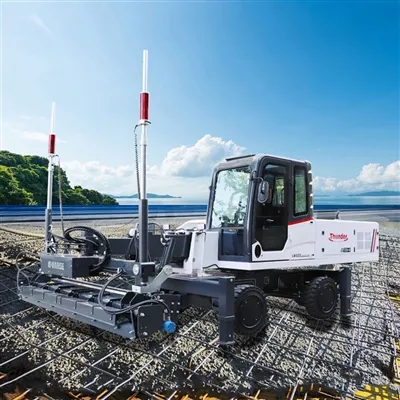
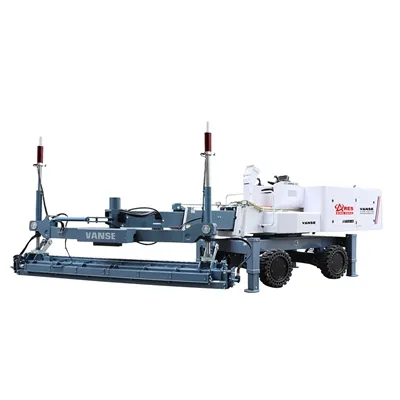
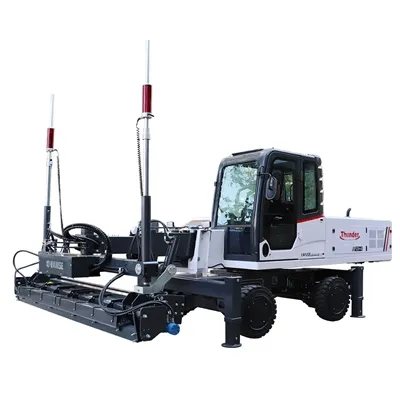
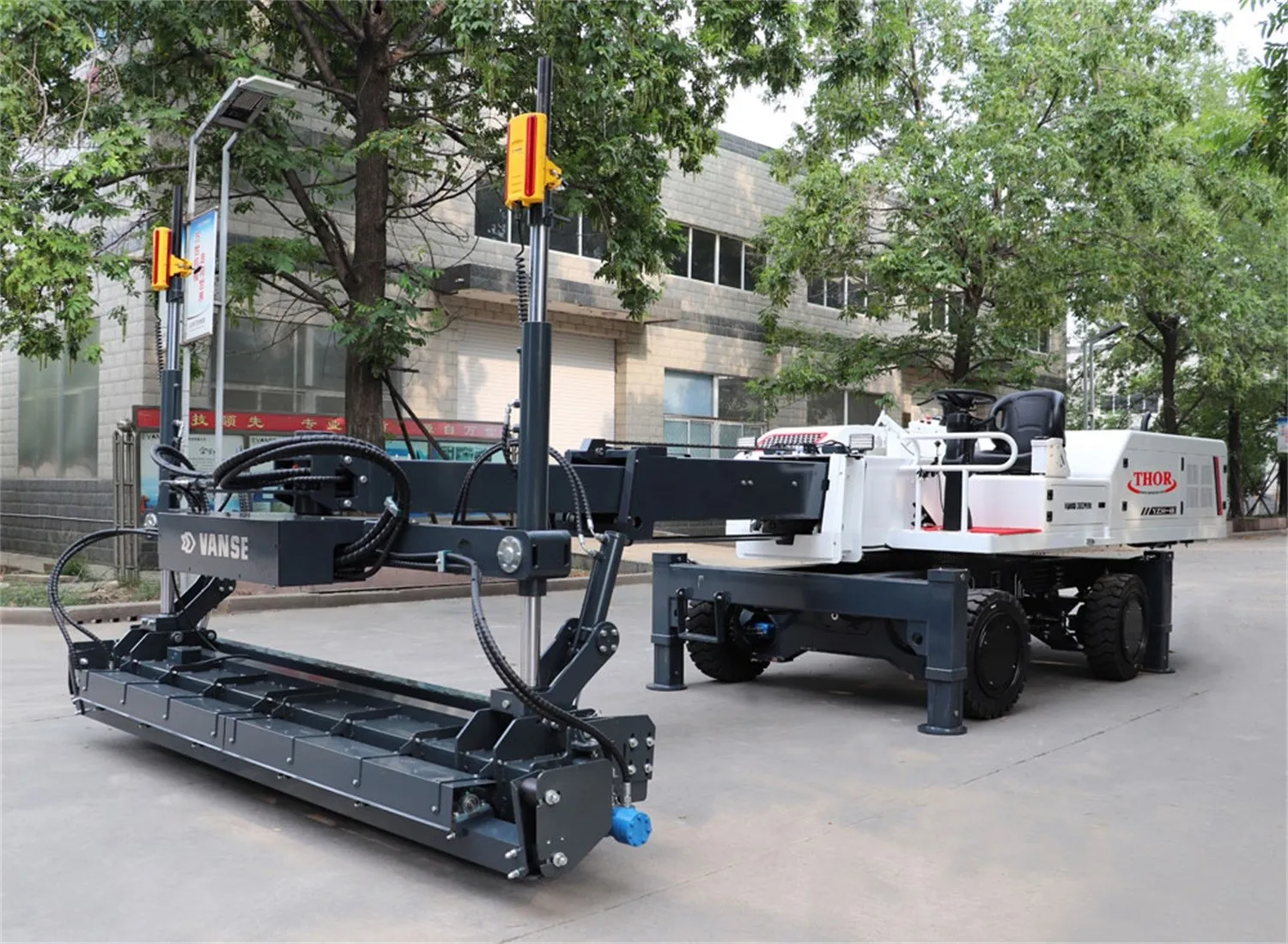
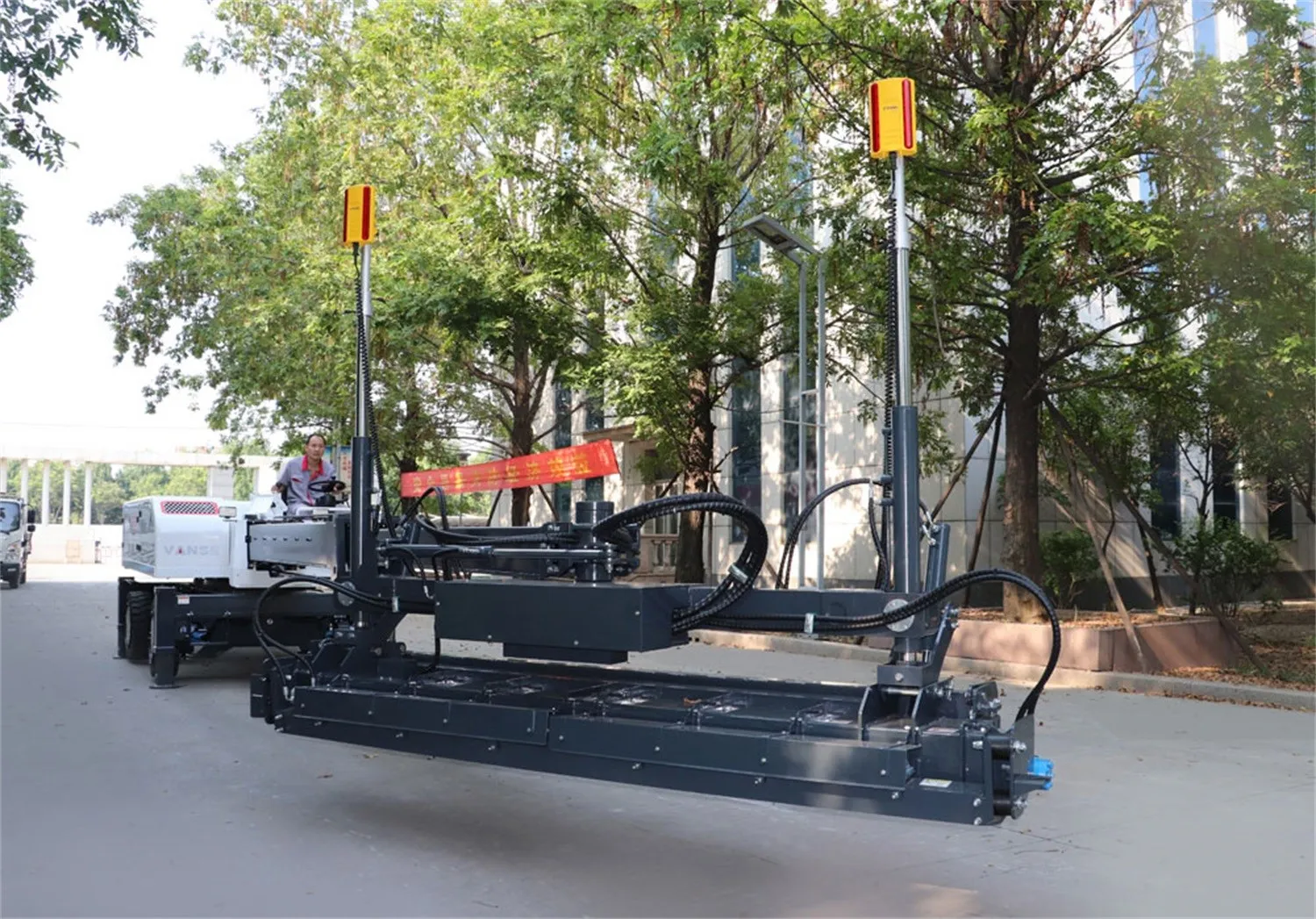
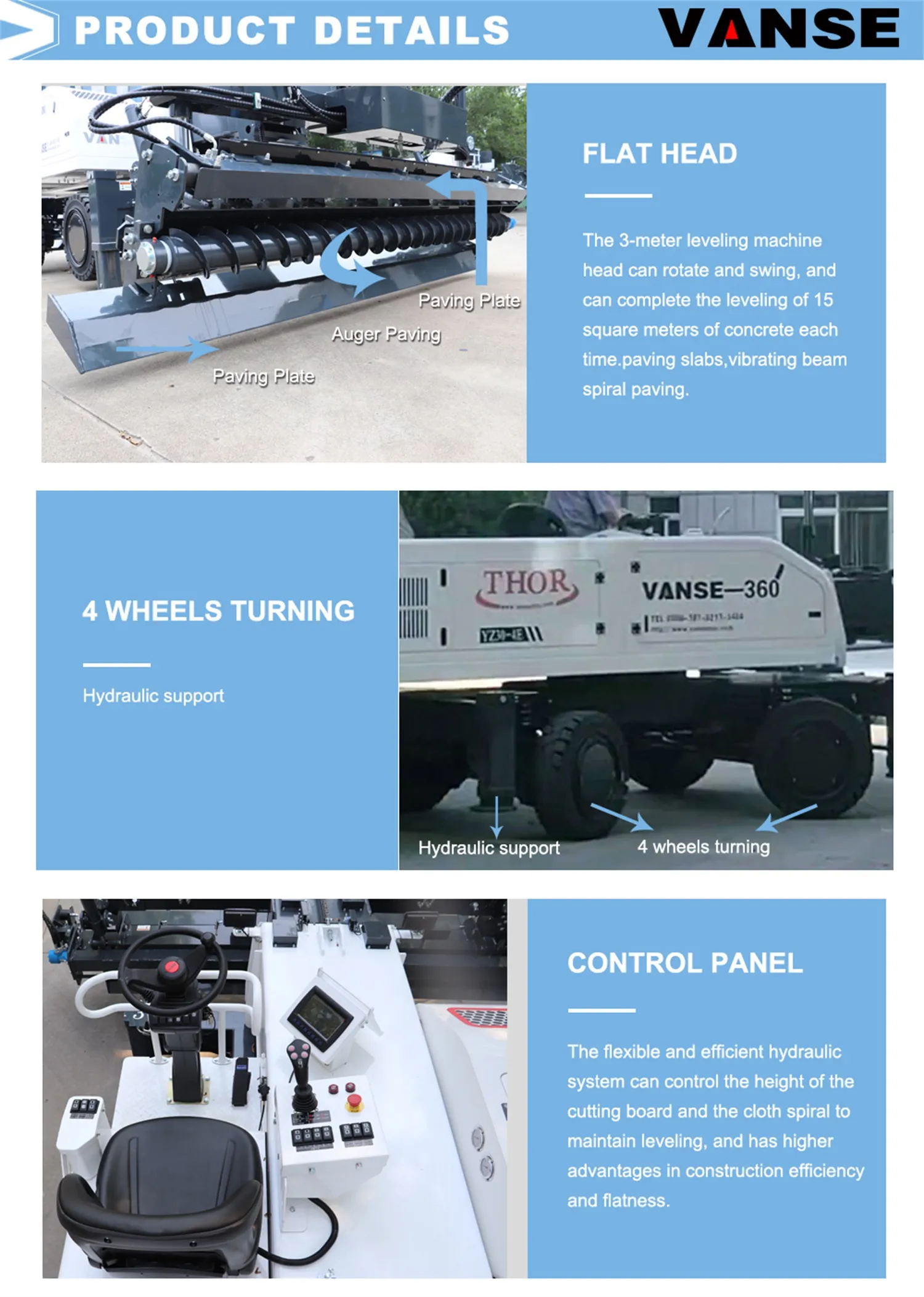
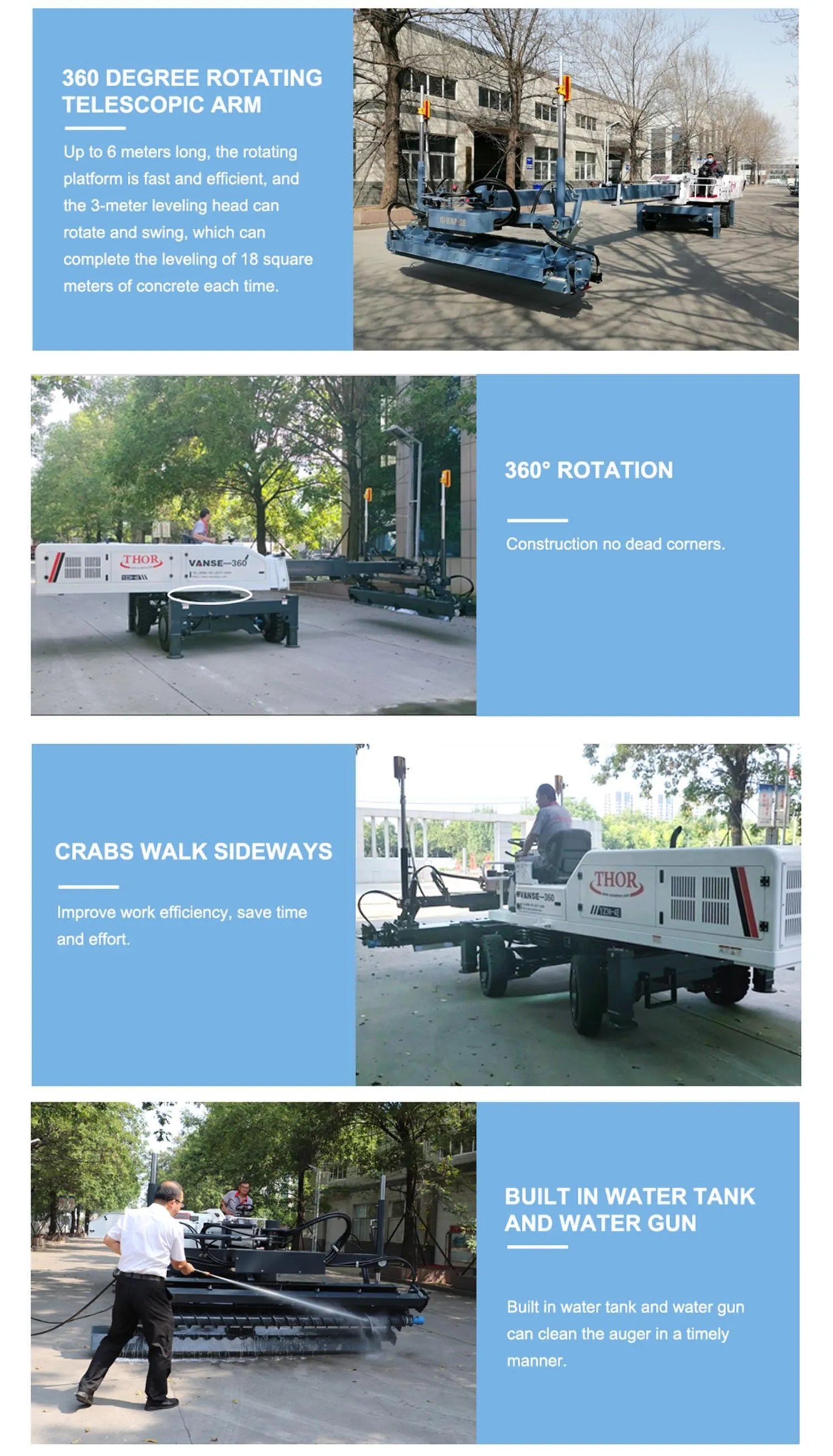
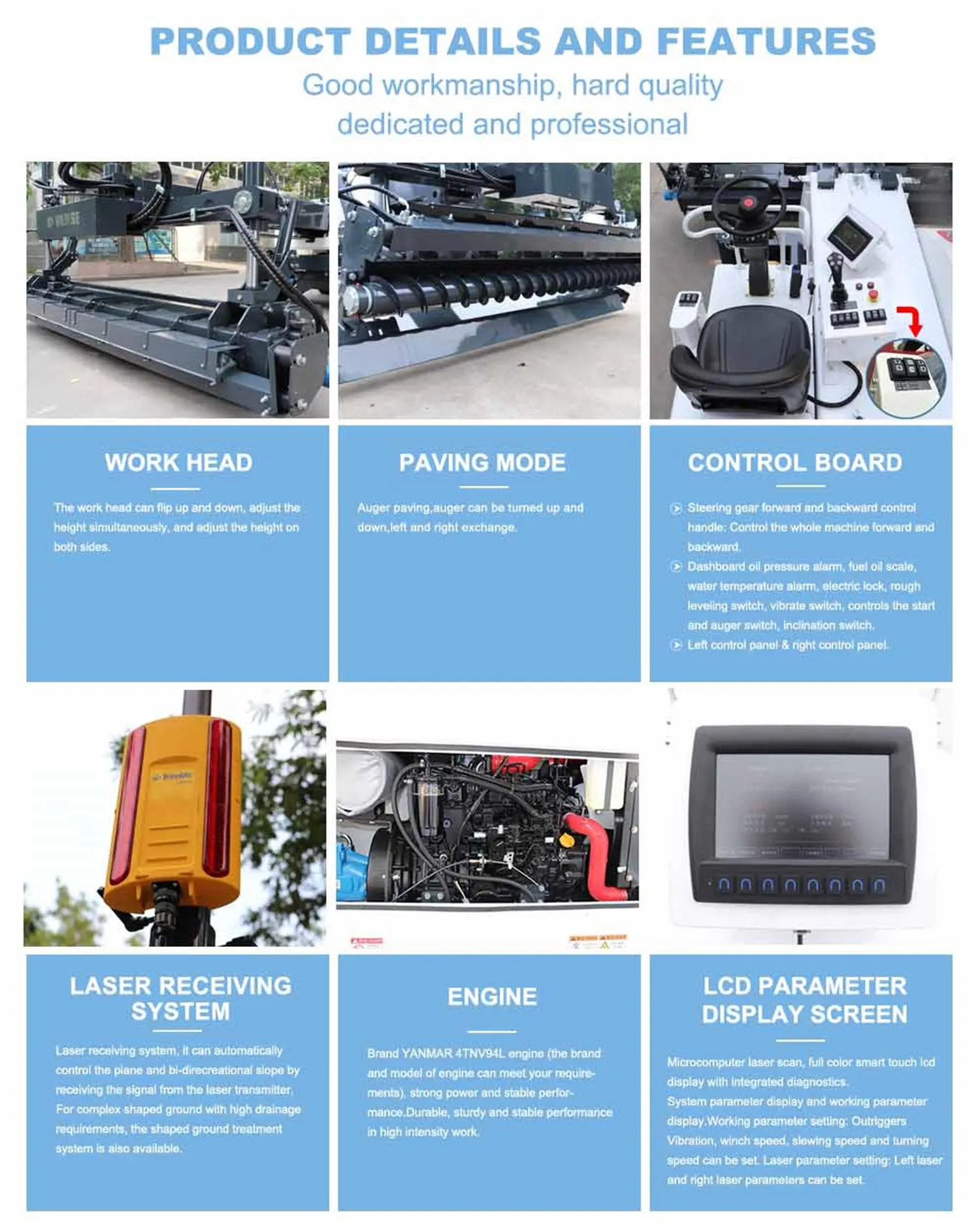
Introduce the working principle, main components and functions of the concrete laser leveling.
2. Equipment installation and debugging:
Instruct operators to install and debug equipment correctly to ensure normal operation of equipment.
3. Operation skills training:
Make operators proficient in various operations of the equipment, including starting, running, stopping, etc.
4. Safe operating procedures:
Emphasize safety awareness and ensure that operators understand and comply with safety regulations.
5. Daily care and maintenance:
Teach how to perform daily maintenance and extend the service life of the equipment.
6. Common faults and troubleshooting methods:
It is convenient for operators to master the identification and troubleshooting methods of common faults.
☞ Training methods
1. Theoretical teaching:
Impart theoretical knowledge through explanations, illustrations, videos, etc.
2. Practical drills:
Conduct practical drills in a safe environment to develop operational skills.
3. Case analysis:
Analyze cases in actual projects to improve operators' problem-solving abilities.
4. Group discussion:
Encourage operators to exchange experiences and make progress together.
☞ Training evaluation
1. Theoretical examination:
Test the theoretical knowledge of the training to ensure that the operators master the basic theory.
2. Practical assessment:
Evaluate the performance of operators in practical exercises to ensure that they have practical operational capabilities.
3. Case-solving ability assessment:
Evaluate the operator's ability to solve practical problems.
4. Feedback survey:
Collect operators' feedback on training to continuously improve the training plan.
☞ Training effect tracking
1. Post-training follow-up:
Regularly visit operators who have completed training to understand the problems they encountered in actual work, and provide necessary help and guidance.
2. Operation specification inspection:
Regularly check whether the actual operation of the operator meets the safety and specification requirements, and promptly correct operations that do not meet the requirements.
3. Equipment usage tracking:
Monitor the actual use of the concrete laser leveling by operators, collect equipment operation data, and analyze equipment performance and efficiency in order to make necessary adjustments or replacements to the equipment.
4. Work quality evaluation:
Regularly evaluate the operator's work quality, including the flatness of concrete leveling, work efficiency, etc., to ensure that the construction quality meets the project requirements.
5. Training effect evaluation:
Regularly evaluate the training effect, including adjustments and improvements to training content, methods, evaluation standards, etc., to better meet actual needs and improve training quality.
Through comprehensive consideration and implementation of the above five aspects, the work efficiency and construction quality of concrete laser leveling machine operators can be effectively improved, while ensuring the safe and stable operation of the equipment. In actual operation, the training program should be flexibly adjusted and optimized according to specific circumstances to achieve the best training effect.
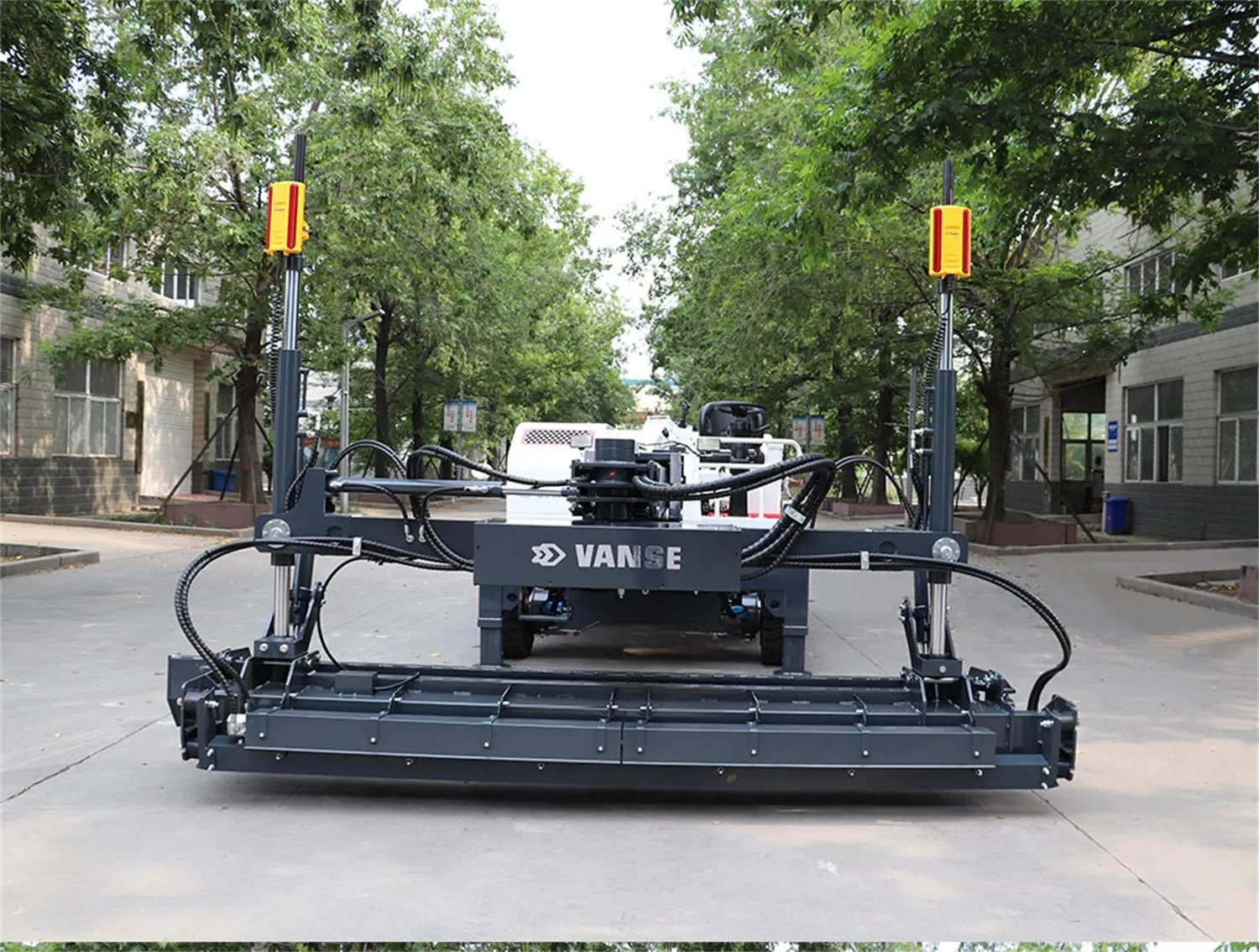
Thanks to All the Friends Who Support and Trust Shandong Vanse Machinery Technology Co., Ltd.
If you want to know more about Shandong Vanse Machinery Technology Co., Ltd. or have any questions, please feel free to contact us:
Our Factory
Shandong Vanse Machinery Technology Co., Ltd.








Share this article

About the Author: Shandong Vanse Machinery Technology Co., Ltd.
Shandong Vanse Machinery Technology Co., Ltd. is a high-tech manufacturer specializing in concrete construction machinery, including laser screeds and related equipment. The company integrates R&D, production, and global sales, with products exported to over 60 countries and widely used in infrastructure projects worldwide.
Previous Post
Next Post
Related Articles
You Might Also Like
Revolutionizing Floor Construction:The Power of Automatic Concrete Laser Leveling Machines
In modern construction, achieving a flawlessly flat and durable concrete floor is no longer a labor-intensive challenge, thanks to advanced technologies like automatic concrete leveling machines. Among industry leaders, Shandong Vanse Machinery Technology Co., Ltd. has emerged as a pioneer, offering innovative solutions such as their concrete laser floor leveling machine series. This article explores how these cutting-edge machines enhance construction efficiency, precision, and quality while redefining traditional floor-leveling practices. — Traditional concrete floor leveling methods rely heavily on manual labor, leading to inconsistencies, time delays, and higher costs. In contrast, automatic laser concrete leveling machines integrate laser technology with automated controls to deliver unmatched accuracy. Shandong Vanse's concrete laser leveling machine uses a concrete floor leveling laser system to create a reference plane, ensuring millimeter-level flatness across large surfaces. This eliminates human error and significantly reduces rework. — Shandong Vanse's product line, including the concrete laser level machine and concrete laser leveling floors machine, is designed for versatility and performance. Key features include: 1. Automated Operation: The automatic concrete leveling machine operates with minimal human intervention. Its self-propelled system adjusts in real time based on laser guidance, ensuring uniform concrete distribution. 2. High-Speed Efficiency: Capable of covering up to 1,000 square meters per hour, these machines accelerate project timelines by 300% compared to manual methods. 3. Precision Engineering: The concrete laser floor leveling machine achieves a flatness tolerance of ±2mm/3m and a levelness of ±3mm/10m, meeting international standards for industrial and commercial floors. 4. Durability: Built for heavy-duty use, Vanse's machines excel in challenging environments, from warehouses to airport runways. — The integration of a concrete floor leveling laser into Shandong Vanse's equipment optimizes the entire construction process: 1. Preparation: Set up the laser transmitter to establish the reference plane. 2. Pouring & Spreading: The automatic laser concrete leveling machine evenly distributes concrete while adjusting blade height based on real-time laser feedback. 3. Compaction & Finishing: Simultaneous vibration and leveling eliminate air pockets, resulting in a dense, crack-resistant surface. This seamless workflow minimizes labor requirements and ensures consistent results, even for complex layouts. — 1. Cost Savings: Reduced labor and faster completion times lower overall project costs. 2. Sustainability: Precise material usage reduces waste, aligning with eco-friendly construction practices. 3. Versatility: Compatible with fiber-reinforced, epoxy-coated, and polished concrete applications. 4. After-Sales Support: Vanse provides comprehensive training and maintenance services, ensuring long-term machine reliability. — Shandong Vanse Machinery Technology Co., Ltd. has set a new benchmark in floor construction with its concrete laser leveling machine series. By combining automatic concrete leveling machine efficiency with laser-guided accuracy, these tools empower contractors to deliver superior-quality floors in record time. Whether for industrial facilities, retail spaces, or infrastructure projects, investing in a concrete laser leveling floors machine is a strategic move toward smarter, faster, and more sustainable construction. For more details on Shandong Vanse's automatic laser concrete leveling machine solutions, visit their official website or contact their expert team today. — Keywords: #Automatic concrete leveling machine, #automatic laser concrete leveling machine, #concrete floor leveling laser, #concrete laser floor leveling machine, #concrete laser level machine, #concrete laser leveling floors machine, #concrete laser leveling machine.Flooring construction mainstay – telescopic arm type concrete laser leveling machine
Nowadays, when it comes to flooring, we all know that laser leveling machine, large Telescopic Arm Type Concrete Laser leveling machine adopts advanced laser scanning control system to strictly control the construction accuracy error, the width of the leveling plate is 4.0m, the arm length can be telescoped to 6m, and the leveling head adopts 360° rotation, which is applied for large construction environment. That is to improve the construction efficiency, and improve the levelness and compactness of the ground. It ensures less cracks in the later concrete ground, thus reducing the repair cost of the later ground. In today's flooring construction gradually replace the application of manual and small laser leveling machine, become the main force of the new era of flooring. Advantageous features of Vanse Ares Concrete Laser leveling machine: 1, 360 degree telescopic arm up to 6 meters long, fast and efficient rotating platform, the leveling head can rotate and swing, and it can finish the leveling of 24 square meters of concrete each time. With the newly designed eccentric vibrating beam and 4.15m super long scraper, the construction speed is fast, the construction effect is super flat without construction joints, and the work head lifting cylinder stroke is large, fully applicable to bridge operation. 2, Four hydraulic support legs can realize one-touch lifting in just 3 seconds, electric operation longitudinal rod control steering, driving, telescopic arm and rotation, as well as one-touch out of staging mode. 3, Added two-speed anti-skid valve set, the speed can be fast or slow, and can prevent the single wheel from slipping when unable to walk; tires are larger, wider, more stable, large tread pattern, not easy to slip. 4, the United States imported engine, 4 wheel hydraulic drive, laser control system, automatic head rotation, electrical diagnosis, double ramp launcher. 5, the upper frame storage space, 4-wheel steering, 2-wheel steering, can crab walk and rotate in place, color large operation display. 6, Large color LCD display can show the number of engine revolutions, parameters, alarm failure, etc. 7, Flexible and efficient hydraulic system can control the height of the scraper and fabric spiral, keep the leveling layer flatness, and have higher advantages in construction efficiency and ground leveling. 8, Three years warranty, and two visits per year, free maintenance for life, the world's customers no worries.Can we make a hardened floor/flooring if the ground is uneven?
Yes, it is possible to make a hardened floor even if the ground is uneven. A hardened floor is a concrete slab or leveling that is reinforced with steel bars or fibres to offer immense mechanical strength. The flooring is used in construction projects that require a highly durable floor surface that can withstand heavy traffic, extreme weather conditions, and long-term wear and tear. When building a hardened floor on an uneven ground, the first step is to level the surface using appropriate machinery such as a bulldozer, a bobcat, or a compact excavator. Once the ground has been levelled, a sub-base layer made of gravel or crushed stone is added to provide a stable foundation for the concrete slab. This sub-base layer is compacted to ensure evenness and to prevent any future settling or shifting of the concrete slab. The next step is to place a vapor barrier or damp proof membrane on top of the sub-base layer. This is important in preventing moisture penetration from the ground, which can cause problems such as mould growth, weakening of the concrete, and reduced durability of the hardened floor. After the damp-proof membrane has been installed, a layer of insulation is added to absorb any unevenness and provide thermal insulation, especially in colder environments. The insulation layer also helps to prevent the buildup of moisture and humidity within the concrete slab, which can cause damage over time. Once all the preparatory steps have been taken, steel reinforcement bars or fibres are installed to reinforce the concrete slab. This is important as it provides added strength and durability to the flooring. The thickness of the steel reinforcement bars or fibres depends on the load capacity requirements of the hardened floor. Finally, the concrete mix is prepared according to the required specifications and poured onto the leveled and prepared ground with the steel bars or fibers in place. The concrete is then smoothed and left to cure for several days before any heavy traffic is allowed on it. In conclusion, it is possible to make a hardened floor on an uneven ground. With appropriate preparation and installation of the necessary layers and reinforcement, a hardened floor can be constructed to provide a stable and durable floor surface. The quality of the hardened floor also depends largely on the skills and experience of the contractors or builders involved in the construction process. Therefore, proper research and careful selection of contractors is key to ensuring a successful flooring project that meets your requirements and expectations.