Technical Knowledge
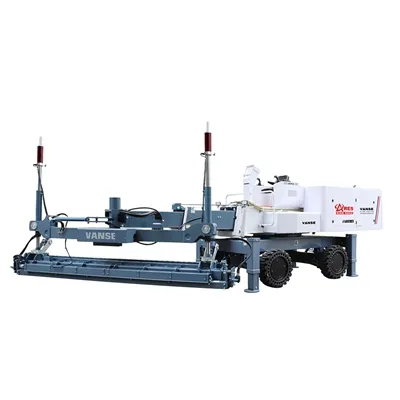
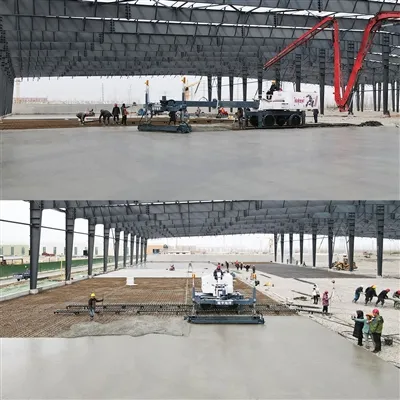
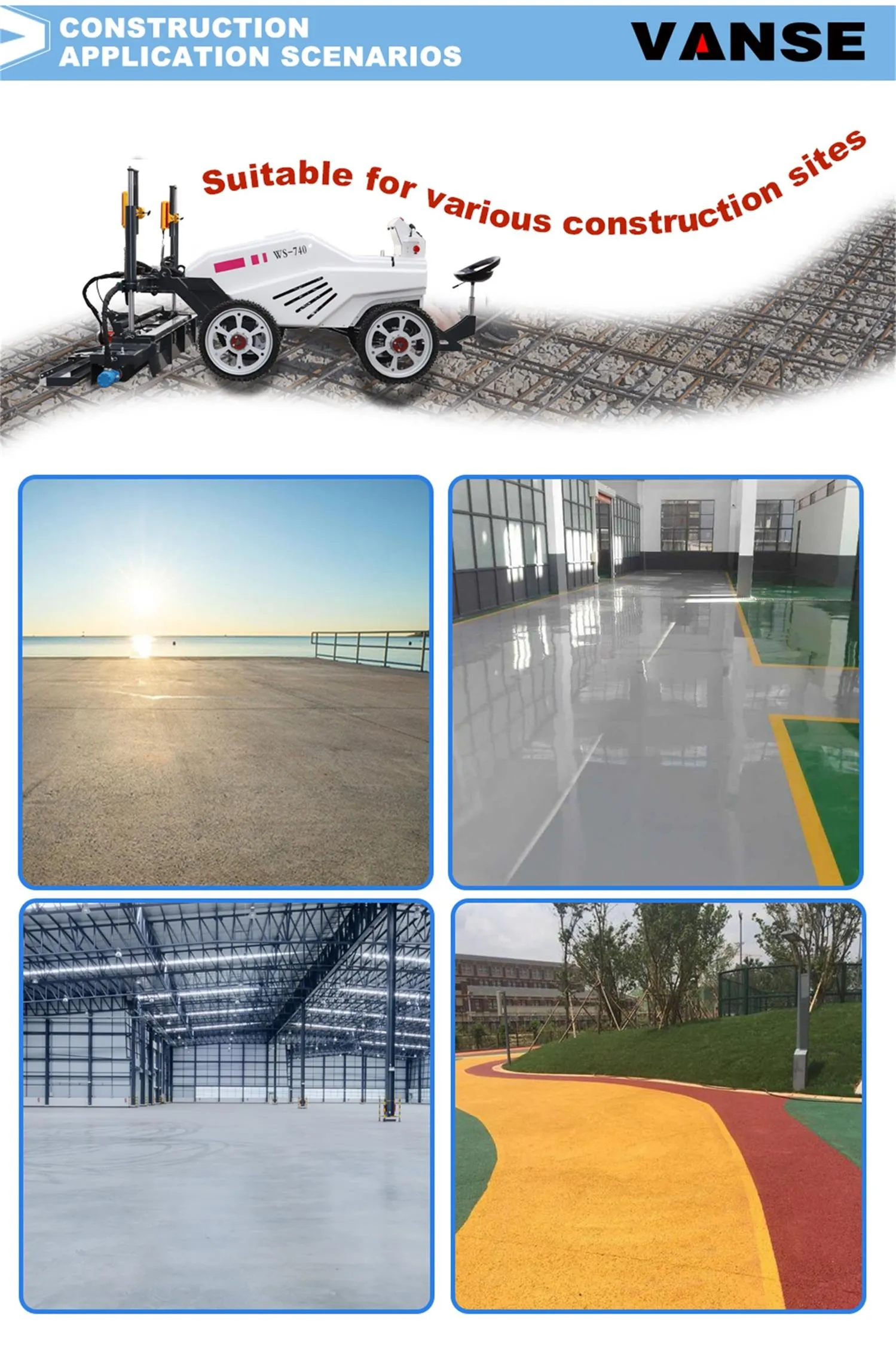
THE Concrete laser leveling machine are not only widely used in municipal engineering, but also have outstanding performance in the following fields:
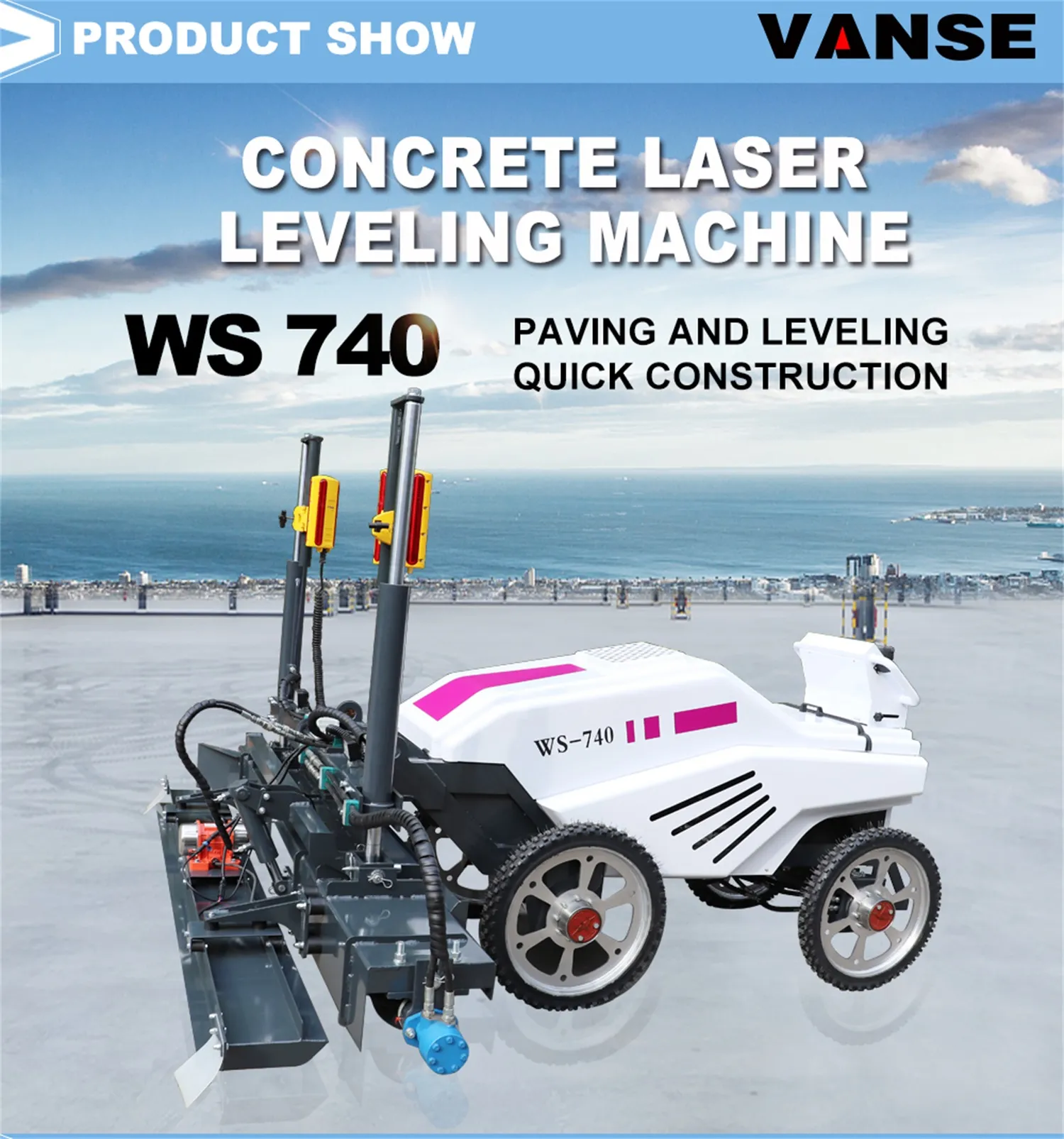
1. **Industrial plants and warehouses**:
Laser levelers are used for ground construction in industrial plants and large warehouses to meet the flatness and strength requirements of large-area concrete floors.
2. **Commercial facilities**:
In the ground construction of large shopping malls, shopping centers, supermarkets and other commercial facilities, laser levelers can provide high-quality ground flatness and enhance customer experience.
3. **Logistics and warehousing**:
Logistics centers, warehouse-style supermarkets and exhibition centers require large-area flat and durable floors, and laser levelers can meet these needs.
4. **Transportation infrastructure**:
In the construction of transportation infrastructure such as airport runways, aprons, port terminals and container yards, laser levelers ensure the flatness and bearing capacity of the ground.
5. **Clean room environment**:
In clean workshops with special requirements for environmental cleanliness such as electronic appliances, food materials, and medicines, the application of laser levelers improves the overall quality and performance of the ground.
6. **Outdoor floor**:
Laser leveling machine is also suitable for the construction of outdoor floors such as outdoor parking lots and municipal pavements, providing high-quality concrete surfaces.
7. **Special ground engineering**:
Such as aerospace manufacturing centers, aircraft manufacturing and maintenance workshops, and other places with special requirements for ground flatness and bearing capacity.
8. **Overall super-flat floor system**:
In this modern floor construction process, the laser leveling machine ensures that the flatness of the ground exceeds the Chinese architectural design and construction standards.
9. **Large-area concrete floor construction**:
Laser leveling machine is suitable for the construction of large-area concrete floors such as various industrial plants, warehouses, parking lots, airport runways, etc., whether it is flat, sloping or even with potholes.
10. **Floor construction**:
Laser leveling machines are used in floor construction, especially for environments that require high cleanliness, beauty, dust-free, sterile and anti-static environments, such as electronics, microelectronics, communications products, computer production industries, large precision instrument factory floors, and warehouses, workshops, and garage floors that require wear resistance, heavy pressure resistance, impact resistance, and chemical corrosion resistance.
The versatility and high adaptability of laser leveling machines enable them to play an important role in a variety of construction environments, improve construction efficiency and quality, and reduce labor costs and later maintenance costs. With the continuous advancement of technology, the application scope of laser leveling machines will continue to expand to meet the construction needs of more fields.
Thanks to All the Friends Who Support and Trust Shandong Vanse Machinery Technology Co., Ltd.
If you want to know more about Shandong Vanse Machinery Technology Co., Ltd. or have any questions, please feel free to contact us:
Our Factory
Shandong Vanse Machinery Technology Co., Ltd.








Share this article

About the Author: Shandong Vanse Machinery Technology Co., Ltd.
Shandong Vanse Machinery Technology Co., Ltd. is a high-tech manufacturer specializing in concrete construction machinery, including laser screeds and related equipment. The company integrates R&D, production, and global sales, with products exported to over 60 countries and widely used in infrastructure projects worldwide.
Previous Post
Next Post
Related Articles
You Might Also Like
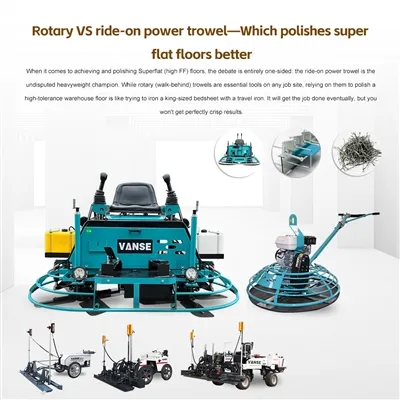
Rotary VS ride-on power trowel—Which polishes super flat floors better
When it comes to achieving and polishing Superflat (high FF) floors, the debate is entirely one-sided: the ride-on power trowel is the undisputed heavyweight champion. While rotary (walk-behind) trowels are essential tools on any job site, relying on them to polish a high-tolerance warehouse floor is like trying to iron a king-sized bedsheet with a travel iron. It will get the job done eventually, but you won't get perfectly crisp results. Here is the technical breakdown of why ride-on trowels dominate the Superflat and polishing arenas. The primary goal of a Superflat floor is high FF (Flatness), which means eliminating the microscopic "waves" in the concrete. Ride-On Trowels: Because they feature dual (or triple) overlapping rotors and a wide, rigid wheelbase, they act like a massive carpenter's plane. When equipped with float pans, a ride-on trowel "bridges" the low spots and violently shaves off the high peaks. Walk-Behind Trowels: A walk-behind has a single, small rotor. Instead of bridging the waves, it tends to ride up and down them. If you aren't careful, a walk-behind can actually create dips and dishing, ruining your FF numbers. Polishing and densifying the surface (creating that hard, dark "burnished" look) requires extreme friction and pressure. Ride-On Trowels: These machines weigh anywhere from 800 lbs to over 2,500 lbs. That massive downward force, combined with high-speed rotors and a steep blade pitch, generates the heat and friction necessary to melt the surface paste into a glass-like finish. Walk-Behind Trowels: Weighing in at only 150 to 300 lbs, they simply do not have the mass to forcefully close the pores of the concrete to the same density as a ride-on. This is the most critical factor for Superflat floors. Walk-Behind Trowels: The operator must physically walk backward on the curing concrete. Even when the concrete is firm enough to support a machine, work boots can still leave millimeter-deep micro-depressions. Every footprint is a localized failure in flatness. Ride-On Trowels: The operator sits on the machine. The weight is entirely distributed across the massive surface area of the rotors or float pans, leaving zero footprints and maintaining the pristine levelness established by the laser Leveling. Feature Ride-On Power Trowel Walk-Behind (Rotary) Trowel Superflat Capability Exceptional (Bridges waves) Poor (Follows contours) Burnishing/Polishing Superior (High downward pressure) Moderate (Lacks weight) Surface Disruption Zero (Operator rides) High (Operator footprints) Best Used For The main floor (the "runway") Edges, tight corners, around pipes It is worth noting that you still need both machines on a Superflat project. A massive ride-on trowel cannot get within a few inches of a wall or a structural column without risking damage to the concrete or the machine. The standard Superflat workflow uses ride-on trowels for 95% of the floor area to establish the density and flatness, while a skilled operator uses a walk-behind trowel equipped with a rotating edge ring to manually polish the remaining 5% along the perimeter. Would you like me to outline a specific overlapping pass pattern for a ride-on trowel to ensure you don't create ridges while pushing for maximum FF numbers? Contact us NOW Note: The parameters provided in this document are for reference only and are not mandatory. Due to differences in technical characteristics between different brands and models of laser levelers, please consult the manufacturer for a suitable solution before actual operation. This reference document assumes no responsibility for any issues arising from failure to follow the manufacturer's instructions.Technical difficulties and solutions in concrete floor construction
Technical difficulties and solutions in concrete floor construction With the continuous advancement of modernization, concrete floors have been widely used in various construction projects. Concrete floor construction not only requires high strength and stability, but also needs to meet the requirements of beauty and durability. However, in the construction process of concrete floors, many technical difficulties are often encountered. If these difficulties are not handled properly, they will directly affect the quality and use effect of the floor. Therefore, this article will conduct an in-depth discussion on the technical difficulties and corresponding solutions in concrete floor construction, in order to provide a useful reference for actual construction. 1. Material selection and proportioning issues The material selection and proportioning of concrete floors are the primary links in construction, which are directly related to the strength, durability and beauty of the floor. In actual construction, floor quality problems often occur due to improper material selection or unreasonable proportioning. Technical difficulties: ☑ Unstable material quality affects the performance of concrete. ☑ Unreasonable proportioning design leads to insufficient strength or cracking of concrete. Solution: ☑ Select high-quality materials: Ensure that the quality of raw materials such as cement, aggregates, additives, etc. is stable and meets construction requirements. ☑ Reasonable design of the proportion: According to the project requirements and material properties, scientific proportion design is carried out to ensure the strength, durability and working performance of the concrete. 2. Construction preparation and base treatment Construction preparation and base treatment are important prerequisites for concrete floor construction, and are crucial to ensuring the quality of the floor. If the construction preparation is not sufficient or the base treatment is not in place, the flatness and adhesion of the floor will be seriously affected. Technical difficulties: ☑ Poor construction environment affects the construction effect. ☑ Inadequate base treatment causes cracking or hollowing of the floor. Solution: ☑ Fully prepare the construction environment: Ensure that the construction site is dry and clean, without stagnant water, oil and other debris, to provide good conditions for construction. ☑ Strictly handle the base: Thoroughly clean and polish the base to ensure that there is no floating dust, oil, etc. At the same time, check the strength and flatness of the base, and reinforce or repair the base that does not meet the requirements. 3. Concrete pouring and vibration Concrete pouring and vibration are key links in concrete floor construction, which directly affect the density and strength of the floor. If the pouring is uneven or the vibration is not in place, it will cause quality problems such as honeycombs and rough surfaces on the floor. Technical difficulties: ☑ Uneven concrete pouring, resulting in thickness differences. ☑ Insufficient or excessive vibration affects the density of concrete. Solution: ☑ Evenly pour concrete: Use appropriate pouring methods to ensure that the concrete is poured evenly and continuously on the base to avoid thickness differences ☑ Reasonably control vibration: According to the slump of concrete and construction requirements, select appropriate vibration equipment and methods to ensure that the concrete is vibrated and dense, and avoid excessive vibration that causes concrete segregation. 4. Surface flatness and aesthetics The surface flatness and aesthetics of concrete floors are important indicators for measuring construction quality. If not handled properly, it will lead to problems such as uneven floor surface and uneven color. Technical difficulties: ☑ Surface flatness is difficult to control, resulting in height differences ☑ Poor aesthetics, uneven color or stains Solution: ☑ Control surface flatness: Use appropriate scraping tools and methods to finely handle the concrete surface to ensure that the surface is flat and smooth. At the same time, pay attention to controlling the fluidity and slump of concrete during pouring to avoid height differences. ☑ Improve aesthetics: Choose appropriate pigments and additives to make the concrete surface present a uniform color and texture. For stains or color differences that have already appeared, grinding, repairing and other methods can be used to deal with them. 5. Construction joint treatment and maintenance Concrete floors will inevitably produce construction joints during construction. If not handled properly, the floor will crack or affect the overall appearance. At the same time, maintenance is also an important part of ensuring the quality of the floor. Technical difficulties: ☑ Improper construction joint treatment leads to floor cracking. ☑ Inadequate maintenance affects the strength and durability of the floor Solution: ☑ Reasonable treatment of construction joints: Set force transmission rods at the construction joints or take other effective measures to ensure that the connection at the construction joints is firm and flat. At the same time, strengthen vibration and compaction on both sides of the construction joints to avoid voids or cracks. ☑ Strengthen maintenance management: Develop a reasonable maintenance plan based on construction requirements and climatic conditions. Keep the floor surface warm during maintenance, avoid direct sunlight and wind and rain erosion. For cracking or peeling problems, handle and repair them in time. 6. Quality monitoring and problem troubleshooting Quality monitoring and problem troubleshooting are key links to ensure the quality of concrete floor construction. Through monitoring and troubleshooting, problems in the construction process can be discovered and handled in a timely manner to ensure that the floor quality meets the design requirements. Technical difficulties: ☑ Insufficient quality monitoring means make it difficult to fully control quality. ☑ Untimely or inaccurate problem troubleshooting leads to quality risks. Solution: ☑ Improve the quality monitoring system: Establish a sound quality monitoring system and methods to comprehensively monitor and record the raw materials, construction process, and finished product quality of concrete. Use advanced testing equipment and instruments to improve the accuracy and reliability of monitoring. ☑ Strengthen problem investigation; regularly patrol and inspect the construction site, focusing on construction joints, corners and other parts prone to problems. Once quality problems or hidden dangers are found, immediately organize relevant personnel to investigate and deal with them to ensure that the problems are solved in a timely manner. At the same time, establish a quality problem record and feedback mechanism, track and evaluate the treatment process, and continuously improve the quality management system. 7. Implementation of safety and environmental protection measures In the process of concrete floor construction, the implementation of safety and environmental protection measures is equally important. This is related to the life safety and physical health of construction workers, as well as environmental protection and sustainable development. Technical difficulties: ☑ There are many safety hazards at the construction site, and management is difficult. ☑ Pollution problems such as noise and dust during construction are difficult to effectively control. Solution: ☑ Strengthen safety management: formulate strict construction safety management system and operating procedures to ensure that construction personnel abide by relevant regulations. Conduct regular safety inspections on the construction site to promptly discover and rectify safety hazards. At the same time, provide necessary safety protection equipment and supplies to ensure the safety of construction personnel. ☑ Implement environmental protection measures: Take effective dust reduction and noise reduction measures during the construction process to reduce the impact of construction on the surrounding environment. Reasonably handle construction wastewater and waste to avoid pollution of soil and water sources. Promote the use of environmentally friendly materials and construction technologies to reduce energy consumption and emissions during construction. In summary, the technical difficulties and solutions in concrete floor construction involve many aspects. In the actual construction process, it is necessary to formulate appropriate construction methods and measures according to specific circumstances, and at the same time strengthen quality monitoring and safety management to ensure that construction quality and safety and environmental protection meet the requirements. By constantly summarizing experience and lessons and optimizing construction techniques and methods, the quality of concrete floors can be improved. The efficiency and quality level of construction contribute to the sustainable development of construction projects. It should be noted that the technical difficulties and solutions mentioned in this article are only general discussions and cannot cover all possible situations. In actual projects, comprehensive considerations should be made based on specific conditions and requirements and the opinions of professionals should be consulted. At the same time, with the advancement of science and technology and the continuous development of engineering practice, new technologies and methods will continue to emerge, providing more possibilities for solving technical difficulties in concrete floor construction. Therefore, construction units and related personnel should keep paying attention to and learning new technologies and methods to adapt to the ever-changing market demand and construction environment.Safety measures and emergency treatment methods in concrete structure construction
Safety measures and emergency treatment methods in concrete structure construction ☞ 1 ☜ Safety protection measures In the construction of concrete structures, safety protection measures are an important means to ensure construction safety. Here are some common safety precautions: 1. Wear personal protective equipment such as hard hats, safety belts, and goggles to ensure the safety of construction workers. 2. Set up safety nets, guardrails, warning signs, etc. to prevent accidents such as strikes from objects and falls from heights. 3. Conduct regular safety inspections on the construction site to discover and eliminate potential safety hazards in a timely manner. 4. Provide safety education and training to construction workers to improve their safety awareness and ability to respond to emergencies. ☞2☜ E quipment management Equipment management is an important part of safety management in concrete structure construction. The following are some equipment management points: 1. Equipment should be inspected before entering the site to ensure that the equipment is in good condition, safe and reliable. 2. Establish an equipment ledger to record the use, repair and maintenance of equipment. 3. Strictly implement the regular inspection and maintenance system of equipment to ensure the normal operation of the equipment. 4. Strengthen the maintenance of equipment to prevent equipment from running sick and overloading. 5. Operators must be trained and certified to work in strict accordance with the operating procedures. ☞3☜ E lectricity used in construction Construction electricity is one of the common safety hazards in concrete structure construction. The following are some key points for electricity safety: 1. Strictly abide by the electricity safety regulations at the construction site to ensure the safety and reliability of electrical facilities. 2. Regularly check whether the insulation layer of wires and cables is intact. If any damage is found, replace it in time. 3. No unauthorized wiring of wires is allowed at the construction site, and wiring work should be performed by professional electricians. 4. It is strictly prohibited to use damaged or aging electrical equipment. Electrical equipment should be inspected and maintained regularly. 5. Construction workers should wear personal protective equipment such as insulating shoes and gloves to avoid electric shock accidents. ☞4☜ E mergency treatment methods In the construction of concrete structures, emergency treatment methods are crucial to deal with emergencies. The following are some common emergency treatment methods: 1. Fall from height: If a fall from height occurs, the injured should be sent to the hospital immediately for treatment, and the accident scene should be protected for subsequent investigation and analysis. 2. Electric shock: If an electric shock accident occurs, you should first cut off the power supply or use an insulating object to separate the injured person from the power supply, then provide first aid and call the emergency number. At the same time, check whether the leakage protector is working properly and replace damaged electrical appliances and cables in time.