Technical Knowledge
Safety measures and emergency treatment methods in concrete structure construction
Safety measures and emergency treatment methods in concrete structure construction
☞
1
☜
Safety protection measures
In the construction of concrete structures, safety protection measures are an important means to ensure construction safety. Here are some common safety precautions:
1. Wear personal protective equipment such as hard hats, safety belts, and goggles to ensure the safety of construction workers.
2. Set up safety nets, guardrails, warning signs, etc. to prevent accidents such as strikes from objects and falls from heights.
3. Conduct regular safety inspections on the construction site to discover and eliminate potential safety hazards in a timely manner.
4. Provide safety education and training to construction workers to improve their safety awareness and ability to respond to emergencies.
☞2☜ E
quipment management
Equipment management is an important part of safety management in concrete structure construction. The following are some equipment management points:
1. Equipment should be inspected before entering the site to ensure that the equipment is in good condition, safe and reliable.
2. Establish an equipment ledger to record the use, repair and maintenance of equipment.
3. Strictly implement the regular inspection and maintenance system of equipment to ensure the normal operation of the equipment.
4. Strengthen the maintenance of equipment to prevent equipment from running sick and overloading.
5. Operators must be trained and certified to work in strict accordance with the operating procedures.
☞3☜ E
lectricity used in construction
Construction electricity is one of the common safety hazards in concrete structure construction. The following are some key points for electricity safety:
1. Strictly abide by the electricity safety regulations at the construction site to ensure the safety and reliability of electrical facilities.
2. Regularly check whether the insulation layer of wires and cables is intact. If any damage is found, replace it in time.
3. No unauthorized wiring of wires is allowed at the construction site, and wiring work should be performed by professional electricians.
4. It is strictly prohibited to use damaged or aging electrical equipment. Electrical equipment should be inspected and maintained regularly.
5. Construction workers should wear personal protective equipment such as insulating shoes and gloves to avoid electric shock accidents.
☞4☜ E
mergency treatment methods
In the construction of concrete structures, emergency treatment methods are crucial to deal with emergencies. The following are some common emergency treatment methods:
1. Fall from height: If a fall from height occurs, the injured should be sent to the hospital immediately for treatment, and the accident scene should be protected for subsequent investigation and analysis.
2. Electric shock: If an electric shock accident occurs, you should first cut off the power supply or use an insulating object to separate the injured person from the power supply, then provide first aid and call the emergency number. At the same time, check whether the leakage protector is working properly and replace damaged electrical appliances and cables in time.
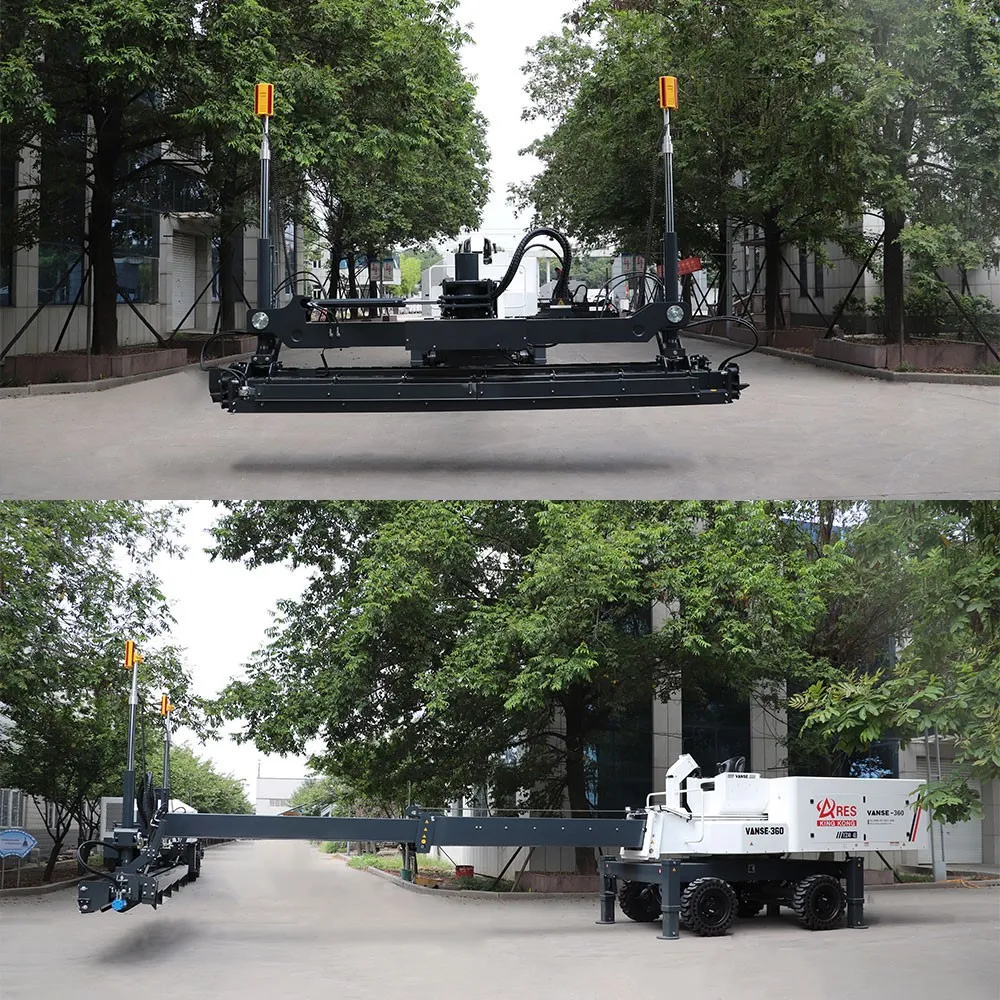


Thanks to All the Friends Who Support and Trust Shandong Vanse Machinery Technology Co., Ltd.
If you want to know more about Shandong Vanse Machinery Technology Co., Ltd. or have any questions, please feel free to contact us:
Our Factory
Shandong Vanse Machinery Technology Co., Ltd.








Share this article

About the Author: Shandong Vanse Machinery Technology Co., Ltd.
Shandong Vanse Machinery Technology Co., Ltd. is a high-tech manufacturer specializing in concrete construction machinery, including laser screeds and related equipment. The company integrates R&D, production, and global sales, with products exported to over 60 countries and widely used in infrastructure projects worldwide.
Previous Post
Next Post
Related Articles
You Might Also Like
Concrete cutting
Concrete cutting, refers to the use of hydraulic wall sawing machine, electric dish saw machine, diamond or road cutting machine and other tools for concrete components, walls, pavement and other cutting technology. It has a strong cutting ability, static loss, high efficiency, the use of water cooling, no construction dust and so on.How do the sensitivity & reception range of the laser receiver affect the construction effect of the leveler?
The sensitivity and reception range of the laser receiver have an important impact on the construction effect of the concrete laser leveling machine, which is mainly reflected in the following aspects: 1. Construction accuracy: The higher the sensitivity of the laser receiver, the stronger the laser signal that can be received, thereby more accurately detecting the height and level of concrete. This helps ensure the accuracy of the leveling's construction, reducing errors and improving overall flatness. 2. Construction efficiency: The reception range of the laser receiver determines the working range and speed of the leveler. If the receiving range is small, the leveler needs to stop frequently to adjust its position, which will reduce construction efficiency. A laser receiver with a larger reception range can support faster and continuous construction, thereby improving the operating efficiency of the leveler. 3. Degree of automation: Laser receivers with high sensitivity and large receiving range can support a higher degree of automated construction. For example, by integrating with automatic control systems, functions such as remote control, automatic navigation, and real-time monitoring can be realized, further reducing manual intervention and improving the level of automation and intelligence in construction. 4. Adaptability and flexibility: The sensitivity and reception range of the laser receiver will also affect the adaptability and flexibility of the leveler to different construction environments and conditions. For example, in complex construction environments, laser receivers with high sensitivity and large reception range can better cope with special situations such as obstacles, slopes, and corners, ensuring the consistency and stability of construction effects. In summary, the sensitivity and reception range of the laser receiver have a multifaceted impact on the construction effect of the concrete laser leveler. Therefore, selecting the right laser receiver and performing proper calibration and adjustment are crucial to optimizing the construction results of the leveling.How safe are concrete laser leveling machine?
The safety of concrete laser leveling machines is an important issue, involving the safety of operators and the equipment itself. Here is a 2,000-word analysis of the safety of concrete laser levelings: 1. Operation safety Operator training The operation of a concrete laser leveling requires professional skills and knowledge, so operators must receive sufficient training to understand how to operate the equipment, safe operating procedures, and measures to deal with emergencies. Operation of equipment by untrained personnel may result in equipment damage or personal injury. Operating environment The concrete laser leveling should be used in a dry, dust-free environment and avoid operation in humid, dusty or high-temperature environments. These environmental factors can cause equipment failure or affect the accuracy of the equipment. Equipment inspection and maintenance Before operation, you should check whether the concrete laser leveling machine is in good working condition, such as whether the laser is working normally, whether the control system is normal, whether the cables and plugs are damaged, etc. Any malfunction may cause the equipment to malfunction or cause danger. Wear personal protective equipment When operating a concrete laser leveling, the operator should wear appropriate personal protective equipment, such as protective glasses, gloves, etc., to prevent laser radiation, high temperature or mechanical damage. 2. Equipment safety Laser radiation Concrete laser levelings use lasers, so operators should have knowledge about laser radiation. Laser radiation may cause permanent damage to the eyes, so protective eyewear should be worn when using it. Additionally, lasers should use appropriate filters or diaphragms to reduce radiation intensity. High temperature The use of concrete laser leveling machines in high-temperature environments may cause the equipment to overheat, thus affecting the performance and service life of the equipment. Therefore, use of the device in high temperature environments should be avoided. Mechanical injury The concrete laser leveling may cause mechanical damage during operation, such as blade breakage, blade flying out, etc. Therefore, operators should wear personal protective equipment such as gloves and ensure that the equipment remains stable during operation. Power safety Concrete laser levelings use electrical power, so the power cord should be kept safe. The power cord should be kept away from areas with high temperature, moisture and mechanical damage, and the integrity of the power cord should be checked regularly. In addition, when using power supplies, you should ensure that the power sockets and cables comply with relevant standards and avoid overloading or short circuits. 3. Safety regulations and measures Safe operating procedures The safe operating procedures for concrete laser levelings should clearly stipulate operating steps, precautions and measures to deal with emergencies. Operators should fully understand and comply with these procedures. Safety signs and warning labels Clear safety signs and warning labels should be posted on the concrete laser leveling machine to remind operators to pay attention to safety matters. These identifications and labels should include the equipment's maximum operating range, maximum load, warning signs, etc. Safe isolation measures When operating a concrete laser leveling, appropriate safety isolation measures should be taken, such as the use of guardrails, protective nets, etc., to prevent non-operators from entering the work area and ensure the safety of the operator and other personnel. Emergency stop button The concrete laser leveling should be equipped with an emergency stop button to quickly stop the operation of the equipment in an emergency. Buttons should be located within easy reach and have clear markings and warning labels. Regular inspection and maintenance In order to ensure the safe performance of the concrete laser leveling, the equipment should be inspected and maintained regularly. This includes checking whether the mechanical components, electrical components, control systems and lasers of the equipment are working properly, as well as taking necessary maintenance measures, such as cleaning the equipment, lubricating components, etc. In addition, the accuracy and calibration parameters of the equipment should be checked regularly to ensure the accuracy and reliability of the equipment. 4. Summary The safety of the concrete laser leveling is an important issue, and the safety of the operator and the equipment itself needs to be fully considered. In order to ensure safety performance, a series of safety measures should be taken, including safety inspections before operation, wearing personal protective equipment, safety regulations and measures, etc. In addition, operators should receive adequate training to understand the performance and use of equipment, as well as measures to deal with emergencies. Only by comprehensively considering and taking appropriate safety measures can the safety performance and effectiveness of the concrete laser leveling machine be ensured.