Technical Knowledge
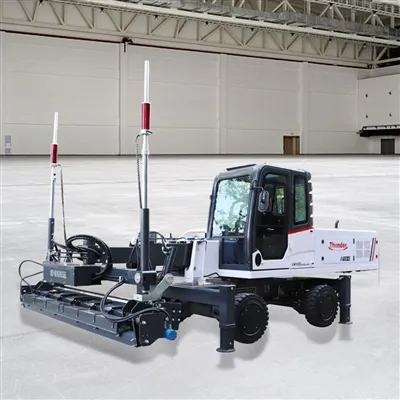
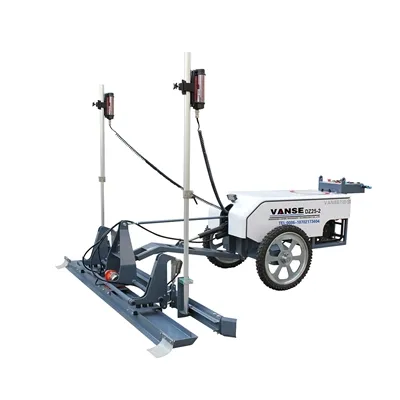
With the advent of laser leveling machines, are you still using the old vibrating leveler to vibrate the beam?

With the advent of laser leveling machines, are you still using the old vibrating leveler to vibrate the beam?
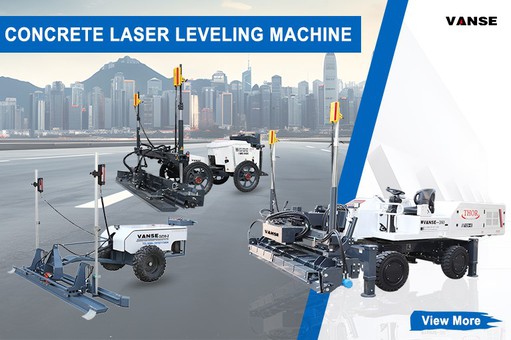
When it comes to construction, everyone knows that only with a short construction period and high quality can we save costs, improve efficiency and increase profits. If you want to save costs quickly during construction, construction tools are a very important choice. An efficient, convenient and fast tool will make construction work more effective with half the effort! On the contrary, choosing inappropriate tools will extend the construction period, increase costs, and reduce profits. Take the floor construction under construction as an example! The flatness of the floor is more difficult to grasp. Leveling is usually done manually. Even if you use an old-fashioned floor machine, the effect and cost are not particularly ideal. The emergence of a laser leveling machine has greatly solved many problems that arise during construction. During the construction process, it can solve the problems of hollowing, shelling, cracking, and uneven ground after general construction. It can make the final effect exceed Party A's floor quality requirements, reduce costs, and Improved work efficiency.
Many industries require factories, as well as shopping malls, large warehouses and other construction sites that require large areas of ground, to have much higher standards. Attention has been greatly increased to the strength, flatness and level of the ground quality. It is difficult to meet the requirements using old-fashioned flooring methods, and labor costs will increase exponentially. The construction principle of the laser leveler is very simple and clear. It can perform several construction processes such as leveling and vibration at the same time, further ensuring the quality of the construction and completely saving labor costs. The advantage of construction is that the construction speed is fast and the quality is high, ensuring that the overall integrity of the ground is good and cracks are not prone to occur. The amount of support and disassembly is reduced compared with the traditional method. Moreover, the reduction in the number of workers ensures an increase in final profits.
Thanks to All the Friends Who Support and Trust Shandong Vanse Machinery Technology Co., Ltd.
If you want to know more about Shandong Vanse Machinery Technology Co., Ltd. or have any questions, please feel free to contact us:
Our Factory
Shandong Vanse Machinery Technology Co., Ltd.
Share this article

About the Author: Shandong Vanse Machinery Technology Co., Ltd.
Shandong Vanse Machinery Technology Co., Ltd. is a high-tech manufacturer specializing in concrete construction machinery, including laser screeds and related equipment. The company integrates R&D, production, and global sales, with products exported to over 60 countries and widely used in infrastructure projects worldwide.
Previous Post
Next Post
Related Articles
You Might Also Like
How to prevent and deal with concrete laser leveling machine failures to improve equipment reliability?
Concrete laser leveling machine is a key equipment to improve the efficiency and flatness of concrete construction. Its reliability directly affects the progress and quality of the project. Through scientific fault prevention measures and efficient fault handling methods, the reliability of the equipment can be significantly improved. The following is a detailed explanation from the two aspects of fault prevention and fault handling: Prevention is the basis for improving reliability. Through targeted maintenance and standardized operation, the risk of faults can be reduced from the source. Regular inspection and maintenance of key components Laser system: Clean the lens of the laser transmitter and receiver daily to avoid dust and concrete slurry blocking; check the stability of the laser signal weekly, calibrate the horizontal accuracy (using calibration blocks or professional instruments) to prevent construction errors or equipment overloads due to signal deviations. Hydraulic system: Check the hydraulic oil level and oil quality weekly (if emulsification or impurities occur, they must be replaced immediately); clean the hydraulic oil filter element monthly, and replace the hydraulic oil every 500 hours (according to the model required by the equipment manual) to prevent oil contamination from causing wear of the cylinder and pump body. Travel system: Check the tension and wear of the track/tire daily, and clean the concrete lumps between the tracks; lubricate the drive wheel and guide wheel bearings weekly to avoid motor overload due to jamming. Vibration system: Regularly check whether the fixing bolts of the vibration motor are loose and whether the bearings make abnormal noises (add grease every 200 hours) to prevent vibration imbalance from causing structural damage. Standardized operation procedures Operators must be trained before taking up their posts and start (such as preheating the hydraulic system for 3-5 minutes) and shut down (first turn off the vibration, then cut off the laser signal) in strict accordance with the equipment manual. Avoid long-term operation in extreme environments (such as temperature > 40℃, humidity > 90%). When the temperature is high, the heat dissipation of the hydraulic system needs to be strengthened, and the antifreeze hydraulic oil needs to be replaced when the temperature is low. Avoid hard objects such as steel bars and stones during construction to prevent the scraper and vibration plate from colliding and deforming. Storage and idle period maintenance When idle for a long time, clean the concrete residue on the surface of the equipment and apply anti-rust oil (focus on metal connectors and hydraulic rods); Laser transmitters, batteries and other electronic components need to be disassembled and stored in a dry, constant temperature environment, and charged once a month to prevent power loss. Add status monitoring devices Install temperature sensors (monitor hydraulic oil and motor temperature) and pressure sensors (monitor hydraulic system pressure) to warn of abnormal conditions in real time (such as automatic alarm when temperature > 60°C). Add dustproof and waterproof housing (reach IP65 protection level) to the laser system to reduce the impact of environmental factors. Optimize wearing parts Upgrade the scraper material to high-hardness wear-resistant steel (such as quenched 45# steel) to extend service life; The hydraulic pipeline uses a high-pressure hose (working pressure ≥ 25MPa), and a leak-proof seal is installed at the joint to reduce oil leakage failures. Even with good prevention, faults may still occur. Efficient handling can reduce downtime and indirectly improve reliability. Fault type Typical symptoms Processing steps Abnormal laser signal The equipment cannot level itself automatically and displays "signal lost" 1. Check the power supply and position of the laser transmitter for offset; 2. Clean the receiver lens and eliminate obstructions; 3. If the signal is still unstable, replace the transmitter battery or repair the circuit board. Oil leakage in hydraulic system The hydraulic oil level drops and the pipe joints leak oil 1. Stop the machine to check the oil leak point and tighten the loose joints; 2. Replace the damaged seal ring or hose; 3. After adding hydraulic oil, test run to confirm that there is no leakage. Vibration system failure The vibration plate does not work or the amplitude is abnormal 1. Check whether the vibration motor power supply and wiring are loose; 2. Test the motor bearings, and replace the bearings if there is an abnormal sound; 3. Check the hydraulic motor, and repair or replace it if the pressure is insufficient. Travel jam The track/tire moves slowly or deviates 1. Clean foreign matter in the crawler and adjust the tension; 2. Check the output shaft of the travel motor. If it is stuck, disassemble and lubricate or replace the gear box. First check simple causes, then go deeper into complex problems: if the signal is abnormal, check the power supply and cleanliness first, rather than directly dismantling the laser system. Spare parts reserve: Keep vulnerable parts (such as seals, hydraulic oil filters, laser batteries) on site to shorten the waiting time for maintenance. Recording and analysis: Establish a fault ledger to record the time, cause, and treatment of the fault, regularly analyze high-frequency faults (such as monthly statistics), and optimize preventive measures in a targeted manner (such as upgrading the material if a certain component is frequently damaged). Establish equipment life cycle archives: record purchase date, maintenance records, and fault history, provide data support for maintenance, and predict the replacement cycle of vulnerable parts. Regular skills training: Organize training for operators and maintenance personnel every quarter, and update fault handling experience (such as sharing typical cases). Establish a linkage mechanism with manufacturers: For complex faults (such as damage to the laser system circuit board), contact the manufacturer's technical support in a timely manner to avoid secondary damage due to self-repair. To improve the reliability of concrete laser leveling machines, prevention should be the core (daily maintenance + standardized operation + technology upgrade), supplemented by efficient processing (quick response + spare parts reserve + data analysis), and the two should be combined through management mechanisms to form a closed loop of "prevention – processing – optimization", ultimately achieving the goal of reducing equipment failure rate, extending service life, and improving engineering applicability. Click the below to jump immediately!!! ARMOUR JOINT CONCRETE LEVELING MACHINE LIGHT TOWER POWER TROWEL SLIPFORM MACHINE STEEL FIBER TOPPING SPREADER TRACKED MINI DUMPERWhere are the energy-saving & environmental protection performance of concrete laser leveling machine specifically reflected?
The energy-saving and environmental protection performance of concrete laser leveling machines is mainly reflected in multiple dimensions such as energy utilization efficiency, material loss control, pollutant emission optimization and sustainable design. The following are specific manifestations: – The use of high-efficiency and energy-saving engines improves fuel efficiency by 10%-20% compared with traditional models, reducing fossil energy consumption. For example, some electric laser leveling machines rely on lithium batteries for power supply, and have zero fuel consumption during operation, reducing energy consumption costs by more than 30%. – Equipped with an intelligent idling system, the equipment automatically reduces the engine speed when not in operation, avoiding idling energy waste and further reducing fuel consumption. – The use of load-sensitive hydraulic technology automatically adjusts the hydraulic oil flow and pressure according to the operating load to reduce energy loss. For example, during leveling operations, the system only provides the required power to avoid the conversion of excess hydraulic energy into heat energy loss. – The laser positioning system achieves millimeter-level leveling accuracy (error ≤3mm), avoiding repeated concrete repairs or over-thick paving due to insufficient flatness in traditional manual construction, and can reduce the amount of concrete used by 5%-10%. Taking a 10,000㎡ site as an example, it can save about 50-100m³ of concrete, reduce material costs and reduce carbon emissions from cement production (about 0.9 tons of CO₂ per ton of cement production). – Mechanized operations are 3-5 times more efficient than manual construction, shortening the construction period while reducing the energy consumption of on-site machinery and personnel. For example, traditional manual leveling requires multiple rounds of operations, while the laser leveling machine is formed in one go, reducing the energy consumption of repeated construction. – Some models are equipped with engines that meet the emission standards of National VI, Euro V, and US EPA (or Euro V, Tier 4 Final), reducing nitrogen oxide (NOx) and particulate matter (PM) emissions by more than 50%, reducing air pollution. Electric models have completely zero tail gas emissions and are suitable for construction indoors or in environmentally sensitive areas. – Through the engine soundproof cover and hydraulic system noise reduction design, the operating noise can be controlled below 85 decibels (traditional models are about 95 decibels), reducing the noise pollution of the surrounding environment caused by construction, and meeting the environmental protection standards of urban construction. – Key components (such as hydraulic pumps and motors) adopt modular design, which can be replaced separately in case of failure, avoiding the scrapping of the entire machine and extending the service life of the equipment. According to statistics, modular design can reduce the equipment maintenance cost by 20% and extend the replacement cycle of parts by 3-5 years. – Equipped with energy consumption monitoring display screen, real-time display of fuel consumption and power consumption data, to help operators optimize the operation mode. For example, by adjusting the construction speed through data feedback, the energy consumption per unit area can be reduced by 5%-8%. Some models have passed ISO 14001 environmental management system certification or LEED green building certification, suitable for green construction projects, helping Party A to obtain environmental rating bonus points. Summary: The core value of energy saving and environmental protection The concrete laser leveling machine combines "high-efficiency power + precise construction + low-consumption design" to not only reduce the energy consumption and pollutant emissions of a single device, but also reduce the environmental load of construction projects from the perspective of the entire life cycle through material saving and construction efficiency improvement, which is in line with the current trend of green construction under the "dual carbon" goal.Standard operating procedures for daily cleaning and regular deep maintenance of the power trowel machine
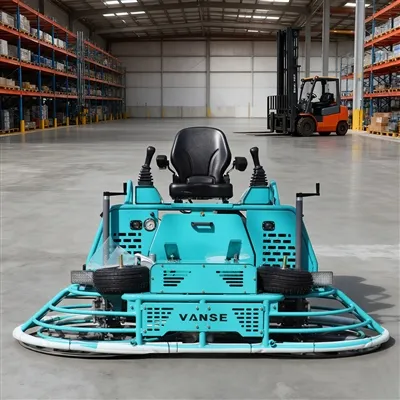
This SOP is designed to ensure equipment performance, extend service life and guarantee operational safety. Standardize the daily cleaning and regular maintenance of the power trowel machine to ensure that the equipment is always in good working condition, reduce the failure rate, eliminate potential safety hazards, optimize the construction quality and extend the service life of the equipment. This program is applicable to the maintenance and servicing of all electric, gasoline or hydraulic-driven power trowels (including driver-operated and hand-guided types) of our company. Operator: Responsible for performing daily cleaning and inspection, and reporting any abnormal conditions. Equipment Administrator/Mechanic: Responsible for conducting regular deep maintenance, repair and record-keeping. Project Manager/Supervisor: Responsible for supervising the implementation of the maintenance plan and providing resource support. Before carrying out any maintenance, make sure that the equipment has been completely turned off, the engine/motor has stopped, the key has been removed, and all moving parts have come to a standstill and cooled down. Wear appropriate personal protective equipment (PPE), such as gloves and safety glasses. Do not clean or maintain the equipment while it is in operation. When handling fuel, engine oil and lubricating oil, keep away from fire sources and do it in a well-ventilated area. Operation process: Cleaning -> Inspection -> Report Remove large debris: Use a scraper or wooden chips to remove large pieces of concrete and mortar adhering to the power trowel plate, the bottom of the blades and the protective cover. Rinse/Wipe Timing: If the concrete has solidified, wipe it with a damp cloth. If the equipment permits and the circuit/air filter is protected, low-pressure water can be used for flushing. However, it is strictly forbidden to directly direct water at key parts such as the engine, motor, bearing housing, and control box. Key areas: power trowel plate, blades, chassis, walking wheels (or tracks). Drying and rust prevention: Use a dry cloth to wipe off water stains on the surface of the equipment. For exposed metal parts (non-friction surfaces), apply a small amount of lubricating oil for rust prevention. Power trowel and blade: Check for excessive wear, cracks or deformation. Make sure the installation bolts are tight and not loose. Transmission system Gearbox/reducer: Check for any oil leakage or abnormal noise. Belt/chain (if any) : Check the tension and wear condition, and adjust or replace them. Engine/Motor Gasoline engine: Check if the air filter is clean and visually inspect the oil dipstick (it should be in a horizontal position). Electric motor: Check if the power cord is damaged and if the plug is intact. Walking mechanism: Check the tire pressure and wear of the walking wheels, or the tightness and wear of the tracks. Fasteners: Quickly check whether the visible bolts and nuts at all parts are loose, especially at the connection points of the power trowel and the fixing points of the handle. Safety: Check whether the emergency shut-off switch and protective cover are in good condition and effective. Fill in the "Daily Inspection Form for Equipment". If any abnormality is detected (such as abnormal noise, oil leakage, severe vibration, inability to start, etc.), immediately hang the "Under Repair" sign and report to the equipment administrator. In addition to the daily content, add: Engine maintenance (gasoline engine) Change the engine oil (refer to the manufacturer's manual. The first maintenance is usually carried out after 20 to 30 hours of operation). Clean or replace the air filter element (more frequently in dusty environments). Check the spark plugs, clean the carbon deposits, adjust the clearance or replace them. Check and clean the fuel filter. Transmission system Gearbox: Check the oil level and replenish or replace the specified gear oil if necessary. Bearings: Apply high-temperature lithium-based grease to the main shaft bearings of the power trowel plate, the bearings of the walking wheels, etc. Comprehensive tightening: Use a torque wrench to re-tighten all key bolts in accordance with the torque values specified by the manufacturer. Electrical system: Check whether all wire connections are firm and clean the dust on the heat sink of the motor housing. Carried out by professional mechanics, it includes all first-level maintenance contents and adds: Deep cleaning and inspection Remove the protective cover and thoroughly clean the accumulated dust and oil stains inside. Check the wear condition of the clutch plates (if any). Deep maintenance of the transmission system Replace all the lubricating oil in the gearbox. Check for wear on the belts/chains and replace them in groups if necessary. Check the clearance and abnormal noise of the bearings, and replace them if necessary. Fuel system (gasoline engine) Clean the carburetor. Empty and clean the fuel tank (this must be done before long-term storage). Walking mechanism Inspect the wheel axles and steering mechanism, and apply grease. For the driving type power trowel, check the hydraulic oil level and whether there is any leakage in the hydraulic pipeline. Performance test After the maintenance is completed, run the equipment no-load for 10 to 15 minutes to check for any abnormal sounds, vibrations, overheating or oil leakage, and to ensure that each control lever operates flexibly and effectively. Thorough cleaning: As mentioned earlier, thoroughly clean the equipment and dry it. Fuel treatment (gasoline engine) : Drain the fuel from the fuel tank and carburetor, or add fuel stabilizer and run the engine for 5 minutes to fill the stabilizer system. Engine maintenance Change the engine oil. Remove the spark plug, inject about 15 milliliters of engine oil into the cylinder, pull the starting rope several times to distribute the oil, and then reinstall the spark plug. Anti-corrosion treatment: Apply anti-rust oil to all exposed metal surfaces. Apply butter to the smears and leaves to prevent rust. Storage location: Store the equipment in a dry, well-ventilated and flat indoor area. Lower the power trowel plate to the ground to release the pressure of the hydraulic system (if applicable). Lift the tire off the ground or maintain the standard air pressure. After each maintenance, the maintenance date, operating hours, maintenance items, replaced parts and oils, and the signature of the maintenance person must be recorded in detail on the "power trowel Maintenance and Repair Record Card". The record card should be randomly saved for easy tracking of the equipment's history. Core principles: Prevention first, cleanliness foremost, follow regulations, and keep complete records. Strict maintenance is not only about cost savings, but also an important guarantee for project quality and construction safety. Note: The parameters provided in this document are for reference only and are not mandatory. Due to differences in technical characteristics between different brands and models of laser levelers, please consult the manufacturer for a suitable solution before actual operation. This reference document assumes no responsibility for any issues arising from failure to follow the manufacturer's instructions.