Technical Knowledge
Why has the concrete laser leveling machine become the mainstream leveling equipment?
Why has the concrete laser leveling machine become the mainstream leveling equipment?
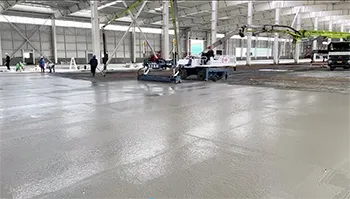
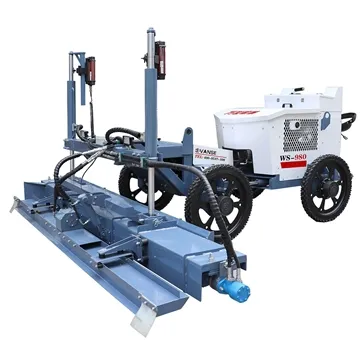
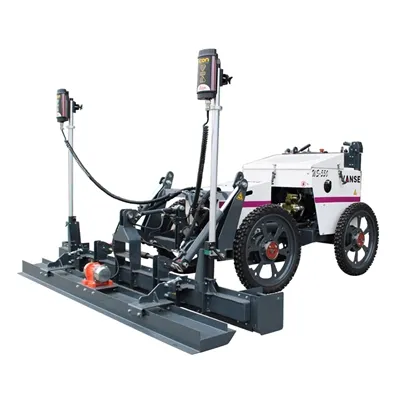
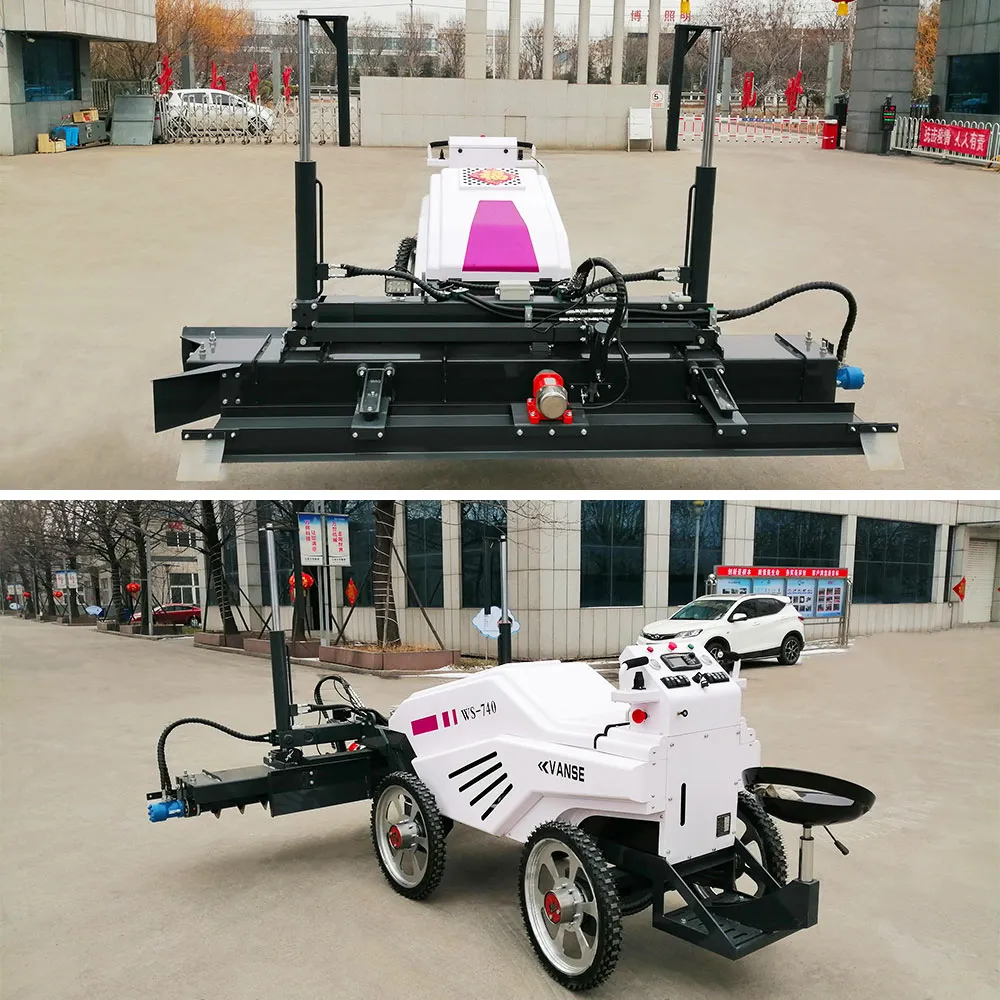
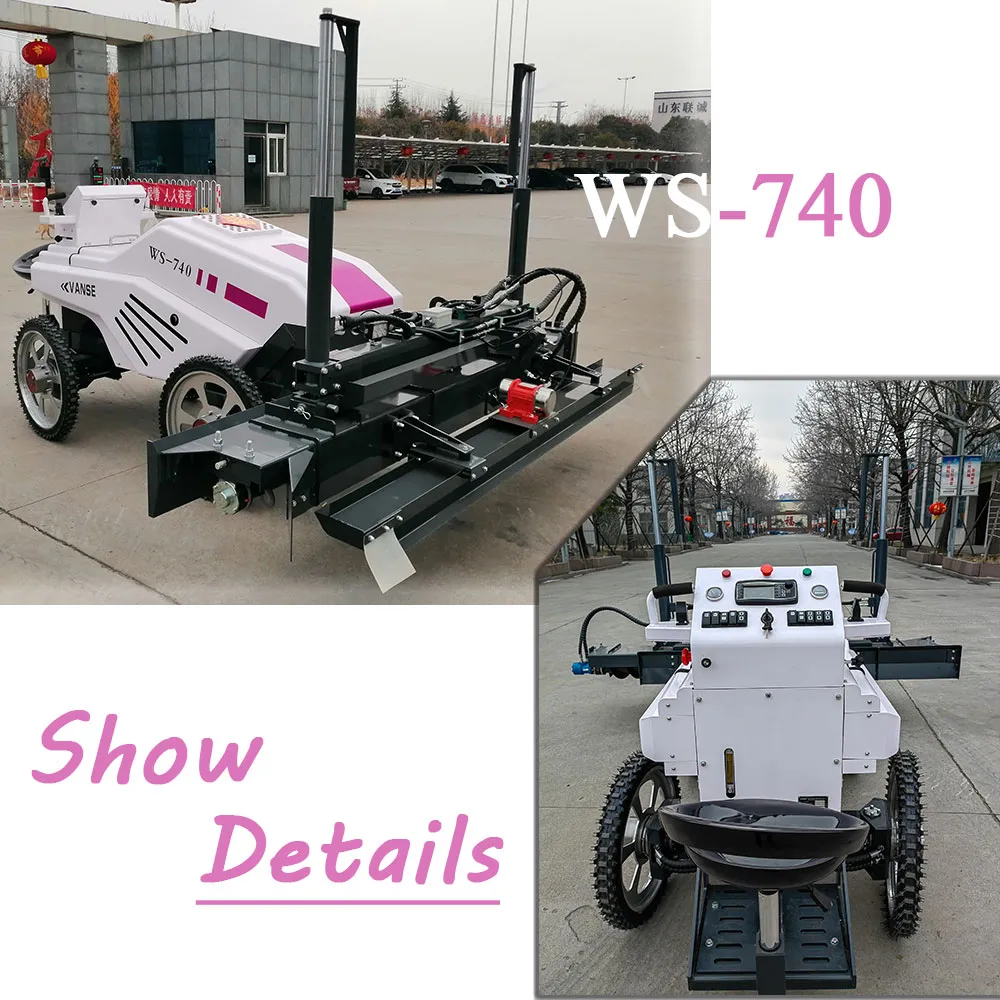
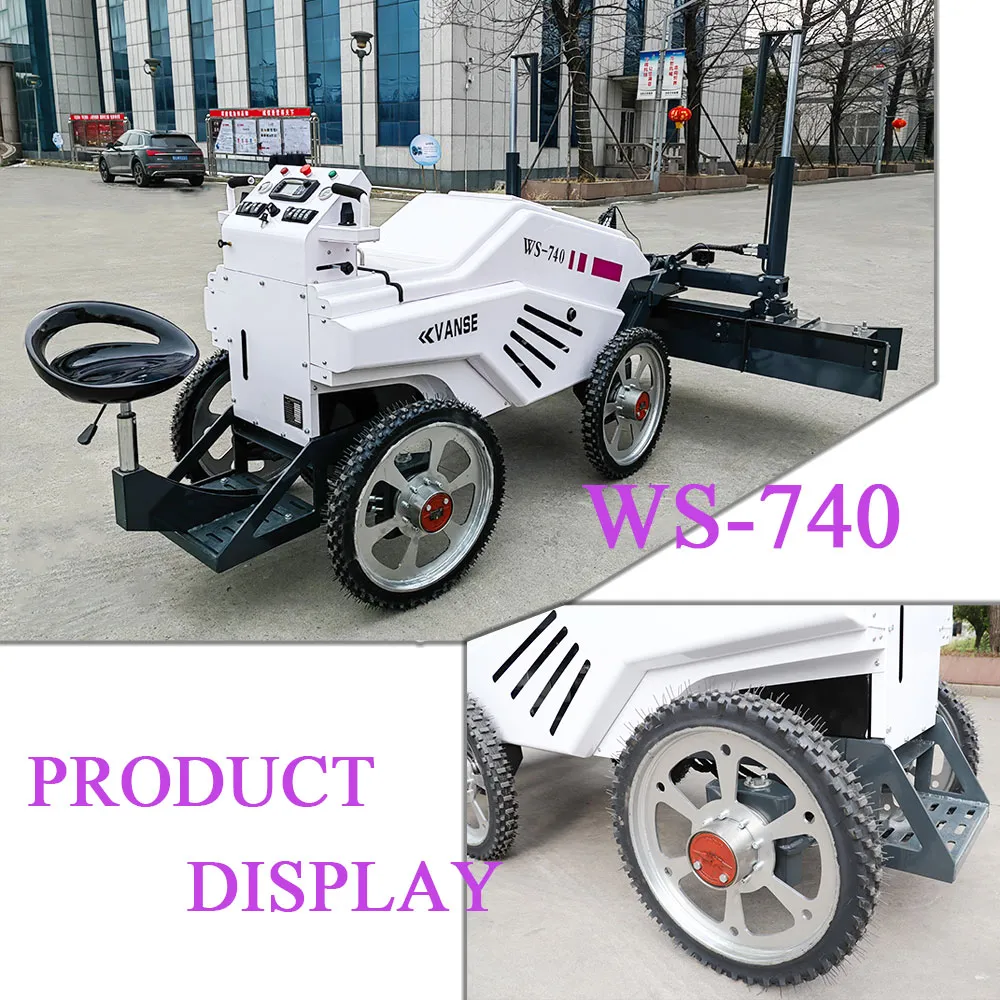
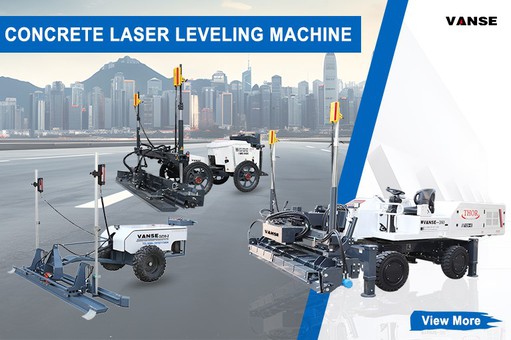
Concrete laser leveling machine is usually used in large-area floor construction, the ground elevation is easy to control, and the error of ground flatness is extremely small; due to the use of laser point alignment, the entire floor only needs 1-2 reference point elevations, which can reduce many factors. The error caused by the benchmark points.
The laser transmitter is arranged independently, and the floor elevation is always controlled by the plane formed by the rotating beam emitted by the laser transmitter. As long as the laser transmitter is not disturbed, no matter where the concrete laser leveling machine goes, it can ensure the smoothness after paving. The overall elevation of the ground is not affected, so that large-area one-time paving can be realized in the floor construction, and the levelness and flatness of the entire floor can be guaranteed.
The elevation of the concrete laser leveling machine is controlled by the laser measurement and control system in real time. There is no need to pull the control line for leveling, and there is no need for supporting side formwork to control the ground elevation, thus avoiding the vibration caused by the formwork (channel steel) during the construction process. The elevation error also reduces the elevation error caused by the traditional artificial block formwork.
Now in some precision instruments, equipment production factories, aircraft manufacturing and maintenance workshops, etc., the quality of the floor is very high. It is mainly reflected in the high requirements on the flatness of the floor, and the floor surface is required to be wear-resistant, durable in use, and the maintenance cycle is extended. For example, in some large-scale foreign-invested logistics warehouses, in order to make full use of the land, the shelves in the warehouse are stacked very high, and some even reach tens of meters. The center of gravity is skewed and unstable, and the impact during driving will cause the forklift to shake, and there is a danger of the cargo being scattered or the forklift overturning. At the same time, the impact of the bumps of multiple forklifts on the ground will cause an earthquake effect, which is very unsafe for high-level cargo stacking. . Floor hollowing, cracking, and non-wear resistance will increase the number of floor maintenance, increase floor maintenance costs, and cause downtime losses; floor cracking will increase maintenance costs, and may also lead to abandonment or reduced utilization. For high-precision instruments and equipment production lines, if the floor is uneven, it will affect the installation of the equipment, and the gap between the equipment base and the ground may cause slight vibration during the operation of the equipment, which not only affects the life of the equipment, but also affects the product quality.
For the above-mentioned floors with special requirements, especially large-scale entire floors, traditional construction techniques and methods are difficult to meet the requirements. For example, in terms of construction techniques, advanced construction equipment is used: concrete laser leveling machine, double-disc grinding machine , Dry cutting can not only shorten the construction period, but also ensure the construction quality to a large extent. This high-grade ground can guarantee normal use for more than 20 years, which can greatly reduce the use and maintenance costs. With the increase of large-area and high-quality floor projects such as modern industrial plants, convention centers, squares, airports, etc., the application of concrete laser leveling machines in large-area floor construction will increase.
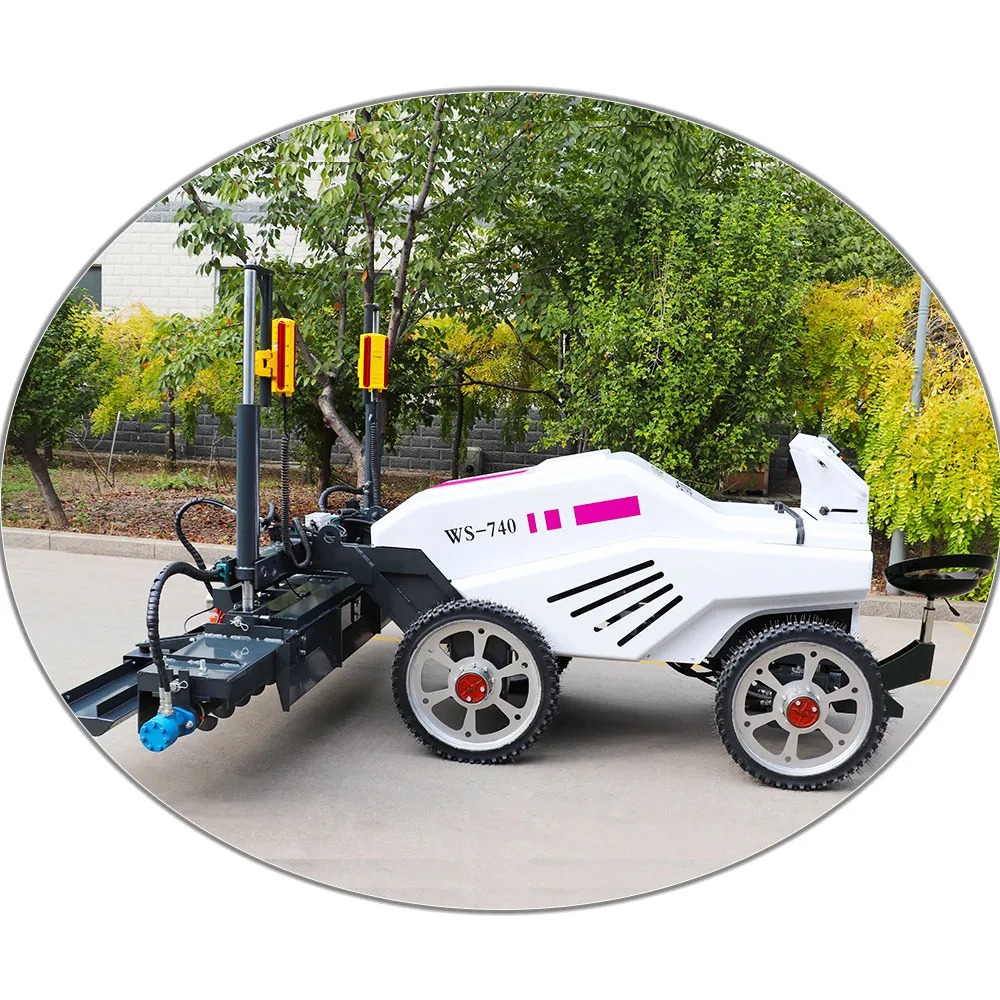
Thanks to All the Friends Who Support and Trust Shandong Vanse Machinery Technology Co., Ltd.
If you want to know more about Shandong Vanse Machinery Technology Co., Ltd. or have any questions, please feel free to contact us:
Our Factory
Shandong Vanse Machinery Technology Co., Ltd.
Share this article

About the Author: Shandong Vanse Machinery Technology Co., Ltd.
Shandong Vanse Machinery Technology Co., Ltd. is a high-tech manufacturer specializing in concrete construction machinery, including laser screeds and related equipment. The company integrates R&D, production, and global sales, with products exported to over 60 countries and widely used in infrastructure projects worldwide.
Previous Post
Next Post
Related Articles
You Might Also Like
How to strengthen the concrete soil floorto to control the cracking
Reinforced rebar and welding mesh control the crack width on non-structural soil flooring. Most of the earthen floors do not do enhanced treatment, or simply do nominal enhancement measures to control the width of the cracks. When reinforced rebar is placed in the upper or top position of the floor thickness, it can limit the width of random cracks caused by concrete shrinkage, temperature stress, foundation subsidence, external loads, and other problems. This type of enhancement is often referred to as a shrinkage and temperature enhancement device. Most soil layers do not be reinforced, or simply do nominal enhancement measures to control the width of the cracks. When the rebar is placed in the upper or top position of the floor thickness, the width of random cracks caused by concrete shrinkage, temperature stress, foundation subsidence, external loads, and other problems can be limited. This type of enhancement is often referred to as a shrinkage and temperature enhancement device. Basic principle Since there are many optional enhancements to non-structural soil flooring, this article will focus on controlling the crack width through reinforcement and mesh enhancement. Reinforced rebar and welding mesh do not prevent cracking. Before the concrete cracking, the function of the enhancement device is basically dormant. Once cracking occurs, the function is activated and its width is controlled by limiting the development of the crack. If the concrete slab is paved on a high-quality base and ensures good support, while using low-shrink concrete material, seam spacing is set at 4.5 meters or less and installed correctly, there is generally no need to take enhancement measures. In general, there is little random or non-seam cracking. If random cracks do occur, the crack width should also be kept smaller due to the relationship between smaller seam spacing and low shrink ingress to concrete materials, thus avoiding the problem of subsequent repairs or maintenance. Once this happens, the edge of the crack is exposed and the edge is likely to burst, especially when the concrete slab is crushed by wheels, especially high-level forklifts with hard wheels. Once the phenomenon of bursting occurs, the crack width of the surface will increase and the damage of the concrete slab along the crack site will deteriorate rapidly. Shrinking and temperature enhancement methods are required when shrink seams are not allowed in the field and are not installed. Sometimes this method is also known as continuously enhanced or seamless flooring, which allows for a large number of tightly distributed (90 to 180 cm) small cracks. Methods of crack control In general, there are 2 ways to control cracks: (1) to control the position of the crack by installing a shrink seam (no control over the width of the crack), or (2) to control the crack width by installing an enhancement device (uncontrollable of the crack position). Method 1, we can control the cracking position of the concrete slab, the width of the shrink seam or the cracking in the seam is largely controlled by seam spacing and concrete shrinkage. As seam spacing and concrete shrinkage increase, so does the seam width. Similar to cracks, if the seam width is close to about 0.9 mm, the efficiency of locking and conducting loads between the aggregates and avoiding vertical displacement between seams is greatly reduced. With this in mind, many designers use load conduction designs such as force levers, force transfer sheets, or continuity reinforcements in the shrink seam position to ensure good load transfer and limit vertical displacement between seams. Method 2, we allow the concrete slab to crack randomly, but use reinforced steel or welded mesh to control the crack width. In general, this method is not used when setting the shrink seam. Cracking occurs randomly, forming numerous small, interlaced cracks. Due to appearance considerations, this type of crack control method needs to be communicated with the owner in advance.How to use the laser leveling machine? How many steps?
How to use the laser leveling machine? How many steps? The laser leveling machine manufacturer will introduce to you what to do with the equipment: check the equipment before using it to ensure that all functions of the equipment are normal, and adjust the reference point of the laser before it can be used , After paving, technicians are required to evaluate the ground, and it is completed only after the flatness is determined. 1. Preparation (1) After the base layer is processed, the equipment of the laser paver is debugged, and the fixed reference level point is drawn according to the original level point; the non-woven fabric is laid, the side formwork is supported, the laser transmitter is erected, and the ground is ground according to the original level point. The elevation is introduced into the laser leveling machine. (2) Conveying concrete Commercial concrete is used, and the commercial concrete is transported to the entrance and exit of the garage by tank truck, and then transported to the construction site by a three-wheel dump truck. (3) Standardization and verification Use a hand-held laser receiver to check the elevation of the floor, introduce the elevation into the laser paver, and adjust the reference point (±0.00) on the leveling machine. 2. Concrete paving Pouring steps: (1) After the formwork is supported, the warehouse should be cleaned and soaked with water one day in advance before pouring concrete. When pouring is approaching, drain the open water and sweep the cement slurry or interface agent. At this time, no obvious water accumulation is strictly prohibited. If there is, it must be resolutely removed before paving concrete. (2) After the concrete is put down, it should be preliminarily leveled, and the leveling height should be 3 cm thicker than the elevation. Then level it with a laser paver. The corners that cannot be leveled can be leveled with a gasoline leveler or manually. (3) When the warehouse near the wall is being poured, after the leveling machine walks over, it must be leveled with a scraper in time. and so on. (4) For areas where concrete mixer trucks cannot be driven to the site, tractors should be used to transfer concrete. After the pouring is completed, the floor finishing construction begins when the concrete is initially set. (5) When the warehouse near the wall is pouring, after the leveling machine walks over, it must be scraped with a scraper in time. and so on. (6) For areas where concrete mixer trucks cannot be driven to the site, tractors should be used to transfer concrete. After the pouring is completed, the floor finishing construction begins when the concrete is initially set. 3. During construction, the laser signal received by the receiver of the laser paver (frequency of 10 times per second) automatically adjusts the elevation in real time to ensure that the construction elevation is always at the set standard. Because the laser transmitter is fixed after being set up, it can ensure that the construction of a large area of ground does not produce cumulative errors. 4. During the construction, the operator uses a hand-held laser receiver to detect the ground after the machine is constructed, and again ensures that the flatness error is within the controllable range. A complete and perfect brand of course needs good word-of-mouth from local users, and the establishment of word-of-mouth requires long-term accumulation. If you want to be a good company, you must be responsible for customers and think about customers, and bring profits to customers better. This is the most important thing.How to extend the service life of concrete laser leveling machine?
In the field of concrete construction, concrete laser leveling machine (concrete laser leveling machine or concrete laser leveler) has become a key equipment to improve construction efficiency and quality. With the vigorous development of the construction industry, the demand for high-precision, large-area concrete construction continues to grow, and the application of concrete laser leveling machine is becoming more and more extensive. According to a market research report, the global concrete laser leveling machine market size is expected to reach US$1.76 billion in 2025, with an annual growth rate of approximately 11.4%. During long-term high-intensity use, how to extend the service life of the concrete laser leveling machine has become the focus of many users. This is not only related to the return on equipment investment, but also affects the smooth progress and cost control of construction projects. After each operation with a concrete laser leveling machine, timely cleaning is essential. Since the equipment will be exposed to a large amount of concrete, mud and other impurities during operation, if it is not cleaned in time, these substances will adhere to the surface of the equipment and key components, accelerating component wear. For example, the body shell, leveling blade, vibrating device and other parts can be washed with a high-pressure water gun (but it should be noted that it is strictly forbidden to directly aim the water gun at the mesh part of the body to prevent water from entering the body and causing a short circuit) to remove the concrete residue and dust on the surface. For some stubborn stains that are difficult to wash off, use a soft cloth dipped in a neutral detergent dilution to wipe. Do not use strong alkali or strong acid cleaning agents to avoid corrosion of the paint and electroplating layer on the surface of the equipment, affecting the appearance and reducing the protective performance. Regularly check the connection and tightening of each component. During the operation of the equipment, the connecting bolts may become loose or even broken due to factors such as vibration and impact. For example, the connecting bolts of the frame, walking mechanism, laser transmitting and receiving device of the laser leveling machine should be carefully checked before and after each operation. If they are loose, tighten them in time. If the bolts are broken, they need to be replaced immediately. At the same time, check whether there is leakage in all parts of the equipment, including engine oil, coolant, hydraulic oil of the hydraulic system, etc. Once leakage is found, the cause should be promptly investigated and repaired to avoid problems such as poor lubrication and overheating of components due to oil leakage, which will affect the service life of the equipment. The timely replacement of wearing parts is the key to ensuring the continuous and stable operation of the equipment. For example, the leveling scraper, vibrator, tires (or rubber tracks) of the leveling machine will wear faster during frequent use. Generally speaking, the wearing parts should be checked after each use. If the wear exceeds the prescribed limit, they should be replaced immediately. Even if the wearing parts do not seem to be damaged during normal use, it is recommended to replace them every six months to ensure that the overall performance of the equipment is not affected. For example, a severely worn leveling scraper cannot effectively scrape the concrete, which will cause the ground flatness to decrease, and will also increase the workload of other parts of the equipment, accelerating the overall loss of the equipment. In a high temperature environment, the concrete laser leveling machine faces many challenges. The engine is prone to overheating, resulting in power reduction and increased wear of parts. Therefore, when constructing in high temperatures in summer, first ensure that the engine cooling system is working properly. Before daily operation, check the coolant level and add it in time if it is insufficient; regularly clean the dust and debris on the surface of the radiator to ensure that the heat dissipation duct is unobstructed. When the engine temperature is too high, you should choose a cool area to stop and cool down. Do not rush to add cooling water. You need to let the engine idle for a while and add it after the temperature drops slightly to prevent the engine cylinder from cracking due to excessive temperature difference. At the same time, high temperature will also affect the performance of the hydraulic system. Check the hydraulic oil temperature frequently. If the oil temperature is too high, stop the machine for a rest to avoid long-term operation of the equipment at high temperatures. For example, in some southern regions during summer construction, if you do not pay attention to the heat dissipation of the equipment, it may cause the hydraulic system seals to age faster and leak oil, which will seriously affect the normal use of the equipment. High humidity environment can easily cause the metal parts of the concrete laser leveling machine to rust and corrode, especially when constructing in coastal areas or rainy seasons. To cope with high humidity environments, the equipment should be parked in a dry place and avoid being placed in the open air. If it is unavoidable to operate in a humid environment, anti-rust oil can be applied to the surface of the equipment, especially to parts that are prone to rust, such as the frame and chassis. At the same time, the electrical circuit should be checked regularly to prevent short circuit failures caused by moisture. For the battery of the equipment, it is necessary to keep it clean and dry, check the electrolyte level and density regularly, and replenish distilled water in time to ensure good battery performance. For example, if the laser leveling machine used for a long time in a high humidity environment does not pay attention to anti-rust treatment, it may cause problems such as frame rust and strength reduction in a short period of time, affecting the safety and service life of the equipment. Concrete contains alkaline substances. If the protection is not appropriate during long-term contact, it will cause corrosion to the components of the concrete laser leveling machine. For parts that are in direct contact with concrete, such as leveling blades, vibrating devices, etc., they can be made of corrosion-resistant materials or undergo special surface treatment to improve their resistance to alkali corrosion. After each operation, clean the equipment thoroughly to remove residual concrete and prevent alkaline substances from adhering to the surface of the equipment for a long time. In a high-alkaline environment, attention should also be paid to the lubrication system of the equipment, and lubricating oils and greases with good alkali resistance should be selected and replaced regularly to ensure that all moving parts are well lubricated and reduce the occurrence of failures caused by corrosion and wear. For example, in the construction of some industrial plant floors, due to the strong alkalinity of concrete, if effective protective measures are not taken, the key components of the equipment may be severely corroded in a short period of time, shortening the service life of the equipment. Strictly operate in accordance with the rated working parameters of the concrete laser leveling machine to avoid operating in a condition that exceeds the equipment's bearing capacity. Overload operation will cause excessive pressure on the engine, hydraulic system, transmission components, etc., accelerate the wear of parts, and even cause equipment failure. For example, behaviors such as leveling thickness exceeding the maximum thickness specified by the equipment and forced operation on a site with a large slope will cause damage to the equipment. As an equipment manager, you should ensure that the operator is familiar with the equipment performance and operating procedures, and strictly prohibit illegal operations. Before construction, arrange construction tasks reasonably according to actual working conditions to ensure that the equipment operates stably within the normal load range. During the operation of the equipment, try to ensure smooth operation and avoid violent operations such as sudden acceleration, sudden braking and frequent steering. Sudden acceleration and sudden braking will cause the engine and transmission system to bear greater impact force instantly, which may easily cause damage to parts; frequent steering will aggravate the wear of tires (or tracks) and steering mechanisms. After starting the equipment, the engine should be allowed to idle for a period of time to allow all parts to be fully lubricated before operation. During the leveling operation, keep the equipment moving at a uniform speed to avoid speed fluctuations, which can not only ensure the construction quality but also reduce the wear of the equipment. For example, when driving a concrete laser leveler, smoothly controlling the throttle and steering wheel can effectively extend the service life of key parts of the equipment. The correct start and stop sequence also has an important impact on the service life of the concrete laser leveler. Before starting the equipment, check the environment around the equipment to ensure that there are no obstacles; check whether the liquid levels of fuel, engine oil, coolant, hydraulic oil, etc. are normal, and whether the indications of various instruments are normal. When starting, first turn the key to the power-on position, wait for the instrument self-check to complete, and then start the engine. After the engine is started, let it idle for a few minutes, observe the engine sound, vibration and whether the display of each instrument is normal, and then proceed to the next step after confirming that it is correct. When shutting down, first park the equipment on a flat and solid ground, lower the working device to the lowest position, and then turn off the engine. If the equipment is not used for a long time, the equipment should be sealed and maintained in accordance with the requirements of the equipment manual, such as draining fuel and coolant, lubricating and protecting key parts, etc. For example, the wrong starting method, such as forcibly starting the engine before the equipment completes the self-check, may damage the engine control system and affect the normal use of the equipment. The hydraulic system is an important part of the concrete laser leveling machine, and regular maintenance is essential. Hydraulic oil will be contaminated and its performance will deteriorate during use, so the hydraulic oil should be replaced regularly. Under normal circumstances, the hydraulic oil should be replaced every 1,000 working hours or so. The specific replacement cycle can be adjusted appropriately according to the equipment use environment and the oil quality monitoring results. When replacing the hydraulic oil, use a clean container to hold the oil. The hydraulic oil must be filtered through the oil filter before adding it to the hydraulic oil tank to ensure that the oil is clean. At the same time, clean the hydraulic oil radiator regularly to ensure good heat dissipation and prevent the hydraulic system from malfunctioning due to excessive oil temperature. In addition, the replacement cycle of the hydraulic oil filter should also be appropriately shortened, generally 750 hours is appropriate. When replacing a new filter, check carefully. It is strictly forbidden to use a deformed, contaminated or rusted filter. For example, at some construction sites, due to the harsh environment, the hydraulic oil is easily contaminated by dust and impurities. If the filter and hydraulic oil are not replaced in time, it may cause blockage, leakage and other faults in the hydraulic system, seriously affecting the normal operation of the equipment. Regularly check the electrical system of the concrete laser leveling machine to ensure that all electrical components are firmly connected and the circuits are not damaged or aged. Check the performance of the laser transmitting and receiving device to ensure that the laser signal is stable and accurate. Start the engine once every two months, charge the battery, and run all hydraulic actuators, such as rotary hydraulic motors, telescopic cylinders, etc., to prevent battery loss and rust and jamming of hydraulic system components. Do not remove the battery from the machine at will to avoid the loss of internal software program failures in the equipment control. At the same time, pay attention to check the grounding of the electrical system to ensure that the grounding is good to prevent safety accidents caused by leakage. For example, if the electrical line is aging and damaged, it may cause a short circuit, causing a fire, and endangering the safety of equipment and personnel. Perform a comprehensive performance test on the concrete laser leveling machine every once in a while (such as half a year or a year). The test content includes key performance indicators such as leveling accuracy, work efficiency, engine power, and hydraulic system pressure. Through testing, potential problems with the equipment can be discovered in time, and targeted repairs and adjustments can be made. For example, if the leveling accuracy is found to be reduced, it may be due to laser system failure, wear of the leveling blade, or looseness of the mechanical parts of the equipment. It is necessary to check and repair them one by one to ensure that the equipment always maintains a good working condition and extends its service life. Click the below to jump immediately!!! ARMOUR JOINT CONCRETE LASER LEVELING MACHINE LIGHT TOWER POWER TROWEL SLIPFORM MACHINE STEEL FIBER TOPPING SPREADER TRACKED MINI DUMPER