Technical Knowledge
Which one is better in terms of construction safety between concrete laser levelings and pavers?
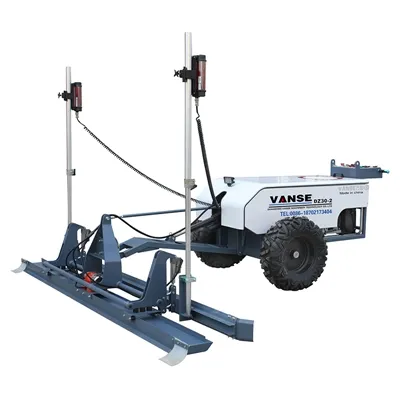
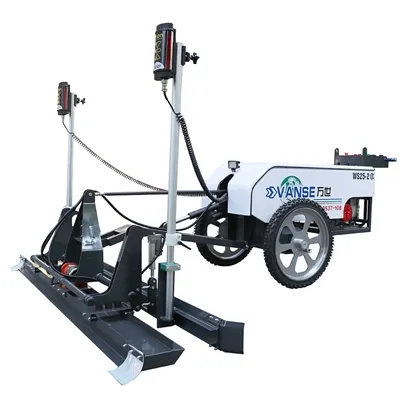
The construction safety risks of concrete laser leveling machines and pavers have their own particularities, and it is difficult to directly compare which one is higher and which is lower. Both types of equipment require strict compliance with operating procedures in terms of construction safety, ensuring professional training of operators, and regular maintenance and upkeep of equipment.
For concrete laser levelings, the main safety risks include equipment operating errors, laser system interference, poor road conditions, power and electrical safety, and improper maintenance and upkeep. These risks are mainly related to the precise control of the equipment, the operating environment and the maintenance status of the equipment.
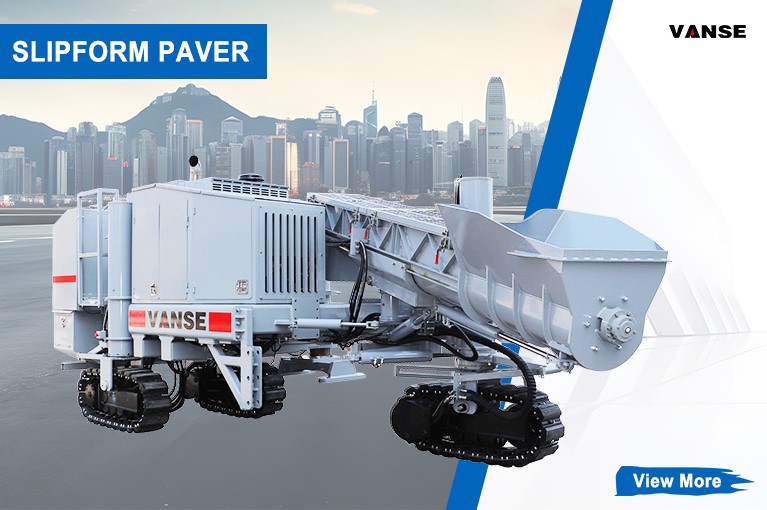
For pavers, the safety risks mainly include equipment overturning, high-temperature oil, mechanical damage, construction environmental risks and traffic safety. These risks are mainly related to the stability of the equipment, the working environment and the interaction with the surrounding environment.
Therefore, it is impossible to simply judge which of the concrete laser leveling and the paver has a higher risk in terms of construction safety. In actual construction, it should be evaluated and taken accordingly based on the specific construction conditions, equipment status and operator experience. safety measures to ensure the safety of the construction process. At the same time, construction units should conduct regular safety training and drills to improve the safety awareness and emergency response capabilities of operators.
Thanks to All the Friends Who Support and Trust Shandong Vanse Machinery Technology Co., Ltd.
If you want to know more about Shandong Vanse Machinery Technology Co., Ltd. or have any questions, please feel free to contact us:
Our Factory
Shandong Vanse Machinery Technology Co., Ltd.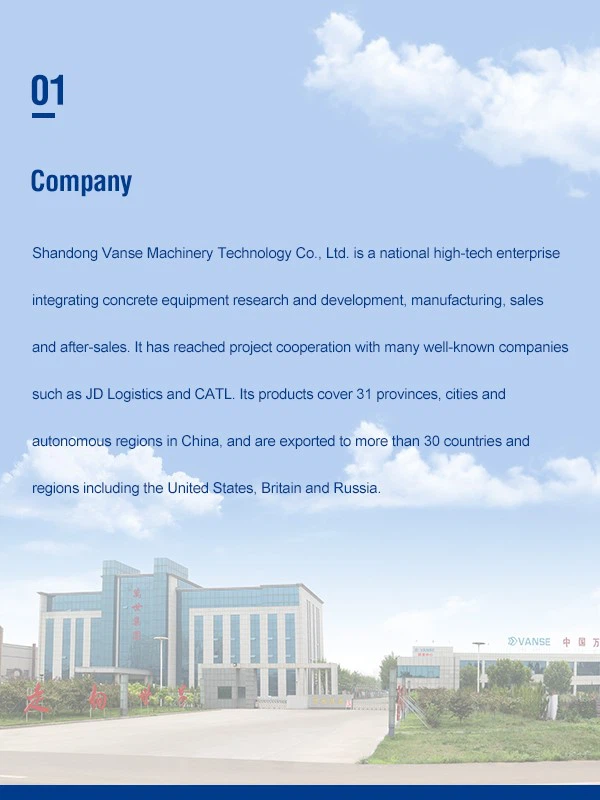
Share this article

About the Author: Shandong Vanse Machinery Technology Co., Ltd.
Shandong Vanse Machinery Technology Co., Ltd. is a high-tech manufacturer specializing in concrete construction machinery, including laser screeds and related equipment. The company integrates R&D, production, and global sales, with products exported to over 60 countries and widely used in infrastructure projects worldwide.
Previous Post
Next Post
Related Articles
You Might Also Like
How to evaluate & deal with potential risks of laser leveling machines and pavers during construction?
How to evaluate and deal with the potential risks of laser levelers and pavers during construction? In modern construction, laser levelers and pavers are key equipment that greatly improve construction efficiency and quality. However, in the process of using these advanced equipment, there are also a series of potential risks. If these risks are not properly evaluated and dealt with, they may have a serious impact on the construction progress, quality and personnel safety. Therefore, this article aims to explore in depth how to evaluate and deal with the potential risks of laser levelers and pavers during construction to ensure smooth construction and protect personnel safety. 1. Overview of laser leveler risks Laser levelers are widely used in concrete construction due to their high precision and high efficiency. However, there are also some potential risks in its use. First, the laser leveler is complex to operate and requires a high level of technical skills from the operator. Improper operation may cause equipment damage or substandard construction quality. Secondly, the laser leveler needs to maintain a stable laser signal during operation. If it encounters bad weather or a poor construction environment, it may affect the stability and accuracy of the laser signal. In addition, equipment maintenance is also crucial. Long-term non-maintenance may lead to equipment performance degradation and increase the risk of failure. 2. Risk Analysis of Pavers Pavers play a vital role in road construction, but there are also certain risks. On the one hand, the paver needs to cooperate with the transport vehicle during operation. If the cooperation is improper or the vehicle loses control, it may cause a safety accident. On the other hand, the working performance and paving quality of the paver are affected by many factors such as raw materials, equipment status, and operating technology. Any mistakes in any link may lead to construction quality problems. In addition, if key components such as the electrical system and hydraulic system of the paver fail, it may also have a serious impact on the construction. 3. Safety Assessment of Construction Site When evaluating and responding to the potential risks of laser levelers and pavers, safety assessment of the construction site is crucial. First, it is necessary to survey the construction site to understand the basic conditions such as terrain, weather, and traffic, and determine whether there are safety hazards. Secondly, a comprehensive inspection of construction equipment, materials, personnel, etc. should be carried out to ensure that the equipment performance is good, the materials are qualified, and the personnel qualifications meet the requirements. At the same time, a detailed safety construction plan should be formulated to clarify various safety measures and emergency plans to ensure safety and control during the construction process. 4. Risk Assessment of Personnel Operation Personnel operation is a risk factor that cannot be ignored during the construction process. In the operation of laser levelers and pavers, the focus should be on the skill level and safety awareness of the operators. First, ensure that the operators have undergone professional training and are proficient in the operation skills and maintenance knowledge of the equipment. Secondly, strengthen safety education and improve the safety awareness of operators so that they can respond correctly in emergency situations. In addition, strict operating procedures and reward and punishment mechanisms should be established to standardize operating behaviors and reduce risks caused by human factors. 5. Equipment maintenance and overhaul management Equipment maintenance and overhaul management is an important part of ensuring construction safety. For high-precision equipment such as laser levelers and push pavers, more attention should be paid to daily maintenance and regular overhaul. First of all, a complete equipment maintenance system should be established to clarify the maintenance cycle, maintenance content and responsible persons. Secondly, equipment inspections should be strengthened to promptly discover and deal with equipment failures and hidden dangers. At the same time, equipment maintenance should be done well to extend the service life of the equipment and reduce the failure rate. In addition, old equipment or equipment with poor performance should be updated or modified in a timely manner to improve construction efficiency and safety. 6. Risk Response Measures For the potential risks of laser levelers and pavers during construction, the following response measures should be taken: First, strengthen site management to ensure that the construction site is clean and orderly and reduce safety risks. Second, optimize the construction plan to reasonably arrange the construction progress and equipment configuration to reduce the impact of equipment failure on construction. Third, improve the skill level and safety awareness of operators, and improve their professional quality through training and education. Fourth, strengthen equipment maintenance and repair management to ensure stable and reliable equipment performance. Fifth, establish a risk pre-management mechanism to monitor and warn potential risks in real time so that timely measures can be taken to respond. 7. Safety training and operating specifications Safety training and operating specifications are important means to reduce the risks of laser levelers and pavers. First, safety training activities should be organized regularly to improve the safety awareness and risk identification ability of operators. The training content should include equipment safety operating procedures, emergency response measures, etc., to ensure that operators can master safety knowledge and skills. Secondly, it is necessary to formulate detailed operating specifications to clarify the operating procedures, precautions and prohibited behaviors of the equipment, and provide clear operating guidance for operators. At the same time, a supervision and inspection mechanism should be established to conduct regular inspections and evaluations of the operating behaviors of operators to ensure that they comply with the operating specifications and maintain good safety habits. In addition to training and specifications, attention should also be paid to the construction of safety culture. By promoting safety concepts, sharing safety experiences, and commending safety behaviors, a positive safety atmosphere can be created to improve the safety awareness of all employees. In addition, safety competitions, safety months and other activities can be carried out to stimulate employees' enthusiasm and initiative to participate in safety management. In summary, evaluating and responding to the potential risks of laser levelers and pavers during construction is a complex and important task. By strengthening construction site safety assessments, personnel operation risk assessments, equipment maintenance and overhaul management, and taking a series of risk response measures, risks can be effectively reduced and construction can be ensured to proceed smoothly. At the same time, strengthening safety training and improving the construction of operating specifications is also an important way to reduce risks. Only by continuously improving the level of safety management can we ensure that laser levelers and pavers play the greatest role in construction and ensure personnel safety. In future construction, with the continuous advancement of technology and the upgrading of equipment, the risk assessment and response measures for laser leveling machines and push-paving machines also need to be constantly reviewed and improved. Through in-depth research and accumulation of practical experience, I believe we can better deal with these potential risks and promote the sustainable and healthy development of the construction industry.Equipment Compatibility of Novel Nano-Penetrating Hardeners
Novel nano-penetrating hardeners (such as nano-silicon and nano-lithium-based hardeners) have extremely small molecular particles (typically between 5-20 nm) and extremely high reactivity compared to traditional hardeners. This characteristic places entirely new demands on the compatibility with construction equipment, especially given the significant trend towards "simultaneous operation" rather than "post-treatment." In the context of automated construction, nano-hardeners are no longer just a coating after floor completion, but rather participate directly in the troweling process as a **"construction aid"**. Finishing Aid: Nano-silica hardeners can be used as a finishing aid. Compatible equipment needs to have a micro-volume, uniform spraying system. Fully automatic power trowels, through integrated high-pressure atomizing nozzles, spray synchronously while the blades rotate, significantly increasing cement slurry volume and extending the "window period" for large-area construction. Drag Reduction and Efficiency Improvement: Nanoparticles can reduce frictional resistance between the blades and concrete. For high-powered dual-disc ride-on power trowels, using nano-hardeners can reduce mechanical wear, resulting in a denser finished surface, and even achieving a "mirror-like" initial setting effect. Compatibility Recommendation: Prioritize ride-on power trowels with water tanks and spray systems or fully automatic finishing robots. Due to the extremely strong penetrating power and high concentration of nano-hardeners, traditional ordinary spray bottles are insufficient. High-Pressure Airless Sprayer: To ensure uniform coverage of nanoparticles without liquid accumulation, a high-pressure airless sprayer is required. The nozzle should be a fan-shaped or cone-shaped fine atomizing nozzle (flow rate typically controlled between 0.05 and 0.15 GPM). Corrosion Resistance: Nano-hardeners are mostly alkaline (pH value approximately 9.5-11). Seals and piping of the application equipment must be made of alkali-resistant materials (such as Teflon or high-performance rubber) to avoid prolonged contact that could damage the pump. A major advantage of nano-hardeners is their "rapid response," which alters the timing of subsequent grinding equipment. Accelerated Operation: Traditional hardeners typically require 24 hours to dry, while high-performance nano-hardeners (such as Concria Trowel Hard) allow for heavy grinding to begin as early as 7 days after application, or high-speed polishing just 1 hour after spraying. High-Speed Burnisher: The C-S-H gel generated by the nano-hardener reaction is extremely dense. Recommended equipment is a high-speed burnisher with a speed of 2000-2500 RPM, used with penetrating abrasive discs, which can rapidly stimulate the crystalline luster of nanomaterials. Equipment Types Compatibility Requirements Core Values Fully Automatic Power Finishing Machine Integrated precision atomizing spray system Simultaneous polishing and slurry preparation eliminates cracking risk Spraying Machine High-pressure airless spraying + fan-shaped atomizing nozzle Ensures uniform nanoparticle distribution with no liquid residue Grinding Machine Compatible with 200-400 grit resin abrasive discs Aids in deep penetration of the hardener High-Speed Polishing Machine Speed > 2000 RPM + animal fiber polishing pad Physical friction generates heat, accelerating the crystallization reaction Note: The parameters provided in this document are for reference only and are not mandatory. Due to differences in technical characteristics between different brands and models of laser levelers, please consult the manufacturer for a suitable solution before actual operation. This reference document assumes no responsibility for any issues arising from failure to follow the manufacturer's instructions.What changes will the construction effect of the laser leveling machine have under different climatic conditions?
The effect of laser leveling machine construction under different climatic conditions may be affected to a certain extent, mainly reflected in the following aspects: 1. **Temperature changes**: – Extremely high or low temperatures may affect the performance of electronic components of laser leveling machine, such as the accuracy of laser transmitters and receivers. High temperature may cause the equipment to overheat, and low temperature may affect battery life and the response speed of electronic components. – Temperature also affects the setting time and hardening process of concrete. At high temperatures, concrete may lose moisture and solidify faster, which may shorten the operating window of the laser leveling machine, while at low temperatures, concrete solidifies more slowly and it may take longer to complete the leveling work. 2. **Humidity and rainfall**: – High humidity may affect the propagation of laser signals. Although laser leveling machines are usually designed with waterproof functions, continuous high humidity or direct rainfall may interfere with laser signals and affect leveling accuracy. – Rain will directly affect the pouring and leveling of concrete, because rain will make the concrete surface unstable, increase the difficulty of leveling, and may also cause the operation of the laser leveling machine to be suspended until the weather improves. 3. **Wind**: – Strong winds may interfere with the laser signal, especially when working outdoors. Wind may cause the laser transmitter or receiver to move slightly, affecting the accuracy of leveling. – Wind may also accelerate the evaporation of water from the concrete surface, especially in dry and hot conditions, which may affect the surface quality of the concrete and the final leveling effect. 4. **Lighting conditions**: – Strong sunlight or reflected light may interfere with the reception of laser signals, especially when there is strong light directly in the path of the laser signal. This is not a problem when working at night or on cloudy days. 5. **Dust and sand**: – Large amounts of dust and sand may block the laser signal, especially when working in a dusty environment. This may require more frequent cleaning and maintenance to ensure the normal operation of the laser leveling machine. In order to avoid the above factors affecting the construction effect of the laser leveling machine, the measures usually taken include: – Avoid construction in extreme weather conditions as much as possible, or choose the time of day when the weather conditions are most stable. – Perform regular maintenance on the laser leveling machine to ensure its optimal performance in various environments. – Take appropriate concrete pouring and maintenance measures to adapt to different climatic conditions. – Use auxiliary equipment such as protective covers or parasols to reduce the interference of external environmental factors on laser signals. In short, although the laser leveling machine is designed to take into account the influence of various environmental factors, in actual construction, it is still necessary to make corresponding adjustments according to specific climatic conditions to ensure construction quality and safety.