Technical Knowledge
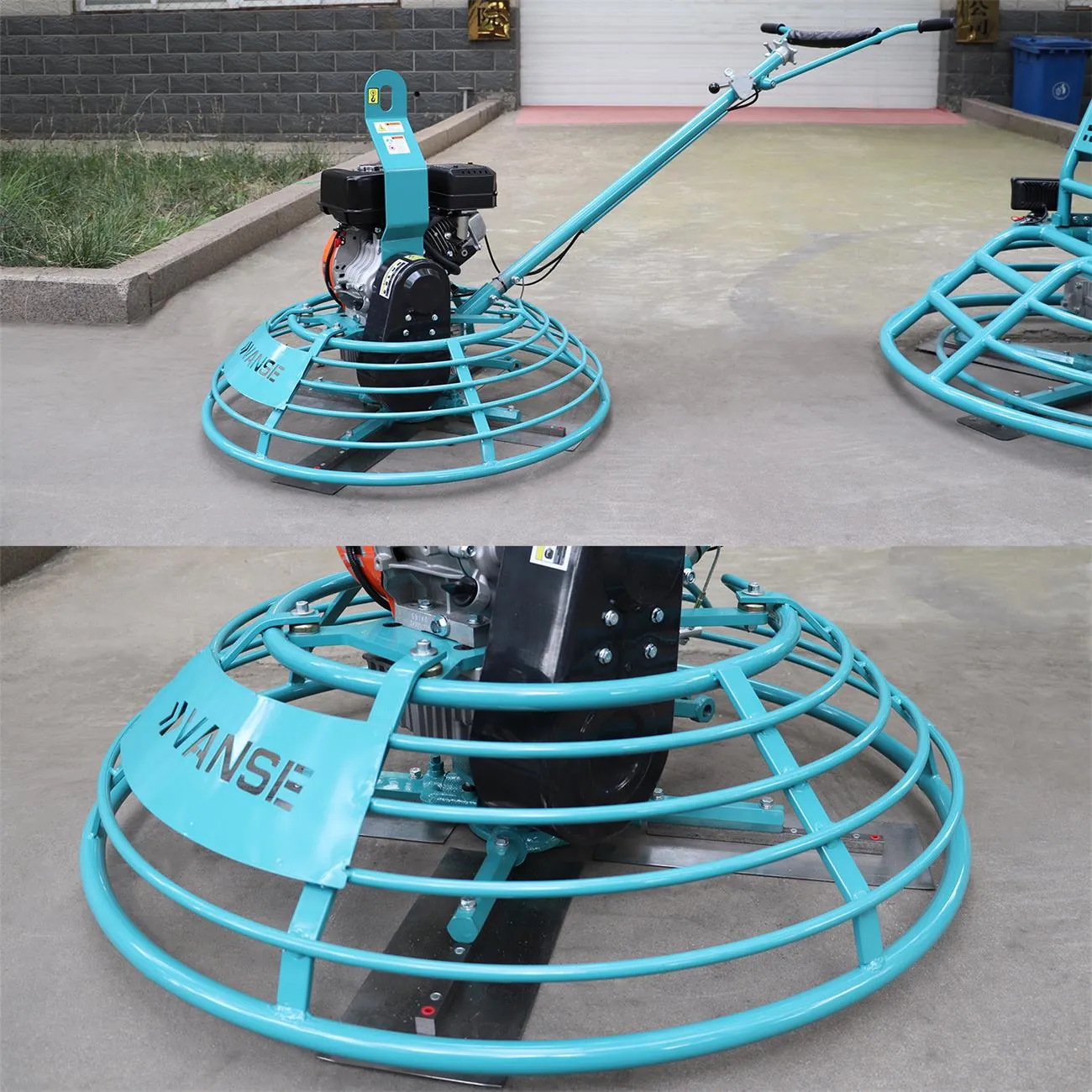
What’s the advantage of a concrete power trowels? How to choose?
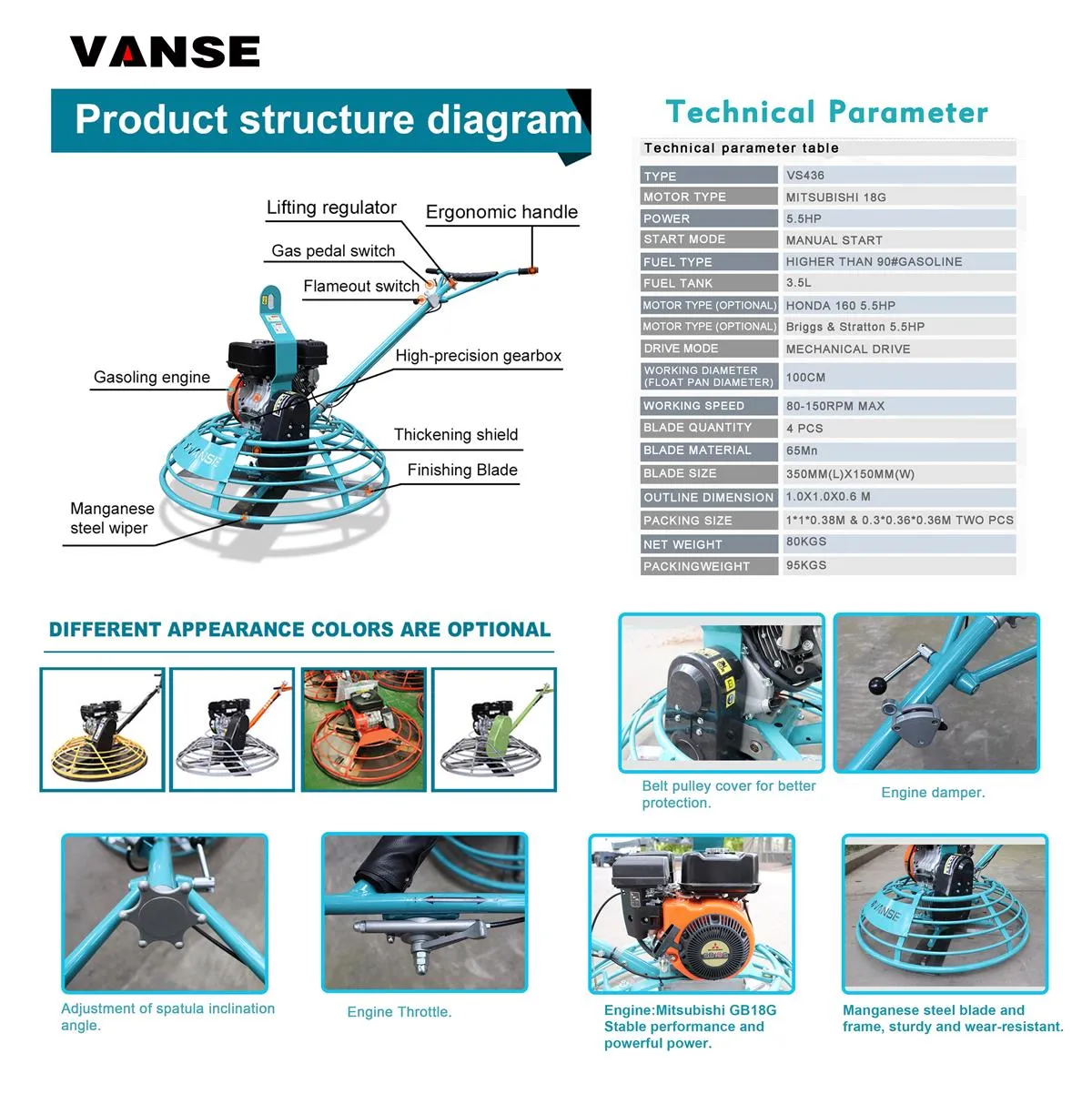
A trowel is a device used to polish and polish concrete surfaces. It can help the construction team make the surface smoother and flatter when building concrete structures such as floors, floors, and bridges, and improve the strength and durability of the structure.
Trowel machines have the following advantages:
1. Improve work efficiency: The trowel machine has high working efficiency and can quickly polish large concrete structures, such as floors, floors, bridges, etc., improving construction efficiency.
2. Improve surface quality: The surface of concrete polished by a trowel is smoother and smoother, and can meet high standards of surface quality requirements.
3. Reduce labor costs: Compared with traditional manual polishing methods, troweling machines can greatly reduce labor costs and improve construction efficiency.
When purchasing a trowel machine, you need to consider the following factors:
1. Power and speed: The trowel needs to have sufficient power and speed to polish the concrete surface quickly and improve work efficiency.
2. Weight and size: The trowel needs to have a certain weight and size for stable operation during construction and for easy portability and storage.
3. Operation comfort: The trowel machine needs to be comfortable to operate so that construction workers can use it for a long time and reduce fatigue and labor intensity.
4. Brand and quality: Choosing a well-known brand and high-quality troweling machine can ensure the performance and durability of the machine, and you can also get better after-sales service.
In short, the trowel is an efficient and high-quality concrete surface treatment equipment that can help the construction team improve construction efficiency and quality. When purchasing a troweling machine, you need to consider factors such as power and speed, weight and size, operating comfort, etc. At the same time, choosing a well-known brand and high-quality troweling machine can ensure the performance and durability of the machine.
Thanks to All the Friends Who Support and Trust Shandong Vanse Machinery Technology Co., Ltd.
If you want to know more about Shandong Vanse Machinery Technology Co., Ltd. or have any questions, please feel free to contact us:
Our Factory
Shandong Vanse Machinery Technology Co., Ltd.








Share this article

About the Author: Shandong Vanse Machinery Technology Co., Ltd.
Shandong Vanse Machinery Technology Co., Ltd. is a high-tech manufacturer specializing in concrete construction machinery, including laser screeds and related equipment. The company integrates R&D, production, and global sales, with products exported to over 60 countries and widely used in infrastructure projects worldwide.
Previous Post
Next Post
Related Articles
You Might Also Like
Detailed explanation of application scope of laser leveling machine
Concrete laser leveling machine is widely used. It is an advanced machine used to super-flatten and level concrete floors. Its application range can be roughly divided into two categories: indoor floor engineering and outdoor floor engineering. These two categories are further subdivided. The following is a detailed introduction to the use of concrete laser leveling machine and the projects of this type that Vanse Machinery's products have done. Nowadays, concrete laser leveling machines are being used more and more widely. The specific scope of application can be divided into two categories: Vanse Machinery has done such projects as Harbin Haier workshop, Beijing Benz workshop, Baoding Great Wall Motors No. 5 spraying workshop, Shandong Classic Group steel structure production line workshop and other projects. Vanse Machinery has done such projects as: Suzhou Samsung Electronics Factory, Shandong Xingda Ecological Winery, Shandong Parkson Biological Workshop, Shandong Yuda Medical Workshop and other projects. Such projects that Vanse Machinery has done include: Xi'an Fuju Home Plaza, Shenzhen Walmart Supermarket, Wuhan Vipshop Logistics Park, Guangxi Convention and Exhibition Center, Tianjin Yupei Logistics Park and other projects. Such projects that Vanse Machinery has done include: Hubei Xiangzhou Industrial Park, Shanxi Shenlong Energy Coking and other projects. Such projects that Vanse Machinery has done include: Shandong Xinbaihui underground parking plant, Changchun FAW-Volkswagen parking lot, Hebei Hualian Supermarket large underground parking lot, Sichuan Wanda Plaza large underground parking lot, Hubei Xiangyang Dongjin Century City underground parking lot and other projects Such projects that Vanse Machinery has done include: Nanjing Huawei Electronics Company floor, Shenyang Electronics Factory floor integration, Sichuan Hualian Plaza, Hubei Xiangyang Dongjin Century City and other projects. Shandong Yanzhou Vanse Machinery Technology Co., Ltd. is the only high-tech enterprise in China that integrates R&D, manufacturing, sales, and technical services, specializing in concrete laser leveling machines. The use of "" brand concrete laser leveling machines can reduce about 60% of high-intensity labor, save about 50% of construction costs, shorten about 50% of construction period, and increase the strength and density of the floor by about 25%. The company has always been based on the tenet of "people-oriented, leading technology, honest management, and creating a well-known brand". We will provide customers with reliable products and perfect services, develop together, and create good results.Can concrete topping spreaders handle different types of additives (e.g., color pigments, anti-slip agents) for floor projects
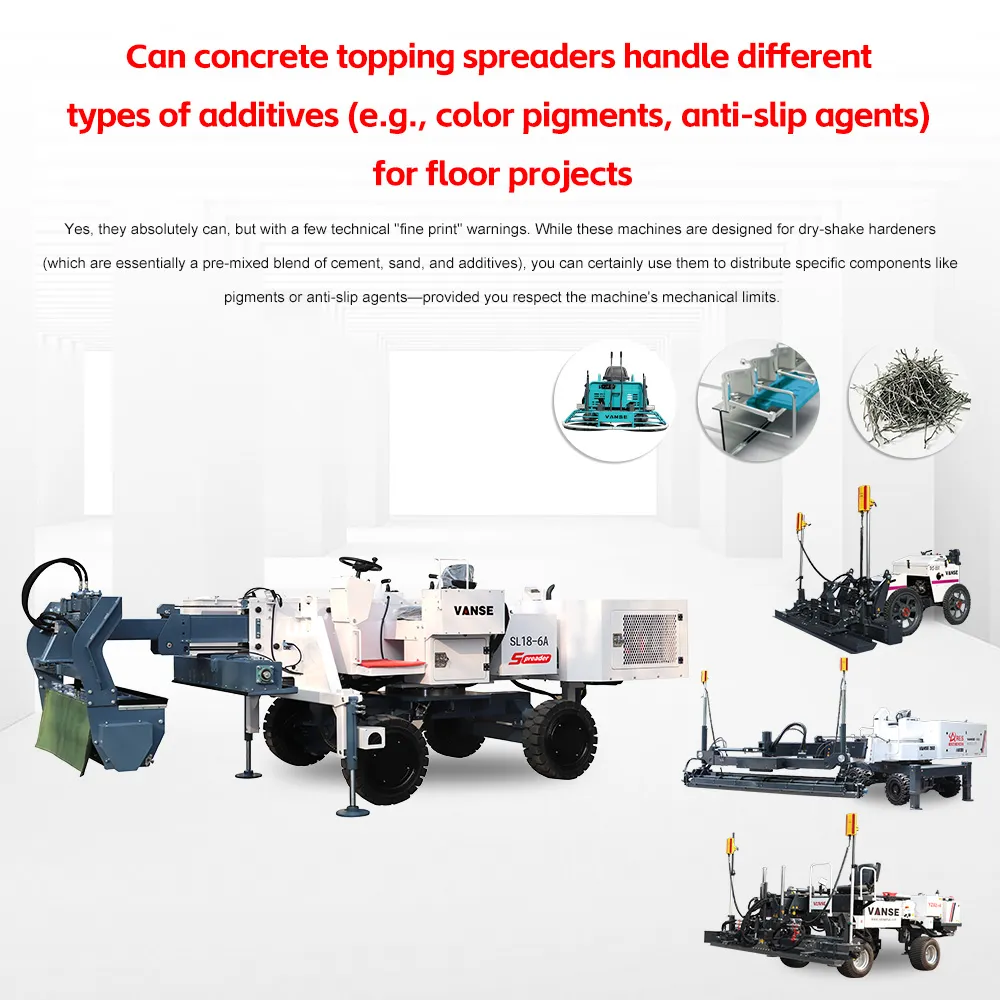
Yes, they absolutely can, but with a few technical "fine print" warnings. While these machines are designed for dry-shake hardeners (which are essentially a pre-mixed blend of cement, sand, and additives), you can certainly use them to distribute specific components like pigments or anti-slip agents-provided you respect the machine's mechanical limits. Here is how concrete topping spreaders handle various additives and the adjustments you need to make. Most "color" in industrial floors isn't pure pigment; it's a Color Hardener (pigment + cement + fine aggregate). The Spreader's Role: It is the only way to get a perfectly uniform color. Hand-tossing color usually results in "leopard spots." The Risk: Pure, raw pigment is often too fine (like flour). If you put pure pigment in a spreader, it may "bridge" (clump together) in the hopper and refuse to fall through the rotor. The Fix: Ensure the pigment is part of a engineered dry-shake mix. If you must use pure pigment, it should be blended with a carrier (like fine sand) to give it enough "weight" to flow through the machine. For loading docks or wet processing areas, you might spread Silicon Carbide or Aluminum Oxide. Handling: These materials are much denser and "grittier" than standard hardeners. Machine Wear: These are essentially sandpaper for your equipment. If you are running high volumes of anti-slip agents, you will notice accelerated wear on the rubber seals and the discharge rotor. Distribution: Because these grains are heavy, they drop very fast. You usually need to tighten the discharge gap on the spreader to prevent "dumping" too much material in one spot. Additive Type Material Examples Spreader Compatibility Key Challenge Metallic Aggregates Iron filings, steel grit Excellent High weight; requires heavy-duty motors. Anti-Slip Silicon Carbide, Quartz Good Highly abrasive; wears down internal parts. Reflective Glass beads, "Sparkle" grain Moderate Very fragile; can "crush" in the rotor. Pure Pigment Iron oxide powders Difficult Clumping and "dusting" (blown away by wind). If you are switching from a high-visibility color (like "Safety Red") to a standard grey hardener, a simple shake-out isn't enough. The Danger: Residual pigment trapped in the rotor corners will "bleed" into the next project for the first 100 feet. The Fix: Use a shop-vac and a stiff brush to clean the internal discharge vanes. Some operators run a "sacrificial" 25 kg bag of plain sand through the machine to scrub the pigment out before starting the next color. Additives like pure pigments are extremely hygroscopic (they suck moisture out of the air). If you leave specialized additives in the hopper during a lunch break or a rain delay, they can "cake" onto the rotor. The Rule: Only load what you are about to spread immediately. Not all additives weigh the same. 1 Liter of Steel Aggregate weighs much more than 1 Liter of Glass Beads. The Test: Before starting the actual floor, run a "10-foot test" on a piece of plastic or a dry section of the slab. Weigh the material dropped to ensure your kg/㎡ (or lb/ft^2) matches the project spec. Integrated Blends: Yes, flawlessly. This is what they are built for. Raw Abrasives: Yes, but expect higher maintenance on the machine. Fine Powders: No, unless blended with a carrier to improve flow. Pro Tip: When spreading reflective beads or very fine anti-slip grains, lower the discharge height of the spreader head as much as possible. Even a light breeze in a warehouse can blow 20% of your expensive additives away before they even hit the wet concrete. Would you like me to find the recommended "Drop Rates" (kg/㎡) for standard VS heavy-duty industrial wear layers? Contact us NOW Note: The parameters provided in this document are for reference only and are not mandatory. Due to differences in technical characteristics between different brands and models of laser levelers, please consult the manufacturer for a suitable solution before actual operation. This reference document assumes no responsibility for any issues arising from failure to follow the manufacturer's instructions.How to clean power trowel blades after working with colored concrete?
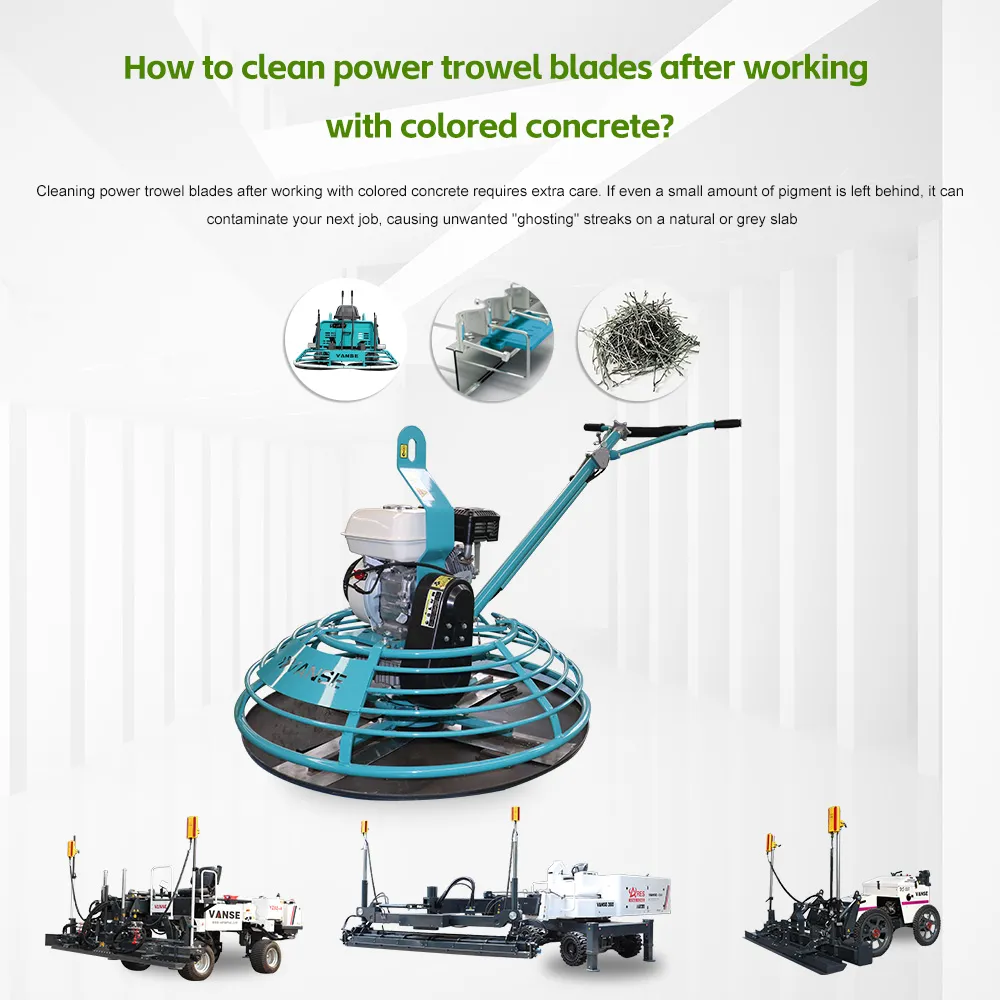
Cleaning power trowel blades after working with colored concrete requires extra care. If even a small amount of pigment is left behind, it can contaminate your next job, causing unwanted "ghosting" streaks on a natural or grey slab Here is a step-by-step guide to ensure your blades are thoroughly cleaned and protected for future use. Timing is the most critical factor. Once the pigment dries and bonds with the cement paste on the steel, it becomes incredibly difficult to remove Pressure Wash Immediately: As soon as the machine is off the slab, use a high-pressure washer (at least 3,000 PSI is recommended) to blast the underside of the spider and the blades Focus on Mounting Brackets: Pigment loves to hide in the "pockets" where the blades bolt onto the trowel arms. If these aren't cleaned, they can vibrate loose during the next job and drip old color into your fresh wet concrete If you were working with a reactive acid stain rather than integral color, you must neutralize the acid to stop the chemical reaction Neutralize: Mix a solution of baking soda and water or ammonia and water. Scrub: Use a stiff nylon brush to scrub the blades. This ensures no acid residue remains to react with or stain the next slab If the color has already started to harden on the blades, you'll need to step up to mechanical cleaning Abrasive Scouring: Use a pumice stone or a fine-grit sanding block to manually scour the blades. Avoid Grinders: Do not use a metal grinding disk unless absolutely necessary, as this can create burrs or uneven edges that will "scar" your next floor The "Sand Trick": Some operators run the trowel briefly on a pile of clean, damp sand. The friction acts like sandpaper and "polishes" the blades clean. (Note: Only do this if your machine can handle the torque without stalling) Steel blades rust almost instantly after being pressure washed . Apply Oil: Spray the blades with a light coating of WD-40 or a specialized form release agent . Wipe Down: Wipe off the excess. This prevents "flash rust" (orange dust), which can also stain your next concrete project . To make sure no spot is missed, use this checklist from the guide Component Cleaning Action Why? Blade Surface Scrub with stiff brush + Water Removes bulk pigment Blade Edges Sanding block / Pumice Removes "hardened" color buildup Bolts/Hardware High-pressure blast Prevents "bleeding" on next job Spider Arms Degreaser + Rinse Prevents grease/color drips If you frequently work with colored concrete, many professionals keep a dedicated set of "Color Only" blades and a separate set of "Grey Only" blades. Swapping blades is often cheaper and less time-consuming than trying to remove every speck of pigment from a single set Would you like to know the best neutralizing ratios for specific brands of acid stains? Contact us NOW Note: The parameters provided in this document are for reference only and are not mandatory. Due to differences in technical characteristics between different brands and models of laser levelers, please consult the manufacturer for a suitable solution before actual operation. This reference document assumes no responsibility for any issues arising from failure to follow the manufacturer's instructions.