Technical Knowledge
There are many things to pay attention to when adding oil to a laser leveling machine. Don’t operate it recklessly if you don’t understand it!
September 11, 2024

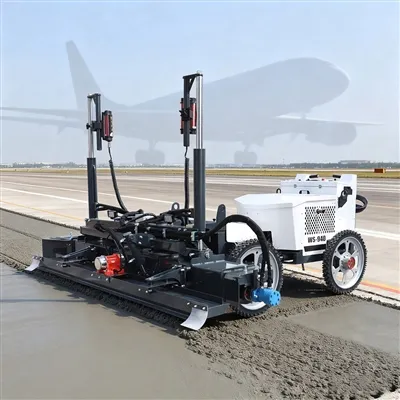
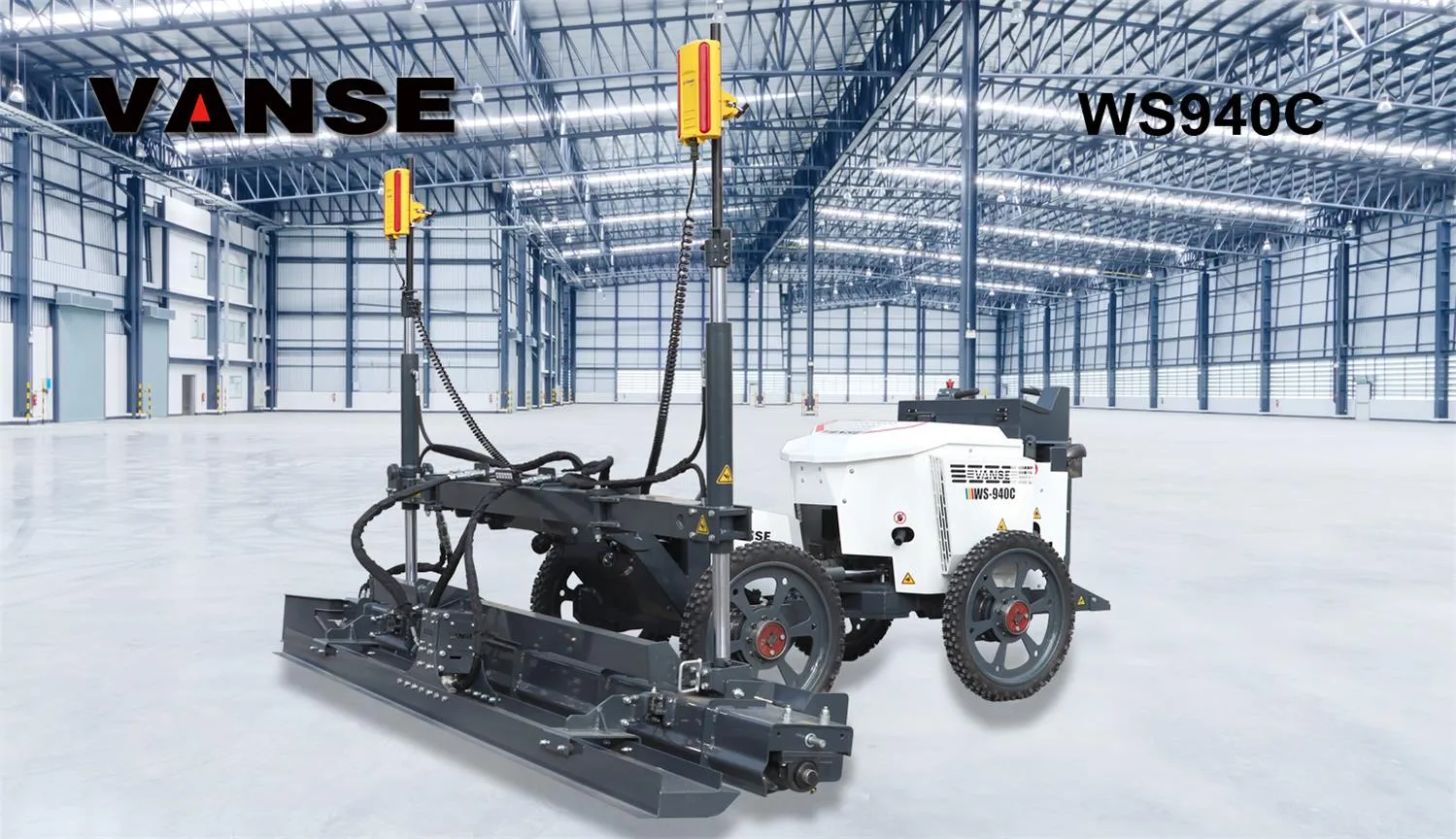
Any kind of mechanical equipment needs to add an appropriate amount of oil during normal use to ensure the safe operation and service life of the machinery. This is no exception for the laser leveling machine, a new type of concrete pavement leveling equipment. Although the addition of oil to the laser leveling machine seems simple, it is actually quite a science. In order to avoid unnecessary trouble, our company has specially sorted out several common misunderstandings when adding oil to the laser leveling machine. I hope everyone will avoid them in time.
▼ Do not use the lubricating oil if it turns black: the lubricating oil turns black, which means that the lubricating oil has deteriorated: modern lubricating oils have added appropriate amounts of various additives to improve their lubrication properties. It is normal for the lubricating oil of internal combustion machinery with detergent dispersant to turn black shortly after use. It cannot be easily replaced because it is considered that the "oil has deteriorated"; lubricating oil with additives often makes the bearing surface black during use, which is also a normal phenomenon. Therefore, when we determine whether the lubricating oil has deteriorated, we cannot judge it by sight alone, but conduct a comprehensive analysis. When conditions permit, the oil should be tested and tested to ensure that the oil is changed according to the quality;
▼ The oil grade specified in the laser leveling machine manual is for general working conditions. In the practice of machine oil change and maintenance, the actual use conditions must also be considered. If the actual use conditions are more stringent than the specified use conditions, a higher grade oil should be selected (through testing) or the oil change cycle should be appropriately shortened;
▼ It is better to have more oil than less: We know that a small amount of laser leveling oil will cause insufficient oil supply and poor lubrication, leading to mechanical accidents. Therefore, when refueling, you should not "prefer to add more" for fear of insufficient oil. In fact, too much oil will not only increase the power consumption of the crankshaft due to increased rotational resistance, but also the oil is prone to bubbles, emulsification and leakage, resulting in poor lubrication;
▼ Using high-viscosity oil can solve the problems of engine powerlessness and oil leakage: Engine powerlessness, oil consumption and oil leakage are external characteristics of the deterioration of the engine's technical condition. There is insufficient basis for "using high-viscosity oil to solve the above problems". On the contrary, it will increase the starting resistance of the laser leveling machine engine, deteriorate the lubrication performance, and aggravate the wear of the parts;
▼ Oil with high viscosity is more beneficial to the engine than oil with low viscosity: If the viscosity grade of lubricating oil is too high, it will cause poor pumping performance of the oil pump, reduce flow, and deteriorate its lubricity, washing and heat dissipation, which will easily cause semi-dry friction of the laser leveling machine parts, causing failures such as burning and shaft sticking.
The above are several common wrong behaviors when adding oil to the laser leveling machine. In order to ensure the normal use of the equipment and avoid unnecessary maintenance costs, it is also hoped that the relevant maintenance managers must strictly follow the product manual to reasonably add oil and actively avoid common misunderstandings.
Thanks to All the Friends Who Support and Trust Shandong Vanse Machinery Technology Co., Ltd.
If you want to know more about Shandong Vanse Machinery Technology Co., Ltd. or have any questions, please feel free to contact us:
Our Factory
Shandong Vanse Machinery Technology Co., Ltd.


About the Author: Shandong Vanse Machinery Technology Co., Ltd.

Shandong Vanse Machinery Technology Co., Ltd. is a high-tech manufacturer specializing in concrete construction machinery, including laser screeds and related equipment. The company integrates R&D, production, and global sales, with products exported to over 60 countries and widely used in infrastructure projects worldwide.

Shandong Vanse Machinery
Leading manufacturer specializing in high-performance concrete laser screeds, telescopic arm flatwork handlers, and mechanical ride-on power trowels.
Post overview
Main PRODUCT Categories
Need Machine Guidance?
Speak directly with Shandong Vanse field specialists for tailored equipment quotes and site planning.
Contact Us TodayRelated Articles
You Might Also Like
May 24, 2024
How Is The Frequency Of Maintenance Of Concrete Laser Leveling Machine Determined?
How is the frequency of maintenance of concrete laser leveling machine determined? As an important equipment in modern building construction, the frequency of maintenance of concrete laser leveling machine is of great significance to ensure the normal operation of the equipment, extend its service life and ensure the quality of construction. Determining a reasonable maintenance frequency is a complex process that requires consideration of the combined effects of multiple factors. This article will delve into how to determine the maintenance frequency of concrete laser levelings, and cover frequency of use and working environment, equipment performance evaluation, manufacturer recommendations and maintenance manuals, regular inspections and preventive maintenance, fault and exception handling, maintenance records and tracking and professional technical support and services. 1. Frequency of use and working environment The frequency of use and working environment of the concrete laser leveling are the basic factors that determine the frequency of maintenance. Generally speaking, equipment that is heavily used is more prone to wear and failure and therefore requires more frequent maintenance. At the same time, the complexity of the working environment will also affect the frequency of maintenance. If the equipment often operates in harsh environments, such as dusty, watery, high or low temperatures, the frequency of maintenance will also need to increase accordingly. When determining the frequency of maintenance, a preliminary assessment can be made based on the actual use of the equipment and the working environment. For example, if the equipment needs to work for a long time every day and the working environment is harsh, then it is recommended to perform comprehensive maintenance once a week or every two weeks. 2. Equipment performance evaluation Equipment performance evaluation is an important basis for determining maintenance frequency. By evaluating the performance of the equipment, you can understand the operating status and wear of the equipment and determine when maintenance is needed. Performance evaluation includes but is not limited to the flatness, flatness deviation, compactness, operational flexibility and stability of the equipment. During the evaluation process, if it is found that the performance of the equipment has declined or an abnormality occurs, maintenance should be carried out in a timely manner. At the same time, based on the results of equipment performance evaluation, the frequency of maintenance can be adjusted to ensure that the equipment is always maintained in optimal condition. 3. Manufacturer's recommendations and maintenance manual Manufacturer's recommendations and maintenance manuals are important references for determining the frequency of maintenance on concrete laser levelings. Manufacturers usually provide a detailed set of maintenance recommendations based on equipment design, manufacturing and testing experience. These recommendations usually include specific requirements and cycles for equipment cleaning, lubrication, tightening, inspection, and replacement of wear parts. The maintenance manual is a detailed guide for equipment maintenance, which contains maintenance requirements and specific operating steps for each component of the equipment. . By reading and maintaining the manual, we can have a more comprehensive understanding of the structure, performance and maintenance methods of the equipment, thereby more accurately determining the frequency of maintenance. Therefore, when determining the maintenance frequency of the concrete laser leveling, we should carefully read the recommendations and maintenance manuals provided by the manufacturer, and comprehensively consider the actual situation of the equipment. 4.Regular inspection and preventive maintenance Regular inspection and preventive maintenance are important measures to ensure the stable operation of the concrete laser leveling. Through regular inspections, potential problems and hidden dangers of the equipment can be discovered in time to prevent the occurrence or expansion of faults. Preventive maintenance is to delay the wear and aging process of equipment through a series of maintenance measures before equipment failure occurs. Regular inspections usually include visual inspection, electrical system inspection, hydraulic system inspection and transmission component inspection. During the inspection process, attention should be paid to the wear and tear of the equipment, the lubrication condition, the tightening of fasteners, and the contact of electrical components. Preventive maintenance includes regularly changing lubricants, cleaning filters, adjusting transmission component clearances, and tightening loose components. These measures can effectively extend the service life of the equipment and improve the stability of the equipment. The frequency of regular inspections and preventive maintenance should be determined based on the actual use of the equipment and the working environment. For equipment with high frequency of use or harsh working environment, the frequency of inspection and maintenance should be appropriately increased. 5. Fault and exception handling Fault and exception handling are important links in the maintenance process. When equipment fails or an abnormal situation occurs, it should be dealt with in time to prevent the failure from expanding or affecting the construction progress. When dealing with a fault, you should first determine the cause and location of the fault. Through observation, testing and analysis, the root cause of the fault is found, and then appropriate measures are taken to repair or replace it. At the same time, faults should be summarized and recorded to avoid the recurrence of similar problems during subsequent maintenance. In addition to handling faults, attention should also be paid to abnormal conditions of the equipment. For example, abnormal sounds, vibrations or temperature increases during the operation of the equipment may be symptoms of potential problems with the equipment. When these abnormalities are discovered, timely inspection and repair should be carried out to ensure the normal operation of the equipment. Therefore, when determining the maintenance frequency of concrete laser levelings, the need for fault and abnormal handling should also be taken into consideration. If your equipment frequently malfunctions or behaves abnormally, it may require more frequent maintenance. 6. Maintenance records and tracking Maintenance records and tracking are important means to ensure that maintenance work is carried out in an orderly manner. By recording the maintenance status of the equipment, the maintenance history and status of the equipment can be understood in a timely manner, providing reference for subsequent maintenance work. Maintenance records should include information such as the time, content, and methods of each maintenance, as well as problems found and treatment results. At the same time, records should be organized and analyzed regularly to evaluate the maintenance effect of the equipment and determine the next maintenance plan. Through the tracking and analysis of maintenance records, the actual operation status and maintenance needs of the equipment can be more accurately understood, thereby providing a more reliable basis for determining the frequency of maintenance. 7. Professional technical support and services Professional technical support and services are important guarantees to ensure the smooth progress of concrete laser leveling maintenance work. Manufacturers or professional maintenance teams usually have rich technical experience and professional knowledge and can provide timely and accurate technical support and services. During the maintenance process, if you encounter problems that are difficult to solve or need professional technical support, you can seek help from the manufacturer or a professional maintenance team. They can provide targeted solutions and technical guidance based on the actual situation and specific needs of the equipment. At the same time, professional technical support and services can also provide equipment upgrades and improvement suggestions to help users make better use of the equipment and improve its performance and efficiency. Through cooperation with the professional technical team, we can have a more comprehensive understanding of the characteristics and maintenance of the equipment. Maintenance requirements to more accurately determine the frequency of maintenance. To sum up, determining the frequency of concrete laser leveling maintenance is a process that takes multiple factors into consideration. Through comprehensive consideration of frequency of use and working environment, equipment performance evaluation, manufacturer recommendations and maintenance manuals, regular inspections and preventive maintenance, fault and exception handling, maintenance records and tracking, and professional technical support and services, we can provide equipment with Develop a scientific and reasonable maintenance plan. In actual operations, we need to flexibly adjust the frequency and content of maintenance based on the specific conditions and actual needs of the equipment. At the same time, we will strengthen the training and technical improvement of maintenance personnel to ensure that they are proficient in equipment maintenance skills and provide a strong guarantee for the stable operation of the equipment. In addition, with the continuous advancement of science and technology and the upgrading of equipment, we also need to pay attention to new maintenance technologies and methods and apply them to actual work in a timely manner to improve the effectiveness and efficiency of maintenance. During the maintenance process, we should also pay attention to the following points: First, we must strengthen the daily cleaning and maintenance of the equipment, regularly clean up dust and debris on the surface of the equipment, and keep the equipment clean and hygienic. This can not only extend the service life of the equipment, but also improve the construction efficiency of the equipment. Secondly, pay attention to the lubrication of the equipment, regularly replace the lubricating oil and clean the filter to ensure that the lubrication system of the equipment is smooth. Good lubrication conditions can reduce equipment wear and failure and improve equipment stability and reliability. In addition, attention should be paid to the inspection and maintenance of the equipment's electrical system and hydraulic system. Regularly check the contact of electrical components and the connection of the lines to ensure the normal operation of the electrical system: Regularly check the cleanliness of the wave pressure oil and the stability of the oil level to ensure the stable operation of the hydraulic system. Finally, it is necessary to establish a sound maintenance record and file management system, and conduct detailed records and analysis of each maintenance situation to provide reference and basis for subsequent maintenance work. At the same time, through the management of maintenance records and files, potential problems and hidden dangers of the equipment can be discovered in time, providing a basis for preventive maintenance. In short, determining the frequency of concrete laser leveling maintenance is a comprehensive and complex process that requires comprehensive consideration of multiple factors. Through the implementation of scientific and reasonable maintenance plans and measures, we can ensure the stable operation of the equipment and extend its service life, and provide efficient and high-quality services for concrete construction. However, it is worth noting that although we have discussed multiple factors to determine the frequency of maintenance, each specific concrete laser leveling may vary depending on its model, specifications, usage conditions and other factors. different. Therefore, in actual operation, we also need to flexibly adjust the frequency and method of maintenance according to specific conditions. At the same time, with the advancement of science and technology and the upgrading of equipment, new maintenance concepts and technologies will continue to emerge. We should actively pay attention to the latest developments and technological developments in the industry, and promptly apply new maintenance concepts and technologies to actual work to improve the maintenance level and efficiency of equipment. In addition, it is also very important to strengthen communication and cooperation with other peers and professional and technical personnel. By sharing experiences, exchanging ideas and jointly discussing ways to solve problems, we can continuously improve our professional skills and levels and provide better support and services for the maintenance of concrete laser leveling machines. Finally, we need to emphasize the continuity and stability of maintenance work. Maintenance work should not be just an occasional temporary task, but should become a long-term, stable job. Only consistent maintenance can ensure the stable operation of the equipment and extend its service life. To sum up, determining the frequency of concrete laser leveling maintenance is a complex and important process. We need to comprehensively consider multiple factors, formulate a scientific and reasonable maintenance plan, and strengthen the continuity and stability of maintenance work. Only in this way can we ensure the stable operation and efficient construction of the equipment and contribute to the development of the concrete industry. The above content is only a relatively comprehensive overview of the maintenance frequency of concrete laser leveling machines. In actual operation, we still need to conduct more in-depth research and discussion based on specific circumstances. I hope this article can provide some reference and inspiration for readers, and inspire more thinking and research on the maintenance of concrete laser leveling machines.Read More
January 22, 2026
Key Control Points for Concrete Initial Setting Time During Power Trowel Construction
In power trowel construction, the **initial setting time** of concrete is the "golden window" that determines the quality of the floor. If the machine enters the site too early, it will sink into the concrete and damage the smoothness; if it enters too late, the surface will be too hard to lift the mortar, resulting in sanding or hollow areas. The following are the key control points for controlling the initial setting time and the timing of entry: This is the most commonly used and intuitive judgment method by construction workers. Timing of Entry: When a person steps on the concrete surface and the footprint depth is between 3mm and 5mm, it is the optimal time for the power trowel to extract the slurry. Too Early: If the footprint exceeds 10mm, the machine will slip, sink, and may even stir up the aggregate. Too Late: If the footprint is less than 2mm, the surface has already formed a film, making it impossible to extract the slurry, and the blades will wear out rapidly. Initial setting time is not a fixed value and is significantly affected by the following three factors: Ambient Temperature:** For every 10°C increase in temperature, the initial setting time may shorten by more than one hour. During summer construction, the frequency of inspections must be increased. Wind Speed:** Through drafts or strong outdoor winds accelerate surface moisture evaporation, leading to a "false setting" phenomenon (the surface is dry, but the interior is still soft). Operating a power trowel under these conditions can easily cause cracking. Humidity:** Moisture loss is rapid in low humidity conditions; the use of sprays or retarders should be considered. Strictly Prohibit Work on Wet Materials: Before initial setting, concrete will bleed water. The power trowel should only be used after the bleeding has largely disappeared, or after excess water has been removed using a rubber hose and scraper. Risk: Forcing a power trowel to finish the concrete when there is significant standing water will force the water into the concrete surface, leading to delamination or peeling later on. Controlling the initial setting time is actually to connect the following three stages: Stages: Operating Instructions: Objective: Floating Stage **Use the slurry-lifting disc or combination blades laid flat and run at low speed.** To compress large aggregates, refine them into a fine slurry, and eliminate mold marks. Resting Stage **After slurry lifting, wait 15-30 minutes (depending on the hardening speed).** To further degas the surface and increase density. Finishing Stage **Replace with the finishing blades, gradually increase the blade angle, and run at high speed.** To compact the surface layer and create a mirror-like effect. Preventing Machine Burnout: If initial setting is too rapid (e.g., due to the addition of accelerators), the number of power trowels must be increased, implementing a "machine-on-demand" system. Pay Attention to Temperature Differences: During winter construction, if indoor heating is used, uneven heating of the floor can cause some areas to set extremely quickly while others set very slowly. Operators must manually assess the hardening degree of different areas. Controlling the initial setting time relies not only on visual inspection but also on tactile feedback. Try pressing it with your finger; if you feel noticeable resistance but leave a fingerprint, and your fingertip doesn't stick to a large amount of cement paste, this is the starting signal for fine finishing. Is your current construction environment a large outdoor road surface or an indoor sealant-cured floor? The timing strategy will differ significantly depending on the environment. Note: The parameters provided in this document are for reference only and are not mandatory. Due to differences in technical characteristics between different brands and models of laser levelers, please consult the manufacturer for a suitable solution before actual operation. This reference document assumes no responsibility for any issues arising from failure to follow the manufacturer's instructions.Read More
June 6, 2024
How to deal with the existing cracks in the diamond wear-resistant floor?
How to deal with existing cracks in diamond wear-resistant flooring Diamond wear-resistant flooring has been widely used in industrial plants, warehouses, parking lots and other places due to its high wear resistance, high strength and beautiful appearance. However, during use, cracks may appear in the floor due to the influence of various factors such as materials, construction, and environment. Cracks not only affect the aesthetics of the floor, but also the durability and performance of the floor. Therefore, for cracks in diamond wear-resistant flooring that have already appeared, appropriate treatment methods must be adopted. This article will combine actual cases to explore how to deal with cracks in diamond wear-resistant flooring that have already appeared. 1. Crack type and cause analysis Before dealing with cracks in diamond wear-resistant flooring, it is necessary to first analyze the types and causes of cracks. Crack types mainly include transverse cracks, longitudinal cracks, mesh cracks and irregular cracks. The causes of these cracks are varied, and may involve various factors such as material quality, construction technology, temperature changes, humidity changes, foundation settlement, etc. Therefore, different treatment methods are needed for cracks of different types and causes. 2. Preparation before crack treatment Before treating the cracks in the diamond wear-resistant floor, a series of preparations need to be carried out. First, the cracks need to be inspected and recorded in detail, including the length, width, depth and distribution of the cracks. Secondly, it is necessary to clean up the debris and oil in the cracks to ensure that the surface of the cracks is clean and dry. Finally, according to the type and cause of the cracks, a suitable treatment plan is formulated. 3. Crack treatment method ☑ Filling method For cracks with smaller width and shallower depth, the filling method can be used for treatment. First, select the filling material suitable for the floor material, such as elastic caulking agent, polyurethane sealant, etc. Then, apply the filling material evenly on the crack surface to ensure that the filling material fully fills the crack. Finally, use a sharp plate to level the excess filling material so that it is flush with the floor surface. The filling method is simple to operate and low in cost, and is suitable for treating minor cracks. ☑ Expansion method For cracks with larger width and deeper depth, the filling method may not be effective. At this time, the expansion method can be used for treatment. First, use a cutting machine or a drilling machine to widen and deepen the profile joint so that the profile joint forms a V-shaped groove. Then, fill the special floor repair material into the V-shaped groove to ensure that the repair material fully fills the entire crack. Finally, use a scraper to scrape off the excess repair material and maintain it until the repair material is completely solidified. The crack expansion method can effectively improve the quality of crack repair, but the operation is relatively complicated and the cost is high. ☑ Pressure grouting method For cracks with larger width and deeper depth, the crack position is more special, and it is difficult to expand the crack, the pressure grouting method can be used. First, set a grouting hole at one end of the crack and an exhaust hole at the other end. Then, use a grouting machine to inject special grouting materials (such as epoxy resin, polyurethane, etc.) into the crack through the grouting hole. During the grouting process, the grouting pressure and grouting speed are controlled to make the grouting material fully fill the crack. Finally, after the grouting material is solidified, the crack surface is polished and processed. Pressure grouting can effectively improve the density and strength of crack repair, but the operation is difficult and requires professional equipment and personnel. 4. Maintenance and precautions after crack treatment ☑ Maintenance After the crack treatment is completed, the repaired part needs to be maintained. During the maintenance period, heavy objects should be avoided from rolling over and sharp objects should be avoided from scratching the repaired part to avoid affecting the repair effect. At the same time, the repaired part should be kept dry and clean to avoid water or other liquids from penetrating into the repaired part. The maintenance time is generally determined by the curing time of the repair material and environmental conditions. ☑ Precautions (1) When dealing with cracks, the appropriate treatment method should be selected according to the type and cause of the cracks. Avoid blind treatment or inappropriate treatment methods that may cause crack expansion or poor repair effect. (2) When selecting repair materials, ensure that the performance of the repair materials matches the original floor materials. Avoid using inferior or incompatible repair materials that may cause problems such as falling off and cracking at the repaired part. (3) When dealing with cracks, safety protection measures should be taken. Avoid dust and splashes generated during the treatment process that may cause harm to personnel and the environment. At the same time, relevant safety operating procedures must be followed to ensure the safety and stability of the construction process. 5. Case Analysis After a period of use, the diamond wear-resistant floor of a large industrial plant had multiple horizontal cracks and mesh cracks. After a detailed inspection and cause analysis of the cracks, it was found that the cracks were mainly caused by factors such as temperature changes, humidity changes and foundation settlement. In response to this situation, the expansion method was adopted for treatment. First, the cracks were widened and deepened to form a V-shaped groove. Then, a special floor repair material was used to fill the V-shaped groove to ensure that the repair material fully filled the entire crack. Finally, the repaired part was maintained and polished. After treatment, the cracks were effectively repaired, and the flatness and aesthetics of the floor were restored. 6. Summary and Outlook The treatment of diamond wear-resistant floor cracks is a complex and important task. By analyzing the types and causes of cracks and selecting appropriate treatment methods, the quality of crack repair and the performance of the floor can be effectively improved. At the same time, attention should be paid to safety protection and maintenance work during the crack treatment process to ensure the safety of the construction process and the durability of the repair effect. With the continuous advancement of science and technology and the emergence of new materials, the crack treatment technology of diamond wear-resistant floor will be more mature and perfect in the future. For example, advanced non-destructive testing technology can be used to accurately measure and locate cracks to improve the accuracy and efficiency of treatment: more excellent repair materials can be developed to improve the strength and durability of the repaired parts: more environmentally friendly and energy-saving crack treatment methods can be explored to reduce the impact on the environment during the treatment process. In addition, in addition to crack treatment, daily maintenance and care are also the key to keeping diamond wear-resistant floor in good condition. The floor should be cleaned and maintained regularly, and small cracks and damage should be discovered and treated in time to prevent them from expanding and deteriorating. At the same time, care should be taken to avoid collisions with heavy objects and scratches with sharp objects to avoid damage to the floor. In summary, the treatment of diamond wear-resistant floor cracks is a systematic project, which requires comprehensive consideration of the types, causes, treatment methods and daily maintenance of cracks. Only by scientific analysis, reasonable treatment and careful maintenance can the long-term use effect and aesthetics of diamond wear-resistant floor be ensured. In practical applications, we also need to constantly sum up experience and lessons, combine specific engineering practices, and explore crack treatment methods that are more suitable for different environments and needs. At the same time, strengthening the training and education of relevant personnel and improving their professional skills and operation level are also important measures to ensure the quality and effect of crack treatment. In the future, with the continuous advancement of science and technology and the continuous development of floor materials, we have reason to believe that the treatment of diamond wear-resistant floor cracks will become simpler, more efficient and more reliable. This will provide safer, more beautiful and more durable floor solutions for industrial plants, warehouses, parking lots and other places, and provide a more comfortable and convenient environment for people's production and life. In the process of crack treatment, in addition to the traditional methods such as the expansion method and pressure grouting method mentioned above, some new technical means can also be tried. For example, using drones or robots to automatically detect and identify cracks, accurately determine the location and size of cracks through image recognition technology, and improve processing efficiency and accuracy. In addition, it is possible to consider the use of new self-healing materials that can automatically fill and repair cracks when they occur, thereby extending the service life of the floor. At the same time, with the continuous improvement of environmental awareness, attention should also be paid to environmental protection and sustainable development in the process of crack treatment. Select repair materials with excellent environmental performance, reduce waste and pollutants generated during the treatment process, and ensure that the impact of the treatment process on the environment is minimized. In addition, energy-saving technologies should be actively promoted and applied to reduce energy consumption in the treatment process and improve resource utilization efficiency. In short, the treatment of cracks in diamond wear-resistant floor is a field that is constantly developing and improving. Through continuous exploration of new technical means, improving treatment efficiency and accuracy, and focusing on environmental protection and sustainable development, we are expected to provide more high-quality, efficient and environmentally friendly solutions for the treatment of cracks in diamond wear-resistant floor. This will bring a better experience to industrial production and people's daily life. Before ending this article, it should be emphasized that for the treatment of cracks in diamond wear-resistant floor, prevention is always better than treatment. Therefore, in the design and construction stages, factors such as material selection, construction technology, and foundation treatment should be fully considered to avoid the occurrence of cracks as much as possible. At the same time, during use, the maintenance and care of the floor should be strengthened, potential problems should be discovered and dealt with in a timely manner, and the long-term stable operation of the floor should be ensured. Looking to the future, with the advancement of science and technology and the development of floor materials, we look forward to seeing more innovative solutions applied to the treatment of cracks in diamond wear-resistant floor. This will bring a broader development prospect to the flooring industry and make greater contributions to the sustainable development of society. In summary, the treatment of diamond wear-resistant flooring is a complex process that requires comprehensive consideration of multiple factors. Through scientific analysis, reasonable treatment methods and careful maintenance, we can effectively solve this problem and ensure the long-term stable operation and aesthetics of the floor. At the same time, we should also pay attention to the application of new technologies and new materials to promote the continuous innovation and development of the flooring industry. This article discusses in detail the treatment methods, precautions, case analysis and future prospects of diamond wear-resistant floor cracks, and strives to provide readers with a comprehensive and in-depth understanding. It is hoped that this article can provide certain reference and reference value for practitioners and researchers in related fields, and jointly promote the continuous progress and development of diamond wear-resistant floor crack treatment technology.Read More