Technical Knowledge
The Laser leveling machine manufacturers: Quality and quantity are guaranteed because the equipment has these advantages
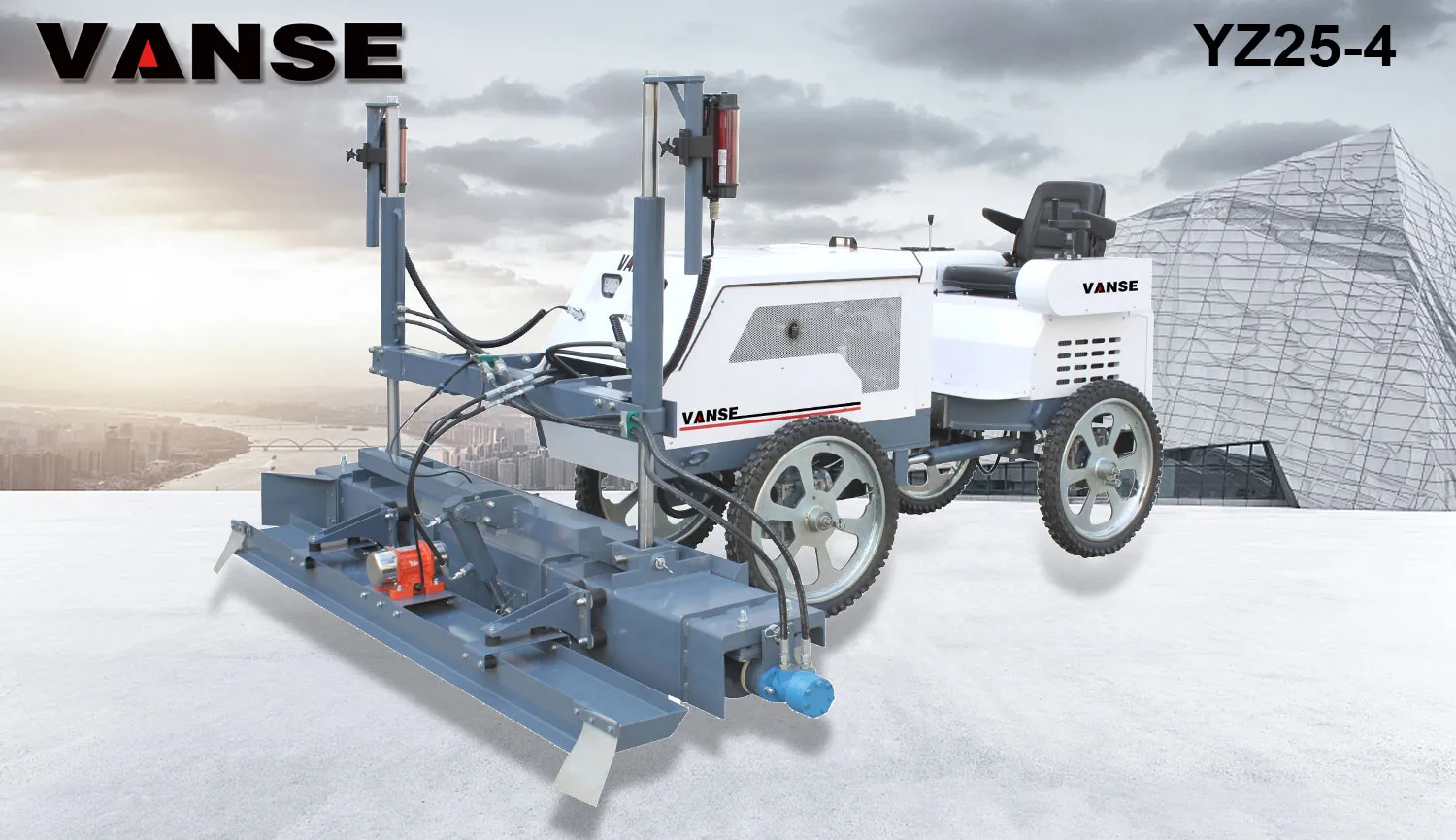
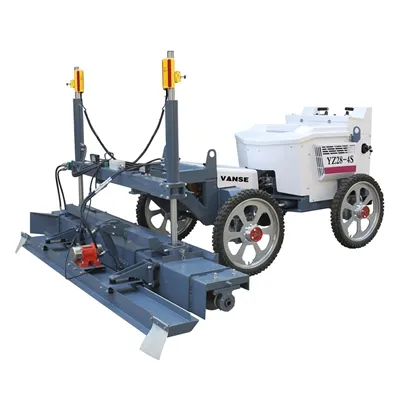
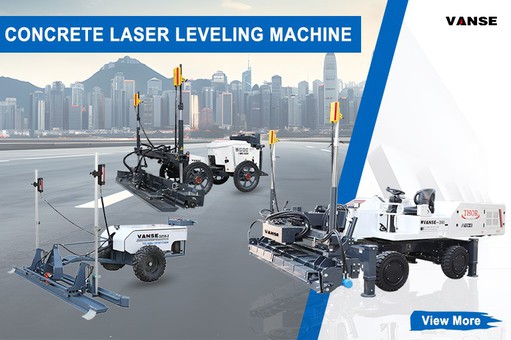
As the requirements for modern industrial floors gradually increase, more and more floor construction equipment has begun to show its power. Since its launch, laser leveling machines have been loved by the majority of users, so they can occupy a place in the leveling machine market. Laser leveling machine manufacturers have always insisted on providing users with standardized equipment and are committed to bringing more efficient construction to road construction. Laser leveling machine manufacturers will introduce some performance advantages of leveling machines to you below, I hope you can understand.
The laser leveling machine laser measurement and control system produced by laser leveling machine manufacturers automatically controls the elevation. The design elevation of the top surface of the laser system floor imported from the United States is automatically controlled by the laser machine computer, which can ensure a very high ground flatness and can be directly leveled on the concrete layer. The ground flatness is not affected by the vibration of the construction template, and no formwork is needed in the middle, which reduces the input of labor and materials, reduces the construction procedures, and speeds up the construction progress. The laser leveling machine is super flat and super economical. Since the 1990s, the practice of "clear water concrete" (floor) floor and colored wear-resistant (floor) floor has been continuously promoted. After more than ten years of exploration and continuous improvement, through the upgrade of laser leveling machine equipment and the integration and improvement of process flow, the "three super" floor in the current "leveling" product series has reached the domestic level.
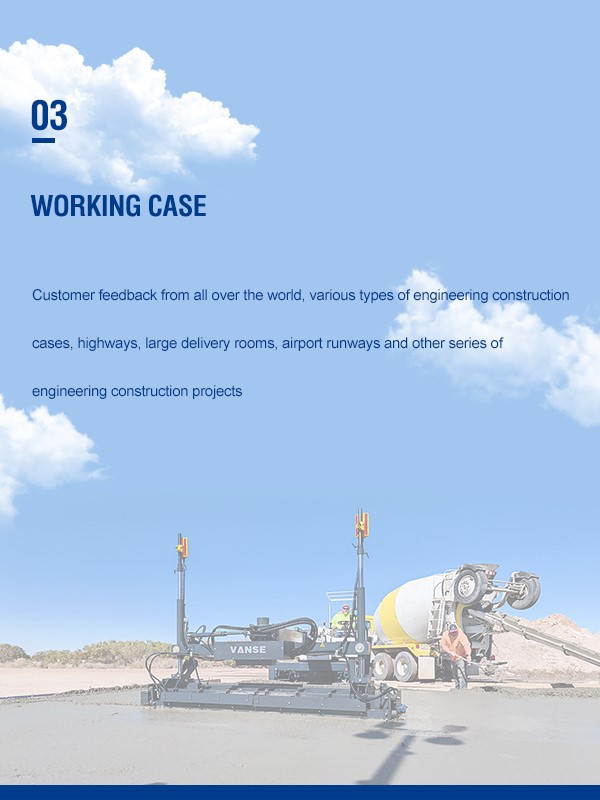
The laser leveling machine produced by the laser leveling machine manufacturer replaces the traditional manual leveling concrete. The ground elevation can reach laser-level accuracy. The laser is used to control the horizontality and flatness of the ground, so as to achieve a super-flat floor in the sense. So how much does a laser leveling machine cost? You should first understand the performance and then look at the price. The integral floor abandons the traditional practice of separate construction of the concrete base and surface layer, thereby eliminating the quality problems of cracks and hollows caused by poor bonding between the base and surface layers, and is increasingly widely used in factories, warehouses, runways, docks and other projects. Special leveling and polishing technology is used to process concrete into a high-density and high-gloss floor, and a 3~5mm thick wear-resistant layer is naturally formed on the surface. No other chemical surface materials are required to meet environmental protection requirements. Laser leveling machines are developed based on the increasing demand for floor quality such as strength, density, flatness, and levelness in modern industrial plants, large shopping malls, warehouses, and other large-area cement concrete floors.
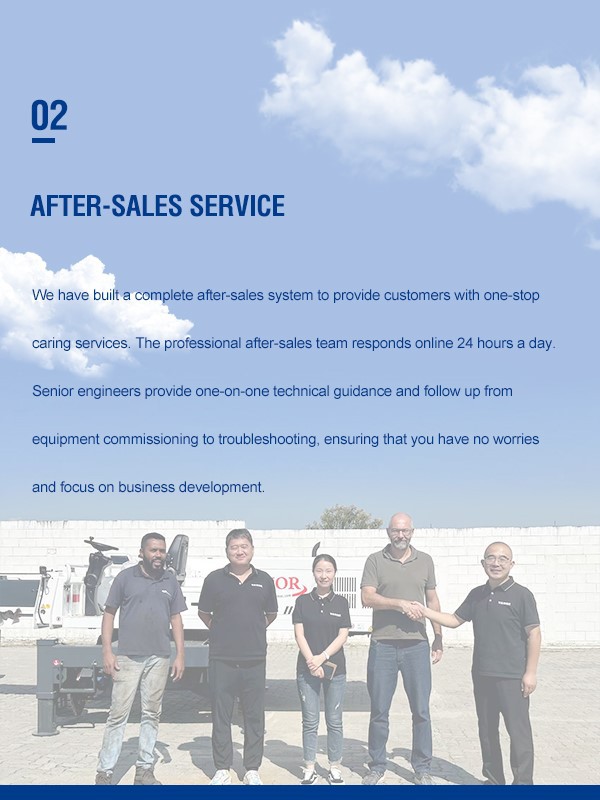
Laser leveling machine manufacturers specialize in the production of various types of leveling machines. The equipment they produce has exquisite craftsmanship, mature technology, and stable performance. We will provide customers with good after-sales service, allowing you to enjoy a relaxed and pleasant purchase process. Customers can solve problems encountered in the later use in a timely manner to ensure the normal operation of the production line
Thanks to All the Friends Who Support and Trust Shandong Vanse Machinery Technology Co., Ltd.
If you want to know more about Shandong Vanse Machinery Technology Co., Ltd. or have any questions, please feel free to contact us:
Our Factory
Shandong Vanse Machinery Technology Co., Ltd.
Share this article

About the Author: Shandong Vanse Machinery Technology Co., Ltd.
Shandong Vanse Machinery Technology Co., Ltd. is a high-tech manufacturer specializing in concrete construction machinery, including laser screeds and related equipment. The company integrates R&D, production, and global sales, with products exported to over 60 countries and widely used in infrastructure projects worldwide.
Previous Post
Next Post
Related Articles
You Might Also Like
What are the common faults and troubleshooting methods of concrete laser leveling machines?
The concrete laser leveler is a high-tech equipment used for concrete construction. It uses laser technology to level the concrete surface to improve construction quality and efficiency. However, during use, the concrete laser leveling may experience some common faults, which can be repaired with some simple troubleshooting methods. The following will introduce common faults and troubleshooting methods of concrete laser leveling machines. 1. The device cannot be turned on. The device cannot be turned on because the power cord is not connected correctly, the battery is low, or the device itself is faulty. To troubleshoot this problem, you can check whether the power cord is connected correctly, whether the battery is charged or replaced with a new one, and whether there are other malfunctions in the device. 2. The device cannot receive signals. The failure of the device to receive signals may be caused by the GPS antenna being blocked, signal receiver failure, or surrounding signal interference. To troubleshoot this fault, you can check whether the GPS antenna is blocked or move to a better location, check whether the signal receiver is faulty or replace it with a new one, eliminate surrounding signal interference, etc. 3. The device cannot scan. The device cannot scan. The reason may be that the laser head is blocked, the laser head is faulty, or the control circuit is faulty. To troubleshoot this fault, you can check whether the laser head is blocked or clean, check whether the laser head is faulty or replace it with a new one, check whether the control circuit is faulty or repair the circuit, etc. 4. The device cannot transmit data. The device cannot transmit data. The reason may be that the memory card is full, the memory card is faulty, or the connection between the device and the computer is poor. To troubleshoot this problem, you can check whether the memory card is full or delete unnecessary files, check whether the memory card is faulty or replace it with a new one, check whether the connection between the device and the computer is good, etc. 5. The device cannot be calibrated. The failure of the device to be calibrated may be caused by incorrect calibration steps, incorrect placement of the device, or errors during the calibration process. To troubleshoot this problem, you can follow the correct calibration steps, place the device in the correct location, check if there are any errors during the calibration process, etc. 6. The equipment cannot perform automatic leveling. The failure of the equipment to perform automatic leveling may be caused by sensor failure, poor connection between the sensor and the equipment, or incorrect sensor position. To eliminate this fault, you can check whether the sensor is faulty or replace it with a new one, check whether the connection between the sensor and the device is good, adjust the position of the sensor, etc. 7. The equipment cannot perform automatic smoothing. The equipment cannot perform automatic smoothing. It may be caused by motor failure, poor connection between the smoother and the equipment, or incorrect position of the smoother. To eliminate this fault, you can check whether the motor is faulty or replace it with a new one, check whether the connection between the trowel and the equipment is good, adjust the position of the trowel, etc. 8. The equipment cannot perform automatic control. The failure of the equipment to perform automatic control may be caused by controller failure, control circuit failure or control program error. To eliminate this fault, you can check whether the controller is faulty or replace it with a new controller, check whether the control circuit is faulty or repair the circuit, check whether the control program is wrong or update the program, etc. In short, there are many common faults and troubleshooting methods for concrete laser leveling machines. When a fault occurs, you should first understand the basic operating methods of the machine, and then analyze and troubleshoot according to the actual situation. If you cannot solve the problem by yourself, it is recommended to seek help from professional technicians in time.Specific operating steps of concrete laser leveling machine and trowel machine
Equipment inspection: Confirm that the laser transmitter, leveling machine head, vibrator, travel system and other components are operating normally and that the battery/fuel is sufficient. Benchmark setting: Arrange fixed points (such as steel chisels) around the construction area, install the laser transmitter and calibrate the level to ensure that the laser covers the entire work surface. Concrete paving: Use a dump truck or a spreader to evenly spread the concrete to the designed thickness (usually 2-3cm higher than the leveling machine scraper height), and ensure that the concrete slump meets the requirements (generally 120-180mm). Start the equipment: Turn on the laser receiver, adjust the scraper to the preset height, and start the vibration and leveling functions. Straight line operation: The operator controls the equipment to travel in a straight line at a uniform speed along the long side, and the laser system automatically adjusts the scraper height to complete the vibration and rough leveling. Cross operation: After the initial leveling, repeat the operation in the vertical direction to eliminate surface ripples. For corners and column root areas that cannot be covered by the laser leveler, first use a scraper to manually scrape and then use a small vibrating beam to assist in compaction. After the operation is completed, turn off the equipment and clean the residual concrete on the surface. Immediately cover with a film or spray a curing agent to prevent the concrete from losing water too quickly. Equipment inspection: Confirm that the trowel motor, blade/disc, protective cover and other components are intact, and the fuel/battery is sufficient. Confirmation of concrete status: There is a slight indentation on the concrete surface when pressing with fingers, but it is not sticky (initial setting stage), and there is no water seepage on the surface. Environmental control: In hot and dry weather, water should be sprinkled in advance to moisten the ground to avoid dust. Initial slurry lifting: Install the disc, adjust the speed to 600-800rpm, move slowly from the edge to the center, overlap 1/3 of the working width, and eliminate surface bumps. Secondary compaction: After the concrete strength increases slightly, reduce the speed to 400-600rpm, raise the slurry and compact it again to ensure a uniform surface. Angle adjustment: first adjust the blade angle to 10-15°, finish at low speed (300-400rpm), and gradually increase the angle to 25-30° to improve the surface density. Finishing in multiple passes: usually 2-3 times, with an interval of about 30 minutes between each pass, subject to the concrete surface strength. For areas that cannot be reached by machinery, use a handheld trowel or manual trowel to finish. After the operation, thoroughly clean the concrete residue on the blade/disc and check the bearing lubrication. The laser leveling machine must be completed before the initial setting of the concrete (about 1-2 Hours), the trowel machine needs to start after the initial setting to avoid sanding too early or difficulty in finishing too late. Strictly control the slump and setting time of concrete to avoid affecting the leveling effect due to material problems. The operator needs to wear protective equipment such as non-slip shoes and goggles. Personnel are prohibited from entering the working area when the equipment is moving. The operation speed should be accelerated in hot weather to avoid the concrete surface hardening too quickly; construction should be suspended on rainy days and unsolidified concrete should be covered. Surface sanding: Check whether the trowel machine is operated too early or the concrete water-cement ratio is too high. Local unevenness: Correct by manual filling or secondary vibration. Through standardized operation and detail control, the concrete surface flatness can be ensured to be within ±3mm/3m, meeting the high-precision requirements of industrial plants, commercial floors, etc.Concrete laser leveling machine safe operation and maintenance procedures
Concrete laser leveling machine safe operation and maintenance procedures 1. Equipment overview and operating environment As a modern and efficient construction equipment, concrete laser leveling machine is widely used in concrete pavement smoothing operations. It uses laser control technology to achieve high-precision road leveling and improve construction quality and efficiency. In order to ensure the normal operation and safety of the equipment, we need to have a full understanding of the equipment and its operating environment. First of all, the concrete laser leveling machine should be placed on a flat, solid site and avoid use on soft, sloping or uneven ground to prevent the equipment from overturning or being damaged. Good ventilation conditions should be maintained at the work site to avoid overheating of equipment or accumulation of harmful gases. At the same time, obvious safety warning signs should be set up at the work site to remind operators and other personnel to pay attention to safety. 2. Operator qualification requirements The operation of a concrete laser leveling requires professional skills and safety awareness, so the operator should have certain qualifications First of all, operators should hold relevant operating certificates, undergo professional training, and be familiar with the structure, performance, operating methods and safety procedures of the equipment. Secondly, operators should have good physical and psychological qualities to be able to adapt to long-term, high-intensity work requirements. In addition, operators should also have teamwork spirit and emergency response capabilities, and be able to effectively cooperate with other personnel to respond to emergencies in a timely manner. 3. Safe operation procedures In order to ensure the safe operation of the concrete laser leveling, we need to develop and implement a set of standardized operating procedures Before operation, the operator should check whether all parts of the equipment are intact and tight, whether the lubrication system is smooth, and whether the electrical system is normal. At the same time, you should check whether the laser transmitter and receiver are clean and unobstructed to ensure the transmission quality of the laser signal. During the operation, operators should strictly follow the operating procedures and are not allowed to change equipment parameters without authorization or perform illegal operations. A warning signal should be issued before starting the equipment to remind surrounding personnel to pay attention to safety. During the leveling process, operators should always pay attention to the operating status and operating results of the equipment, and adjust equipment parameters and operating methods in a timely manner to ensure leveling quality. After the operation, the operator should turn off the power of the equipment, clean the dust and debris on the surface of the equipment, and perform necessary lubrication and maintenance work. At the same time, the equipment should be parked in a designated location and anti-theft and protective measures should be taken 4. Troubleshooting and emergency handling During use, the concrete laser leveling may encounter various failures or abnormal situations. Operators should have certain troubleshooting capabilities and be able to detect and handle common faults in a timely manner. For simple faults, such as loose electrical connections, insufficient lubrication, etc., operators can troubleshoot and handle them themselves. However, for complex faults or abnormal situations, such as equipment failure to start, abnormal laser signal, etc., operators should stop operations immediately and contact professional maintenance personnel for inspection and repair. In terms of emergency handling, operators should be familiar with the location and operation methods of the equipment's emergency stop button and emergency braking device. In the event of an emergency, such as equipment losing control or personnel being injured, the operator should immediately press the emergency stop button or activate the emergency braking device to ensure the safety of equipment and personnel. 5. Daily maintenance content Routine maintenance is an important measure to ensure the normal operation of the concrete laser leveling and extend its service life. First of all, operators should clean the equipment regularly to remove dust and debris from the surface. At the same time, you should check whether all parts of the equipment are tight and not loose. Secondly, lubrication is an important part of maintenance. Operators should regularly add an appropriate amount of lubricating oil or grease to each lubrication point of the equipment to ensure that the lubrication system of the equipment is smooth. In addition, the maintenance of electrical systems cannot be ignored. Operators should regularly check the connections of electrical lines and electrical components to ensure that the electrical system is working properly. Wearing parts and consumables, such as filter elements, sealing rings, etc., should be replaced in time to avoid affecting the normal operation of the equipment. 6. Regular inspection and maintenance In addition to routine maintenance, the concrete laser leveling should also be inspected and repaired regularly. First of all, all components of the equipment should be inspected regularly, including structural parts, transmission components, hydraulic systems, etc. Seriously worn or damaged parts should be replaced or repaired in time. Second, equipment should be regularly tested and calibrated for accuracy and performance. For example, professional measuring instruments can be used to test the leveling accuracy of the equipment, and corresponding adjustments and maintenance can be made based on the test results. In terms of maintenance, a maintenance unit with professional qualifications and experience should be selected for maintenance. Maintenance personnel should strictly follow maintenance specifications to ensure maintenance quality and equipment safety. 7. Maintenance records and file management In order to better manage the maintenance work of concrete laser leveling machines, a detailed maintenance record and file management system should be established. After each maintenance, the operator should fill in the maintenance record form to record the time, content, personnel and other information of the maintenance. Maintenance record sheets should be kept well and filed regularly. At the same time, a file management system for equipment should also be established to organize the purchase, use, maintenance, repair and other records of equipment into volumes to facilitate inquiry and management. Through maintenance records and file management, we can better understand the operating status and maintenance status of the equipment, and provide a basis for preventive maintenance and troubleshooting of the equipment. At the same time, it can also be used as one of the basis for equipment evaluation and scrapping. 8. Suggestions for improving safety and efficiency In order to ensure the safe operation and efficiency improvement of concrete laser leveling machines, the following are some suggestions: First, strengthen the training and education of operators to improve their safety awareness and operating skills. Regularly organize training courses and operation drills to enable operators to master the operation methods and emergency response measures of the equipment. Secondly, optimize the operation process and management system to reduce unnecessary links and waiting time in the operation. Reasonably arrange work plans and task assignments to improve equipment utilization and work efficiency. In addition, advanced technology and equipment are introduced to upgrade the concrete laser leveling machine. For example, a more accurate laser ranging and control system can be used to improve leveling accuracy and operating efficiency. At the same time, automation and intelligent technology can be considered to realize remote monitoring and intelligent control of equipment, reducing manual intervention and operating difficulty. In addition, establish a sound safety management system and emergency plan to ensure rapid response and handling in emergencies. Conduct regular safety inspections and drills to improve the emergency response capabilities and safety awareness of operators. In summary, the safe operation and maintenance procedures for concrete laser leveling machines cover equipment overview, operator requirements, safe operation procedures, troubleshooting and emergency response, daily maintenance, regular inspection and repair, and maintenance records. and file management as well as safety and efficiency improvement suggestions. By strictly implementing these regulations and recommendations, we can ensure the normal operation and safety of the equipment, improve the quality and efficiency of leveling, and provide a strong guarantee for concrete construction. In practical applications, the implementation of safe operation and maintenance procedures for concrete laser levelings needs to be adjusted and improved according to specific circumstances. At the same time, operators and managers should continue to pay attention to the development of new technologies and new methods, and constantly update and improve the operation and maintenance methods of equipment to adapt to the changing market demands and construction environment. In addition, in order to further improve the efficiency and safety of concrete laser leveling machines, the introduction of digital and intelligent management methods can also be considered. As an example, the Internet of Things technology is used to realize remote monitoring and data analysis of equipment, and the operating parameters and maintenance cycles of the equipment are optimized through big data analysis, thereby improving the efficiency and life of the equipment. In short, the concrete laser leveling is one of the important equipments in modern concrete construction. The formulation and implementation of its safe operation and maintenance procedures are of great significance to ensure the construction quality and operation safety. By continuously improving and optimizing these regulations and suggestions, we can promote the application and development of concrete laser leveling machines in the field of concrete construction and contribute to the progress and development of the industry.