Technical Knowledge
Laser leveling & paving large-area concrete floor one-time construction method
Laser leveling and paving large-area concrete floor one-time construction method
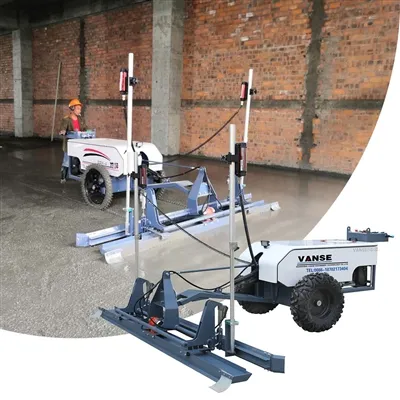
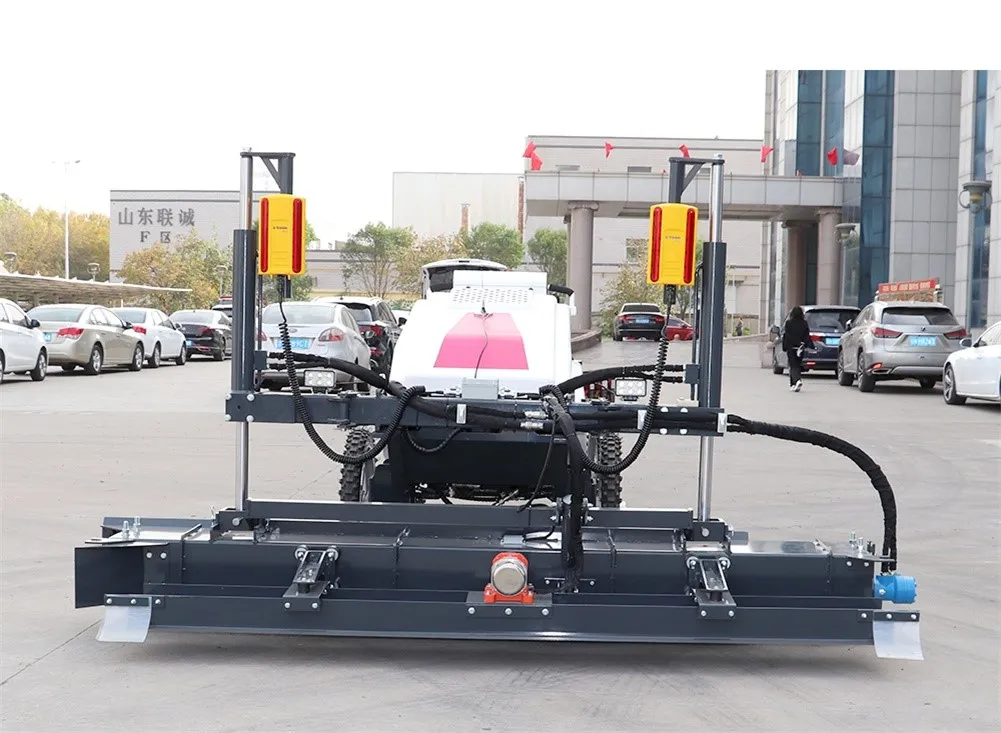
In today's society, with the advancement of science and technology and the development of the construction industry, the requirements for floor construction technology are getting higher and higher. In order to meet this demand, the sub-forming construction method of laser leveling and paving large-area concrete floors emerged at the historic moment. This construction method has gradually become the mainstream technology for floor construction due to its advantages such as high efficiency, high quality, and low cost.
1. Characteristics of construction methods
1. High efficiency:
Laser leveling technology can achieve rapid leveling of large-area floors, improving construction efficiency and shortening the construction period.
2. High quality:
Through laser control technology, high-precision floor leveling can be achieved and the flatness of the floor surface can be improved.
3. Low cost:
Compared with traditional manual leveling methods, laser leveling technology can reduce labor costs and improve material usage efficiency, thereby reducing overall construction costs.
2. Construction process
1. Preparation work:
Clean the construction site to ensure that there is no debris on the ground; check whether the functions of the laser leveler are normal.
2. Concrete mixing:
Mix the concrete materials according to the design requirements.
3. Concrete paving:
U
se a concrete truck to transport the mixed concrete to the construction site, and then use a laser leveler to pave it.
4. Laser leveling:
Start the laser leveling machine to level the concrete. During this process, the operator should pay attention to the working status of the equipment at any time to ensure that the leveling effect meets the requirements.
5. Surface treatment:
After the concrete has set, surface treatment, such as grinding and maintenance, will be carried out to improve the wear resistance and aesthetics of the floor.
6. Quality inspection:
Conduct quality inspection on the completed floor to ensure that flatness, strength and other indicators meet the design requirements.
7. Clean the site:
Clean the construction site to ensure a clean environment.
3. Precautions
1. During the construction process,
various parameters of the laser leveler should be checked regularly to ensure the normal operation of the equipment.
2. Operators
should receive professional training and be familiar with equipment operation and construction procedures.
3. When paving and leveling concrete,
pay attention to weather changes and avoid construction on rainy days.
4. During quality inspection,
if floors that do not meet the requirements are found, they should be processed and repaired in time. In summary, the one-time construction method of laser leveling and paving large-area concrete floors has significant advantages and characteristics. Through reasonable construction procedures and precautions, the efficiency and quality of floor construction can be effectively improved and construction costs reduced. In the future, with the continuous advancement of technology and the expansion of application scope, this construction method will play an even more important role in floor construction.

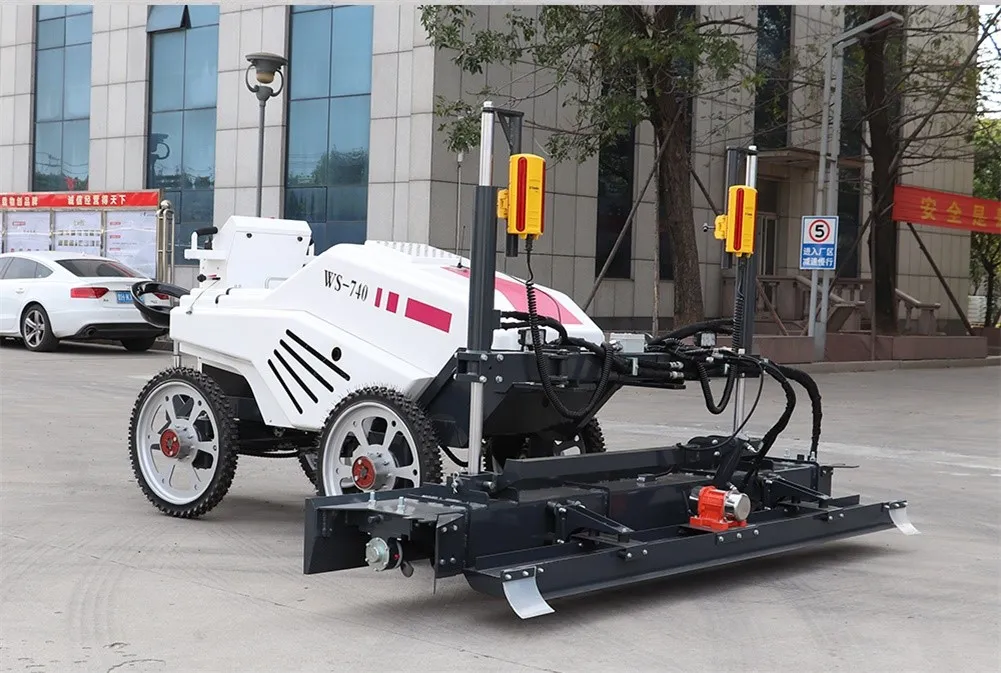
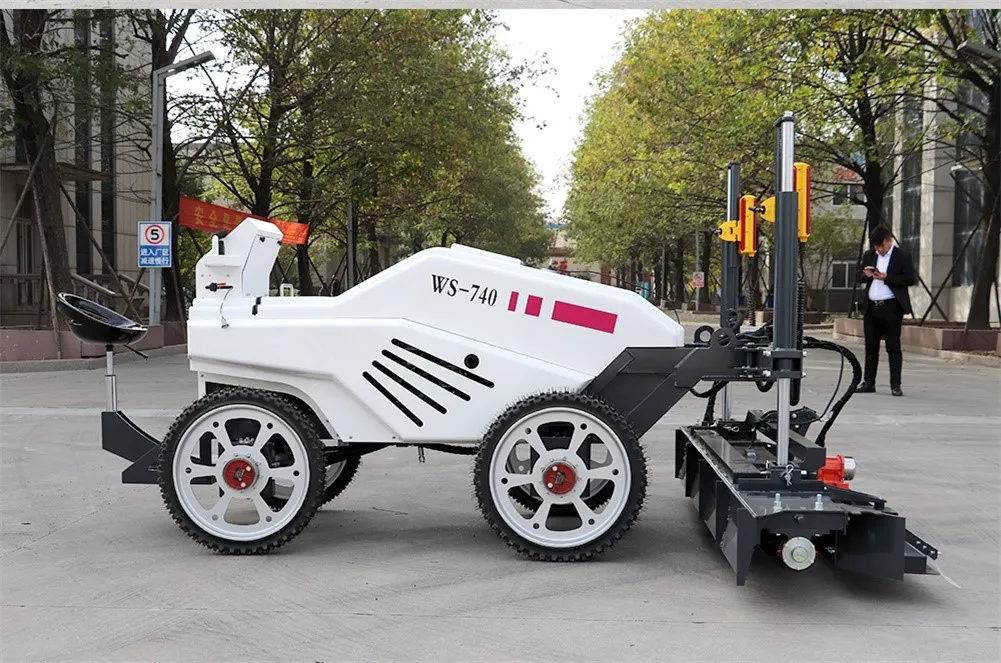
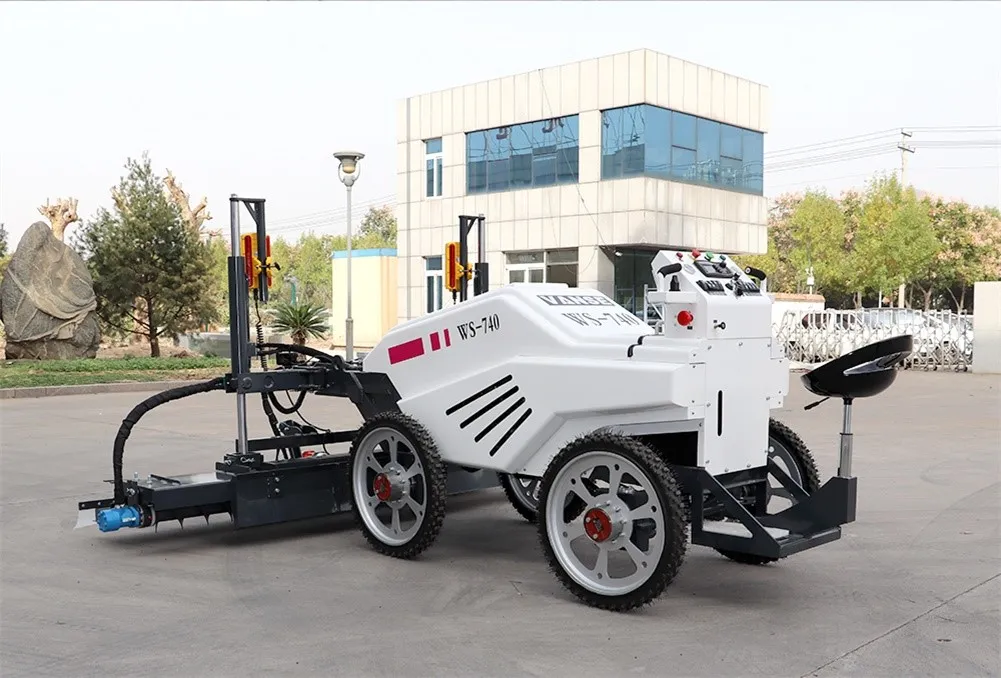
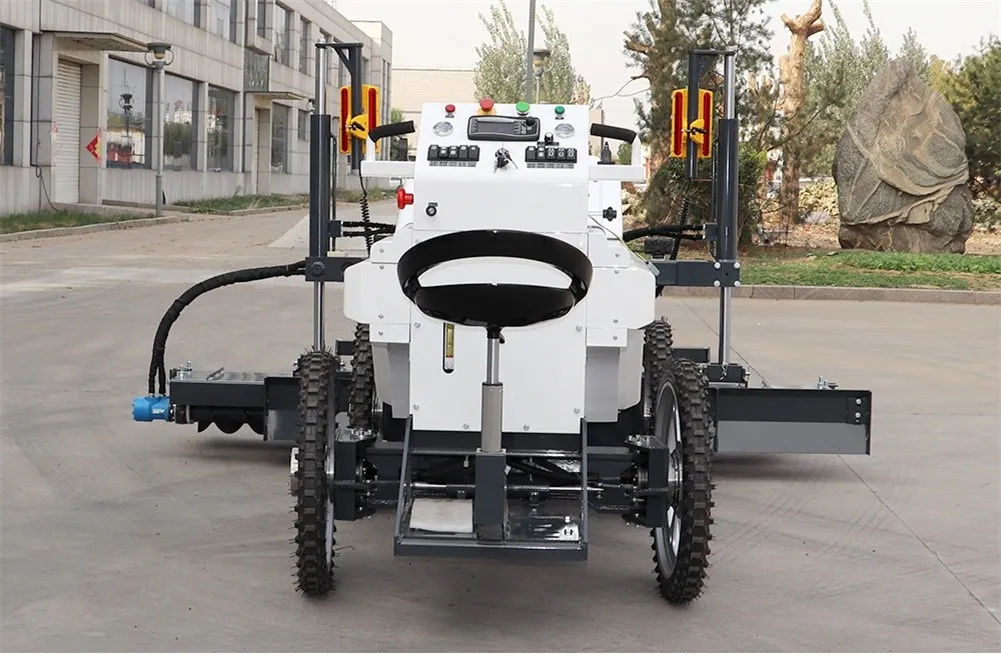
Thanks to All the Friends Who Support and Trust Shandong Vanse Machinery Technology Co., Ltd.
If you want to know more about Shandong Vanse Machinery Technology Co., Ltd. or have any questions, please feel free to contact us:
Our Factory
Shandong Vanse Machinery Technology Co., Ltd.








Share this article

About the Author: Shandong Vanse Machinery Technology Co., Ltd.
Shandong Vanse Machinery Technology Co., Ltd. is a high-tech manufacturer specializing in concrete construction machinery, including laser screeds and related equipment. The company integrates R&D, production, and global sales, with products exported to over 60 countries and widely used in infrastructure projects worldwide.
Previous Post
Next Post
Related Articles
You Might Also Like
Standard operating procedures for daily cleaning and regular deep maintenance of the power trowel machine
This SOP is designed to ensure equipment performance, extend service life and guarantee operational safety. Standardize the daily cleaning and regular maintenance of the power trowel machine to ensure that the equipment is always in good working condition, reduce the failure rate, eliminate potential safety hazards, optimize the construction quality and extend the service life of the equipment. This program is applicable to the maintenance and servicing of all electric, gasoline or hydraulic-driven power trowels (including driver-operated and hand-guided types) of our company. Operator: Responsible for performing daily cleaning and inspection, and reporting any abnormal conditions. Equipment Administrator/Mechanic: Responsible for conducting regular deep maintenance, repair and record-keeping. Project Manager/Supervisor: Responsible for supervising the implementation of the maintenance plan and providing resource support. Before carrying out any maintenance, make sure that the equipment has been completely turned off, the engine/motor has stopped, the key has been removed, and all moving parts have come to a standstill and cooled down. Wear appropriate personal protective equipment (PPE), such as gloves and safety glasses. Do not clean or maintain the equipment while it is in operation. When handling fuel, engine oil and lubricating oil, keep away from fire sources and do it in a well-ventilated area. Operation process: Cleaning -> Inspection -> Report Remove large debris: Use a scraper or wooden chips to remove large pieces of concrete and mortar adhering to the power trowel plate, the bottom of the blades and the protective cover. Rinse/Wipe Timing: If the concrete has solidified, wipe it with a damp cloth. If the equipment permits and the circuit/air filter is protected, low-pressure water can be used for flushing. However, it is strictly forbidden to directly direct water at key parts such as the engine, motor, bearing housing, and control box. Key areas: power trowel plate, blades, chassis, walking wheels (or tracks). Drying and rust prevention: Use a dry cloth to wipe off water stains on the surface of the equipment. For exposed metal parts (non-friction surfaces), apply a small amount of lubricating oil for rust prevention. Power trowel and blade: Check for excessive wear, cracks or deformation. Make sure the installation bolts are tight and not loose. Transmission system Gearbox/reducer: Check for any oil leakage or abnormal noise. Belt/chain (if any) : Check the tension and wear condition, and adjust or replace them. Engine/Motor Gasoline engine: Check if the air filter is clean and visually inspect the oil dipstick (it should be in a horizontal position). Electric motor: Check if the power cord is damaged and if the plug is intact. Walking mechanism: Check the tire pressure and wear of the walking wheels, or the tightness and wear of the tracks. Fasteners: Quickly check whether the visible bolts and nuts at all parts are loose, especially at the connection points of the power trowel and the fixing points of the handle. Safety: Check whether the emergency shut-off switch and protective cover are in good condition and effective. Fill in the "Daily Inspection Form for Equipment". If any abnormality is detected (such as abnormal noise, oil leakage, severe vibration, inability to start, etc.), immediately hang the "Under Repair" sign and report to the equipment administrator. In addition to the daily content, add: Engine maintenance (gasoline engine) Change the engine oil (refer to the manufacturer's manual. The first maintenance is usually carried out after 20 to 30 hours of operation). Clean or replace the air filter element (more frequently in dusty environments). Check the spark plugs, clean the carbon deposits, adjust the clearance or replace them. Check and clean the fuel filter. Transmission system Gearbox: Check the oil level and replenish or replace the specified gear oil if necessary. Bearings: Apply high-temperature lithium-based grease to the main shaft bearings of the power trowel plate, the bearings of the walking wheels, etc. Comprehensive tightening: Use a torque wrench to re-tighten all key bolts in accordance with the torque values specified by the manufacturer. Electrical system: Check whether all wire connections are firm and clean the dust on the heat sink of the motor housing. Carried out by professional mechanics, it includes all first-level maintenance contents and adds: Deep cleaning and inspection Remove the protective cover and thoroughly clean the accumulated dust and oil stains inside. Check the wear condition of the clutch plates (if any). Deep maintenance of the transmission system Replace all the lubricating oil in the gearbox. Check for wear on the belts/chains and replace them in groups if necessary. Check the clearance and abnormal noise of the bearings, and replace them if necessary. Fuel system (gasoline engine) Clean the carburetor. Empty and clean the fuel tank (this must be done before long-term storage). Walking mechanism Inspect the wheel axles and steering mechanism, and apply grease. For the driving type power trowel, check the hydraulic oil level and whether there is any leakage in the hydraulic pipeline. Performance test After the maintenance is completed, run the equipment no-load for 10 to 15 minutes to check for any abnormal sounds, vibrations, overheating or oil leakage, and to ensure that each control lever operates flexibly and effectively. Thorough cleaning: As mentioned earlier, thoroughly clean the equipment and dry it. Fuel treatment (gasoline engine) : Drain the fuel from the fuel tank and carburetor, or add fuel stabilizer and run the engine for 5 minutes to fill the stabilizer system. Engine maintenance Change the engine oil. Remove the spark plug, inject about 15 milliliters of engine oil into the cylinder, pull the starting rope several times to distribute the oil, and then reinstall the spark plug. Anti-corrosion treatment: Apply anti-rust oil to all exposed metal surfaces. Apply butter to the smears and leaves to prevent rust. Storage location: Store the equipment in a dry, well-ventilated and flat indoor area. Lower the power trowel plate to the ground to release the pressure of the hydraulic system (if applicable). Lift the tire off the ground or maintain the standard air pressure. After each maintenance, the maintenance date, operating hours, maintenance items, replaced parts and oils, and the signature of the maintenance person must be recorded in detail on the "power trowel Maintenance and Repair Record Card". The record card should be randomly saved for easy tracking of the equipment's history. Core principles: Prevention first, cleanliness foremost, follow regulations, and keep complete records. Strict maintenance is not only about cost savings, but also an important guarantee for project quality and construction safety. Note: The parameters provided in this document are for reference only and are not mandatory. Due to differences in technical characteristics between different brands and models of laser levelers, please consult the manufacturer for a suitable solution before actual operation. This reference document assumes no responsibility for any issues arising from failure to follow the manufacturer's instructions.How to avoid concrete surface delamination
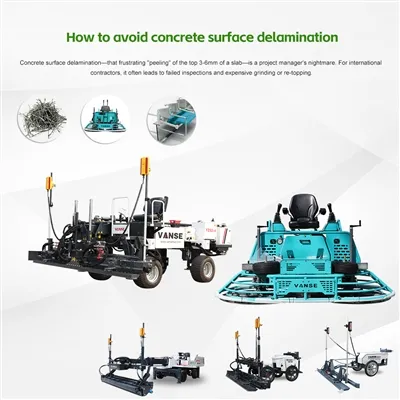
Concrete surface delamination-that frustrating "peeling" of the top 3-6mm of a slab-is a project manager's nightmare. For international contractors, it often leads to failed inspections and expensive grinding or re-topping. In the industry, we know the main culprit: trapped bleed water or air. If you seal the surface too early, you create a hollow "blister" that eventually snaps off. To avoid this, you need a workflow that prioritizes timing and uniform compaction. Here is how to eliminate delamination risks using a professional-grade fleet from Vanse Machinery. Delamination often starts with inconsistent concrete placement. If one part of the bay is thicker or wetter than the next, the bleed water will rise at different rates. The Vanse Workflow: Instead of dumping large, uneven piles that create "wet spots," use a Vanse Concrete Distributor to ensure an even ribbon of material. If the slab isn't consolidated from the bottom up, air pockets can migrate to the surface during finishing, leading to "blisters." The Vanse Workflow: A Vanse Concrete Laser Leveling Machine (like the YZ28-4S or the telescopic YZ30-4E) doesn't just "scrape" the top; it uses high-frequency vibration (up to 4000rpm) to liquefy and consolidate the entire depth of the slab in one pass. This forces out excess air and ensures the bleed water rises naturally and evenly across the entire floor. Many delamination issues occur because manual dry-shake hardener is applied unevenly, preventing a proper bond with the base slab. The Vanse Workflow: Use the Vanse Automatic Topping Spreader. By mechanically applying the hardener immediately after the laser leveling pass, you ensure the material integrates perfectly with the wet paste. This creates a monolithic bond that won't "peel" under heavy forklift traffic. The most common cause of delamination is premature troweling. If you start "burning" the floor while bleed water is still rising, you are guaranteed to have peeling issues. The Vanse Workflow: When you use a high-performance Vanse VS1046 Ride-on Power Trowel, you have the torque and weight to wait for the "Goldilocks" window. Because Vanse machines are so efficient, you don't have to rush the first pass. You can wait for the bleed water to fully evaporate, then use the precision pitch control to densify the surface without trapping moisture underneath. Sometimes "peeling" happens near the edges of joints due to localized stress or "spalling." The Vanse Workflow: As soon as the floor is hard enough to walk on, use a Vanse Concrete Cutting Machine (Floor Saw). A clean, straight cut ensures that the slab can "breathe" and move during the curing process, preventing the edges from lifting or delaminating during the critical first 48 hours. Technical Cause of Peeling Prevention Strategy Vanse Advantage Inconsistent Placement Controlled, even distribution. Concrete Distributor & Mini Dumper Trapped Air/Water Bottom-up consolidation. High-Frequency Laser Leveling Machine Poor Hardener Bond Mechanical, even application. Automatic Topping Spreader Premature Sealing High-torque finishing at the right time. VS836 / VS1046 Power Trowel Edge Stress Early, clean joint execution. Stable Concrete Cutting Machine Avoiding delamination is all about respecting the concrete's timeline. You can't force the water to stop rising, but you can use equipment that works with the material. By combining the placement precision of the Mini Dumper, the leveling power of the Laser leveling, and the finishing torque of the Power Trowel, you ensure a floor that is as durable as it is flat. Don't risk your reputation on a "peeling" floor. Explore the full professional lineup at www.vansemac.com and build it right the first time. Note: The parameters provided in this document are for reference only and are not mandatory. Due to differences in technical characteristics between different brands and models of laser levelers, please consult the manufacturer for a suitable solution before actual operation. This reference document assumes no responsibility for any issues arising from failure to follow the manufacturer's instructions.How to evaluate the reliability of concrete laser leveling machine?
In the field of modern concrete construction, concrete laser leveling machine (concrete laser leveling machine or concrete laser leveler) has become the preferred equipment for many large projects due to its high efficiency and precision. With the continuous increase in the industry's requirements for construction quality and efficiency, as well as the continuous development of industries such as infrastructure construction and real estate, the market demand for concrete laser leveling machines is growing. According to relevant reports, the global concrete laser leveling machine market size is expected to reach US$1.76 billion in 2025, with an annual growth rate of approximately 11.4%. In this context, it is particularly important to evaluate the reliability of concrete laser leveling machines, which is not only related to construction quality, but also closely related to the cost and progress of the project. Leveling accuracy is the core performance indicator of concrete laser leveling machines, which directly determines the flatness of the concrete surface after construction. In projects such as airport runways and precision electronic factories that require extremely high ground flatness, high-precision laser leveling machines are indispensable. Some of the internationally renowned brands use advanced 3D laser scanning technology to achieve a flatness accuracy of ±2 mm. Some leading domestic companies, such as Shandong Vanse Machinery Technology Co., Ltd., currently have product accuracy of ±2 mm, of which the WS940C/YZ30-4E uses 3D laser scanning technology. When evaluating the leveling accuracy, you can view the technical parameter description of the equipment and refer to the test data of actual construction cases. At the same time, pay attention to the stability of the laser system. Stable laser signal transmission can ensure continuous and accurate leveling operations. For example, in the floor construction of large shopping malls, the use of high-precision laser leveling machines can ensure that the floor will not cause uneven laying of floor tiles or inconvenience for pedestrians due to flatness problems during long-term use. Work efficiency directly affects the construction progress and cost of the project. Taking the common large-scale industrial plant construction as an example, the traditional manual leveling method not only consumes a lot of manpower, but also has a slow construction speed, while the concrete laser leveling machine shows significant advantages. The concrete laser paving and leveling machine can complete 3,000 square meters of work per day and 350 square meters per hour (depending on the type of machine, the construction area completed varies), greatly shortening the construction cycle. When evaluating work efficiency, it is necessary to comprehensively consider parameters such as the equipment's travel speed, vibration frequency, and scraping width. At the same time, combined with the actual construction environment, such as site size and concrete supply, it is necessary to determine whether the equipment can maintain efficient operation under different working conditions. For example, in the construction of a narrow underground parking lot, the mobility and flexible operation of the equipment have a greater impact on work efficiency. As the "eye" of the concrete laser leveling machine, the stability of the laser system is crucial. A stable laser system can ensure that the equipment continues to provide an accurate elevation benchmark during long-term operation. Some high-end laser leveling machines are equipped with a dual-axis automatic compensation system, which can effectively reduce the interference of the laser signal caused by uneven ground or equipment vibration. When evaluating the stability of the laser system, the performance of the equipment under different ground conditions can be observed, such as whether the laser system can quickly adjust and maintain stable elevation control when constructing on a foundation with large undulations. At the same time, understand the protection level and anti-interference ability of the laser transmitter, as well as whether it has an automatic calibration function. For example, in a dusty construction site, a laser transmitter with a good dustproof design can better maintain signal stability and ensure the accuracy of the leveling operation. Reasonable structural design is the basis for ensuring the stable operation and durability of the concrete laser leveling machine. The overall structure of the equipment should fully consider the stress conditions during operation to ensure that key components such as the frame and vibrating device have sufficient strength and rigidity. Taking the driving laser leveling machine as an example, its frame structure needs to bear the weight of the equipment itself, the weight of the operator, and the vibration impact during operation. Therefore, it is mostly welded with high-strength steel and optimized to disperse stress and prevent deformation or breakage. In addition, the layout of the equipment should be easy to operate and maintain, and the connection and transmission methods between the components should be simple and reliable. For example, some advanced laser leveling machines adopt a modular design, integrating components with different functions into independent modules, which is convenient for quick replacement of faulty modules during maintenance and shortening downtime. The manufacturing process is directly related to the quality and reliability of the equipment. During the manufacturing process of high-quality concrete laser leveling machines, extremely high processing accuracy is required for parts. Taking the scraper of the leveling machine as an example, the surface flatness and straightness errors must be controlled within a very small range to ensure uniformity and high precision when leveling concrete. At the same time, advanced welding technology and surface treatment technology are also the key to improving equipment quality. For example, the use of robot welding technology can ensure uniform and firm welds and improve the stability of welding quality; hot-dip galvanizing or painting of key components can effectively enhance the anti-corrosion ability of the equipment and extend its service life. When evaluating the manufacturing process level, you can check the production qualifications and quality certification system of the equipment manufacturer, as well as understand its reputation and performance in the industry. For example, manufacturers with ISO quality management system certification usually follow stricter quality control standards during the production process. The durability of key components of concrete laser leveling machines, such as engines, hydraulic systems, electrical components, etc., directly affects the overall service life of the equipment. Take the engine as an example. Under the condition of continuous long-term operation, high-quality engines can maintain stable power output, and have good heat dissipation performance and low failure rate. Some laser leveling machines that use well-known brand engines can run for thousands of hours without failure under harsh working conditions after rigorous durability testing. When evaluating the durability of key components, you can check the brand, model and related technical parameters of the components to understand their reputation and actual application cases in the market. At the same time, pay attention to the warranty period of the components provided by the manufacturer. A longer warranty period usually means confidence in the quality of the components. For example, if the oil pump, oil cylinder and other components in the hydraulic system are made of high-quality materials and advanced manufacturing processes, leakage and wear can be effectively reduced, and the reliability and durability of the system can be improved. Equipment that is easy to maintain can reduce the cost of use and improve the availability of the equipment. The concrete laser leveling machine should have a design that is convenient for inspection, cleaning and replacement of parts. For example, the engine hood of the equipment should be easy to open, so as to facilitate daily inspection of oil level, air filter and other components; the installation position of key components should be easy to operate, such as the filter element of the hydraulic system, which should be designed in a position that is easy to disassemble and replace. In addition, the manufacturer should provide a detailed maintenance manual to clarify the maintenance cycle, maintenance items and operation methods, and provide original parts support in a timely manner. Some advanced laser leveling machines are also equipped with a fault diagnosis system that can quickly locate the fault point and provide accurate maintenance instructions for maintenance personnel. For example, when the electrical system of the equipment fails, the fault diagnosis system can prompt the specific fault code through the indicator light or display screen to help maintenance personnel quickly troubleshoot the problem and shorten the maintenance time. By investigating the actual performance of concrete laser leveling machines under different working conditions, we can more intuitively understand its reliability. In the construction of large storage centers, due to the large ground area and high flatness requirements, the laser leveling machine needs to work continuously for a long time, which is a great test for the stability and durability of the equipment. In the construction of some outdoor parking lots with complex terrain, the equipment not only has to deal with the ups and downs of the ground, but may also face the influence of bad weather. At this time, the adaptability and reliability of the equipment are particularly important. By collecting construction feedback from similar projects, we can fully understand the advantages and disadvantages of the equipment under different working conditions. User feedback and word of mouth are important bases for evaluating the reliability of concrete laser leveling machines. In industry forums, social media groups and professional equipment evaluation websites, a large number of users' evaluations of laser leveling machines of different brands and models can be collected. For example, after using a certain brand of laser leveling machine for a period of time, some users reported that the laser system of the equipment had a problem of reduced accuracy after half a year of use, while other users praised a certain equipment for its simple operation and convenient maintenance, and stable performance in multiple projects. In addition, you can communicate with construction companies and engineering contractors who have actually used the equipment to understand the problems they encountered during long-term use and their evaluation of the overall performance of the equipment. By comprehensively analyzing a large number of user feedback, we can have a more accurate understanding of the reliability of concrete laser leveling machines of different brands and models, and provide a strong reference for equipment selection. Click the below to jump immediately!!! ARMOUR JOINT CONCRETE LASER LEVELING MACHINE LIGHT TOWER POWER TROWEL SLIPFORM MACHINE STEEL FIBER TOPPING SPREADER TRACKED MINI DUMPER