Technical Knowledge
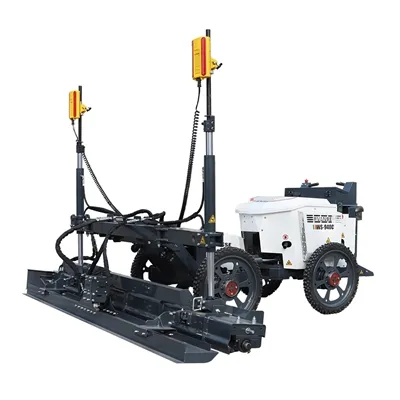
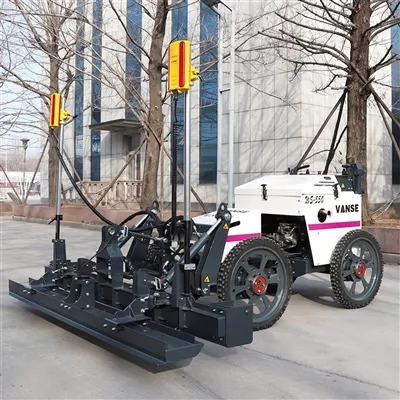
Is the concrete laser leveling machine easy to use? Is it worth buying?

The concrete laser leveling has been officially on the market for 8 years so far, and the quality technology has become mature and stable. There are fewer and fewer young people working in the construction and flooring industry. A project requires at least 20 people. According to the minimum wage standard of 150 yuan/person per day, the daily personnel expense is 3,000 yuan, and the average age of the personnel is 50 years old. Above, work efficiency cannot be guaranteed. In addition, formwork and channel steel need to be supported, which is a considerable expense.
It takes up to eight people to complete a job with a laser leveling machine. The daily salary cost is 1,200 yuan, which saves 600,000 yuan a year. The money saved can be used to buy a luxury car. Today's laser leveling machines are becoming more and more intelligent, and the operation is very simple and can be learned in a while. The ground error made by the laser leveling machine is also small and easily reaches the standard. The results produced by the laser leveling machine will quickly make you famous, and many people will come to you to work for you. You can also rent out your machine to make some extra money if it is idle. In the future, you don’t have to worry if you encounter projects that require fast construction deadlines and small error requirements. I can do 300 square meters in one hour, and I guarantee that it will be completed on time, and the work will be done beautifully and you will be waiting for payment.
Nowadays, the configuration of laser leveling machines is becoming more and more perfect, and there are many configurations for you to choose from. Some are suitable for sloping, some are suitable for workshop floors, some are suitable for pig farms, some are suitable for residential floor steel mesh, and some are suitable for basement garages. Yes, you can also customize it according to your actual situation.
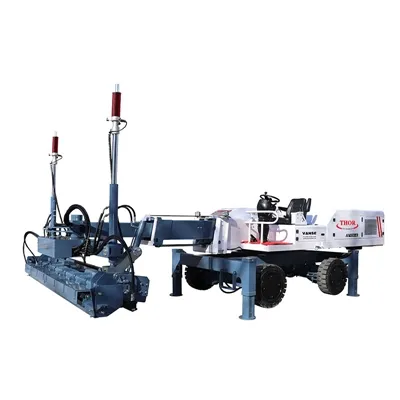
VANSE Laser Leveling Machine has been in the industry for so many years and has been constantly researching and innovating. The technology is getting better and better, and the machines are getting better and better to use. Every new laser leveling machine developed is sought after by the market. Small laser leveling machines, large laser leveling machines, and heavy-duty concrete telescopic arm leveling machines are all mature. With stable production experience, the quality of laser leveling machines has been recognized and affirmed by customers. VANSE's after-sales service is also well-known in the industry. VANSE always puts the interests of customers first. Any needs for laser leveling machines will be solved as soon as possible, which is something other companies cannot do.
When choosing a laser leveling machine, don’t we just look at the quality and after-sales service? 13 years of production and sales experience are enough to prove the quality of the machine, and the good after-sales reputation and word-of-mouth from old customers are enough to prove our after-sales service. And we can provide you with professional construction plans based on our many years of experience.
Thanks to All the Friends Who Support and Trust Shandong Vanse Machinery Technology Co., Ltd.
If you want to know more about Shandong Vanse Machinery Technology Co., Ltd. or have any questions, please feel free to contact us:
Our Factory
Shandong Vanse Machinery Technology Co., Ltd.








Share this article

About the Author: Shandong Vanse Machinery Technology Co., Ltd.
Shandong Vanse Machinery Technology Co., Ltd. is a high-tech manufacturer specializing in concrete construction machinery, including laser screeds and related equipment. The company integrates R&D, production, and global sales, with products exported to over 60 countries and widely used in infrastructure projects worldwide.
Previous Post
Next Post
Related Articles
You Might Also Like
How to ensure the construction safety of concrete laser leveling machine?
••◆•• Introduction ••◆•• With the advancement of science and technology, concrete laser levelings are increasingly used in construction projects. In order to ensure the safety of the construction process, we must take a series of measures to ensure the normal operation and safe operation of the equipment. ••◆•• Equipment performance testing ••◆•• 1. Before using the concrete laser leveling machine, a comprehensive performance test must be carried out, including mechanical components, electrical systems, laser systems, etc. 2. Regularly maintain and calibrate the equipment to ensure its accuracy and stability. ••◆•• Operator training ••◆•• 1. Operators must undergo professional training and be familiar with the structure and operating principles of the equipment. 2. The training content includes but is not limited to basic operation of equipment, safe operating procedures, emergency response measures, etc. ••◆•• Safety operating regulations ••◆•• 1. Develop and implement strict safety operating regulations to ensure that operators comply with regulations. 2. Operators must wear protective equipment such as safety helmets, protective glasses, and dust-proof mouthpieces. ••◆•• Construction Environmental Assessment ••◆•• 1. Before construction, a detailed environmental assessment must be conducted on the construction site, including topography, climate, traffic and other factors. 2. Based on the assessment results, formulate corresponding safety measures to ensure the safety of the construction process. ••◆•• Formulation of emergency plans ••◆•• 1. Develop contingency plans for possible emergencies, including equipment failure, casualties, etc. 2. Conduct regular emergency drills to improve the ability to respond to emergencies. ••◆•• On-site safety supervision ••◆•• 1. Set up on-site safety supervision personnel to monitor the entire construction process. 2. When safety hazards are discovered, take immediate measures to make corrections to ensure construction safety. ••◆•• Regular maintenance ••◆•• 1. Perform regular maintenance on the concrete laser leveling to ensure the normal operation of the equipment. 2. Maintenance includes cleaning, lubrication, tightening, etc. to ensure the performance and accuracy of the equipment. ••◆•• Post-construction quality inspection ••◆•• 1. After the construction is completed, the construction quality must be comprehensively inspected to ensure that it meets the design requirements. 2. If quality problems are found, rectification should be made immediately to ensure the safety and stability of the project. ••◆•• Conclusion ••◆•• The construction safety of concrete laser leveling machine is an aspect that cannot be ignored in construction projects. Through the implementation of equipment performance testing, operator training, safe operating specifications, construction environment assessment, emergency plan formulation, on-site safety supervision, regular maintenance and post-construction quality inspection, we can effectively ensure the construction of concrete laser leveling machines. Safety provides a strong guarantee for the smooth progress of construction projects.Concrete laser leveling machine safe operation and maintenance procedures
Concrete laser leveling machine safe operation and maintenance procedures 1. Equipment overview and operating environment As a modern and efficient construction equipment, concrete laser leveling machine is widely used in concrete pavement smoothing operations. It uses laser control technology to achieve high-precision road leveling and improve construction quality and efficiency. In order to ensure the normal operation and safety of the equipment, we need to have a full understanding of the equipment and its operating environment. First of all, the concrete laser leveling machine should be placed on a flat, solid site and avoid use on soft, sloping or uneven ground to prevent the equipment from overturning or being damaged. Good ventilation conditions should be maintained at the work site to avoid overheating of equipment or accumulation of harmful gases. At the same time, obvious safety warning signs should be set up at the work site to remind operators and other personnel to pay attention to safety. 2. Operator qualification requirements The operation of a concrete laser leveling requires professional skills and safety awareness, so the operator should have certain qualifications First of all, operators should hold relevant operating certificates, undergo professional training, and be familiar with the structure, performance, operating methods and safety procedures of the equipment. Secondly, operators should have good physical and psychological qualities to be able to adapt to long-term, high-intensity work requirements. In addition, operators should also have teamwork spirit and emergency response capabilities, and be able to effectively cooperate with other personnel to respond to emergencies in a timely manner. 3. Safe operation procedures In order to ensure the safe operation of the concrete laser leveling, we need to develop and implement a set of standardized operating procedures Before operation, the operator should check whether all parts of the equipment are intact and tight, whether the lubrication system is smooth, and whether the electrical system is normal. At the same time, you should check whether the laser transmitter and receiver are clean and unobstructed to ensure the transmission quality of the laser signal. During the operation, operators should strictly follow the operating procedures and are not allowed to change equipment parameters without authorization or perform illegal operations. A warning signal should be issued before starting the equipment to remind surrounding personnel to pay attention to safety. During the leveling process, operators should always pay attention to the operating status and operating results of the equipment, and adjust equipment parameters and operating methods in a timely manner to ensure leveling quality. After the operation, the operator should turn off the power of the equipment, clean the dust and debris on the surface of the equipment, and perform necessary lubrication and maintenance work. At the same time, the equipment should be parked in a designated location and anti-theft and protective measures should be taken 4. Troubleshooting and emergency handling During use, the concrete laser leveling may encounter various failures or abnormal situations. Operators should have certain troubleshooting capabilities and be able to detect and handle common faults in a timely manner. For simple faults, such as loose electrical connections, insufficient lubrication, etc., operators can troubleshoot and handle them themselves. However, for complex faults or abnormal situations, such as equipment failure to start, abnormal laser signal, etc., operators should stop operations immediately and contact professional maintenance personnel for inspection and repair. In terms of emergency handling, operators should be familiar with the location and operation methods of the equipment's emergency stop button and emergency braking device. In the event of an emergency, such as equipment losing control or personnel being injured, the operator should immediately press the emergency stop button or activate the emergency braking device to ensure the safety of equipment and personnel. 5. Daily maintenance content Routine maintenance is an important measure to ensure the normal operation of the concrete laser leveling and extend its service life. First of all, operators should clean the equipment regularly to remove dust and debris from the surface. At the same time, you should check whether all parts of the equipment are tight and not loose. Secondly, lubrication is an important part of maintenance. Operators should regularly add an appropriate amount of lubricating oil or grease to each lubrication point of the equipment to ensure that the lubrication system of the equipment is smooth. In addition, the maintenance of electrical systems cannot be ignored. Operators should regularly check the connections of electrical lines and electrical components to ensure that the electrical system is working properly. Wearing parts and consumables, such as filter elements, sealing rings, etc., should be replaced in time to avoid affecting the normal operation of the equipment. 6. Regular inspection and maintenance In addition to routine maintenance, the concrete laser leveling should also be inspected and repaired regularly. First of all, all components of the equipment should be inspected regularly, including structural parts, transmission components, hydraulic systems, etc. Seriously worn or damaged parts should be replaced or repaired in time. Second, equipment should be regularly tested and calibrated for accuracy and performance. For example, professional measuring instruments can be used to test the leveling accuracy of the equipment, and corresponding adjustments and maintenance can be made based on the test results. In terms of maintenance, a maintenance unit with professional qualifications and experience should be selected for maintenance. Maintenance personnel should strictly follow maintenance specifications to ensure maintenance quality and equipment safety. 7. Maintenance records and file management In order to better manage the maintenance work of concrete laser leveling machines, a detailed maintenance record and file management system should be established. After each maintenance, the operator should fill in the maintenance record form to record the time, content, personnel and other information of the maintenance. Maintenance record sheets should be kept well and filed regularly. At the same time, a file management system for equipment should also be established to organize the purchase, use, maintenance, repair and other records of equipment into volumes to facilitate inquiry and management. Through maintenance records and file management, we can better understand the operating status and maintenance status of the equipment, and provide a basis for preventive maintenance and troubleshooting of the equipment. At the same time, it can also be used as one of the basis for equipment evaluation and scrapping. 8. Suggestions for improving safety and efficiency In order to ensure the safe operation and efficiency improvement of concrete laser leveling machines, the following are some suggestions: First, strengthen the training and education of operators to improve their safety awareness and operating skills. Regularly organize training courses and operation drills to enable operators to master the operation methods and emergency response measures of the equipment. Secondly, optimize the operation process and management system to reduce unnecessary links and waiting time in the operation. Reasonably arrange work plans and task assignments to improve equipment utilization and work efficiency. In addition, advanced technology and equipment are introduced to upgrade the concrete laser leveling machine. For example, a more accurate laser ranging and control system can be used to improve leveling accuracy and operating efficiency. At the same time, automation and intelligent technology can be considered to realize remote monitoring and intelligent control of equipment, reducing manual intervention and operating difficulty. In addition, establish a sound safety management system and emergency plan to ensure rapid response and handling in emergencies. Conduct regular safety inspections and drills to improve the emergency response capabilities and safety awareness of operators. In summary, the safe operation and maintenance procedures for concrete laser leveling machines cover equipment overview, operator requirements, safe operation procedures, troubleshooting and emergency response, daily maintenance, regular inspection and repair, and maintenance records. and file management as well as safety and efficiency improvement suggestions. By strictly implementing these regulations and recommendations, we can ensure the normal operation and safety of the equipment, improve the quality and efficiency of leveling, and provide a strong guarantee for concrete construction. In practical applications, the implementation of safe operation and maintenance procedures for concrete laser levelings needs to be adjusted and improved according to specific circumstances. At the same time, operators and managers should continue to pay attention to the development of new technologies and new methods, and constantly update and improve the operation and maintenance methods of equipment to adapt to the changing market demands and construction environment. In addition, in order to further improve the efficiency and safety of concrete laser leveling machines, the introduction of digital and intelligent management methods can also be considered. As an example, the Internet of Things technology is used to realize remote monitoring and data analysis of equipment, and the operating parameters and maintenance cycles of the equipment are optimized through big data analysis, thereby improving the efficiency and life of the equipment. In short, the concrete laser leveling is one of the important equipments in modern concrete construction. The formulation and implementation of its safe operation and maintenance procedures are of great significance to ensure the construction quality and operation safety. By continuously improving and optimizing these regulations and suggestions, we can promote the application and development of concrete laser leveling machines in the field of concrete construction and contribute to the progress and development of the industry.The laser leveling machine is very fuel intensive? Understand these three operations, fuel consumption drop!
Fuel consumption can be said to be a point of particular concern to most laser leveling machine users. Since the leveling machine is used very frequently during the construction stage, the fuel consumption will continue to increase accordingly. In the long run, the overall cost of using the laser leveling machine will inevitably rise sharply, so it will be difficult to obtain ideal economic benefits. In fact, fuel consumption can be reduced in the process of using the laser leveling machine, of course, the premise is that the correct operation method needs to be mastered. ❥ Reduce unnecessary idling: If you want to save fuel, you need to reduce the necessary idling of the engine. It should be clear that when the laser leveling machine is idling, it is also using the hydraulic pump to circulate the hydraulic oil. The longer the idling time, the more fuel is wasted. The correct way to save fuel is to try not to idle the laser leveling machine when standing by and resting. This is one of the secrets to saving fuel. ❥ Master the correct operation: If you want to reduce unnecessary operations that increase fuel consumption in the laser leveling machine, the premise is that you must first be familiar with the basic operations of the leveling machine and master the correct operations of loading, walking, rotation, leveling, slope repair and other operations. Who should be blamed for the fuel consumption of the leveling machine if the foundation is not good? I would like to remind the newcomers who have just entered the industry to listen to the advice of the old drivers and learn the leveling operation well. ❥ Reduce the engine speed: When performing the same excavation operation, when the engine is at a higher speed, the laser leveling machine operates faster, but consumes more fuel; when operating at non-full throttle, appropriately reduce the engine speed. Although the operating speed is reduced, it can reduce fuel consumption and improve fuel efficiency. ❥ Walking at non-full throttle: The laser leveling machine should be walked at non-full throttle of the engine. Everyone should know that the higher the engine speed, the faster the walking speed and the higher the fuel consumption. Reducing the engine speed during operation can improve the fuel consumption efficiency during walking. ❥ Try not to do invalid actions: If you want to save fuel, you must also pay attention to minimizing the invalid actions of the laser leveling machine. Invalid actions can only waste more fuel in vain. Operate according to the specific conditions of the construction work to avoid unnecessary rotation. ❥Reduce the rotation angle: Try to reduce the rotation angle. If the rotation angle is small, it can shorten the operation cycle, increase the amount of work per unit time, and thus improve fuel efficiency. Then place the laser leveler closer to the operation. As a user of the laser leveler, using scientific methods to reduce fuel consumption can not only save the cost of use, but also help to extend the service life of the leveler. In order to make the laser leveler work better for us, we hope that everyone will refer to the above content to develop a simple and effective leveler consumption reduction strategy.