Technical Knowledge
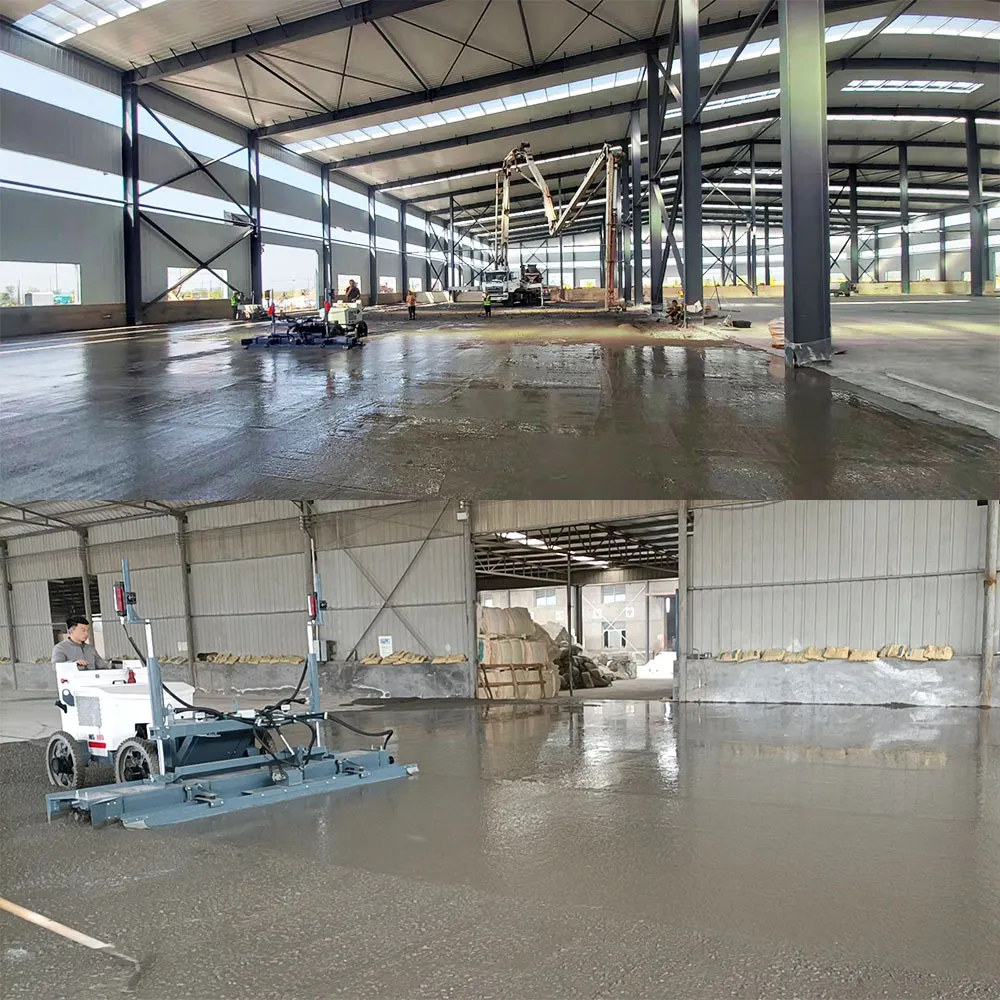
Explanation on the operation of small concrete laser leveling machine
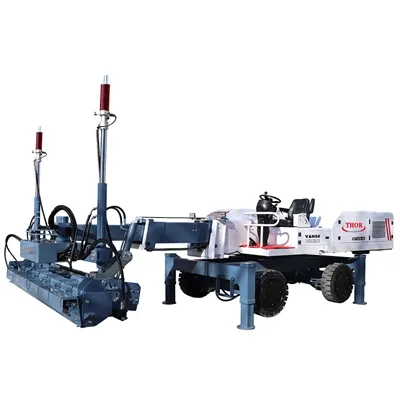
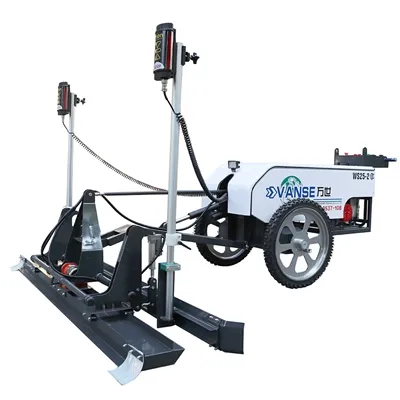
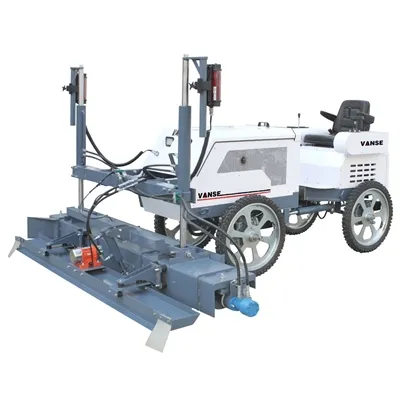
Small laser leveling machines can be divided into small four-wheel driving laser leveling machines and walk-behind two-wheel laser leveling machines. The operation methods of small laser leveling machines are as follows:
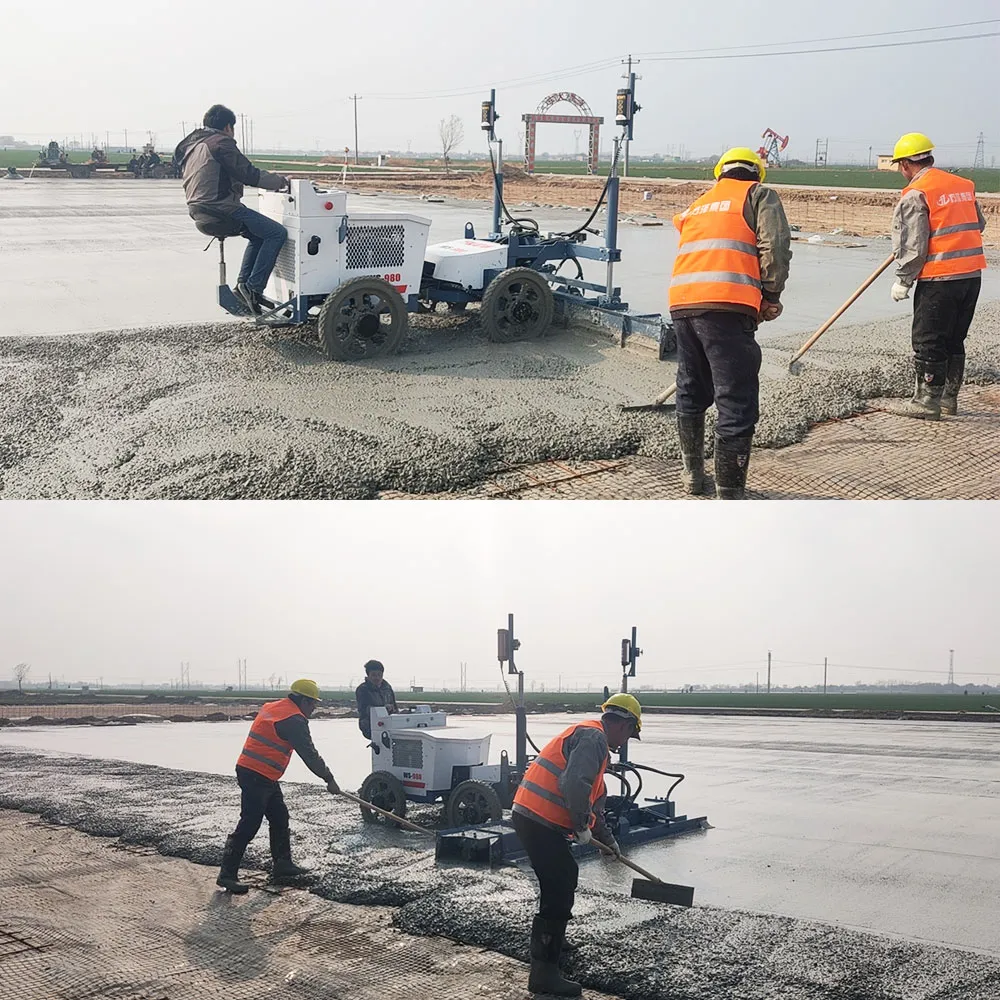
1. Place the laser transmitter and set the height of the laser receivers at both ends of the laser leveling machine head.
2. Drive the machine to the concrete working area where the material has been spread.
3. According to the operator's instructions and with reference to the constant benchmark provided by the laser transmitter, the leveling machine head automatically lowers.
4. Reverse the machine slowly and evenly to compact the concrete to the finished surface of the floor.
5. Drive the laser leveling machine to the right, repeat the above operation, and pay attention to the sufficient overlap of the previous leveling track.
6. When the laser leveling machine completes the construction of a wide width of the formwork from left to right (depending on the floor design, sufficient concrete transportation, etc., the width of the formwork can range from 20m to 50m), drive the machine to the Remove the concrete to the far left of the pouring area and repeat the process.

Thanks to All the Friends Who Support and Trust Shandong Vanse Machinery Technology Co., Ltd.
If you want to know more about Shandong Vanse Machinery Technology Co., Ltd. or have any questions, please feel free to contact us:
Our Factory
Shandong Vanse Machinery Technology Co., Ltd.








Share this article

About the Author: Shandong Vanse Machinery Technology Co., Ltd.
Shandong Vanse Machinery Technology Co., Ltd. is a high-tech manufacturer specializing in concrete construction machinery, including laser screeds and related equipment. The company integrates R&D, production, and global sales, with products exported to over 60 countries and widely used in infrastructure projects worldwide.
Previous Post
Next Post
Related Articles
You Might Also Like
Common troubleshooting of concrete laser leveling machine
★1★ Introduction to laser leveling machine The concrete laser leveler is a high-tech concrete construction equipment that uses laser technology to achieve high-precision leveling operations. This equipment has the advantages of high degree of automation, good leveling effect, and high construction efficiency. It is widely used in concrete construction in construction, roads, bridges and other fields. ★2★ Common fault types 1. Laser system failure: Including abnormalities in the laser transmitter, receiver and other components, causing the laser signal to be unstable or unable to be transmitted normally. 2. Leveling mechanism failure: Including damage or improper adjustment of leveling machine rollers, scrapers and other components, resulting in poor leveling effect. 3. Control system failure: Including control system software or hardware failure, causing the equipment to be unable to control or respond normally. 4. Other mechanical failures: Including abnormalities in other mechanical components such as the engine and hydraulic system, causing the equipment to fail to operate normally. ★3★ Troubleshooting methods 1. Laser system troubleshooting: Check whether the connection between the laser transmitter and the receiver is firm and ensure that the line is not loose; clean the optical components to remove dust and dirt: adjust the laser system parameters to ensure stable transmission of the laser signal. 2. Troubleshooting of the leveling mechanism: Check whether the rollers and random plates of the leveling machine are damaged, and replace them if necessary: adjust the height and angle of the rollers and scrapers to ensure that the leveling effect meets the requirements; check whether the hydraulic system is normal and ensure Oil cleanliness. 3. Control system troubleshooting: Restart the control system software to check whether the hardware connection is firm; update or reinstall the software to solve software faults; check whether the various line connections of the control system are normal. 4. Other mechanical troubleshooting: Check whether other mechanical components such as the engine and hydraulic system are normal; replace damaged components; adjust relevant parameters to ensure normal operation of the equipment. ★4★ Maintenance and maintenance In order to ensure the normal operation and service life of the concrete laser leveling machine, regular maintenance and upkeep is required. The specific methods are as follows: regularly clean the surface and internal components of the equipment to remove dust and dirt; check the connection and tightening of each component, and replace or adjust if necessary; regularly replace hydraulic oil and other lubricants to ensure oil quality, according to usage conditions , conduct a comprehensive inspection and maintenance of the equipment. ★5★ Precautions for safe operation When using a concrete laser leveling, safety operating procedures should be followed to ensure the safety of personnel and equipment. Specific precautions are as follows: Operators need to undergo professional training and be familiar with equipment performance and operating essentials; during operation, they should wear protective equipment such as hard hats and gloves: ensure that the construction site is safe and tidy, and avoid people falling or tripping; during operation , a stable and safe distance should be maintained to avoid collision or interference with other construction machinery. ★6★ Future development trends With the continuous development of science and technology, concrete laser leveling machines will develop in a more intelligent, efficient and environmentally friendly direction. In the future, concrete laser levelings will have higher-precision control capabilities and more efficient work efficiency, and will also pay more attention to environmental protection and energy-saving design. In addition, with the development of Internet of Things and artificial intelligence technology, concrete laser levelinging machines will realize remote monitoring and intelligent control functions, improving the automation and ease of use of the equipment.Not to be missed dry goods — The Laser leveling machine standard Maintenance Procedures
No matter what kind of mechanical equipment, if you want to effectively extend its service life, it is necessary to regularly do the maintenance and maintenance of the equipment, which is no exception for the laser leveling machine. In view of the lack of detailed analysis of the maintenance standards and specifications of the laser levelling machine in the relevant technical data, our company will combine many years of work experience to make a simple summary of the correct maintenance methods of the various components of the laser levelling machine, and hope that the majority of users must operate scientifically according to this specification. ► Engine maintenance: Choose an antifreeze suitable for the local temperature and replace it every 1 year. Before the winter, the winter fuel should be replaced with a laser leveller in advance to avoid waxing of ordinary diesel in the filter and pipeline due to low temperature. As a result, the engine could not start normally, the anti-icing device of the compressed air system was opened, and the ether level was checked regularly. Many engines require some additive to be added to the coolant, namely SCA (Supply coolant Additive), which usually acts on aluminum. During the part's contact with the coolant, metal corrosion, mineral precipitation, cavitation and cylinder liner foaming are more effectively prevented. ► Parts maintenance: Before parking the laser leveler for a long time in winter, mechanical articulation point, lubrication and maintenance work should be carried out on the bearing. Check the integrity of the dust jacket of the concrete laser leveling machine, and replace the damaged sealing ring in time. The metal contact surface exposed to the air should be rust-proof, the engine should be started regularly, and all reduction gear boxes should be operated to prevent the shaft seal and rubber seal ring in the gear box from damaging the parking and gear oil for a long time. ► Hydraulic system maintenance: Regularly start the laser levelling machine and turn on all hydraulic functions on the machine, so that the hydraulic drive components work regularly, prevent the relevant seals from being damaged due to long-term parking, metal parts such as cylinder rods and other rust, as much as possible. Retract all cylinder rods into the hydraulic cylinder oil chamber to better protect the cylinder rod surface. ► Electrical system maintenance: Please start the laser leveling machine engine every two months, charge the battery, and run all hydraulic actuators, such as rotary hydraulic motor, telescopic cylinder, etc., do not remove the battery from the machine to prevent long-term parking equipment to control the internal software program failure loss. Special reminder: once the operation, maintenance and management of the laser levelling machine is improper, it will affect the efficiency and life of the equipment, etc., and may even cause equipment failure, resulting in equipment downtime, therefore, only by doing the daily maintenance and management of the system and the whole machine can effectively reduce the probability of equipment failure, ensure the normal operation of the equipment, and improve production efficiency.Vanse leveling machine speaks with quality and service!
The laser transmitter of the concrete laser leveler generates a rotating laser. The laser receiver on the laser leveler receives the signal, which is analyzed by the laser measurement and control system. The deviation will be fed back to the sensitive computer control system on the laser leveler. The left and right linear actuators will adjust the height of the scraper to ensure the leveling accuracy. In today's concrete laser leveler industry, the gap between the quality of domestic laser levelers and imported and joint venture brands is getting smaller and smaller, and more and more people pay more attention to the after-sales service of the products. To improve the competitive advantage of products, high-quality products alone are no longer feasible, and more services are needed. The increasingly hot laser leveler industry can be seen at construction sites across the country. As engineering machinery, most of them face harsh working conditions, high labor intensity, long working hours, and different degrees of wear of some parts. Future maintenance problems and accessories problems require manufacturers to provide after-sales service to complete. It can be seen that good after-sales service is the foundation of guaranteeing customer interests. The market demand for domestic laser leveling machines is gradually increasing. In order to improve their competitive advantage, some manufacturers have devoted all their energy to reducing costs and prices, ignoring the quality of after-sales service. As a result, the number of manufacturers with more and more users is relatively weaker, and the after-sales service force is relatively weaker. The user's problems cannot be handled in time or even stranded for a long time. In this way, how can the company last long? The product reputation is getting worse and worse, and even if the price is lower, it will lose its competitive advantage. Shandong Vanse Machinery, as the earliest and most professional manufacturer of laser leveling machines in China, believes that occasional quality problems are not enough to deny the strength of the entire brand. Is a brand strong? The key lies in whether the company has a sound after-sales system and whether it can provide high-quality after-sales service at the first time. High-quality products are the theme of the long-term development of enterprises, and high-quality services are the key to the sublimation of corporate brand image. Shandong Vanse Laser Leveling Machine Manufacturer has been committed to the research and development and production of concrete laser leveling machine products for many years. The product quality has also been tested under various working conditions, and the high-quality after-sales service has been recognized by the majority of users. Our service tenet is that as long as there is a laser leveling machine, you only need to make a phone call, and we can always provide you with high-quality service at the first time. We insist on making high-quality products and excellent services!