Technical Knowledge
How to ensure the reliability of the equipment when maintaining the concrete laser leveling machine?


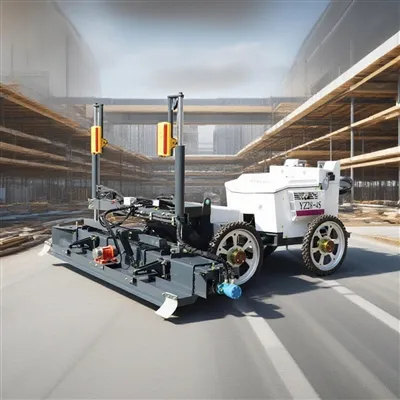
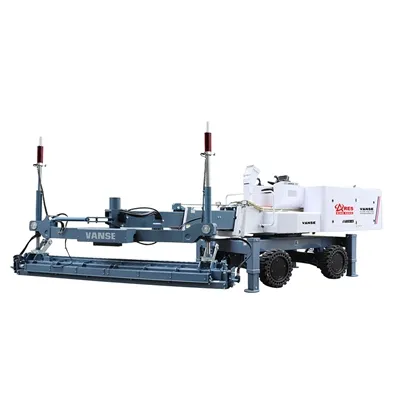
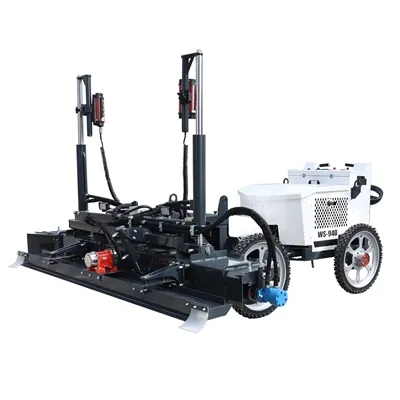
Concrete laser leveling machine is an indispensable and important equipment in modern construction. Its main function is to achieve efficient and smooth laying of concrete floors through high-precision laser technology control. However, during the long-term use of the equipment, due to the influence of various factors, its performance will gradually decline. Therefore, good maintenance becomes the key to ensure the reliability of the equipment.
Maintenance can not only improve the construction quality and efficiency of concrete laser leveling machine, but also effectively reduce the failure rate and extend the service life of the equipment. Through regular inspection, cleaning and lubrication and other maintenance work, potential problems can be discovered and solved in time to ensure that the equipment is always in the best working condition.
1. Regular inspection: including comprehensive inspection of the wear of various parts of the equipment, looseness of fasteners, contact of electrical components, etc., to ensure safe and stable operation of the equipment.
2. Cleaning work: Clean the equipment regularly, especially precision parts such as laser sensors, to avoid dust and debris affecting its normal operation.
3. Lubrication and maintenance: According to the requirements of the equipment manual, regularly replace lubricating oil and grease to ensure smooth operation of all parts of the equipment.
Taking a certain construction site as an example, after strict maintenance, the failure rate of the concrete laser leveling machine has been significantly reduced, and the construction efficiency and quality have been significantly improved.
1. Replace severely worn parts in advance to avoid equipment downtime due to damage to parts.
2. According to actual use, adjust the parameter settings of the equipment to better adapt to construction needs.
Through professional training, improve the understanding and use skills of operators on concrete laser leveling machines, so that they can operate the equipment correctly and skillfully, and play an active role in maintenance. Some successful cases show that trained operators can better grasp the performance of the equipment, reduce misoperation, and improve equipment reliability.
According to the use of the equipment and the manufacturer's recommendations, reasonably plan the maintenance cycle to ensure that the equipment is maintained in a timely and effective manner. At the same time, incorporate equipment maintenance into the project plan to ensure that the project progress is not affected. Specific suggestions include developing a detailed maintenance plan, assigning a dedicated person to be responsible, and ensuring that the required materials and spare parts are sufficient.
Harsh weather conditions and other environmental factors may affect the maintenance and reliability of the concrete laser leveling machine. For example, in rainy or humid environments, the equipment is susceptible to corrosion and damage. Therefore, corresponding protective measures need to be taken, such as building temporary rain shelters and using waterproof materials, to ensure that the equipment can still operate and maintain normally in harsh environments.
By implementing maintenance measures scientifically and rationally, the long-term stable operation of the concrete laser leveling machine can be ensured and its reliability can be maintained. This not only helps to improve construction quality and efficiency, but also reduces failure rates and maintenance costs, creating greater economic benefits for the enterprise. Therefore, enterprises should attach great importance to the maintenance of equipment and incorporate it into daily management.
Thanks to All the Friends Who Support and Trust Shandong Vanse Machinery Technology Co., Ltd.
If you want to know more about Shandong Vanse Machinery Technology Co., Ltd. or have any questions, please feel free to contact us:
Our Factory
Shandong Vanse Machinery Technology Co., Ltd.








Share this article

About the Author: Shandong Vanse Machinery Technology Co., Ltd.
Shandong Vanse Machinery Technology Co., Ltd. is a high-tech manufacturer specializing in concrete construction machinery, including laser screeds and related equipment. The company integrates R&D, production, and global sales, with products exported to over 60 countries and widely used in infrastructure projects worldwide.
Previous Post
Next Post
Related Articles
You Might Also Like
Can I use a concrete laser leveling machine to level ground
Yes, you absolutely can, and that's one of their primary and most valuable functions. However, it's important to be precise about what "leveling ground" means and which type of machine is best for the job. Let's clarify, because there are two main types of "laser leveling" equipment: Laser-Controlled Graders/Scrapers (For Dirt/Gravel): These are often called "laser graders," "grading buckets," or "box blades." They are towed by a tractor or skid-steer and have a laser receiver mounted on a mast. The receiver controls the hydraulic lift of the blade, automatically cutting high spots and filling low spots to achieve a perfectly flat or precisely sloped grade. This is what you'd use for fine grading soil, gravel, or sand sub-base. Laser Screeds (For Concrete): These are the machines often called "concrete laser leveling machines" (like Somero S-10). They are designed to strike off and consolidate wet concrete to a precise grade. They are too heavy and not designed for moving significant amounts of dirt. Yes, you absolutely can, and that's one of their primary and most valuable functions. However, it's important to be precise about what "leveling ground" means and which type of machine is best for the job. Let's clarify, because there are two main types of "laser leveling" equipment: Laser-Controlled Graders/Scrapers (For Dirt/Gravel): These are often called "laser graders," "grading buckets," or "box blades." They are towed by a tractor or skid-steer and have a laser receiver mounted on a mast. The receiver controls the hydraulic lift of the blade, automatically cutting high spots and filling low spots to achieve a perfectly flat or precisely sloped grade. This is what you'd use for fine grading soil, gravel, or sand sub-base. Laser Screeds (For Concrete): These are the machines often called "concrete laser leveling machines" (like Somero S-10). They are designed to strike off and consolidate wet concrete to a precise grade. They are too heavy and not designed for moving significant amounts of dirt. Building Pads: Creating a perfectly flat and compacted base for a house, garage, or shop slab. Sub-base Preparation: Fine grading the gravel or sand layer that goes directly under the concrete. Agricultural Land Leveling: For flood irrigation to ensure even water distribution. Sports Fields & Lawns: Achieving a perfectly flat surface for turf or seeding. Trench Backfilling & Compacting: To restore a surface to grade after utility work. Flooring Substrates: Leveling a floor inside a building before installing tile, epoxy, or other flooring. Extreme Precision: Achieves accuracy within ±1/8 inch or better over large areas. Correct Slope for Drainage: You can program a precise, consistent slope (e.g., 1/4" per foot). Massive Time Savings: One person can do the work of a surveyor and a grading crew. Material Efficiency: You move only the necessary dirt, minimizing cut and fill. You Need the Right Equipment: You need a tractor/skid-steer with hydraulic controls, a compatible grading implement (scraper is best), and the laser transmitter/receiver system. Cost of the System: Laser Level & Receiver: A good quality kit (e.g., from Topcon, Spectra, DeWalt) costs $3,000 – $8,000. Grading Implement: A laser-guided scraper can cost $2,000 – $10,000+. The Smart Alternative: Rent or Hire. Rent: You can often rent a complete laser grading setup for $200 – $500 per day. This is perfect for a one-time project like leveling a yard or preparing for a concrete slab. Hire a Pro: Many excavation contractors offer laser grading services. For a typical residential lot pad, this might cost a few hundred to a couple thousand dollars and is often worth it for the guaranteed result. Can you use a concrete laser leveling machine to level ground? For soil/gravel: No, not directly. Use a laser-guided grader/scraper. For the sub-base layer right before concrete: Yes, absolutely. This is a critical step. You use the laser grader to create a perfectly flat compacted gravel base, then you would use a laser screed to pour the concrete on top of that perfectly prepared surface. IN SUMMARY: The technology to laser-level ground exists, is mature, and is incredibly effective. For a serious landscaping, farming, or construction project requiring a flat, well-drained surface, it is absolutely worth using-whether you rent the equipment, hire a contractor with it, or invest in it for your business. Note: The parameters provided in this document are for reference only and are not mandatory. Due to differences in technical characteristics between different brands and models of laser levelers, please consult the manufacturer for a suitable solution before actual operation. This reference document assumes no responsibility for any issues arising from failure to follow the manufacturer's instructions.How to distinct laser leveling machine’s purchasability
Vanse concrete laser leveling for sale is developed for concrete floor of industrial factory building, large supermarket, freight house and other large area projects, and designed for higher requirements for strength, flatness and levelness of concrete floor. We have a series of laser leveling machine for sale: our equipment adopt advanced laser technology to execute leveling to concrete floor, it is a high-accurate and small error leveling machine. Vibrating frequency is 4000 times per minute, which ensures compactness and one-step molding. Operation is simple and flexible, high degree of automation, construction efficiency is greatly increased, it especially applied to large area floor construction, an area of 3000 sq work can be accomplished only by 8 workers per day, 300 sq area can be accomplished per hour, labor cost and intensity are greatly decreased. laser leveling Which factors should be considered when choosing concrete laser leveling machine? Purchase factors of laser leveling: brand, quality, construction effects and after-sales service. * Brand: prudently to choose green-hand brand, for laser leveling machine a high technology product, quality influence factor is not only manifested by technology innovation but also experience. How to define different size and specification? How to treat floor flatness? How to locate laser leveling? All those questions requires years to master. If customers curtly purchase laser leveling machine from green-hand brand, they might become mouse for experiments,troubles will come to them. Therefore, it's important to chose an experienced brand. * Quality: for users, quality shall be valued when choosing laser leveling machine, if the machine is in bad quality, floor process will occur troubles, the whole construction period will be delayed, the enterprise will face to big lose, so low price shouldn't be the only reason to buy laser leveling, quality is the most important, low price generally makes a mess in market compete, no profit no quality. * After-sales service:another factor customers specially concerns is after-sales service, regular and professional factory should be chosen, only regular factory will provide reliable service, a concrete laser leveling machine is usually used for many years, a long-brand factory will provide persistent after-sales service. After purchase of a satisfying laser leveling check should be executed to laser leveling before paving and leveling, now let Hiking tell you how to do it.Check equipment before installation is to check if the engine oil and gasoline of the equipment are enough.Check if power supply of laser receiver and emitter are enough. Check if accessories(tripod, tool cabinet, rod piece, bolt) of laser leveling machine are taken with integrity. Welcome for asking if you had any needs in the machine.The importance of after-sales service when purchasing a laser leveling machine
Today's building floor construction uses laser leveling machines, and the quality of the floor paved is much better than that of traditional methods – first, the flatness and levelness of the floor are improved by more than 3 times, and the density and strength of the floor are increased by more than 20%. At the same time, it can also shorten the construction period by 40% and save about 49% of labor. It can also greatly save costs in later maintenance, because laser leveling machine construction can more easily lay high-strength concrete, low-slump concrete and fiber mud concrete. The construction effect of the laser leveling machine is good, and it is a step for laser leveling machine manufacturers to gain praise from users, but if they want to gain a long-term foothold, they still need solid after-sales service to support them. As a laser leveling machine manufacturer, Shandong Vanse Machinery has been working hard to provide services to all customers, no matter where you are in the world. But words are not enough. You can only understand our services when you need help. Here are 4 reasons why after-sales support is particularly important when purchasing a laser leveling machine. 1. Time is money When you encounter problems during the construction of your equipment and need assistance, you can immediately contact the after-sales service engineer. You don't have to wait a few days to call. This is why you need excellent after-sales support. It will be critical when you need it, especially when you invest in a laser leveling machine. We know that all contractors are located in different time zones and work at different times. This is why we provide support services for our products. 2. Get solutions immediately when you need them When you encounter problems, our services are always available to help you identify the root cause of the problem and find solutions. The value of our products is that on the job site, you only need to take care of your own affairs. Our excellent products can help you complete most of the work. 3. Make your equipment available anytime, anywhere Before construction, you need to ensure that the machine is properly maintained and in good condition. Whether you are an experienced operator or a novice operator, or your machine has been idle for a long time, we can provide corresponding services. Our service agreement can ensure that you will not encounter any problems when you are ready to work and need to run the machine. 4. Understand how to maintain your laser leveler For every product we manufacture, we will provide after-sales support at any time, and at the same time we hope that our customers will know some knowledge about how to maintain the product. In addition to providing maintenance plans for each customer, customer service will also follow your every step of maintenance. The service life of a leveler is generally very long, and it is inevitable to encounter after-sales maintenance services in the middle, so when purchasing, you must understand the importance of laser leveling after-sales service, and examine the company's after-sales service capabilities.