Technical Knowledge
How operable is the concrete laser leveling machine?
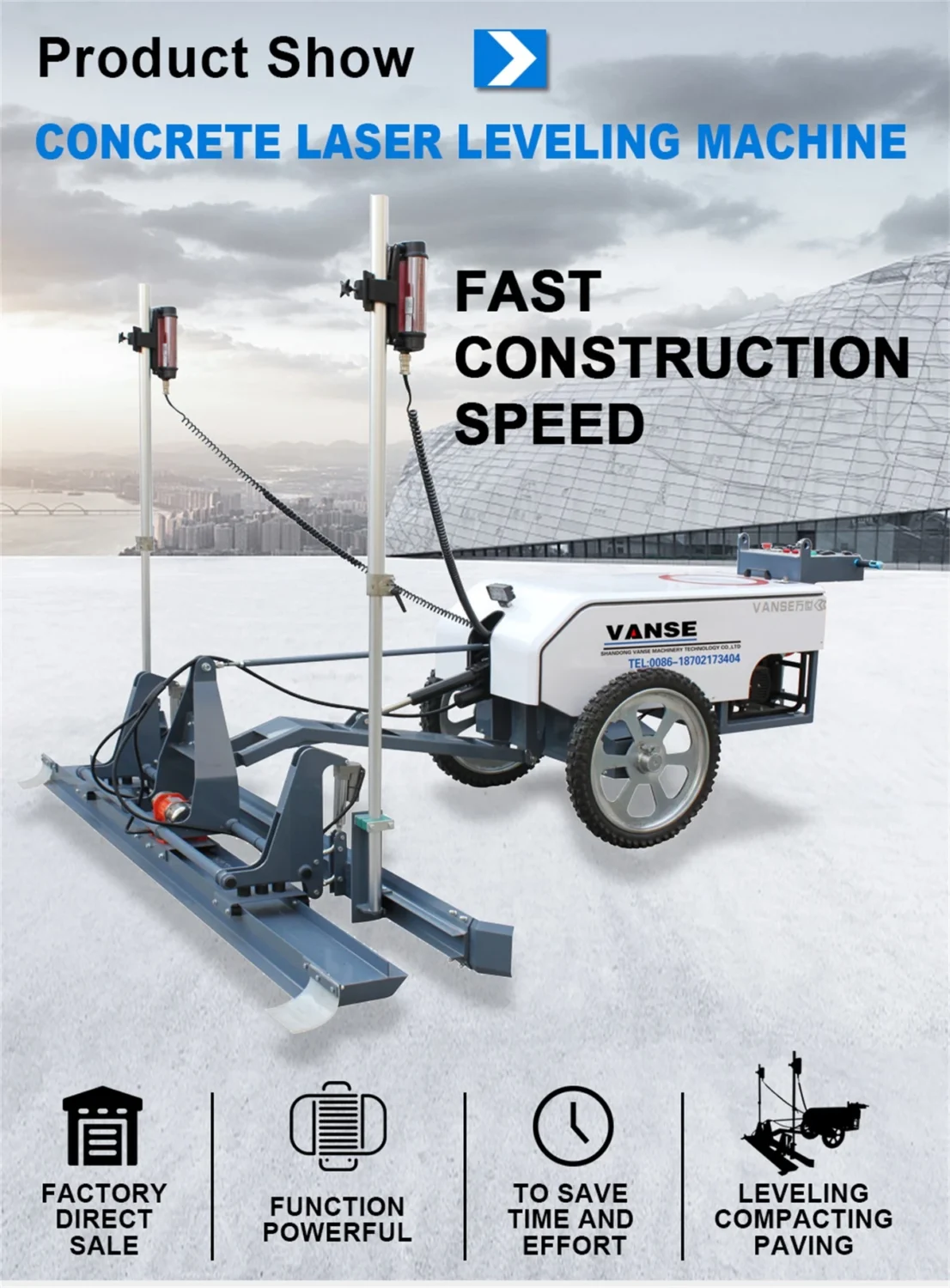
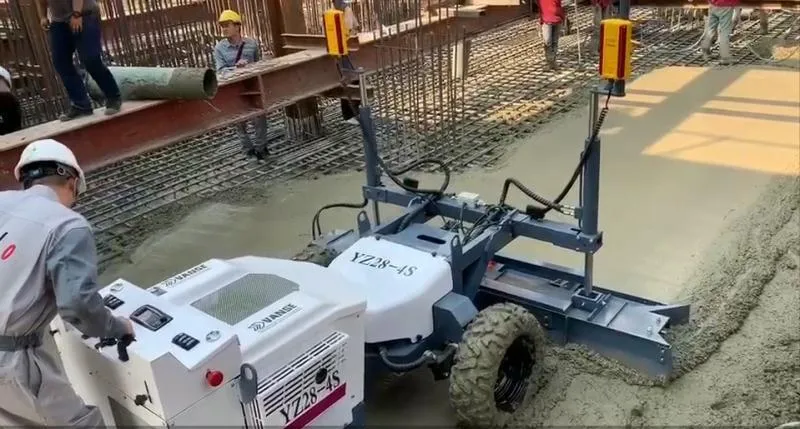
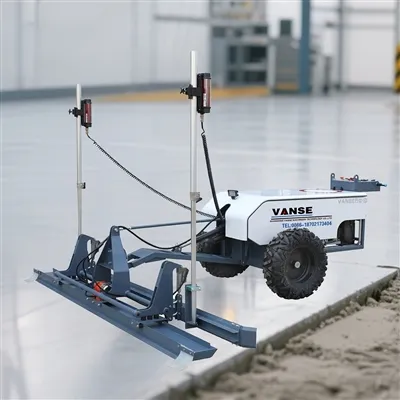
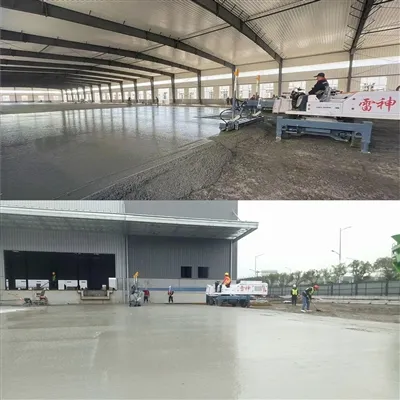
The operability of a concrete laser leveling depends largely on the skill and experience of the operator, as well as the model and capabilities of the machine. The following is a detailed analysis of the operability of concrete laser leveling machines:
☛Ease of operation:
The concrete laser leveling machine should have a simple design and a friendly operating interface for easy understanding and use. Some advanced machines may be equipped with automated functions, such as automatic navigation, automatic leveling, etc., which can greatly simplify the operation process.
☛Safety:
Since the concrete laser leveling is a heavy machine, its operation should focus on safety. Operators should receive appropriate training and understand the machine's capabilities, limitations, and operating procedures. During operation, safety regulations should be followed and attention should be paid to protecting the safety of yourself and others.
☛Accuracy:
The concrete laser leveler should have high-precision leveling capabilities. Using laser technology, the flatness and precision of the plane can be ensured. In addition, some advanced machines may be equipped with sensors and feedback systems to monitor and adjust the smoothing process in real time.
☛Adaptability:
The concrete laser leveling machine should have good adaptability and be able to cope with different construction environments and requirements. For example, the machine should be able to operate on various types of concrete floors, while also being able to adapt to different construction processes and specifications.
☛Maintenance:
The maintenance of the concrete laser leveling is crucial to ensure its operability. Operators should understand the maintenance requirements of the machine and perform regular maintenance. At the same time, any faults or problems should be repaired promptly or professional help should be sought.
☛Cost-Effectiveness:
The cost-effectiveness of a concrete laser leveling is an important factor considering its operability. Although the one-time investment of such a machine may be higher, its long-term operating costs may be lower because construction efficiency can be improved and labor costs and material waste reduced. In addition, the reliability and durability of the machine are also important factors in assessing its cost-effectiveness.
☛Sustainability:
Sustainability is also an important consideration when choosing a concrete laser leveling. Machines that use environmentally friendly energy sources, such as electricity or solar energy, should be chosen to reduce carbon emissions and impact on the environment. In addition, it is crucial to choose machine parts that can be recycled and reused.
☛Training and support:
After purchasing a concrete laser leveling machine, the operator may need to receive relevant training to understand the machine's performance, operation and maintenance. The supplier or manufacturer should provide the necessary training and support to ensure that operators can take full advantage of the machine's capabilities.
☛After-sales service:
Choosing a manufacturer that provides comprehensive after-sales service can ensure timely help when problems arise with the machine. This will help reduce downtime and increase productivity.
☛Future development:
As technology continues to advance, concrete laser levelings may become more advanced and intelligent. Considering the needs of future development, you can choose machines with upgrade potential and adaptability to future construction requirements.
In summary, the operability of a concrete laser leveling depends on the combined influence of several factors. When selecting and using such machinery, factors such as its design, performance, adaptability and support should be fully considered to ensure efficient, safe and sustainable construction results.
Thanks to All the Friends Who Support and Trust Shandong Vanse Machinery Technology Co., Ltd.
If you want to know more about Shandong Vanse Machinery Technology Co., Ltd. or have any questions, please feel free to contact us:
Our Factory
Shandong Vanse Machinery Technology Co., Ltd.








Share this article

About the Author: Shandong Vanse Machinery Technology Co., Ltd.
Shandong Vanse Machinery Technology Co., Ltd. is a high-tech manufacturer specializing in concrete construction machinery, including laser screeds and related equipment. The company integrates R&D, production, and global sales, with products exported to over 60 countries and widely used in infrastructure projects worldwide.
Previous Post
Next Post
Related Articles
You Might Also Like
YZ28-4S Concrete Level Machine Summer Construction Considerations
The laser leveling machine plays a vital role as the main equipment for floor construction. When the summer comes, the floor construction will gradually enter the peak season, and it is very important to ensure the working condition of the equipment. High temperature construction in summer is also a test for concrete and concrete laser levelers. Do a good job in equipment maintenance and work to maximize the efficiency of the equipment. Learning equipment maintenance is not only related to the construction quality of the floor, but also related to the service life of the concrete laser leveling machine and construction safety. Do a good job in machine maintenance and guarantee your investment. This issue brings you the summer maintenance micro-classroom of the YZ28-4S/ YZ28-4. These two equipments are two four-wheel drive YZ28-4S that been developmented by VANSE or many years. YZ28-4S concrete leveling machine. two devices follow the excellent quality of the Hummer model, and the product development habits and requirements of domestic customers are fully considered in the product development process. Therefore, in addition to the performance guarantees of these two new products, the customer operating experience has also been significantly improved. Precautions: * Avoiding the engine too hot. Under normal circumstances, the temperature of the engine should not exceed 95°. If the temperature is too high, you should choose a cooler position to stop the cooling. When the machine is stopped, the hood can be ventilated and cooled. * To detect the amount of cooling water in time. When the water radiator reaches 100°, do not rush to add cooling water. Instead, stop the engine immediately after idling and then add coolant. * Clean the radiator timely. Includes coolant radiator / oil radiator / hydraulic oil radiator to prevent poor heat dissipation. * The construction temperature in summer is very hot, so it's better to check the wheels air pressure and temperature. If the temperature of the wheels too hot, . If the temperature of the tire is too high, stop it in time and place it in a cool place to cool down. Avoiding use the wrong method of deflation or cold water to cool down. * Maintenance-free batteries need to be checked frequently for their working conditions. The observation hole shows that green represents normal. * Prevent engine knocking .Before entering the summer, the carbon deposits in the combustion chamber, valve top and other parts should be completely removed to maintain good heat dissipation and normal compression ratio; it is necessary to check and adjust the fuel supply advance angle to prevent engine deflagration. * Always check the temperature of the hydraulic oil and hydraulic transmission oil . If the temperature is too high, stop it and stop it. Do not operate at high temperatures. * In summer, the concrete solidifies at a faster speed, so it is necessary to clean the equipment in time, otherwise it will cause damage to the machine. If yoour machine happen somethings wrong, do not worry! When choose VANSE, also choose the 100% perfect after-sales system, "zero-distance" of VANSE and our equipment, We offer 24 hours and 365 days safty after-sales, if your machine had something wrong on the working, welcome to contact us at anywhere and anytime! Our after- sales engineer will get in touch with you at first.How to ensure safety when performing the concrete laser leveling machine maintenance?
During the maintenance of the concrete laser leveler, safety is the core premise. A full-process protection system must be established from four dimensions: personnel protection, equipment status, environmental control, and operating specifications to avoid risks such as mechanical injuries, electric shock, and falls. The following are the specific operating points: Preparation before maintenance is the first line of defense for safety. It is necessary to ensure that "people, machines, and the environment" are all in a safe initial state: Maintenance personnel must undergo professional training and be familiar with the equipment structure (such as laser transmitter, leveling scraper, hydraulic system), electrical principles and safe operating procedures. Unlicensed or non-professional operation is strictly prohibited. Head Protection: Wear an impact-resistant helmet to prevent injuries from falling equipment parts or tools. Hand Protection: Wear non-slip, wear-resistant gloves to avoid contact with sharp parts and oily surfaces. Wear insulating gloves when operating electrical equipment. Foot Protection: Wear impact-resistant and puncture-resistant safety shoes to prevent injuries from being crushed by the equipment or punctured by debris on the ground. Eye Protection: Wear goggles to prevent eye splashes when cleaning equipment dust or checking hydraulic fluid. Other: If welding or cutting is involved, wear a welder's mask and flame-retardant clothing. First, park the equipment on level, firm, and flat ground (to prevent it from sliding), shut off the engine, and remove the key. Disconnect the main power switch (battery switch or main power switch) and hang a "Maintenance in Progress, Do Not Close" warning sign at the switch. Lock the equipment if necessary (keys should be kept by maintenance personnel). Discharge residual energy from the equipment: For hydraulic systems, fully retract the cylinders by operating the joysticks to release hydraulic pressure. Pneumatic components should be depleted from their air tanks. Capacitive components should be discharged to prevent electric shock. Check that moving parts (such as leveling wheels and scrapers) are in the "non-operating" position. Use wedges to wedge the wheels if necessary (especially when performing maintenance on slopes to prevent the equipment from rolling). Clear the maintenance area of any obstructions (such as rebar, gravel, and tools). Designate a "safe work zone" of at least 1.5 meters, prohibiting unauthorized personnel from entering (warning tape or signs may be used). Check the environment for potential risks: Avoid performing electrical system maintenance in rainy or humid conditions (to prevent short circuits and electric shock). If performing maintenance in a confined space (such as an underground garage), ensure adequate ventilation (to prevent engine exhaust poisoning). Ensure adequate lighting (at least 50 lux) for nighttime maintenance. During maintenance, specific safety measures must be implemented based on the characteristics of the equipment's key systems (electrical, hydraulic, and mechanical): It is strictly forbidden to remove electrical components (such as the laser controller and junction box) while the device is energized. Use a multimeter to confirm that the circuit is free of voltage before proceeding. When replacing wires or sensors, use parts that meet the original manufacturer's specifications (e.g., insulation rating of at least IP67). Connectors must be waterproof and sealed to prevent rainwater from seeping in and causing a short circuit. If using power tools (such as drills and multimeters), ensure the insulation is intact, use a socket with a residual current protection (leakage current ≤ 30mA), and operate the tool with one hand to minimize the path of current passing through the body in the event of an electric shock. Hydraulic oil should be checked 15 minutes after the equipment has been shut down (after the system pressure has been completely released). Never remove joints while hydraulic lines are pressurized (high-pressure oil spray can reach 100 m/s and can easily pierce skin). When removing hydraulic components (such as cylinders and pumps), wrap joints with a rag to prevent oil splashing and contamination, and to buffer residual pressure. When refilling hydraulic oil, use a filter to prevent impurities from entering the system, and keep the oil level below the tank mark to prevent leakage caused by excessive oil temperature. If the hydraulic oil has a pungent odor or is cloudy, replace it immediately to prevent wear and bursting of the hydraulic pump. When inspecting rotating components such as leveling wheels and scrapers, manually rotate them to ensure they are not stuck. Do not use tools to pry (to prevent sudden rotation and pinching of fingers). When tightening bolts (such as frame bolts), use a torque wrench to the factory-specified torque (with a torque tolerance of ±5% to prevent breakage or loosening). Do not stand directly over the bolts (to prevent the wrench from slipping and causing injuries). When replacing worn parts (such as scraper blades), secure the components with a bracket to prevent them from falling. When removing sharp parts, wrap the edges with a cloth to prevent cuts. After maintenance is completed, a systematic inspection is required to ensure the equipment has returned to a safe operating state and avoid subsequent accidents caused by improper maintenance. First, conduct a no-load test run: Start the equipment and test the laser positioning, screed wheel rotation, and scraper lift functions in sequence. Observe that all components operate smoothly (no abnormal noise or vibration) and that there are no leaks in the hydraulic lines (no more than one drop of oil in 10 minutes). During the test run, an observation area should be set up around the equipment, with maintenance personnel standing to the side (avoiding direct contact with rotating components). If any abnormalities are detected (such as laser deviation or unusual noise), the equipment should be shut down and powered off for inspection immediately. Site Cleanup and Recording Clean oil, tools, and accessories from the maintenance area, and store hazardous waste such as waste oil and filters in a classified manner (hand them over to qualified personnel for disposal; dumping is strictly prohibited). Remove the "Maintenance in Progress" sign. Before turning off the power switch, re-confirm that all maintenance personnel have evacuated the equipment area to prevent accidental startup and injury. Fill out the Maintenance Record Form, recording maintenance items, replaced parts, test results, and other information (for easy traceability. If loose bolts are found, check for insufficient torque). Maintenance personnel must clean their bodies (especially areas that have come into contact with hydraulic oil or rust inhibitors to prevent skin allergies) and check that their protective equipment is intact (for example, gloves are not damaged and can be used again during the next maintenance session). If minor scratches or electric shocks occur during maintenance, work must be stopped immediately and emergency treatment must be implemented (such as flushing the wound with saline solution and applying iodine. After an electric shock, rest and observe for 30 minutes). In serious cases, seek medical attention immediately. Regular Safety Training: Quarterly, maintenance personnel will review the "Equipment Safety Operating Procedures" and conduct simulated emergency scenarios such as electric shock and hydraulic leaks (e.g., using an insulated rod to disconnect live wires and sealing oil leaks with cotton cloth). Equipment Safety Inspections: A "three-minute safety inspection" must be conducted daily before starting the equipment (checking the brakes, lights, and warning bells for proper function). Monthly functional tests of safety devices (e.g., emergency stop buttons and seat belts) must be conducted (all power must be immediately disconnected if the emergency stop button is triggered). Emergency Supplies: Equipment storage areas must be equipped with a first aid kit (including tourniquets, burn ointment, and insulated gloves), a fire extinguisher (ABC dry powder type, for electrical or oil fires), and emergency lighting (with a battery life of at least 4 hours). In short, the safety of concrete laser leveling machine maintenance must run through the entire process of "before – during – after", and the core is "respecting risks and strictly abiding by regulations" – you must be familiar with the characteristics of the equipment and pay attention to the details of personnel protection to fundamentally prevent safety accidents. Note: The parameters provided in this document are for reference only and are not mandatory. Due to differences in technical characteristics between different brands and models of laser levelers, please consult the manufacturer for a suitable solution before actual operation. This reference document assumes no responsibility for any issues arising from failure to follow the manufacturer's instructions.How to ensure that the flatness of the concrete floor meets the requirements?
To ensure that the flatness of the concrete floor meets the requirements, the following aspects can be considered: 1. Preparation work before construction: Before construction, technical explanations should be conducted to clarify the requirements and standards for flatness, and construction personnel should be trained and assessed to ensure that they understand and can meet these requirements. At the same time, measurement and setting out should be carried out to determine the elevation and horizontal baseline as the basis for construction. 2. Reasonable design of concrete mix proportion: The mix proportion of concrete should be reasonably configured according to the design requirements to ensure the strength, durability and working performance of the concrete. During the configuration process, trial configuration and adjustment should be carried out to ensure that the various performance indicators of the concrete meet the requirements. 3. Quality control of formwork installation: Formwork installation is one of the key factors affecting the flatness of the concrete floor. Templates that meet specifications and quality should be selected and inspected and adjusted before installation. During the installation process, it is necessary to ensure that the splicing of the formwork is tightly supported and stable to avoid problems such as misalignment and slurry leakage. 4. Quality control of concrete pouring: During the concrete pouring process, the pouring speed and vibration quality should be controlled. Too fast a pouring speed may cause accumulation and unevenness of the concrete, affecting the flatness; insufficient or uneven vibration may cause problems such as honeycombing and pitting in the concrete. Therefore, the pouring speed should be reasonably controlled to ensure uniform distribution of concrete. At the same time, sufficient vibration should be carried out to ensure that the concrete is dense. 5. Quality control of surface treatment: After the concrete pouring is completed, the surface should be processed in time. The surface should be smoothed with a flat scraper and other tools, and rolled with a roller and other tools to ensure that the surface is smooth and dense. During the surface treatment process, care should be taken to avoid excessive smoothing and calendering to avoid problems such as cracks on the surface. 6. Quality control of later maintenance: After the concrete floor construction is completed, appropriate maintenance should be carried out to avoid problems such as cracking and shelling. Appropriate moisturizing measures should be taken, such as covering with straw bags, watering, etc., to keep the surface moist. At the same time, attention should be paid to controlling the curing time to avoid premature or too late curing that may cause quality problems on the surface. 7. Quality inspection and acceptance: After the construction is completed, the quality inspection and acceptance of the flatness of the concrete floor should be carried out. Corresponding detection tools and methods, such as 3m rulers, levels, etc., should be used to detect and record the flatness of the ground. Parts that do not meet the requirements should be processed and repaired in time to ensure that the final flatness meets the requirements. To sum up, to ensure that the flatness of the concrete floor meets the requirements, it is necessary to carry out sufficient preparations before construction, reasonably design the concrete mix ratio, and strictly control the quality of formwork installation, concrete pouring, surface treatment and post-maintenance at the same time. Quality inspection and acceptance. Only when these aspects are effectively controlled can the requirements for ground flatness be finally achieved.