Technical Knowledge
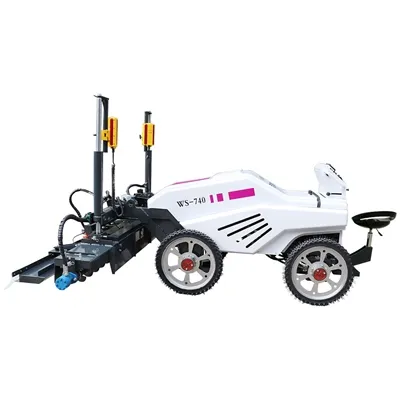
How adaptable is the concrete laser leveling machine?

The adaptability of concrete laser leveling machines is mainly reflected in the following aspects:
♫Construction environment adaptability:
The concrete laser leveling machine can operate in various complex construction environments. For example, in the construction of different types of infrastructure such as large buildings, bridges, highways, etc., this kind of machine can adapt to different construction environments and requirements by adjusting parameters and operating methods.
♫Material adaptability:
The concrete laser leveling machine can handle various types of concrete materials, including ordinary concrete, high-strength concrete, lightweight concrete, etc. In addition, for concrete with special ingredients added, such as early strength additives, retarders, etc., the machine can also achieve good leveling effects by adjusting the material proportions and operating parameters.
♫Climate Condition Adaptability:
The concrete laser leveling machine can operate in different climate conditions. No matter it is high temperature, low temperature or humid environment, the machine can work normally and ensure the quality of construction.
♫Construction period and load adaptability:
The concrete laser leveling machine can adapt to different construction period and load requirements. In large engineering projects, a large amount of concrete leveling work often needs to be completed in a short period of time. The concrete laser leveling can meet this high-intensity, high-efficiency construction requirement through continuous work and automated operation.
♫Operator adaptability:
The operation of the concrete laser leveling is relatively simple and can be mastered by properly trained operators. For operators with different experience levels, the machine can provide sufficient auxiliary functions to help them better complete the leveling work.
♫ Maintenance adaptability:
The maintenance of the concrete laser leveling is relatively simple, and the operator can perform regular maintenance and repairs according to the instructions. For common faults and problems, operators can also repair them by consulting manuals and simple tools.
♫Adaptability to site conditions:
The concrete laser leveling machine can operate in various site conditions, including indoors, outdoors, solid hard ground, short grass, gravel ground, etc. This flexibility allows the machine to achieve its maximum effectiveness in different construction environments.
♫ Sustainability and energy-saving adaptability:
Modern concrete laser leveling machines are usually driven by electricity or other renewable energy sources, which makes the machine highly sustainable and energy-saving. In addition, some advanced machines are equipped with intelligent energy management systems that can monitor and adjust energy consumption in real time to further improve energy utilization efficiency.
♫Adaptability to future technology upgrades:
With the continuous development of technology, concrete laser leveling machines are also constantly upgraded and improved. When purchasing such a machine, it is very important to choose a make and model that has good upgrade potential. This allows operators to upgrade the machine in the future with the latest technology and features to adapt to changing construction needs.
♫Safety and Health Adaptability:
The desi
gn and operation of concrete laser leveling machines should comply with safety and health standards. For example, machines should be equipped with safety protection devices, such as protective covers, guardrails, etc.; operators should wear necessary personal protective equipment, such as hard hats, protective glasses, etc. In addition, the machine should also meet relevant environmental standards, such as low noise, low emissions, etc.
In short, the concrete laser leveling machine has a wide range of adaptability and can adapt to various construction environments, materials, climate conditions, construction schedules and load requirements. When selecting and using such a machine, it is important to consider a variety of adaptability factors to ensure that it will achieve maximum effectiveness in future use.
Thanks to All the Friends Who Support and Trust Shandong Vanse Machinery Technology Co., Ltd.
If you want to know more about Shandong Vanse Machinery Technology Co., Ltd. or have any questions, please feel free to contact us:
Our Factory
Shandong Vanse Machinery Technology Co., Ltd.








Share this article

About the Author: Shandong Vanse Machinery Technology Co., Ltd.
Shandong Vanse Machinery Technology Co., Ltd. is a high-tech manufacturer specializing in concrete construction machinery, including laser screeds and related equipment. The company integrates R&D, production, and global sales, with products exported to over 60 countries and widely used in infrastructure projects worldwide.
Previous Post
Next Post
Related Articles
You Might Also Like
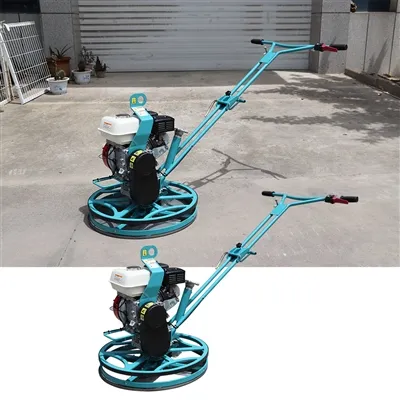
How to care and maintain the concrete power trowel?
The concrete trowel is a piece of equipment widely used in the field of concrete construction. In order to ensure its long-term stable operation and increase its service life, regular maintenance and upkeep is essential. This article will introduce in detail the care and maintenance methods of concrete trowels, including regular inspection of equipment, cleaning and maintenance of equipment, adjusting equipment parameters, and maintaining equipment safety. 1. Regular inspection of equipment 1.1 Check each component of the equipment Before using the concrete trowel, all its components must be inspected, including the motor, reducer, trowel plate, grinding wheel, etc. Check whether these parts are loose, damaged or worn. If there are any abnormalities, repair or replace them in time. 1.2 Replace worn parts During long-term use, various parts of the concrete trowel will be subject to wear and tear. When some parts are found to be severely worn or damaged, they should be replaced in time to avoid greater damage to the equipment. 2. Cleaning and maintaining equipment 2.1 Clean the surface of the equipment Clean the concrete trowel surface regularly to remove dust, dirt and other impurities. Use a soft cloth or brush to gently wipe the surface of the device and avoid using sharp objects to scratch the surface of the device. 2.2 Clean the inside of the equipment After cleaning the surface of the device, the inside of the device should be opened for cleaning. Use a vacuum cleaner or brush to remove dust and debris from inside to make sure the inside of the device is clean and tidy. At the same time, check whether the internal components are loose or damaged. If there are any abnormalities, repair or replace them in time. 3. Adjust equipment parameters 3.1 Adjust the trowel speed During the construction process, the speed of the trowel should be adjusted according to different concrete strengths and textures. Excessively high rotational speed may cause scratches or damage to the surface of the compacted soil, while too low rotational speed may affect construction efficiency. Therefore, you should pay close attention to the rotation speed of the equipment during use and make adjustments according to the actual situation. 3.2 Adjust the trowel pressure The pressure of the trowel is also one of the important factors affecting the construction effect. Excessive pressure may cause indentations or damage to the concrete surface, while too little pressure may affect the construction effect. Therefore, the pressure of the equipment should be paid close attention to during use and adjusted according to the actual situation. At the same time, when adjusting the pressure, care should be taken not to exceed the maximum bearing capacity of the equipment to avoid damage to the equipment. 4. Maintain equipment safety 4.1 Check equipment safety devices Before using a concrete trowel, its safety devices must be inspected. Including whether the braking system, protective devices, limiters, etc. are intact and effective. If any abnormality or damage to the safety device is found, it should be repaired or replaced in time to ensure the safety of construction workers. 4.2 Comply with safe operating procedures When using a concrete trowel, safe operating procedures must be followed. Operators should wear protective glasses, gloves and other personal protective equipment to avoid accidental injuries caused by improper operation. At the same time, attention should be paid to the safety of the surrounding environment during the construction process to avoid accidents caused by improper construction operations. 5. Summary Through regular inspection, cleaning and maintenance of the concrete trowel, as well as adjusting equipment parameters and maintaining equipment safety, the long-term stable operation of the equipment can be ensured and the service life can be improved. At the same time, operators should also pay attention to observing safe operating procedures and paying attention to the use of personal protective equipment to ensure the safety and smooth progress of the construction process.Tips to extend laser leveling laser emitter life? Let’s share!
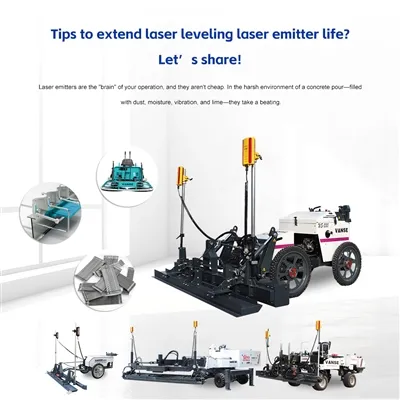
Laser emitters are the "brain" of your operation, and they aren't cheap. In the harsh environment of a concrete pour-filled with dust, moisture, vibration, and lime-they take a beating. Here are the best ways to keep your transmitter running with ±3mm accuracy for years instead of months: Vibration is the #1 killer of internal self-leveling pendulums and spinning diodes. Tripod Placement: Never set your tripod directly on a slab where the laser leveling or a vibrating truss is running. The micro-vibrations can wear out the internal motor bearings. Subgrade Stability: If you must set up on dirt, use a "tripod stabilizer" or sink three rebar pins into the ground and set the tripod legs on those to prevent settling during the pour. Concrete dust is highly abrasive and slightly alkaline. It eats through lens coatings. The Microfiber Only Rule: Never wipe a dry laser lens with your shirt or a paper towel. It's like using sandpaper. Cleaning Routine: Use compressed air (canned air is best) to blow off grit, then use a specialized camera lens cleaner and a fresh microfiber cloth. Shielding: If you are working in a windy, dusty warehouse, consider a "wind shield" (a clear acrylic housing) for the transmitter, provided it's optically rated so it doesn't refract the beam. Laser diodes are sensitive to temperature shifts. Acclimatization: If you transport your laser in a heated truck cab and then set it up in a 2℃(35℉) warehouse, the internal components will contract, and you might get "fogging" inside the glass. The "Slow Warm-up": Let the laser sit in its (closed) case in the work environment for 15 minutes before turning it on. Most modern emitters use Li-ion or NiMH packs. Don't "Cook" the Battery: Avoid leaving the transmitter on a charger for days at a time once it's full. Storage: If the machine is going to sit for more than two weeks, remove the batteries. Leaking alkaline batteries are a common cause of "totaled" transmitters. The internal leveling gimbals are designed to be upright. Case Orientation: Always store and transport the laser in its hardshell case, and ensure the case is secured upright in the vehicle. The "Seatbelt" Treatment: Don't let the laser case bounce around in the bed of a pickup truck. Put it in the cab, strapped down. Task Daily Monthly Lens Cleaning Blow off dust Use optical-grade solution Calibration Quick benchmark check Full "Two-Peg" field test Connections Check for moisture Clean battery contacts with ISO Storage Dry off any condensation Inspect case seals/latches Pro Tip: Keep a logbook in the laser case. Note the date of the last calibration and who did it. If your FF/FL numbers start to dip, you'll have a paper trail to see if the laser is drifting over time. Would you like a Step-by-Step Field Calibration Guide (the "Two-Peg Test") to help your crew verify the emitter's accuracy on-site? Contact us NOW Note: The parameters provided in this document are for reference only and are not mandatory. Due to differences in technical characteristics between different brands and models of laser levelers, please consult the manufacturer for a suitable solution before actual operation. This reference document assumes no responsibility for any issues arising from failure to follow the manufacturer's instructions.THE Concrete laser leveling machine are not only widely used in municipal engineering, but also have outstanding performance in the following fields:
1. **Industrial plants and warehouses**: Laser levelers are used for ground construction in industrial plants and large warehouses to meet the flatness and strength requirements of large-area concrete floors. 2. **Commercial facilities**: In the ground construction of large shopping malls, shopping centers, supermarkets and other commercial facilities, laser levelers can provide high-quality ground flatness and enhance customer experience. 3. **Logistics and warehousing**: Logistics centers, warehouse-style supermarkets and exhibition centers require large-area flat and durable floors, and laser levelers can meet these needs. 4. **Transportation infrastructure**: In the construction of transportation infrastructure such as airport runways, aprons, port terminals and container yards, laser levelers ensure the flatness and bearing capacity of the ground. 5. **Clean room environment**: In clean workshops with special requirements for environmental cleanliness such as electronic appliances, food materials, and medicines, the application of laser levelers improves the overall quality and performance of the ground. 6. **Outdoor floor**: Laser leveling machine is also suitable for the construction of outdoor floors such as outdoor parking lots and municipal pavements, providing high-quality concrete surfaces. 7. **Special ground engineering**: Such as aerospace manufacturing centers, aircraft manufacturing and maintenance workshops, and other places with special requirements for ground flatness and bearing capacity. 8. **Overall super-flat floor system**: In this modern floor construction process, the laser leveling machine ensures that the flatness of the ground exceeds the Chinese architectural design and construction standards. 9. **Large-area concrete floor construction**: Laser leveling machine is suitable for the construction of large-area concrete floors such as various industrial plants, warehouses, parking lots, airport runways, etc., whether it is flat, sloping or even with potholes. 10. **Floor construction**: Laser leveling machines are used in floor construction, especially for environments that require high cleanliness, beauty, dust-free, sterile and anti-static environments, such as electronics, microelectronics, communications products, computer production industries, large precision instrument factory floors, and warehouses, workshops, and garage floors that require wear resistance, heavy pressure resistance, impact resistance, and chemical corrosion resistance. The versatility and high adaptability of laser leveling machines enable them to play an important role in a variety of construction environments, improve construction efficiency and quality, and reduce labor costs and later maintenance costs. With the continuous advancement of technology, the application scope of laser leveling machines will continue to expand to meet the construction needs of more fields.