Technical Knowledge
How does the laser leveling machine improve construction quality and efficiency in industrial plants and warehouses?
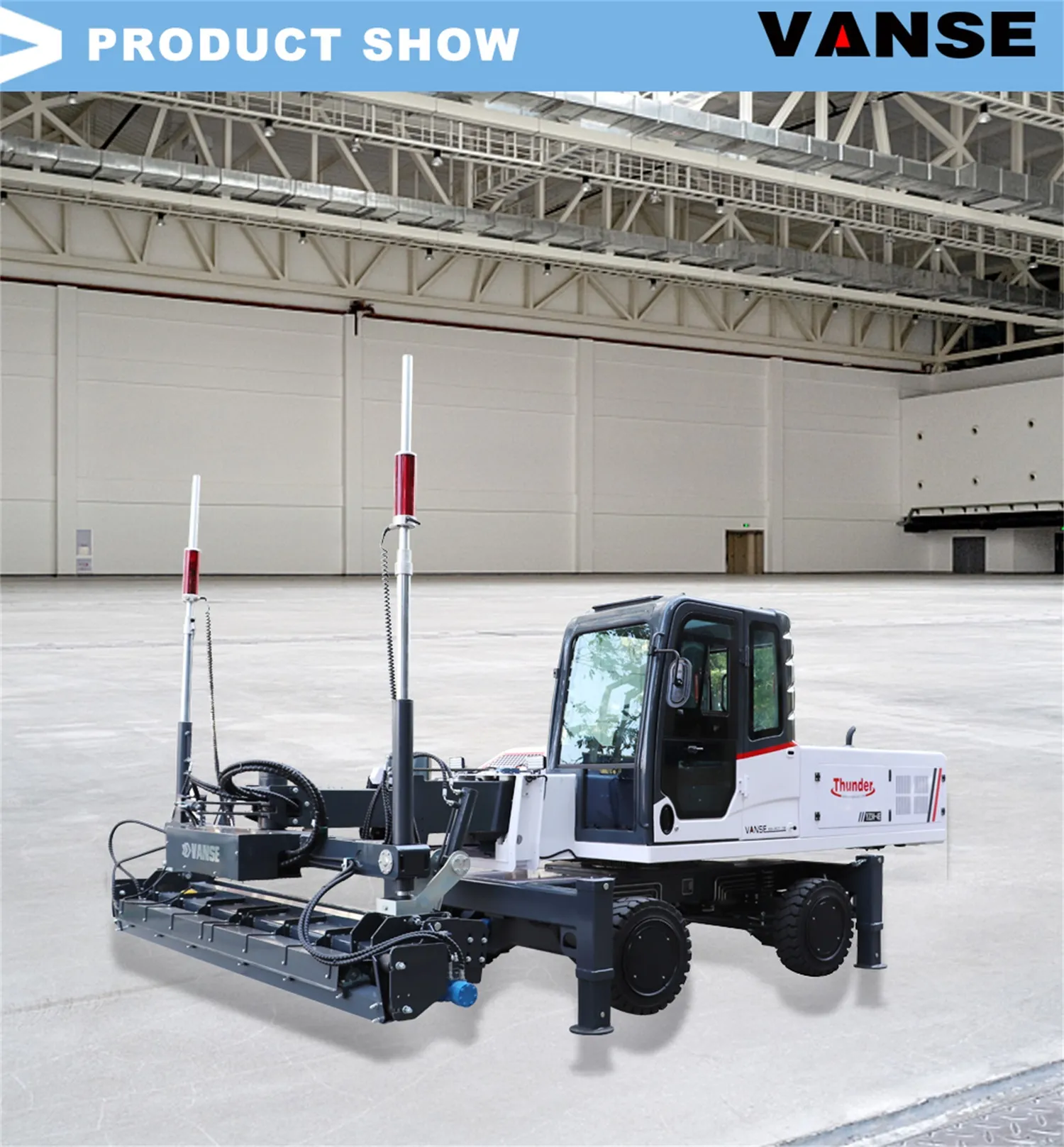
The application of laser leveling machines in industrial plants and warehouses can significantly improve construction quality and efficiency, which is specifically reflected in the following aspects:
1. **Improve ground flatness**:
– The laser leveling machine uses a high-precision laser system to control the flatness of the ground, reducing the errors caused by human factors in traditional construction methods.
2. **Increase construction speed**:
– With a high degree of automation, the laser leveling machine can quickly complete large-area concrete laying and leveling work, greatly improving the construction speed compared to manual work.
3. **Ensure construction accuracy**:
– The equipment is equipped with a sophisticated control system that can achieve precise control of the concrete floor to ensure that the horizontality and verticality of the floor meet the design requirements.
4. **Reduce material waste**:
– The laser leveling machine effectively reduces material waste and construction costs by accurately controlling the laying thickness of concrete.
5. **Increase ground bearing capacity**:
– The ground constructed by the laser leveling machine has a higher density, thereby improving the bearing capacity and durability of the ground, which is suitable for heavy machinery and cargo stacking in industrial plants and warehouses.
6. **Reduce the cost of later maintenance**:
– High-quality construction results reduce problems such as ground cracks and potholes, thereby reducing the cost of later maintenance and repair.
7. **Improve the working environment**:
– The flat and seamless ground reduces the accumulation of dust and debris, providing a cleaner and safer working environment for industrial plants and warehouses.
8. **Adapt to different construction conditions**:
– The laser leveler can work in different climates and ground conditions, including wet, cold or hot environments, to ensure the continuity and efficiency of construction.
9. **Improve construction safety**:
– Reduce the amount of manual work and reduce the safety risks of construction workers during the construction process.
10. **Facilitate subsequent construction and use**:
– The ground constructed by the laser leveler provides a good foundation for subsequent equipment installation and internal logistics, which is conducive to improving the operating efficiency of the entire factory.
In the above way, the application of laser levelers in industrial plants and warehouses not only improves the quality and efficiency of construction, but also brings long-term economic benefits and better use experience to owners. With the continuous advancement of technology, the application of laser leveling machines in the industrial field will become more extensive, and the construction quality and efficiency will be further improved.
Thanks to All the Friends Who Support and Trust Shandong Vanse Machinery Technology Co., Ltd.
If you want to know more about Shandong Vanse Machinery Technology Co., Ltd. or have any questions, please feel free to contact us:
Our Factory
Shandong Vanse Machinery Technology Co., Ltd.
Share this article

About the Author: Shandong Vanse Machinery Technology Co., Ltd.
Shandong Vanse Machinery Technology Co., Ltd. is a high-tech manufacturer specializing in concrete construction machinery, including laser screeds and related equipment. The company integrates R&D, production, and global sales, with products exported to over 60 countries and widely used in infrastructure projects worldwide.
Previous Post
Next Post
Related Articles
You Might Also Like
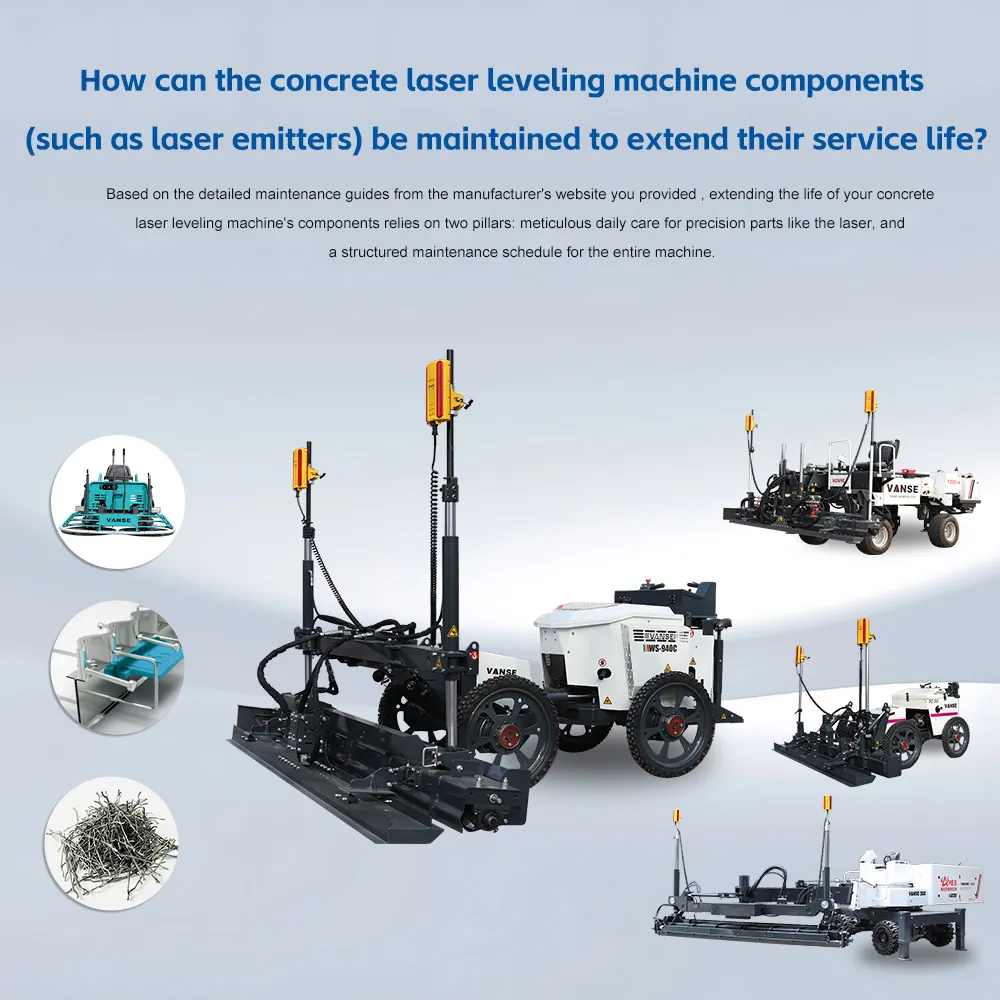
How can the concrete laser leveling machine components (such as laser emitters) be maintained to extend their service life
Based on the detailed maintenance guides from the manufacturer's website you provided , extending the life of your concrete laser leveling machine's components relies on two pillars: meticulous daily care for precision parts like the laser, and a structured maintenance schedule for the entire machine. Here is a practical guide focused on the key components you asked about. The laser emitter and receiver are the most sensitive parts. Their maintenance revolves around cleanliness, careful handling, and regular accuracy checks . Component Daily Care Essentials Calibration & Advanced Care Laser Emitter Clean the lens gently after each use with special lens paper or a blower ever use rough materials . Perform a self-check before key projects: Set it up, allow it to self-level, then verify accuracy by checking beam height at two distances (e.g., 5m and 15m). The height difference should be near zero . Check laser tube brightness every 300-500 hours. Replace if the beam is weak or range shortens . Wipe the body with a dry cloth . Always store in its dedicated, foam-padded box to prevent shock . Use and store in a cool, dry place . Manage battery: Avoid deep discharge; charge every 1-2 months during long storage . Laser Receiver & Sensors Keep the sensor lens clean and free of mud . Perform linkage calibration: After the emitter is set, calibrate the receiver with the control panel. Slowly raise/lower the receiver rod and record the "high" and "low" points so the machine responds correctly . Adjust sensitivity based on site conditions (e.g., higher in bright sunlight) for optimal signal capture . Secure the mounting to prevent loosening from vibration . Handle the receiver rod carefully to avoid bending . Inspect cables daily for damage or loose connections, as these cause signal issues . To keep the laser system and the rest of the machine in top condition, follow a maintenance plan based on operating hours. The table below integrates recommendations from your provided sources . Frequency Key Actions for Longevity Daily (After Each Use) Thoroughly clean all concrete residue from the Leveling head, vibrator, frame, and especially the laser components . Inspect for leaks, loose bolts, and any visible damage . Grease all pivot points and bearings to prevent wear . Weekly (~50 Hours) Check and clean/replace the engine air filter . Inspect hydraulic oil level and condition; check for leaks in hoses and connections . Check tire pressure/wear or track tension and condition . Tighten all exposed bolts and nuts, especially on vibrating parts . Monthly (~250 Hours) Clean or replace the hydraulic tank's breather filter . Inspect the electrical system: battery terminals, wiring for wear . Calibrate the laser system to ensure construction accuracy . Inspect structural components like the frame and Leveling for cracks or deformation . Quarterly/Semi-Annually (~500-1000 Hours) Replace hydraulic oil and all filters (suction, return, pressure) . Perform full engine maintenance: change oil, oil filter, fuel filter . Conduct an in-depth inspection of hydraulic pumps, motors, and cylinders for wear . Clean Before Hardening: The most important rule is to wash off concrete slurry before it hardens. Cured concrete is extremely difficult to remove and will quickly damage moving parts and affect machine balance . Keep Records: Maintain a logbook of all maintenance, calibrations, and part replacements. This helps track the equipment's health and plan future servicing . Treat with Care: Always handle the laser components as you would a precision camera lens. Their accuracy depends on it . For Long-Term Storage: If the machine won't be used for over a month, clean it thoroughly, apply rust protection to exposed metal, disconnect the battery, and store it in a dry place . By integrating this laser-specific care into a comprehensive maintenance routine, you ensure the entire machine works harmoniously for years to come. If you are using a specific model from the Vanse series (like the DZ25-2 or WS550 you saw earlier) and need model-specific advice, feel free to ask. Contact us NOW Note: The parameters provided in this document are for reference only and are not mandatory. Due to differences in technical characteristics between different brands and models of laser levelers, please consult the manufacturer for a suitable solution before actual operation. This reference document assumes no responsibility for any issues arising from failure to follow the manufacturer's instructions.How to deal with surface bubbles after concrete pavement construction?
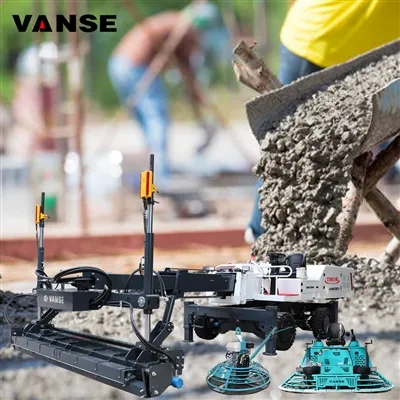
– Mechanical surface treatment: Use a trowel to smooth the surface before the concrete is initially set. The rotation and extrusion of the trowel make the concrete surface more compact, squeeze out some bubbles from the surface, and make the surface smoother. The speed and pressure of the trowel should be controlled during operation to avoid excessive pressure causing water seepage or segregation on the concrete surface. – Manual surface treatment: For corners that are difficult to reach with mechanical surface treatment or areas with many local bubbles, manual surface treatment with a trowel is required. Manual surface treatment can trim the concrete surface more carefully, gently crush the bubbles and evenly cover the bubble marks with surface mortar. During the surface treatment process, pay attention to the angle and strength of the trowel, and try to make the surface treatment smooth and uniform. – After the concrete is poured, when a small amount of water seeps out of the concrete surface and it has not yet set, perform secondary vibration. Use a vibrating rod to vibrate the concrete surface. The vibration time should not be too long. Generally, it is appropriate to stop bubbles from appearing on the concrete surface and to seep out cement slurry. Secondary vibration can further expel the bubbles inside the concrete, while enhancing the compactness of the concrete and improving the quality of the concrete surface. However, be careful to avoid inserting the vibrating rod too deep to damage the formed concrete structure. – For larger bubbles, you can use a steel needle or other sharp tools to puncture the bubbles before the concrete sets to expel the gas. Then use a trowel to gently compact the punctured bubble area so that the surrounding concrete mortar fills the gaps left by the bubbles. Needle puncture exhaust should be performed in time to avoid bubbles from forming obvious holes or defects after the concrete hardens. – If bubbles on the concrete surface still leave obvious marks or small potholes after finishing, you can repair the surface after the concrete has finally set. First, clean the surface of the repaired area to remove dust, debris, etc. Then, according to the color and mix ratio of the concrete, mix an appropriate amount of repair material, such as cement mortar or a special concrete repair agent. Apply the repair material to the bubble marks and smooth it with a trowel to make it smooth and consistent with the surrounding concrete surface. After repair, pay attention to the maintenance of the repaired area to avoid the repair material from losing water and drying too quickly and causing cracks. – Reasonable maintenance is also important to reduce the impact of bubbles on the concrete surface. After the concrete is poured, it should be covered with moisturizing materials such as plastic film and geotextile to prevent the water on the concrete surface from evaporating too quickly. At the same time, according to the ambient temperature and humidity, watering maintenance should be carried out in time to keep the concrete surface moist. The maintenance time is generally not less than 7 days. For important concrete pavements or large-volume concrete, the maintenance time should be appropriately extended. Good maintenance can fully hydrate the concrete, improve the strength and density of the concrete, and reduce surface defects caused by water evaporation and concrete shrinkage, including bubble-related problems.Concrete Laser Leveling Machine Construction Operation Steps
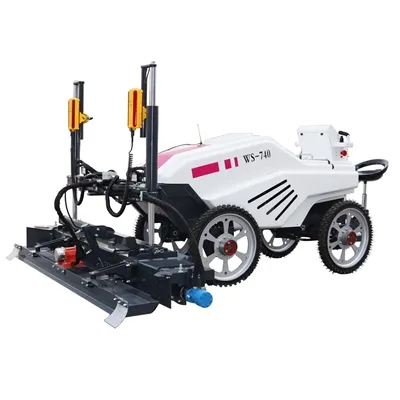
Concrete laser leveling machine construction operation steps The concrete laser leveling is an indispensable and efficient tool in modern building construction. Its precise operation ability can significantly improve the flatness of the ground and lay a solid foundation for the quality and aesthetics of subsequent projects. This article will introduce the concrete laser leveling machine in detail from seven aspects: preliminary preparation and inspection, equipment installation and debugging, laser system calibration, concrete pouring and initial leveling, laser leveling machine operation, construction quality inspection, and equipment cleaning and maintenance. Construction operation steps. 1. Preliminary preparation and inspection Adequate preparation is crucial before proceeding with concrete laser leveling construction. First, conduct a comprehensive inspection and planning of the construction site to ensure that the site is flat, the size of the space meets the construction requirements, and there is no interference from debris. Clean the site to ensure the construction surface is clean and tidy, and provide a good working environment for subsequent concrete laying and leveling work. At the same time, necessary protection is provided to the construction site to prevent the external environment from affecting the construction quality. In addition, the concrete materials required for construction are inspected to ensure that the quality and quantity of the materials meet the design requirements. If problems are found, the supplier should be contacted in time for replacement or supplementation to ensure the smooth progress of the construction. 2. Equipment installation and debugging Equipment installation and debugging are key steps to ensure the normal operation of the laser leveler. First of all, install the concrete laser leveling reasonably according to the actual conditions of the construction site. During the installation process, attention should be paid to the stability and safety of the equipment to prevent the equipment from shifting or toppling during work. After the installation is complete, debug the equipment. During the debugging process, it is necessary to check whether the various functions of the equipment are normal, such as laser sensors, control systems, etc. At the same time, the flatness, cutting depth and other parameters of the leveling system are debugged to ensure that the equipment can achieve the preset construction goals and requirements. 3. Laser system calibration Laser system calibration is a key link in the construction of concrete laser leveling machines. First, install and debug the laser system to ensure the laser horizontal line is accurate. Then, set target values for concrete height and flatness according to project needs. The calibration accuracy of the laser system directly affects the leveling effect, so the operating procedures must be strictly followed during the calibration process to ensure the accuracy and stability of the laser system. During the laser system calibration process, you also need to pay attention to the safe use of the laser transmitter. Avoid direct exposure of personnel to the laser beam to prevent eye injury. At the same time, regularly check the performance of the laser transmitter to ensure that it is working properly. 4. Concrete pouring and initial leveling Concrete pouring and initial leveling are the basic steps in the construction of concrete laser leveling. First, concrete is poured according to the design and requirements. During the pouring process, the quality and uniformity of the concrete must be ensured to avoid problems such as cracking and deformation. After pouring is completed, use a vibrator or other tools to vibrate the concrete surface to ensure that the surface is smooth and free of bubbles. Then proceed with the initial leveling of the concrete. Preliminary leveling mainly uses manual or mechanical means to initially level the concrete surface to eliminate large height differences and uneven parts. The quality of the initial leveling directly affects the subsequent laser leveling effect, so it needs to be taken seriously to ensure that the concrete surface after the initial leveling is smooth and has no obvious unevenness. 5. Laser leveling machine operation Laser leveling machine operation is the core link in the entire construction process. Before operation, the equipment needs to be checked again to ensure that all instruments and equipment are operating normally. Start the laser leveling machine and operate the leveling machine to perform leveling operations according to the guidance of the laser system. During the operation, parameters such as the flatness and cutting depth of the laser leveler need to be adjusted according to actual needs to obtain the best leveling effect. At the same time, operators need to maintain a high degree of attention and concentration, and pay close attention to the instructions of the laser system and the changes in flatness of the concrete surface. Once differences in height or uneven parts are found, machine parameters or operating methods need to be adjusted in time to ensure the leveling quality. In addition, you need to pay attention to safe operations during the operation. Operators should wear protective equipment and abide by safety procedures to prevent accidents. 6. Construction quality inspection After completing the laser leveling machine operation, the leveled concrete surface needs to be inspected. The inspection content mainly includes flatness, elevation and smoothness. First, use measuring tools to measure the flatness of the concrete surface to ensure that it meets the design requirements. Secondly, check whether the elevation meets the predetermined standards to avoid unevenness. Finally, observe the smoothness of the concrete surface to ensure there are no obvious roughness or scratches. If problems are found during the inspection, they need to be dealt with promptly. For parts where the flatness does not meet the requirements, handheld leveling tools can be used to repair and adjust; for parts where the elevation does not meet the standards, the laser leveling operation needs to be performed again; for rough or scratched surfaces, grinding or grinding can be used Processed by polishing and other methods. 7. Equipment cleaning and maintenance After the construction is completed, cleaning and maintaining the concrete laser leveling is an important part of ensuring the long-term stable operation of the equipment. First, turn off the power to the device and make sure it comes to a complete stop. Then, use cleaning tools to clean the equipment and remove dust, dirt and other debris on the surface. The internal components of the equipment need to be inspected and maintained regularly to ensure their normal operation. In addition, laser systems need to be inspected and maintained. Clean the laser transmitter and receiver regularly to ensure stable and accurate performance. If any problems or faults are found, they should be dealt with promptly or contact professionals for repair. In short, the construction operation steps of the concrete laser levelinging machine involve multiple links, and each link needs to be taken seriously and operated carefully. Through standardized operations such as preliminary preparation and inspection, equipment installation and debugging, laser system calibration, concrete pouring and initial leveling, laser leveling machine operation, construction quality inspection, and equipment cleaning and maintenance, we can ensure the safety of concrete laser leveling machine construction. Quality and efficiency provide a solid foundation for construction projects. In terms of equipment cleaning and maintenance, in addition to daily cleaning work, the laser leveling machine should also be comprehensively inspected and maintained regularly. This includes checking the tightening of each component of the equipment to ensure there are no loose or damaged parts; checking and replenishing the lubrication system of the equipment to ensure normal operation of the equipment; checking the electrical system of the equipment to prevent the occurrence of electrical faults. . In addition, with the continuous advancement of technology, concrete laser leveling machines are also constantly being updated. New equipment and technology may lead to higher construction efficiency and better construction quality. Therefore, operators should continue to learn and master new technologies to adapt to the development needs of the industry. In terms of construction quality, in addition to relying on the precise operating capabilities of the laser leveler, we should also pay attention to quality control during the construction process. This includes quality control of construction materials, monitoring of the construction process, and acceptance of construction results. Only by comprehensively controlling construction quality can the long-term effectiveness of the project be ensured. In addition, the construction operation of concrete laser levelinging machine should also pay attention to environmental protection and energy saving. During the construction process, environmental damage and pollution should be minimized, stolen sources should be rationally utilized, and energy consumption should be reduced. This is not only a manifestation of corporate social responsibility, but also a requirement for sustainable development. In summary, the standardization and refinement of concrete laser leveling construction operation steps are the key to ensuring construction quality and efficiency. Through strict control of preliminary preparation and inspection, equipment installation and debugging, laser system calibration, concrete pouring and initial leveling, laser leveling machine operation, construction quality inspection, and equipment cleaning and maintenance, we can ensure that the warm soil laser leveling machine Play the greatest role in the construction project and provide a strong guarantee for the smooth progress of the construction project. In future construction projects, with the continuous advancement and application of technology, concrete laser levelings will become more intelligent, automated and efficient. We expect it to play a greater role in future construction and contribute more to the quality and efficiency of construction projects. Finally, it needs to be emphasized that the installation and maintenance of a concrete laser leveling requires professional knowledge and skills. Therefore, operators should receive professional training. Be familiar with the performance and use of equipment, and operate in strict accordance with the lifting procedures. At the same time, enterprises should also strengthen the maintenance and management of equipment to ensure the normal operation and long-term use of equipment. To sum up, the construction operation of concrete laser leveling machine is a complex and delicate process, which requires the operator to have professional knowledge and rigorous working attitude. Through standardized machine operation and meticulous management, it can be ensured that the concrete laser leveling machine plays its greatest role in construction projects, providing a strong guarantee for the quality and efficiency of construction projects. In the future development, with the continuous emergence of new technologies and new materials, concrete laser leveling machines will also face more challenges and opportunities. We should continue to strengthen technology research and development and innovation, promote the application and development of concrete laser leveling machines in construction projects, and make greater contributions to the progress of the construction industry. At the end of this article, we once again emphasize the importance of concrete laser leveling construction operations and look forward to its playing a more important role in the future construction industry. Let us look forward to more innovations and breakthroughs in this field together, injecting new vitality and impetus into the development of construction engineering.