Technical Knowledge
Concrete laser leveling machine manufacturers how to grasp the initiative
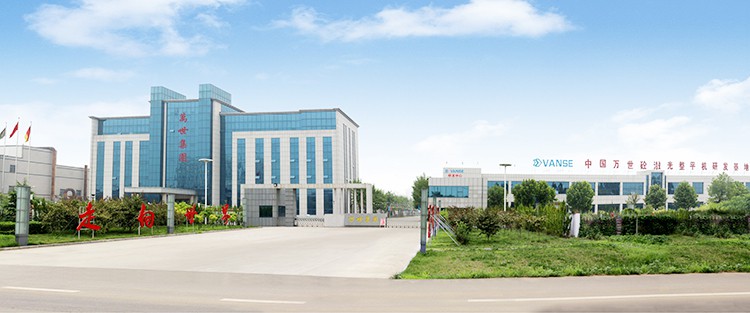
At present, the laser leveling machine industry after years of development, has become increasingly mature, and now the industry is also undergoing major changes, such as the use of the Internet and the development of electricity, the current laser leveling machine business environment is taking place Of the changes, a profound impact on all the laser leveling machine business behavior. Mobile Internet completely broke the information barriers, allowing users to access information anytime, anywhere. Sellers and buyers of information asymmetry gradually disappear, therefore, the original by the information asymmetry to make money business will face death. At the same time, the user is no longer easily fooled, "buyers do not sell fine" argument is being rewritten.
"Who has mastered the big data, who will master the big future." Today there are many laser leveling machine companies have seen the "big data" brought about by the opportunity. For example, under the support of large data, in addition to a specific laser leveling machine brand can be based on statistical data to implement product improvement, service enhancement, order follow-up, but also can be associated with similar brands to achieve interactive marketing The Prior to the laser leveling machine industry’s interactive marketing is dependent on the Union, are organized by the enterprise, not necessarily with the needs of consumers fit.
Now through the intuitive presentation of large data, you can find the user’s choice of brand relevance, the higher the proportion of the brand can take the initiative to jointly provide users with preferential marketing or service interaction, so as to truly meet the needs of consumers.
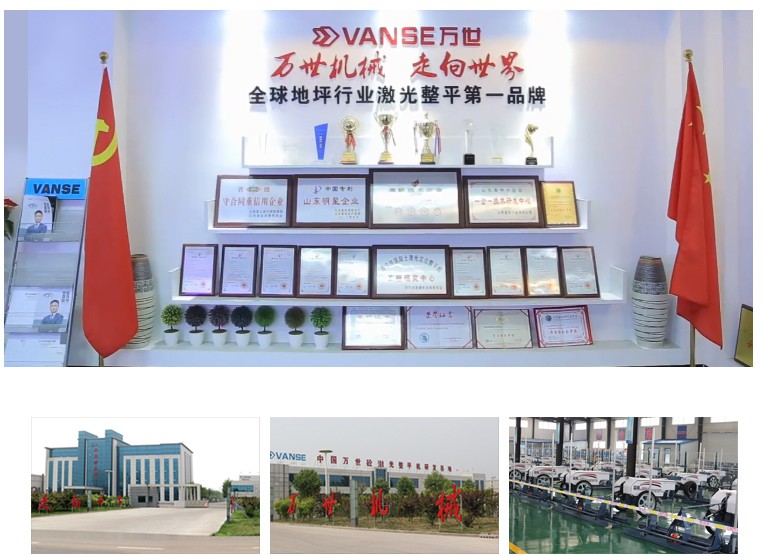
Thanks to All the Friends Who Support and Trust Shandong Vanse Machinery Technology Co., Ltd.
If you want to know more about Shandong Vanse Machinery Technology Co., Ltd. or have any questions, please feel free to contact us:
Our Factory
Shandong Vanse Machinery Technology Co., Ltd.








Share this article

About the Author: Shandong Vanse Machinery Technology Co., Ltd.
Shandong Vanse Machinery Technology Co., Ltd. is a high-tech manufacturer specializing in concrete construction machinery, including laser screeds and related equipment. The company integrates R&D, production, and global sales, with products exported to over 60 countries and widely used in infrastructure projects worldwide.
Previous Post
Next Post
Related Articles
You Might Also Like
Common Causes of Hydraulic System Failures in Laser Leveling Machine and Maintenance Suggestions
In the world of precision concrete, the hydraulic system is the "muscles and nerves" of the laser Leveling. Because these machines operate in an environment filled with abrasive cement dust, high humidity, and extreme vibrations, the hydraulic system is under constant assault. When the hydraulics fail, the machine loses its ability to maintain the FL (Levelness) plane, often resulting in expensive "bad pours." Concrete dust is essentially a collection of microscopic rocks. If even a tiny amount enters the hydraulic reservoir during a filter change or through a worn seal: The Result: It acts as a grinding paste, scouring the internals of the proportional valves and the hydrostatic pumps. Symptom: The Leveling head becomes "sluggish" or "stutters" instead of moving smoothly. Laser Levelings often work in non-climate-controlled warehouses or under direct sun. The Cause: Clogged oil coolers (covered in dried concrete) or low fluid levels. The Result: Hydraulic oil thins out (viscosity loss). Once the oil loses its lubricating properties, the pump begins to eat itself (cavitation). Since the laser receivers talk to the hydraulic system via solenoid valves: The Cause: Corroded electrical connectors or "sticky" valve spools. The Result: The machine receives the laser signal but the "muscles" don't react, causing the Leveling head to dive or climb incorrectly. The constant vibration of the vibrator head and the telescopic boom creates mechanical fatigue. The Cause: Hoses rubbing against the frame or "dry rot" from UV exposure. To keep a laser Leveling running at peak precision, follow this tiered maintenance approach: Check the "Breather" Cap: Ensure the reservoir breather is clean. If it's clogged with cement dust, the pump will pull a vacuum and fail. Visual Hose Inspection: Look for "weeping" at the fittings. A small leak on the job site can quickly turn into a high-pressure geyser that ruins the fresh concrete. Rod Cleaning: Wipe down the hydraulic cylinders with a clean cloth. Dried concrete on a cylinder rod will tear the seals the moment it retracts into the housing. Clean the Oil Cooler: Use compressed air or a soft brush to remove dust from the hydraulic heat exchanger. Do not use a high-pressure power washer, as it can bend the delicate cooling fins. Electrical Contact Cleaner: Spray the connectors for the proportional valves to ensure the laser signal isn't being "lost in translation." Oil Analysis: Once a year, send a sample of your hydraulic oil to a lab. It's cheaper than a $15,000 pump replacement. They can detect "wear metals" before the system actually fails. Filter Schedule: Change hydraulic filters every 250–500 hours. Always use OEM high-efficiency filters; generic filters often lack the "micron rating" needed to protect sensitive laser-controlled valves. Symptom Likely Hydraulic Culprit Fix Head won't stay level Leaking cylinder seal (internal bypass) Rebuild/Replace cylinder. Leveling moves slowly Clogged suction filter or failing pump Change filters; check pump pressure. Excessive Noise/Whining Aeration or Cavitation Check for air leaks in the intake line. Hydraulic oil is milky Water contamination Flush system and replace oil immediately. Pro Tip: Always carry a "Spill Kit" and a spare set of the three most common hydraulic hoses on your support truck. A hydraulic failure in the middle of a 30-truck pour is a disaster; being able to swap a hose in 15 minutes saves the day. Would you like me to create a "Troubleshooting Flowchart" for when the Leveling head fails to respond to the laser signal? Contact us NOW Note: The parameters provided in this document are for reference only and are not mandatory. Due to differences in technical characteristics between different brands and models of laser levelers, please consult the manufacturer for a suitable solution before actual operation. This reference document assumes no responsibility for any issues arising from failure to follow the manufacturer's instructions.How to perform post-inspection and treatment of concrete laser leveling machine?
Post-inspection and handling of the concrete laser leveling machine are very important to ensure the normal operation of the machine and extend its service life. Here are some suggestions: 1. Daily inspection: After the completion of daily construction, the levelinging machine should be inspected daily, including whether the fasteners are loose, whether the oil level is normal, whether there is any leakage, etc. These daily inspections can detect and solve potential problems in time, preventing small problems from accumulating into large failures. 2. Regular maintenance: According to the usage, make a regular maintenance plan, including replacing lubricating oil, cleaning the machine, checking sensors, etc. Regular maintenance can ensure that the performance indicators of the leveling machine are normal and extend the service life of the machine. 3. Professional maintenance: If you encounter problems that cannot be solved, you should seek help from professional maintenance personnel. Do not attempt to disassemble or repair the leveler yourself to avoid further damage or safety incidents. 4. Storage: When the concrete laser leveler is not in use, it should be stored in a dry and ventilated place, and the equipment should be kept clean. At the same time, the machine should be started regularly to keep it in good condition. 5. Battery maintenance: If the leveler uses battery power, attention should be paid to the charging and storage of the battery. Avoid overcharging or discharging and try to use the original charger for charging. 6. Recording and tracking: Establish detailed maintenance records to track machine usage and maintenance history. This helps to detect and deal with potential problems in time, while providing a reference for future maintenance. 7. Safe operation: Always comply with safe operating procedures and ensure that safety measures in the construction area are implemented. When using the leveler, avoid wearing loose clothing or accessories that may get caught in the rotating part. To sum up, the later inspection and processing of the concrete laser leveling machine need to be considered and implemented from the aspects of daily inspection, regular maintenance, professional repair, storage, battery maintenance, recording and tracking, and safe operation. Through the implementation of these measures, the normal operation and use effect of the concrete laser leveling can be ensured, its service life can be extended, and maintenance costs can be reduced.The standardized construction process of coarse grinding followed by fine grinding, and the timing for switching between the trowel disc and the trowel on the power trowel.
Let's take a detailed look at the standardized construction process of concrete plastering, especially the technique of "rough grinding first and then fine grinding", as well as the key switching timing between the grinding plate and the power trowel. This is the core link to ensure that the concrete floor (especially the industrial floor) achieves a dense, flat and high-strength surface. This process is a dynamic one that advances based on the setting state of the concrete. The entire process can be summarized into the following stages: Concrete pouring: Ensure that the concrete pouring is smooth and slightly higher than the designed elevation. Vibration and leveling: Use a vibration rod to compact it tightly, and then perform an initial leveling with a long straightedge or a laser screed. Natural settlement and bleeding: Let the concrete settle naturally and bleed out. No mechanical operations are allowed before the bleeding water has completely evaporated. Core objective Slurry lifting: Bringing the slurry rich in cement and fine aggregates on the surface to the surface layer. Preliminary leveling: Eliminate the large undulations left by the straightedge, and slightly press the aggregate down to make the large area basically flat. Seal the pores: Compact the surface layer to lay a solid foundation for subsequent fine grinding. Entry timing (first disc operation) : Concrete condition: When a person stands on it, it sinks by 3 to 5 millimeters, with clear footprints but no obvious overflow of slurry water. This is the critical point of "initial condensation". Test method: The same as the finger pressure method and scratch method mentioned above. This is the signal for the first entry of the power trowel machine. Key points of operation Installation disc: Ensure that the power trowel machine is equipped with a plastic or magnesium alloy power trowel disc. Blade Angle: Adjust the power trowel blade (even if not in use) or keep the chassis parallel to the ground. Operation mode Start the machine and slowly cut into the concrete area at an Angle. Operate along an overlapping route to ensure that each path overlaps with the previous one by one-third. Maintain a slow and steady moving speed to allow the disc sufficient time to knead and lift the slurry. When encountering uneven areas, you can appropriately increase the rotational speed or stay in the local area for a while longer. Effect inspection: After rough grinding is completed, the surface should be a uniform and moist layer of cement slurry, without obvious exposed stones, and the large area should be smooth. Core objective Compact the surface layer: Further enhance the surface density and strength. Final leveling and smoothing: Eliminate the fine scratches left by the disc to achieve the designed flatness and smoothness. Surface sealing: Seal the surface capillary pores to enhance wear resistance, impermeability and dust resistance. Entry timing (first blade operation) : Concrete condition: This is the most crucial judgment throughout the entire process. After completing the first disc operation, it is necessary to wait for the concrete to continue hardening. When the following phenomena occur, it can be switched to blade: Surface moisture disappearance: The previously moist and reflective surface layer has become dull and lackluster. When people walk on it, they leave only very shallow marks or no footprints at all. When touched by hand, there is a distinct sense of resistance (roughness), but it does not stick to the slurry. In simple terms: When the surface of the concrete changes from "wet bright" to "dry dark" and has a certain load-bearing capacity. Key points of operation Switch the power trowel: Remove the disc and install the metal power trowel (blade). Make sure the blade is installed flat. Adjust the Angle: For the final finishing, you can slightly lift the tail of the power trowel to form a small Angle (about 5°) between the front edge of the blade and the ground. This will achieve a better shearing and calendering effect. Operation mode Cross-operation methods (for example, one horizontal pass and one vertical pass) can be adopted to ensure flatness. Increase the machine's rotational speed appropriately and speed up the lateral movement. Perform multiple rounds of polishing, each lighter and faster than the previous one, with the aim of "flattening" the surface. Final polishing: Before the concrete is about to set, a final fine polishing is carried out. At this time, the best bright effect can be achieved. For a more intuitive understanding, we can summarize the switching timing as follows: Component Homework stage Core role Judgment of switching timing (Key signal) Description of concrete state Grinding plate/disc Rough grinding Slurry extraction and initial leveling First entry: The concrete reaches initial setting. "Wet soft and malleable" Subsequent disc operation: When the surface is damaged due to operation and slurry needs to be lifted again. • The footprint depth is 3 to 5mm • Scratches can be maintained • No free bleeding Spatula/blade Fine grinding Compact and finally smooth The first switch: After rough grinding, the moisture on the surface of the concrete evaporates and its hardness increases. "Dry, dark, tough and astringent" • The surface water luster disappears • The footprints are extremely shallow or non-existent • It feels rough when touched and is not sticky to the hand Important Notes: Dynamic adjustment: This process is not static. If, after the first blade operation, it is found that the surface is not hard enough and "waves" or "blade marks" appear, it indicates that the switch was made too early. The disc should be switched back or wait further. If the switch is too late and the surface has hardened, it will not be able to effectively collect light and is prone to surface cracking. Environmental sensitivity: Temperature, wind speed and humidity can greatly affect the time Windows of each stage. In summer, on sunny days, the window period is very short and needs to be closely connected. In winter or humid environments, a long wait is required. The "Better late than early" principle: When it comes to the timing of switching blades, it is better to do it a little later (as long as it can still produce luster) than too early. Switching too early will tear the surface, causing irreparable damage. Summarize the process chain Pouring → Leveling → standing (waiting for initial setting) → Rough grinding of [disc] (lifting slurry) → Waiting (surface dries and darkens) → Fine grinding of [blade] (finishing) → curing Mastering this process and timing judgment proficiently is an essential skill for producing high-quality concrete floors. Note: The parameters provided in this document are for reference only and are not mandatory. Due to differences in technical characteristics between different brands and models of laser levelers, please consult the manufacturer for a suitable solution before actual operation. This reference document assumes no responsibility for any issues arising from failure to follow the manufacturer's instructions.