Technical Knowledge
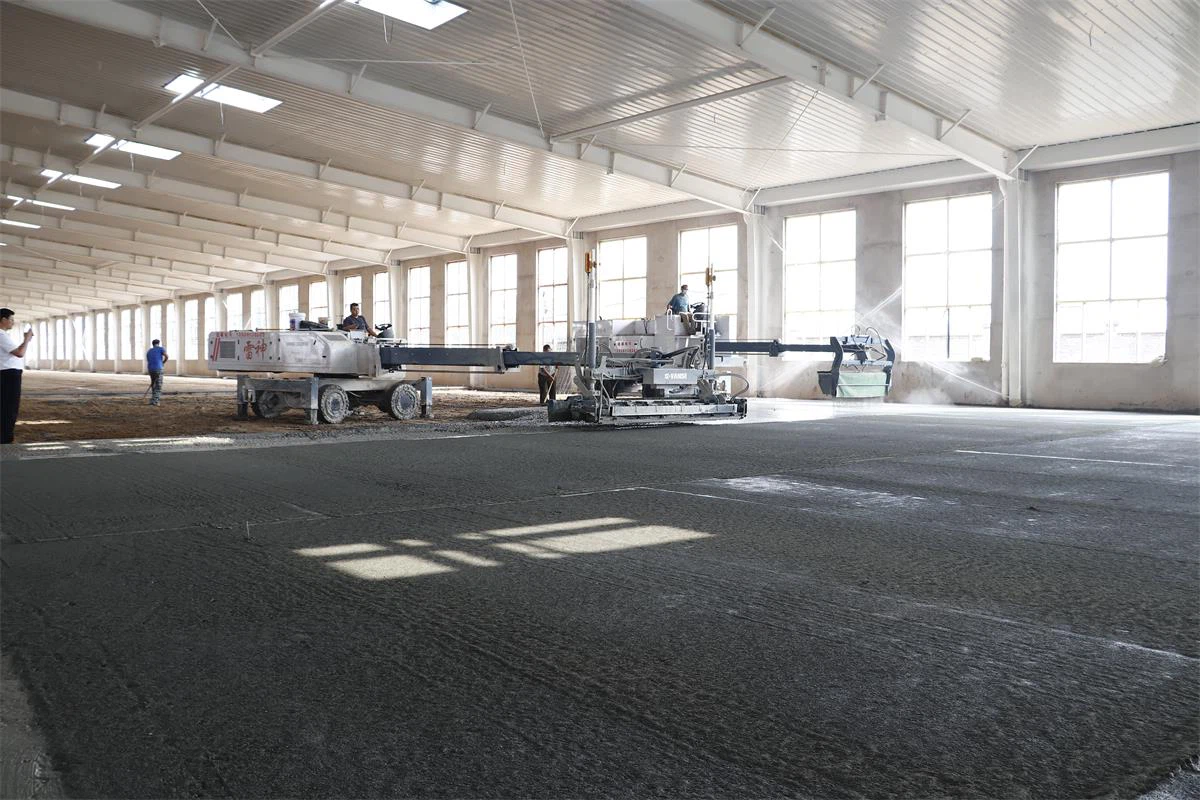
Concrete laser leveling + emery construction plan
◆◆★◆◆ Preparation for the project ◆◆★◆◆
1. Conduct a detailed survey of the construction site to understand the basic conditions of the ground and ensure that the ground is smooth, free of oil stains, and free of debris.
2. Develop detailed construction plans and progress plans based on construction drawings and technical requirements.
3. Organize the construction team to conduct technical briefings and safety training to ensure that the skills and safety awareness of construction personnel are up to standard.
◆◆★◆◆ Material selection and inspection ◆◆★◆◆
1. Select raw materials such as cement, aggregates, admixtures, etc. that are of high quality and meet national standards.
2. Conduct quality inspection on the raw materials entering the site, including strength stability, moisture content and other indicators to ensure that the material quality meets the construction requirements.
◆◆★◆◆ Preparation of laser leveling equipment ◆◆★◆◆
1. Choose laser leveling equipment with mature technology and stable performance to ensure construction efficiency and quality.
2. Carry out comprehensive inspection and maintenance of laser leveling equipment to ensure that the equipment operates normally during the construction process.
◆◆★◆◆ Emery laying process ◆◆★◆◆
1. Determine the laying thickness and laying range of emery according to the construction drawings and technical requirements.
2. Apply a layer of primer evenly on the concrete surface to improve the adhesion between emery and concrete.
3. When laying emery, make sure it is laid evenly, without omissions, and compacted using special tools.
◆◆★◆◆ Construction process control ◆◆★◆◆
1. Strictly control the mix ratio and mixing time of concrete to ensure uniform and stable concrete quality.
2. During the construction process, the operating status of the laser leveling equipment should be checked at any time to ensure the construction quality.
3. When laying emery, attention should be paid to the temperature and humidity of the construction environment to avoid affecting the hardening effect of emery.
◆◆★◆◆ Quality inspection and acceptance ◆◆★◆◆
1. During the construction process, the construction quality should be tested regularly, including flatness, strength and other indicators.
2. After the construction is completed, relevant departments should be organized to conduct acceptance inspection to ensure that the construction quality meets the design requirements.
◆◆★◆◆ Safe and civilized construction ◆◆★◆◆
1. Obvious safety warning signs should be set up at the construction site to ensure the safety of construction workers.
2. Construction workers should wear complete safety protective equipment, such as safety helmets, protective shoes, etc.
3. Good civilized construction habits should be maintained during the construction process and the construction site should be kept clean and orderly.
◆◆★◆◆ Post-project maintenance ◆◆★◆◆
1. After the construction is completed, the emery floor should be regularly maintained and maintained to extend its service life.
2. For problems and damage that occur during use, repair and replacement should be carried out in time.
Through detailed planning and implementation of the above eight aspects, it is possible to ensure the smooth progress of the concrete laser leveling + emery construction plan and achieve the expected construction results and quality standards. During the construction process, relevant technical specifications and safe operating procedures should be strictly observed to ensure the safety of construction personnel while ensuring the quality and service life of the project.
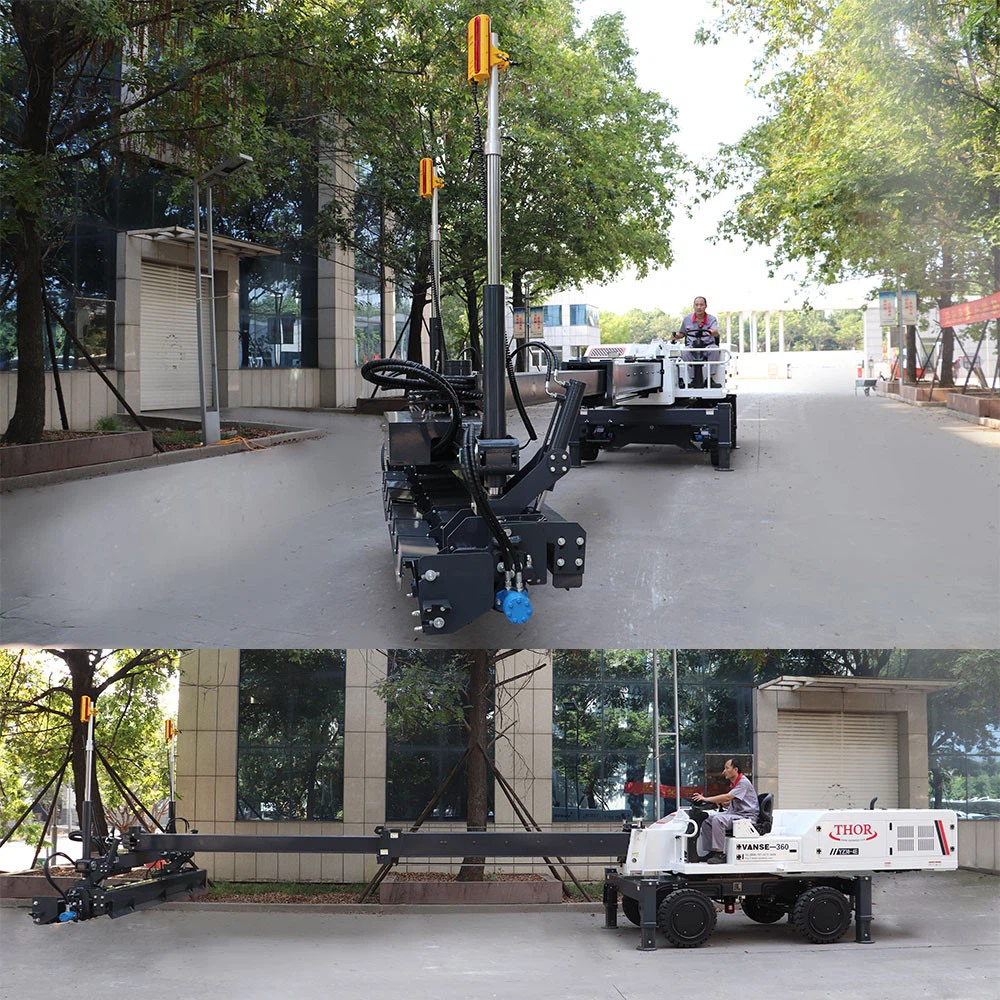
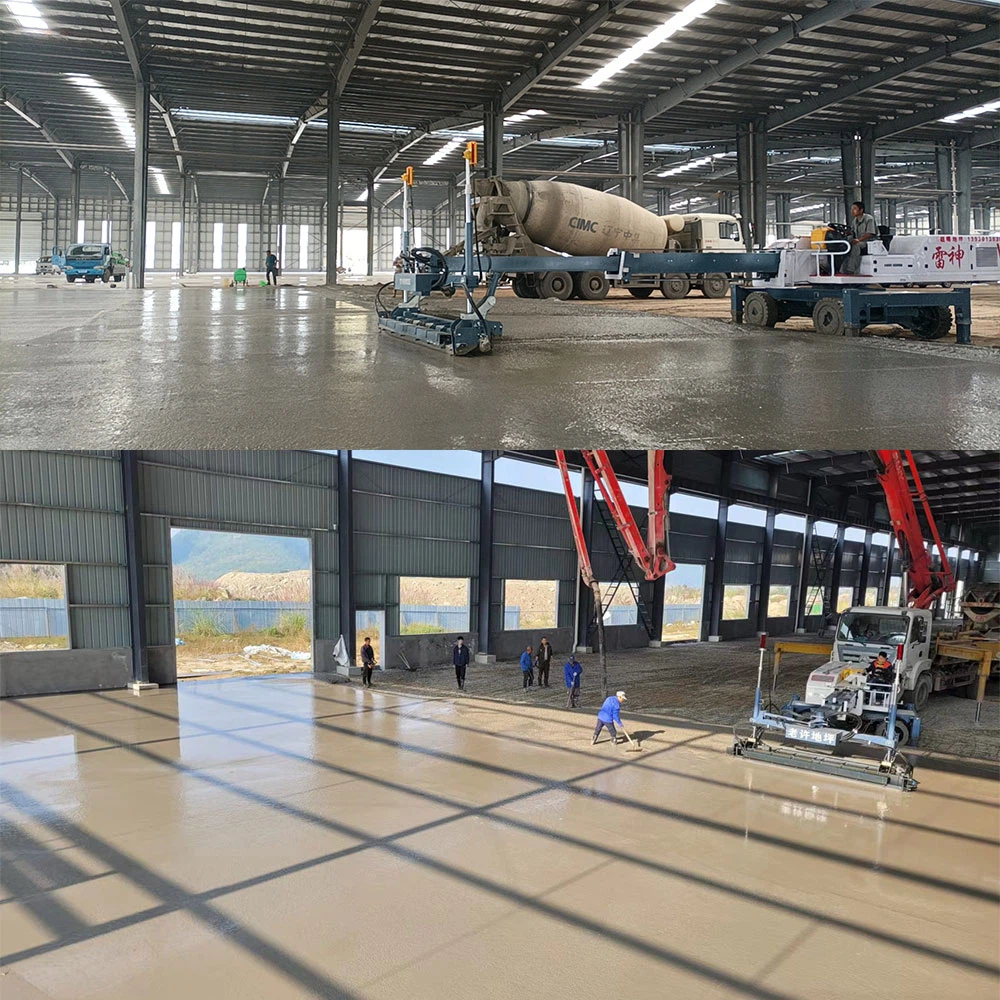
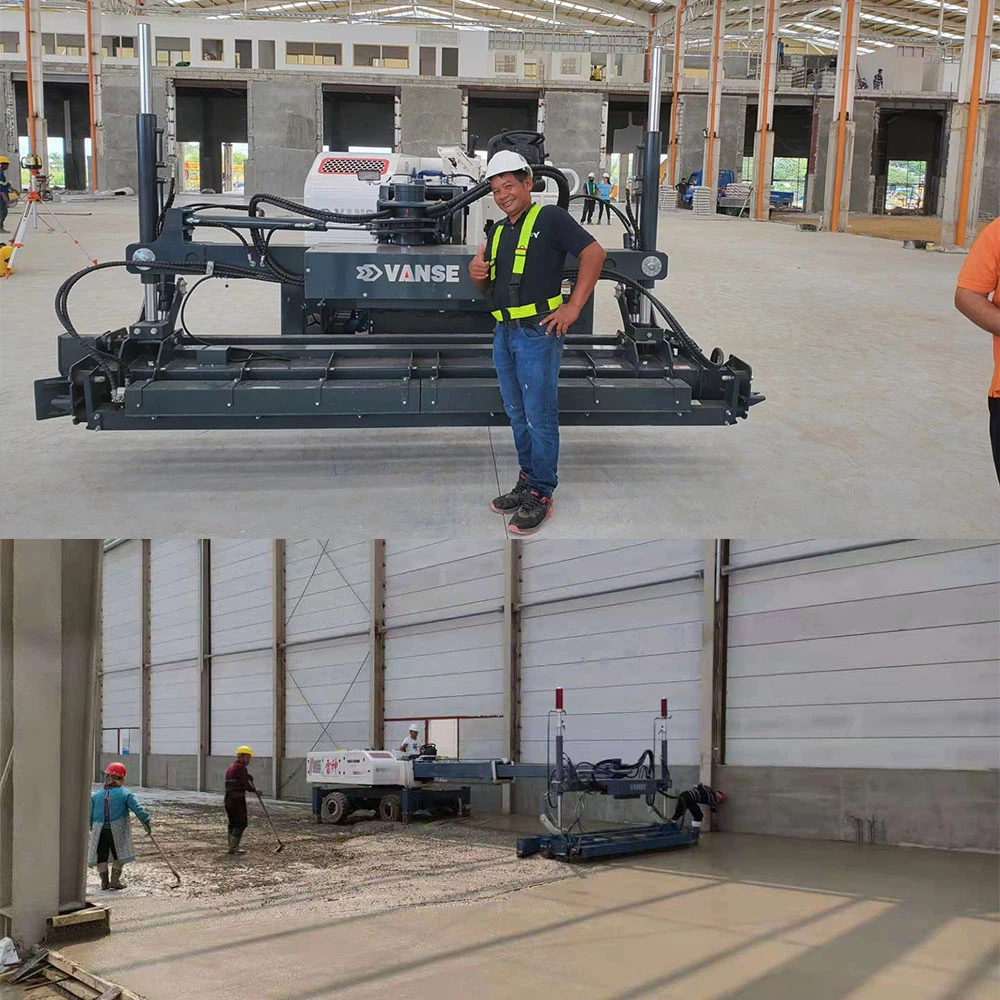
Thanks to All the Friends Who Support and Trust Shandong Vanse Machinery Technology Co., Ltd.
If you want to know more about Shandong Vanse Machinery Technology Co., Ltd. or have any questions, please feel free to contact us:
Our Factory
Shandong Vanse Machinery Technology Co., Ltd.








Share this article

About the Author: Shandong Vanse Machinery Technology Co., Ltd.
Shandong Vanse Machinery Technology Co., Ltd. is a high-tech manufacturer specializing in concrete construction machinery, including laser screeds and related equipment. The company integrates R&D, production, and global sales, with products exported to over 60 countries and widely used in infrastructure projects worldwide.
Previous Post
Next Post
Related Articles
You Might Also Like
What’s the importance of pre-sales and after-sales service of concrete laser leveling machine?
In the process of purchasing laser leveling machine equipment, manufacturing quality, market price, technical indicators, manufacturer strength, etc. are all important aspects that can be used to measure the performance of laser leveling machine equipment, but in addition to these more important reference factors , Product pre-sales and after-sales service should also be fully considered. So, what is the importance of guaranteeing the pre-sales and after-sales service of laser leveling machines? The specific analysis is detailed below. In modern society, pre-sales and after-sales services are undoubtedly an extremely important link in the process of enterprise development. However, there is a saying in the market: "Good equipment does not need after-sales service, and it will not break no matter how long it is used; and those with good after-sales service have to rely on after-sales to provide continuous supply because the equipment is always broken. Maintenance service." This sentence sounds quite right to a layman at first glance, but when you think about it carefully, it's not the case at all. For products like concrete laser leveling machines, no matter how good the equipment itself is, it is inevitable that certain parts will be lost during normal operation. What's more, how can good after-sales service just stop at "repairing" machines? After-sales service can be said to be a significant advantage of laser leveling machines. Most of the laser leveling machine equipment purchased by large-scale concrete floor construction companies is undoubtedly a "big piece" in terms of price and equipment volume. In addition, the installation, commissioning, and maintenance of laser leveling machine equipment require special personnel The operation makes the purchase of laser leveling machine equipment more cautious. However, floor construction companies have more doubts in purchasing laser leveling machine equipment products in terms of purchase, transportation distance, language communication, and after-sales communication. These doubts are exactly the advantages of VANSE laser leveling machine equipment. Compared with other equipment, VANSE laser leveling machine has its own independent production workshop, and R&D departments are located in one place, which is convenient for buyers to conduct on-site inspections of products and production workshops. It is more convenient to purchase VANSE laser leveling machine equipment, whether it is purchase procedures, transportation or later commissioning and maintenance. Our service team continues a complete set of solutions for customers, from the production of laser leveling machine equipment, arrival, equipment assembly, performance debugging, application training, production and maintenance guidance to delivery to customers as the goal, and later services also include laser Timely repair, maintenance, technical training and other work of leveling machine equipment, this kind of technical support is a good embodiment of after-sales service. Our after-sales service and product quality complement each other and fully reflect the strength of the enterprise. We not only have good quality machinery and equipment , better after-sales service.Techniques for Using a Power Trowel in Colored Concrete Flooring
The biggest challenge in using a power trowel in colored concrete (such as colored reinforced concrete, stamped concrete, or monolithic colored concrete) is avoiding color variations (patchy finish), trowel burn, and surface cracking. Because the pigments are extremely sensitive to moisture and pressure, more delicate operating techniques are required: **Strictly Prohibited:** Never spray water onto the surface during the polishing process to make it easier to spread. Water will dilute the surface pigments, causing the color to lighten or resulting in efflorescence (whitening). If the surface dries too quickly, use a dedicated evaporative retarder. **Spinning Speed Control:** On colored flooring, low to medium speed is recommended. High-speed rotation generates high temperatures, which can easily cause chemical reactions or physical "burning" of the surface metal oxide pigments, resulting in a blackening of the color. **Plastic Blades (Critical):** For extremely high color consistency, it is recommended to replace the steel blades with **plastic blades** or blades with plastic protective covers. The black metal shavings produced by the friction between the steel blades and the concrete are the main cause of the "darkening" or blackening of colored flooring. First Coat Application: After applying the first coat of pigment, use a power trowel with a **float pan** attached to it at low speed to rub the pigment into the grout. Avoid Over-Rubbing: The purpose of this step is to allow the pigment to absorb moisture from the grout and darken, not to completely polish it. Over-rubbing will lift the underlying gray concrete grout, contaminating the color. Consistent Angle: When working in the same area, the blade angle must be consistent. A larger blade angle results in greater localized pressure, leading to a darker color. Same Direction of Work: Maintain a consistent finishing direction as much as possible. Cutting lines in different directions will create visual color differences under light. Control the Number of Finishing Coats: Compared to ordinary flooring, colored flooring should have fewer finishing coats. More coats result in a denser surface, increasing the risk of "scorching" and discoloration. Power Trowel Finish: For stamped concrete, the power trowel operation ends before the release powder is applied. Required Finish: The power trowel must achieve a smooth but not glossy surface. If the surface is too glossy or too matte, the release powder will not adhere properly, and the stamped texture will appear stiff and unnatural. Fault Symptoms Possible causes Solutions Burn marks High temperature generated by high-speed friction of steel blades Reducing the speed and replacing the blades with plastic ones. Blotchy Uneven water spraying or slurry distribution during troweling Strictly prohibiting water spraying and increasing the initial disc leveling time. Efflorescence Excessive water-cement ratio or premature troweling Strictly controlling the slump and waiting for the seepage to completely disappear. Exposure Trelmmer cutting too deep, removing the color layer Lowering the blade angle to reduce machine weight. Note: The parameters provided in this document are for reference only and are not mandatory. Due to differences in technical characteristics between different brands and models of laser levelers, please consult the manufacturer for a suitable solution before actual operation. This reference document assumes no responsibility for any issues arising from failure to follow the manufacturer's instructions.The ‘beauty’ work of the ground depends on the laser leveling machine (2)
The "beauty" work of the ground depends on the laser leveling machine (2) In detail, after reading the previous article, you already know a little about laser leveling machines. Some environments that require relatively high ground flatness, such as: shopping malls, airports, etc., and it is no longer suitable to continue construction by manually grinding the ground Because this will greatly affect the efficiency and quality of the work, the concrete laser leveling machine alone will take the lead. 2. Reasonable workload The size and nature of the working load of the concrete laser leveling machine have an important influence on the loss process of the machine. In general, the wear of parts increases proportionally with the load. Wear increases when a part is subjected to higher than average design loads. In addition, when other conditions are the same, the stable load has less wear, less failure and lower life than the dynamic load. Ensuring the normal working load mainly depends on the operator's use of the concrete laser leveling machine. One must pay attention not to work under the maximum load that the machine can bear, and use the machine within its capacity. As the manager of the concrete laser leveling machine, when appointing the operator, the random information and operation manual of the concrete laser leveling machine should be handed over to the operator, so that they can normally grasp the mechanical properties and operating procedures, and should not be arbitrarily assigned Relevant information is withheld. Second, try to ensure the uniform addition and subtraction of the mechanical load, so that the machinery is in a relatively gentle load change. Specifically, it is necessary to increase and decrease the throttle more evenly to prevent the engine and working devices from fluctuating greatly. 3. Use lubricating oil scientifically According to statistics, more than half of the failures of concrete laser leveling machines are caused by poor lubrication. Due to the precision of the parts of the concrete laser leveling machine, good lubrication can maintain a normal working gap and a suitable working temperature, thereby reducing the wear of the parts and reducing mechanical failures. Normal and reasonable lubrication is one of the effective measures to reduce mechanical failures. For this reason, one is to choose lubricants reasonably. During use, neither low-grade lubricants nor other types of lubricants can be used instead, let alone inferior products. The second is to always check the quantity and quality of lubricants. 4. Timely maintenance and repair Various failures will inevitably occur during the use of the concrete laser leveling machine. Among these failures, some failures may have a slight impact on mechanical equipment, while some are more serious, and may even cause major accidents such as machine crashes and human deaths. Experience has shown that major mechanical failures are often caused by minor failures. The reason is that the timely disposal of minor faults has been neglected. Therefore, for mechanical failures, regardless of their size, they should be eliminated in time, so as to maintain the normal performance of the machinery and reduce the possibility of causing larger failures.