Technical Knowledge
The good choice to improve efficiency, the most cost-effective concrete laser leveling machine
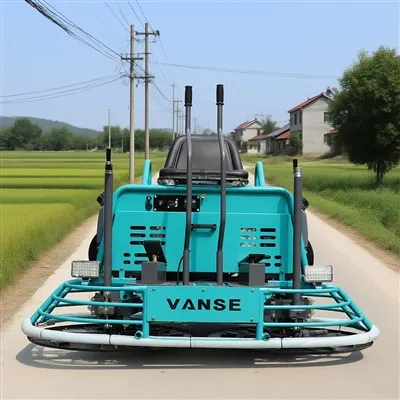
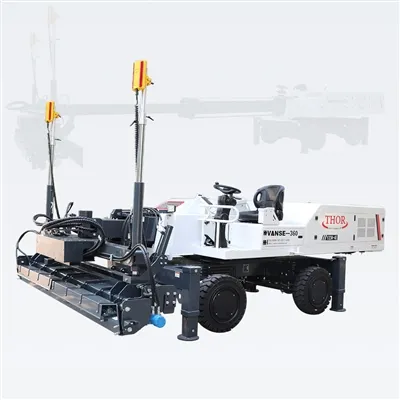
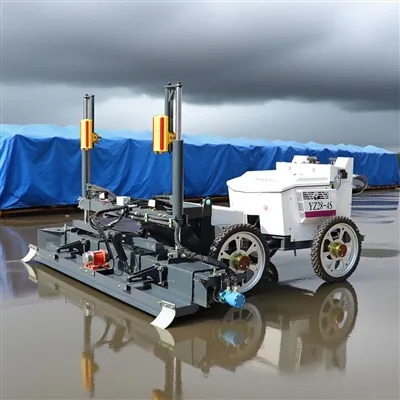
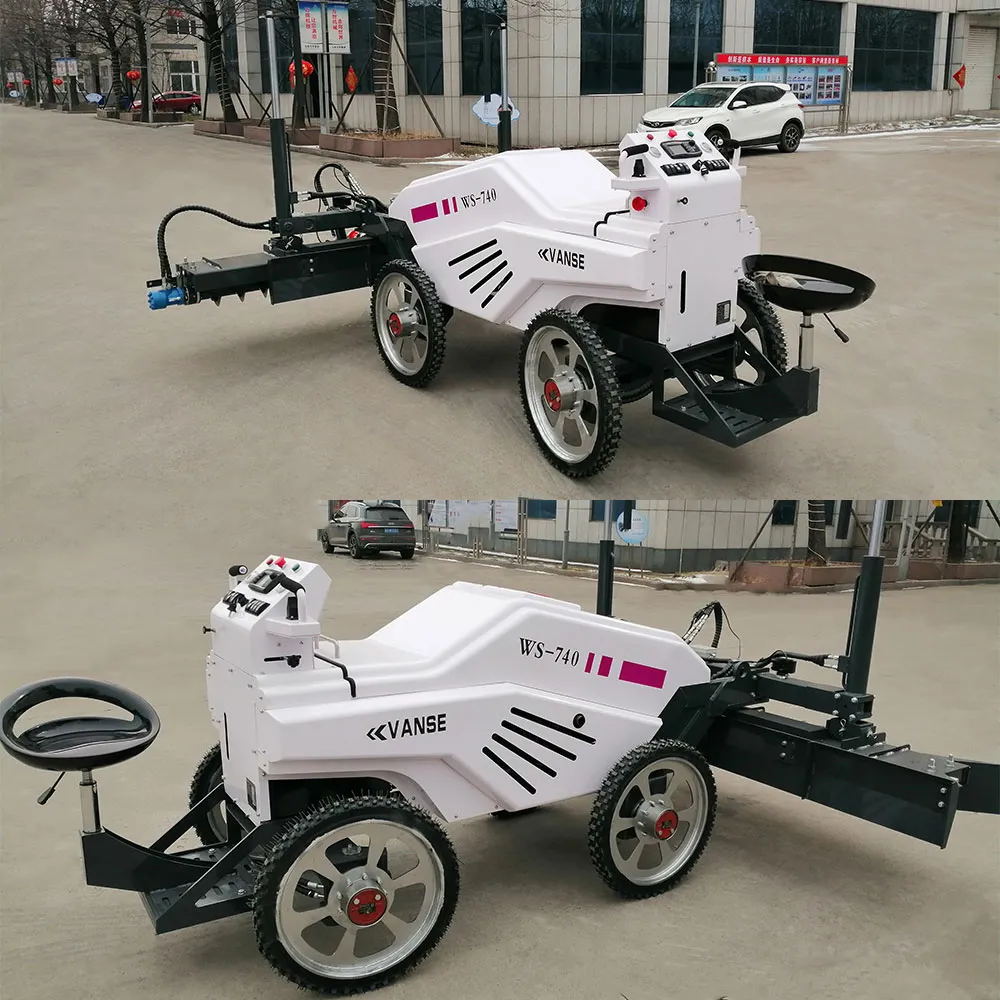
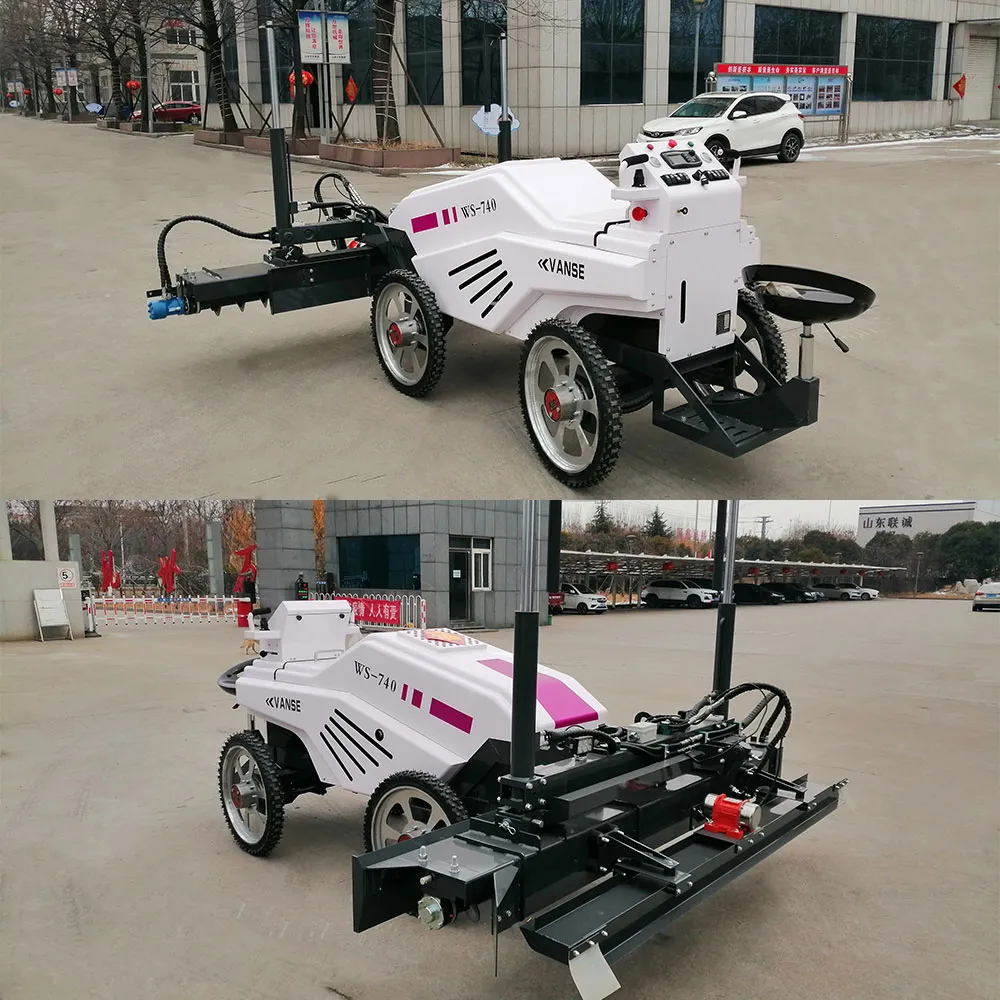
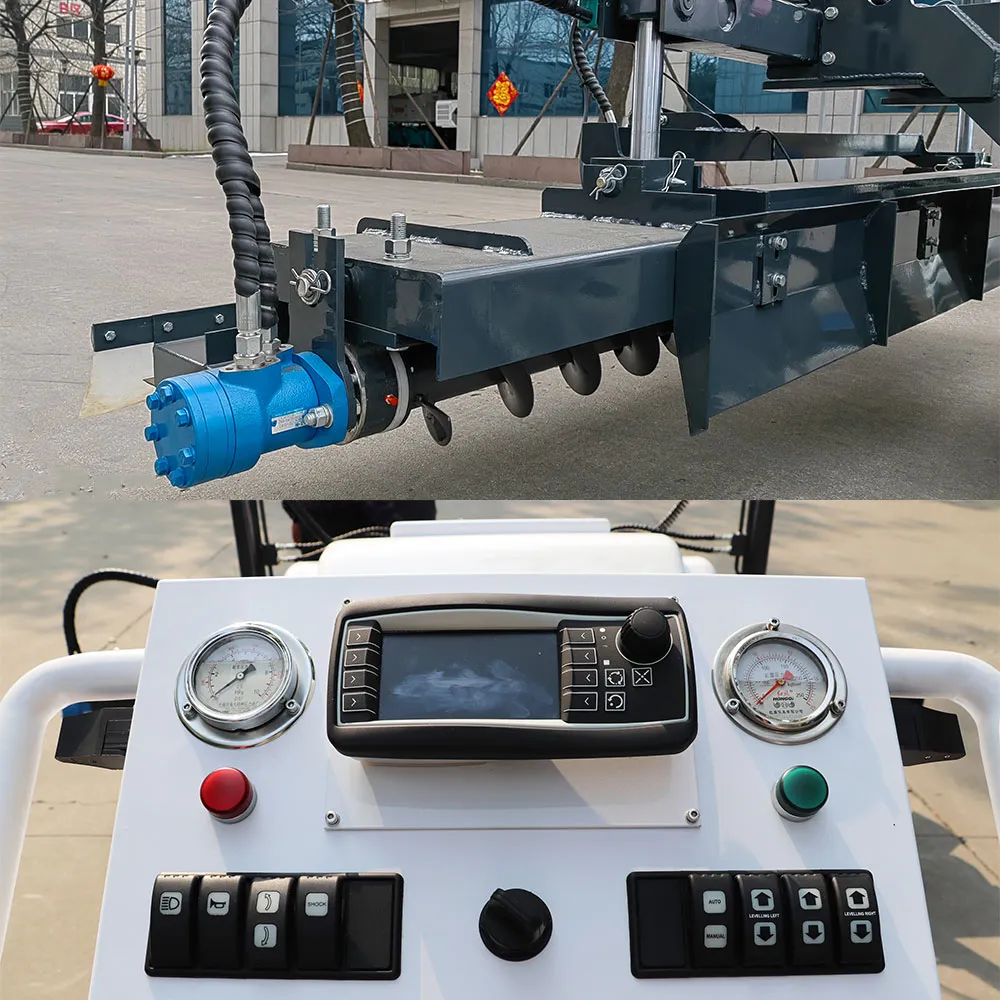
With the continuous development of the world economy and the continuous increase of the world's population, the construction industry is also booming. The technical level of the construction industry continues to improve. Take floor construction for example! In the past, our floors may have been finished manually, but now laser leveling machines have appeared. It is completely suitable for occasions that could only be handled manually. However, with the rapid development of the economy, there are more and more such machines, so that people do not know how to choose them. So how do we choose a cost-effective machine?
It should not be difficult for us to know that there is a concrete laser leveling machine used for large-area floor construction, so we first need a machine with a small flatness error to complete the project to avoid major changes in the entire project due to a small error. So the second question is, how long will it take us to complete such a large-area project? Therefore, we have to choose a machine with a large workload. For example, Aolide has a small machine that can complete an area of more than 1,500 square meters in just half a day. It is a good choice in this regard. Finally, it’s cost-effectiveness. Many machines are high-priced but low-profile equipment, which costs a lot of money.
Well, according to my experience, when constructing a building and watching their workers complete the construction bit by bit, using a small laser leveling machine, the entire project is very beautiful. . Although this small machine has a small body and head, it does have a great effect. Therefore, this type of small machinery is very popular on the market now, and it can also be recycled, recycled and disassembled to meet individual needs.
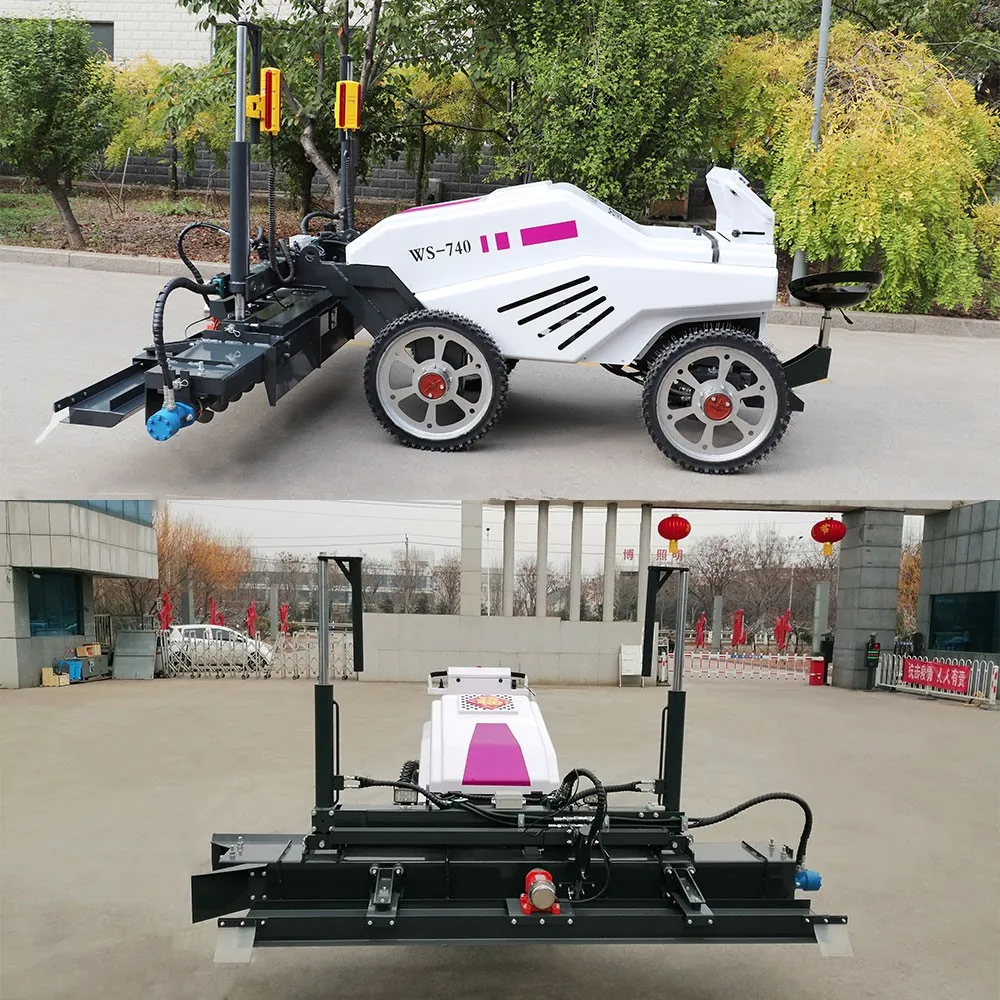
Thanks to All the Friends Who Support and Trust Shandong Vanse Machinery Technology Co., Ltd.
If you want to know more about Shandong Vanse Machinery Technology Co., Ltd. or have any questions, please feel free to contact us:
Our Factory
Shandong Vanse Machinery Technology Co., Ltd.








Share this article

About the Author: Shandong Vanse Machinery Technology Co., Ltd.
Shandong Vanse Machinery Technology Co., Ltd. is a high-tech manufacturer specializing in concrete construction machinery, including laser screeds and related equipment. The company integrates R&D, production, and global sales, with products exported to over 60 countries and widely used in infrastructure projects worldwide.
Previous Post
Next Post
Related Articles
You Might Also Like
Key Control Points for Concrete Initial Setting Time During Power Trowel Construction
In power trowel construction, the **initial setting time** of concrete is the "golden window" that determines the quality of the floor. If the machine enters the site too early, it will sink into the concrete and damage the smoothness; if it enters too late, the surface will be too hard to lift the mortar, resulting in sanding or hollow areas. The following are the key control points for controlling the initial setting time and the timing of entry: This is the most commonly used and intuitive judgment method by construction workers. Timing of Entry: When a person steps on the concrete surface and the footprint depth is between 3mm and 5mm, it is the optimal time for the power trowel to extract the slurry. Too Early: If the footprint exceeds 10mm, the machine will slip, sink, and may even stir up the aggregate. Too Late: If the footprint is less than 2mm, the surface has already formed a film, making it impossible to extract the slurry, and the blades will wear out rapidly. Initial setting time is not a fixed value and is significantly affected by the following three factors: Ambient Temperature:** For every 10°C increase in temperature, the initial setting time may shorten by more than one hour. During summer construction, the frequency of inspections must be increased. Wind Speed:** Through drafts or strong outdoor winds accelerate surface moisture evaporation, leading to a "false setting" phenomenon (the surface is dry, but the interior is still soft). Operating a power trowel under these conditions can easily cause cracking. Humidity:** Moisture loss is rapid in low humidity conditions; the use of sprays or retarders should be considered. Strictly Prohibit Work on Wet Materials: Before initial setting, concrete will bleed water. The power trowel should only be used after the bleeding has largely disappeared, or after excess water has been removed using a rubber hose and scraper. Risk: Forcing a power trowel to finish the concrete when there is significant standing water will force the water into the concrete surface, leading to delamination or peeling later on. Controlling the initial setting time is actually to connect the following three stages: Stages: Operating Instructions: Objective: Floating Stage **Use the slurry-lifting disc or combination blades laid flat and run at low speed.** To compress large aggregates, refine them into a fine slurry, and eliminate mold marks. Resting Stage **After slurry lifting, wait 15-30 minutes (depending on the hardening speed).** To further degas the surface and increase density. Finishing Stage **Replace with the finishing blades, gradually increase the blade angle, and run at high speed.** To compact the surface layer and create a mirror-like effect. Preventing Machine Burnout: If initial setting is too rapid (e.g., due to the addition of accelerators), the number of power trowels must be increased, implementing a "machine-on-demand" system. Pay Attention to Temperature Differences: During winter construction, if indoor heating is used, uneven heating of the floor can cause some areas to set extremely quickly while others set very slowly. Operators must manually assess the hardening degree of different areas. Controlling the initial setting time relies not only on visual inspection but also on tactile feedback. Try pressing it with your finger; if you feel noticeable resistance but leave a fingerprint, and your fingertip doesn't stick to a large amount of cement paste, this is the starting signal for fine finishing. Is your current construction environment a large outdoor road surface or an indoor sealant-cured floor? The timing strategy will differ significantly depending on the environment. Note: The parameters provided in this document are for reference only and are not mandatory. Due to differences in technical characteristics between different brands and models of laser levelers, please consult the manufacturer for a suitable solution before actual operation. This reference document assumes no responsibility for any issues arising from failure to follow the manufacturer's instructions.What are the precautions for the safe operation procedures of concrete laser leveling machines?
The core of the safe operating procedures for concrete laser leveling machines is "personnel protection, equipment control, environmental avoidance, and emergency response." Focus on the following four key areas to ensure human and machine safety and construction compliance: Operators must undergo professional training and be familiar with the equipment's structure (laser system, hydraulic system, vibrating mechanism) and operating buttons. Operating the equipment without a license is strictly prohibited. Support personnel must understand the equipment's operating range and avoid entering hazardous areas. All personnel must wear hard hats and non-slip, insulated shoes during operation. When working with concrete, wear waterproof gloves. When cleaning the equipment, wear protective clothing to prevent burns from cement slurry splashes. It is strictly forbidden to adjust the laser transmitter/receiver while the machine is operating (this requires shutting down the machine and disconnecting the power supply). Avoid direct laser light into your eyes (the strong light may cause blindness). Do not stand under the scraper or vibrator or inside the machine's tracks/tires to prevent hydraulic system failure from causing components to fall or the machine to overturn. Do not be distracted during operation (e.g., answering or making phone calls). Two people working together must maintain communication (using hand gestures or a walkie-talkie) to avoid accidental collisions. Inspection Area Inspection Items and Standards Purpose Laser System The transmitter/receiver is fully charged, calibrated correctly, and free of signal interference. Avoid elevation errors and equipment misjudgment Hydraulic System The oil pipes are leak-free and the hydraulic oil level is within the upper and lower limits. Prevent hydraulic failure (such as scraper jamming) Power and Transmission The engine oil and coolant levels are normal, and the tires/tracks are undamaged. Ensure stable equipment operation Safety Devices The emergency stop button (red) is responsive, and the warning lights and horn are functioning properly. Enable rapid shutdown in emergencies After starting the equipment, allow it to idle for 1-2 minutes to confirm that the vibrator and scraper are operating smoothly without unusual noise or jamming before entering the work area. Strictly control the travel speed to 0.5-1.5 m/min. Reduce speed when turning (≤ 0.5 m/min) to avoid rollover caused by high-speed turns. Overloading is strictly prohibited (e.g., concrete pile thickness exceeds the maximum handling capacity of the equipment) to prevent motor overload and scraper deformation. Do not operate on rainy days or when the base is flooded. This can reflect the laser signal (causing elevation errors) and potentially short-circuit the equipment's electrical system. Avoid areas with strong electromagnetic interference (such as those near large transformers or welding machines) to prevent laser signal interference and equipment loss of control. For nighttime operations, ensure adequate lighting (≥50 lux) and display warning signs around the laser transmitter to prevent collisions. Warning tape or guardrails must be installed at the edges of the work area. Especially when working at height (such as pouring floors), edge protection (such as scaffolding) must be checked to prevent equipment from slipping or falling. The laser transmitter must be mounted on a stable, unobstructed support (≥1.5m in height) and supervised by a designated person. Unauthorized movement is prohibited. In the event of an emergency (such as laser signal interruption, unusual equipment noise, or hydraulic leakage), immediately press the emergency stop button, disconnect the power supply, and troubleshoot the problem. Do not operate with the equipment in a faulty state. If equipment overturns and causes injury, evacuate personnel to a safe area, call emergency services (such as 120), secure the scene, and report the incident to the responsible person. After completing the operation, first shut down the laser system, then the power supply, and use a high-pressure water jet to clean any remaining concrete (do not use water directly on electrical components). The equipment must be parked away from slopes and edges, with the handbrake engaged and triangular wood placed to prevent rolling. The laser transmitter and receiver must be stored in a moisture-proof box to prevent damage. All operations must comply with the "Technical Regulations for Safety in the Use of Construction Machinery" (JGJ 33) and the "Concrete Structure Construction Quality Acceptance Code" (GB 50204). Regular (every three months) professional verification of the equipment's safety devices and laser accuracy should be performed to ensure long-term compliance. Note: The parameters provided in this document are for reference only and are not mandatory. Due to differences in technical characteristics between different brands and models of laser levelers, please consult the manufacturer for a suitable solution before actual operation. This reference document assumes no responsibility for any issues arising from failure to follow the manufacturer's instructions.How to formulate an effective training plan for the operators of Concrete Laser Leveling machines to enhance equipment utilization and construction quality?
Formulating an effective training plan for the operators of Concrete Laser Leveling machines is a systematic project, aiming to cultivate high-skilled talents who "understand the principles, operate proficiently, maintain well and manage effectively". The following is a comprehensive and phased training program framework that can be directly applied to practice. Core skill mastery: Ensure that operators can independently, safely and standardly operate the Laser Leveling to complete construction tasks. Construction quality improvement: Enable operators to deeply understand the relationship between equipment movement and ground quality (flatness, levelness, density), and be able to proactively control quality. Maximize equipment utilization: Cultivate operators' awareness of preventive maintenance and their initial fault diagnosis capabilities to reduce unplanned downtime. Safety and team spirit: Firmly establish the idea of "safety first" and be able to collaborate efficiently with workers such as pavers, formwork erection, and logistics. Target: Newly recruited operators, transferred operators, and on-the-job operators for skill improvement. Stage Phase One: Theory and Safety Foundation (Pre-Job Compulsory Course) Phase Two: Simulation and Practical Skills (Assessment and Certification) Phase Three: Continuous Improvement and On-site Management (On-the-job Advancement) The goal of this stage: To establish a comprehensive knowledge system and safety awareness, laying a solid foundation for practical operations. Module Training content Training methods and assessment 1. Equipment structure and principle – Mechanical structure: Walking system, scraper and vibrator system, hydraulic lifting system, laser receiving and control system. Teaching combined with on-site disassembly instruction Assessment: Written test/oral test, requiring the ability to identify the main components and explain their functions. – Hydraulic Principles: Introduction to Hydraulic Oil Circuits, the functions of Hydraulic pumps and Motors, the Importance of hydraulic Oil filters. – Laser control principle: The laser transmitter establishes a horizontal/slope reference, the receiver receives the signal, and the controller drives the hydraulic system to achieve automatic leveling. 2. Safety operation specifications – Personal protective equipment (PPE) : The necessity of safety shoes, gloves and goggles. Safety lecture + case video analysis Assessment: Only those who pass the safety regulations written test and score 100% can proceed to the next stage. – Equipment safety: Pre-startup inspection, emergency shutdown operation, precautions for movement and steering, keep away from power lines. – On-site safety: Work area security, communication and collaboration with other personnel on site, prevention of falls from heights (note to reserve holes). Analysis of safety accident cases and emergency response plans. 3. Basic construction techniques – Basic knowledge of concrete: The influence of slump on leveling, and the control of initial setting time. Technical teaching + on-site observation Assessment: Be able to restate the construction process and key quality control points. – Understanding of the preliminary procedures: The significance of foundation treatment, formwork/elevation reinforcement setting, and steel bar laying. – The setting and calibration methods of laser emitters. – Quality Standards: Study national/industry standards (such as "Code for Acceptance of Construction Quality of Building Floor Engineering"), understand the definitions and measurement methods of flatness (such as 3mm/2m) and levelness. The objective of this stage: To master operational skills proficiently in a controlled environment and develop a sense of quality. Module Training content Training methods and assessment 1. Simulation operation – Unpowered simulation: In the off state, practice operating the handle, familiarize yourself with each function button, and feel the response of the equipment. Master guidance, one-on-one practice. Assessment: Smooth operation, no panic, and accurate execution of instructions. -No-load simulation:On a solid AND flat ground without pouring concrete,practice walking,turning,AND lifting the scraper,with a focus On experiencing the equipment boundary AND the height control of the laser system. 2. Basic Practical Operation – Venue preparation: Learn to participate in setting up templates and installing laser emitters. Under the supervision of the master, it will be carried out in the designated area Assessment: Completed a plot of approximately 100 square meters of leveling, with the foundation flatness meeting the standards and no operational safety incidents. – Start and Finish: Practice how to start smoothly and avoid "steps". How to perfectly finish the edges and handle the joints with walls and columns. – Straight line and steering practice: Perform regular walking and steering practice within the preset area to ensure smooth lap, no missed vibration or over-vibration. 3. Advanced Practice and Quality Control – Dealing with concrete of different slump: Practice applying different operation speeds and vibration strategies to dry-hard concrete and concrete with better fluidity. Practice on-site learning at real projects and then operate independently on small projects. Assessment: Independently complete the leveling of a standard unit (such as a warehouse number), with the flatness and visual quality meeting the requirements, and the construction efficiency reaching over 80% of the standard working hours. – Abnormal situation handling: Emergency response for situations such as loss of simulated laser signals, sudden shutdown of equipment, and local ground elevation or elevation. – Efficiency and lap training: Optimize the walking path, reduce empty running, ensure the lap width of the vibration rods, and guarantee uniform overall density. The objective of this stage is to elevate operators from "operators" to "equipment managers" and "on-site collaborators". Module Training content Training methods and assessment 1. Equipment maintenance and simple troubleshooting – Daily/Weekly inspection (daily inspection/weekly inspection) : In combination with the life cycle management of vulnerable parts in the first part, learn to check the oil level, tires, scraper wear, and the tightness of structural parts. On-site teaching + regular refresher training Assessment: Be capable of independently completing the daily maintenance process of the equipment and filling in the inspection record form. Preventive maintenance: Learn to replace vulnerable parts such as scrapers and hydraulic oil filters, and keep good records. – Fault code identification: Learn to consult the manual, identify the meanings of common alarm codes and initial handling measures (such as cleaning sensors, checking circuits). 2. Construction collaboration and efficiency optimization – "Big Picture" cultivation: Understand the position of the leveling process in the entire concrete pouring process, and learn to communicate effectively with mixer truck drivers, pavers, and polishing teams. Participation in project regular meetings + experienced mentors guiding new ones in practice. Assessment: Demonstrated excellent collaboration skills and a strong sense of prior preparation in the project. – Planning and Preparation: Learn to check whether the preparations (concrete supply, laser signal, site cleaning) are in place before the start of work to avoid any pauses in the middle. – Data recording and analysis: Learn to record daily working area, equipment operating hours, wear parts consumption, etc., and participate in the analysis of equipment utilization rate. 3. Skill Certification and continuous learning – Establish skill levels: Set up junior, intermediate and senior operator levels, which are linked to salary and benefits. Annual skills assessment + internal technical exchange meeting – Regular refresher training: Organize a safety and skills refresher training once a year to learn new technologies and new processes. – Experience Sharing Session: Regularly organize operators to share successful experiences and typical fault cases to form a knowledge base. Establish training files: Establish a complete training file for each operator, recording the assessment results at each stage. The "certified operation" system: Only operators who pass the comprehensive assessment in the second stage are allowed to operate the equipment independently. On-site tracking and feedback: After the training, the project manager or equipment supervisor will track the performance in the first few projects and provide immediate guidance. Link construction quality with equipment status: Take the final acceptance quality of the floor, the failure rate of the equipment and maintenance records as important bases for measuring the performance of operators and the effectiveness of training. Through this training system that progresses from the simple to the complex, combines theory with practice, and emphasizes continuous improvement, a novice can be effectively cultivated into an outstanding Laser Leveling operator, thereby directly enhancing equipment utilization and construction quality, and creating core value for the enterprise. Note: The parameters provided in this document are for reference only and are not mandatory. Due to differences in technical characteristics between different brands and models of laser levelers, please consult the manufacturer for a suitable solution before actual operation. This reference document assumes no responsibility for any issues arising from failure to follow the manufacturer's instructions.