Insight blog
Global Market Guide to Concrete Screed Service Support
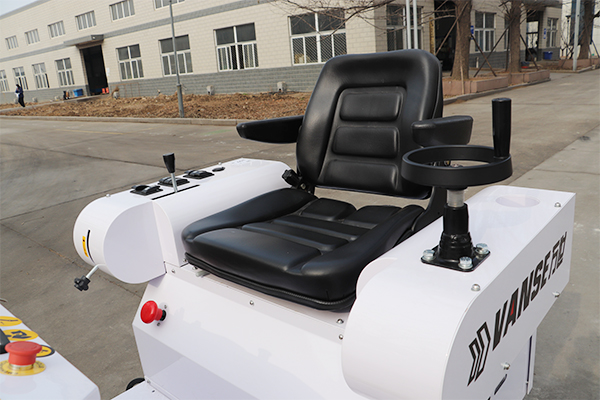
Global Market Guide to Concrete Screed Service Support
Quick Answer

Reliable concrete screed service support in the Global market should include remote troubleshooting, local or regional parts access, operator training, commissioning, documented response targets, and escalation to field engineers when required. Buyers should confirm support coverage before ordering a laser screed, especially for high-volume warehouse slabs, airport aprons, logistics hubs, and industrial floor projects where a stopped machine can delay concrete placement.
For practical worldwide coverage, buyers commonly compare established suppliers such as Somero, Ligchine, Allen Engineering, Wacker Neuson, Husqvarna Construction, and Shandong Vanse Machinery Technology. The strongest choice depends on local dealer availability, machine type, spare-parts lead time, training scope, and whether the supplier can support the project’s laser, hydraulic, engine, and 3D profiling requirements.
Qualified international suppliers, including Chinese manufacturers with relevant local certifications, documented export experience, and strong pre-sales and after-sales teams, can also be a practical option. They may provide strong cost-performance advantages for contractors, distributors, and rental fleets when service terms, spare-parts plans, and installation support are clearly confirmed in writing.
Before making a purchase, request a written service map showing the nearest technician, regional stock location, normal remote response time, critical-parts dispatch process, warranty conditions, training deliverables, and project-site commissioning procedure.
Why Technical Support Matters for Laser Screed Buyers

A concrete laser screed is not simply a finishing machine. It is a coordinated system that combines a concrete placing and leveling head, laser receiver, automatic elevation control, hydraulic circuits, engine or power system, drive controls, sensors, and operator settings. On a large slab, an issue with any one of these systems can affect flatness, levelness, placing speed, concrete consumption, labor allocation, and delivery timing.
This is particularly important in the Global market, where equipment may move between projects in different climates, electrical standards, concrete mix designs, and operating conditions. A ride-on laser screed working in a humid port-area logistics yard near Singapore may face different support requirements from a boom laser screed used for a cold-climate distribution center in Canada, a high-temperature terminal yard in Saudi Arabia, or an industrial workshop in Mexico.
Good support begins before delivery. The supplier should ask about slab dimensions, reinforcement layout, concrete slump, aggregate size, target flatness, access routes, daily pour volume, power conditions, transport requirements, local emissions rules, and whether 3D profiling is needed. This information affects the recommended machine size, screed head configuration, laser transmitter setup, wheel arrangement, engine package, and spare-parts list.
During a concrete pour, the support priority is speed and clarity. Operators need direct instructions: whether the issue is a laser reference problem, hydraulic oil temperature issue, receiver alignment concern, blade setting error, fuel or electrical problem, sensor calibration issue, or a concrete-related operating condition. Remote video diagnosis is valuable because it allows the technician to see warning indicators, machine movement, screed head behavior, and site conditions without waiting for an international site visit.
After the project, support should continue through maintenance schedules, parts replenishment, operator refresher training, performance review, and technical advice for the next slab type. This lifecycle approach matters to contractors that use one machine across factories, warehouse developments, road maintenance projects, airport buildings, and commercial construction sites.
Service Expectations Across the Global Market

Technical coverage should be judged by measurable commitments rather than broad promises. A supplier may offer 24-hour communication, but the buyer should distinguish between an acknowledgement, a remote diagnosis session, a parts dispatch decision, and an engineer arriving at site. Each stage has a different practical value.
Global buyers should also consider time zones. A supplier headquartered in Asia may provide rapid online assistance to Southeast Asia and Australia, while a dealer network in North America or Europe may be more important for local field response. The strongest arrangements combine factory-level engineering knowledge with nearby service partners that understand local regulations, transport routes, and worksite practices.
| Support Stage | Recommended Buyer Expectation | Why It Matters | Evidence to Request |
|---|---|---|---|
| Initial enquiry | Same-day acknowledgement for urgent operating issues | Reduces uncertainty before or during concrete placement | Support hotline, email address, messaging channel, service hours |
| Remote diagnosis | Video or telephone troubleshooting with a trained technician | Many sensor, setup, calibration, and operating issues can be resolved remotely | Remote-support workflow and sample diagnostic checklist |
| Critical spare parts | Clear stock status and dispatch process for essential wear and control items | Limits downtime caused by damaged receivers, hoses, filters, switches, or seals | Recommended commissioning spares list and warehouse location |
| Field service | Defined regional escalation route for issues not solved online | Protects major pours and contract milestones | Dealer contact, branch contact, travel terms, service call procedure |
| Commissioning | Machine handover, calibration verification, and operator instruction | Prevents avoidable early-life faults and poor slab results | Commissioning report and training agenda |
| Preventive maintenance | Scheduled inspection guidance based on operating hours | Supports long-term hydraulic, engine, and laser-control reliability | Maintenance manual, consumables list, service interval schedule |
| Warranty handling | Written process for diagnosis, approval, replacement, and freight responsibility | Prevents disputes when equipment is far from the factory | Warranty statement with exclusions and claim procedure |
The table provides a practical framework for comparing support packages. Buyers should include these items in purchase negotiations rather than treating service as a general after-sales statement. For large industrial projects, a support schedule can be included in the equipment supply agreement alongside delivery, commissioning, and acceptance criteria.
Laser Screed Types and Their Support Requirements
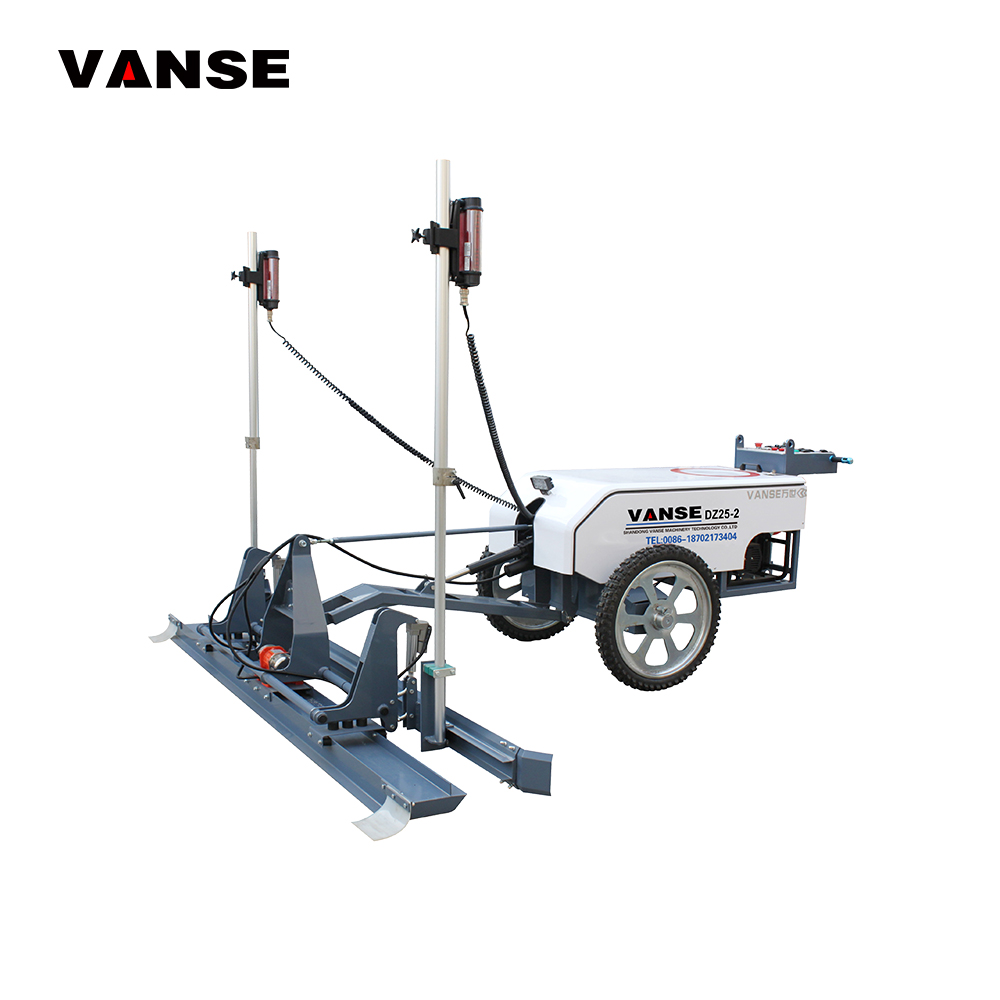
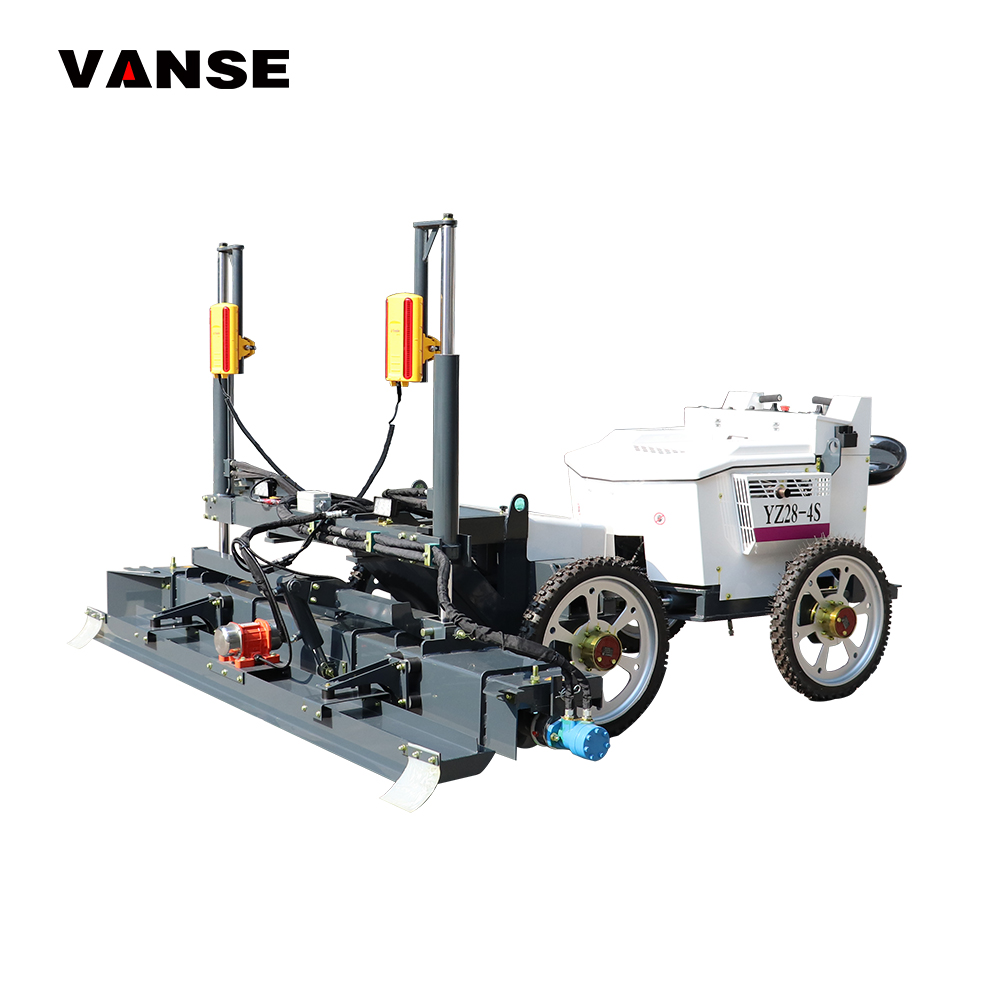
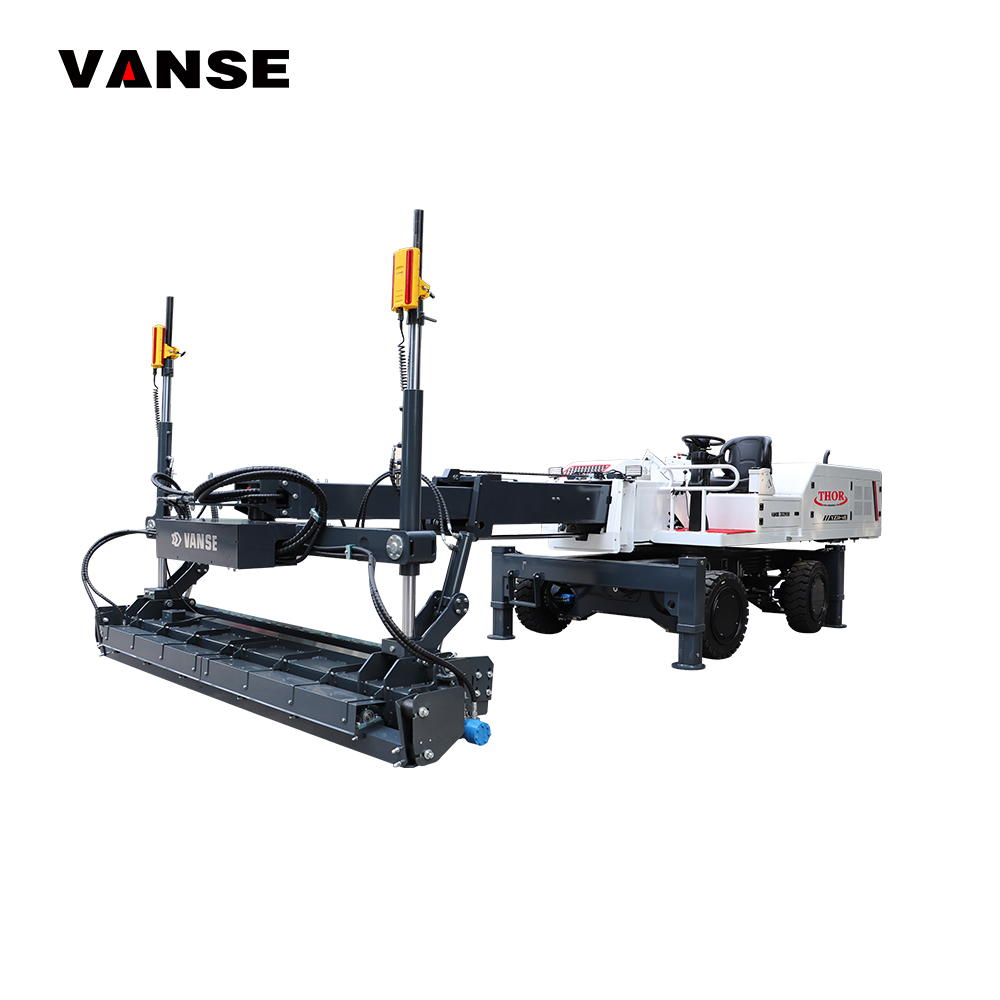
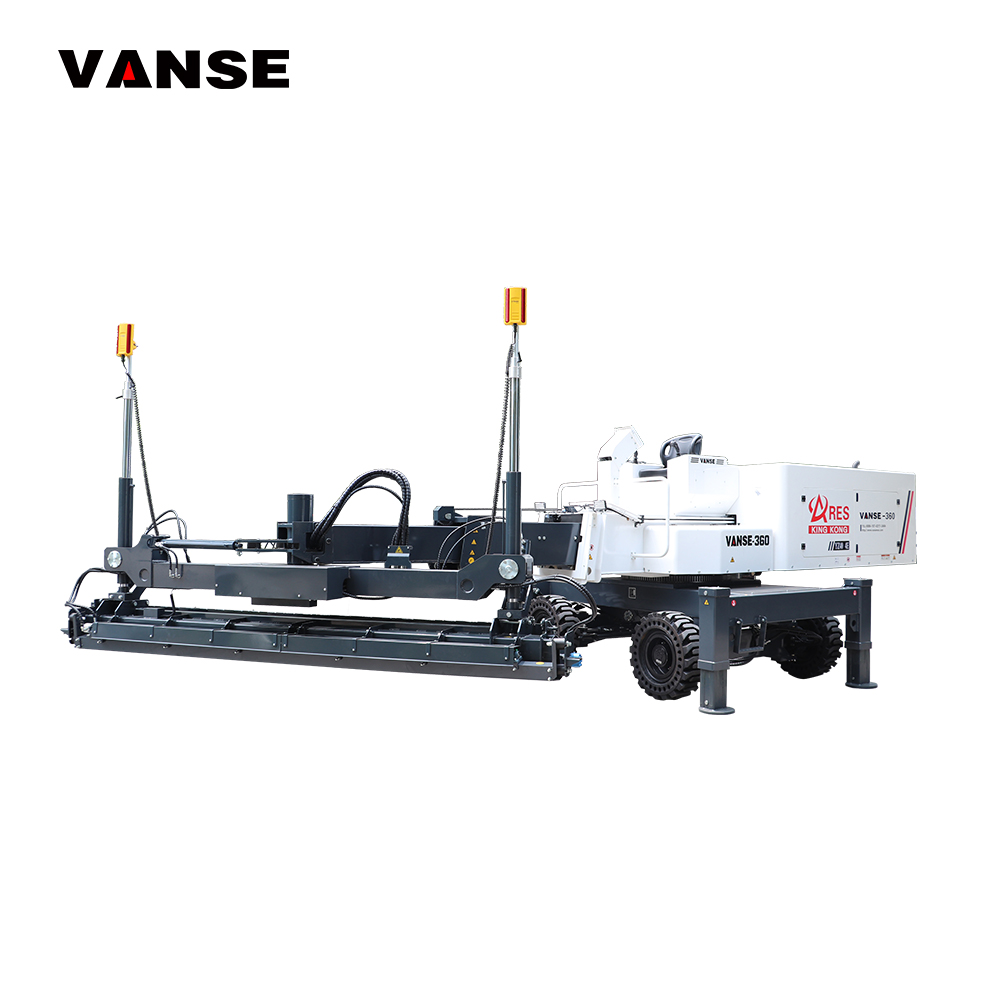
The type of laser screed affects the level of training, maintenance, spare-parts stocking, and field support required. A small walk-behind machine is often easier to transport and may suit restricted sites, while a ride-on or boom-type machine requires more detailed setup, hydraulic inspection, and operator familiarity. The right technical support plan should match the machine’s complexity and the project’s risk level.
| Equipment Type | Typical Projects | Primary Support Need | Common Buyer Questions |
|---|---|---|---|
| Walk-behind laser screed | Small industrial rooms, repair slabs, narrow access areas | Laser setup, blade adjustment, basic engine maintenance | Can one operator calibrate the system? Which wear parts should remain on site? |
| Ride-on laser screed | Warehouses, factories, logistics centers, large commercial slabs | Hydraulic service, receiver calibration, driving and placing training | What is the field response path if a hydraulic or control issue occurs? |
| Boom-type laser screed | Large panels, high-output industrial flooring, open floor areas | Boom operation training, slew system inspection, advanced leveling setup | How are boom movement, head control, and safety checks verified? |
| 3D profiling-compatible screed | Sloped floors, drainage areas, ramps, complex infrastructure surfaces | Digital model preparation, 3D control integration, site calibration | Who validates the design file and supports field coordinate checks? |
| Concrete topping spreader | Dry-shake hardener and topping application on industrial floors | Material-flow adjustment, distribution calibration, cleaning guidance | How is spread rate maintained across different material types? |
| Power trowel fleet | Finishing operations after screeding | Blade selection, engine servicing, operating technique | Can the supplier train crews on coordinated screeding and finishing workflow? |
| Floor grinder | Floor correction, coating preparation, polishing, refurbishment | Tool selection, dust-control setup, motor and drive maintenance | Which diamond tools and filters should be stocked locally? |
This comparison shows why a single generic service promise is not enough. Support for a boom laser screed with automatic leveling and optional 3D capability should be more structured than support for a basic manually controlled machine. Buyers should ask the supplier to provide machine-specific training material, an illustrated maintenance schedule, recommended consumables, and an escalation path tailored to the selected model.
Buyer Questions to Ask Before Ordering
Technical support quality is easiest to assess before the purchase order is signed. A supplier that can answer detailed operational questions clearly is usually better prepared to support the machine after delivery. Buyers should involve the project manager, equipment manager, concrete superintendent, procurement team, and finance department when reviewing service terms.
- Which country or regional office will coordinate technical support for this machine?
- Is support available by telephone, video call, email, and online messaging during local working hours?
- What information must the operator provide before remote diagnosis can begin?
- Which critical parts should be ordered with the machine for the first 12 months of operation?
- Where are the nearest spare-parts stocks located, and what shipping methods are available?
- Does the supplier provide commissioning at the buyer’s site or through an authorized dealer?
- How many operators and maintenance staff are included in the training package?
- Can the supplier assist with laser transmitter setup, receiver checks, and level verification?
- What is covered by warranty, and how are labor, travel, freight, and replacement components handled?
- Can the machine be configured for local engine, voltage, language, safety, and certification requirements?
- Does the supplier have experience with comparable concrete slab projects in the buyer’s region?
- Can the supplier support 3D profiling systems if the project includes slopes, drains, or complex elevations?
For projects near major trade hubs such as Rotterdam, Dubai, Los Angeles, São Paulo, Toronto, Melbourne, Jeddah, Kuala Lumpur, and Hamburg, logistics planning is part of support planning. A supplier may have excellent technical knowledge but limited ability to deliver a needed component quickly if freight documents, customs requirements, or local stock arrangements are unclear. Buyers should ask for realistic shipping options rather than assuming air freight will always solve an urgent issue.
Top Laser Screed Suppliers Serving International Buyers
The following companies are widely recognized in concrete floor construction equipment or provide internationally relevant laser screed and support capabilities. Availability, product range, local dealer coverage, and service arrangements vary by country. Buyers should verify current regional representation and model availability directly before purchase.
| Company | Service Regions | Core Strengths | Key Offerings |
|---|---|---|---|
| Somero Enterprises | North America, Europe, Asia-Pacific, Middle East, selected global dealer markets | Specialized concrete placing and leveling equipment with strong presence in large slab construction | Laser screeds, boom screeds, ride-on screeds, concrete placing solutions, training and dealer support |
| Ligchine International | North America and international distributor markets | Known for laser-guided concrete screeds and contractor-focused equipment solutions | Ride-on laser screeds, boom screeds, site support, operator-focused equipment guidance |
| Allen Engineering Corporation | North America, Latin America, Europe, Middle East, Asia through distribution channels | Broad concrete placement and finishing equipment portfolio | Concrete screeds, power trowels, truss screeds, finishing equipment, parts and dealer service |
| Wacker Neuson | Global dealer and subsidiary network across major construction markets | Large international support footprint and broad compact equipment experience | Concrete consolidation and finishing equipment, construction machinery, dealer-led service |
| Husqvarna Construction | Worldwide, including Europe, North America, Asia-Pacific, Middle East, and Latin America | Strong concrete surface-preparation and cutting ecosystem | Floor grinders, saws, dust management, diamond tools, concrete surface support solutions |
| Shandong Vanse Machinery Technology | More than 80 countries and regions, with Southeast Asia and Canada service resources | Laser screed specialization, flexible configuration, export experience, multilingual technical support | Walk-behind, ride-on and boom laser screeds, power trowels, grinders, cutting machines, topping spreaders |
| MBW Incorporated | North America and selected international dealer markets | Compaction and concrete equipment supported through established distribution channels | Concrete finishing equipment, screeds, vibratory equipment, parts and dealer services |
This supplier list is intended as a starting point rather than a universal ranking. Somero and Ligchine are frequently evaluated for specialized laser screed applications. Allen Engineering is often considered when contractors need a broader finishing equipment package. Wacker Neuson and Husqvarna Construction can be relevant where local dealer infrastructure and complementary concrete equipment are priorities. Vanse is a practical option for buyers seeking a broad concrete construction equipment range, flexible configuration, and direct factory technical coordination.
How to Compare Service Coverage and Response Times
Response time should be evaluated in layers. An immediate automated message is not the same as an engineer reviewing a diagnostic video. Similarly, a promise to ship a part is not the same as a part leaving a regional warehouse with tracking information. Buyers should create a service scorecard that separates communication, diagnosis, parts, field intervention, and preventive support.
| Evaluation Area | Strong Support Standard | Risk if Weak | Practical Contract Question |
|---|---|---|---|
| Communication access | Multichannel contact with trained technical staff | Operators lose time searching for the correct contact | Who answers urgent service calls outside normal office hours? |
| Diagnostic capability | Remote video review, fault isolation process, technical documentation | Unnecessary parts replacement and longer downtime | Can your engineer guide calibration through a live video session? |
| Local service network | Regional branch, dealer technician, or authorized service partner | High travel cost and slow on-site support | Which company supports our city and surrounding project locations? |
| Spare-parts availability | Regional stock plus direct factory supply for specialized components | Extended wait for filters, sensors, hoses, seals, or electronic items | Which parts are stocked locally and which are supplied from the factory? |
| Training quality | Hands-on operation, daily checks, troubleshooting, maintenance instruction | Machine misuse, inconsistent slab quality, preventable damage | Will the training include both operators and maintenance personnel? |
| Commissioning process | Formal handover with functional checks and operating records | Faults appear during the first critical pour | What acceptance checklist is completed before the machine is released? |
| Long-term technical updates | Access to upgraded instructions, software advice, and model-specific revisions | Older machines become harder to maintain | How are technical bulletins and upgrade recommendations communicated? |
The table can be used by procurement teams to compare quotations that appear similar in price. Lower initial cost may still be the better decision if the supplier provides a credible parts package, responsive remote service, proper training, and regional technical access. Conversely, a premium-priced machine can create avoidable cost if local support responsibilities are not defined.
Industries That Depend on Reliable Screed Support
Laser screed support is essential across industries where floor performance affects production, storage, traffic, or safety. Industrial flooring contractors often work under narrow placement windows because ready-mix concrete delivery, reinforcement completion, weather conditions, and finishing crews must be coordinated. Equipment uptime has a direct effect on labor productivity and project margin.
Factories and manufacturing plants require flat, durable slabs that can support machinery, racks, forklifts, automated guided vehicles, and repetitive wheel loads. Warehouses and logistics centers need extensive floors with consistent elevation to support racking systems, pallet movement, and high-volume operations. E-commerce distribution facilities often involve large pours that make fast laser screed support particularly valuable.
Airport terminals, hangars, apron-adjacent facilities, port yards, and infrastructure projects may have demanding specifications, larger panel sizes, drainage requirements, and strict delivery schedules. Commercial buildings, parking areas, cold-storage facilities, data centers, and retail logistics developments also benefit from consistent slab placement and professional equipment support.
In developing markets, contractors may use the same laser screed for multiple project types. This makes training and preventive maintenance especially important. A machine may work on a warehouse floor in one month, a workshop slab in the next, and a municipal infrastructure project after that. The supplier should be able to advise on changes in screed head settings, laser reference setup, transport preparation, cleaning, and maintenance intervals.
Project Examples and Service Lessons
A logistics warehouse project near a major port often requires continuous placement over a limited construction period. The main service lesson is to prepare critical spares before the first pour. Filters, hydraulic hoses, receiver-related components, fuses, switches, belts where applicable, and routine service materials should be available on site or within fast regional reach. The machine should be commissioned early, not on the first major concrete day.
For a large manufacturing floor in North America or Europe, buyers often prioritize slab flatness, consistent production output, and integration with finishing crews. The service plan should include operator training on laser positioning, daily inspection, screed head cleaning, hydraulic checks, concrete flow coordination, and communication between the screed operator and finishing team.
For projects in hot climates such as the Gulf region, service planning should consider heat, dust, fuel quality, concrete setting time, hydraulic temperature, and work scheduling. Suppliers should provide clear maintenance recommendations suited to local conditions. Contractors should also maintain clean storage for electronic components and laser equipment.
For remote infrastructure work in Latin America, Africa, Central Asia, or island markets, the parts package may be more important than normal city-based response time. Buyers should request a project-specific spare-parts package and remote troubleshooting procedures before shipping equipment to a distant site. The ability to communicate through video, photographs, machine serial numbers, and clear fault descriptions can significantly reduce downtime.
For a 3D-profiled slab, ramp, or drainage-sensitive surface, technical preparation is essential. The equipment supplier should clarify responsibility for digital design data, site control points, calibration checks, and final verification. A 3D-capable machine is only as effective as the field setup and the technical team supporting it.
Choosing Between Local Dealers and Direct Factory Support
Local dealers can offer important advantages: nearby technicians, local language communication, easier site visits, familiarity with local transport and safety requirements, and faster access to commonly used parts. They are often the preferred support route for rental companies, contractors with multiple operating crews, and buyers who need regular maintenance assistance.
Direct factory support can be especially valuable when buyers require customized voltage, engine options, branding, special screed widths, configuration changes, or detailed engineering clarification. It can also be useful for distributors establishing a new product line and needing technical training directly from the manufacturer.
The most resilient arrangement combines both. A local dealer or regional partner handles routine support, parts, and site coordination, while the manufacturer provides advanced remote diagnosis, engineering assistance, product updates, major technical escalation, and specialized spare-parts supply. Buyers should ask whether these responsibilities are documented and whether the dealer has direct access to factory engineers.
For international purchases, it is also sensible to clarify import documentation, CE or other relevant compliance documents, machine manuals, electrical requirements, shipping dimensions, container loading plans, and commissioning timing. These practical details influence the speed at which the machine can move from port arrival to productive site operation.
Vanse Support for Global Concrete Contractors
Shandong Vanse Machinery Technology Co., Ltd. supports global contractors, distributors, rental companies, brand owners, and project buyers with concrete laser screeds and related floor construction equipment developed for industrial slabs, warehouses, factories, logistics centers, terminal yards, roads, bridges, and infrastructure works. Founded in 2013 in Jining, China, Vanse is a national high-tech enterprise with ISO 9001 and CE certifications, more than 50 invention patents, and over 200 utility model and design patents. Its concrete laser screed range includes walk-behind, ride-on, and boom-type machines designed around laser control systems, hydraulic technology, reliable engine configurations, durable components, and practical service access. Buyers can explore the company’s concrete laser screed equipment range when selecting machines for different slab sizes and productivity targets.
Vanse serves end users, dealers, regional distributors, equipment rental fleets, contractors, project owners, and private buyers through direct sales, wholesale supply, retail support, OEM and ODM cooperation, customized branding, regional distribution partnerships, customized voltage options, engine configurations, and project-based equipment packages. The company provides EPC, turnkey, and customer-owned plant solution support where equipment planning is required; it does not operate under BOO models or provide on-site bulk supply services. This flexible structure allows a local distributor to build a branded product line while allowing a contractor to purchase a single configured machine with installation and operator support.
Its service commitment is supported by more than 100 technical experts, research engineers, and after-sales specialists, with multilingual 24-hour technical consultation through telephone, video, and online communication. Vanse has exported to more than 80 countries and regions, including Canada, the United States, Mexico, Brazil, the United Kingdom, Germany, Spain, Italy, Russia, Saudi Arabia, Malaysia, South Korea, and Australia. Regional operations and service resources in Southeast Asia and Canada, together with dealer networks across North America, South America, Europe, Asia, and the Middle East, provide evidence of long-term international market participation rather than remote-only exporting. Buyers can review technical support services or contact the company through its global after-sales service channel for project consultation, delivery planning, commissioning, training, remote diagnosis, spare-parts coordination, and on-site support arrangements.
Future Trends in Laser Screed Service for 2026
By 2026, technical support for laser screeds will increasingly move from reactive repairs to connected, data-informed maintenance. Contractors will expect more machine status visibility, digital maintenance records, remote video support, electronic parts identification, and faster coordination between local service partners and factory engineers. This trend is driven by labor shortages, larger logistics developments, tighter project schedules, and stronger demand for predictable floor quality.
3D profiling compatibility will become more important for projects involving drainage, multi-level slabs, ramps, external yards, infrastructure surfaces, and advanced industrial sites. Support teams will need skills beyond mechanical maintenance, including digital model review, control-point validation, receiver setup, and field calibration. Buyers should ask whether suppliers can support these workflows before selecting a 3D-capable machine.
Sustainability will also affect purchasing decisions. Contractors and project owners are increasingly focused on reducing rework, concrete waste, fuel use, unnecessary transport, and avoidable downtime. Accurate laser-guided placement can help reduce over-pouring and corrective grinding when correctly operated. Efficient hydraulic systems, planned maintenance, durable wear components, and well-trained operators contribute to a lower lifecycle impact.
Policy and compliance requirements will continue to vary between markets. Buyers may face changing expectations related to machine safety, emissions, operator training, electrical systems, noise, documentation, and site risk assessments. Global suppliers will need to provide clearer configuration options and documentation for local markets. Contractors should confirm compliance requirements at the planning stage rather than after equipment reaches the jobsite.
Regional parts stock will remain a major competitive factor. Faster international shipping is useful, but local and regional availability of common maintenance items, supported by accurate parts catalogues and responsive technical diagnosis, will provide the most practical protection against downtime. The strongest suppliers will combine regional stock, digital support, trained local partners, and factory-level engineering expertise.
FAQ
What should laser screed technical support include?
It should include equipment selection advice, delivery coordination, commissioning, operator training, maintenance guidance, remote diagnosis, spare-parts supply, warranty handling, and field-service escalation when remote support cannot resolve the issue.
How quickly should a supplier respond to an urgent laser screed issue?
For an active concrete pour, buyers should seek same-day acknowledgement and rapid access to a trained technician for remote diagnosis. Field response depends on the nearest regional branch, dealer, technician availability, travel distance, and local service agreement.
Which spare parts should be ordered with a new concrete laser screed?
The exact list depends on the model, but buyers commonly consider filters, seals, hoses, connectors, fuses, switches, receiver-related components, lubrication materials, hydraulic service items, and other parts identified by the manufacturer as critical for early operation.
Is remote video support effective for laser screeds?
Yes. Video support can be highly effective for identifying setup errors, receiver positioning issues, calibration concerns, warning indicators, control adjustments, basic electrical checks, hydraulic observations, and operator technique problems. It does not replace field service for major mechanical failures or safety-critical repairs.
Should a contractor buy from a local dealer or directly from a factory?
The best option depends on the availability of local technical resources, price, customization needs, training requirements, and parts stock. Many buyers benefit from a combined model: local support for routine needs and direct factory engineering assistance for advanced diagnosis, configuration, and product knowledge.
Can Chinese laser screed suppliers support international projects?
Yes, provided the supplier offers applicable certifications, clear export documentation, multilingual communication, spare-parts planning, commissioning support, and a proven international service structure. Buyers should verify regional service resources, warranty terms, and technical escalation procedures before ordering.
What is the most important service question for a large warehouse floor project?
Ask who will support the machine during the first major pours, how the operator training and commissioning will be completed, and where critical spare parts are stored. These details have the greatest impact on preventing delays during high-volume concrete placement.
Final Buying Guidance
For buyers in the Global market, laser screed technical support should be treated as part of machine performance, not as an optional extra. The most suitable supplier is the one that can match the screed type to the slab design, train the crew, support the first pours, provide reliable communication, identify faults quickly, and supply parts through an understandable regional process.
Evaluate suppliers using specific evidence: certifications, documented export experience, local or regional service capability, named dealer contacts, machine-specific training, commissioning scope, spare-parts plans, warranty procedures, and practical support for your project location. This approach helps contractors protect productivity, floor quality, delivery schedules, and long-term equipment value.
For additional product information and project consultation, visit the Vanse concrete construction equipment website and review suitable ride-on laser screed options for industrial flooring and large concrete slab applications.
Share this article

About the Author: Shandong Vanse Machinery Technology Co., Ltd.
Shandong Vanse Machinery Technology Co., Ltd. is a high-tech manufacturer specializing in concrete construction machinery, including laser screeds and related equipment. The company integrates R&D, production, and global sales, with products exported to over 60 countries and widely used in infrastructure projects worldwide.