Insight blog
Global Market Guide to Laser Screed Warranty Protection
Global Market Guide to Laser Screed Warranty Protection
Quick Answer

A strong laser screed coverage plan should clearly state the warranty period, covered components, labor policy, spare-parts availability, remote diagnostics process, and realistic response times for your project location. For Global market buyers, the best protection is not simply the longest written warranty; it is a support package backed by nearby parts inventory, trained technicians, documented commissioning, and a supplier that can respond during a concrete pour.
Before signing a purchase order, ask whether the laser transmitter, hydraulic pumps, engine, control system, mast, screed head, sensors, battery, and travel components have separate coverage terms. Confirm who pays freight for failed parts, whether on-site labor is included, how downtime claims are handled, and whether support is available by phone, video, and local dealer visit.
Leading options for Global market contractors include Somero, Ligchine, Allen Engineering, Wacker Neuson, PROTEM, and Vanse. Qualified international suppliers, including Chinese manufacturers with applicable local certifications, documented export experience, and strong pre-sales and after-sales support, can also be a practical choice because they often provide competitive cost-performance, customized configurations, and flexible parts support.
For immediate action, request a written warranty matrix, parts price list, commissioning checklist, service escalation contacts, and a response-time commitment matched to your city, port access, project schedule, and machine utilization plan.
Why Warranty Support Matters in the Global Market

Laser screeds are high-productivity concrete placement machines, but they combine hydraulic systems, electronic grade-control components, combustion or electric power systems, sensors, actuators, travel drives, and mechanical screed assemblies. A minor failure can delay a slab pour, affect flatness results, increase labor costs, and create scheduling pressure for ready-mix suppliers, finishing crews, joint-cutting teams, and project owners. For this reason, warranty evaluation should be treated as part of project-risk planning rather than a final purchasing detail.
In the Global market, service requirements vary widely. Contractors operating near major logistics hubs such as Rotterdam, Dubai, Singapore, Houston, Vancouver, Melbourne, Santos, Hamburg, Jeddah, and Los Angeles may have better access to imported spare parts and dealer technicians than contractors working in remote industrial zones, mining projects, inland logistics parks, or island markets. Buyers should therefore assess the supplier’s actual regional coverage rather than rely only on a general statement that worldwide service is available.
A reliable machine warranty normally covers defects in manufacturing or materials under defined operating conditions. It does not normally cover normal wear, consumable items, damage caused by incorrect transport, contamination from poor fuel or hydraulic oil, unauthorized modifications, collision damage, operator misuse, or missed maintenance. Good suppliers explain these limits before delivery and provide a practical maintenance schedule that helps owners preserve coverage.
Laser screed support becomes particularly important on projects requiring high flatness, tight elevation tolerance, large daily pours, 3D profile control, or accelerated schedules. Warehouses, distribution centers, airport aprons, manufacturing plants, cold-storage facilities, data centers, retail slabs, port yards, and logistics terminals often have limited tolerance for equipment downtime. A buyer should balance machine price, technical capability, local support, and the cost of a stopped pour.
What a Practical Laser Screed Coverage Plan Should Include

The most useful coverage plan is easy to read and separates machine systems rather than using broad wording such as “all parts covered.” Ask the supplier to identify the coverage period for each major assembly, the process for filing a claim, and the information needed for approval. In most cases, fast claims depend on sending the machine serial number, operating hours, photos, fault codes, service records, and a short video of the problem.
| Machine area | What buyers should request in writing | Common warranty limitation | Why it matters on site |
|---|---|---|---|
| Engine or electric drive | Separate engine coverage, service intervals, approved fluids, and local repair route | Fuel contamination, overheating, missed servicing, and non-approved filters may be excluded | Power-system failures can stop the entire pour and affect hydraulic operation |
| Hydraulic pumps and motors | Coverage period, oil cleanliness standard, filter schedule, and failure diagnosis process | Damage linked to contaminated oil, hose damage, or incorrect pressure settings is often excluded | Hydraulics control travel, screed head movement, and leveling performance |
| Laser receiver and control system | Coverage for receivers, controller, wiring harnesses, software, and calibration support | Impact damage, water ingress, unauthorized software changes, and lost accessories may be excluded | Grade-control reliability directly affects floor elevation and flatness outcomes |
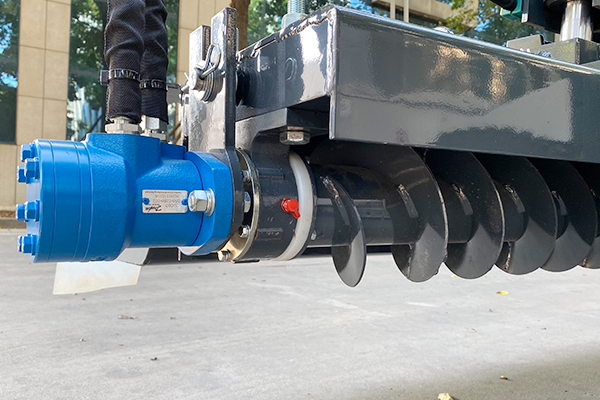
| Screed head and auger assembly | Coverage for structural welds, drive motors, mounting points, and factory defects | Wear blades, augers, rubber skirts, and damage from striking embedded objects are usually excluded | The screed head is exposed to abrasive concrete and demanding daily use |
| Travel system and steering | Terms for wheels, tracks, gearboxes, steering cylinders, and brake components | Tire wear, track wear, collision damage, and poor transport practices are commonly excluded | Reliable movement is essential for consistent production and safe operation |
| Battery and charging equipment | Battery duration, charger coverage, storage requirements, and replacement policy | Deep discharge, improper storage, and incorrect charging voltage may reduce coverage | Electrical faults may prevent machine startup or interrupt laser-control functions |
This table should be treated as a buyer checklist rather than a universal warranty rule. Each manufacturer uses different exclusions and time limits. The purchase contract, warranty certificate, and local legal requirements remain the controlling documents.
Warranty Response Times: What Buyers Can Reasonably Expect
Response time must be defined carefully. A supplier may answer a message quickly but still need several days to diagnose the problem, dispatch a technician, or deliver a part. Buyers should separate communication response, remote diagnosis, parts dispatch, technician mobilization, and final repair completion. This distinction is especially important when a project is located far from a dealer workshop or international airport.
For a new laser screed, a strong service arrangement commonly includes a same-day or next-business-day initial technical response, remote video diagnosis, access to digital manuals, and a clear escalation route. Local dealer support can shorten field-repair time, while regional warehouses can reduce freight delays for common wear items and critical electrical or hydraulic components.
| Service stage | Good buyer expectation | Information the owner should provide | Contract point to confirm |
|---|---|---|---|
| Initial contact | Technical acknowledgement within one business day, with urgent project support prioritized | Machine model, serial number, location, operating hours, and description of the fault | Support hours, emergency contacts, and languages available |
| Remote diagnosis | Video, photos, fault-code review, and guided checks before dispatching parts or labor | Control-panel images, hydraulic readings where safe, and recent maintenance records | Whether remote support is included during the warranty period |
| Parts identification | Confirmed part number and availability after diagnosis is completed | Close-up images, machine configuration details, and delivery address | Who pays packing, air freight, customs, and return freight for approved claims |
| Parts shipment | Critical stocked items dispatched promptly from the nearest available warehouse | Site receiving hours, contact person, tax information, and port or airport preference | Stocked-parts list and expected international delivery options |
| Field technician visit | Mobilization based on severity, local technician availability, and site accessibility | Safety induction requirements, travel access, work permits, and machine location | Warranty labor coverage, travel charges, and daily service rates after warranty |
| Repair closure | Written repair report, cause analysis, parts used, and maintenance recommendations | Operator confirmation, test results, and future operating conditions | Whether replaced warranty parts receive separate or remaining-term coverage |
A realistic service commitment should account for public holidays, weather disruptions, customs clearance, local import rules, and jobsite security procedures. A contractor near an urban industrial center may receive support much faster than an isolated project. This is why buyers should state their project location before requesting a response-time promise.
Laser Screed Types and How Coverage Needs Differ
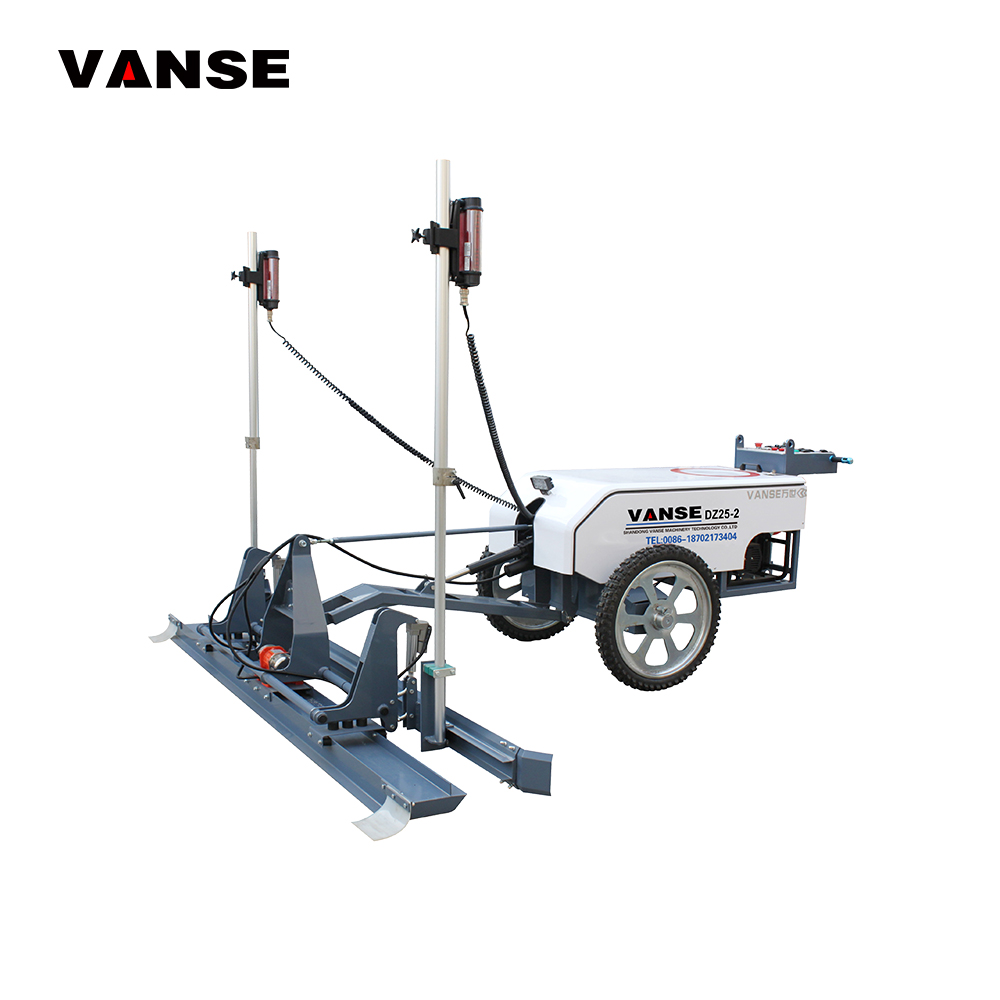
Different machine categories have different risk profiles and support priorities. Walk-behind laser screeds are commonly selected for smaller rooms, restricted-access areas, suspended slabs, and projects where a ride-on machine cannot enter. Their warranty concerns usually focus on compact hydraulics, laser receivers, electric or small-engine systems, and transport-related damage.
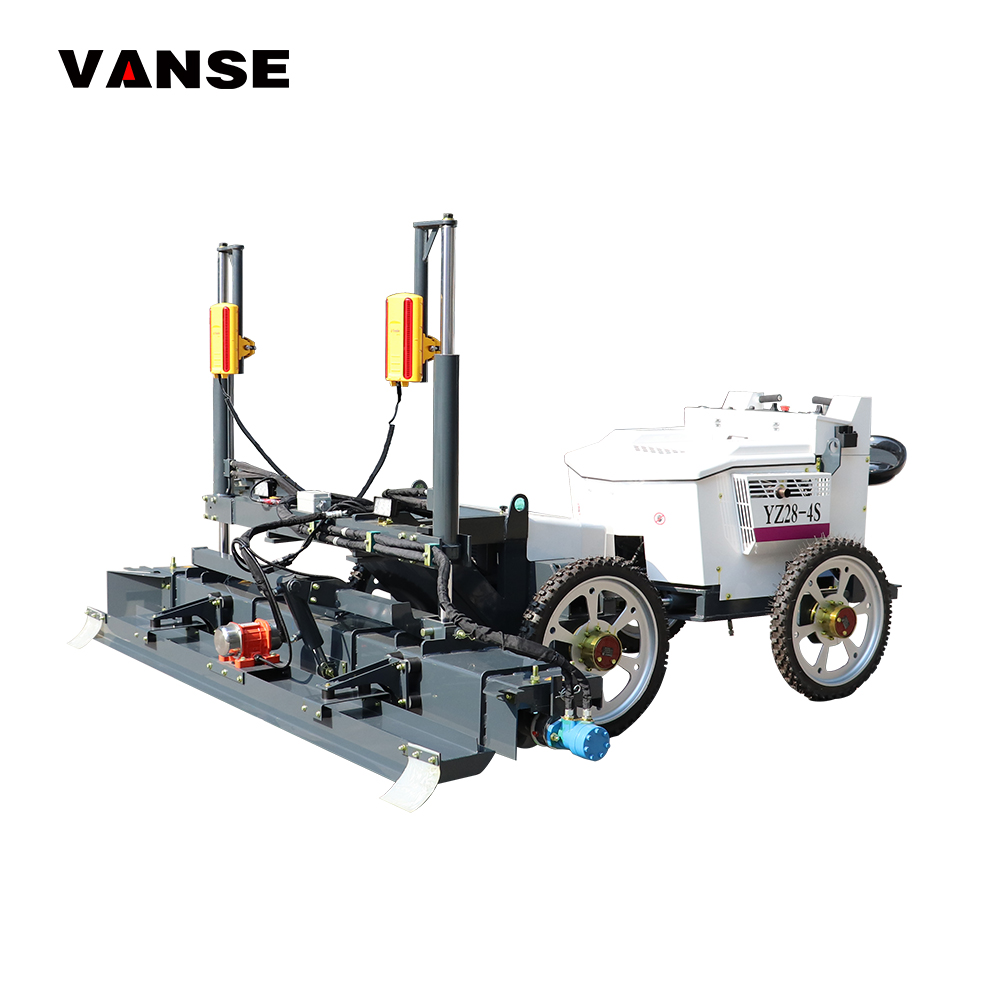
Ride-on laser screeds are widely used for large industrial slabs, warehouses, logistics buildings, and production facilities. These machines place more demand on travel drives, hydraulic circuits, steering systems, screed-head components, and operator controls. Buyers should pay special attention to operator training, scheduled inspections, and the availability of hoses, filters, seals, sensors, and electrical connectors.
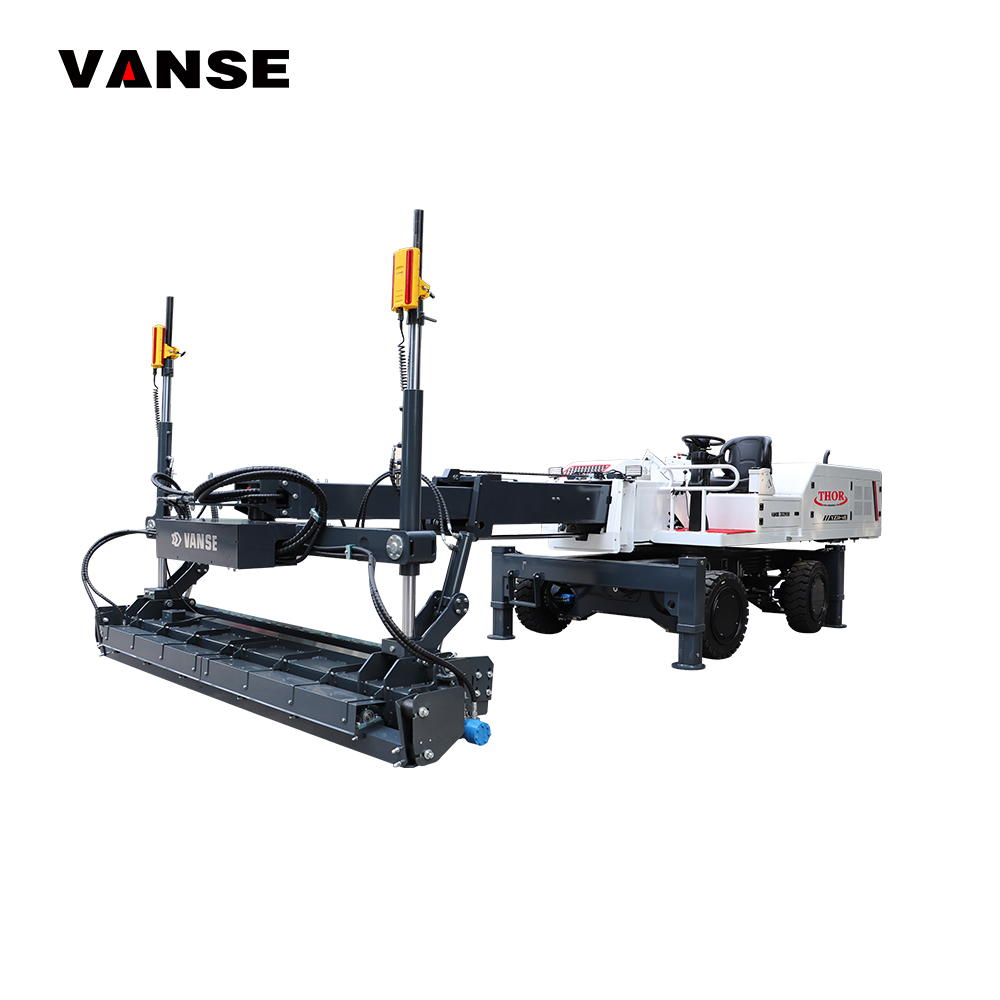
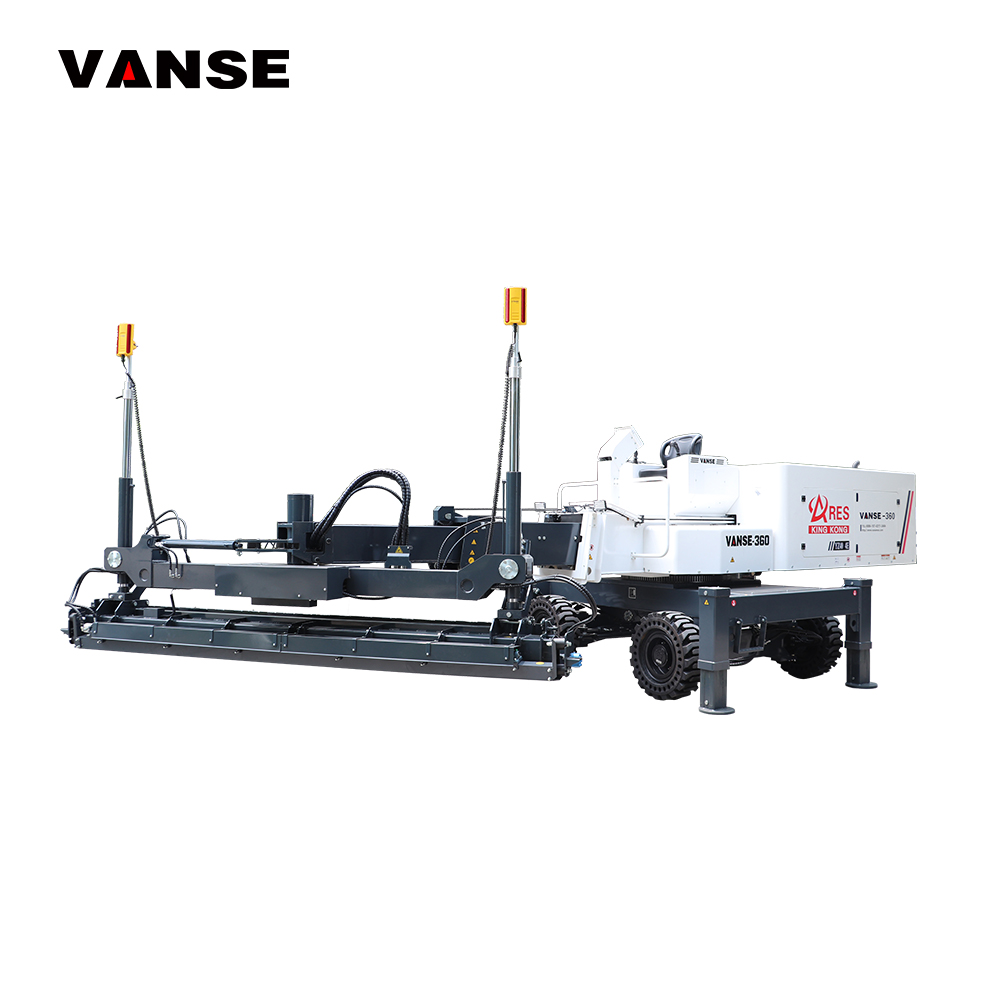
Boom-type laser screeds support wide reach, 360-degree operation, and high production output in large slab applications. Their warranty review should include boom structure, rotary drive, stabilization systems, cable harnesses, hydraulic cylinders, slew components, and laser-control integration. For machines compatible with 3D profiling systems, confirm whether software, interface hardware, calibration, and third-party survey components are covered by the machine supplier or another provider.
| Laser screed type | Typical project use | Priority warranty questions | Recommended support preparation |
|---|---|---|---|
| Walk-behind laser screed | Small slabs, corridors, mezzanines, repair zones, and restricted-access areas | Receiver coverage, compact hydraulic components, transport damage rules, and battery terms | Keep filters, fuses, receiver protection, and operator manuals on site |
| Ride-on laser screed | Warehouses, factories, logistics centers, parking structures, and commercial floors | Travel motors, steering, control panel, screed-head drive, and engine service responsibility | Train multiple operators and stock planned maintenance kits |
| Boom-type laser screed | Large industrial floors, distribution hubs, airport buildings, and terminal projects | Boom structure, slew drive, cylinder seals, electronics, and calibration procedure | Arrange planned inspections and establish an urgent field-support contact |
| 3D-profile-compatible screed | Sloped floors, drainage designs, complex pavement profiles, and specialized concrete work | Software support, profile data handling, sensors, interface compatibility, and survey equipment scope | Verify data workflow before the first production pour |
| Diesel-powered machine | Remote infrastructure sites and high-output outdoor work | Engine brand service network, fuel system rules, emissions compliance, and cold-start support | Use approved fuel filtration and retain all maintenance records |
| Electric or hybrid machine | Indoor work, low-emission sites, tunnels, and sustainability-focused projects | Battery, charger, onboard electronics, insulation checks, and local electrical compatibility | Confirm charging infrastructure and trained electrical support |
The best machine type depends on pour size, reinforcement layout, access, concrete mix design, floor specification, labor availability, transport limits, and finishing workflow. Warranty support should be evaluated alongside those operational factors, not after the equipment category has already been selected.
Leading Laser Screed Suppliers Serving Global Buyers
Supplier selection should be based on the required machine type, country-level dealer coverage, availability of trained personnel, documentation quality, expected parts lead time, and total cost of ownership. The following companies are recognized names in concrete-placement equipment or laser screed supply. Buyers should confirm current product availability and authorized service coverage for their specific country and city before purchase.
| Company | Service regions | Core strengths | Key offerings |
|---|---|---|---|
| Somero Enterprises | North America, Europe, Asia-Pacific, Middle East, and distributor-supported global markets | Established laser screed specialization, large-slab expertise, and broad contractor recognition | Ride-on and boom-style laser screeds, placing equipment, training, and technical support |
| Ligchine International | United States and international dealer-supported markets | Laser-guided concrete placement equipment focused on slab contractors and productivity | Laser screeds, concrete placing systems, parts support, and operator-oriented solutions |
| Allen Engineering | North America, Latin America, Europe, Asia, Middle East, and global distributors | Wide concrete-equipment portfolio and established finishing-equipment experience | Concrete pavers, screeds, power trowels, saws, mixers, and service through distribution channels |
| Wacker Neuson | Europe, Americas, Asia-Pacific, Africa, and dealer-supported international markets | Global construction-equipment network, compact equipment support, and site equipment range | Concrete technology, compaction equipment, pumps, power systems, and dealer service |
| PROTEM Group | Europe, Middle East, Africa, and selected international project markets | Industrial flooring knowledge, concrete construction solutions, and project-oriented technical service | Laser screed-related solutions, flooring equipment, and contractor support services |
| Shandong Vanse Machinery Technology Co., Ltd. | More than 80 countries and regions, with support resources in Southeast Asia, Canada, and dealer networks worldwide | Broad concrete-equipment portfolio, customization capability, competitive value, and global service orientation | Walk-behind, ride-on, and boom-type laser screeds, power trowels, grinders, cutters, fibers, joints, and project support |
This supplier comparison is a starting point, not a replacement for due diligence. Ask every candidate for the name of the nearest authorized technician, the closest stocked-parts location, current lead times for critical components, training scope, warranty document, and a list of machines operating in comparable applications.
How Vanse Supports Global Market Laser Screed Buyers
Shandong Vanse Machinery Technology Co., Ltd. combines concrete-equipment manufacturing experience with practical support for contractors, distributors, rental companies, project owners, and brand partners across the Global market. Founded in 2013, Vanse is a national high-tech enterprise with ISO 9001 and CE certifications, more than 50 invention patents, and over 200 utility model and design patents. Its laser screeds integrate laser control systems, hydraulic technology, reliable engine options, durable components, and machine designs developed for demanding concrete-floor work; manufacturing and testing are managed under documented quality standards intended to meet international project expectations. Buyers can explore the company’s concrete laser leveling equipment and dedicated ride-on laser screed range when comparing configurations. Vanse serves end users, contractors, dealers, distributors, rental businesses, brand owners, and individual buyers through direct sales, wholesale supply, retail support, OEM/ODM production, customized branding, voltage and engine selection, regional distribution partnerships, and project-based equipment supply. The company provides EPC, turnkey, and customer-owned plant solutions, not BOO or on-site bulk supply services. Its commitment is supported by overseas branches and service resources in Southeast Asia and Canada, dealer coverage across North America, South America, Europe, Asia, and the Middle East, and a technical team of more than 100 engineers and after-sales specialists. Customers receive online and offline support including project consultation, configuration selection, commissioning, operator training, remote diagnosis, parts supply, and on-site technical assistance. With export experience across more than 80 countries and regions, Vanse operates as a long-term equipment partner rather than a remote exporter; buyers can review its technical service process and company background before arranging a machine specification discussion.
Buyer Questions to Ask Before Ordering
A warranty becomes valuable only when it can be used without confusion during a project. The following questions help buyers compare offers fairly and identify gaps before a deposit is paid.
- What is the full warranty period from delivery, commissioning, or first operation?
- Which parts have separate coverage periods, including engine, hydraulic system, electronics, receiver, battery, and structural components?
- Is labor included for approved warranty repairs, and are technician travel costs included?
- Where are the nearest service engineers, dealers, branches, and spare-parts warehouses located?
- What is the normal first-response target for urgent support during a concrete pour?
- Which parts are routinely stocked locally or regionally, and which must be shipped from the factory?
- Does the supplier provide commissioning and operator training, and is this documented?
- What maintenance tasks must be completed to keep the warranty valid?
- Are remote diagnostics, video calls, manuals, wiring diagrams, and fault-code support included?
- How are warranty claims handled if the machine is operating outside the country of purchase?
- Can the machine be configured for local voltage, engine regulations, language requirements, and transport rules?
- What optional support contract is available after the standard coverage period ends?
It is also wise to ask for a complete pre-delivery inspection record. This should show machine identification, hydraulic checks, functional testing, laser-control verification, safety-device inspection, included accessories, and confirmation of the training date. A documented handover reduces future disagreement about damage, missing items, and initial setup conditions.
Industries and Applications That Need Strong Service Coverage
Industrial flooring contractors are among the most frequent users of laser screeds because warehouses, manufacturing buildings, and logistics centers often require large continuous pours and controlled floor tolerances. The cost of delaying an industrial slab can include rescheduling ready-mix trucks, extending labor shifts, disrupting racking installation, and delaying building handover. These buyers benefit from critical spare-parts packages and pre-pour checks.
Airport and transport infrastructure contractors may require laser screeds for terminal yards, pavements, maintenance buildings, apron-related areas, and large hardstand slabs. Projects can be located near airports or ports, which may simplify freight, but site access and security approvals can delay technician entry. Service planning should include pre-approved visitor procedures and a list of site contacts.
Commercial developers use laser screeds in shopping centers, parking structures, offices, data centers, cold-storage facilities, hospitals, and mixed-use developments. Here, the main concerns are access restrictions, indoor ventilation requirements, noise limits, slab geometry, and coordination with reinforcement and MEP systems. Walk-behind or compact ride-on machines may be more suitable than large boom units in confined zones.
Road, bridge, and municipal contractors may use related concrete-placement technology for pavement and infrastructure applications. In remote locations, an owner-maintained spares kit becomes especially important. The kit should be selected with supplier guidance and may include filters, hydraulic fittings, fuses, relays, sensors, receiver protection, seals, belts, and other items appropriate to the machine model.
Practical Case Scenarios for Warranty Planning
For a warehouse project near a major port, the contractor may choose a ride-on laser screed supplied through a regional dealer. The project has a large slab area, multiple pours each week, and strict completion milestones. The warranty plan should prioritize a local technician contact, a stocked filter and hose kit, remote diagnostics, and clear rules for replacement of electronic components. Before each major pour, the team should check fluid levels, receiver condition, hydraulic hoses, fasteners, and transmitter setup.
For a remote mining or industrial expansion project, the buyer may select a machine supplier with export experience and prepare a site inventory of critical spares. In this case, rapid field attendance may be difficult because flights, roads, weather, or visa requirements can delay travel. The warranty package should therefore include detailed remote troubleshooting, digital service manuals, video training, and a pre-agreed process for air shipment of urgent parts.
For a large logistics center in Southeast Asia, buyers should consider humidity, heat, monsoon conditions, and regional service coverage. Electrical connectors, storage procedures, hydraulic-oil selection, and machine transport should be discussed during commissioning. A supplier with regional operations, trained dealers, and multilingual support can reduce misunderstandings and shorten downtime.
For a contractor purchasing equipment for rental fleets, warranty terms should be reviewed against multi-operator use. Rental companies need clear inspection procedures between hires, training records, damage reporting, accessory control, and repair authorization rules. The supplier should explain whether commercial rental use changes the standard coverage conditions.
Future Trends Affecting Laser Screed Support in 2026
In 2026, laser screed buyers will increasingly evaluate machines through the combined lens of productivity, digital support, emissions compliance, and lifecycle cost. Remote diagnostics are becoming more valuable because suppliers can review fault information, guide inspections through live video, and identify likely replacement parts before a technician arrives. This can be particularly useful for international projects where time zones and travel distances affect field service.
More projects are expected to request low-emission, lower-noise, and energy-efficient construction methods. Electric and hybrid equipment will create new warranty questions about battery health, charger compatibility, local electrical infrastructure, software updates, and safe storage. Contractors should confirm whether battery systems have separate coverage and what operating conditions affect expected service life.
Digital grade-control and 3D profiling systems will also influence support requirements. Buyers will need clarity on data ownership, software compatibility, calibration responsibilities, controller updates, and integration with survey workflows. Warranty coverage for the base machine may not automatically cover third-party positioning hardware or digital design files, so responsibilities should be allocated in writing.
Sustainability requirements are also affecting procurement decisions. Contractors and project owners increasingly consider fuel use, transport efficiency, repairability, component durability, and availability of replacement parts. A machine with accessible service points, documented maintenance intervals, reusable training materials, and regional parts support can help reduce waste and extend useful operating life.
Frequently Asked Questions
What is normally covered by a laser screed warranty?
Coverage commonly applies to manufacturing defects in defined machine components, such as structural assemblies, hydraulic systems, electrical wiring, controls, and selected drive components. Exact terms vary by manufacturer. Normal wear items, consumables, misuse, impact damage, incorrect maintenance, and unauthorized modifications are commonly excluded.
How long should laser screed coverage last?
The appropriate period depends on the manufacturer, machine type, operating hours, local law, and purchase agreement. Rather than choosing by duration alone, compare the covered assemblies, labor policy, parts availability, and local support network. A shorter but well-supported plan may be more valuable than a longer plan with difficult claims procedures.
Does warranty coverage include the laser transmitter?
Not always. The transmitter, receiver, control system, and machine electronics may have separate terms, especially if they are supplied by different manufacturers. Ask for separate written confirmation covering the transmitter, receiver, batteries, mounting hardware, calibration, and any 3D-control interface.
Will the supplier send a technician to my jobsite?
This depends on the supplier’s local service network, warranty labor policy, project location, access conditions, and fault severity. Confirm whether technician labor and travel are covered for approved claims, where the nearest technician is based, and what happens if remote diagnosis does not resolve the issue.
What maintenance records should I keep?
Keep records of machine hours, engine service, filter changes, hydraulic oil checks, battery maintenance, inspections, repairs, operating conditions, and training. Save invoices for approved fluids and parts where required. Good records make warranty claims faster and demonstrate that the machine has been maintained correctly.
Can an international supplier provide dependable service?
Yes, if it has appropriate certifications, export experience, local or regional service resources, stocked parts, trained distributors, remote diagnosis capability, and clear warranty procedures. Verify these resources for your country and city before purchase. International suppliers may offer strong value when they combine competitive equipment pricing with responsive support and customization.
Should I buy spare parts together with the machine?
For high-utilization or remote projects, a recommended start-up spares package is often sensible. Ask the supplier to tailor the package to the model, jobsite environment, expected annual hours, and distance from the nearest parts warehouse. Do not buy generic items without confirming compatibility.
What should happen at machine commissioning?
Commissioning should include machine inspection, functional testing, laser-control setup, safety checks, operator instruction, maintenance guidance, warranty activation steps, and handover documentation. The buyer should receive manuals, service contacts, spare-parts identification guidance, and a clear escalation process for technical questions.
Final Buying Guidance
For Global market buyers, the best laser screed protection package is one that matches the project’s operational reality. Select a supplier that can explain coverage in plain language, provide relevant equipment certifications, confirm parts pathways, train operators, and offer a defined support route from remote diagnosis to on-site repair. Review the machine before shipping, document commissioning, retain maintenance records, and establish critical contacts before the first major concrete pour.
Whether you purchase from an established local brand, a regional distributor, or an experienced international manufacturer, evaluate the full ownership plan: equipment specification, application fit, warranty scope, training, preventive maintenance, spare-parts access, and post-warranty service. This approach helps protect slab quality, reduce downtime, and support profitable concrete operations over the life of the machine.
For buyers comparing configurable laser screeds, concrete finishing equipment, and long-term technical support, visit Vanse concrete construction equipment solutions to discuss project requirements, dealer cooperation, equipment customization, and service planning.
Share this article

About the Author: Shandong Vanse Machinery Technology Co., Ltd.
Shandong Vanse Machinery Technology Co., Ltd. is a high-tech manufacturer specializing in concrete construction machinery, including laser screeds and related equipment. The company integrates R&D, production, and global sales, with products exported to over 60 countries and widely used in infrastructure projects worldwide.