Insight blog
Global Market Laser Screed Investment Return Estimator
Global Market Laser Screed Investment Return Estimator
Quick Answer

A laser screed investment return estimator helps contractors determine whether purchasing a concrete laser screed will produce a faster, more profitable slab-placement operation than conventional vibrating screeds, manual strike-off crews, or rented equipment. For most industrial-floor contractors, the decision is driven by annual placed area, labor cost, required flatness, project frequency, finance cost, and resale value.
In the Global market, a laser screed often reaches payback within one to three years when it replaces a large labor crew, increases daily placement volume, reduces rework, and supports higher-value warehouse, logistics, factory, airport, and distribution-center projects. Contractors with intermittent work may achieve better results through rental, leasing, subcontracting, or a shared-equipment ownership model.
- Use annual slab area rather than one project size when estimating return.
- Measure labor savings per shift, not only machine output per hour.
- Include operator wages, fuel, wear parts, laser-system calibration, freight, financing, insurance, and downtime allowance.
- Assign a realistic residual value after five to seven years of ownership.
- Compare purchase cost with the profit from additional projects the machine makes possible.
Leading options for international buyers include Somero, Ligchine, Wacker Neuson, Allen Engineering, SANY, and Shandong Vanse Machinery Technology. Qualified international suppliers, including Chinese manufacturers with applicable local certifications, verified export experience, spare-parts support, and responsive pre-sales and after-sales service, can offer strong cost-performance advantages for contractors in the Global market.
How to Calculate Concrete Laser Screed Return

The basic calculation is simple: divide the total investment by the annual net financial benefit. The challenge is determining realistic inputs. A credible concrete screed payback calculation should not rely solely on a manufacturer’s maximum output rating. It should use actual jobsite productivity, expected weather delays, concrete supply constraints, crew experience, slab geometry, setup time, and project scheduling conditions.
The annual net benefit normally combines labor savings, reduced finishing or grinding corrections, lower subcontracting expense, rental avoidance, additional gross profit from larger or more technically demanding projects, and reduced schedule risk. From that total, deduct fuel, preventive maintenance, repairs, operator training, insurance, financing, transport, storage, laser calibration, and an allowance for unplanned downtime.
Core formula: Annual net benefit = annual labor savings + annual rework reduction + annual rental savings + additional annual contribution margin − annual ownership and operating costs.
Simple payback: Total initial investment ÷ annual net benefit.
Five-year return: Total five-year net cash inflow + estimated resale value − total investment, divided by total investment.
Inputs That Make or Break the Estimate
Daily area placed is important, but it is not the only productivity variable. A ride-on laser screed can reduce the number of workers needed for strike-off and improve grade control across large open pours. On tightly divided slabs, elevated decks, narrow aisles, ramps, or heavily reinforced areas, a boom-type or compact walk-behind system may create a better economic result despite lower theoretical production.
Global contractors should also calculate delivery and import costs through practical trade routes. Buyers supplying projects around Rotterdam, Hamburg, Jebel Ali, Singapore, Busan, Santos, Los Angeles, Vancouver, Durban, Melbourne, or Mombasa should include inland transport, customs handling, local duties, insurance, commissioning time, and spare-parts lead time. The lowest factory price is not always the lowest installed cost.
Sample Payback Scenarios

The following examples are illustrative planning models, not guaranteed outcomes. Currency is shown in US dollars to make comparisons easier across the Global market. Actual results vary with local wage levels, concrete supply, finance terms, operator skill, and project mix.
| Contractor Profile | Annual Slab Area | Estimated Machine Investment | Annual Net Benefit | Indicative Payback | Main Return Driver |
|---|---|---|---|---|---|
| Small industrial-floor contractor | 35,000 m² | $75,000 | $25,000 | 3.0 years | Reduced rented-equipment cost |
| Regional warehouse slab specialist | 80,000 m² | $120,000 | $58,000 | 2.1 years | Labor savings and faster pours |
| Large logistics-center contractor | 150,000 m² | $165,000 | $105,000 | 1.6 years | Higher output and fewer corrections |
| Airport and terminal paving contractor | 110,000 m² | $210,000 | $92,000 | 2.3 years | Accuracy and schedule reliability |
| Concrete subcontractor using rentals | 60,000 m² | $105,000 | $52,000 | 2.0 years | Rental avoidance |
| High-wage urban contractor | 95,000 m² | $145,000 | $88,000 | 1.6 years | Smaller strike-off crew requirement |
These scenarios show why labor cost alone should not determine the purchase decision. In markets with moderate labor rates, contractors can still justify laser screed ownership by bidding more accurately, reducing flatness-related claims, shortening handover schedules, and accessing larger industrial projects. In high-wage markets, reduced crew size can make the equipment pay for itself more quickly.
Ownership Cost Categories to Include
A complete laser screed ownership calculator should separate one-time acquisition costs from recurring operating costs. This helps procurement teams compare cash purchases, loans, leases, dealer finance programs, and rental alternatives on the same basis.
| Cost Category | What to Include | Typical Timing | Common Calculation Error | Management Action |
|---|---|---|---|---|
| Machine purchase price | Base unit, options, laser receiver, accessories | Initial | Ignoring essential attachments | Request an itemized quotation |
| Freight and customs | Sea freight, inland haulage, insurance, duties, handling | Initial | Using only ex-factory pricing | Calculate delivered site cost |
| Finance cost | Interest, arrangement fees, deposits, lease payments | Monthly or quarterly | Comparing cash and finance prices directly | Model actual payment schedule |
| Labor and training | Operator wage, setup crew, technical training | Per project | Assuming instant full productivity | Allow a learning period |
| Fuel and consumables | Fuel, oil, filters, hydraulic fluid, wear items | Per hour or shift | Using engine fuel only | Track cost per m² |
| Maintenance and repairs | Inspection, service kits, laser-system checks, repairs | Monthly or annually | Budgeting only routine maintenance | Create a contingency reserve |
| Transport and storage | Trailer, loading, permits, depot space, security | Per move or annually | Ignoring job-to-job mobilization | Assign cost to each project |
| Residual value | Expected resale or trade-in value | End of ownership period | Assuming zero value or unrealistic resale | Use conservative local resale data |
Ownership cost should be reviewed after every major project. Contractors that record actual square meters placed, labor hours, fuel use, maintenance expense, slab tolerances, and project margin can improve their future bidding decisions. The equipment return calculation becomes much more reliable after two or three projects because assumptions can be replaced with field data.
Laser Screed Types and Their Financial Fit
Laser screeds are not interchangeable. Selecting a machine larger than the project pipeline can increase debt and reduce utilization. Selecting a machine too small can limit the contractor’s ability to pursue larger pours. The most profitable choice is the model that fits the typical slab size, concrete volume, access route, reinforcement layout, and quality requirement.
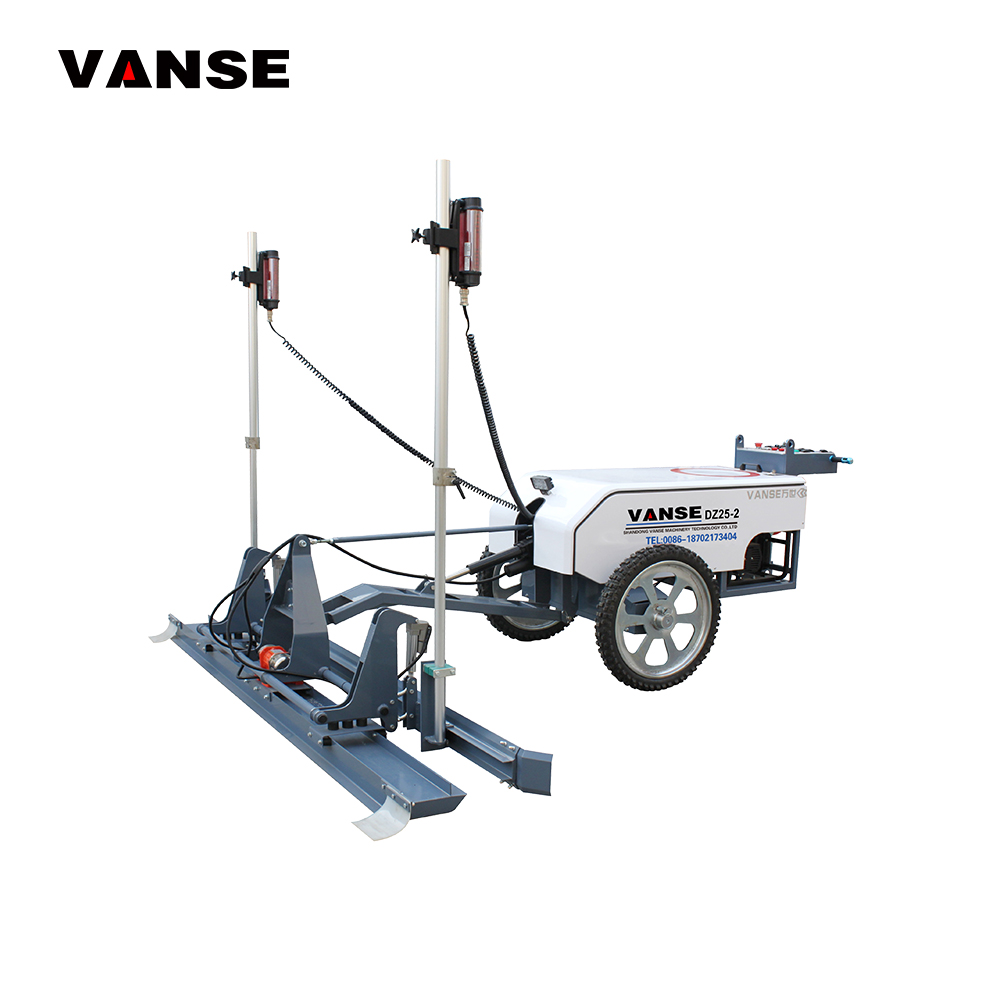
Walk-Behind Laser Screeds
Walk-behind models are generally suitable for smaller commercial slabs, enclosed buildings, irregular spaces, repair work, narrow access areas, and projects where a ride-on machine cannot move freely. They are often attractive to contractors entering the laser screed market because capital cost, transport needs, and operator complexity are lower. Their return normally depends on replacing manual leveling work and improving finish consistency rather than maximizing massive daily output.
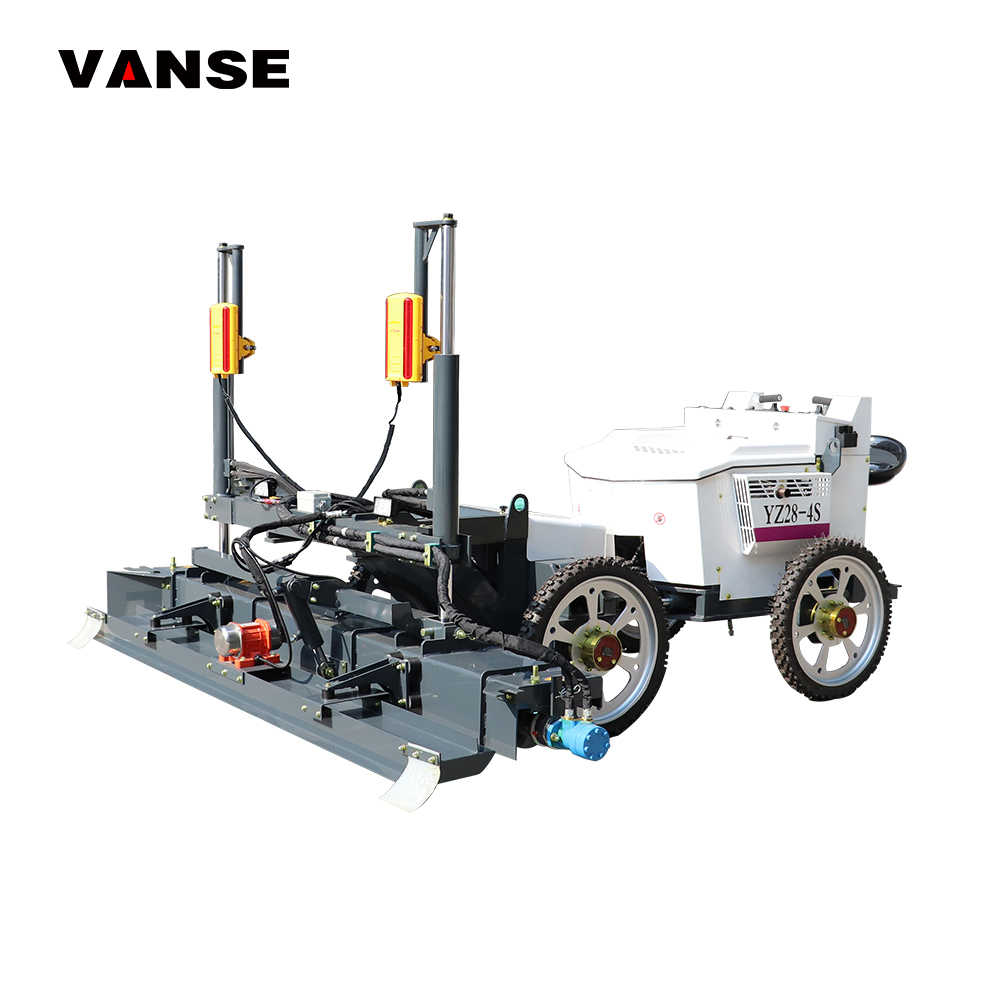
Ride-On Laser Screeds
Ride-on machines are commonly selected for large warehouses, manufacturing plants, logistics centers, distribution hubs, airport support areas, terminal yards, and high-volume industrial flooring. Their strongest business case is formed when large continuous pours occur frequently enough to keep the machine productive. A ride-on laser screed can support flatter slabs, lower labor requirements, and more predictable concrete placement when the crew, batch plant, and finishing team are organized around the machine.
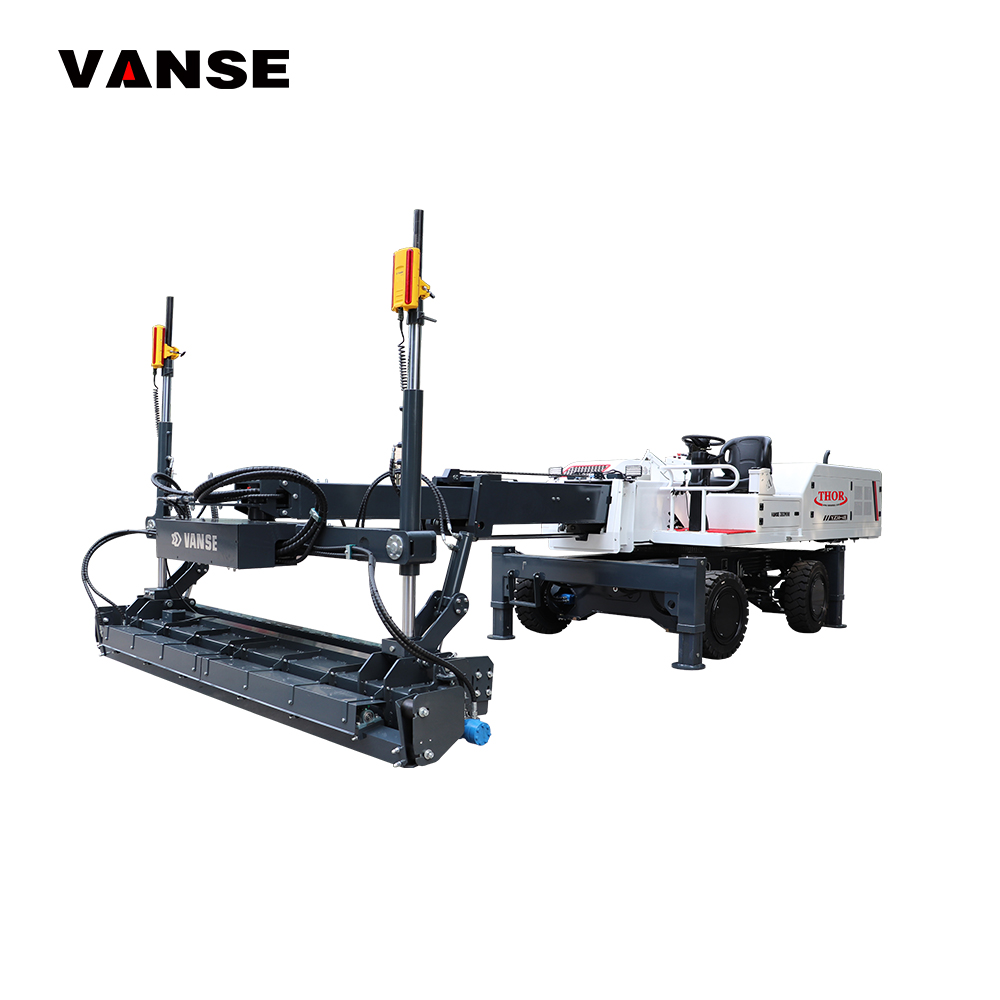
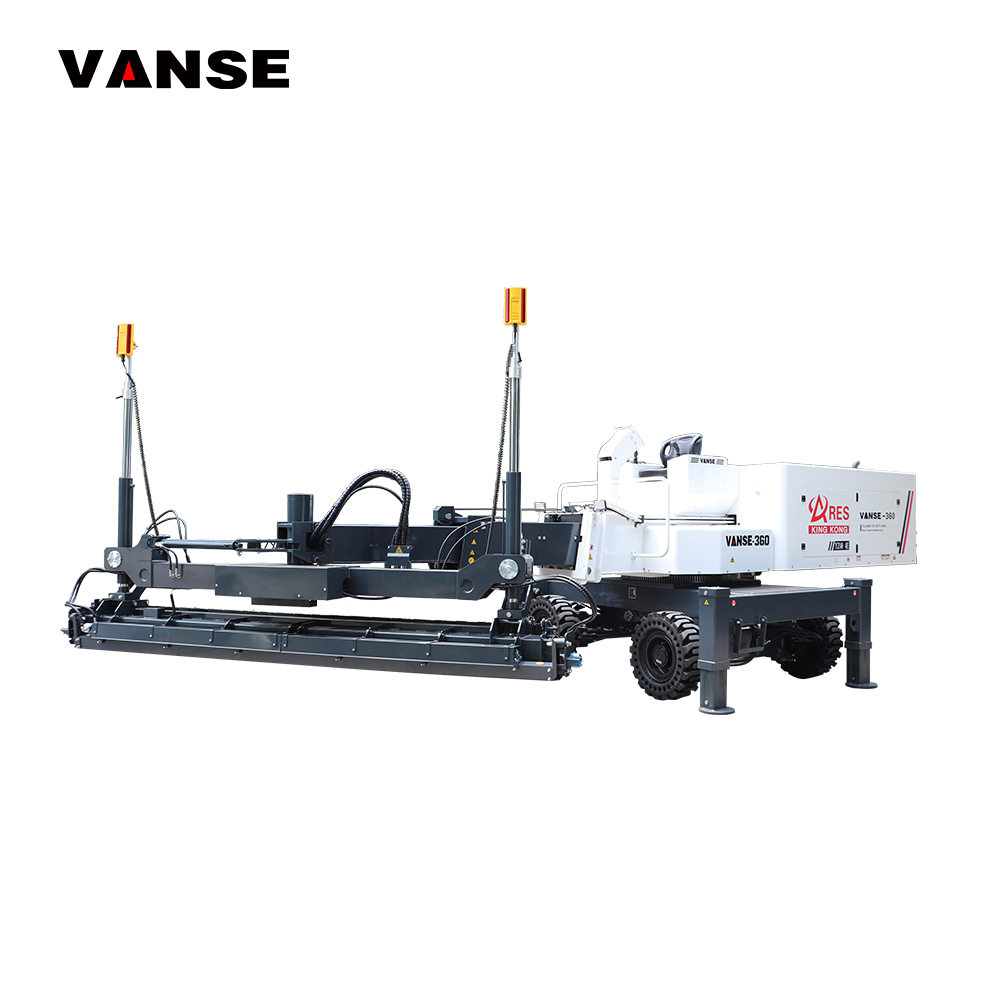
Boom-Type Laser Screeds
Boom-type systems are designed to reach around obstacles, handle larger placement zones, and work efficiently on extensive concrete floors. They can be particularly useful where steel columns, reinforcement, embedded services, and slab geometry make conventional straight-line screeding inefficient. Contractors should assess boom reach, travel width, turning space, machine weight, transport requirements, and local service access before investing.
Three-Dimensional Profiling Compatibility
For projects involving slopes, drainage falls, ramps, or changing elevations, compatibility with three-dimensional profiling technology can add value. It may reduce layout time and improve grade accuracy, but it also requires trained operators, accurate project files, suitable site control, and disciplined surveying. The additional investment should be justified by a consistent pipeline of profile-controlled work.
Industries That Benefit Most
Laser screed economics are strongest where floors are large, repetitive, quality-sensitive, and schedule-critical. The technology can improve the contractor’s ability to deliver slabs that require less corrective grinding and provide better support for automated warehousing, high-rack storage, forklifts, robotics, and industrial traffic.
| Industry | Typical Project Requirement | Suitable Equipment Type | Primary Financial Benefit | Important Buying Consideration |
|---|---|---|---|---|
| Warehousing and logistics | Large flat slabs for racking and forklifts | Ride-on or boom-type | High daily output and flatness control | Spare-parts response time |
| Manufacturing plants | Durable floors around production equipment | Ride-on or compact boom-type | Reduced rework and better tolerances | Access around columns and pits |
| Data centers | Level slabs for sensitive infrastructure | Precision ride-on system | Quality assurance and schedule certainty | Documented calibration process |
| Airport and terminal yards | Wide-area concrete placement | Boom-type or large ride-on | Output on large continuous pours | Mobility and project logistics |
| Retail and commercial buildings | Medium-size floors with varied geometry | Walk-behind or ride-on | Reduced manual leveling labor | Transport between sites |
| Infrastructure projects | Road-related slabs, yards, bridges, facilities | Model selected by profile and access | Grade consistency and labor control | 3D profile requirements |
| Cold-storage facilities | Flat floors supporting high-load operations | Ride-on laser screed | Fewer slab corrections before fit-out | Coordination with insulation systems |
For a warehouse project near major distribution hubs such as Dubai, Singapore, Rotterdam, Chicago, Toronto, Sydney, São Paulo, or Kuala Lumpur, a contractor should calculate the cost of delayed rack installation and late tenant handover. Faster, more predictable slab completion can create financial value beyond the direct labor saving recorded by the screeding crew.
Global Supplier Comparison
Buyers should evaluate suppliers by total ownership support, not only headline machine specifications. The right supplier should provide clear documentation, operator training, commissioning support, spare parts, troubleshooting access, machine configuration advice, and realistic delivery commitments. The following companies are recognized names or active manufacturers that buyers may evaluate when building a supplier shortlist.
| Company | Primary Service Regions | Core Strengths | Key Offerings | Practical Buyer Fit |
|---|---|---|---|---|
| Somero Enterprises | North America, Europe, Asia-Pacific, Middle East and global dealer markets | Long-established laser screed specialization and broad project experience | Ride-on, boom-type, floor-leveling and concrete placement systems | Large contractors focused on high-output slab work |
| Ligchine International | North America and international distribution markets | Laser-guided screeding equipment for concrete contractors | Ride-on laser screeds and related concrete placement solutions | Contractors seeking established laser screed technology |
| Wacker Neuson | Europe, Americas, Asia-Pacific, Africa and dealer-supported markets | Global construction-equipment network and compaction expertise | Concrete equipment, vibratory equipment, site machinery and support | Buyers prioritizing broad dealer coverage |
| Allen Engineering Corporation | North America, Latin America, Europe, Middle East and international dealers | Concrete placement and finishing equipment experience | Power trowels, screeds, pavers and concrete construction equipment | Contractors combining placing and finishing fleets |
| SANY Group | China, Southeast Asia, Middle East, Europe, Africa and the Americas | Large-scale construction machinery manufacturing and global channels | Concrete machinery, earthmoving equipment and project machinery | Large contractors needing multi-category procurement |
| Shandong Vanse Machinery Technology | More than 80 countries and regions, including North America, Europe, Asia, Middle East and South America | Laser screed range, customization, technical support and cost-performance focus | Walk-behind, ride-on and boom-type laser screeds, finishing and floor equipment | Contractors, distributors, rental firms and private-label partners |
This comparison is a starting point rather than a substitute for machine demonstrations, reference checks, technical review, and commercial due diligence. Ask each supplier for the specific model’s operating weight, screeding width, boom reach, engine configuration, hydraulic design, laser-control arrangement, grade capability, service intervals, warranty terms, spare-parts stock policy, and training scope.
Buying Advice for International Contractors
Start with the work you already have under contract and the projects you can realistically win over the next three years. A laser screed should be purchased against a documented pipeline, not only a single attractive project. Review warehouse development plans, industrial park construction, factory expansion, airport upgrades, port logistics yards, public infrastructure packages, and large commercial developments in your operating territory.
Verify Productivity Under Real Conditions
Ask for productivity figures based on slab thickness, concrete slump, reinforcement density, pour width, number of workers, available concrete supply, and finishing requirements. A machine can have a high maximum capacity but still lose output when truck cycles are inconsistent, concrete is not supplied continuously, or the finishing crew cannot keep pace.
Compare Delivered Cost Instead of Factory Cost
For imported equipment, compare delivered-duty-paid or clearly defined landed cost where possible. Include crating, container loading, ocean freight, marine insurance, port charges, inland transport, duties, taxes, pre-delivery inspection, commissioning, and local operator training. Equipment delivered through ports such as Shanghai, Ningbo, Qingdao, Singapore, Jebel Ali, Antwerp, Long Beach, or Vancouver should have a documented logistics plan before a purchase order is issued.
Protect Uptime With Parts and Training
Downtime can eliminate a year of expected savings if the machine stops during a major pour. Confirm whether critical filters, sensors, hydraulic hoses, receiver components, electrical connectors, and wear parts are stocked regionally. Ensure the supplier can provide remote diagnosis, video support, manuals, preventive-maintenance schedules, and trained technicians when required.
Choose the Right Commercial Model
Cash purchase may create the lowest total cost for a busy contractor with available capital. Leasing can preserve cash flow. Rental can suit occasional projects. A distributor partnership may be attractive in markets where local contractors need demonstration units, rapid parts supply, and machine training. Contractors should also consider ownership with a trusted subcontractor if annual utilization is uncertain.
Vanse Machinery for Global Concrete Projects
Shandong Vanse Machinery Technology Co., Ltd. supports global concrete contractors with walk-behind, ride-on, and boom-type laser screeds designed for industrial flooring, logistics facilities, factories, commercial projects, infrastructure works, airports, terminal yards, roads, and bridges. Founded in 2013 in Jining, China, Vanse combines laser-control systems, hydraulic technology, reliable engine configurations, durable components, and practical machine design with ISO 9001 and CE-certified quality systems, more than 50 invention patents, and over 200 utility model and design patents. Its equipment is manufactured and tested for demanding concrete construction conditions, with configurable voltage and engine options for different markets. Vanse serves end users, contractors, rental companies, dealers, distributors, brand owners, and individual buyers through direct sales, retail and wholesale supply, OEM/ODM production, customized branding, regional distribution partnerships, and project-based equipment packages. The company provides EPC, turnkey, and customer-owned plant solutions where relevant, but does not provide BOO or on-site bulk supply services. With exports to more than 80 countries and regions, overseas service resources in Southeast Asia and Canada, regional dealer networks, spare-parts centers, multilingual 24-hour consultation, remote diagnosis, operator training, installation guidance, and on-site technical support, Vanse has established practical service experience for international buyers rather than operating only as a remote exporter.
Contractors can review Vanse’s concrete laser leveling machines when comparing equipment configurations for local slab requirements. For higher-capacity industrial projects, the company’s ride-on laser screed options can be assessed against expected pour area, labor savings, and slab-flatness targets. Buyers planning commissioning and operator readiness can also use Vanse’s technical service support and international service resources when defining their ownership-cost model.
Illustrative Project Cases
A logistics-center contractor operating near Toronto purchases a ride-on laser screed after repeatedly renting equipment for large distribution slabs. The contractor records rental invoices, transport charges, overtime hours, and finishing corrections across six projects. After purchase, the company eliminates most rental spending, reduces manual strike-off labor, and uses its improved capacity to bid for a second warehouse package. The key return is not only daily productivity; it is the ability to control scheduling when rental availability is tight during peak construction season.
A concrete flooring specialist in the Gulf region works on warehouse developments near Jebel Ali and industrial zones around Riyadh. High summer temperatures and strict pour planning make slab timing critical. The contractor selects a machine with accessible technical support, trains two operators, and keeps key service items in its own depot. Its financial model includes heat-related productivity loss, operator redundancy, fuel expense, and spare-parts stock. The return improves because fewer corrective operations are required before the floor receives coatings and racking systems.
A contractor serving manufacturing projects in Southeast Asia chooses a compact laser screed for medium-size factory floors where site access is restricted. Although the machine’s output is lower than a large boom system, its transport cost is lower and it can be deployed more frequently. The contractor wins repeat work because it can mobilize quickly across multiple industrial parks. This example shows that utilization rate can matter more than maximum machine size.
A distributor in Latin America establishes a demonstration and after-sales program around major trade routes serving São Paulo, Monterrey, and coastal industrial areas. Rather than selling equipment on price alone, the distributor offers jobsite demonstrations, operator instruction, scheduled maintenance, and commonly required parts. The business model improves customer confidence and supports recurring equipment sales, because contractors can see how the machine affects labor planning and slab quality before committing capital.
Future Trends Through 2026
By 2026, laser screed purchasing decisions will increasingly be shaped by digital construction workflows, tighter floor-performance specifications, workforce shortages, emissions requirements, and lifecycle-cost reporting. Contractors will need equipment that improves both production economics and documentation quality.
Digital Grade Control and Data Collection
Three-dimensional profile compatibility, digital site models, improved laser-control integration, and machine operating data will become more important on projects with drainage, ramps, multi-level slabs, and strict quality records. Contractors will increasingly track square meters per hour, fuel per square meter, idle time, concrete wait time, and flatness-related correction costs.
Labor Availability and Operator Development
Skilled labor shortages remain a major global concern. Laser-guided screeding can reduce dependence on large manual strike-off crews, but it increases the importance of competent operators and supervisors. Training programs, video diagnostics, multilingual manuals, and remote support will become decisive supplier-selection factors.
Sustainability and Lower Waste
Sustainability requirements are pushing contractors to reduce material waste, avoid unnecessary grinding, limit rework, and improve fuel efficiency. Better level control can support more efficient slab construction by reducing corrective work and helping contractors place concrete accurately the first time. Buyers should ask suppliers for maintenance intervals, engine emission information, fluid-management guidance, and machine longevity data.
More Flexible Ownership Models
As finance costs fluctuate, buyers will compare direct ownership with leasing, rental fleets, shared assets, and dealer-supported rental programs. Suppliers that can support distributors, provide training, maintain parts availability, and offer practical technical assistance will have an advantage in emerging and established markets alike.
Frequently Asked Questions
How long does a laser screed usually take to pay back?
Many active concrete contractors target payback within one to three years. The actual period depends on annual utilization, labor cost, project size, rental avoidance, machine price, financing, maintenance, and resale value. A contractor with a consistent warehouse or industrial-floor pipeline may recover investment faster than a contractor using the machine only occasionally.
What is the biggest mistake in a laser screed ROI calculation?
The most common mistake is calculating savings from maximum advertised output rather than actual jobsite conditions. Use real data for concrete availability, crew size, slab geometry, weather delays, mobilization, finishing capacity, and downtime. A conservative estimate is more useful than an optimistic projection.
Should a contractor buy a ride-on or walk-behind laser screed?
Choose based on typical slab area, site access, transport capability, available capital, and frequency of large pours. Walk-behind machines can be more suitable for smaller or restricted areas. Ride-on and boom-type machines are generally better suited to large open industrial slabs and high-volume placement work.
Can imported laser screeds be economical in the Global market?
Yes, provided the buyer evaluates total landed cost, certification suitability, technical documentation, training, warranty coverage, spare-parts availability, and local or regional support. A lower purchase price only creates value when the supplier can help protect uptime during active projects.
Which costs should be included in the ownership calculation?
Include purchase price, optional equipment, freight, duties, finance charges, insurance, fuel, labor, training, transport, maintenance, repairs, calibration, storage, downtime allowance, and expected resale value. Record these costs per project and per square meter after purchase.
Does a laser screed replace the finishing crew?
No. It reduces and improves the leveling process, but concrete finishing, edging, jointing, curing, quality control, and project supervision remain essential. The best results come from coordinating the screed operator, concrete supplier, placing crew, finishing team, and project manager.
How can a distributor build a profitable laser screed business?
Distributors should combine equipment sales with demonstrations, commissioning, operator training, preventative-maintenance support, spare-parts planning, and fast technical response. Contractors are more likely to invest when they can see a machine operating on a local project and know service support is available after delivery.
Decision Checklist
Before buying, confirm annual project volume, average slab size, local labor cost, expected rental savings, finance terms, import and delivery cost, operator availability, maintenance capability, local parts support, machine residual value, and the supplier’s demonstrated service capacity. Use conservative assumptions for the first year, then update the laser screed investment return estimator using actual production data from every completed project.
For contractors managing industrial floors in global construction markets, the best investment is not necessarily the largest or least expensive machine. It is the laser screed package that provides the right productivity, documented quality, reliable parts access, practical operator support, and a payback period that remains acceptable under realistic site conditions.
Share this article

About the Author: Shandong Vanse Machinery Technology Co., Ltd.
Shandong Vanse Machinery Technology Co., Ltd. is a high-tech manufacturer specializing in concrete construction machinery, including laser screeds and related equipment. The company integrates R&D, production, and global sales, with products exported to over 60 countries and widely used in infrastructure projects worldwide.