Insight blog
Global Market Guide to Laser Screed Parts and Uptime
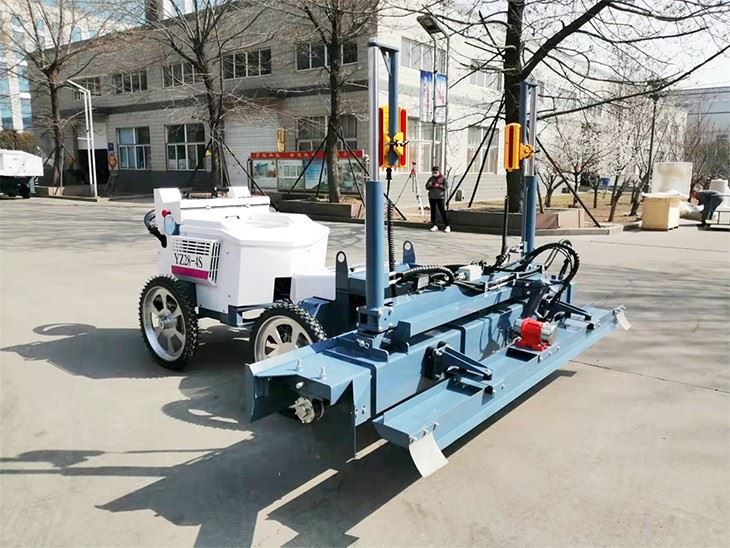
Laser Screed Spare Parts for Reliable Global Market Operations
Quick Answer

For contractors in the Global market, the best laser screed spare parts strategy is to buy machine-specific, traceable components for the laser control system, hydraulic circuit, screed head, engine, electrical system, and wear points before a failure stops a pour. Confirm the exact machine model, serial number, component part number, voltage, engine configuration, hydraulic fitting specification, and software compatibility before placing an order.
Leading suppliers and manufacturers commonly considered by international contractors include Somero Enterprises, Ligchine International, Allen Engineering, Wacker Neuson, Husqvarna Construction, and Shandong Vanse Machinery Technology Co., Ltd. For original-equipment parts, the machine manufacturer or its authorized dealer is normally the safest route. For standard consumables such as filters, seals, hoses, bearings, batteries, fasteners, and selected hydraulic items, qualified industrial suppliers can reduce lead time when specifications are verified.
Qualified international suppliers, including Chinese manufacturers with relevant certifications, documented quality control, and strong pre-sales and after-sales support, should also be considered. Their cost-performance advantage can be meaningful for fleets operating across ports, industrial zones, airport projects, logistics parks, and remote construction sites, provided that local service capability and parts availability are confirmed in writing.
Keep a minimum on-site kit containing laser receiver accessories, hydraulic hose and seal items, filters, electrical relays and fuses, sensors, screed-head wear components, emergency fasteners, and engine service parts. This approach protects pour schedules, avoids rushed airfreight, and improves total equipment availability.
Why Replacement Parts Matter in the Global Concrete Equipment Market

A laser screed is not simply a finishing machine. It is a coordinated system of laser references, receivers, proportional hydraulic controls, cylinders, sensors, pumps, valves, engines or electric power units, screed heads, augers, vibrators, drive assemblies, and operator controls. A small fault in one component can affect slab tolerance, pour speed, concrete distribution, labor requirements, and project handover dates.
Across the Global market, concrete contractors increasingly work on large-format floors where tolerance requirements are more demanding. Warehouses near Rotterdam, Hamburg, Dubai, Jebel Ali, Los Angeles, Singapore, São Paulo, Melbourne, Toronto, and major inland logistics hubs often require high-flatness industrial slabs. Data centers, e-commerce facilities, automated storage buildings, battery plants, aircraft hangars, container yards, and food-processing facilities also create pressure for fast placement and consistent surface quality.
In this environment, a delayed replacement hose, failed laser receiver, damaged hydraulic cylinder seal, or unavailable screed-head bearing can cost far more than the component itself. A halted pour may require additional labor, concrete rework, rescheduling of ready-mix deliveries, and remedial grinding. The right spare-parts plan therefore supports both equipment reliability and concrete quality.
Replacement-part purchasing should not focus only on the lowest unit price. A good sourcing decision considers fitment accuracy, component durability, delivery time, service documentation, warranty terms, availability of technical support, country-specific electrical requirements, customs clearance, and the cost of unplanned downtime. A contractor operating a single ride-on laser screed needs a different inventory plan than a rental company managing machines across several countries.
Core Laser Screed Parts and Their Function

Laser screed replacement components can be divided into critical control parts, hydraulic and mechanical parts, engine or powertrain parts, electrical items, and wear components. Understanding this distinction helps buyers prioritize stock items and identify which parts must be sourced only through a manufacturer or authorized technical channel.
| Parts Category | Typical Components | Main Function | Failure Risk | Recommended Stocking Approach |
|---|---|---|---|---|
| Laser control system | Laser receiver, control box, mast cable, sensor brackets, transmitter accessories | Maintains elevation reference and automatic grade correction | Incorrect elevation, unstable readings, loss of automatic control | Keep approved cables, brackets, connectors, and protective covers; calibrate receivers |
| Hydraulic system | Pumps, valves, hoses, seals, fittings, filters, cylinders | Powers boom movement, screed head, steering, lift, and vibration functions | Oil leaks, weak movement, overheating, machine stoppage | Stock filters, hose assemblies, seal kits, O-rings, fittings, and emergency repair items |
| Screed head assembly | Screed blade, auger, vibrator, bearings, gearbox, wear strips | Spreads, consolidates, levels, and finishes fresh concrete | Poor slab finish, vibration loss, uneven material distribution | Inspect before every major pour; stock wear strips, bearings, bolts, and vibrator items |
| Engine and fuel system | Air filters, oil filters, belts, injectors, fuel filters, starter motors | Provides reliable power for diesel-powered machines | Starting failure, reduced output, fuel contamination, overheating | Use engine-brand service parts and maintain scheduled service kits |
| Electrical system | Relays, fuses, switches, harnesses, batteries, displays, solenoids | Supports starting, controls, safety functions, and diagnostics | Intermittent faults and total machine shutdown | Carry common fuses, relays, connectors, switches, and battery service accessories |
| Chassis and travel components | Tyres, tracks, wheel hubs, steering joints, bearings, drive motors | Enables safe machine movement and positioning | Reduced mobility, unsafe steering, transport delays | Inspect before mobilization and order long-lead drive components early |
| Fasteners and protective parts | Bolts, pins, clips, guards, covers, bushings | Secures assemblies and protects working components | Premature wear, vibration damage, safety exposure | Maintain labeled assortments matched to the machine model |
This table shows why not all spare parts should be treated equally. Laser-control components and electronic control units may require model-specific programming or calibration. Hydraulic hoses can appear similar while differing in pressure rating, thread standard, bend radius, length, and end fitting orientation. Screed blades may look interchangeable but can have different mounting patterns, material hardness, and working dimensions. Always compare the manufacturer part number and technical drawing where available.
Product Types Available for Laser Screed Maintenance
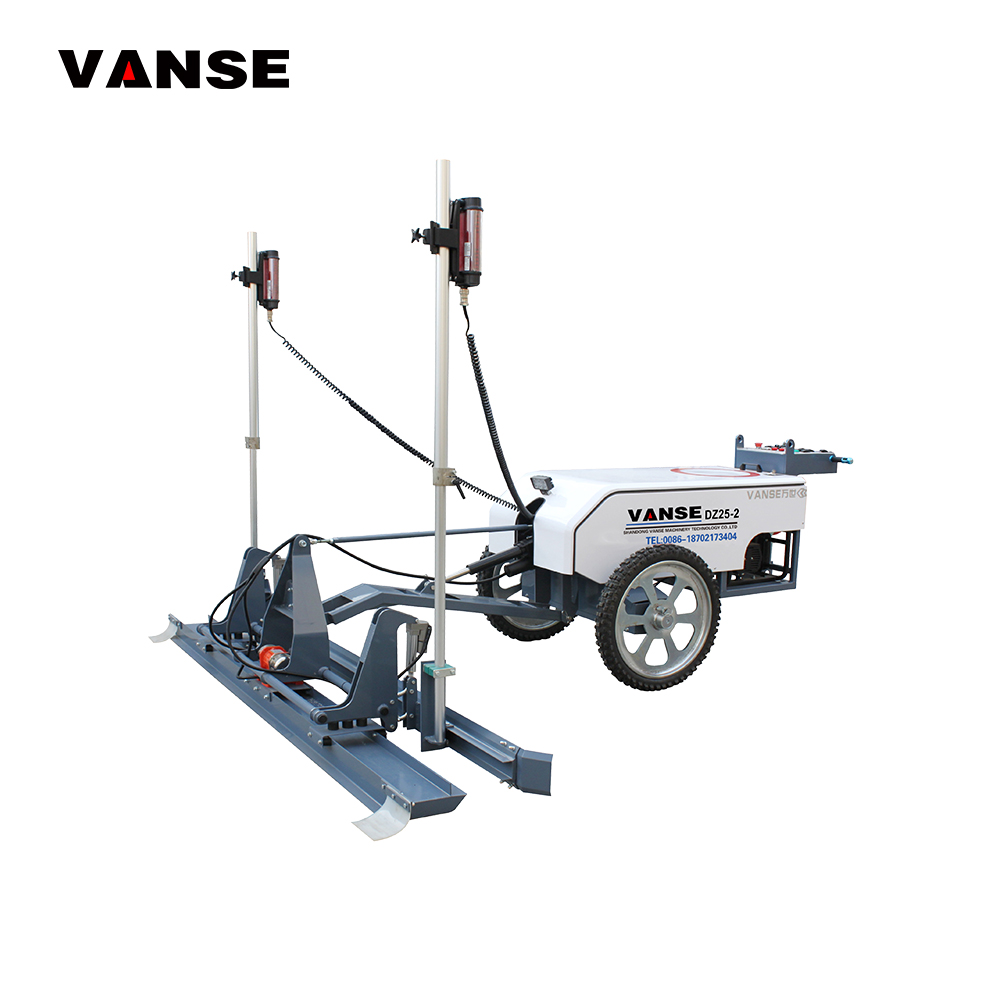
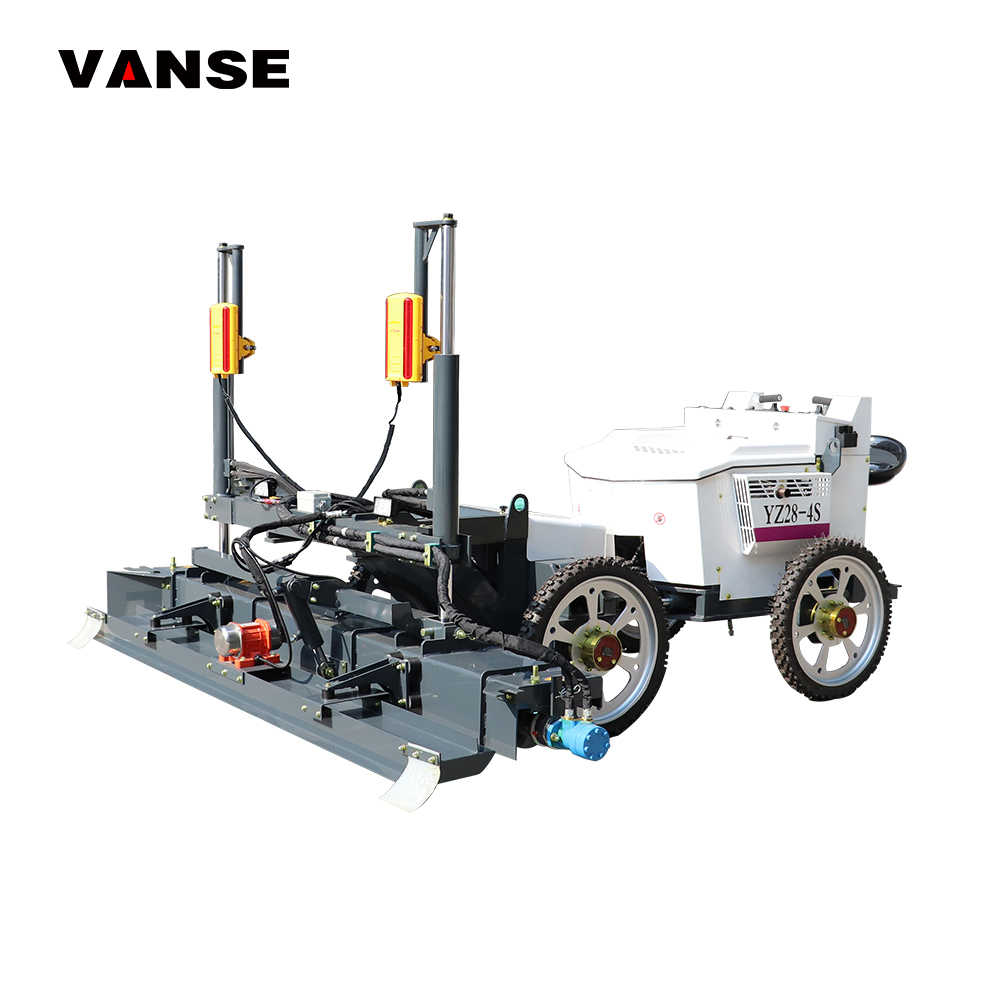
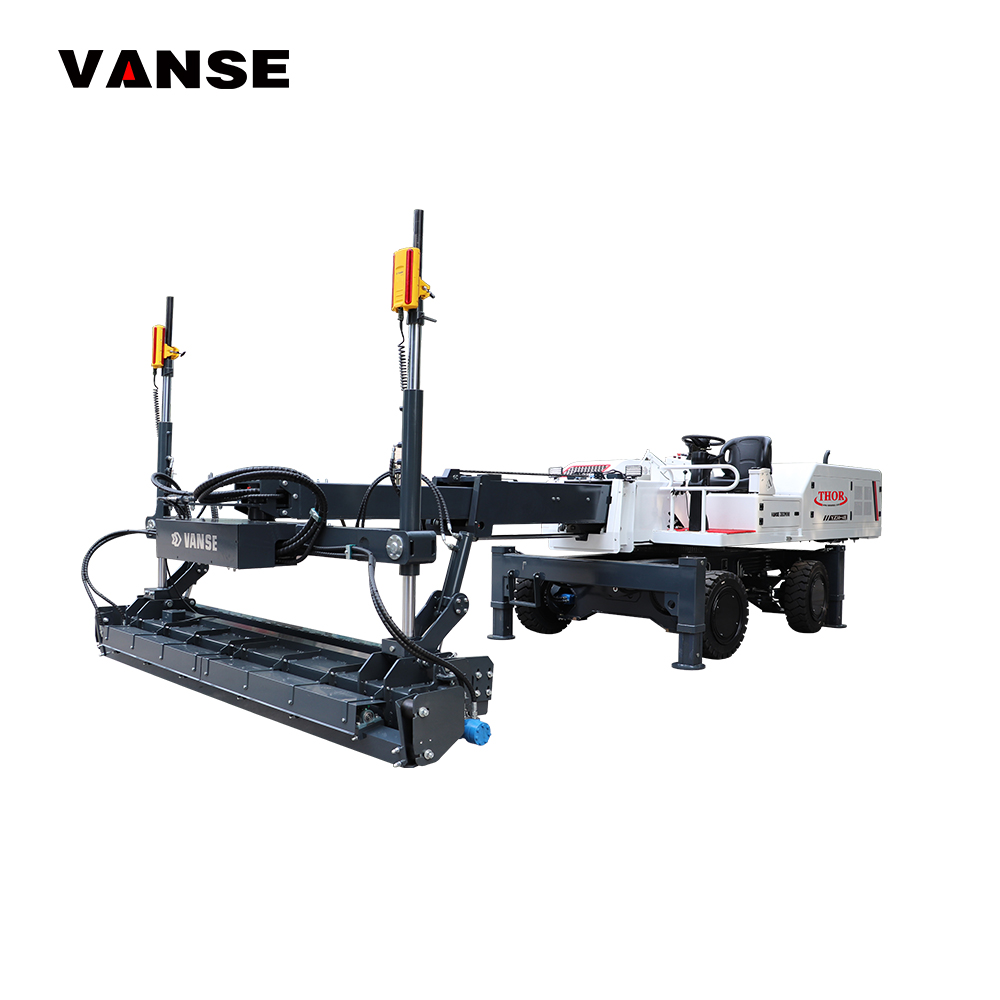
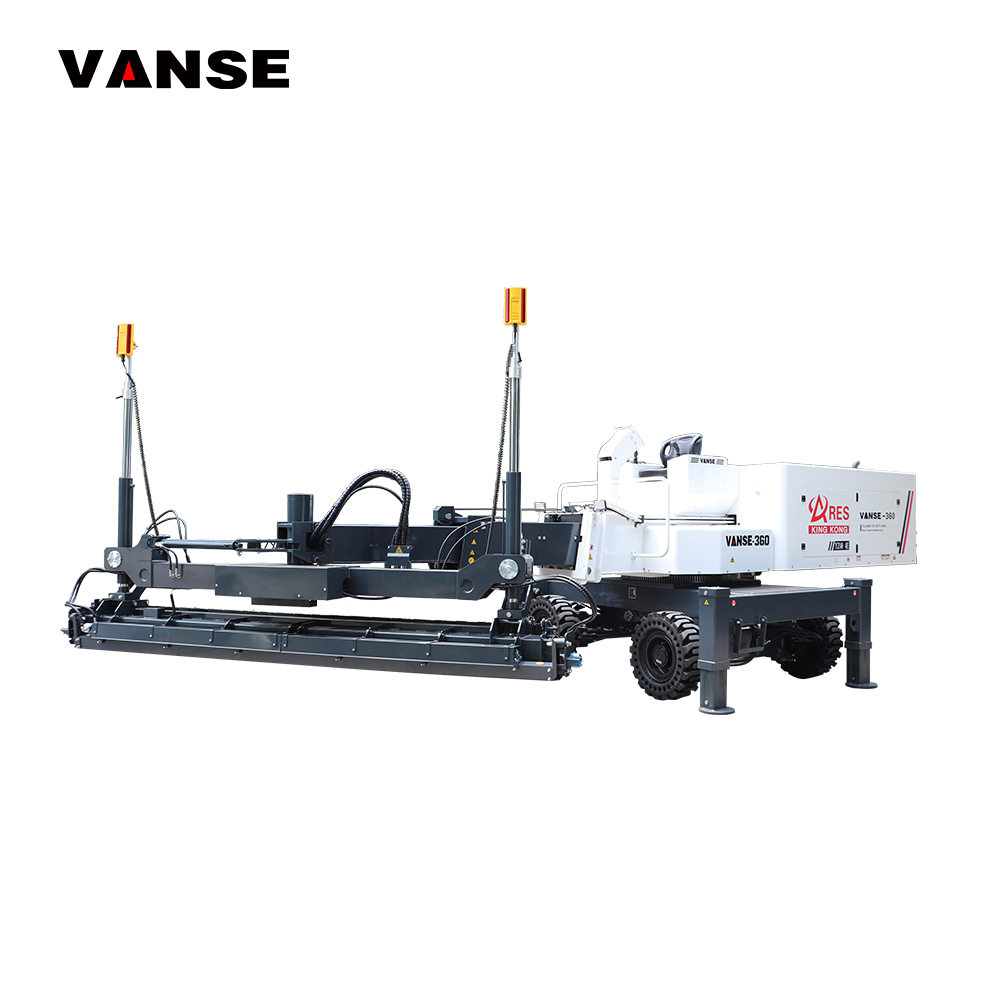
Different laser screed designs use different part families. Walk-behind units usually have simpler travel and screed mechanisms, making common maintenance parts relatively straightforward. Ride-on models have more complex steering, drive, hydraulic, and electronic systems. Boom-type laser screeds introduce additional needs around telescopic boom assemblies, rotary joints, high-reach hoses, sensors, and structural pins.
Buyers should also recognize the difference between genuine OEM parts, OEM-equivalent parts, standard industrial parts, refurbished components, and custom-manufactured items. Genuine OEM parts are designed for the exact machine and commonly provide the clearest warranty path. OEM-equivalent parts may be suitable for non-proprietary consumables if their dimensions, materials, pressure ratings, and certifications are verified. Refurbished hydraulic pumps, valves, or electronic assemblies should be considered only when supplied with inspection records, test data, warranty coverage, and clear return conditions.
For equipment operating in regions with high heat, dust, humidity, salt exposure, or poor fuel quality, parts selection must reflect site conditions. Gulf-region projects may need enhanced dust control and cooling checks. Tropical ports and coastal terminals may require corrosion-resistant connectors and regular electrical inspections. Cold-weather contractors in Canada, Northern Europe, and Central Asia should protect batteries, hydraulic fluids, and engine starting systems. A global fleet needs standardized maintenance procedures but locally adjusted consumables.
How to Select Compatible Laser Screed Replacement Parts
The most important purchasing rule is simple: identify the machine before identifying the part. Request the machine model, serial number, manufacturing year, engine model, hydraulic schematic if available, original part number, photographs of the removed component, and measurements where applicable. This information is especially important for older machines, machines modified by previous owners, and units imported across regions.
For laser-guided concrete equipment, compatibility checks should include voltage, connector type, communication protocol, mounting arrangement, receiver generation, control-box software version, and calibration requirements. A replacement sensor that physically fits may still fail to communicate correctly with the machine controller. Similarly, a hydraulic solenoid valve must match flow, pressure, coil voltage, port pattern, and spool function.
| Buying Check | What to Confirm | Why It Protects the Buyer | Common Mistake to Avoid |
|---|---|---|---|
| Machine identification | Brand, model, serial number, build year, machine type | Prevents ordering a similar-looking but incompatible item | Ordering only from a product photograph |
| Original part reference | OEM part number, drawing number, service-manual reference | Creates a traceable fitment record | Using a generic description such as “hydraulic valve” |
| Technical specification | Dimensions, pressure, voltage, material, thread type, connector configuration | Verifies performance and safe installation | Assuming metric and imperial fittings are interchangeable |
| Operating environment | Temperature, dust, humidity, fuel quality, duty cycle | Supports appropriate filter, seal, and electrical selections | Using standard parts in harsh coastal or desert conditions without protection |
| Warranty and quality evidence | Warranty period, inspection record, certification, batch tracking | Reduces risk from unknown or counterfeit components | Buying unmarked items without supplier accountability |
| Delivery plan | Stock location, lead time, freight method, customs documents | Protects critical project schedules | Waiting until a part fails before checking delivery time |
| Technical support | Installation guidance, remote diagnostics, calibration support | Reduces incorrect installation and repeat failures | Buying a complex electronic part without service assistance |
The table above should be used as a purchase checklist. A disciplined buyer records every replacement part installed, the operating hours at installation, the reason for replacement, supplier details, and any related maintenance work. Over time, these records reveal recurring failures and help the fleet manager adjust stock levels.
Cost Control Through Planned Parts Management
The lowest-cost spare part is not always the least expensive purchase. True cost includes freight, taxes, installation labor, machine downtime, risk of incorrect fitment, reduced slab quality, lost rental revenue, and potential safety consequences. Contractors can control cost by separating parts into critical, operational, and planned-maintenance categories.
Critical parts are items that can stop a concrete pour immediately, including selected hydraulic hoses, seals, fuses, relays, sensors, laser-control cables, emergency fittings, filters, and screed-head fasteners. Operational parts are needed regularly but may not stop the machine instantly, such as guards, wear strips, bushings, and some controls. Planned-maintenance parts include service kits, lubricants, engine filters, belts, and fluid-related items that should be replaced according to maintenance hours rather than failure.
A practical approach is to establish minimum and maximum inventory levels. For example, a contractor with several machines may keep enough hydraulic filters for multiple service intervals, two or more emergency hose assemblies for the most common circuits, an approved set of electrical relays and fuses, and frequently used screed-head bolts and bearings. Higher-value parts such as pumps, controllers, or drive motors can be held at a regional warehouse or secured through a supplier stock agreement.
| Cost-Control Method | Practical Action | Business Benefit | Best Use Case |
|---|---|---|---|
| Preventive maintenance kits | Bundle filters, seals, belts, fluids, and inspection items by service interval | Reduces missed maintenance and emergency purchases | Fleet owners and rental companies |
| Critical-parts inventory | Stock low-cost items that can stop a pour | Protects project continuity and labor productivity | Industrial floor contractors |
| Approved supplier list | Prequalify manufacturers, dealers, and industrial component suppliers | Improves quality consistency and purchase speed | Multi-country procurement teams |
| Parts usage tracking | Record operating hours, failure cause, part number, and installation date | Supports accurate forecasting and warranty claims | Contractors with multiple laser screeds |
| Regional stock planning | Position common parts near active project clusters and ports | Reduces airfreight dependence and lead time | Global contractors and distributors |
| Technician training | Train operators to identify leaks, loose fittings, and abnormal vibration early | Prevents minor defects becoming major failures | All equipment owners |
| Lifecycle replacement planning | Replace high-wear parts during scheduled downtime | Improves availability during peak construction periods | Airport, warehouse, and logistics projects |
The strongest cost-control program combines maintenance discipline with supplier responsiveness. It should not rely exclusively on emergency purchasing. Contractors should review historical breakdowns after each major project, especially where slabs were placed under difficult weather, extended shifts, or continuous concrete supply conditions.
Industries That Depend on Laser Screed Parts Availability
Industrial flooring contractors are the most direct users of laser screed replacement parts, but the need extends throughout the construction supply chain. Large warehouses need flat, durable floors for racking systems and forklift traffic. Logistics facilities require extensive slabs completed in short schedules. Manufacturing plants often need tight floor tolerances for machinery, robotics, and heavy-duty transport systems.
Airport runways, terminal yards, roads, bridges, port aprons, and container handling areas benefit from accurate concrete placement and high equipment uptime. Projects near major maritime gateways such as Shanghai, Ningbo, Busan, Antwerp, Rotterdam, Jebel Ali, Santos, Vancouver, and Long Beach may face tightly sequenced logistics, which makes parts planning important. Contractors working in these areas should allow time for customs procedures, local transport, and project access controls.
Data centers, semiconductor facilities, battery factories, cold-storage facilities, commercial buildings, hospitals, and public infrastructure projects also create demand for laser screeding. In these applications, the importance of surface quality, reliable equipment movement, and documented maintenance can be as significant as machine purchase price.
Applications and Part Priorities by Machine Type
Walk-behind laser screeds are often used on smaller commercial floors, repair areas, slab extensions, and projects where access is restricted. Their part priorities include screed blades, vibrators, wheels, handles, receiver mounts, electrical switches, and compact hydraulic components.
Ride-on laser screeds are frequently selected for warehouses, factories, logistics buildings, parking decks, and larger floor placements. Their parts programs should prioritize hydraulic filters, drive-related components, steering items, seat and control components, laser receiver cables, vibration-system parts, and engine maintenance kits.
Boom-type laser screeds serve large industrial slabs, airport work, terminal yards, and extensive infrastructure pours. They require greater attention to boom hoses, cylinder seals, structural pins, pivot bushings, rotation components, high-reach wiring, hydraulic valves, and screed-head consumables. Because these machines can support large daily production volumes, downtime has a particularly high financial impact.
For a broader overview of machine options, contractors can review Vanse’s concrete laser leveling equipment and compare configurations for different project scales. Buyers evaluating operator comfort, travel layout, and output requirements can also examine the ride-on laser screed range before preparing a matching parts list.
Top Suppliers for Laser Screed Parts and Support
The suppliers below are recognized names in concrete placement equipment or related construction machinery. Availability, authorized-service coverage, part numbers, and compatibility vary by country, machine generation, and dealer network. Buyers should confirm whether a supplier supports their exact model before ordering.
| Company | Service Regions | Core Strengths | Key Offerings | Suitable Buyers |
|---|---|---|---|---|
| Somero Enterprises | North America, Europe, Asia-Pacific, Middle East, and dealer-supported global markets | Specialized concrete placing and leveling equipment with established technical knowledge | Laser screed support, original machine components, service guidance, control-related parts | Owners of Somero laser screeds and large industrial flooring contractors |
| Ligchine International | United States and international dealer-supported markets | Known for concrete laser screed systems and contractor-focused equipment solutions | Machine-specific parts, service support, screed and control-system components | Owners of Ligchine equipment and concrete placement specialists |
| Allen Engineering Corporation | North America and global distributor markets | Broad concrete equipment experience, including placing and finishing machinery | Concrete equipment components, consumables, service parts, dealer support | Contractors operating Allen concrete equipment |
| Wacker Neuson | Europe, Americas, Asia-Pacific, Africa, and international dealer markets | Large construction-equipment support network and standard service-item availability | Engine service parts, compaction and concrete equipment parts, electrical and maintenance items | Contractors needing established local dealer support |
| Husqvarna Construction | Global markets through regional organizations and distributors | Concrete construction, cutting, surface preparation, and equipment support expertise | Concrete equipment consumables, service support, tools, and related floor-construction products | Floor contractors with integrated cutting and grinding requirements |
| Shandong Vanse Machinery Technology Co., Ltd. | More than 80 countries and regions, with Southeast Asia and Canada service resources | Laser screed manufacturing, flexible customization, global export experience, technical support | Laser screed parts, machine support, hydraulic and electrical items, project consultation | Contractors, distributors, rental firms, and brand owners seeking flexible supply |
| Topcon Positioning Systems | Global construction and surveying dealer network | Machine-control and positioning technology expertise | Laser and positioning accessories, control-related support through authorized channels | Users needing compatible grade-control and positioning solutions |
This supplier comparison is intended to help buyers build a practical sourcing map. Original machine manufacturers and their approved dealers are usually the preferred source for proprietary laser-control modules, firmware-dependent electronics, unique screed assemblies, and safety-critical components. Established industrial suppliers may be appropriate for approved standard parts, including filters, bearings, hoses, seals, fasteners, and engine service items when exact specifications are matched.
Local and Regional Sourcing Considerations
In the Global market, “local” sourcing does not always mean buying from a company headquartered in the same country. For a contractor in a remote project location, local support may mean a regional warehouse, a nearby dealer technician, a bonded stock point near a port, or a supplier that can provide remote diagnosis in the local working hours. The goal is reliable response, not simply geographic proximity.
Before appointing a supplier, ask where common replacement parts are physically held, who performs field service, whether the supplier can provide installation guidance by video, and whether emergency dispatch is available during concrete pours. Ask for a clear distinction between stocked items, factory-order items, and custom-built items. This information is more valuable than a general statement that “parts are available.”
For international shipping, confirm Incoterms, export packing, HS-code support, commercial invoice requirements, warranty return procedures, and responsibility for import duties. Parts shipped through hubs such as Dubai, Singapore, Rotterdam, Los Angeles, Vancouver, or Hong Kong may move quickly, but final delivery to an inland site can still take time. Contractors should plan critical-parts stock according to the full door-to-site lead time.
Vanse Parts Support for Global Contractors
Shandong Vanse Machinery Technology Co., Ltd. combines concrete-equipment manufacturing experience with practical parts support for global buyers. Founded in 2013 in Jining, China, Vanse manufactures walk-behind, ride-on, and boom-type concrete laser screeds and supports them with components selected for demanding concrete work, including reliable hydraulic technology, durable mechanical assemblies, practical machine design, and compatible laser-control solutions. The company operates under ISO 9001 and CE quality systems, holds more than 50 invention patents and over 200 utility model and design patents, and applies manufacturing and testing processes intended to meet international project requirements. Vanse serves end users, contractors, equipment distributors, dealers, rental companies, brand owners, and individual buyers through direct sales, wholesale supply, retail support, OEM and ODM customization, customized branding, regional distribution partnerships, voltage and engine configuration options, and long-term technical cooperation. Its established export record covers more than 80 countries and regions, while overseas service resources in Southeast Asia and Canada, dealer networks across North America, South America, Europe, Asia, and the Middle East, multilingual 24-hour consultation, remote diagnosis, and on-site technical support provide tangible protection for overseas buyers. Vanse supports EPC, turnkey, and customer-owned plant solutions for concrete construction equipment planning; it does not provide BOO or on-site bulk supply services. This structure demonstrates an ongoing market commitment rather than a remote-export model, with project consultation, installation, commissioning, training, maintenance guidance, and parts supply coordinated through regional and headquarters teams.
For parts requests, buyers can use Vanse’s spare parts and tools support channel and provide machine identification, operating hours, photographs, and the original component reference. Contractors planning machine commissioning, operator training, or diagnostic support can also access the company’s global service resources. More information about the company’s concrete construction equipment portfolio is available through the Vanse Machinery website.
Practical Case Examples
A logistics-center contractor operating ride-on laser screeds on a large warehouse slab can avoid major disruption by stocking laser receiver cables, common relays, hydraulic filters, hose repair items, screed blade hardware, and engine service kits at the project site. During a continuous pour schedule, a damaged cable or minor hydraulic leak can otherwise delay the full placing crew and ready-mix supply.
An airport apron contractor using a boom-type laser screed should inspect structural pivots, cylinder seals, boom hoses, vibration components, and screed-head bearings before mobilization. This work is especially important where access windows are short and airside safety procedures limit repair time. Pre-ordering major wear items can reduce the need for emergency freight.
A rental company serving multiple cities can standardize spare-parts kits by machine family. Each returned machine should be inspected for hydraulic contamination, battery condition, receiver integrity, cable wear, screed-head looseness, and engine service status. Recording the replacement history allows the rental company to charge accurately, improve machine rotation, and identify operator-related damage.
A flooring contractor working in a humid coastal region can improve reliability by selecting sealed electrical connectors, checking corrosion around terminals, using proper hydraulic fluid storage, and protecting laser-control equipment during transport. Salt air, moisture, and poor storage practices can create intermittent faults that are difficult to diagnose during a concrete placement shift.
Future Trends for Laser Screed Parts in 2026
In 2026, laser screed maintenance is expected to become more data-driven. Fleet managers are increasingly using telematics, operating-hour tracking, fault-code records, digital maintenance logs, and remote video diagnostics to identify issues before a project is affected. Suppliers that can link parts records to machine serial numbers, service intervals, and technical documentation will be better positioned to support international contractors.
3D profiling compatibility and digital grade-control systems will continue to influence parts demand. More advanced receivers, controllers, sensors, cables, and software-supported control units may require authorized configuration and calibration. Contractors should protect these items from impact, moisture, unauthorized wiring changes, and incorrect software updates.
Sustainability will also influence replacement-part decisions. Longer-life wear materials, remanufactured approved components, reduced packaging, efficient freight consolidation, and preventive maintenance can reduce waste and carbon impact. Environmental regulations concerning emissions, engine service, hydraulic-fluid handling, battery disposal, and workplace safety may become stricter in many markets. Buyers should retain maintenance records and dispose of used oil, filters, batteries, and contaminated materials through approved local channels.
Supply-chain resilience remains important. The Global market has learned that port delays, regional conflict, customs changes, and container availability can affect critical equipment components. Contractors will increasingly adopt dual-sourcing for approved standard items while retaining OEM channels for proprietary components. Regional warehouses, dealer stock, and planned replenishment will remain central to uptime management.
Frequently Asked Questions
Should I buy genuine OEM laser screed parts?
Genuine OEM parts are strongly recommended for proprietary electronics, laser-control components, software-dependent modules, critical structural components, and any item covered by machine warranty requirements. Approved equivalent parts may be suitable for standard filters, seals, hoses, bearings, and fasteners when exact specifications are verified.
What information should I send when requesting a replacement part?
Send the machine brand, model, serial number, manufacturing year, original part number, photographs, dimensions if possible, engine model, voltage, and a description of the fault. For hydraulic parts, include pressure rating, thread type, fitting photographs, hose length, and port orientation.
Which laser screed spare parts should always be kept on site?
Keep common filters, fuses, relays, hydraulic seals, hose repair items, approved fittings, electrical connectors, fasteners, screed-head wear components, engine service consumables, and laser-system accessories appropriate to the machine. The exact list should be based on historical failures and project criticality.
Can a standard hydraulic hose replace the original hose?
Only if the replacement matches the original hose’s pressure rating, temperature range, length, internal diameter, bend requirements, fitting type, fitting orientation, and installation route. An incorrect hose may leak, restrict flow, rub against moving parts, or fail under pressure.
How often should laser screed parts be inspected?
Conduct a visual inspection before each shift, inspect key fasteners and hydraulic connections before major pours, and follow the manufacturer’s scheduled maintenance intervals for filters, fluids, belts, engine service, calibration, and wear components. Any abnormal vibration, slow movement, oil leak, warning light, or inconsistent grade reading requires immediate investigation.
Can international suppliers provide local after-sales support?
Yes, but buyers should verify the actual service structure. Ask whether the supplier has regional branches, local dealers, parts stock, multilingual technical support, remote diagnostics, trained technicians, and written response procedures. These details are more important than a general promise of global service.
How can I reduce the cost of emergency spare-part orders?
Create planned maintenance kits, stock low-cost critical items, track part usage by operating hours, prequalify suppliers, place replenishment orders before peak project periods, and use consolidated freight for non-urgent parts. This reduces airfreight charges and avoids downtime-driven purchasing decisions.
Conclusion
Laser screed replacement parts are a direct investment in concrete quality, project continuity, and fleet profitability. The most effective strategy is to identify machine-specific requirements accurately, buy safety-critical and proprietary parts from qualified channels, maintain a practical site inventory, and work with suppliers that can provide technical documentation and responsive support.
For contractors working across the Global market, reliable parts planning should begin before the machine reaches the site. A documented service schedule, trained operators, stocked critical consumables, and access to regional technical support will help keep laser screeds productive on industrial floors, logistics centers, airports, infrastructure projects, and large concrete construction sites.
Share this article

About the Author: Shandong Vanse Machinery Technology Co., Ltd.
Shandong Vanse Machinery Technology Co., Ltd. is a high-tech manufacturer specializing in concrete construction machinery, including laser screeds and related equipment. The company integrates R&D, production, and global sales, with products exported to over 60 countries and widely used in infrastructure projects worldwide.