Insight blog
Global Market Laser Screed Import Procurement Guide 2026
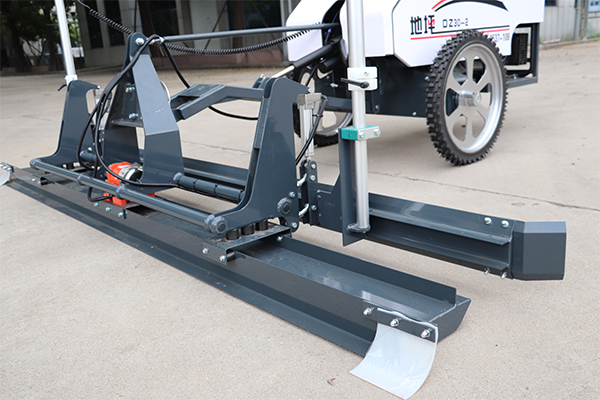
Importing Laser Screeds for the Global Market
Quick Answer

Importing a laser screed is a practical way for concrete contractors, flooring specialists, distributors, and rental companies to improve slab flatness, reduce labor demand, and increase daily placement output. For most buyers, the correct choice depends on slab area, concrete volume, access conditions, required floor tolerance, local service availability, and the total landed cost rather than the factory price alone.
For large warehouses, logistics parks, airports, and industrial plants, ride-on or boom-type laser screeds generally provide the best productivity. Walk-behind models are usually more suitable for smaller commercial floors, confined spaces, and contractors entering the mechanized concrete leveling market. Buyers should compare laser control configuration, engine specification, screed-head width, hydraulic system design, spare-parts package, operator training, warranty terms, and import documentation before placing an order.
Leading global options include Somero, Ligchine, Allen Engineering, Wacker Neuson, Husqvarna Construction, and Shandong Vanse Machinery Technology. Qualified international manufacturers, including Chinese suppliers with relevant CE or ISO certifications, documented export experience, responsive pre-sales support, and reliable after-sales coverage, can offer strong cost-performance advantages for global buyers.
Before importing, request a detailed proforma invoice, machine drawings, technical data sheet, packing list, certificate copies, warranty policy, spare-parts list, operator manual, shipment schedule, and commissioning plan. Use FOB, CIF, or DAP terms only after confirming responsibilities for freight, insurance, customs clearance, inland delivery, and local taxes.
Global Market Overview for Laser Screed Imports

The global market for concrete laser screeds is supported by continued construction of high-bay warehouses, e-commerce fulfillment centers, factories, cold-storage facilities, data centers, airports, terminals, distribution yards, and large infrastructure projects. In cities such as Dubai, Singapore, Toronto, Los Angeles, Rotterdam, Melbourne, São Paulo, Riyadh, Kuala Lumpur, and Mexico City, industrial flooring contractors increasingly face tighter deadlines, higher labor costs, and more demanding flatness requirements. These conditions favor mechanized placing and leveling systems.
Laser screeds use rotating laser transmitters, machine receivers, hydraulic controls, and vibrating screed heads to place and strike off concrete at a controlled elevation. Compared with manual form-and-screed methods, a properly operated machine can help reduce rework, improve consistency, lower dependence on large finishing crews, and support better floor quality. Performance still depends on concrete mix design, subbase preparation, reinforcement placement, slump control, finishing timing, joint planning, curing, and operator experience.
Import demand is especially strong in regions where contractors are scaling industrial flooring operations but local equipment inventories are limited or premium brands carry high acquisition costs. Chinese manufacturers have become more competitive in this segment by offering walk-behind, ride-on, and boom laser screeds with configurable engines, voltage options, transport arrangements, and dealer-oriented supply programs. However, a low price should never replace careful inspection of machine stability, hydraulic component quality, welding quality, calibration procedures, electrical protection, and spare-parts availability.
Major export routing commonly moves through Chinese ports such as Qingdao, Shanghai, Ningbo, Shenzhen, and Tianjin. Buyers may receive equipment through destination gateways including Rotterdam, Hamburg, Jebel Ali, Dammam, Singapore, Port Klang, Melbourne, Vancouver, Long Beach, Santos, Manzanillo, and Durban. A shipping plan must account for port handling, customs duties, trucking, local unloading equipment, crate disposal, commissioning time, and possible weather-related schedule delays.
Laser Screed Types and Their Best Uses

There is no universal laser screed configuration. The right model should match the jobsite layout, slab geometry, placement sequence, concrete volume, floor specification, and operator capacity. A contractor pouring 500 square meters inside a commercial building has different requirements from a specialist placing 10,000 square meters per day at a logistics center.
| Laser Screed Type | Typical Working Environment | Core Advantages | Import Considerations |
|---|---|---|---|
| Walk-behind laser screed | Retail floors, workshops, basements, small industrial rooms | Lower investment, compact transport size, easier access | Confirm wheel size, receiver accuracy, screed-head width, and operator visibility |
| Ride-on laser screed | Warehouses, factories, logistics buildings, commercial slabs | High productivity, reduced operator fatigue, consistent large-area leveling | Check engine emission requirements, container loading dimensions, and local training support |
| Boom-type laser screed | Large open slabs, high-flatness industrial floors, airport projects | Long reach, 360-degree coverage, minimal disturbance to fresh concrete | Verify boom reach, counterweight design, transport restrictions, and spare hydraulic hoses |
| 3D profiling-compatible screed | Slopes, drainage areas, yards, ramps, road and infrastructure projects | Supports variable elevation and complex profile control | Confirm software compatibility, survey workflow, and calibration training |
| Compact electric or low-emission screed | Indoor projects, enclosed spaces, sustainability-led developments | Reduced emissions and lower indoor ventilation requirements | Check battery range, charging voltage, local electrical standards, and replacement battery policy |
| Customized screed configuration | Regional dealer programs, special slab widths, branded fleet requirements | Adaptable engines, colors, attachments, and control options | Define technical drawings, acceptance criteria, lead time, and OEM documentation before production |
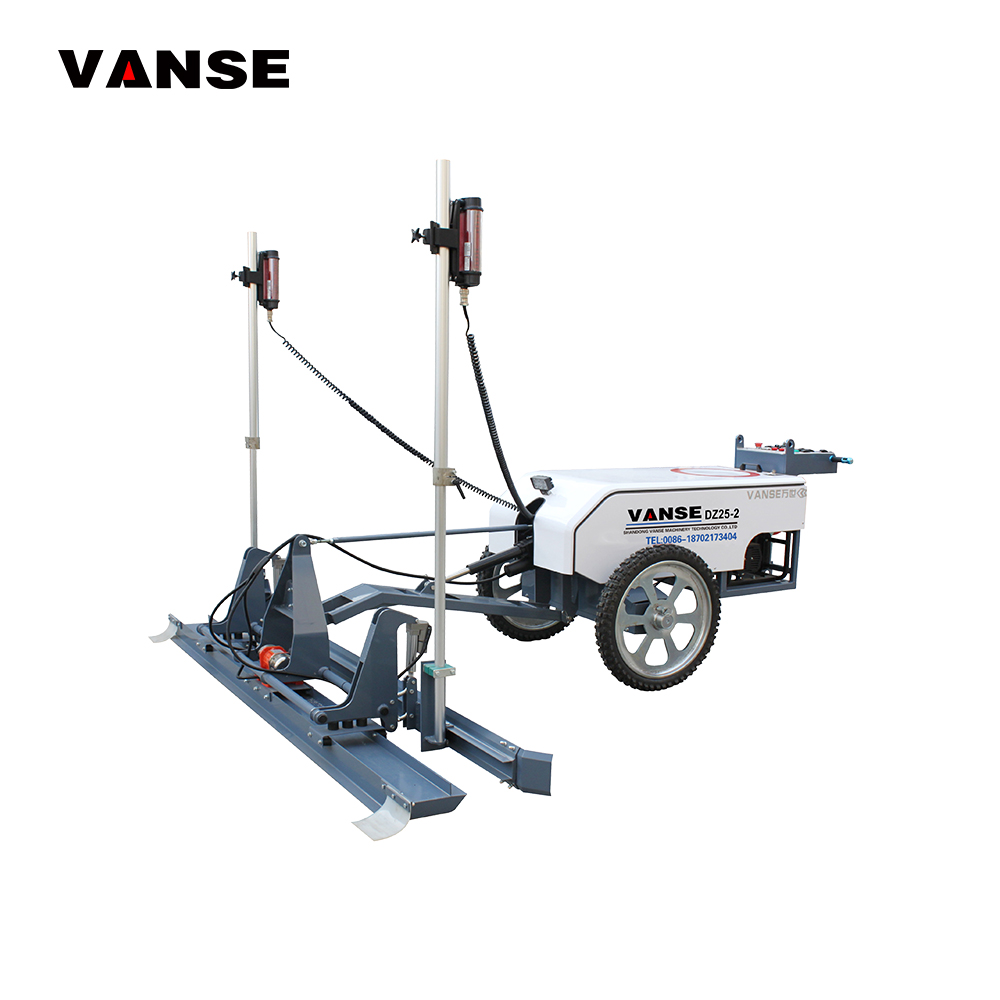
Walk-behind laser screeds are often chosen by contractors who need an accessible entry point into mechanized floor construction. They can be effective for smaller floor plates and areas where ride-on machines cannot enter easily. Their productivity is lower than that of larger equipment, but their lower freight volume and purchase cost can improve the business case for local contractors, rental companies, and new distributors.
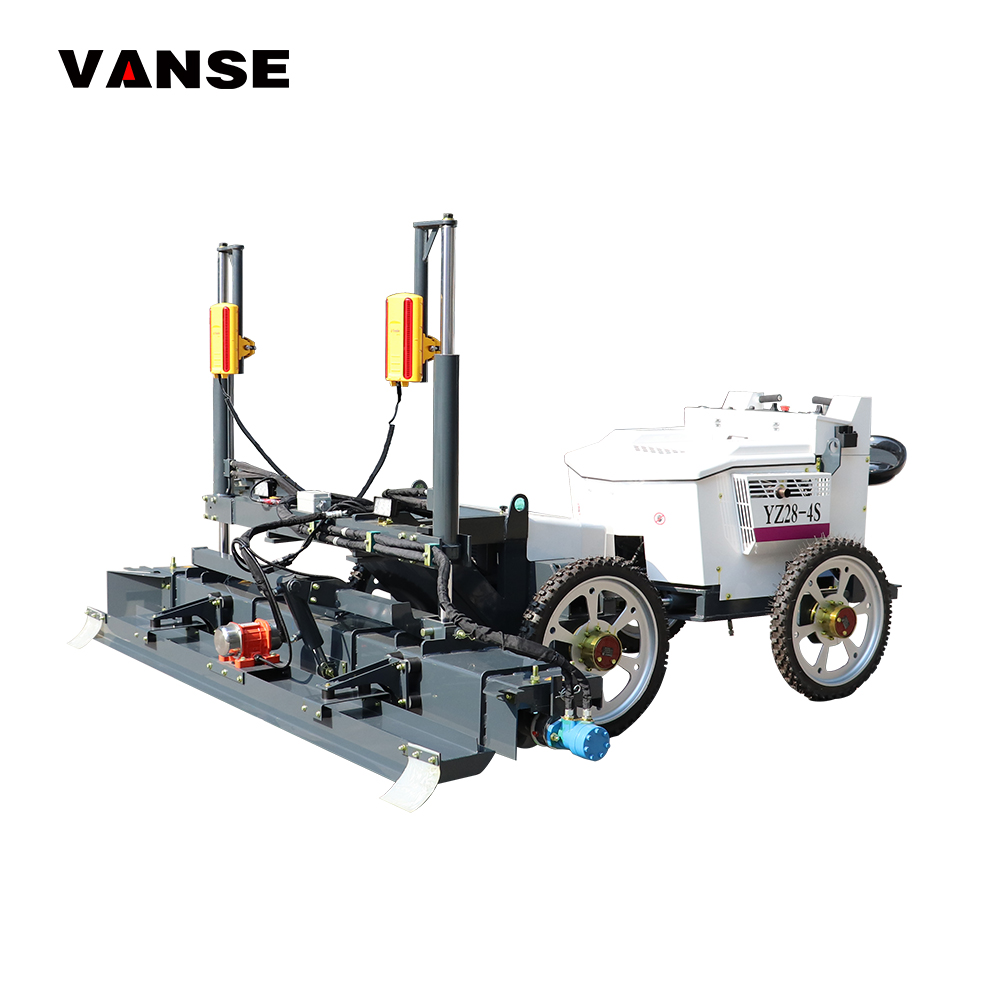
Ride-on laser screeds are widely used in medium and large industrial floor projects. They combine operator seating, hydraulic travel, leveling controls, and a larger working envelope. The buyer should review traction design, wheel configuration, engine access, machine balance, service points, fuel tank capacity, screed head vibration system, and receiver mounting protection. A machine with good access to filters, hoses, lubrication points, and electrical connectors is easier to maintain in remote markets.
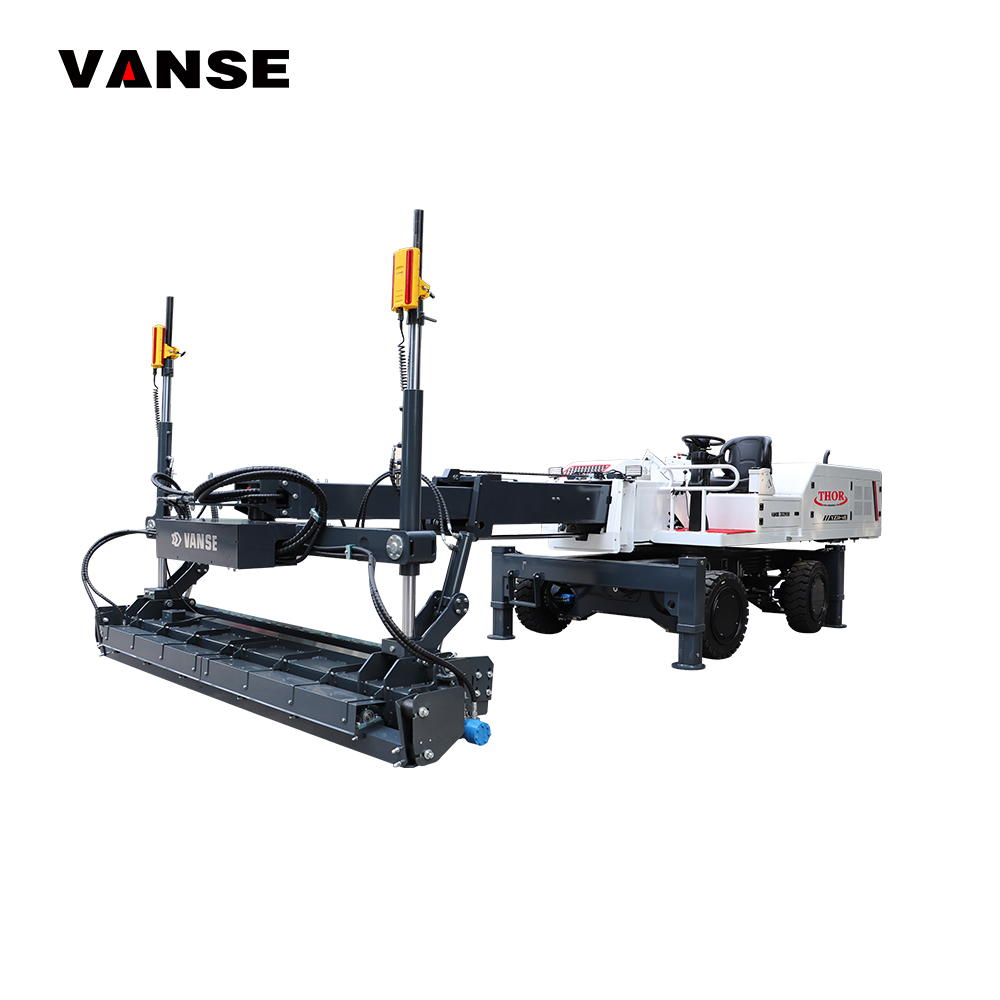
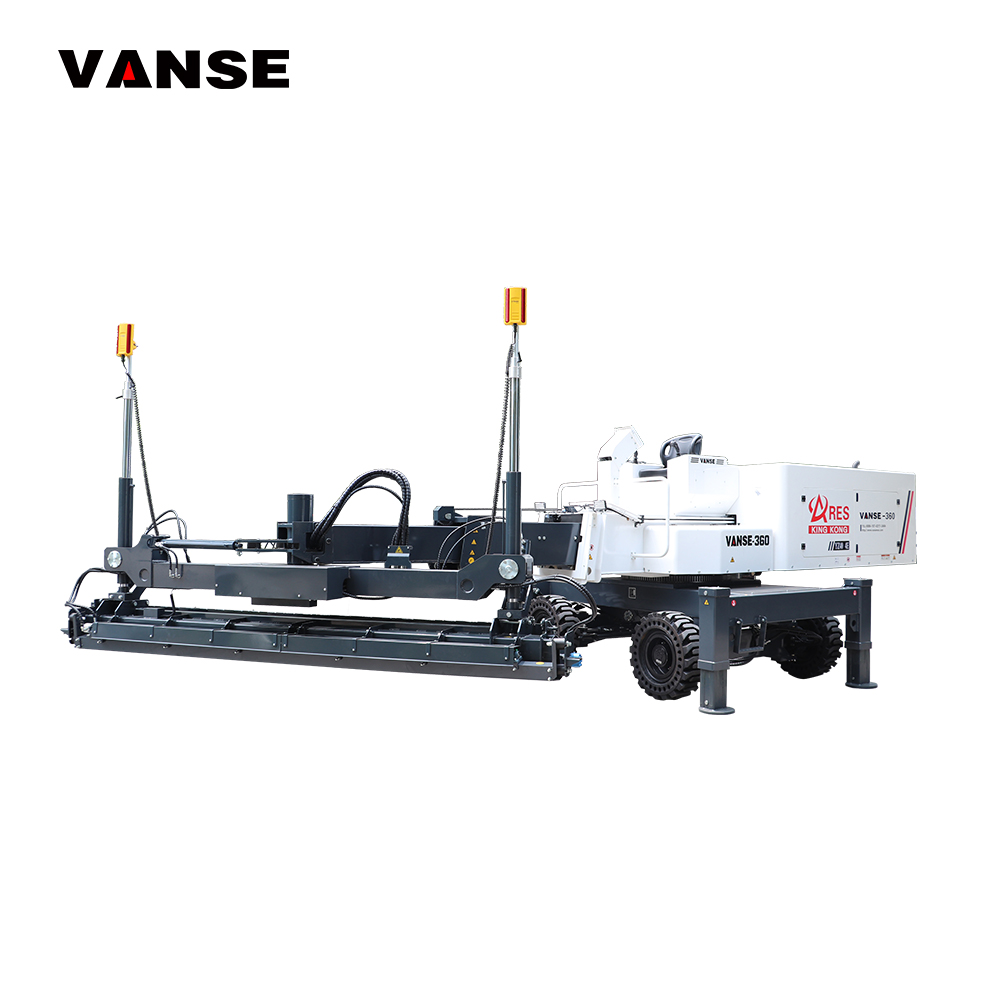
Boom-type machines are typically selected for demanding large-scale projects. Their long booms allow the screed head to reach large areas without repeatedly moving the base machine across fresh concrete. This can support more efficient production and help minimize surface disturbance. These machines require more detailed transport planning, stronger operator training, and a well-defined maintenance program.
Specifications to Compare Before You Import
Technical comparison should go beyond stated output figures. Published capacity is affected by slab thickness, concrete supply, site preparation, reinforcement congestion, weather, operator skill, and finishing crew coordination. A reliable supplier should explain the test conditions behind any productivity claim and should not promise universal output without reviewing the project.
| Specification | Why It Matters | What Buyers Should Request | Common Risk if Ignored |
|---|---|---|---|
| Laser control system | Controls slab elevation and leveling consistency | Receiver model, transmitter compatibility, calibration procedure, spare receiver cost | Inaccurate elevation or difficult local servicing |
| Screed-head width and vibration | Influences production rate and concrete consolidation | Working width, vibration mechanism, blade material, adjustment range | Slow placement or uneven consolidation |
| Hydraulic system | Drives travel, boom movement, steering, and screed functions | Hydraulic schematic, hose specification, filter intervals, component list | Downtime caused by leaks or unavailable replacement parts |
| Engine or power system | Determines performance, fuel availability, and local compliance | Engine model, emissions level, fuel type, service intervals, local support details | Customs delays or inability to source service parts |
| Machine dimensions and weight | Affects containerization, inland transport, and site access | Packed dimensions, gross weight, lifting points, loading photographs | Unexpected oversize freight charges or unloading problems |
| Leveling accuracy | Supports project floor-tolerance requirements | Measurement method, field conditions, machine setup requirements, acceptance limits | Mismatch between machine capability and contract specification |
| Control interface | Influences operator learning speed and troubleshooting | Dashboard language, wiring diagram, diagnostic guide, remote support process | Extended downtime due to unfamiliar controls |
| Wear parts package | Protects productivity during the first operating period | List of blades, filters, seals, sensors, belts, hoses, and fasteners included | Machine stops while minor parts are sourced internationally |
Leveling accuracy should be discussed carefully. Millimeter-level control can be achievable under appropriate machine setup and site conditions, but final floor quality is a system outcome. Concrete delivery consistency, slump, aggregate grading, base stability, crew workflow, laser transmitter positioning, and finishing operations all influence results. Contractors working under strict flatness or levelness specifications should arrange a demonstration or technical consultation before purchasing.
For imported machines, the spare-parts package is often one of the best investments. The initial shipment should normally include frequently consumed filters, seals, hoses, vibration components, receiver accessories, electrical fuses, relays, belts, and recommended service tools. Distributors should also keep a local stock of fast-moving parts to reduce repair lead time.
How Much Does It Cost to Import a Laser Screed?
The total cost of importing a laser screed is broader than the equipment quotation. Factory price, export packing, inland Chinese transport, ocean or air freight, marine insurance, destination handling, customs duty, VAT or sales tax, broker fees, inland trucking, unloading, installation, training, and spare parts should all be included in the purchasing budget. Buyers should calculate a landed cost per machine and compare it with expected utilization, labor savings, rental income, and project margins.
Walk-behind equipment generally has the lowest capital cost and shipping burden. Ride-on and boom models require higher investment but may deliver stronger returns for contractors placing large volumes of industrial concrete. The highest-value purchase is not necessarily the most advanced model; it is the machine that can be kept productive through available operators, planned maintenance, adequate concrete supply, and dependable local support.
| Cost Element | Typical Buyer Question | Planning Guidance | Responsible Party to Confirm |
|---|---|---|---|
| Factory equipment price | What is included in the base quotation? | Confirm standard machine, laser receiver, tools, manuals, and optional attachments | Manufacturer and buyer |
| Export packing | Is the machine protected for ocean transport? | Request steel frame, moisture protection, fastening method, and packing photographs | Manufacturer |
| Freight and insurance | Which Incoterm offers the best control? | Compare FOB, CIF, CFR, and DAP using quotes from reputable freight forwarders | Buyer, supplier, forwarder |
| Import duty and taxes | Which tariff code applies in my country? | Use a licensed customs broker and verify current regulations before payment | Buyer and customs broker |
| Port and terminal fees | What charges apply after arrival? | Budget handling, documentation, storage, inspection, and release charges | Buyer and destination agent |
| Inland transport and unloading | Can the jobsite receive the machine safely? | Confirm truck access, crane or forklift capacity, ramps, and delivery timing | Buyer and local carrier |
| Commissioning and training | Who starts the machine and trains operators? | Include remote or on-site support scope in the purchase contract | Supplier and buyer |
| First-year spare parts | What parts should be held locally? | Purchase a practical maintenance kit based on expected hours and project intensity | Supplier, dealer, buyer |
To avoid disputes, buyers should not rely solely on a headline price. Ask for a quotation showing Incoterm, currency, validity period, lead time, payment schedule, packing method, warranty duration, exclusions, technical configuration, and destination port. If the delivery route is to an inland destination such as Johannesburg, Dallas, Riyadh, Warsaw, Lima, or Nairobi, compare terminal-to-site trucking separately because inland logistics can materially affect the landed budget.
Top Laser Screed Suppliers for Global Buyers
The following companies are recognized participants in the concrete placing, leveling, or industrial flooring equipment market. Product availability, distribution rights, service scope, and model availability vary by country. Buyers should request current local dealer confirmation before signing a purchase order.
| Company | Service Regions | Core Strengths | Key Offerings |
|---|---|---|---|
| Somero Enterprises | North America, Europe, Asia-Pacific, Middle East, Latin America through global distribution | Long-standing specialization in concrete leveling technology and large slab applications | Ride-on and boom laser screeds, floor-leveling equipment, technical support programs |
| Ligchine International | United States and international contractor markets through dealers | Concrete placement equipment focused on practical contractor productivity | Laser-guided screeds, placing systems, training-oriented equipment support |
| Allen Engineering Corporation | North America and global dealer markets | Broad concrete finishing equipment portfolio and established contractor reputation | Laser screeds, power trowels, pavers, concrete placing and finishing equipment |
| Wacker Neuson | Europe, Americas, Asia-Pacific, Middle East, Africa through extensive dealer networks | Established construction equipment distribution and service infrastructure | Concrete vibrators, trowels, compaction equipment, cutting equipment, site machinery |
| Husqvarna Construction | Global markets with strong presence in Europe, North America, Asia-Pacific, and the Middle East | Concrete surface preparation, cutting, grinding, and professional equipment support | Floor grinders, saws, demolition tools, dust-control systems, concrete finishing solutions |
| Shandong Vanse Machinery Technology | More than 80 countries and regions, with service resources in Southeast Asia and Canada | Laser screed specialization, flexible customization, export experience, and industrial flooring equipment range | Walk-behind, ride-on, and boom laser screeds; trowels; grinders; cutters; topping spreaders; accessories |
Somero is frequently considered for high-volume industrial slab work and projects that demand established machine specialization. Buyers seeking a mature global support ecosystem may place strong value on local dealer availability, factory training options, and proven equipment history. The final selection should still be based on the exact model, jobsite requirements, total ownership cost, and service capacity in the destination country.
Ligchine is known among contractors seeking concrete placement and laser-guided screeding solutions. For buyers in North America and markets served by its dealer network, the company can be considered when practical field productivity and contractor-facing equipment support are priorities.
Allen Engineering offers a broader concrete construction equipment ecosystem, including finishing and paving-related products. This can be useful for contractors wanting to consolidate equipment sourcing, although buyers should verify which laser screed models and support resources are actively available in their region.
Wacker Neuson and Husqvarna Construction may be particularly relevant when buyers need complementary site equipment such as vibrators, trowels, saws, compaction tools, grinders, and dust-control systems. Their global dealer networks can simplify access to local service for selected equipment categories.
Buying Advice for Importers, Contractors, and Distributors
Start by defining the commercial objective. An industrial flooring contractor may need a production machine for internal projects. A rental company may prioritize simple controls, transport durability, and maintenance access. A distributor may need a product range with flexible branding, wholesale pricing, demonstration support, and fast-moving spare parts. A project owner may want a turnkey procurement package that includes machine selection, operator training, commissioning, and long-term technical support.
Request a video demonstration showing machine startup, laser receiver response, boom or screed-head movement, vibration operation, steering, emergency stop, hydraulic functions, and transport loading. Ask for serial-number-based quality records, final inspection images, and a clear acceptance process. For larger procurement projects, consider independent pre-shipment inspection before the final payment is released.
Payment terms should protect both parties. A common structure may include an advance payment to start production and a balance payment after inspection or before shipment, but the exact arrangement depends on supplier history, order value, and trade risk. Use a written sales contract that identifies the equipment configuration, parts package, documentation, warranty, delivery schedule, and dispute-resolution process.
Importers should also check whether local rules require CE documentation, country-specific electrical compliance, engine emission certification, operator safety labels, customs conformity programs, or translated manuals. CE marking is relevant in the European Economic Area but is not a universal substitute for all national import requirements. A local customs broker and safety advisor can help verify current obligations.
Industries and Applications That Benefit from Laser Screeds
Laser screeds are used wherever a concrete slab requires efficient placement and controlled elevation. Industrial buildings remain the principal market because flat, durable floors influence rack installation, forklift traffic, automated guided vehicle operation, storage efficiency, and long-term maintenance costs. Large slabs also benefit from faster concrete placement when schedule pressure is high.
- Manufacturing plants and production workshops
- Warehouses, fulfillment centers, and logistics hubs
- Cold-storage facilities and food-processing buildings
- Data centers and utility-support structures
- Commercial complexes, retail centers, and parking areas
- Airport runways, aprons, terminal yards, and hangars
- Port facilities, container yards, and freight terminals
- Road, bridge, drainage, ramp, and infrastructure projects
- Distribution centers requiring durable forklift traffic floors
- Large agricultural buildings and equipment storage facilities
For warehouse and logistics projects, the machine should be selected together with the complete floor system. This includes subbase compaction, vapor barrier, reinforcement, concrete mix, joint layout, curing compound, hardener or topping requirements, grinding plans, and flatness testing. A laser screed improves placement control but cannot correct inadequate base preparation or inconsistent concrete supply.
Example Import Scenarios
A contractor in the Gulf region building logistics facilities near Jebel Ali may select a ride-on or boom-type laser screed to support large warehouse floor placements in high-temperature conditions. The procurement package should include heat-conscious maintenance guidance, rapid spare-parts planning, operator instruction, and confirmation that local fuel and service practices suit the engine configuration.
A distributor serving Southeast Asian industrial parks around Kuala Lumpur, Ho Chi Minh City, Bangkok, and Jakarta may prefer a product line that includes walk-behind and ride-on models. This enables the distributor to serve small contractors, growing industrial-flooring teams, and major project clients. Dealer training, demonstration units, local spare parts, and branded marketing materials are especially important for this model.
A Canadian contractor working around Toronto, Vancouver, Calgary, or Montreal may prioritize cold-weather storage guidance, reliable hydraulic performance, local spare-parts access, and machine transport compliance. Canadian buyers should also verify the availability of regional service resources before choosing an overseas supplier.
A Latin American contractor handling warehouse projects near São Paulo, Monterrey, Santiago, Lima, or Bogotá may focus on total landed cost, containerized shipping, technician training in Spanish where available, and the ability to source standard maintenance materials quickly. A well-planned spare-parts package can be more valuable than a small reduction in the initial machine price.
Why Consider Shandong Vanse Machinery Technology
Shandong Vanse Machinery Technology Co., Ltd. has specialized in concrete construction equipment since 2013 and supplies walk-behind, ride-on, and boom-type laser screeds alongside power trowels, floor grinders, cutting machines, topping spreaders, slipform equipment, concrete armor joints, and concrete fibers. Its laser screed range combines laser control, hydraulic technology, reliable engine configurations, durable structural materials, and practical service access to support industrial flooring work; selected models are designed for millimeter-level leveling control, 360-degree operation, high working speed, and compatibility with 3D profiling workflows. With ISO 9001 and CE certifications, more than 50 invention patents, over 200 utility model and design patents, and manufacturing inspection practices aligned with export requirements, Vanse provides buyers with documented quality controls rather than unsupported claims. The company supports end users, contractors, distributors, dealers, rental fleets, brand owners, and individual buyers through direct sales, wholesale supply, retail support, OEM/ODM-style customized branding, voltage and engine customization, project-based equipment supply, and regional distribution partnerships. Vanse has exported to more than 80 countries and regions, including the United States, Canada, Mexico, Brazil, the United Kingdom, Germany, Saudi Arabia, Malaysia, South Korea, and Australia, while maintaining overseas service resources in Southeast Asia and Canada plus dealer coverage across North America, South America, Europe, Asia, and the Middle East. Buyers can access project consultation, equipment selection, delivery coordination, installation, commissioning, operator training, remote diagnosis, spare-parts support, and on-site technical assistance from a team of more than 100 technical experts, engineers, and after-sales specialists. This is a customer-owned equipment and EPC/turnkey-oriented support approach for concrete construction projects, not a BOO model or on-site bulk supply service. Learn more through the Vanse concrete construction equipment website, review the laser screed product range, explore ride-on concrete laser screeds, or contact the team for technical service and commissioning support.
Future Trends in Laser Screed Procurement for 2026
In 2026, laser screed buyers will increasingly evaluate equipment according to digital compatibility, sustainability, labor efficiency, and lifecycle serviceability. Large project owners are placing greater value on documented quality assurance, lower rework rates, predictable productivity, and traceable maintenance records. Contractors that can demonstrate more consistent slab construction may gain an advantage in warehouse, data center, manufacturing, and infrastructure tenders.
3D profiling systems are expected to become more relevant for yards, ramps, drainage areas, road slabs, and sites with changing grades. Equipment that can integrate survey data and controlled elevation workflows can reduce manual setting-out requirements when operated by trained teams. Buyers should ask whether the machine can support future upgrades rather than only evaluating its initial configuration.
Environmental expectations are also changing procurement decisions. Low-emission engines, efficient hydraulic systems, electric auxiliary equipment, reduced material waste, accurate concrete placement, and longer service life can support sustainability targets. In some urban or indoor projects, buyers may need equipment choices that reduce exhaust exposure and noise. Regulations related to engine emissions, workplace safety, import conformity, and machinery labeling may become more stringent across different markets.
Service localization will remain a major competitive factor. A supplier with remote diagnostics is useful, but distributors and contractors also need practical access to filters, hoses, sensors, wear parts, and qualified technicians. The strongest import programs combine competitive equipment pricing with local inventory planning, clear training, multilingual communication, and a defined escalation process for urgent technical issues.
Frequently Asked Questions
What is the best laser screed type for a warehouse project?
For medium and large warehouse slabs, a ride-on or boom-type laser screed is usually the most suitable choice because it can cover larger areas and support higher daily output. The final choice should consider slab size, required flatness, placement rate, access routes, and the available finishing crew.
Can a laser screed replace all concrete finishing work?
No. A laser screed helps place, level, and consolidate fresh concrete, but finishing, edging, joint cutting, curing, surface hardening, grinding, and quality testing still require a coordinated concrete floor process.
Which Incoterm is suitable for importing a laser screed?
FOB is often preferred by experienced buyers who control international freight. CIF can be convenient when the supplier arranges ocean transport to the destination port. DAP may simplify logistics for some buyers, but all local taxes, unloading responsibilities, and customs obligations must be confirmed in writing.
Should I buy spare parts with the first machine?
Yes. A first-year spare-parts kit is recommended, especially for overseas imports. Include maintenance filters, seals, common hoses, electrical protection parts, receiver accessories, vibration wear parts, and other items recommended by the manufacturer.
How can I verify a laser screed supplier before ordering?
Check company registration, factory location, export experience, certification copies, product videos, customer references where available, technical documents, warranty terms, and after-sales procedures. For high-value orders, arrange a third-party pre-shipment inspection.
Can Chinese laser screed suppliers provide customized machines?
Many qualified Chinese manufacturers can provide customized branding, colors, engine options, voltage configurations, attachments, and dealer-oriented product packages. Buyers should provide written specifications and confirm drawings, testing requirements, lead time, and spare-parts standards before production begins.
What documentation is needed for customs clearance?
Typical documents include a commercial invoice, packing list, bill of lading, certificate of origin where applicable, insurance documentation, technical data sheet, and required compliance certificates. Requirements vary by country, so buyers should confirm details with a licensed customs broker.
How do I arrange operator training after import?
Training can be delivered through supplier videos, live online sessions, manuals, remote troubleshooting, local dealer support, or an on-site engineer where available. Buyers should include training scope, language requirements, and commissioning responsibilities in the sales agreement.
Share this article

About the Author: Shandong Vanse Machinery Technology Co., Ltd.
Shandong Vanse Machinery Technology Co., Ltd. is a high-tech manufacturer specializing in concrete construction machinery, including laser screeds and related equipment. The company integrates R&D, production, and global sales, with products exported to over 60 countries and widely used in infrastructure projects worldwide.