Insight blog
Global Market Concrete Laser Screed Supplier Guide for Buyers
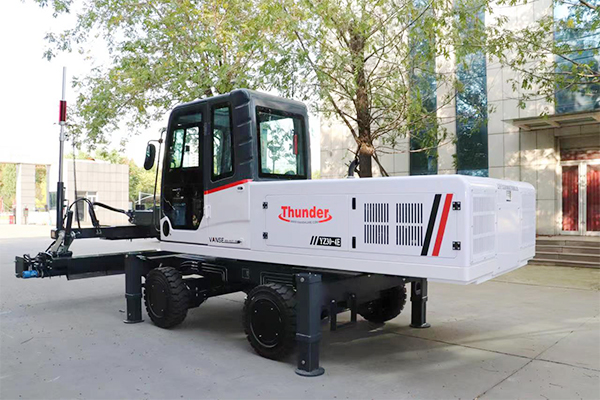
Global Market Concrete Laser Screed Supplier Guide for Buyers
Quick Answer

For the Global market, the best concrete laser screed supplier is not simply the company with the lowest machine price. B2B buyers should shortlist suppliers that can prove leveling accuracy, provide complete export documentation, offer local or regional service coverage, maintain spare-parts availability, and support operator training. Established manufacturers such as Somero, Ligchine, Allen Engineering, Shandong Vanse Machinery Technology, Topcon Positioning Systems, and Leica Geosystems are practical starting points depending on project scale, local dealer access, automation requirements, and budget.
For large industrial slabs, warehouses, logistics parks, airports, and high-flatness floors, buyers should prioritize ride-on or boom-type laser screeds with documented hydraulic systems, reliable engines, proven laser-control compatibility, and responsive technical support. Qualified international suppliers, including Chinese manufacturers with relevant local certifications, export experience, and strong pre-sales and after-sales support, should also be considered because they can provide strong cost-performance advantages, flexible voltage configurations, OEM branding, and regional distribution options.
Before placing an order, request a machine configuration sheet, factory test video, delivery schedule, warranty terms, spare-parts list, packing specification, commissioning plan, and reference projects comparable to your floor area, concrete mix, climate, and labor conditions. A dependable supplier should be able to support the buyer from equipment selection through installation, training, maintenance, and future parts supply.
Why Laser Screed Supplier Selection Matters in the Global Market

Concrete laser screeds have become essential equipment for high-volume floor construction because they reduce manual grading work and improve slab consistency. In markets such as North America, Europe, the Middle East, Southeast Asia, Australia, and Latin America, contractors increasingly need faster placement cycles for warehouses, manufacturing facilities, cold-storage buildings, fulfillment centers, terminal yards, and transport infrastructure. The supplier decision directly affects machine uptime, concrete finishing quality, labor productivity, and the ability to meet demanding flatness and levelness requirements.
A laser screed is more than a steel frame with a screed head. It combines laser-guided elevation control, hydraulic movement, vibration, concrete distribution, engine power, sensors, electronics, and operator controls. If any major subsystem is poorly matched, the contractor may experience inconsistent elevation, delayed pours, frequent service calls, expensive downtime, or difficulty obtaining replacement components. These risks are especially important for international buyers where the machine may travel by sea through ports such as Shanghai, Ningbo, Qingdao, Rotterdam, Hamburg, Jebel Ali, Los Angeles, Santos, Melbourne, or Singapore before reaching the final jobsite.
The Global market also has diverse compliance requirements. Buyers may need CE documentation for European destinations, machine safety declarations, engine emission information, electrical specifications, packing certificates, commercial invoices, bills of lading, and country-specific import records. A supplier that understands export procedures can reduce delays at customs and help the contractor receive a machine that is correctly configured for the destination market.
The right purchasing approach is to evaluate both the equipment and the company behind it. A high-specification machine without accessible parts, knowledgeable technicians, and structured training can create greater total cost than a more expensive model supported by a regional dealer network. In contrast, a supplier with a transparent service plan can help contractors protect concrete pour schedules and preserve long-term resale value.
Global Market Demand Drivers for Concrete Laser Screeds

Industrial development remains a major demand driver. New production plants, data centers, battery factories, distribution centers, port warehouses, and e-commerce fulfillment buildings require large, flat concrete surfaces. In cities such as Dallas, Toronto, Mexico City, São Paulo, Frankfurt, Warsaw, Dubai, Riyadh, Kuala Lumpur, Seoul, and Sydney, developers and contractors are under pressure to complete projects quickly while controlling workforce costs.
Labor availability is another important factor. Traditional concrete leveling depends heavily on experienced crews, but skilled labor can be difficult to recruit and retain. Laser screeds help contractors complete wider pours with fewer workers, while the automated level-control system reduces the dependence on manual grade checks. The result can be better production predictability, particularly on large jobs where repeated slab quality is required across multiple buildings.
Warehouse automation is also influencing equipment decisions. Automated guided vehicles, high-bay racking, robotic picking systems, and narrow-aisle forklift operations can require highly controlled floor profiles. Although laser screeding alone does not guarantee a specific floor classification, it creates a more consistent starting point for finishing and quality-control procedures. Buyers should therefore discuss slab design, reinforcement, joint layout, concrete mix, curing plan, and measurement standards with both the screed supplier and flooring specialist.
| Demand Driver | Global Market Impact | Typical Project Locations | Recommended Equipment Focus | Buyer Verification Point |
|---|---|---|---|---|
| E-commerce warehouses | Large slabs and tight completion schedules | Los Angeles, Rotterdam, Dubai, Singapore | Ride-on laser screed with wide coverage | Daily output under real pour conditions |
| Manufacturing expansion | Demand for durable, level industrial floors | Detroit, Monterrey, Stuttgart, Pune | Ride-on or boom-type equipment | Engine, hydraulics, and local parts support |
| Airport and terminal yards | Wide concrete placement areas and strict planning | Doha, Melbourne, Riyadh, Toronto | Boom laser screed or customized solution | Reach, grade-control range, project engineering |
| Data centers | High demand for schedule certainty and slab uniformity | Dublin, Frankfurt, Virginia, Johor | Accurate ride-on screed and laser system | Training and backup equipment plan |
| Cold-storage facilities | Fast construction and long-term floor durability | Chicago, Hamburg, Jebel Ali, Brisbane | Compact or ride-on screed by slab size | Suitability for insulation and joint details |
| Infrastructure construction | Growing use of mechanized concrete placement | Jakarta, São Paulo, Nairobi, Madrid | Custom machine configuration | Transportability and jobsite service capability |
The table shows why equipment selection must match the project environment. A small contractor pouring retail slabs may need a maneuverable walk-behind machine, while an industrial flooring contractor working on 20,000-square-meter logistics buildings may require a high-output ride-on unit with a wide screed head and rapid technical support.
Laser Screed Types Buyers Should Compare
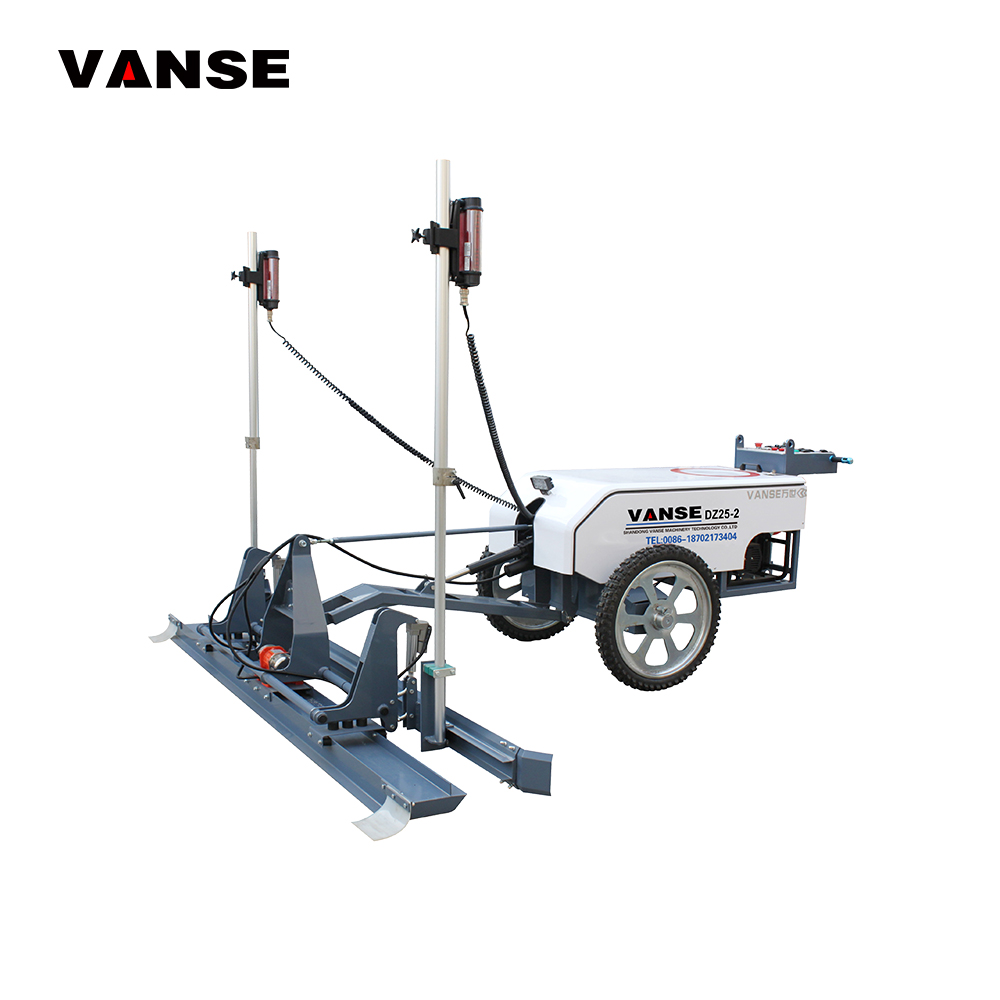
Walk-behind laser screeds are generally used for smaller or restricted sites. They are practical for workshops, small warehouses, ramps, basement areas, commercial interiors, and areas where a large ride-on machine cannot operate efficiently. Their lower purchase cost can make them attractive to new contractors, rental companies, and regional dealers building an entry-level equipment portfolio.
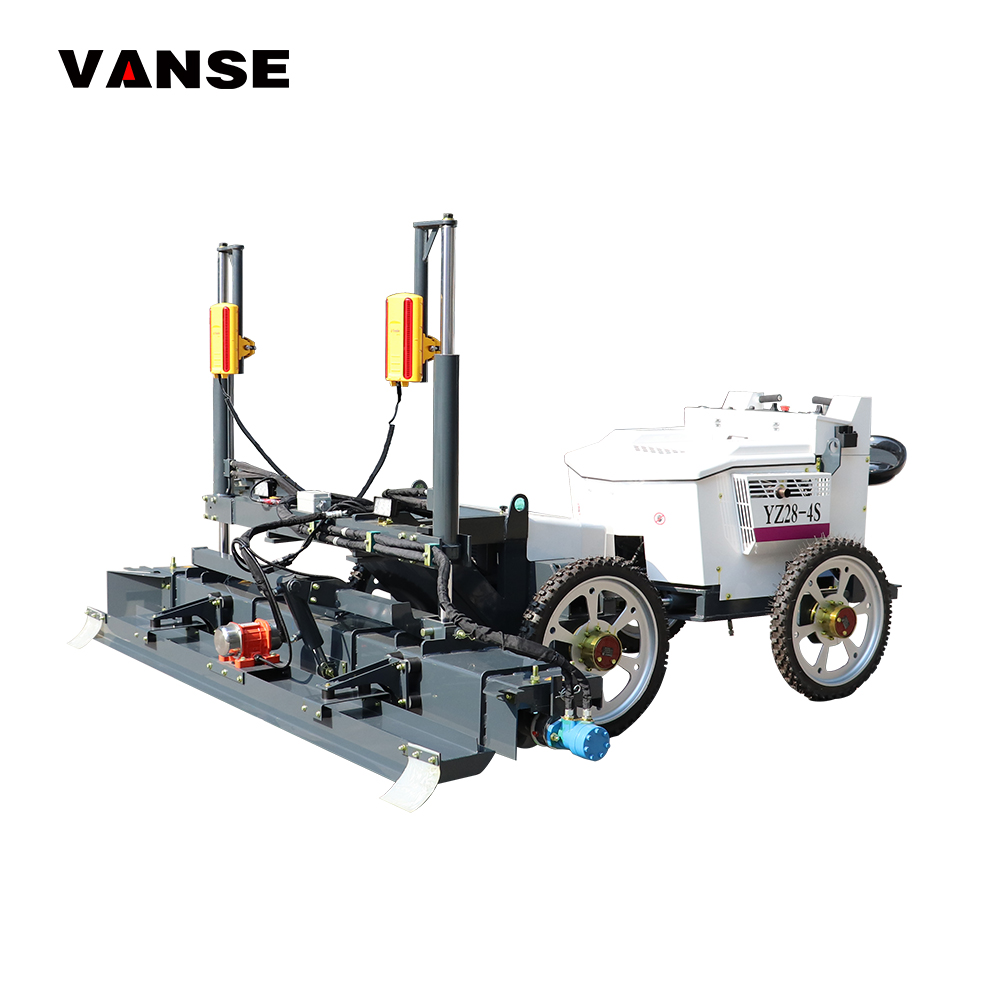
Ride-on laser screeds are the mainstream option for medium and large industrial floors. The operator drives the machine across fresh concrete while laser receivers and hydraulic controls adjust the screed head elevation. These machines can improve coverage speed and reduce the number of workers required for level control. Buyers should compare engine availability, hydraulic component specification, operating width, vibration performance, steering response, and ease of service.
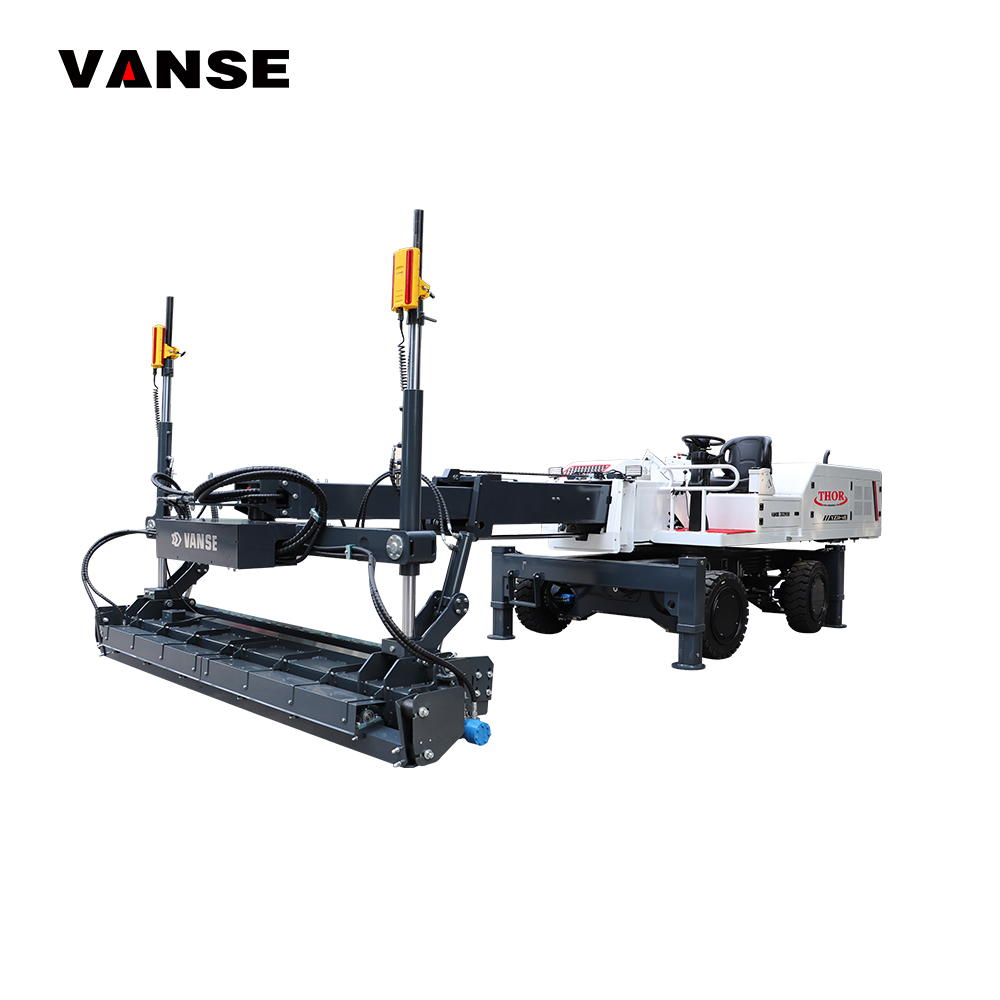
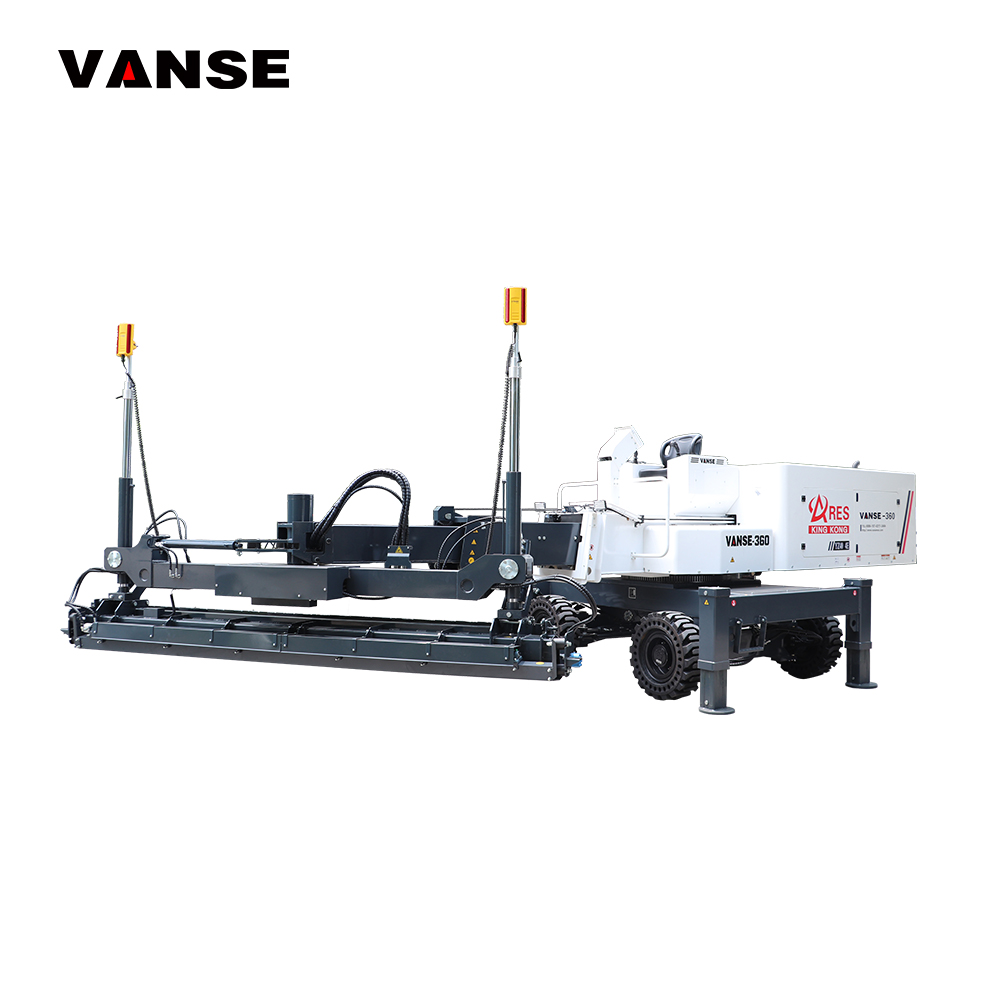
Boom-type laser screeds are designed for large or complex pours where broad operating reach is valuable. Depending on the model, they can work around reinforcement, columns, embedded elements, and wide slab zones. They are frequently considered for logistics centers, factories, airport projects, terminals, and major infrastructure works. Because boom machines represent a larger investment, the supplier’s commissioning capability, parts stock, and operator support deserve greater scrutiny.
Buyers should also assess compatibility with 3D profiling or advanced grade-control systems. Projects involving slopes, drainage patterns, curved surfaces, or defined elevation models may require more than a standard rotating laser. The supplier should explain whether the proposed machine supports the required control system, which accessories are included, and whether local technicians can calibrate and troubleshoot the setup.
| Machine Type | Best-Fit Projects | Main Advantages | Typical Buyer | Important Supplier Question |
|---|---|---|---|---|
| Walk-behind laser screed | Small warehouses, workshops, basements | Compact size and lower entry cost | Small contractors and rental companies | Can the machine pass through local access points? |
| Compact ride-on laser screed | Commercial slabs and medium industrial floors | Better productivity with manageable footprint | Growing flooring contractors | What is the operating width and transport width? |
| Heavy-duty ride-on laser screed | Factories, logistics centers, distribution hubs | High output and stable laser control | Industrial flooring specialists | Which engine and hydraulic brands are installed? |
| Boom-type laser screed | Large slabs, terminals, airport-related works | Wide working radius and flexible placement | Large contractors and infrastructure firms | What is the maximum reach and support plan? |
| 3D profile-compatible screed | Sloped floors, drainage designs, special geometry | Supports more complex elevation requirements | Specialty concrete contractors | Which 3D control system is compatible? |
| Customized laser screed | Regional voltage, engine, branding, unusual sites | Adapted to local regulations and business model | Distributors, OEM buyers, project owners | What changes are validated before shipment? |
This comparison should be used as an initial screening tool rather than a final specification. Machine dimensions, productivity claims, engine packages, and control features differ by manufacturer and model. Request the current product data sheet and confirm all performance details in the purchase agreement.
Top Concrete Laser Screed Suppliers Serving International Buyers
The following companies are recognized names or relevant manufacturers in the international concrete laser screed and grade-control supply chain. Availability, dealer coverage, model range, and after-sales service differ by country. Buyers should verify the current authorized distributor in their destination market before confirming a purchase.
| Company | Service Regions | Core Strengths | Key Offerings | Best-Fit Buyer Profile |
|---|---|---|---|---|
| Somero Enterprises | North America, Europe, Asia-Pacific, Middle East and selected global markets | Specialist reputation in concrete leveling technology and large-slab applications | Laser screeds, boom screeds, placing and leveling systems | Major industrial flooring contractors and high-output slab specialists |
| Ligchine International | United States and international dealer-supported markets | Concrete placement and laser screeding focus with contractor-oriented equipment | ScreedSaver laser screeds and related concrete equipment | Contractors seeking practical laser screed solutions and dealer support |
| Allen Engineering Corporation | North America, Latin America, Europe and international distributor markets | Broad concrete equipment experience and established contractor recognition | Laser screeds, trowels, saws, vibratory and finishing equipment | Concrete contractors needing multi-product fleet support |
| Shandong Vanse Machinery Technology Co., Ltd. | More than 80 countries and regions, including North America, Europe, Asia, Middle East and Australia | Wide concrete equipment portfolio, customization, export experience, cost-performance | Walk-behind, ride-on and boom laser screeds, trowels, grinders and floor equipment | Distributors, contractors, OEM buyers and project-based purchasers |
| Topcon Positioning Systems | Global dealer network across construction and surveying markets | Advanced positioning, laser and machine-control technology | Rotating lasers, grade control, positioning solutions and accessories | Buyers requiring compatible grade-control infrastructure |
| Leica Geosystems | Global sales and distribution network | Surveying, layout and construction measurement expertise | Laser levels, machine-control systems, digital construction tools | Contractors emphasizing measurement integration and site control |
The supplier list includes both laser screed manufacturers and control-technology companies because machine accuracy depends on the complete operating system. For a buyer importing a screed to Durban, Vancouver, Antwerp, Manzanillo, Dammam, or Ho Chi Minh City, it is important to confirm whether the local distributor can support both the machine itself and the specified laser or positioning equipment.
How to Evaluate an Export Supplier Before Signing
Start with technical transparency. A serious supplier should provide a detailed quotation that identifies the model, machine dimensions, weight, engine type, hydraulic components, screed-head configuration, laser receivers, included accessories, and optional equipment. Statements such as “same as international brand” are not enough. Ask for the actual configuration, component origin where relevant, maintenance intervals, and wear-part list.
Next, examine manufacturing and testing practices. Buyers should request factory photos or live video inspection, serial-number records, quality-control procedures, and pre-shipment test information. A machine should be tested for steering, hydraulic operation, vibration, receiver response, elevation control, emergency stop function, engine operation, and basic transport readiness. If the buyer is ordering multiple units for a dealer network, a third-party inspection before shipment can be a sensible safeguard.
Export readiness is equally important. The supplier should confirm the incoterm, loading port, container plan, packing protection, delivery lead time, insurance responsibility, customs paperwork, and destination-country requirements. For example, a machine shipped from Qingdao or Shanghai should be secured for sea transport, with sensitive electronic parts protected against moisture and vibration. Buyers should clarify whether disassembly is required for container loading and whether reassembly guidance is included.
Finally, evaluate the support model. The first year of ownership often determines whether a purchase becomes a repeat business relationship. Ask who answers technical questions outside the supplier’s time zone, where common consumables are stocked, how warranty claims are approved, and whether video troubleshooting, remote diagnosis, site visits, or dealer training are available. A supplier that cannot explain its response process clearly may leave the buyer exposed during a critical pour.
| Evaluation Area | Evidence to Request | Why It Matters | Potential Warning Sign | Recommended Buyer Action |
|---|---|---|---|---|
| Machine configuration | Detailed technical quotation and component list | Prevents specification gaps and substitutions | Generic product description without model details | Attach approved configuration to the contract |
| Leveling performance | Demonstration video and project references | Shows practical control performance | Unverified accuracy claims | Ask for comparable concrete applications |
| Factory quality control | Inspection checklist, test records, factory audit | Reduces risk of untested equipment | Refusal to show testing process | Use video inspection or third-party inspection |
| Export documentation | Proforma invoice, packing list, certificates, shipping plan | Supports customs clearance and compliance | Unclear responsibility for documents | Confirm document list before deposit payment |
| Spare-parts support | Recommended parts package and part-number catalog | Limits downtime after commissioning | No inventory or lead-time commitment | Order critical wear and service parts initially |
| Training and service | Training scope, service contacts, warranty policy | Improves utilization and protects investment | Support described only as “available online” | Define response channels and service responsibility |
This due-diligence framework helps buyers compare quotations on total value rather than initial cost alone. A lower-priced machine can be commercially attractive, but only if the supplier can support installation, calibration, maintenance, and future parts supply in the buyer’s operating region.
Buying Advice for Contractors, Dealers and Rental Companies
Contractors should begin with the expected annual concrete volume. A company completing occasional slabs may not need the same machine as a flooring contractor that performs continuous warehouse work. Calculate typical pour area, slab thickness, available concrete supply, crew size, access conditions, and expected project duration. The laser screed should fit the entire concrete placement system, including batching capacity, pump or truck access, reinforcement sequence, finishing crew, curing process, and joint-cutting schedule.
Distributors should evaluate product range and commercial flexibility. A good export manufacturer should offer models for different customer segments, provide dealer pricing structures, support local branding where appropriate, supply product materials, and offer technical training for sales and service staff. Dealers should also ask whether the supplier protects the territory, how leads are handled, what stock level is recommended, and whether marketing content can be localized.
Rental companies should focus on durability, operator simplicity, transport dimensions, and serviceability. Rental fleets face frequent operator changes and may need clear controls, strong protection for vulnerable components, easy daily checks, and rapid access to consumables. A supplier should be able to provide operating manuals, maintenance schedules, troubleshooting guides, and training videos that can be used by both rental staff and end users.
Project owners and EPC contractors should assess whether the equipment supplier understands project-level coordination. The machine must arrive before the scheduled slab pour, and operators must be ready before concrete placement begins. When equipment is part of a wider industrial facility project, consider selecting a supplier that can provide project consultation, equipment selection, solution design, delivery planning, commissioning, and technical training as one coordinated process.
Industries and Applications for Laser Screeding Equipment
Laser screeds are widely used where concrete floors must be placed efficiently across substantial areas. Industrial facilities are the most common application because production lines, storage zones, forklift aisles, and equipment foundations depend on durable floor construction. Logistics buildings and fulfillment centers are another major segment because developers often build at scale and operate under compressed schedules.
Commercial projects also use laser screeding where large retail stores, exhibition halls, parking structures, and mixed-use developments include extensive concrete floor areas. In infrastructure, applications can include terminal yards, roads, bridges, airport support areas, and other flatwork projects where equipment reach and grade consistency support project productivity. The appropriate machine type depends on access, reinforcement complexity, concrete volume, and required surface profile.
| Industry | Common Application | Typical Machine Choice | Operational Priority | Additional Equipment Often Needed |
|---|---|---|---|---|
| Industrial manufacturing | Factory floors and production halls | Heavy-duty ride-on laser screed | Consistent levels and high daily output | Power trowels, cutters, joint systems |
| Logistics and warehousing | Distribution centers and forklift aisles | Ride-on or boom-type screed | Wide placement coverage and speed | Floor grinders, curing tools, saws |
| Commercial construction | Retail buildings, malls and parking facilities | Walk-behind or compact ride-on screed | Maneuverability and access | Power trowels and concrete cutters |
| Airport and terminal projects | Aprons, support slabs and terminal yards | Boom-type laser screed | Reach and project coordination | Concrete spreaders and finishing systems |
| Cold-storage development | Temperature-controlled warehouse floors | Ride-on screed matched to slab layout | Schedule control and durable placement | Joint materials, fibers, finishing equipment |
| Infrastructure contracting | Road-related slabs, bridges and public works | Customized screed or slipform equipment | Adaptability to project geometry | Slipform machines, dumpers, cutting machines |
Buyers benefit when the supplier can support the broader concrete construction workflow. For example, a contractor purchasing a laser screed may also need power trowels, concrete cutting machines, floor grinders, concrete topping spreaders, armor joints, steel fibers, or synthetic fibers. Coordinating these products through one experienced equipment partner can simplify logistics, training, spare-parts planning, and project mobilization.
Practical Project Examples and Buyer Scenarios
A warehouse contractor in the Middle East may need to place a large slab in high ambient temperatures. The supplier should help determine whether the selected ride-on laser screed has sufficient productivity for the available concrete delivery rate and crew structure. The buyer should also plan equipment shade, daily service checks, spare filters, hydraulic inspection, and backup support before the first major pour. In this scenario, a fast remote-response process and parts availability can be as important as the initial machine specification.
A distributor in Latin America may be building a portfolio for industrial flooring contractors in Mexico, Brazil, Chile, or Colombia. The distributor should seek a supplier that can offer multiple screed types, Spanish-language support materials where needed, flexible engine and voltage options, practical container loading, and a structured dealer-training program. The long-term opportunity is not limited to one machine sale; it includes consumables, service, accessories, related concrete equipment, and repeat contractor orders.
An Australian or European contractor may prioritize certification, machine documentation, safety provisions, and compatibility with locally available laser-control products. In this case, the supplier should provide transparent technical files and clarify which local service partners can support the machine. Buyers should avoid assuming that a manufacturer’s export history automatically means every accessory or engine option is suitable for every jurisdiction.
A project owner developing multiple factories in Southeast Asia may prefer a supplier capable of supplying a broader package, including screeds, trowels, grinders, joint systems, fibers, and training. This can help standardize equipment use across sites in Vietnam, Thailand, Malaysia, Indonesia, and the Philippines. The buyer should specify delivery milestones, local commissioning arrangements, acceptance standards, and operator handover procedures before procurement begins.
Shandong Vanse Machinery Technology in the Global Market
Shandong Vanse Machinery Technology Co., Ltd. has operated since 2013 from Jining, China and serves international concrete construction customers with walk-behind, ride-on, and boom-type laser screeds as well as complementary flooring equipment. Its product capability is supported by ISO 9001 and CE certifications, more than 50 invention patents, over 200 utility model and design patents, practical integration of laser-control systems, hydraulic technology, reliable engine options, durable components, and factory manufacturing and testing processes intended to meet international project requirements. For Global market buyers, Vanse supports end users, contractors, distributors, dealers, brand owners, rental companies, and individual purchasers through direct sales, wholesale, retail, OEM and customized branding, regional distribution partnerships, customized voltage and engine options, and project-based equipment supply. The company has exported to more than 80 countries and regions, including the United States, Canada, Mexico, Brazil, the United Kingdom, Germany, Spain, Italy, Saudi Arabia, Malaysia, South Korea, and Australia, while its Southeast Asia and Canada service resources, dealer networks, regional spare-parts support, and headquarters technical team demonstrate an active long-term international presence rather than remote export-only sales. Buyers can use Vanse concrete construction equipment solutions, review the concrete laser screed range, or examine ride-on laser screed options when matching equipment to project scale. Vanse provides EPC, turnkey, and customer-owned plant solutions for relevant concrete construction needs, but does not provide BOO or on-site bulk supply services. Its online and offline support includes project consultation, equipment selection, solution design, delivery coordination, installation, commissioning, one-to-one engineer training, maintenance guidance, spare-parts supply, remote diagnosis, 24-hour multilingual technical consultation, and on-site technical assistance where arranged, helping buyers protect machine uptime after delivery.
For buyers comparing export suppliers, Vanse is particularly relevant when a project requires a balance of machine capability, flexible configuration, multi-product sourcing, and cost control. The company’s combination of laser screeds, finishing equipment, grinding equipment, cutting machines, slipform machines, mini dumpers, armor joints, and concrete fibers can be useful for contractors that prefer a coordinated equipment and materials relationship. Current specifications, export options, and product documentation should be confirmed through the equipment catalog download page and the company’s international company profile before purchase.
Future Trends for 2026 and Beyond
In 2026, laser screed procurement will increasingly be shaped by digital jobsite management. Contractors are expected to demand better integration between grade-control equipment, project models, machine performance data, and quality-control reporting. Machines compatible with advanced laser systems, 3D profiling tools, and digital documentation will become more valuable for projects with complex geometry or stricter acceptance requirements.
Sustainability will also influence purchasing decisions. Contractors are under growing pressure to reduce material waste, rework, fuel use, and unnecessary site transport. Accurate concrete placement can help reduce corrective grinding and material consumption, while efficient hydraulic systems and well-matched engines can improve operating discipline. Buyers should ask suppliers about maintenance intervals, fuel efficiency, component durability, recyclable packaging, and the availability of longer-life wear parts.
Policy and compliance trends will continue to vary by destination. Engine emissions requirements, machinery safety expectations, worker training obligations, and import documentation rules may become stricter in certain markets. Buyers should involve local customs brokers, compliance specialists, and insurance providers early in the procurement process. This is particularly important for first-time importers buying directly from overseas manufacturers.
Another important trend is regional inventory. Contractors increasingly expect faster spare-parts delivery and local technical response. Manufacturers with overseas branches, trained dealers, regional stock points, or organized remote diagnostics will be better positioned than suppliers that only ship a machine and leave the buyer to manage all subsequent support.
Frequently Asked Questions
What is the most important factor when choosing a concrete laser screed supplier?
The most important factor is the supplier’s ability to support the full ownership cycle: correct machine selection, documented configuration, quality testing, export delivery, commissioning, operator training, warranty response, and spare-parts access. Machine price should be evaluated together with these support capabilities.
Should buyers choose a local supplier or import directly from a manufacturer?
Both models can work. A local supplier may offer faster on-site response and easier parts access, while direct importing can provide greater configuration flexibility and cost advantages. The best choice depends on whether the manufacturer has reliable regional service resources, authorized dealers, training capability, and documented export experience in the destination market.
What documents should be included in an international laser screed purchase?
Typical documents include a proforma invoice, commercial invoice, packing list, bill of lading or air waybill, certificate of origin where required, machine manuals, warranty terms, technical data sheet, and relevant certification documents. Requirements vary by country, so buyers should confirm the final list with their customs broker and supplier.
Can a laser screed be customized for local market requirements?
Many manufacturers can offer customized engine selections, electrical specifications, voltage options, branding, colors, attachments, and accessory packages. Buyers should request written confirmation of every customization and verify that the final configuration is tested before shipment.
How much spare parts should a buyer order with a new machine?
It is usually wise to order a starter package covering routine maintenance items and critical wear parts. The exact list depends on the machine model, engine type, project schedule, distance from the supplier’s parts center, and availability of local service. Ask the supplier for recommended parts by operating hours and expected annual usage.
Are Chinese concrete laser screed suppliers suitable for large international projects?
Yes, qualified Chinese suppliers can be suitable when they provide relevant certifications, proven export records, transparent component specifications, factory testing, project references, and dependable pre-sales and after-sales support. Buyers should carry out the same due diligence required for any supplier, including configuration approval, inspection, shipping planning, training, and service commitments.
What type of laser screed is suitable for a large logistics center?
Most large logistics centers require a ride-on or boom-type laser screed, depending on slab size, reinforcement layout, access conditions, concrete delivery rate, and required working reach. The supplier should recommend a model after reviewing project drawings, pour sequence, floor specifications, and local operating conditions.
Final Procurement Checklist
Before issuing a purchase order, confirm the exact model and configuration, laser-control compatibility, engine specification, operating dimensions, container loading method, delivery date, payment milestones, inspection rights, warranty process, parts package, training scope, and local support contacts. For dealer purchases, also confirm territory arrangements, minimum-order expectations, branding rules, sales materials, technical training, and product lead handling.
A successful Global market laser screed purchase is built on measurable technical requirements and a supplier relationship that continues after shipment. Buyers that compare manufacturers carefully, verify service capability, and plan commissioning before the machine arrives are better positioned to improve concrete productivity, reduce labor pressure, and build dependable long-term flooring capacity.
Share this article

About the Author: Shandong Vanse Machinery Technology Co., Ltd.
Shandong Vanse Machinery Technology Co., Ltd. is a high-tech manufacturer specializing in concrete construction machinery, including laser screeds and related equipment. The company integrates R&D, production, and global sales, with products exported to over 60 countries and widely used in infrastructure projects worldwide.