Insight blog
Concrete Laser Screed Dealership Guide for Global Market
Concrete Laser Screed Dealership Guide for the Global Market
Quick Answer

A concrete laser screed dealership program is most suitable for equipment distributors, industrial flooring specialists, rental companies, and concrete contractors that can demonstrate local sales coverage, technical service capability, spare-parts planning, and access to large slab-on-grade projects. A strong program should provide competitive dealer pricing, protected sales territories where appropriate, product and service training, parts availability, marketing materials, remote diagnostics, and a clear warranty process.
For the Global market, practical supplier candidates include Somero, Ligchine International, Wacker Neuson, Husqvarna Construction, Allen Engineering, and Shandong Vanse Machinery Technology. The right choice depends on target project size, local price sensitivity, customer expectations, technician capacity, and whether the business focuses on sales, rental, or contractor-operated equipment.
Qualified international suppliers, including Chinese manufacturers with applicable local certifications, documented export experience, and strong pre-sales and after-sales support, can also be a practical option. Their cost-performance advantage can help dealers compete in developing markets, price-sensitive regions, and rapidly growing logistics, warehouse, airport, and industrial-flooring sectors.
Before signing a dealer agreement, request a price list, annual volume expectations, spare-parts package, training schedule, warranty terms, machine lead times, demo-machine policy, and service response procedures. Dealers should also evaluate local demand around construction hubs such as Rotterdam, Dubai, Singapore, Houston, São Paulo, Johannesburg, Mumbai, Sydney, and major port-linked logistics corridors.
Global Market Opportunity for Laser Screed Dealerships

Concrete laser screeds have become important equipment in high-tolerance concrete construction because they help contractors place, spread, level, and consolidate concrete slabs with greater consistency than manual methods. Their value is especially clear on large floors where flatness, speed, labor availability, and repeatable quality directly affect project cost. Warehouses, distribution centers, manufacturing plants, cold-storage facilities, airport terminals, commercial foundations, and transport yards are major demand drivers.
The Global market is not a single uniform opportunity. Mature regions such as North America, Western Europe, Japan, South Korea, Australia, and the Gulf Cooperation Council often place greater emphasis on slab flatness, machine uptime, operator training, safety documentation, and rapid field support. Emerging markets in Southeast Asia, Latin America, Africa, Central Asia, and parts of the Middle East may prioritize equipment affordability, robust hydraulic design, practical maintenance, engine availability, and dealer-led operating assistance.
For a distributor, the strongest demand is normally concentrated around industrial construction zones rather than residential construction. Examples include the logistics belt surrounding Rotterdam and Antwerp, manufacturing regions in Germany and northern Italy, Gulf warehouse developments near Jebel Ali and Dammam, industrial parks around Kuala Lumpur and Bangkok, North American distribution networks near Dallas, Atlanta, Chicago, and Toronto, and expanding e-commerce infrastructure around Mexico City, São Paulo, Jakarta, and Mumbai.
A dealer should position laser screeds as a productivity and quality-control investment, not simply as a machine purchase. Contractors need to understand the potential reduction in labor dependency, improved surface regularity, faster placement rates, reduced rework risk, and compatibility with modern surveying and 3D profiling workflows. A dealer that can support customers from slab-design consultation through operator training will usually build more repeat business than a dealer focused only on initial equipment sales.
Leading Laser Screed Suppliers for Global Distribution

The following companies are widely associated with concrete-placement, laser screed, finishing, or closely related construction-equipment markets. Dealer applicants should verify current territory availability, certification suitability, local product configuration, and channel policies directly with each supplier before making commercial commitments.
| Company | Primary Service Regions | Core Strengths | Key Offerings | Dealer Consideration |
|---|---|---|---|---|
| Somero Enterprises | North America, Europe, Asia-Pacific, Middle East, selected global markets | Specialist reputation in concrete placing and leveling technology; broad experience in high-tolerance slabs | Ride-on laser screeds, boom screeds, placing equipment, training and technical support | Best suited to established distributors serving industrial flooring and major concrete contractors |
| Ligchine International | North America and international contractor markets | Known for compact and practical laser screed solutions for commercial slab work | Laser-guided concrete screeds, placing and leveling equipment, technical guidance | Relevant for dealers targeting versatile machines and mid-sized slab projects |
| Wacker Neuson | Europe, Americas, Asia-Pacific, Africa, Middle East | Global construction-equipment channel, recognized compaction and concrete equipment portfolio | Concrete vibrators, power trowels, cutters, compaction equipment and related jobsite machinery | Useful for distributors seeking a broad equipment line rather than a laser-screed-only portfolio |
| Husqvarna Construction | Global, with strong European and North American presence | Strong concrete surface-preparation, cutting, drilling, and floor-treatment ecosystem | Floor grinders, saws, dust-management equipment, surface-preparation systems | Suitable complementary supplier for dealers serving industrial floor contractors |
| Allen Engineering | North America, Latin America, selected international markets | Longstanding concrete-finishing equipment expertise and contractor-oriented product range | Power trowels, riding trowels, concrete pumps, paving and finishing equipment | Strong fit for distributors selling complete concrete-finishing solutions |
| Shandong Vanse Machinery Technology | More than 80 countries and regions, including North America, Europe, Asia, Middle East and Latin America | Laser screed specialization, flexible customization, broad concrete-equipment range and export-focused service | Walk-behind, ride-on and boom-type laser screeds, trowels, grinders, cutters, topping spreaders and materials | Suitable for dealers seeking price competitiveness, OEM/ODM options and regional distribution flexibility |
These suppliers occupy different positions in the market. Somero is widely considered a specialist reference for large and high-tolerance concrete placements. Ligchine is often evaluated for practical applications where contractors want a compact laser screed format. Wacker Neuson, Husqvarna Construction, and Allen Engineering can help distributors create a wider jobsite-equipment offering. Vanse is relevant where dealers need flexible machine configurations, a broader concrete equipment package, and an alternative supply source with international export experience.
Laser Screed Product Types Dealers Should Stock
Dealers should avoid building inventory around one machine type alone. The ideal product mix depends on the local contractor base, average slab size, transport conditions, available operators, and financing practices. A compact machine may generate frequent sales in urban commercial construction, while boom-type equipment can be more valuable for large factories, terminals, and logistics developments.
| Product Type | Typical Project Scale | Main Buyer | Key Benefit | Dealer Support Requirement |
|---|---|---|---|---|
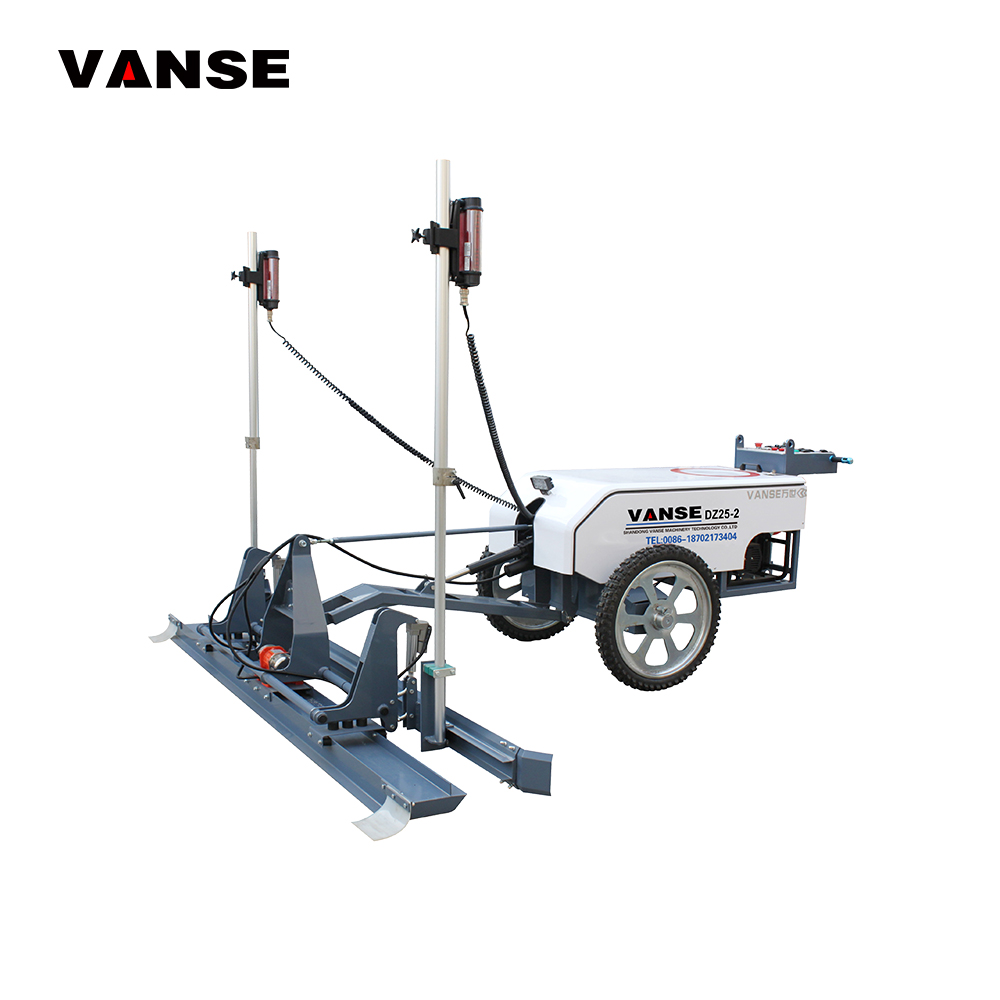
| Walk-behind laser screed | Small to medium slabs, workshops, commercial units | Concrete contractors, flooring installers, smaller rental fleets | Compact transport, lower investment level, practical for restricted access | Basic operator induction, routine calibration and wear-part stock |
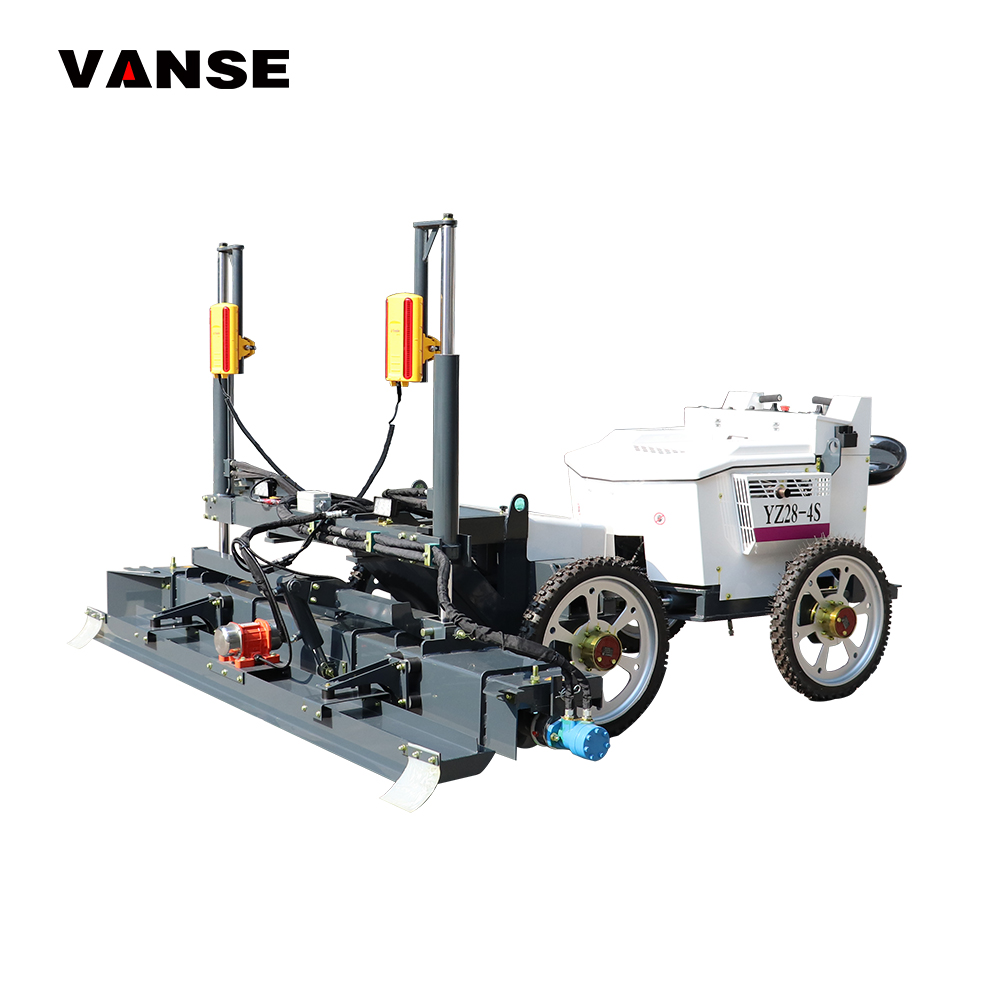
| Ride-on laser screed | Medium to large industrial floors | Industrial flooring contractors, warehouse builders, rental companies | Higher production output and reduced labor requirement | Operator training, hydraulic maintenance knowledge and prompt parts support |
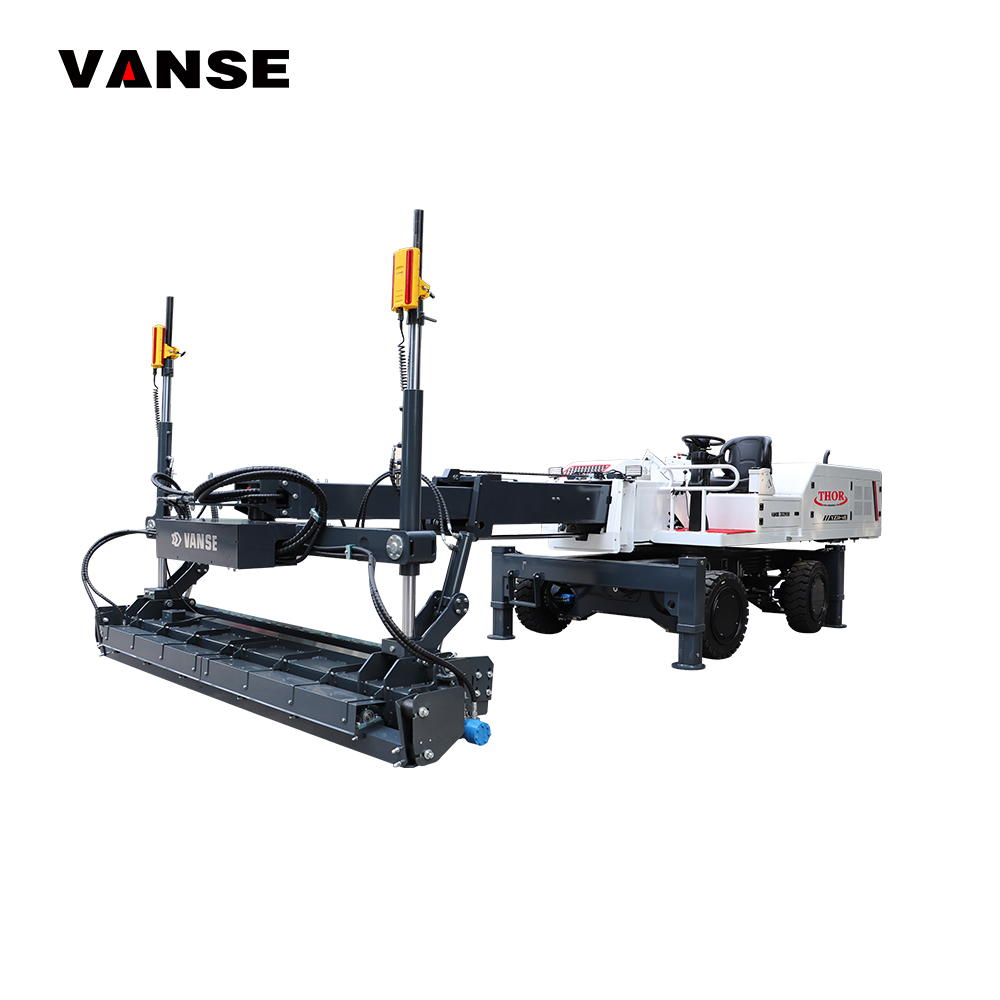
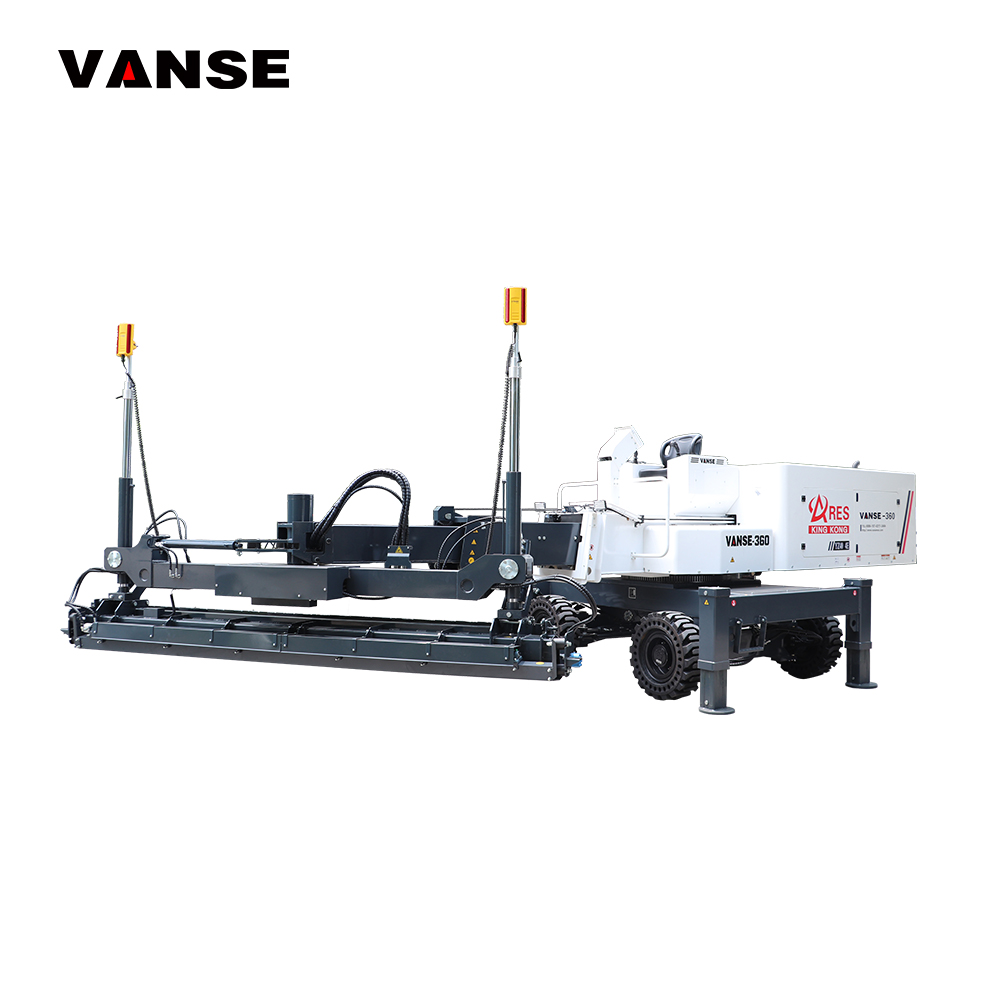
| Boom-type laser screed | Large warehouses, factories, airport and terminal slabs | Major contractors, infrastructure contractors, specialist flooring firms | Long reach, 360-degree operating capability and high daily output potential | Advanced technician training, project commissioning and field-service readiness |
| 3D profiling-compatible screed | Complex grades, drainage profiles, pavements and shaped slabs | Infrastructure contractors, airport contractors, paving specialists | Supports complex elevation control and specialized profiles | Surveying coordination, digital-model support and experienced commissioning staff |
| Concrete power trowel | All slab sizes after placing operations | Concrete contractors and rental businesses | Completes finishing workflow and increases cross-selling potential | Blade stock, engine service and safety training |
| Floor grinder and cutter | Repair, preparation, joint cutting and industrial floor maintenance | Flooring contractors, renovation firms, facility service providers | Creates recurring aftermarket and rental demand | Consumables planning, dust-control advice and operator safety guidance |
A successful dealership generally combines laser screeds with related equipment and consumables. Power trowels, concrete cutters, floor grinders, topping spreaders, armor joints, steel fibers, synthetic fibers, and maintenance parts help a dealer serve the full flooring workflow. This combination can raise the value of every customer account while reducing dependence on occasional high-ticket machine sales.
Dealers should also consider a demonstration unit. A laser screed is easier to sell after a contractor sees it operating on a real slab. Demonstrations can be organized with ready-mix concrete suppliers, industrial flooring contractors, local trade associations, construction colleges, and large warehouse developers. The sales presentation should focus on measurable jobsite outcomes: reduced crew size, faster coverage, repeatable elevation control, improved finish preparation, and lower rework exposure.
Dealer Program Requirements and Commercial Planning
Most serious manufacturers evaluate prospective dealers on more than annual purchase volume. They want evidence that the dealer can represent the brand responsibly, protect machine users through competent service, and create sustainable local demand. A dealer application should therefore include company registration details, product portfolio, sales territory, customer segments, workshop capability, technician profiles, warehouse capacity, marketing plans, and forecasted machine volumes.
| Program Element | What Dealers Should Request | Why It Matters | Practical Target |
|---|---|---|---|
| Wholesale pricing | Clear dealer discount structure by product category and annual volume | Determines resale margin and ability to fund local support | Written pricing schedule with currency, validity period and freight terms |
| Territory policy | Defined country, state, city or project-sector coverage | Reduces channel conflict and protects marketing investment | Documented rules for leads, online sales and key-account projects |
| Demo equipment | Special pricing or payment terms for demonstration machines | Helps prove equipment value on active projects | At least one suitable unit for priority target segment |
| Spare-parts package | Recommended initial stock list for filters, sensors, hydraulic items and wear parts | Prevents downtime and strengthens customer trust | Parts kit sized for the installed base and local delivery conditions |
| Technical training | Factory training, online sessions, manuals and field commissioning support | Enables safe operation and faster troubleshooting | Sales and service staff trained before first customer delivery |
| Warranty process | Written coverage, exclusions, claim evidence and approval process | Clarifies responsibility during equipment failures | Named contacts and response-time expectations |
| Marketing support | Product images, videos, technical brochures, lead sharing and trade-show cooperation | Accelerates local market education | Localized materials for the dealer’s language and target industries |
Margins should be assessed against the total cost to serve, not only purchase price. A dealer must account for international freight, import duties, inland transport, insurance, financing costs, showroom and demo costs, commissioning visits, technician labor, warranty reserves, spare parts, and marketing. A lower purchase price does not automatically create a better business if parts support, documentation, or technical training are weak.
Rental companies have a different commercial model from retail distributors. They need durable machines, simple daily inspections, operator controls that reduce misuse, fast access to parts, and practical transport arrangements. Contractors buying for their own crews may place greater value on application guidance, site setup, slab design coordination, and a machine that fits their existing concrete-placement process. Dealers should segment leads carefully rather than using one generic sales message.
How to Select a Laser Screed Supplier
Supplier selection should begin with local customer requirements. In markets where contractors regularly specify high flatness and large floor areas, established specialist brands and robust field support may outweigh the lowest acquisition cost. In rapidly developing markets, buyers may prioritize dependable performance, training, available engines, flexible voltage configurations, competitive pricing, and the ability to source multiple concrete-equipment categories from one supplier.
| Evaluation Area | Questions to Ask | Evidence to Request | Risk if Ignored |
|---|---|---|---|
| Machine performance | What slab area, boom reach, working speed and leveling accuracy are achievable? | Technical data, operating videos, customer project records and live demonstrations | Buying equipment that does not fit local project conditions |
| Certifications | Which certifications apply to the exact model and destination market? | Current CE, ISO-related quality documentation and market-specific compliance records | Import delays, customer rejection or regulatory issues |
| Components and build | How are laser controls, hydraulics, engines and structural components selected and tested? | Parts list, maintenance schedule, factory testing process and warranty conditions | Unexpected downtime and expensive service obligations |
| Parts availability | Where are parts stocked and what are normal dispatch times? | Parts catalogue, regional warehouse plan and emergency delivery procedure | Loss of contractor confidence after machine stoppages |
| Training capability | Can the supplier train salespeople, technicians and end users? | Training agenda, manuals, online support process and instructor availability | Incorrect operation, weak demonstrations and avoidable warranty claims |
| Customization | Can the machine be configured for local voltage, engine, branding or application needs? | Configuration list, engineering approval process and sample specifications | Limited ability to compete in specialized segments |
| Channel commitment | Does the supplier support distributors or sell directly into the same territory? | Dealer contract, project registration rules and sales-channel policy | Price conflict and reduced return on market-development investment |
It is also important to perform due diligence on documentation. A supplier should be able to provide detailed operating manuals, maintenance instructions, exploded parts diagrams, electrical or hydraulic schematics where applicable, packing details, shipping information, and warranty procedures. For cross-border projects, clear documentation is especially important when machines pass through major trade routes and ports such as Shanghai, Ningbo, Rotterdam, Hamburg, Jebel Ali, Singapore, Los Angeles, Santos, and Durban.
Industries and Applications That Create Dealer Demand
Industrial flooring remains the core market for laser screed distribution. Modern warehouses require large, continuous concrete slabs capable of supporting racking systems, forklifts, automated guided vehicles, and heavy logistics traffic. Distribution centers near ports, airports, rail terminals, and e-commerce corridors frequently create strong opportunities for contractors that can complete large floors on demanding schedules.
Manufacturing is another significant segment. Automotive facilities, electronics plants, food-processing buildings, pharmaceutical production sites, and heavy-equipment factories all require reliable floors. Depending on the application, concrete may need high flatness, abrasion resistance, joint protection, defined drainage, or compatibility with coatings and resin finishes. Laser screeds can support more consistent base slab preparation before further floor treatments are applied.
Infrastructure contractors may need laser-guided concrete equipment for airport runways, terminal yards, roads, bridge approaches, pavement slabs, and transit-related construction. These projects can involve 3D profiles, long placement runs, demanding logistics, and formal quality-control requirements. Dealers targeting infrastructure should develop relationships with survey firms, civil contractors, ready-mix suppliers, and project consultants.
Commercial buildings, hospitals, data centers, retail parks, educational facilities, and multi-level parking structures may offer smaller but steady opportunities. In these sectors, compact walk-behind units can be especially relevant where access is limited or slab sizes do not justify a large boom-type machine. The dealer’s role is to match machine size and application rather than automatically recommend the largest equipment model.
Project-Based Sales and Demonstration Examples
A dealer in the Gulf region may target warehouse developers around Dubai, Abu Dhabi, Riyadh, Dammam, Doha, and Muscat. A typical sales strategy would combine relationships with industrial contractors, regular on-site demonstrations, support for rapid project mobilization, and spare-parts planning before peak construction periods. Boom-type screeds can be positioned for high-volume logistics floors, while ride-on and walk-behind units support smaller warehouse extensions and commercial slabs.
In Europe, a dealer may focus on logistics parks near Rotterdam, Antwerp, Hamburg, Frankfurt, Milan, Barcelona, and Warsaw. Buyers in these regions often ask detailed questions about machine documentation, CE compliance, precision, safety, noise, operator training, and service response. A supplier partnership should therefore include localized manuals, parts planning, clear warranty procedures, and experienced technical support.
In Southeast Asia, contractors around Singapore, Johor, Kuala Lumpur, Bangkok, Ho Chi Minh City, Jakarta, Manila, and Surabaya may require flexible machine configurations, practical training, and reliable support during humid, high-output construction conditions. Dealer success often depends on maintaining fast communications through messaging platforms, keeping critical consumables locally, and offering demonstration projects with reputable industrial flooring contractors.
In Latin America, industrial growth around Monterrey, Mexico City, Bogotá, Lima, Santiago, São Paulo, Campinas, and Buenos Aires can create demand for equipment that balances production performance with manageable ownership cost. Local dealer teams should be ready to explain import lead times, financing options, engine service arrangements, and parts stocking in clear commercial terms.
Vanse Machinery Dealer Partnership
Shandong Vanse Machinery Technology Co., Ltd. provides a practical partnership option for distributors and contractors seeking concrete laser screeds and associated industrial-flooring equipment across the Global market. Founded in 2013 in Jining, China, Vanse manufactures walk-behind, ride-on, and boom-type laser screeds alongside power trowels, grinders, cutters, topping spreaders, slipform machines, mini dumpers, concrete armor joints, and fiber materials. Its equipment development combines laser control systems, hydraulic technology, durable structural materials, reliable engine options, and practical jobsite design. The company holds ISO 9001 and CE certifications, more than 50 invention patents, and more than 200 utility model and design patents, while its production and testing systems support export supply to more than 80 countries and regions. Vanse serves end users, distributors, dealers, rental companies, brand owners, contractors, and individual buyers through direct sales, wholesale, retail supply, OEM/ODM production, customized branding, voltage and engine options, project-based equipment supply, and regional distribution partnerships. The company provides EPC, turnkey, and customer-owned plant solutions where applicable; it does not provide BOO or on-site bulk supply services. With overseas branch and service resources in Southeast Asia and Canada, dealer networks across North America, South America, Europe, Asia, and the Middle East, plus multilingual 24-hour remote consultation and support from more than 100 technical experts, engineers, and after-sales specialists, Vanse operates as a long-term service partner rather than a remote exporter. Buyers receive support from project consultation and model selection through delivery, commissioning, operator training, spare-parts supply, remote diagnosis, and on-site technical assistance.
Dealers evaluating Vanse can review the company’s concrete construction equipment solutions to understand the wider product range. For a focused review of machine categories, the concrete laser leveling machine portfolio presents relevant screed options. Dealers serving warehouses, factories, logistics centers, and major slab projects may also examine the ride-on laser screed range for medium and large floor placements.
Dealer readiness is central to a sustainable partnership. Vanse supports product familiarization, operational guidance, equipment selection, remote technical consultation, and professional training. Prospective partners can review available dealer training support before building their local launch plan. Ongoing maintenance and response procedures can also be coordinated through the company’s global service resources, helping dealers reduce downtime for contractors operating on time-sensitive concrete placements.
Future Trends for 2026 and Beyond
By 2026, laser screed dealership programs will increasingly be shaped by labor shortages, digital construction management, industrial automation, sustainability expectations, and demand for faster project delivery. Contractors are under pressure to complete larger floors with fewer skilled workers while maintaining tighter quality standards. This environment favors machine-assisted concrete placement and creates opportunities for dealers that can provide application expertise rather than only equipment quotations.
3D machine control and digital site coordination will become more important for infrastructure, drainage slabs, ramps, pavements, and complex industrial sites. Dealers should prepare technicians to work with project survey data, laser-control setup, calibration procedures, and coordination with site engineers. The ability to explain how a screed fits into a digital workflow can become a decisive sales advantage.
Sustainability will also affect buying decisions. Customers may ask how equipment supports reduced concrete waste, fewer correction passes, improved material placement, lower rework risk, and more efficient use of labor and fuel. While a laser screed does not eliminate the environmental impact of concrete, accurate and repeatable placement can help contractors control waste and avoid unnecessary repairs.
Policy and compliance requirements will continue to vary by market. Dealers should monitor import regulations, machinery safety standards, emissions rules for engine-powered equipment, electrical compatibility, documentation requirements, and local worker-safety rules. Markets with stronger environmental policy may increasingly favor lower-emission engine choices, efficient hydraulic systems, preventive maintenance programs, and equipment fleets that are maintained to documented standards.
After-sales capability will remain one of the strongest differentiators. Contractors increasingly expect technical guidance through video calls, remote diagnostics, rapid parts identification, and local service scheduling. Dealers that invest in technicians, parts stock, and digital customer support will be better positioned than businesses that compete only on initial price.
Frequently Asked Questions
What is a concrete laser screed dealership program?
It is a formal business arrangement in which a manufacturer authorizes a distributor or dealer to promote, sell, demonstrate, service, and sometimes rent laser screeds within an agreed territory or customer segment. Programs may include dealer pricing, training, warranty procedures, spare-parts access, marketing tools, and project registration support.
Who can become a laser screed dealer?
Suitable applicants include construction-equipment distributors, industrial flooring specialists, equipment rental companies, concrete contractors expanding into equipment sales, and established service businesses with workshop capacity. Manufacturers usually prefer partners with sales coverage, technical staff, local customer relationships, and the ability to stock important parts.
How much inventory should a new dealer hold?
A new dealer should normally begin with a demonstration machine, essential consumables, preventive-maintenance parts, and selected models matched to local demand. The exact level depends on territory size, import lead time, customer project volume, and whether the dealer sells, rents, or both.
Should a dealer choose a walk-behind, ride-on, or boom-type screed first?
The decision should be based on typical local projects. Walk-behind machines are appropriate for smaller and access-restricted slabs. Ride-on units suit many medium and large industrial floors. Boom-type screeds are most relevant for major warehouses, factories, terminals, and infrastructure projects requiring high productivity and extensive reach.
What service capability is required?
At minimum, a dealer should have trained technicians, basic hydraulic and electrical diagnostic ability, a parts storage area, a documented warranty process, and a clear escalation channel to the manufacturer. For large machines and infrastructure projects, on-site commissioning and emergency response planning are highly valuable.
Can international suppliers support local dealers effectively?
Yes, provided they offer appropriate certifications, complete documentation, responsive communication, technical training, spare-parts planning, and a clear warranty process. Suppliers with overseas branches, regional service resources, established dealer networks, and experience in the target region can offer more reliable support than exporters without local market commitment.
Next Steps for Prospective Dealers
Prepare a short dealer profile covering your company history, country coverage, customer base, workshop facilities, technician team, existing equipment brands, sales forecast, and preferred laser screed categories. Then compare supplier proposals based on total commercial value: machine quality, certification suitability, landed cost, margin structure, delivery time, training, spare parts, territory policy, and post-sale support.
The strongest dealer partnerships are built around real project capability. Focus on industrial zones, logistics developments, airports, factories, ports, and infrastructure corridors where concrete slab quality and construction speed matter. By combining laser screeds with finishing equipment, cutting tools, grinding systems, joint materials, and trained service support, a dealer can become a complete concrete-construction partner for customers throughout the Global market.
Share this article

About the Author: Shandong Vanse Machinery Technology Co., Ltd.
Shandong Vanse Machinery Technology Co., Ltd. is a high-tech manufacturer specializing in concrete construction machinery, including laser screeds and related equipment. The company integrates R&D, production, and global sales, with products exported to over 60 countries and widely used in infrastructure projects worldwide.