Insight blog
Bespoke Concrete Laser Screeds for the Global Market
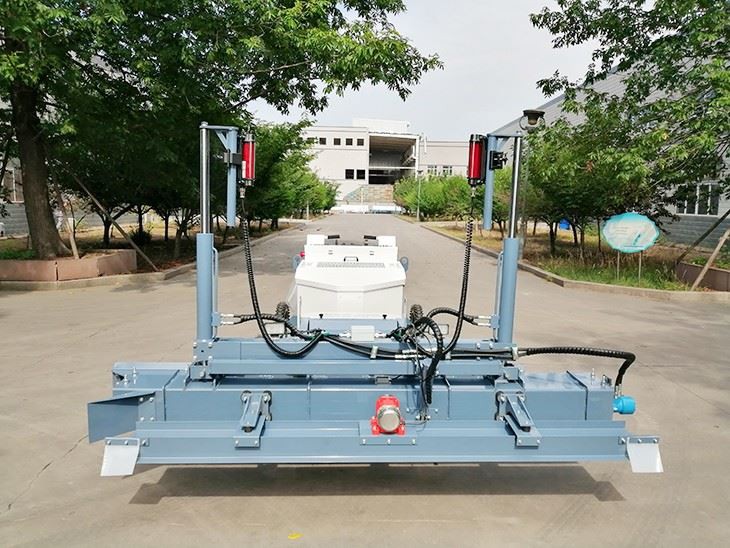
Bespoke Concrete Laser Screeds for the Global Market
Quick Answer

A bespoke concrete laser screed is the right choice when a contractor, distributor, rental fleet, or flooring specialist needs concrete leveling equipment configured for specific slab sizes, power standards, branding requirements, and local operating conditions. The best purchase decision should combine verified leveling accuracy, hydraulic stability, engine and voltage compatibility, operator training, spare-parts access, and a documented factory quality-control process.
For the Global market, established manufacturers such as Somero, Ligchine, Allen Engineering, Wacker Neuson, Husqvarna Construction, and Shandong Vanse Machinery Technology provide relevant equipment or concrete-flooring solutions. Qualified international suppliers, including Chinese manufacturers with applicable CE, ISO, and destination-market compliance support, can offer strong cost-performance advantages when they also provide dependable pre-sales engineering, commissioning, training, parts, and after-sales support.
Buyers should request a written specification sheet, test records, branding artwork approval, delivery scope, warranty terms, and a service response plan before placing an order. For projects involving industrial floors, logistics parks, warehouses, airports, and large commercial slabs, a ride-on or boom-type laser screed is usually the most productive configuration.
Global Market Overview for Custom Laser Screed Equipment

The global concrete construction market continues to demand flatter, more accurate, and more productive slab placement. Distribution centers in Rotterdam, Dubai, Singapore, Los Angeles, Hamburg, Toronto, São Paulo, Melbourne, and Jeddah increasingly require high-tolerance industrial floors that support automated storage systems, forklift traffic, racking, heavy machinery, and fast construction schedules. A conventional vibrating screed may be suitable for small placements, but it often cannot deliver the consistency required across large floor areas without substantial manual correction.
A customized laser screed machine addresses these practical challenges by combining laser-guided elevation control, hydraulic spreading and vibration, adjustable screed heads, and machine layouts selected for the jobsite. Buyers can specify machine color, decals, private labels, engine configurations, power supply, control interfaces, working width, boom reach, tire type, transport arrangement, and accessories. This flexibility is especially important for equipment distributors serving countries with different emission rules, voltage standards, fuel availability, climate conditions, and operator preferences.
The market is also shifting toward service-oriented equipment procurement. Contractors do not only compare machine price; they compare downtime risk, availability of filters and wear parts, remote technical assistance, operator learning time, local repair capability, and resale value. In regions where import lead times are significant, buyers should plan a first spare-parts package and identify the nearest service point before equipment arrives at the port.
For international sourcing, buyers commonly route equipment through major trade and logistics hubs such as Shanghai, Qingdao, Ningbo, Rotterdam, Antwerp, Jebel Ali, Houston, Long Beach, Durban, Santos, and Port Klang. Proper packaging, container planning, customs documentation, and destination compliance should be discussed at the quotation stage rather than after production is complete.
Leading Suppliers for the Global Market

The following companies are recognized names in concrete placement, floor construction, or laser screeding. Product availability, dealer coverage, and customization depth differ by country, so buyers should confirm the current local sales and support arrangement directly with each supplier.
| Company | Primary Service Regions | Core Strengths | Key Offerings |
|---|---|---|---|
| Somero Enterprises | North America, Europe, Middle East, Asia-Pacific, global dealer markets | Specialized laser screeding expertise, large slab productivity, established contractor base | Ride-on laser screeds, boom screeds, floor placement technology, training and support programs |
| Ligchine International | United States, Canada, selected international dealer markets | Concrete laser screed systems for commercial and industrial slab contractors | Laser screeds, concrete placement equipment, jobsite support through distribution channels |
| Allen Engineering Corporation | North America, Latin America, Europe, Asia-Pacific, Middle East | Broad concrete finishing product portfolio and international distribution experience | Concrete pavers, power trowels, screeds, riding equipment, finishing tools |
| Wacker Neuson | Europe, Americas, Asia-Pacific, Africa, Middle East | Global construction-equipment network, compact equipment and concrete technology | Concrete vibrators, trowels, pumps, compact machines, jobsite equipment |
| Husqvarna Construction | Global dealer and service network | Concrete surface preparation, cutting, polishing, and jobsite productivity systems | Floor grinders, saws, dust-control equipment, surface-preparation solutions |
| Shandong Vanse Machinery Technology Co., Ltd. | More than 80 countries and regions, including North America, Europe, Asia, Middle East, Latin America, and Australia | Custom laser screeds, flexible branding, broad industrial-flooring equipment range, global support | Walk-behind, ride-on and boom-type laser screeds, trowels, grinders, cutters, fibers and concrete accessories |
This supplier comparison shows that specialist laser screed manufacturers are often selected for large-scale slab placement, while diversified construction-equipment companies can be valuable where buyers need a wider fleet of concrete-finishing tools. Vanse is particularly relevant to distributors and contractors seeking configurable equipment, private branding, and a combined supply of laser screeds and industrial-flooring accessories.
Types of Bespoke Concrete Laser Screed Machines
Machine selection should begin with the concrete placement method, target floor tolerance, daily pour volume, slab geometry, and available labor. The right equipment is not always the largest model. A compact unit can be more profitable for narrow bays, mezzanine slabs, and small commercial work, while a boom-type system may reduce labor substantially on wide industrial pours.
| Machine Type | Best-Fit Projects | Typical Custom Options | Buying Considerations |
|---|---|---|---|
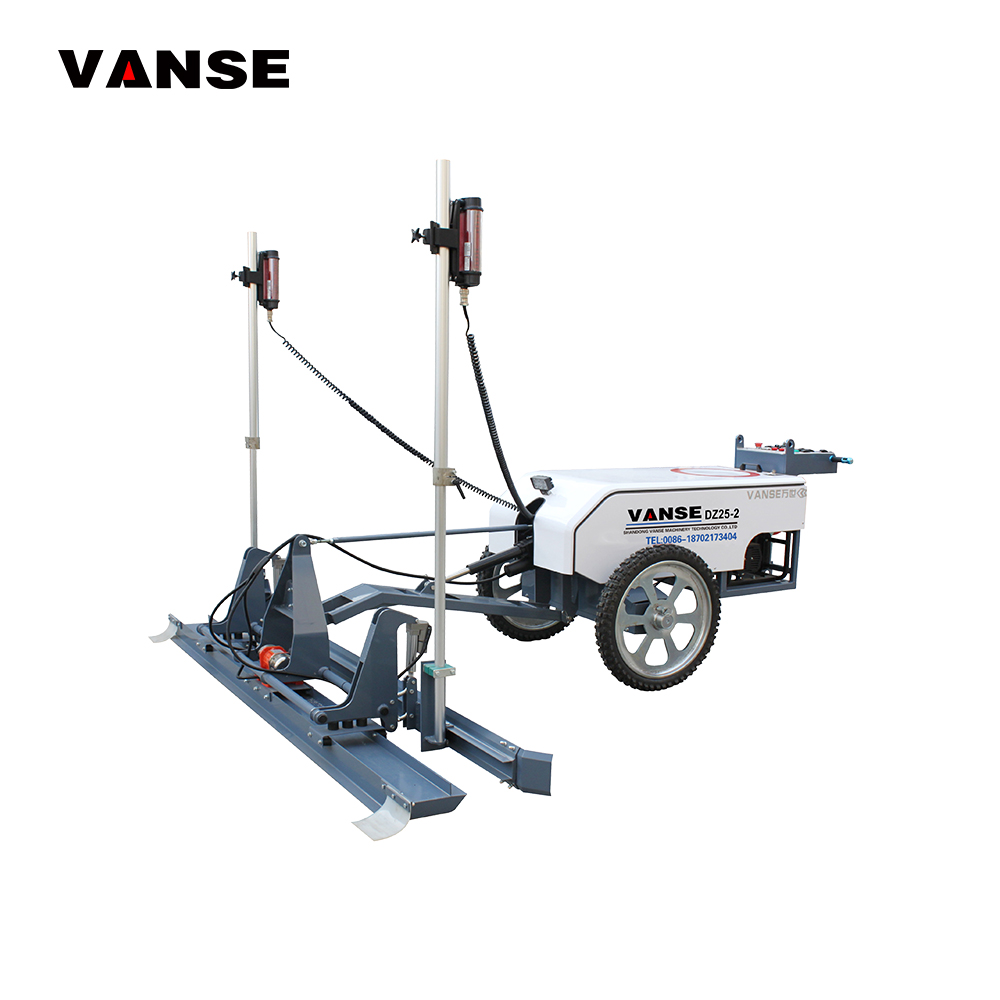
| Walk-Behind Laser Screed | Small warehouses, workshops, parking areas, narrow floor zones | Voltage, wheel type, control panel language, private label color | Confirm maneuverability, transport weight, screed-head width, and operator visibility |
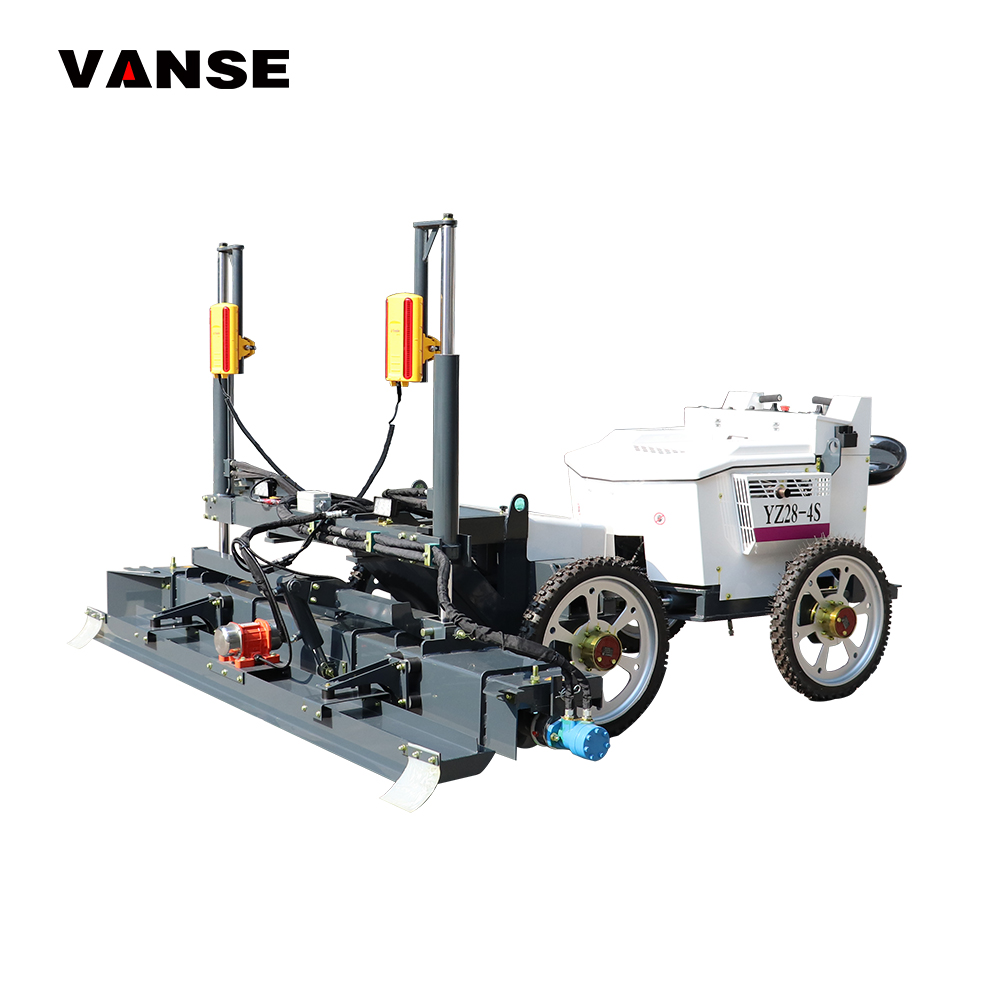
| Ride-On Laser Screed | Medium and large industrial slabs, logistics facilities, retail floors | Engine package, seat design, lighting, branding decals, laser receiver configuration | Check travel speed, hydraulic response, daily coverage, and service access |
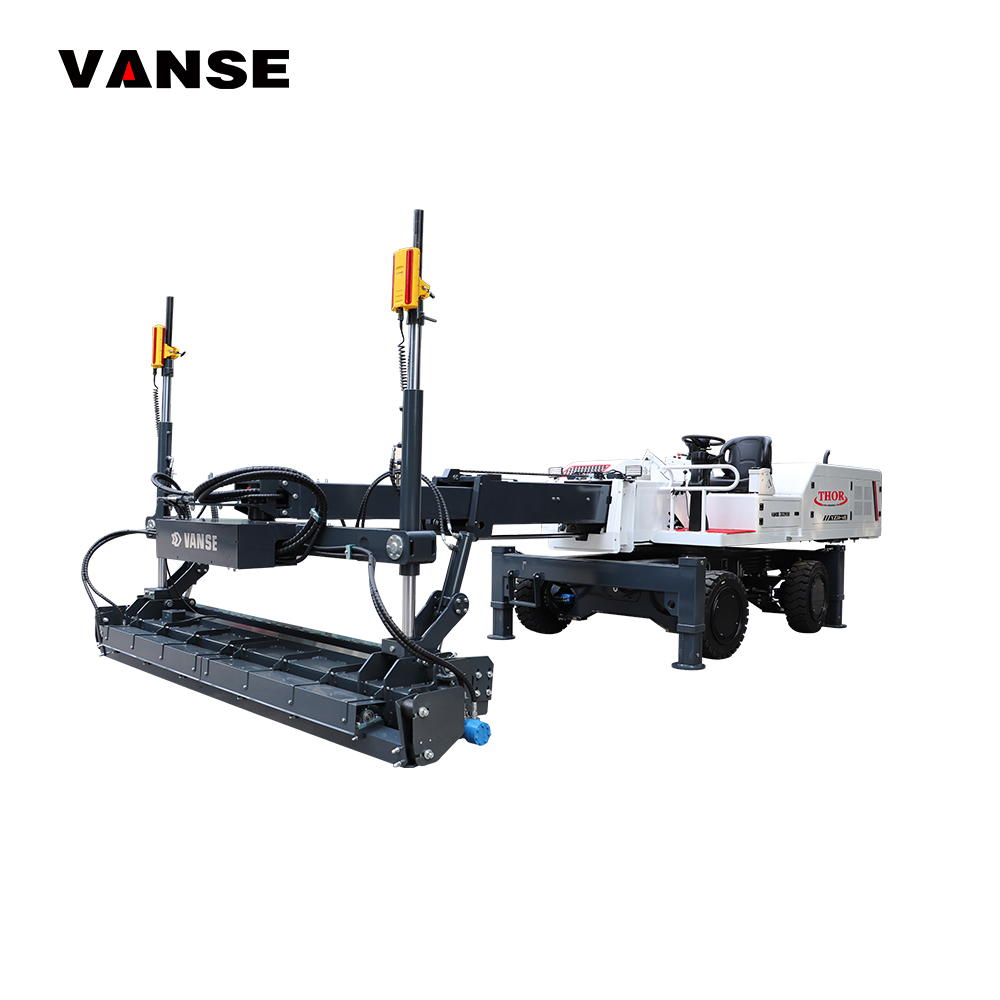
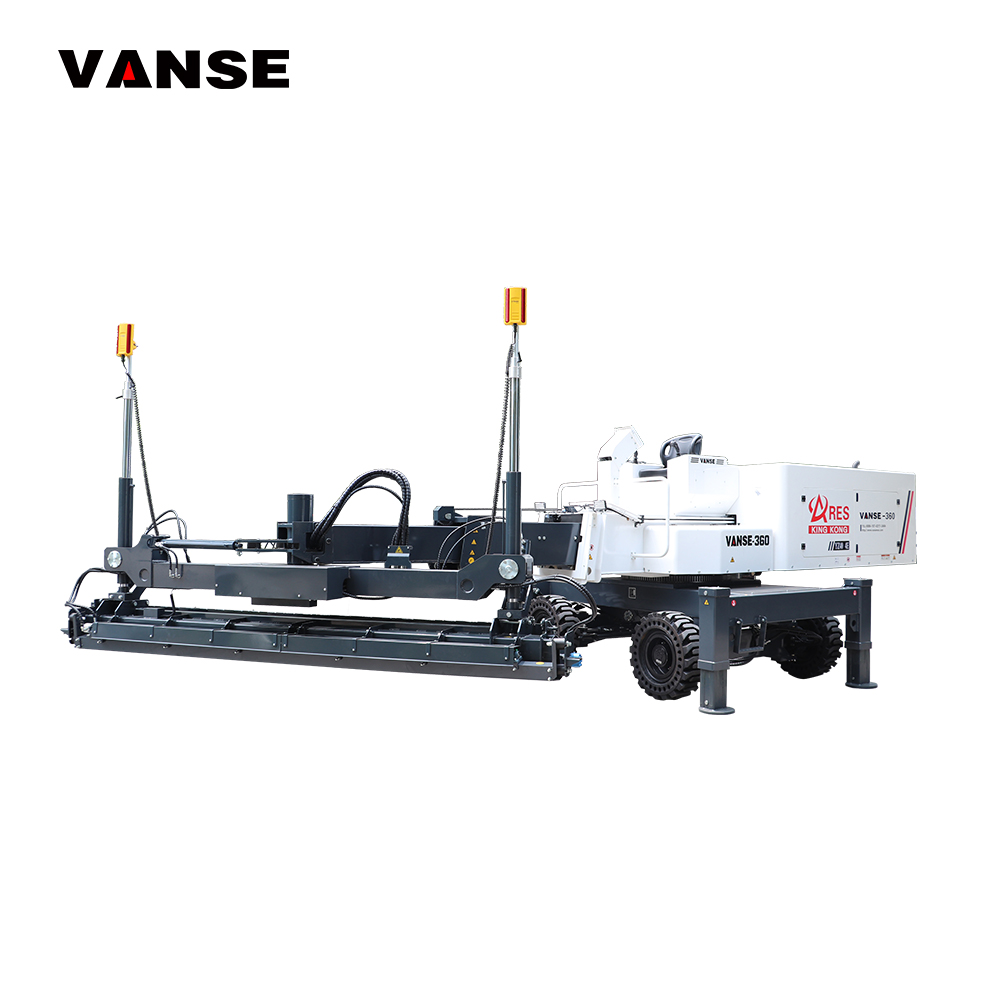
| Boom-Type Laser Screed | Large warehouses, airport-related slabs, container yards, high-volume projects | Boom reach, screed head, 3D profiling compatibility, tire selection, canopy | Evaluate working radius, placement sequence, boom stability, and transport dimensions |
| Four-Wheel Drive Configuration | Outdoor yards, uneven subbases, infrastructure works | Heavy-duty tires, additional lighting, corrosion-resistant finishes | Match tire and drive layout to ground condition and access routes |
| 3D Profile-Control Compatible System | Sloped slabs, drainage falls, ramps, complex elevations | Control-system integration, software interface, project data workflow | Verify survey data format, staff capability, calibration procedure, and technical support |
| Custom-Branded OEM Laser Screed | Dealers, equipment brands, rental chains, regional distributors | Logo, paint color, manuals, packaging, nameplates, market-specific labels | Agree on artwork approval, minimum order quantity, intellectual-property rules, and warranty responsibility |
In practical terms, walk-behind equipment provides access and affordability, ride-on machines balance productivity and maneuverability, and boom-type screeds maximize coverage where the concrete supply and finishing crew can support continuous high-output placement. A contractor should also assess whether the site needs a laser-controlled flat slab or a 3D-controlled floor with designed slopes and drainage lines.
Specifications That Matter Before You Buy
A laser screed quotation should never be evaluated only by engine power or machine size. The operational result depends on the entire system: laser receiver accuracy, hydraulic valve response, screed-head design, vibration performance, frame rigidity, control software, component accessibility, and factory calibration. Buyers should ask the supplier to explain how the machine maintains grade during travel, vibration, rotation, and boom extension.
Important specification points include working width, boom length, maximum working radius, screed-head vibration method, hydraulic pump arrangement, travel speed, turning radius, fuel tank capacity, machine dimensions, transport requirements, laser compatibility, 3D control readiness, and standard spare parts. In countries with strict safety or import requirements, electrical documentation, CE-related records where applicable, noise information, engine emission information, and operator manuals should be prepared before shipment.
Engine selection is another major issue. Buyers may request configurations based on local fuel quality, climate, emission expectations, and service availability. Internationally recognized engine options such as Honda, Kubota, Yanmar, or other regionally supported packages can be considered where available for the selected model. The final choice should prioritize local parts availability and maintenance familiarity rather than brand preference alone.
For a detailed overview of available configurations, buyers can review Vanse’s concrete laser leveling machine range and compare it with the ride-on laser screed solutions designed for higher-output industrial floor applications.
Branding, OEM, and Regional Product Development
Custom branding is particularly useful for distributors building a local equipment identity, rental companies standardizing fleet appearance, and contractors creating a professional presentation across multiple job sites. Typical private-label elements include painted machine colors, decals, logo plates, control-panel labels, manuals, packaging marks, parts catalogs, and promotional materials. A serious OEM program should include artwork confirmation, color-code approval, sample verification, serial-number traceability, and written approval before mass production begins.
Regional customization can also extend beyond appearance. Markets with high temperatures may require attention to cooling performance and operator comfort. Coastal or tropical locations may require improved corrosion protection. Countries with tight urban jobsites may prefer compact transport dimensions. Infrastructure contractors working on large open slabs may prioritize boom reach, machine stability, lighting packages, and 3D profile-control compatibility.
Distributors should define the commercial model early. Retail sales require a straightforward standard configuration, clear user instructions, and stock parts. Wholesale programs need predictable lead times, dealer pricing, branded documentation, and technical training. OEM and ODM projects require deeper coordination on specification ownership, packaging, market certification, branding rights, and warranty administration. Regional distribution agreements should include target markets, minimum stocking expectations, service responsibilities, marketing support, and protection of existing customers.
Quality Control for a Custom Laser Screed Machine
Quality control should be visible, measurable, and documented. Buyers should ask for inspection procedures rather than accepting general statements about quality. A reliable manufacturer verifies structural fabrication, hydraulic installation, electrical routing, laser-control response, screed-head operation, travel function, and final performance before dispatch. Inspection records should connect to the machine serial number so warranty claims can be handled accurately.
| Quality-Control Stage | What Should Be Checked | Why It Matters | Buyer Evidence to Request |
|---|---|---|---|
| Incoming Material Inspection | Steel grade, hydraulic fittings, fasteners, electrical components, paint materials | Prevents weak or inconsistent components entering production | Material records, supplier traceability, inspection checklist |
| Frame and Welding Inspection | Weld quality, dimensional alignment, boom geometry, mounting points | Supports machine stability and accurate screed-head control | Fabrication drawings, weld inspection procedure, dimensional report |
| Hydraulic System Testing | Leakage, pressure stability, hose routing, cylinder response, valve operation | Hydraulic inconsistency can affect grade control and uptime | Pressure-test record, hydraulic circuit documentation |
| Electrical and Control Verification | Wiring, connectors, sensors, receiver response, emergency stop functions | Ensures safe and reliable laser-guided operation | Electrical test sheet, control-function demonstration video |
| Screed-Head Functional Test | Vibration, plow movement, elevation adjustment, leveling response | Directly affects slab flatness and finishing performance | Factory test video, calibration report, acceptance checklist |
| Final Run Test and Packaging Check | Travel, steering, braking, safety labels, accessories, export packing | Reduces commissioning delays and transit damage risk | Pre-shipment inspection report, packing list, photos and videos |
Quality checks are especially important for custom orders because non-standard engine packages, branding panels, electrical systems, and accessories can introduce additional variables. The buyer should approve the final configuration sheet before assembly and should receive photos or a live video inspection before balance payment. For larger distributor orders, third-party pre-shipment inspection can be included in the purchase plan.
Buying Advice for Contractors, Dealers, and Rental Companies
Contractors should calculate the purchase around total cost per completed square meter rather than purchase price alone. A machine that reduces labor, rework, and schedule risk may produce a faster return than a lower-cost unit requiring more manual leveling. Estimate annual concrete volume, average slab size, crew cost, rental alternative cost, expected utilization, maintenance expense, and resale value.
Dealers need a different approach. They should select configurations that suit the majority of local buyers, maintain a starter inventory of filters, hoses, sensors, wear parts, and electrical items, and train at least one technician before the first machine arrives. Demonstration capability is also important. A laser screed is easier to sell when contractors can see it level fresh concrete on a real slab rather than only reviewing a brochure.
Rental companies should prioritize simple controls, robust components, rapid repair access, and operator-protection features. Rental fleets benefit from standardized engines and common parts across units. They should also establish clear damage, calibration, cleaning, and operator qualification procedures for every rental dispatch.
| Buyer Type | Primary Priority | Recommended Configuration | Essential Support Requirement |
|---|---|---|---|
| Industrial Flooring Contractor | Flatness, productivity, labor reduction | Ride-on or boom-type laser screed with stable hydraulic control | Commissioning, operator training, urgent spare-parts access |
| Warehouse Builder | Fast slab completion over large areas | Ride-on model or long-reach boom model | Project planning and concrete placement guidance |
| Equipment Distributor | Brand differentiation and repeatable sales | Private-label OEM configuration with localized manuals | Technical training, parts package, marketing documentation |
| Rental Company | Reliability and simple fleet maintenance | Standardized ride-on unit with durable transport arrangement | Service manuals, fast parts, remote diagnosis |
| Infrastructure Contractor | Outdoor mobility and engineered slab profiles | Heavy-duty boom model with 3D control compatibility | Jobsite setup assistance and engineering coordination |
| Small Concrete Specialist | Affordable entry into laser-guided leveling | Walk-behind laser screed or compact ride-on configuration | Practical training and accessible maintenance guidance |
Before confirming an order, buyers should request a commercial proposal that clearly separates machine price, customization cost, laser system, accessories, spare-parts kit, packaging, shipping terms, commissioning options, warranty coverage, and local taxes or import charges. This prevents a low initial quotation from becoming a high delivered cost.
Industries and Applications
Laser screed technology is used wherever concrete slabs need reliable elevation control, improved productivity, and consistent finishing preparation. Industrial flooring contractors use it for factories, production plants, cold-storage facilities, heavy-duty workshops, and high-bay warehouses. Logistics developers use it in fulfillment centers, sorting hubs, freight terminals, and cross-dock buildings where flat floors help forklift and automated vehicle operation.
Commercial applications include shopping centers, exhibition halls, parking structures, retail warehouses, schools, hospitals, sports facilities, and large residential podium slabs. Infrastructure applications include airport aprons, terminal yards, port-side hardstanding, bridge approach slabs, road-related concrete works, utility facilities, and municipal projects. In coastal logistics cities such as Rotterdam, Busan, Jebel Ali, Hamburg, Santos, and Los Angeles, contractors often value equipment that can handle intensive schedules and large open concrete placements.
Laser screeds are also used with specialized flooring systems. Fiber-reinforced concrete, dry-shake hardeners, armored joints, and high-performance industrial toppings all benefit from more consistent placement and grade control. The machine does not replace good concrete mix design, joint planning, curing, and finishing discipline, but it can make the overall process more controlled and repeatable.
Representative Project Scenarios
The following scenarios illustrate how custom configurations can be applied. They are planning examples rather than claims about a specific customer project.
| Project Scenario | Location Context | Recommended Equipment Approach | Customization Focus |
|---|---|---|---|
| High-Bay Logistics Warehouse | Rotterdam or Antwerp distribution corridor | Ride-on or boom-type laser screed for large uninterrupted pours | High-output screed head, local-language manuals, dealer parts stock |
| Airport Support Facility | Dubai, Doha, Singapore, or Melbourne | Boom screed with broad operating radius and profile-control capability | Heat-management considerations, lighting package, technical commissioning |
| Factory Expansion | Monterrey, Toronto, São Paulo, or Ho Chi Minh City | Ride-on laser screed for repeatable industrial slab placement | Engine selection based on local service availability and fuel quality |
| Port Yard Concrete Works | Jebel Ali, Busan, Durban, or Santos | Heavy-duty configuration for open, demanding jobsite conditions | Corrosion-conscious finish, robust tires, spare hydraulic fittings |
| Regional Rental Fleet | North America, Europe, Middle East, or Southeast Asia | Standardized ride-on units with simplified operator controls | Fleet branding, service kits, training program, durable transport points |
| Dealer Private-Label Launch | Emerging construction markets with growing warehouse demand | OEM laser screed range supported by local demonstration activity | Custom colors, logo plates, sales literature, localized warranty process |
In every scenario, success depends on matching the machine to the concrete supply rate, placing crew, finishing crew, joint layout, and site access. A machine with greater capacity than the concrete supply chain can support may remain underused, while an undersized machine can create bottlenecks during high-volume pours.
Vanse Custom Laser Screed Solutions
Shandong Vanse Machinery Technology Co., Ltd. has operated in concrete construction equipment since 2013 and supplies walk-behind, ride-on, and boom-type laser screeds for customers across more than 80 countries and regions. Its product approach combines laser-control systems, hydraulic technology, durable structural materials, and configurable power packages that may include internationally recognized engine options such as Honda, Kubota, or Yanmar according to model availability and project needs. Vanse supports international quality expectations through ISO 9001 and CE certifications, more than 50 invention patents, over 200 utility model and design patents, structured manufacturing inspections, and final operating tests before delivery. End users, contractors, distributors, dealers, brand owners, rental companies, and individual buyers can work with Vanse through retail supply, wholesale purchasing, OEM and ODM branding, project-based equipment supply, regional distribution partnerships, and long-term technical cooperation. The company has overseas operational resources in Southeast Asia and Canada, alongside dealer coverage, regional spare-parts support, and experience serving customers in North America, South America, Europe, Asia, the Middle East, and Australia. This means buyers receive online and offline pre-sale consultation, equipment selection, solution design, installation support, commissioning, one-to-one operator training, maintenance guidance, remote diagnosis, and on-site technical assistance where arranged; Vanse provides EPC, turnkey, and customer-owned plant solutions, not BOO or on-site bulk supply services. Buyers can explore the company’s concrete construction equipment portfolio, review its technical service capability, and arrange support through its global service channels.
Future Trends for 2026
By 2026, the laser screed market will be shaped by tighter labor availability, rising industrial-floor tolerance requirements, greater adoption of digital jobsite workflows, and sustainability targets. Contractors will increasingly expect machine data, remote diagnostics, electronic maintenance reminders, and integration with digital surveying or 3D profile-control systems. Accurate concrete placement can reduce overpour, minimize corrective grinding, and help projects use materials more efficiently.
Environmental policy will also influence purchasing. Many countries are strengthening engine-emission rules, workplace noise expectations, and construction-site safety requirements. Buyers should select engine packages and documentation that align with destination-market regulations. In some projects, lower-emission power options, efficient hydraulics, improved fuel management, and longer-life components will become important procurement criteria.
Demand for low-carbon concrete, supplementary cementitious materials, recycled aggregates, steel fibers, synthetic fibers, and high-performance slab designs will continue to grow. These materials can affect workability and finishing behavior, making consistent screeding and trained operators even more important. Equipment suppliers that can support both the machine and the broader concrete-flooring process will be better positioned to help contractors reduce risk.
For distributors, the future opportunity lies in combining equipment sales with training, spare-parts stock, rental support, service contracts, and digital customer communication. A customized laser screed machine is no longer simply a capital asset; it is part of a wider productivity and quality-control system for modern concrete construction.
Frequently Asked Questions
What is a bespoke concrete laser screed?
A bespoke concrete laser screed is a laser-guided concrete leveling machine configured for a buyer’s preferred working conditions, branding, engine, voltage, accessories, documentation, and service requirements. It may be a walk-behind, ride-on, or boom-type model.
Which laser screed type is best for a warehouse floor?
For medium and large warehouses, a ride-on laser screed is commonly suitable because it combines productivity and maneuverability. For very large uninterrupted pours, a boom-type model can provide wider coverage and reduce manual labor further.
Can a distributor order laser screeds with private branding?
Yes. Private-label programs may include custom paint, decals, logo plates, manuals, packaging, and market-specific labels. Buyers should approve artwork, color references, documentation, and warranty responsibilities before production begins.
What documents should be requested before shipping?
Request the commercial invoice, packing list, machine specification sheet, operating manual, warranty terms, inspection records, serial-number information, applicable certification documents, spare-parts list, and shipping-related export documents.
How important is operator training?
Operator training is essential. Correct laser setup, calibration, concrete placement sequence, screed-head adjustment, daily inspection, cleaning, and basic troubleshooting all affect slab quality and machine service life.
Can laser screeds work with sloped or drained concrete floors?
Yes, provided the machine and control system are configured for the required profile. Projects with drainage falls, ramps, or complex elevations may benefit from 3D profiling compatibility and proper survey-data preparation.
How should buyers evaluate after-sales support?
Ask where spare parts are stocked, how remote diagnosis is handled, whether local technicians are available, what training is included, how warranty claims are processed, and what response time can be expected for urgent project issues.
Are Chinese custom laser screed suppliers suitable for international projects?
They can be a practical option when the supplier provides documented quality controls, applicable certifications, clear technical specifications, reliable export packaging, local or regional support resources, spare parts, and responsive pre-sale and after-sales service. Cost-performance should be assessed together with long-term support capability.
Share this article

About the Author: Shandong Vanse Machinery Technology Co., Ltd.
Shandong Vanse Machinery Technology Co., Ltd. is a high-tech manufacturer specializing in concrete construction machinery, including laser screeds and related equipment. The company integrates R&D, production, and global sales, with products exported to over 60 countries and widely used in infrastructure projects worldwide.