Insight blog
Global Market: Choosing a Concrete Laser Screed Supplier
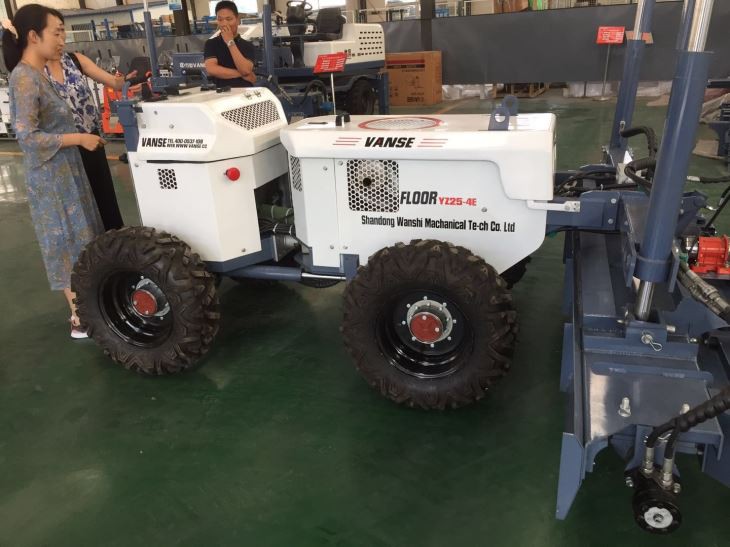
How Global Buyers Can Choose a Concrete Laser Screed Supplier
Quick Answer

The best concrete laser screed supplier for a global buyer is not necessarily the company with the lowest machine quotation. Buyers should select a manufacturer that can demonstrate leveling accuracy, reliable hydraulic and laser-control components, suitable machine size, available spare parts, operator training, and responsive technical support in the destination market.
For large industrial slabs, logistics centers, airports, and distribution warehouses, Somero, Ligchine, Allen Engineering, Wacker Neuson, Shandong Vanse Machinery Technology, and selected regional equipment partners are practical companies to evaluate. The right choice depends on slab area, required flatness, concrete mix design, crew experience, project schedule, local compliance requirements, and budget.
Qualified international suppliers, including Chinese concrete laser screed manufacturers with CE certification, ISO-based quality systems, export experience, local-market certifications where required, and strong pre-sales and after-sales support, should also be considered. They can offer an attractive cost-performance advantage for contractors, distributors, rental fleets, and project owners that need dependable equipment without paying premium-brand pricing.
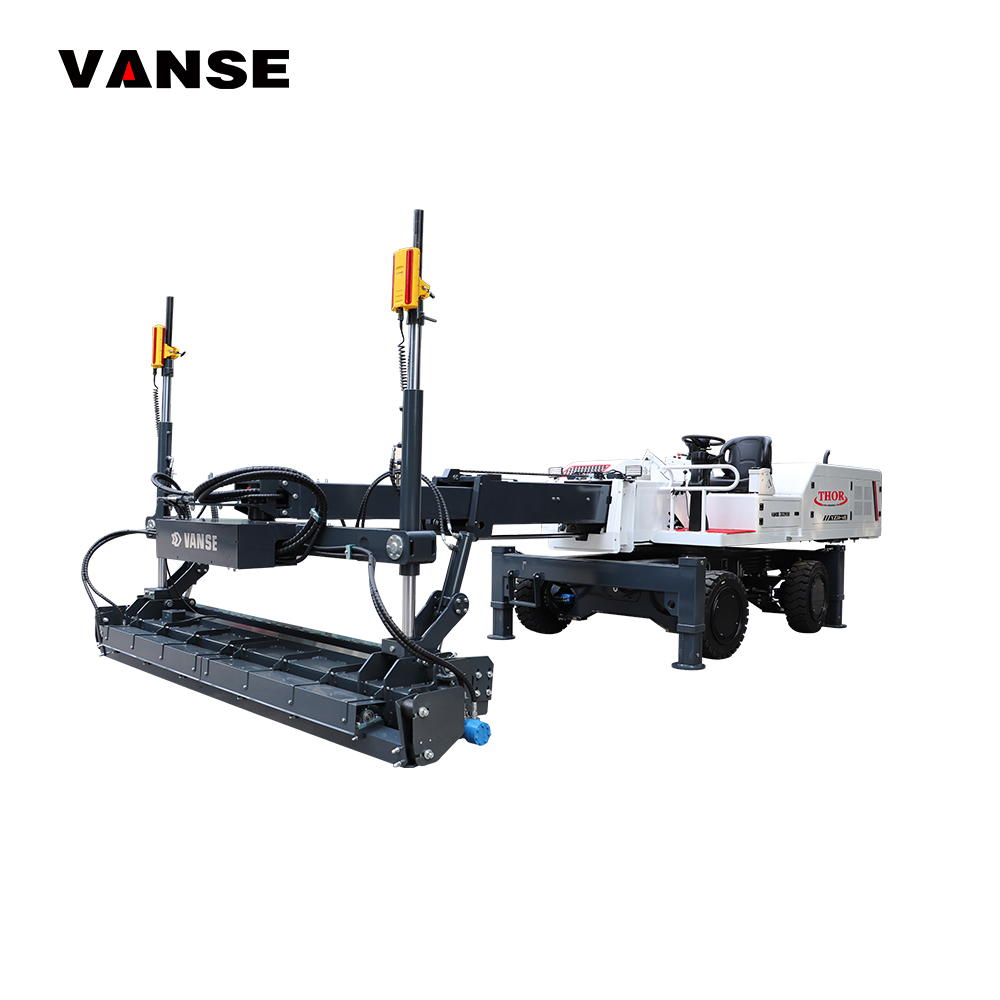
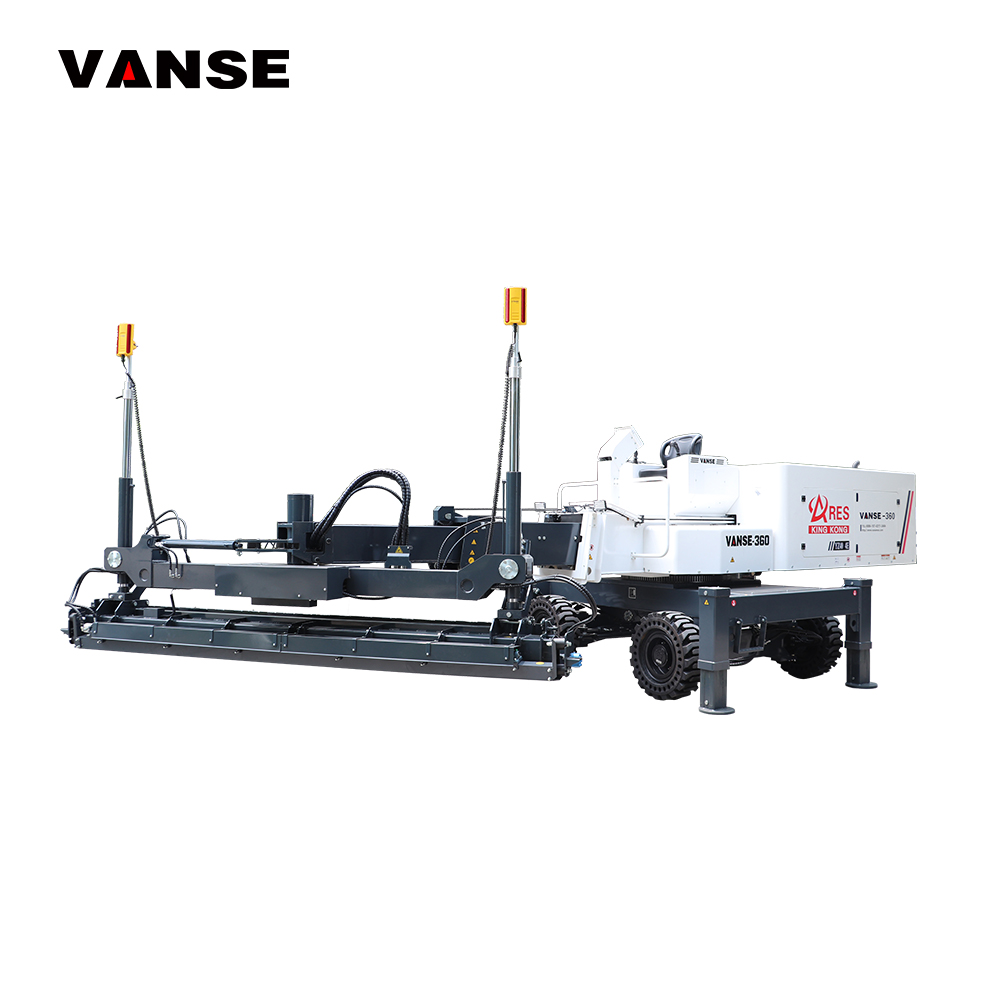
- Choose boom-type laser screeds for wide industrial floors and high-output pours.
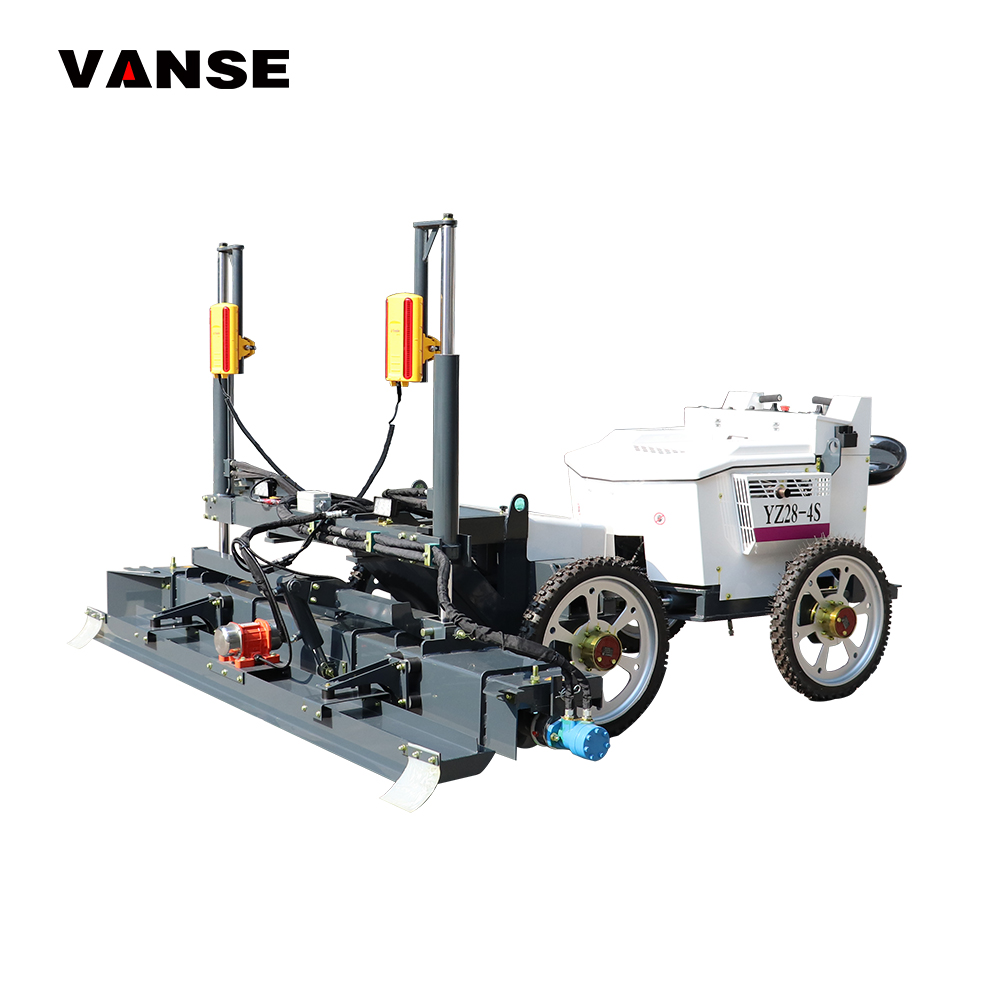
- Choose ride-on laser screeds for warehouses, factories, logistics parks, and medium-to-large slab projects.
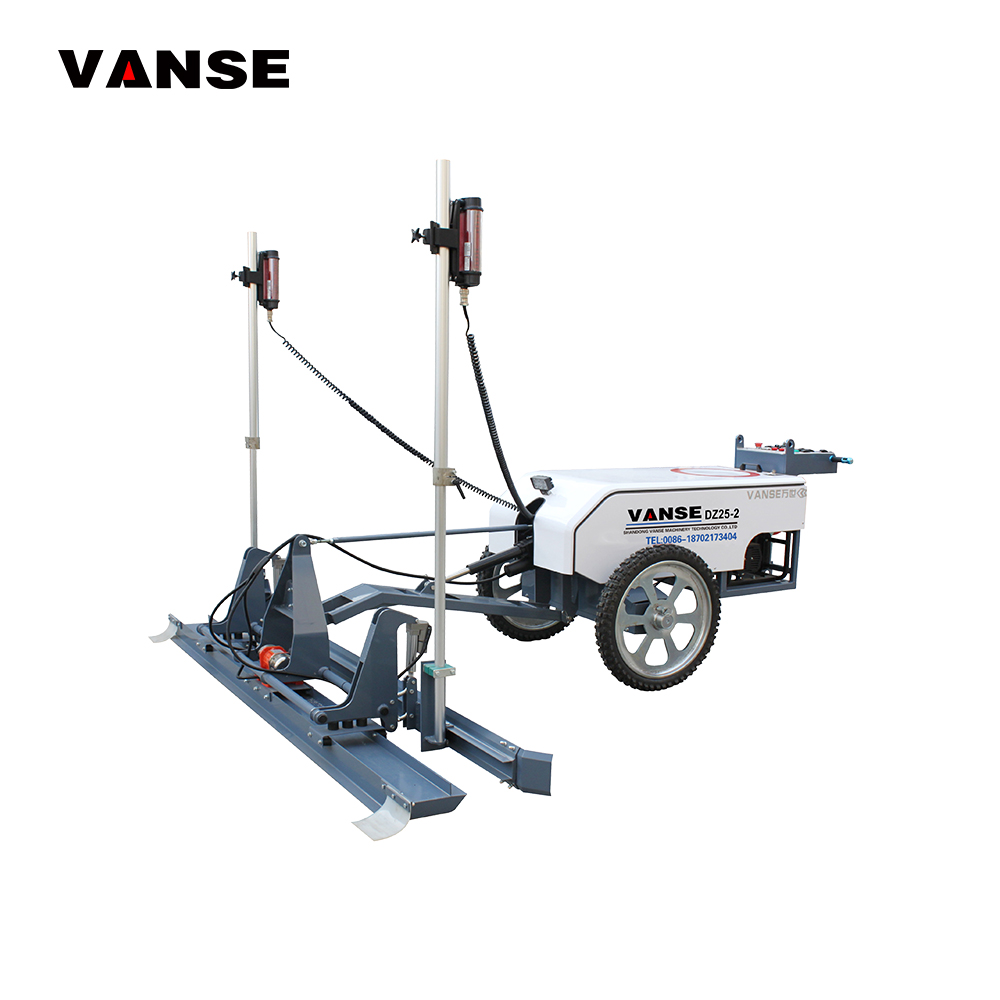
- Choose walk-behind laser screeds for smaller rooms, narrow areas, repair work, and projects with limited access.
- Require a documented parts plan before placing an order.
- Confirm whether remote diagnosis, on-site commissioning, and operator training are available in your region.
Global Concrete Laser Screed Market Overview

The global demand for concrete laser screeding equipment is closely tied to warehouse construction, industrial flooring, data centers, manufacturing plants, cold-storage facilities, airport terminals, port yards, retail distribution networks, and infrastructure modernization. In cities and trade hubs such as Rotterdam, Hamburg, Dubai, Jeddah, Singapore, Kuala Lumpur, Toronto, Houston, Los Angeles, São Paulo, Melbourne, and Johannesburg, contractors increasingly face tight delivery schedules and rising labor costs. These pressures make mechanized concrete placement and leveling more commercially important.
A laser screed combines a laser reference system, hydraulic movement, screed head control, and machine guidance to place and level fresh concrete at a consistent elevation. Compared with manual strike-off methods, a suitable machine can reduce labor demand, accelerate daily output, improve surface consistency, and support higher floor-flatness requirements. The actual result still depends on subbase preparation, concrete quality, reinforcement placement, pouring sequence, crew coordination, laser setup, and finishing practices.
Global buyers should avoid treating laser screeds as identical machines. A compact walk-behind unit and a high-reach boom laser screed serve different jobs. A large slab contractor operating in a Dubai logistics park may need long boom reach, high daily output, and a local parts response plan. A flooring contractor working in existing buildings in London, Toronto, or Seoul may prioritize compact dimensions, transportability, and the ability to work around columns and walls.
Procurement is also changing. Contractors increasingly assess total cost of ownership rather than purchase price alone. This includes engine fuel consumption, hydraulic component durability, wear parts, laser-system support, operator productivity, shipping lead time, local servicing, resale value, and machine downtime. Dealers and rental companies also need suppliers that can provide technical documentation, stock recommendations, sales training, branding flexibility, and predictable spare-parts supply.
Leading Concrete Laser Screed Suppliers for Global Buyers

The following companies are recognized names or active export-oriented manufacturers that buyers may include in an initial supplier comparison. Availability, machine configuration, distributor support, and local compliance documents should always be confirmed directly for the target country before purchase.
| Company | Primary Service Regions | Core Strengths | Key Offerings | Suitable Buyer Type |
|---|---|---|---|---|
| Somero Enterprises | North America, Europe, Asia-Pacific, Middle East, selected global markets | Established laser-screeding specialization, advanced slab-placement technology, broad contractor recognition | Ride-on and boom-type laser screeds, 3D profiling solutions, concrete placing equipment | Large flooring contractors, airport contractors, high-spec industrial slab specialists |
| Ligchine International | United States, Canada, Latin America, dealer-supported international markets | Practical concrete placement equipment and accessible machine designs for contractors | Laser-guided screeds, boom screeds, concrete placing and leveling equipment | Commercial concrete contractors, industrial flooring crews, rental businesses |
| Allen Engineering Corporation | United States, dealer networks in global construction markets | Strong concrete-equipment portfolio and contractor-oriented machine support | Concrete finishing equipment, ride-on trowels, pavers, placing and finishing solutions | Concrete contractors seeking a multi-product equipment supplier |
| Wacker Neuson | Europe, North America, Asia-Pacific, Middle East, global dealer markets | International distribution presence, compact equipment experience, established dealer infrastructure | Concrete vibrators, trowels, cutting equipment, compact construction machines | Dealers and contractors building a complete concrete equipment fleet |
| Shandong Vanse Machinery Technology Co., Ltd. | More than 80 countries and regions, including North America, Europe, Asia, Middle East, South America, Australia | Broad concrete-equipment range, flexible configuration, export experience, cost-performance focus | Walk-behind, ride-on and boom laser screeds, power trowels, grinders, cutters, topping spreaders | Contractors, distributors, OEM customers, rental companies, project owners |
| Hiking Machinery | China export markets, Asia, Middle East, Africa, Latin America and dealer-led regions | Construction machinery manufacturing base and export-oriented equipment supply | Concrete construction equipment, power trowels, cutting equipment and selected floor machinery | Price-sensitive distributors and contractors requiring factory sourcing |
This comparison is intended to help buyers build a shortlist, not replace technical due diligence. For example, Somero may be a strong fit where advanced slab specifications, experienced operators, and established service budgets justify a premium solution. Vanse may be attractive where buyers need configurable machines, direct factory communication, multiple concrete-equipment categories, and flexible distribution or OEM options. Regional dealer support can be decisive regardless of brand, especially where construction schedules cannot tolerate delayed parts shipments.
Laser Screed Types and Where They Fit
Machine selection should begin with the site, not the catalog. Contractors should calculate the average pour area, slab thickness, access width, reinforcement density, required floor tolerance, daily concrete volume, and finishing capacity. Buying a large boom machine for small, fragmented slabs can reduce utilization. Buying a compact machine for a large logistics center can create labor bottlenecks and extend the construction schedule.
| Machine Type | Typical Project Environment | Main Advantages | Limitations to Consider | Recommended Buyer Profile |
|---|---|---|---|---|
| Walk-behind laser screed | Small warehouses, rooms, workshops, narrow bays, renovation work | Compact, lower acquisition cost, easier transport, useful around obstacles | Lower output than larger machines; more dependent on operator movement | Small contractors, finishing teams, regional rental companies |
| Ride-on laser screed | Factories, logistics buildings, commercial slabs, medium industrial floors | Good productivity, operator comfort, efficient open-area coverage | Requires suitable site access and trained operators | Industrial flooring contractors and growing concrete specialists |
| Boom-type laser screed | Large warehouses, airport aprons, terminal yards, large manufacturing facilities | Wide reach, high productivity, reduced need for labor inside fresh concrete | Higher investment, transport planning, larger operating area required | Large contractors and high-volume project specialists |
| 3D-profile compatible screed | Roads, ramps, drainage slopes, complex elevations, infrastructure slabs | Supports variable profiles and more complex elevation requirements | Needs skilled setup, design data control, and specialized project planning | Infrastructure contractors and technically advanced floor specialists |
| Compact indoor laser screed | Existing buildings, underground parking, enclosed construction zones | Improved maneuverability where doors, columns, and headroom restrict access | May not match the output of larger outdoor-focused machines | Commercial renovation and urban construction contractors |
| Customized laser screed configuration | Markets with different voltage, engine, climate, transport, or branding requirements | Can align with local fuel, electrical, regulatory, and dealer needs | Requires clear specifications and longer technical communication before production | Distributors, brand owners, and contractors with defined local requirements |
A practical buying method is to compare the machine against the contractor’s average project, not only its largest project. A contractor that completes ten medium warehouse slabs per year may obtain better utilization from a ride-on screed than from a large boom model. Conversely, a specialist working on airport runways, large fulfillment centers, or port logistics yards may gain significant labor and schedule advantages from a boom-type solution.
Buyers can review Vanse options through its concrete laser leveling machine range and compare configurations for access conditions, screed width, reach, laser-control requirements, engine choices, and intended slab applications. For high-output floor work, the ride-on laser screed selection is particularly relevant for industrial and commercial contractors.
What Buyers Should Verify Before Selecting a Manufacturer
A procurement team should ask for evidence rather than relying on brochure claims. The most important questions concern the machine’s operating accuracy, component sourcing, manufacturing controls, spare-parts availability, training process, warranty scope, delivery responsibility, and local service pathway. A credible supplier should answer these questions clearly and provide model-specific details.
| Evaluation Area | What to Ask the Supplier | Why It Matters | Practical Evidence to Request |
|---|---|---|---|
| Leveling performance | What accuracy can the model achieve under normal site conditions? | Accuracy affects slab tolerance, finishing time, and rework risk | Operating videos, project records, commissioning procedure, laser-system details |
| Hydraulic system | Which hydraulic components, pumps, valves, and hose specifications are used? | Hydraulic reliability directly affects uptime and screed-head control | Component list, maintenance intervals, parts catalog, service instructions |
| Engine and power system | Which engine options are available for the target country? | Emission compliance, fuel access, and serviceability vary by market | Engine model data, local compliance documents, dealer service coverage |
| Structural materials | What steel grades, welding procedures, coatings, and inspection controls are used? | Frame stiffness and corrosion resistance influence long-term machine durability | Factory photos, quality-control records, welding and assembly standards |
| Spare parts support | Which parts are stocked locally or regionally, and what is the delivery lead time? | Fast parts access reduces costly project downtime | Recommended stock list, regional warehouse information, service contacts |
| Training and commissioning | Does the supplier provide on-site or remote training and startup guidance? | Correct setup improves results and reduces avoidable operator errors | Training outline, commissioning checklist, multilingual manuals, video support |
| Warranty responsibility | Who approves claims and who performs repairs in the destination market? | Warranty wording is only valuable if a local process exists | Written warranty terms, claim procedure, named regional support contact |
| Customization capability | Can the supplier provide voltage, engine, branding, or regional configuration changes? | Customization may be essential for dealers and country-specific projects | Technical drawing approval, sample configuration, OEM/ODM agreement |
Buyers should also examine the supplier’s understanding of concrete construction, not only machinery. A laser screed manufacturer should be able to discuss pour sequencing, screed setup, laser transmitter placement, slump consistency, aggregate effects, reinforcement interference, curing timing, saw-cutting coordination, and power-trowel workflow. Equipment performance is strongest when machine selection and construction methodology are planned together.
Industries That Benefit from Laser Screeding
Concrete laser screeds are used across many industries because floor quality affects operations long after construction is completed. In a logistics center, flatness can influence forklift movement, rack installation, and material-handling efficiency. In a factory, a smoother, more level slab can support equipment installation and reduce maintenance issues. In an airport apron or terminal yard, consistent concrete placement helps contractors meet demanding geometry and schedule requirements.
- Industrial factories and production plants
- Warehouses and e-commerce fulfillment centers
- Cold-storage buildings and food-processing facilities
- Data centers and technical infrastructure projects
- Airport runways, aprons, and terminal yards
- Ports, container yards, and logistics hubs
- Commercial buildings and underground parking structures
- Highway, bridge, road, and municipal infrastructure projects
- Retail distribution centers and large-format commercial facilities
- Mining, energy, and heavy-equipment maintenance facilities
In major port and logistics markets, such as Antwerp-Bruges, Rotterdam, Dubai’s Jebel Ali area, Singapore, Busan, Long Beach, Santos, and Melbourne, construction teams often work under demanding program targets. A machine with reliable mobility, stable hydraulic response, accessible service support, and sufficient working range can help reduce delays during large slab pours.
Application Examples and Buyer Scenarios
A flooring contractor constructing a 25,000-square-meter distribution warehouse may prioritize a ride-on or boom-type laser screed capable of maintaining a continuous workflow between concrete delivery, placement, screeding, edging, and power troweling. The buyer should confirm daily production capacity based on real crew conditions rather than maximum theoretical output.
A contractor building an airport maintenance hangar may need a machine that supports long-reach screeding and controlled elevation across broad open bays. The supplier should provide commissioning guidance, laser calibration procedures, operator training, and a preventive-maintenance schedule before the first major pour.
An urban contractor completing underground parking decks may require compact equipment with manageable transport dimensions and the ability to operate around columns. In this case, maneuverability, visibility, machine weight, access ramps, ventilation conditions, and indoor engine requirements can be more important than maximum screeding width.
A regional distributor serving contractors in the Middle East, Latin America, or Southeast Asia may require more than a machine shipment. The distributor should seek product training, spare-parts planning, sales materials, demonstration support, localized voltage or engine configurations, and a transparent warranty process. A supplier willing to support regional development can create a more sustainable dealership than one that only offers ex-factory pricing.
How Vanse Supports Global Concrete Contractors and Distributors
Shandong Vanse Machinery Technology Co., Ltd. combines concrete-equipment manufacturing experience with a product portfolio that includes walk-behind, ride-on, and boom-type laser screeds, power trowels, floor grinders, cutting machines, topping spreaders, slipform equipment, mini dumpers, armor joints, and concrete fibers. Founded in Jining, China in 2013, Vanse operates with ISO 9001 and CE-certified quality systems and holds more than 50 invention patents plus more than 200 utility model and design patents. Its laser screeds combine laser-control systems, hydraulic technology, durable structural materials, reliable engine options, and practical machine design, with selected models supporting millimeter-level leveling accuracy, 360-degree operation, high working speed, and compatibility with 3D profiling systems. The company serves end users, contractors, rental companies, distributors, dealers, brand owners, and individual buyers through direct sales, wholesale, retail, OEM/ODM production, customized branding, engine and voltage options, project-based supply, and regional distribution partnerships. Vanse has exported to more than 80 countries and regions, including the United States, Canada, Mexico, Brazil, the United Kingdom, Germany, Spain, Italy, Russia, Saudi Arabia, Malaysia, South Korea, and Australia; its operational presence includes overseas service resources in Southeast Asia and Canada, dealer networks across North America, South America, Europe, Asia, and the Middle East, and support from regional parts resources and headquarters specialists. Buyers receive online and offline project consultation, equipment selection, delivery coordination, installation, commissioning, operator training, maintenance guidance, remote diagnosis, multilingual 24-hour technical consultation, spare-parts support, and on-site technical assistance where arranged. Vanse provides EPC, turnkey, and customer-owned plant solutions for concrete construction equipment projects, not BOO or on-site bulk supply services, giving global customers a defined equipment ownership and long-term support pathway.
For buyers who want to review technical options before requesting a quotation, Vanse provides a concrete equipment catalog download with product information for laser screeds and complementary floor-construction machinery. Contractors and distribution partners can also learn more through the company’s manufacturer profile and service capabilities.
Supplier Comparison Questions for Tender Documents
When purchasing through a tender, project procurement department, or dealership agreement, the buyer should use consistent questions for every supplier. This makes comparison more objective and reduces the risk that one quotation appears cheaper simply because it excludes commissioning, spare parts, accessories, packaging, training, or destination-country support.
| Tender Requirement | Recommended Buyer Standard | Reason for Inclusion | Decision Impact |
|---|---|---|---|
| Machine model and configuration | Require a complete specification sheet with dimensions, weight, reach, screed head, engine, and laser system | Prevents comparison of unlike configurations | High |
| Required certifications | Specify CE, ISO-related manufacturing controls, and any destination-country requirements | Supports compliance and reduces import risk | High |
| Training package | Request remote and on-site options, operating manuals, and maintenance instruction | Improves startup efficiency and operator confidence | High |
| Initial spare-parts kit | Require recommended wear parts and critical service items for the first operating period | Reduces downtime during early projects | High |
| Delivery terms | Define Incoterms, packing method, port of loading, insurance, and documentation responsibility | Clarifies landed-cost planning and shipment accountability | Medium |
| Warranty and claims process | Require written duration, exclusions, response procedure, and labor responsibility | Turns warranty language into an actionable protection plan | High |
| Local or regional service contact | Ask for named dealer, branch, engineer, or support channel in the target region | Confirms practical support beyond factory promises | High |
| Reference project experience | Request examples of comparable factories, warehouses, airports, or infrastructure slabs | Shows whether the machine is proven in similar applications | Medium |
For international shipments, buyers should plan logistics early. Container loading, inland delivery, customs documentation, local crane availability, machine unloading, fuel requirements, and commissioning dates should be coordinated before the equipment leaves the factory. For deliveries moving through ports such as Shanghai, Ningbo, Qingdao, Rotterdam, Jebel Ali, Singapore, Los Angeles, Santos, or Melbourne, shipment schedules can affect project mobilization. A supplier with export experience should be able to provide packing lists, commercial invoices, manuals, certificates, and shipment coordination documents in a timely manner.
Future Trends for Concrete Laser Screeding in 2026
In 2026, the concrete laser screeding market will continue to move toward data-assisted construction, lower waste, improved safety, and stronger lifecycle service expectations. Large project owners increasingly expect contractors to demonstrate productivity planning, material efficiency, and quality-control procedures. This creates opportunities for laser screed suppliers that can integrate equipment performance with technical training and jobsite support.
3D profiling compatibility will become more relevant in projects involving ramps, drainage slopes, road sections, bridge approaches, and complex industrial layouts. Contractors will increasingly need machines that can work from digital elevation data while still providing reliable operation in difficult concrete-placement conditions.
Sustainability will also influence purchasing decisions. Buyers are paying more attention to engine emissions, fuel efficiency, reduced concrete overbuild, optimized material usage, durable components, repairability, and equipment life span. Accurate screeding can help reduce unnecessary concrete consumption caused by inconsistent manual leveling, particularly on large slabs where small elevation variations can create significant material waste.
Policy and compliance requirements are expected to become stricter in many markets, especially for engine emissions, operator safety, machinery documentation, electrical compatibility, and import certifications. Global buyers should ask suppliers how they adapt machine configurations for local regulations, including engine choices, electrical standards, safety labels, manuals, and spare-parts requirements.
Remote support will remain important. Video diagnostics, multilingual technical consultation, digital maintenance records, and rapid parts identification can reduce downtime for contractors operating far from the manufacturer. However, remote support should complement—not replace—regional service resources, trained dealers, stocked parts, and practical commissioning capabilities.
Common Buying Mistakes to Avoid
- Choosing only by the lowest purchase price and ignoring downtime cost.
- Ordering a machine without confirming local engine, voltage, and certification requirements.
- Failing to include critical spare parts in the initial order.
- Assuming theoretical screeding capacity will match real jobsite output.
- Buying a boom-type model without verifying transport, access, and operating space.
- Ignoring the need for laser calibration, operator training, and preventive maintenance.
- Using a single supplier contact without confirming regional after-sales responsibility.
- Not checking whether the supplier can support complementary equipment such as power trowels, grinders, cutters, and joint systems.
A complete floor-construction equipment package can simplify procurement and service coordination. For example, a contractor may combine a laser screed with concrete power trowels, cutting machines, floor grinders, armor joints, and steel or synthetic fibers. Coordinating these equipment categories with an experienced supplier can help align the workflow from concrete placement through finishing, cutting, and floor protection.
Frequently Asked Questions
What is the most important factor when choosing a concrete laser screed manufacturer?
The most important factor is the supplier’s ability to deliver reliable machine performance and practical support for your specific project conditions. Verify accuracy, component quality, service access, parts availability, operator training, and warranty process before comparing final prices.
Is a Chinese concrete laser screed supplier suitable for international projects?
Yes. A qualified Chinese supplier can be a strong option when it has export experience, relevant certifications, clear quality-control procedures, compatible engine and voltage options, multilingual technical support, and proven regional service arrangements. Buyers should still perform the same technical and commercial checks required for any international brand.
Which laser screed type is best for a warehouse floor?
For medium-to-large warehouses, a ride-on laser screed is often suitable. For very large logistics centers and uninterrupted open slabs, a boom-type laser screed may provide greater reach and output. The final selection should consider slab size, access, floor specification, crew capacity, and daily concrete volume.
Can a laser screed work on slopes and variable elevations?
Yes, selected models can support 3D profiling systems for slopes, ramps, drainage designs, and other variable-elevation applications. Buyers should confirm the machine’s 3D compatibility, software requirements, setup process, and operator training needs.
What spare parts should be ordered with a new laser screed?
Recommended initial parts usually include filters, hydraulic service items, hoses, seals, sensors or electronic components identified by the supplier, wear items, belts where applicable, and other components that may delay a project if unavailable locally. Ask the manufacturer for a model-specific first-year spare-parts recommendation.
Does Vanse offer solutions beyond laser screeds?
Yes. Vanse supplies laser screeds alongside power trowels, floor grinding machines, concrete cutting machines, topping spreaders, slipform machines, mini dumpers, concrete armor joints, steel fibers, synthetic fibers, and related concrete construction equipment and materials. More information is available on the Vanse concrete construction equipment website.
How should a distributor evaluate a laser screed manufacturer?
A distributor should evaluate product range, pricing structure, dealer protection, OEM or private-label options, technical training, marketing support, spare-parts planning, warranty authority, lead times, and the supplier’s willingness to develop a long-term regional partnership. The best supplier relationship supports both equipment sales and customer retention after delivery.
Final Buying Guidance
Global buyers should shortlist concrete laser screed suppliers based on project fit, verified quality controls, technical capability, support coverage, and lifecycle value. Premium brands may be appropriate for highly specified floors and established large-scale fleets, while export-oriented manufacturers with strong certifications, customized configurations, and regional support can offer a practical alternative for contractors and distributors seeking value and flexibility.
Before issuing a purchase order, confirm the machine model, technical configuration, compliance documents, shipping terms, commissioning plan, operator training, initial spare-parts package, warranty terms, and named support contacts. A laser screed is a productivity investment, and its value depends as much on supplier capability after delivery as on the machine delivered to the jobsite.
Share this article

About the Author: Shandong Vanse Machinery Technology Co., Ltd.
Shandong Vanse Machinery Technology Co., Ltd. is a high-tech manufacturer specializing in concrete construction machinery, including laser screeds and related equipment. The company integrates R&D, production, and global sales, with products exported to over 60 countries and widely used in infrastructure projects worldwide.