Technical Knowledge
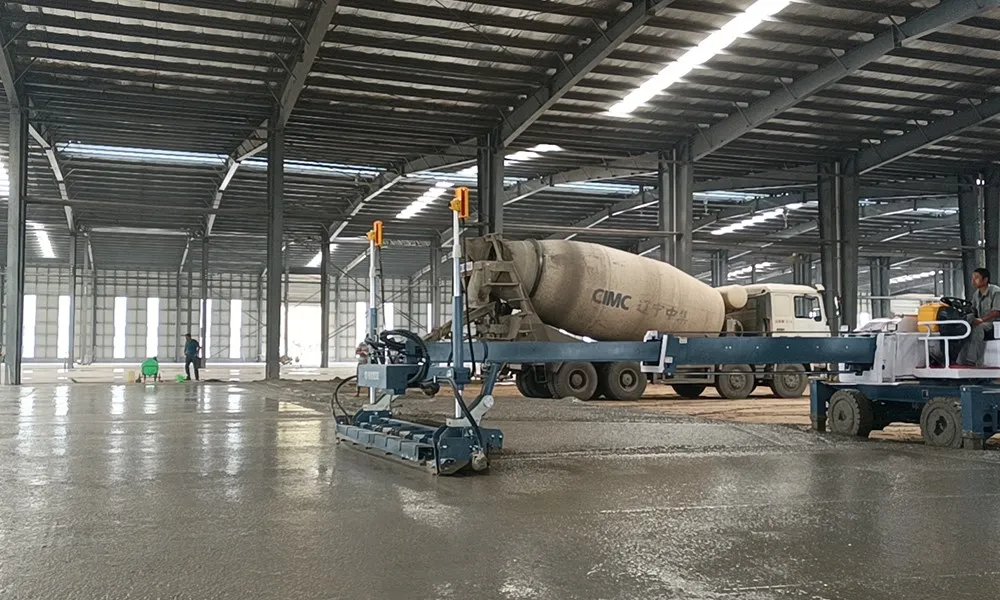
Construction quality control and management of concrete laser leveling machine
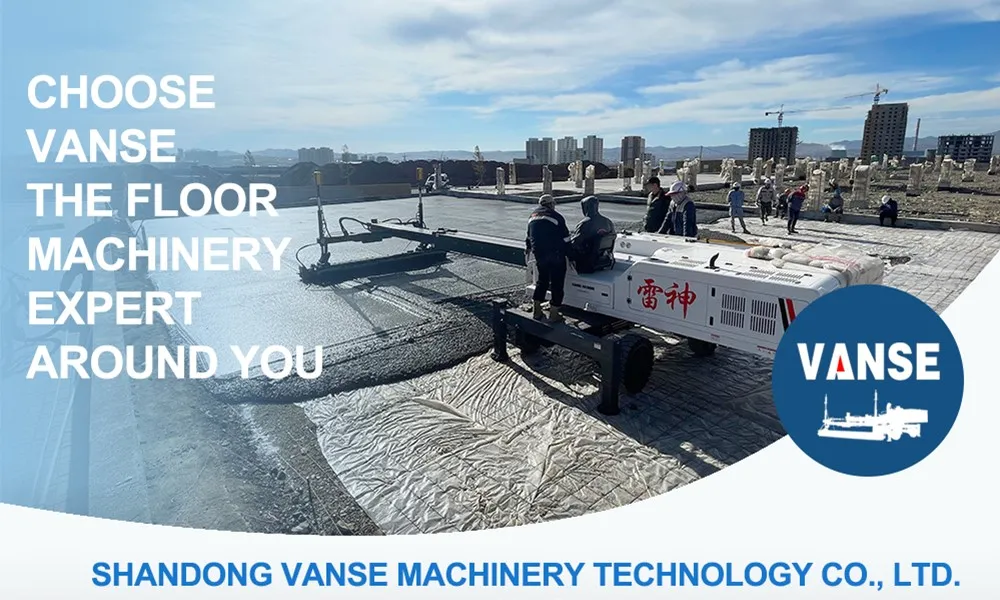
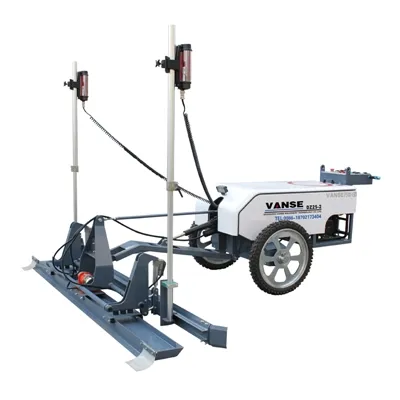
The construction quality control and management of concrete laser leveling mainly involves the following aspects:
1. Equipment selection and calibration
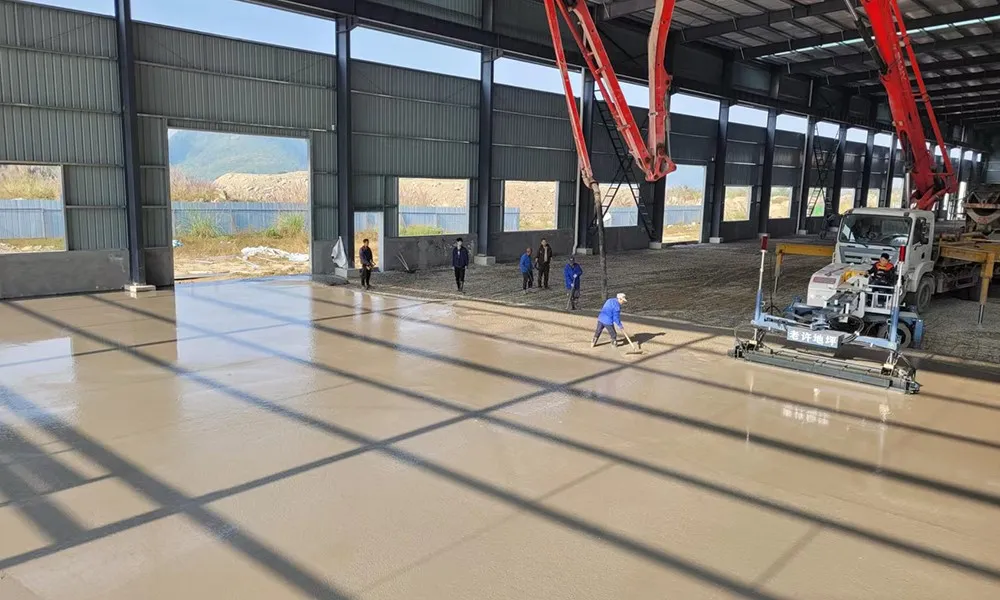
First of all, choosing a qualified concrete laser leveler is the basis for ensuring construction quality. It is necessary to ensure that the selected equipment can meet various requirements of construction, including accuracy, stability, durability, etc. After the equipment arrives at the construction site, it must be carefully unpacked and inspected to ensure that all parts are intact, and preliminary debugging and calibration must be carried out in accordance with the instructions.
2. Operator training
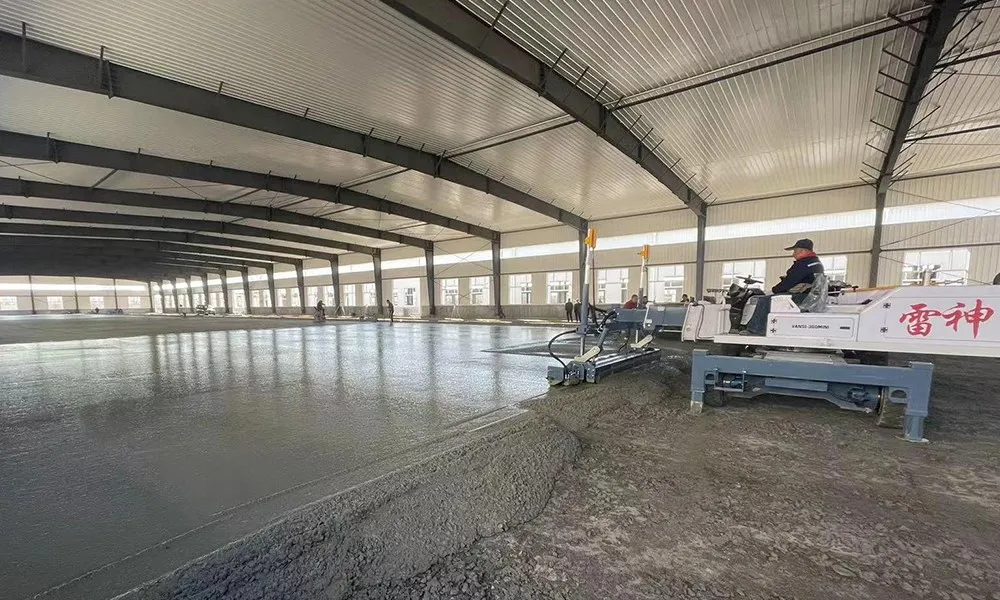
Operating a concrete laser leveling requires professional skills and experience, so operators must be rigorously trained. The training content includes the basic principles of equipment, operating procedures, safety precautions, fault diagnosis and troubleshooting, etc. Only operators who have been trained and obtained certificates can perform actual operations.
3. Construction process quality control
Pre-construction quality control:
This includes inspection of the construction environment to ensure it is dry, ventilated and dust-free. At the same time, concrete raw materials must be strictly controlled to ensure that their quality meets construction requirements.
Quality control during construction:
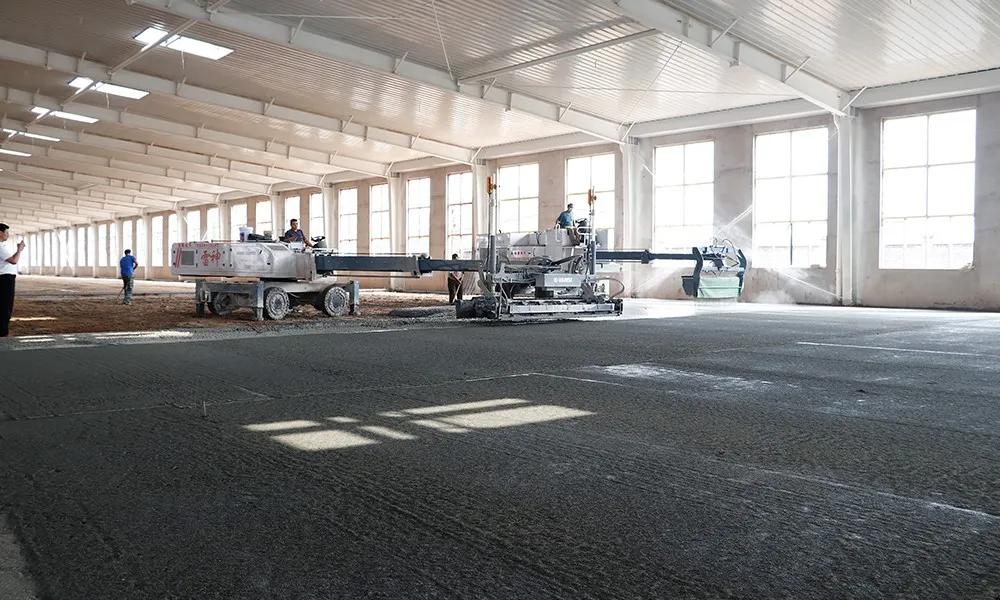
This is mainly to control the operation process of the concrete laser leveling machine. Operators are required to strictly abide by operating procedures and carry out construction according to preset parameters. At the same time, a dedicated person must supervise the construction process to ensure correct operation.
Post-construction quality control:
After the construction is completed, the concrete surface should be inspected for quality, including surface flatness, smoothness, etc. Any areas that do not meet the requirements must be dealt with promptly and leveled again.
4. Acceptance standards
Acceptance standards are an important basis for measuring construction quality. For concrete laser leveling machine construction, the acceptance criteria mainly include the following aspects:
Concrete surface flatness:
This is the most basic acceptance standard, which requires that the concrete surface has no obvious undulations and the overall flatness meets the design requirements.
Concrete surface finish:
Good finish can reduce friction on the concrete surface and improve performance. The concrete surface is required to be smooth and flawless during acceptance.
Construction accuracy:
For high-precision construction projects, the accuracy of the concrete laser leveler must meet the design requirements. During acceptance, the construction accuracy should be measured to see whether it meets the design standards.
Equipment stability:
The stability of the equipment must be checked during acceptance, including the operation stability and working status stability of the equipment.
Equipment reliability:
During acceptance, the reliability of the equipment should be checked to see whether the equipment is prone to failure and whether each component of the equipment can operate stably.
Economy:
Th
e economy of using the concrete laser leveling is also an important acceptance criterion. Economical use mainly refers to whether the energy, material and other costs consumed by the equipment during the construction process are reasonable. During acceptance, the economics of the equipment should be evaluated to see whether it meets the requirements of economic benefits.
Safety:
During acceptance, the safety of the equipment must also be checked, including whether the safety protection measures of the equipment are complete and whether the operators have safety awareness. In addition, it should be ensured that the noise and vibration of the equipment are within an acceptable range and will not affect the surrounding environment and personnel.
Environmental protection:
The environmental performance of the equipment must also be considered during acceptance. Concrete laser levelings may produce pollution such as dust and noise during the construction process. Therefore, it is necessary to ensure that environmental factors are considered during the design process of the equipment to minimize environmental pollution.
5. Quality inspection and maintenance
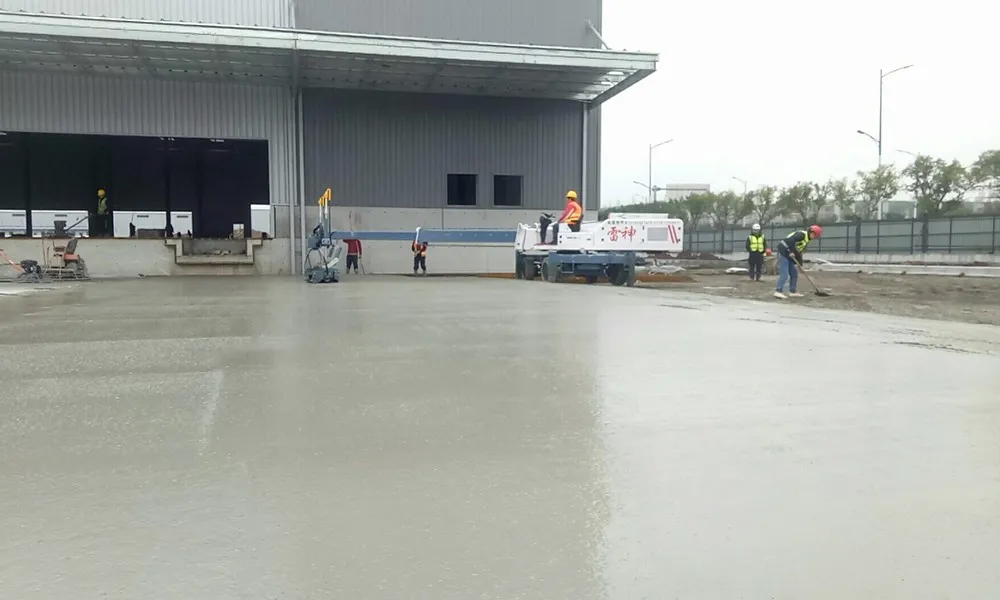
During and after the construction process, the concrete laser leveling machine should be regularly inspected and maintained for quality. Quality inspection mainly includes inspection of the equipment's operating status, working accuracy, concrete quality, etc. Maintenance mainly includes daily maintenance, regular inspection and repair of the equipment.
6. Recording and archiving
During the construction process, various construction parameters, operating procedures, problems and solutions should be recorded. These records can provide a basis for acceptance and quality inspection, and are also an important reference for equipment maintenance and improvement. Records should be organized into files and properly preserved for subsequent review and reference.
In summary, the construction quality control and management of concrete laser leveling machines need to be comprehensively considered and implemented from multiple aspects such as equipment selection, personnel training, construction process control, acceptance standard formulation, quality inspection and maintenance, and record archiving. Only in this way can the construction quality of the concrete laser leveling be ensured and the overall quality and efficiency of the project improved.
Thanks to All the Friends Who Support and Trust Shandong Vanse Machinery Technology Co., Ltd.
If you want to know more about Shandong Vanse Machinery Technology Co., Ltd. or have any questions, please feel free to contact us:
Our Factory
Shandong Vanse Machinery Technology Co., Ltd.








Share this article

About the Author: Shandong Vanse Machinery Technology Co., Ltd.
Shandong Vanse Machinery Technology Co., Ltd. is a high-tech manufacturer specializing in concrete construction machinery, including laser screeds and related equipment. The company integrates R&D, production, and global sales, with products exported to over 60 countries and widely used in infrastructure projects worldwide.
Previous Post
Next Post
Related Articles
You Might Also Like
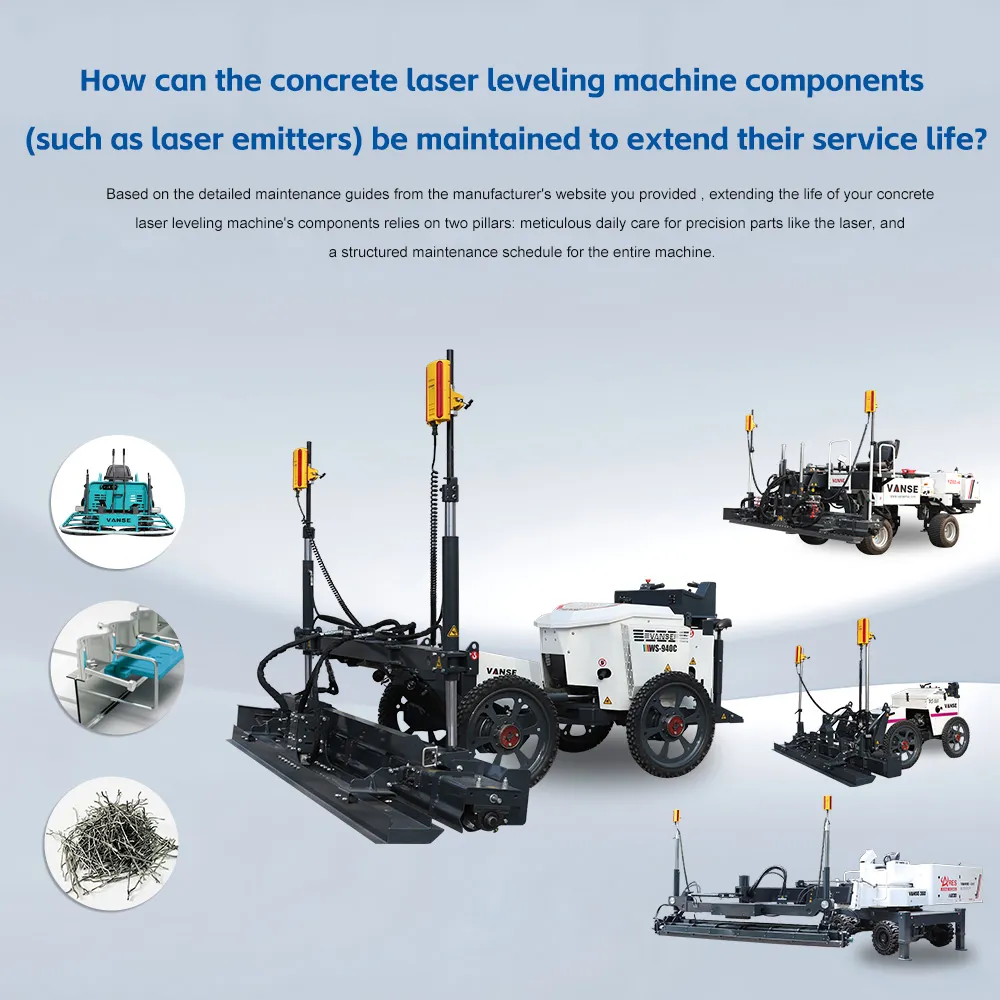
How can the concrete laser leveling machine components (such as laser emitters) be maintained to extend their service life
Based on the detailed maintenance guides from the manufacturer's website you provided , extending the life of your concrete laser leveling machine's components relies on two pillars: meticulous daily care for precision parts like the laser, and a structured maintenance schedule for the entire machine. Here is a practical guide focused on the key components you asked about. The laser emitter and receiver are the most sensitive parts. Their maintenance revolves around cleanliness, careful handling, and regular accuracy checks . Component Daily Care Essentials Calibration & Advanced Care Laser Emitter Clean the lens gently after each use with special lens paper or a blower ever use rough materials . Perform a self-check before key projects: Set it up, allow it to self-level, then verify accuracy by checking beam height at two distances (e.g., 5m and 15m). The height difference should be near zero . Check laser tube brightness every 300-500 hours. Replace if the beam is weak or range shortens . Wipe the body with a dry cloth . Always store in its dedicated, foam-padded box to prevent shock . Use and store in a cool, dry place . Manage battery: Avoid deep discharge; charge every 1-2 months during long storage . Laser Receiver & Sensors Keep the sensor lens clean and free of mud . Perform linkage calibration: After the emitter is set, calibrate the receiver with the control panel. Slowly raise/lower the receiver rod and record the "high" and "low" points so the machine responds correctly . Adjust sensitivity based on site conditions (e.g., higher in bright sunlight) for optimal signal capture . Secure the mounting to prevent loosening from vibration . Handle the receiver rod carefully to avoid bending . Inspect cables daily for damage or loose connections, as these cause signal issues . To keep the laser system and the rest of the machine in top condition, follow a maintenance plan based on operating hours. The table below integrates recommendations from your provided sources . Frequency Key Actions for Longevity Daily (After Each Use) Thoroughly clean all concrete residue from the Leveling head, vibrator, frame, and especially the laser components . Inspect for leaks, loose bolts, and any visible damage . Grease all pivot points and bearings to prevent wear . Weekly (~50 Hours) Check and clean/replace the engine air filter . Inspect hydraulic oil level and condition; check for leaks in hoses and connections . Check tire pressure/wear or track tension and condition . Tighten all exposed bolts and nuts, especially on vibrating parts . Monthly (~250 Hours) Clean or replace the hydraulic tank's breather filter . Inspect the electrical system: battery terminals, wiring for wear . Calibrate the laser system to ensure construction accuracy . Inspect structural components like the frame and Leveling for cracks or deformation . Quarterly/Semi-Annually (~500-1000 Hours) Replace hydraulic oil and all filters (suction, return, pressure) . Perform full engine maintenance: change oil, oil filter, fuel filter . Conduct an in-depth inspection of hydraulic pumps, motors, and cylinders for wear . Clean Before Hardening: The most important rule is to wash off concrete slurry before it hardens. Cured concrete is extremely difficult to remove and will quickly damage moving parts and affect machine balance . Keep Records: Maintain a logbook of all maintenance, calibrations, and part replacements. This helps track the equipment's health and plan future servicing . Treat with Care: Always handle the laser components as you would a precision camera lens. Their accuracy depends on it . For Long-Term Storage: If the machine won't be used for over a month, clean it thoroughly, apply rust protection to exposed metal, disconnect the battery, and store it in a dry place . By integrating this laser-specific care into a comprehensive maintenance routine, you ensure the entire machine works harmoniously for years to come. If you are using a specific model from the Vanse series (like the DZ25-2 or WS550 you saw earlier) and need model-specific advice, feel free to ask. Contact us NOW Note: The parameters provided in this document are for reference only and are not mandatory. Due to differences in technical characteristics between different brands and models of laser levelers, please consult the manufacturer for a suitable solution before actual operation. This reference document assumes no responsibility for any issues arising from failure to follow the manufacturer's instructions.Precautions for Using Power Trowels in Epoxy Floor Substrate Preparation
In epoxy flooring construction, power trowels are primarily used for smoothing and leveling the concrete substrate. It is crucial to note that the requirements for the substrate in epoxy flooring differ significantly from those for ordinary hardened floors. While ordinary floors strive for a "shinier, better" finish, improper substrate preparation for epoxy flooring (such as excessive burnishing) can lead to delamination and peeling later on. The following are key precautions for using power trowels in epoxy floor substrate preparation: This is the most important point. Problem: High-speed power trowels at large blade angles can create a "singeing" or "smoothing" effect, forming an extremely dense, hard, and smooth metallic sheen layer (sealing layer) on the concrete surface. Consequence: This dense film seals the concrete's pores, preventing epoxy primer from penetrating and resulting in extremely poor adhesion. The flooring is prone to peeling off in large sections later on, almost like "peeling off" the skin. Consequence: This dense film seals the concrete's pores, preventing epoxy primer from penetrating and resulting in extremely poor adhesion. The flooring is prone to peeling off in large sections later on, almost like "peeling off" the skin. Recommendation: Only perform moderate polishing. Ensure a smooth surface, but maintain some microporous structure (presenting a matte or slightly textured finish). During the use of a power trowel, workers may spray curing agents to prevent excessive moisture evaporation. Note: Most oil-based or silicone-based curing agents are incompatible with epoxy resin. If curing is necessary, please use a water spraying method, or confirm that the curing agent is "removable" or "epoxy-compatible." Epoxy flooring is typically thin (1mm – 5mm), and it cannot conceal unevenness in the subfloor like a cement leveling layer. Procedure: Initial leveling must be performed using **float pans** to eliminate waviness during paving. Standard: For precision epoxy flooring, the smoothness error within a 2-meter straightedge range should be ≤ 2mm – 3mm. If the surface is not leveled during the troweling stage, expensive epoxy mortar will be required for later leveling. Blade Angle: Maintain a small blade angle. A larger angle results in more concentrated pressure, making it easier to create an overly dense finish. Intervention Timing: Finish the finishing process slightly earlier than for regular floor finishing. Stop the machine as soon as the surface is smooth and there are no obvious blade marks. Edge Treatment: Corners and column edges that the power trowel cannot reach must be smoothed by hand with a trowel; otherwise, these protrusions will be difficult to remove with a sander later. Even with a perfect trowel finish, surface preparation using a grinder or shot blaster is essential before applying the epoxy primer. Purpose: To thoroughly remove the laitance layer created by the trowel, exposing the internal sand-grain structure (similar to the texture of coarse sandpaper), achieving CSP 2-3 (concrete surface roughness grade) standards. If you are working as a base coat for epoxy flooring, the goal of using a power trowel is to achieve a **smooth, not glossy** finish. Is your current work environment an indoor factory or an outdoor parking lot? Different environments have different requirements for the moisture content and strength (C25/C30) of the base coat. I can provide you with more detailed advice. Note: The parameters provided in this document are for reference only and are not mandatory. Due to differences in technical characteristics between different brands and models of laser levelers, please consult the manufacturer for a suitable solution before actual operation. This reference document assumes no responsibility for any issues arising from failure to follow the manufacturer's instructions.Is there a big difference between hardened floors and ordinary concrete floors?
Hardened floors and ordinary concrete floors are two types of flooring materials commonly used in modern-day construction. While they may look similar, these materials have significant differences that set them apart. In this article, we'll explore the key differences between hardened floors and ordinary concrete floors and why hardened floors are a better option for industrial and commercial facilities. What are hardened floors? Hardened floors are concrete floors that have undergone a specialized process to increase their hardness and durability. This is typically done by adding a surface hardener or a densifier to the concrete mix and then grinding and polishing the surface to a high gloss or matte finish. Hardened floors are available in a vast range of colors and designs, making them a popular flooring choice in commercial and industrial applications. Benefits of hardened floors Improved durability One of the most significant benefits of hardened floors is their improved durability compared to ordinary concrete floors. Hardened floors are much harder and denser than standard concrete flooring, making them resistant to wear and tear caused by heavy foot traffic, vehicle traffic, and machinery. They are also highly resistant to chemicals and staining, which makes them an excellent option for industrial and manufacturing facilities. Easy maintenance Another benefit of hardened floors is that they are incredibly easy to maintain. Unlike traditional concrete floors, hardened floors do not require regular waxing or coatings to keep them looking their best. Instead, they only require daily cleaning with a mild detergent and occasional polishing to maintain their shine. Versatility Hardened floors are available in a broad range of colors and finishes, making them highly versatile. They can be customized to match any design or aesthetic, making them suitable for a wide range of commercial and industrial applications. Additionally, they can be used indoors or outdoors and can withstand extreme weather conditions. Eco-friendliness Hardened floors are an eco-friendly flooring option because they utilize the existing concrete surface. By using the existing surface, there is less waste, fewer resources used, and less carbon emissions from transportation. Hardened floors also have low VOC emissions, making them ideal for eco-conscious facilities. What are ordinary concrete floors? Ordinary concrete floors are typically made up of cement, sand, and aggregates such as gravel and stone. They are poured onto a base layer of subgrade material and then left to cure over time. While traditional concrete floors are highly durable, they lack the strength and resilience of hardened floors. Disadvantages of ordinary concrete floors Susceptibility to damage Ordinary concrete floors are more susceptible to damage than hardened floors. They are prone to cracking and chipping over time, especially in high traffic areas. Additionally, they can be damaged by chemicals, such as oils and solvents and can become stained and discolored. Difficult to maintain Ordinary concrete floors require a lot of maintenance to keep them looking their best. They need to be regularly coated with a wax or sealer to protect them from damage and staining. Additionally, they require frequent cleaning with a specialized detergent and regular polishing to maintain their shine. Limited design options Traditional concrete floors offer limited design options, leaving little room for customization. They usually come in a standard gray color, and attempts to stain or color them can lead to uneven coloring. Conclusion In conclusion, while both hardened floors and ordinary concrete floors are popular flooring options, hardened floors offer significant benefits that make them a better choice for commercial and industrial facilities. With their improved durability, easy maintenance, versatility, and eco-friendliness, hardened floors are the way to go for businesses looking for a long-lasting, low-maintenance, and cost-effective flooring option.