Technical Knowledge
Concrete laser leveling machine market situation and development trends
1. Market Overview
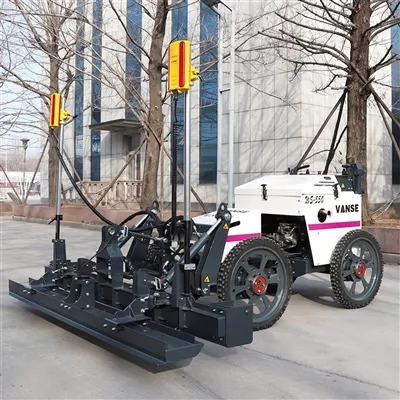
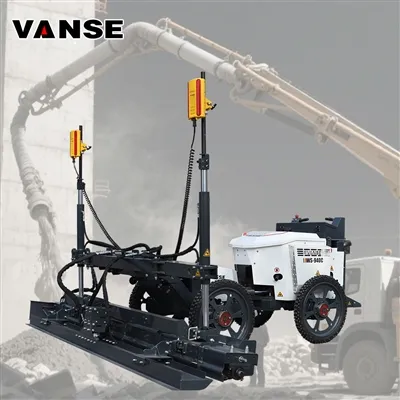
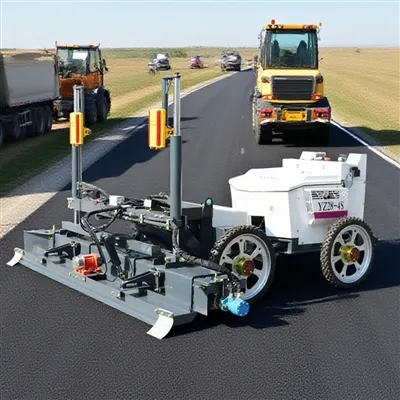
The concrete laser leveling machine market is in a stage of rapid development. With the prosperity of infrastructure construction and the real estate market, the requirements for concrete construction quality are getting higher and higher. As an efficient and high-precision construction equipment market, the concrete laser leveling machine market Demand continues to grow.
2. Competitive Landscape
At present, the concrete laser leveling machine market is showing fierce competition among domestic and foreign brands. Domestic brands have advantages in price and service, while foreign brands have advantages in technology and brand influence. In the future, with the continuous advancement of technology and the gradual maturity of the market, competition will become more intense.
3. Product innovation
In order to meet the changing market demand, manufacturers of compacted soil laser leveling machines continue to innovate products. In the future, product innovation will continue to be an important driving force for market development. The main directions include improving leveling accuracy, increasing automation, and optimizing the human-machine interface.
4. User needs
Users' demands for concrete laser leveling machines are increasingly diversified. They not only pay attention to the leveling effect and efficiency of the equipment, but also pay attention to the reliability, ease of use and after-sales service of the equipment. Manufacturers should actively understand user needs, strengthen communication with users, and continuously optimize products and services.
5. Technological progress
With the continuous development of laser technology and computer technology, the technical level of concrete laser leveling machines continues to improve. In the future, technological progress will continue to drive market development, including improving equipment accuracy, increasing equipment functions, and reducing energy consumption.
6. Policy Impact
The government's emphasis on infrastructure construction and environmental protection continues to increase, and the introduction of relevant policies will have an impact on the concrete laser leveling machine market. Manufacturers should pay attention to policy trends, strengthen communication and cooperation with the government, and seize market opportunities.
7. Future Outlook
In the future, the concrete laser leveling machine market will continue to maintain steady growth. With the intensification of market competition and technological advancement, the market will gradually mature. Manufacturers should increase investment in R&D to improve product competitiveness, while focusing on environmental protection and energy-saving design to meet market demand and policy requirements.
8. Industry Challenges
The concrete laser leveling machine industry faces some challenges, such as technical bottlenecks, high costs, and talent shortages. Manufacturers should actively respond to challenges, strengthen technology research and development and talent training, and improve production efficiency and service quality. At the same time, the industry should strengthen cooperation and exchanges to jointly promote industry development.
9. International Market
With the continuous development of global infrastructure construction and the strengthening of technical exchanges, the demand for concrete laser leveling machines in the international market is also growing. Domestic manufacturers should actively explore international markets and increase brand awareness and influence. In the international market, attention should be paid to local market demands and policy environments, and cooperation and communication with local customers should be strengthened. At the same time, it is also necessary to strengthen the internationalization and localization design of products to better adapt to the market needs of different countries and regions.
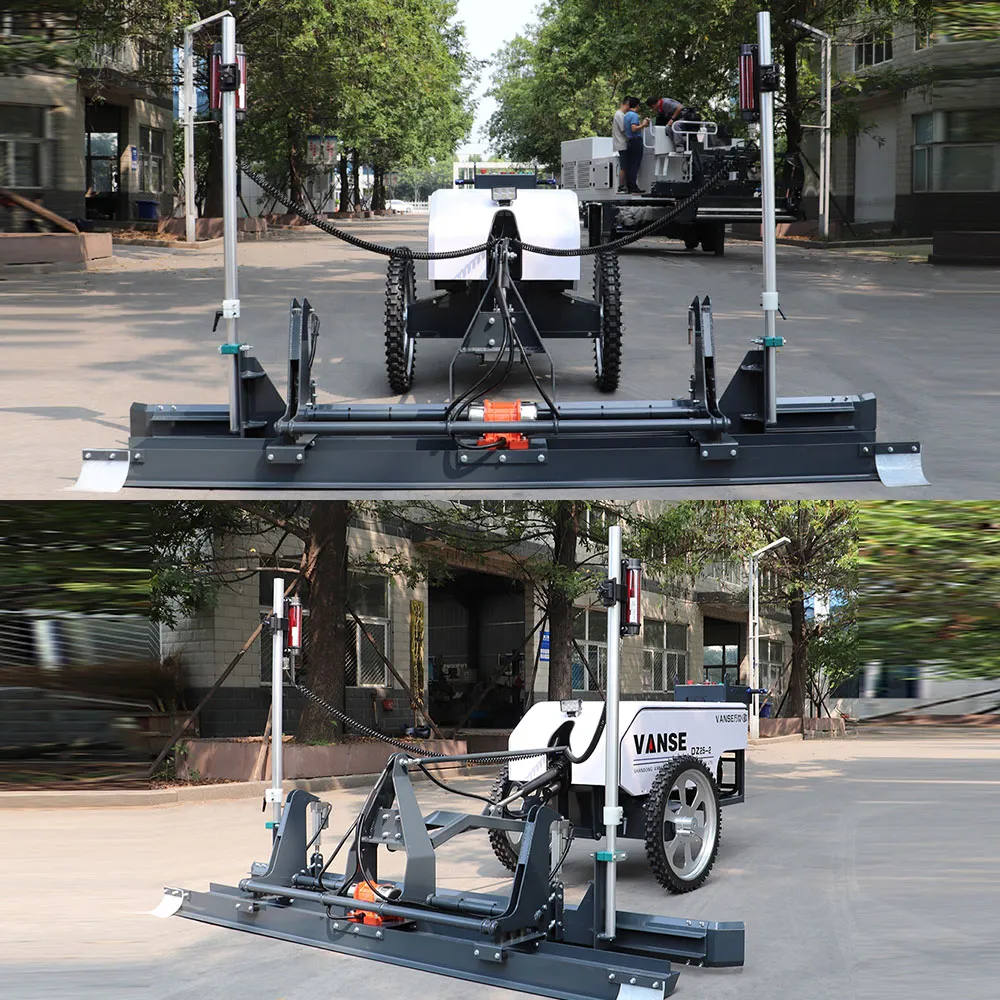
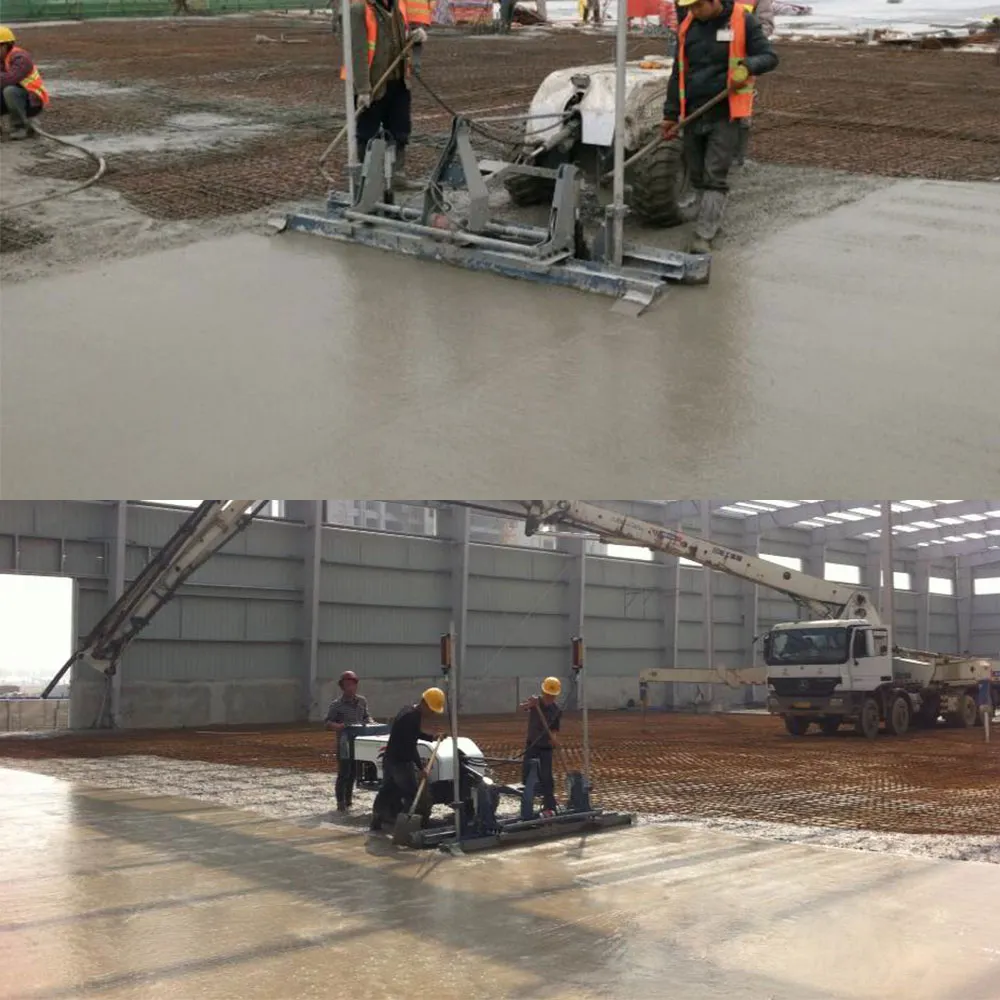
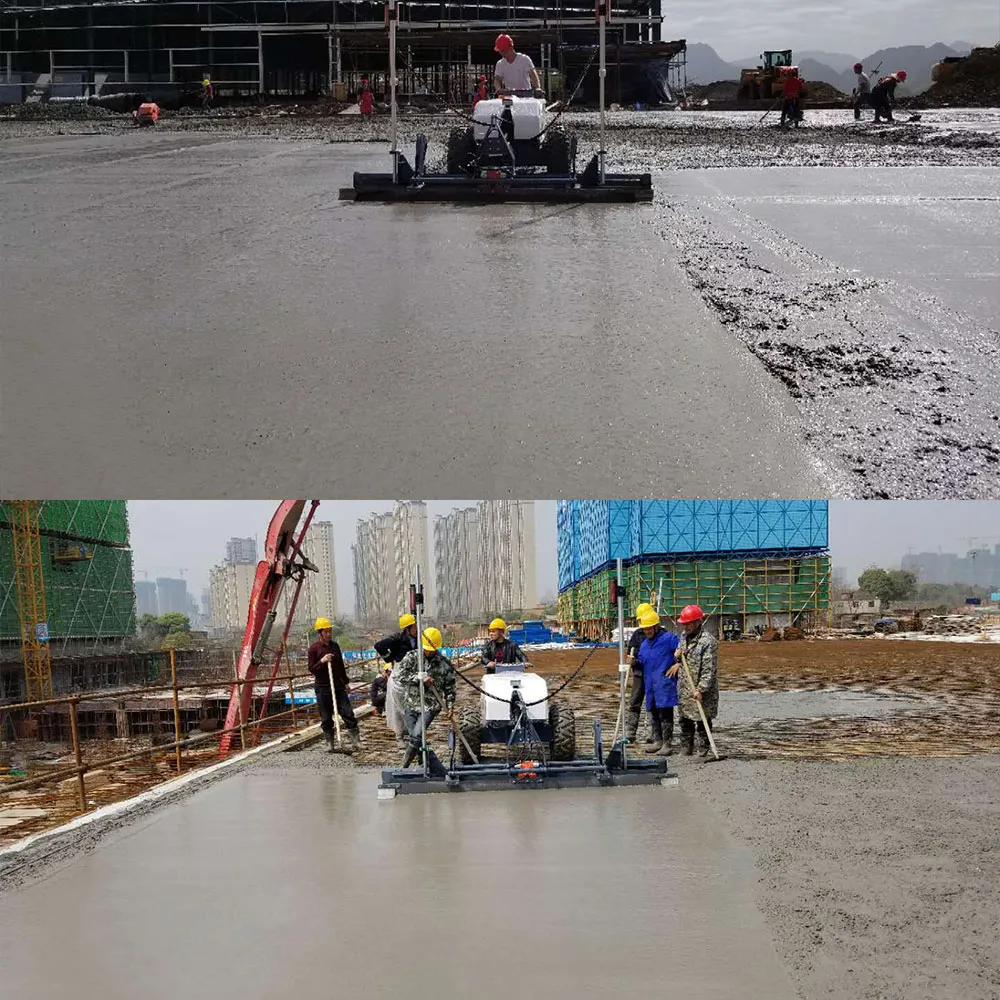
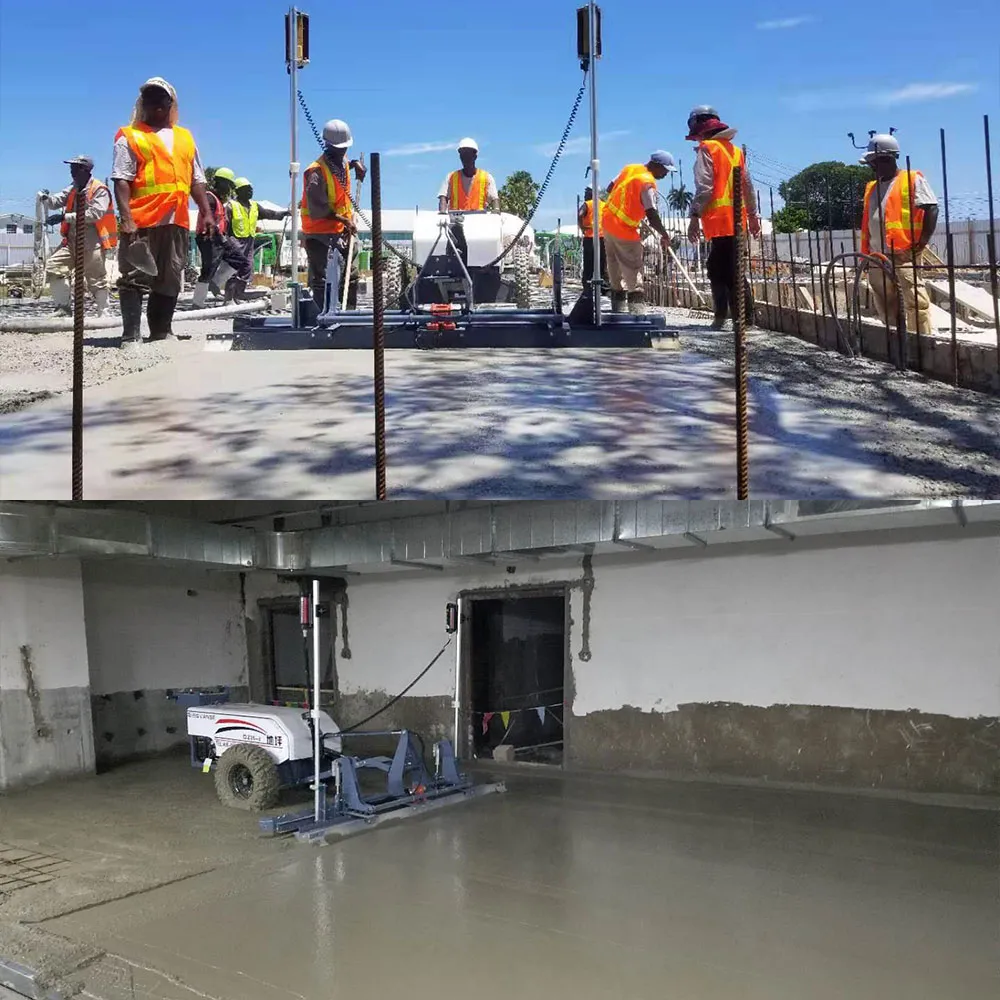
Thanks to All the Friends Who Support and Trust Shandong Vanse Machinery Technology Co., Ltd.
If you want to know more about Shandong Vanse Machinery Technology Co., Ltd. or have any questions, please feel free to contact us:
Our Factory
Shandong Vanse Machinery Technology Co., Ltd.








Share this article

About the Author: Shandong Vanse Machinery Technology Co., Ltd.
Shandong Vanse Machinery Technology Co., Ltd. is a high-tech manufacturer specializing in concrete construction machinery, including laser screeds and related equipment. The company integrates R&D, production, and global sales, with products exported to over 60 countries and widely used in infrastructure projects worldwide.
Previous Post
Next Post
Related Articles
You Might Also Like
Concrete laser leveling machine safe operation and maintenance procedures
Concrete laser leveling machine safe operation and maintenance procedures 1. Equipment overview and operating environment As a modern and efficient construction equipment, concrete laser leveling machine is widely used in concrete pavement smoothing operations. It uses laser control technology to achieve high-precision road leveling and improve construction quality and efficiency. In order to ensure the normal operation and safety of the equipment, we need to have a full understanding of the equipment and its operating environment. First of all, the concrete laser leveling machine should be placed on a flat, solid site and avoid use on soft, sloping or uneven ground to prevent the equipment from overturning or being damaged. Good ventilation conditions should be maintained at the work site to avoid overheating of equipment or accumulation of harmful gases. At the same time, obvious safety warning signs should be set up at the work site to remind operators and other personnel to pay attention to safety. 2. Operator qualification requirements The operation of a concrete laser leveling requires professional skills and safety awareness, so the operator should have certain qualifications First of all, operators should hold relevant operating certificates, undergo professional training, and be familiar with the structure, performance, operating methods and safety procedures of the equipment. Secondly, operators should have good physical and psychological qualities to be able to adapt to long-term, high-intensity work requirements. In addition, operators should also have teamwork spirit and emergency response capabilities, and be able to effectively cooperate with other personnel to respond to emergencies in a timely manner. 3. Safe operation procedures In order to ensure the safe operation of the concrete laser leveling, we need to develop and implement a set of standardized operating procedures Before operation, the operator should check whether all parts of the equipment are intact and tight, whether the lubrication system is smooth, and whether the electrical system is normal. At the same time, you should check whether the laser transmitter and receiver are clean and unobstructed to ensure the transmission quality of the laser signal. During the operation, operators should strictly follow the operating procedures and are not allowed to change equipment parameters without authorization or perform illegal operations. A warning signal should be issued before starting the equipment to remind surrounding personnel to pay attention to safety. During the leveling process, operators should always pay attention to the operating status and operating results of the equipment, and adjust equipment parameters and operating methods in a timely manner to ensure leveling quality. After the operation, the operator should turn off the power of the equipment, clean the dust and debris on the surface of the equipment, and perform necessary lubrication and maintenance work. At the same time, the equipment should be parked in a designated location and anti-theft and protective measures should be taken 4. Troubleshooting and emergency handling During use, the concrete laser leveling may encounter various failures or abnormal situations. Operators should have certain troubleshooting capabilities and be able to detect and handle common faults in a timely manner. For simple faults, such as loose electrical connections, insufficient lubrication, etc., operators can troubleshoot and handle them themselves. However, for complex faults or abnormal situations, such as equipment failure to start, abnormal laser signal, etc., operators should stop operations immediately and contact professional maintenance personnel for inspection and repair. In terms of emergency handling, operators should be familiar with the location and operation methods of the equipment's emergency stop button and emergency braking device. In the event of an emergency, such as equipment losing control or personnel being injured, the operator should immediately press the emergency stop button or activate the emergency braking device to ensure the safety of equipment and personnel. 5. Daily maintenance content Routine maintenance is an important measure to ensure the normal operation of the concrete laser leveling and extend its service life. First of all, operators should clean the equipment regularly to remove dust and debris from the surface. At the same time, you should check whether all parts of the equipment are tight and not loose. Secondly, lubrication is an important part of maintenance. Operators should regularly add an appropriate amount of lubricating oil or grease to each lubrication point of the equipment to ensure that the lubrication system of the equipment is smooth. In addition, the maintenance of electrical systems cannot be ignored. Operators should regularly check the connections of electrical lines and electrical components to ensure that the electrical system is working properly. Wearing parts and consumables, such as filter elements, sealing rings, etc., should be replaced in time to avoid affecting the normal operation of the equipment. 6. Regular inspection and maintenance In addition to routine maintenance, the concrete laser leveling should also be inspected and repaired regularly. First of all, all components of the equipment should be inspected regularly, including structural parts, transmission components, hydraulic systems, etc. Seriously worn or damaged parts should be replaced or repaired in time. Second, equipment should be regularly tested and calibrated for accuracy and performance. For example, professional measuring instruments can be used to test the leveling accuracy of the equipment, and corresponding adjustments and maintenance can be made based on the test results. In terms of maintenance, a maintenance unit with professional qualifications and experience should be selected for maintenance. Maintenance personnel should strictly follow maintenance specifications to ensure maintenance quality and equipment safety. 7. Maintenance records and file management In order to better manage the maintenance work of concrete laser leveling machines, a detailed maintenance record and file management system should be established. After each maintenance, the operator should fill in the maintenance record form to record the time, content, personnel and other information of the maintenance. Maintenance record sheets should be kept well and filed regularly. At the same time, a file management system for equipment should also be established to organize the purchase, use, maintenance, repair and other records of equipment into volumes to facilitate inquiry and management. Through maintenance records and file management, we can better understand the operating status and maintenance status of the equipment, and provide a basis for preventive maintenance and troubleshooting of the equipment. At the same time, it can also be used as one of the basis for equipment evaluation and scrapping. 8. Suggestions for improving safety and efficiency In order to ensure the safe operation and efficiency improvement of concrete laser leveling machines, the following are some suggestions: First, strengthen the training and education of operators to improve their safety awareness and operating skills. Regularly organize training courses and operation drills to enable operators to master the operation methods and emergency response measures of the equipment. Secondly, optimize the operation process and management system to reduce unnecessary links and waiting time in the operation. Reasonably arrange work plans and task assignments to improve equipment utilization and work efficiency. In addition, advanced technology and equipment are introduced to upgrade the concrete laser leveling machine. For example, a more accurate laser ranging and control system can be used to improve leveling accuracy and operating efficiency. At the same time, automation and intelligent technology can be considered to realize remote monitoring and intelligent control of equipment, reducing manual intervention and operating difficulty. In addition, establish a sound safety management system and emergency plan to ensure rapid response and handling in emergencies. Conduct regular safety inspections and drills to improve the emergency response capabilities and safety awareness of operators. In summary, the safe operation and maintenance procedures for concrete laser leveling machines cover equipment overview, operator requirements, safe operation procedures, troubleshooting and emergency response, daily maintenance, regular inspection and repair, and maintenance records. and file management as well as safety and efficiency improvement suggestions. By strictly implementing these regulations and recommendations, we can ensure the normal operation and safety of the equipment, improve the quality and efficiency of leveling, and provide a strong guarantee for concrete construction. In practical applications, the implementation of safe operation and maintenance procedures for concrete laser levelings needs to be adjusted and improved according to specific circumstances. At the same time, operators and managers should continue to pay attention to the development of new technologies and new methods, and constantly update and improve the operation and maintenance methods of equipment to adapt to the changing market demands and construction environment. In addition, in order to further improve the efficiency and safety of concrete laser leveling machines, the introduction of digital and intelligent management methods can also be considered. As an example, the Internet of Things technology is used to realize remote monitoring and data analysis of equipment, and the operating parameters and maintenance cycles of the equipment are optimized through big data analysis, thereby improving the efficiency and life of the equipment. In short, the concrete laser leveling is one of the important equipments in modern concrete construction. The formulation and implementation of its safe operation and maintenance procedures are of great significance to ensure the construction quality and operation safety. By continuously improving and optimizing these regulations and suggestions, we can promote the application and development of concrete laser leveling machines in the field of concrete construction and contribute to the progress and development of the industry.How does a concrete laser leveling machine work?
The core operating principle of a concrete laser leveling machine is a closed-loop control system combining "laser positioning reference + real-time signal feedback + automatic mechanical execution" to achieve high-precision leveling and vibration of the concrete surface. Essentially, this system replaces the traditional manual "relative level determination" with the laser's "absolute level reference," eliminating human error and ensuring that the flatness and levelness of the finished surface meet high standards. Its workflow can be broken down into four core steps: reference establishment, signal detection, command calculation, and mechanical execution. The detailed principles are as follows: Before understanding the principles, it is necessary to first understand the core components of the device. All actions revolve around the coordination of these three systems: System Name Core Components Core Functions Laser Positioning System Laser Transmitter, Laser Receiver Establishes an "absolute level/slope baseline" and detects height deviations between the concrete surface and the baseline in real time. Electrical Control System Central Controller (PLC), Sensors Receives deviation signals from the receiver, calculates them, and sends action commands (raise/lower, accelerate/decelerate) to the actuators. Mechanical Actuation System Leveling Scraper, Vibrator, Travel Mechanism Executes controller commands: adjusts scraper height for leveling, vibrators for compacting concrete, and travel mechanisms for moving the equipment. The operation of a concrete laser leveling is a dynamic closed-loop process of **"real-time detection → instant adjustment → continuous leveling"**, which can be divided into four steps: This is the prerequisite for high-precision leveling, the purpose of which is to set a fixed, unchangeable reference datum for the leveling surface (replacing the traditional "level + ruler" artificial datum). Operation: Place the laser transmitter on a stable support at the construction site (away from sources of vibration and electromagnetic interference). Use a level to align the transmitter so that it emits a 360° circular laser beam (which can be set to a "level reference" or a "preset slope reference," such as a 2% drainage slope). Principle: Lasers have the physical properties of strong directionality, good monochromaticity, and stable propagation. They exhibit virtually no attenuation over short distances (typically within 100 meters), forming an "absolute level/slope" baseline that remains stable despite manual operation or equipment movement. Key: The laser transmitter must be independently powered and securely fixed to prevent vibration or impact that could cause the baseline to shift. Any shift will cause errors in all subsequent leveling operations. The laser receiver (usually installed on the leveling support or top of the machine) is responsible for capturing the laser reference line in real time, comparing the "concrete surface height" with the "reference line height" and detecting the deviation value. Detection Process: The receiver contains multiple built-in photosensors (or photoelectric sensors). When a laser beam strikes the receiver, the photosensors at different locations determine the current concrete surface height based on the "height at which they are illuminated." If the location of the receiver illuminated by the laser is above a preset reference (indicating a low concrete surface), a signal indicating "raise the scraper" is output; if the location is below the reference (indicating a high concrete surface), a signal indicating "lower the scraper" is output. Deviation signals are transmitted to the central controller in real time via wired or wireless means (such as Bluetooth or radio frequency), typically at a frequency of 10 to 50 times per second, ensuring that the controller is instantly aware of surface height changes. Additional Note: Some high-end equipment may be equipped with multiple receivers (such as one at the front and one at the rear) to simultaneously detect heights at different locations, preventing single-detection errors caused by equipment tilt. The central controller (with a programmable logic controller (PLC) at its core) is the "brain" of the equipment. It receives deviation signals from the receiver, performs rapid calculations based on preset parameters (such as leveling thickness and vibration frequency), and generates specific execution instructions. Operational Logic: If the deviation is small (e.g., ±1mm), the controller will only fine-tune the oil flow in the scraper lift cylinder to achieve slight scraper movement, avoiding over-adjustment and surface fluctuations. If the deviation is large (e.g., ±5mm), the controller will increase the hydraulic cylinder movement and may also adjust the travel mechanism speed (e.g., slowing down the travel mechanism to allow the scraper sufficient time to level). If a "loss of signal" is detected (e.g., the receiver temporarily leaves the laser beam), the controller will immediately pause scraper adjustment and issue an alarm to avoid unintended action. Key: The controller's response speed directly impacts accuracy-high-quality equipment typically has a command calculation and execution delay of less than 0.5 seconds, allowing it to keep up with changes in concrete surface height in real time. The controller's instructions are ultimately transmitted to the mechanical execution system, which adjusts the height of the leveling scraper and compacts the concrete with the vibrator, completing the dual functions of "leveling + compacting". This is also the core advantage of laser leveling machines compared to traditional manual leveling. Leveling Scraper Operation: The scraper is driven by a hydraulic cylinder, raising and lowering in real time according to controller commands. When the concrete surface is low, the cylinder raises the scraper to reduce the amount of concrete removed (or even allows the concrete to naturally accumulate to the reference height). When the surface is high, the cylinder lowers the scraper to remove excess concrete and push it to the lower area, ensuring the surface is flush with the laser reference line. Synchronous Vibrator Operation: Under the scraper are typically multiple sets of high-frequency vibrators (vibrating at a frequency of 3,000 to 5,000 times per minute). These vibrators are inserted into the concrete while leveling, removing air bubbles and compacting the aggregate. This prevents honeycombing and rough surfaces caused by uneven vibration with traditional manual vibrating, while also creating a denser concrete surface and higher strength later on. Travel Mechanism: The equipment moves slowly on wheels or tracks (the travel speed is adjustable, typically 0.5 to 2 m/min), allowing the scraper and vibrator to continuously cover the concrete surface, avoiding "joints." Some ride-on models can also operate autonomously, reducing operator error. Traditional manual leveling relies on a "level rod + ruler" method, requiring repeated measurement and leveling. This is not only inefficient but also prone to poor flatness due to human judgment errors (such as visual deviation and uneven force). The core logic of the laser leveling machine is: The laser's absolute horizontal reference replaces the manually set relative reference, eliminating reference errors. The "detect → calculate → execute" automated closed-loop system replaces the manual "read the ruler → adjust" process, eliminating operator errors. High-frequency vibration combined with continuous leveling replaces the manual "scraping + vibrating" process, ensuring both smoothness and density. Ultimately, the result is a concrete surface construction effect with "millimeter-level precision (usually up to ±2mm/2m), high efficiency (3 to 5 times that of manual labor), and high density." This is particularly suitable for large-scale, high-precision ground projects (such as factories, garages, airport runways, etc.). Click the below to jump immediately!!! ARMOUR JOINT view more CONCRETE LASER LEVELING MACHINE view more POWER TROWEL view more SLIPFORM MACHINE view more STEEL FIBER view more TOPPING SPREADER view moreSuperflat Floor Flatness Standards (FF/FL Values) Interpretation and Testing Methods
In logistics warehousing, precision manufacturing, and other fields, **superflat floors** are fundamental to ensuring the smooth operation of high-reach forklifts, automated guided vehicles (AGVs), and high-precision equipment. The core indicator for measuring floor quality is the F-Numbers (F-value), which mainly includes two values: FF and FL. The following is an in-depth summary of its standard interpretation and testing methods: Compared to the traditional "3-meter straightedge test method," the F-value system uses statistical analysis of the undulations of the floor surface to more scientifically reflect the actual working performance of the floor. Meaning: Describes the degree of "undulation" (local unevenness) of the floor surface. Calculation Principle: Calculates the curvature change by measuring the height difference every 300mm (1 foot). Performance Characteristics: A higher FF value indicates a smoother floor, resulting in less shaking and bumping when forklifts are in motion. Meaning: Describes the overall inclination of the floor relative to the design horizontal plane (macro slope). Calculation Principle: Measures the total height difference over a distance of 3000mm (10 feet). Performance Characteristics: A higher FL value indicates a floor closer to absolute level. This is crucial for the verticality of high-bay racking (VNA). According to ACI (American Concrete Institute) 302.1R standard, floor grades are typically classified as follows: Flooring Classification Specify overall flatness (FF) Specify overall flatness (FF) Applicable Scenarios Standard 20 15 Machine rooms, parking lots, general warehouses Standard Grade 25 20 Light industrial and commercial office buildings Flat Grade 35 25 Narrow aisle warehouses (non-high-rise), laboratories Extra Flat Grade 45 35 Ice rinks, precision manufacturing plants Super Flat Grade 60+ 40+ High-rise VNA warehouses (above 12 meters), television studios The internationally accepted testing standard is ASTM E1155. Domestically, this standard or industry regulations are typically referenced for acceptance testing. This is currently the most widely recognized testing tool. It is a walking electronic level; the operator pushes it across the ground, and the device automatically records the elevation difference between every two points (usually 300mm apart). Golden Time: Testing should be conducted within 24 to 72 hours after concrete pouring. Reason: Because concrete undergoes long-term shrinkage and warping, early testing reflects construction quality, while later testing is affected by structural deformation. Test Line Layout: Multiple parallel and perpendicular test lines are typically laid out within each test section. Total Length Requirement: At least 34 elevation measurements are required per 1000 square feet (approximately 93 square meters) to ensure the validity of the statistical data. The acceptance report will show two key evaluation dimensions: Specified Overall Value (SOV): The average score for the entire floor slab, which must meet the design specifications. Minimum Local Value (MLV): The permissible baseline for quality (typically 60%-70% of the SOV). Even if the overall score is acceptable, if a local MLV fails to meet the standard, that area must be repaired. Laser leveling: Using a high-precision laser leveling is essential to achieving an F-value > 40. Repeated Scraping with a Highway Straightedge: Before the concrete initially sets, repeated cross-scraping with a large leveling (Highway Straightedge) is crucial for improving the F-value. Segmented Construction: Using a long-strip construction method makes it easier to control precision compared to large-area pouring. Note: The parameters provided in this document are for reference only and are not mandatory. Due to differences in technical characteristics between different brands and models of laser levelers, please consult the manufacturer for a suitable solution before actual operation. This reference document assumes no responsibility for any issues arising from failure to follow the manufacturer's instructions.