Technical Knowledge
Technical difficulties and solutions in concrete floor construction
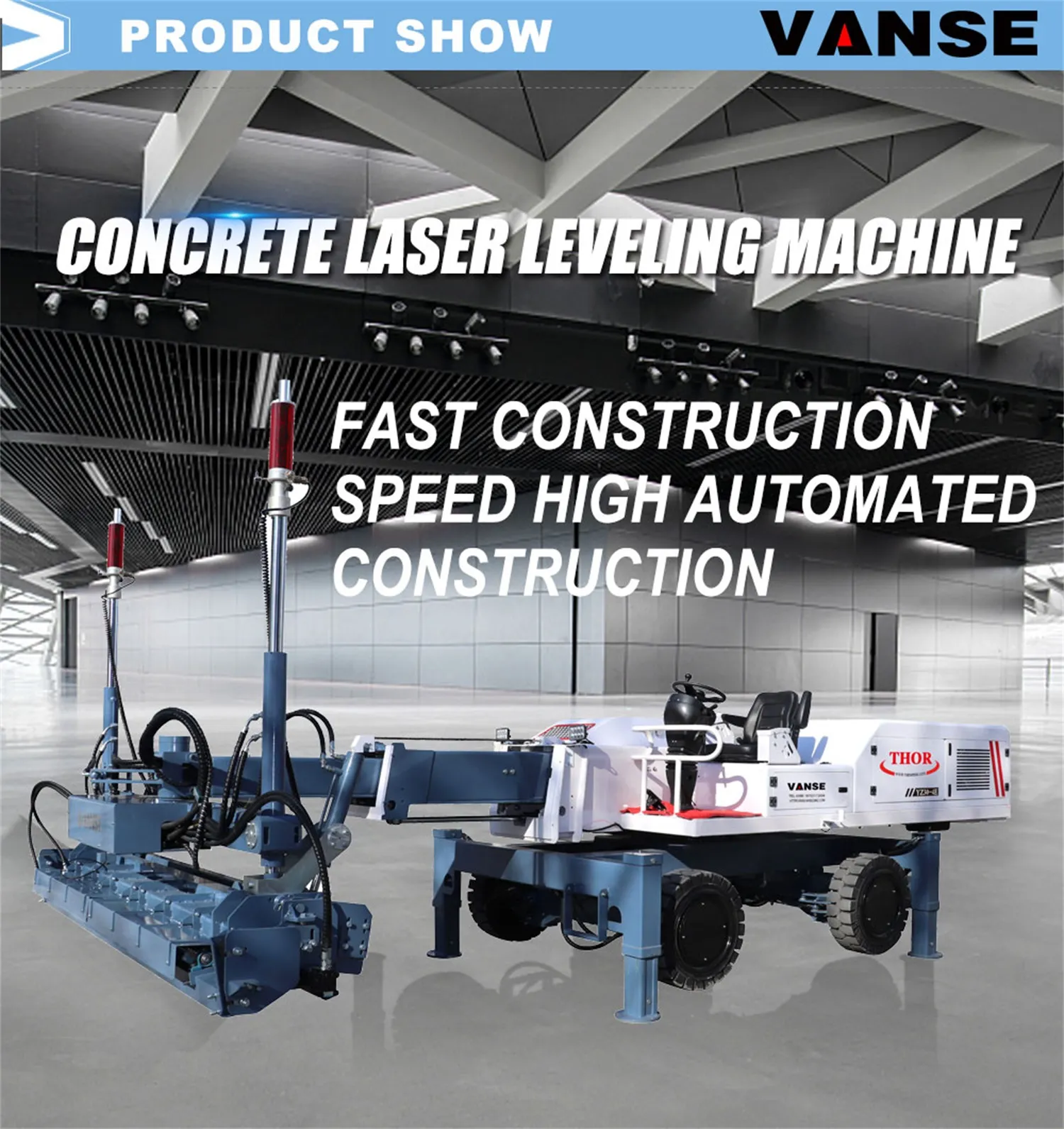

Technical difficulties and solutions in concrete floor construction
With the continuous advancement of modernization, concrete floors have been widely used in various construction projects. Concrete floor construction not only requires high strength and stability, but also needs to meet the requirements of beauty and durability. However, in the construction process of concrete floors, many technical difficulties are often encountered. If these difficulties are not handled properly, they will directly affect the quality and use effect of the floor. Therefore, this article will conduct an in-depth discussion on the technical difficulties and corresponding solutions in concrete floor construction, in order to provide a useful reference for actual construction.
1. Material selection and proportioning issues
The material selection and proportioning of concrete floors are the primary links in construction, which are directly related to the strength, durability and beauty of the floor. In actual construction, floor quality problems often occur due to improper material selection or unreasonable proportioning.
Technical difficulties:
☑ Unstable material quality affects the performance of concrete.
☑ Unreasonable proportioning design leads to insufficient strength or cracking of concrete.
Solution:
☑ Select high-quality materials: Ensure that the quality of raw materials such as cement, aggregates, additives, etc. is stable and meets construction requirements.
☑ Reasonable design of the proportion: According to the project requirements and material properties, scientific proportion design is carried out to ensure the strength, durability and working performance of the concrete.
2. Construction preparation and base treatment
Construction preparation and base treatment are important prerequisites for concrete floor construction, and are crucial to ensuring the quality of the floor. If the construction preparation is not sufficient or the base treatment is not in place, the flatness and adhesion of the floor will be seriously affected.
Technical difficulties:
☑ Poor construction environment affects the construction effect.
☑ Inadequate base treatment causes cracking or hollowing of the floor.
Solution:
☑ Fully prepare the construction environment: Ensure that the construction site is dry and clean, without stagnant water, oil and other debris, to provide good conditions for construction.
☑ Strictly handle the base: Thoroughly clean and polish the base to ensure that there is no floating dust, oil, etc. At the same time, check the strength and flatness of the base, and reinforce or repair the base that does not meet the requirements.
3. Concrete pouring and vibration
Concrete pouring and vibration are key links in concrete floor construction, which directly affect the density and strength of the floor. If the pouring is uneven or the vibration is not in place, it will cause quality problems such as honeycombs and rough surfaces on the floor.
Technical difficulties:
☑ Uneven concrete pouring, resulting in thickness differences.
☑ Insufficient or excessive vibration affects the density of concrete.
Solution:
☑ Evenly pour concrete: Use appropriate pouring methods to ensure that the concrete is poured evenly and continuously on the base to avoid thickness differences
☑ Reasonably control vibration: According to the slump of concrete and construction requirements, select appropriate vibration equipment and methods to ensure that the concrete is vibrated and dense, and avoid excessive vibration that causes concrete segregation.
4. Surface flatness and aesthetics
The surface flatness and aesthetics of concrete floors are important indicators for measuring construction quality. If not handled properly, it will lead to problems such as uneven floor surface and uneven color.
Technical difficulties:
☑ Surface flatness is difficult to control, resulting in height differences
☑ Poor aesthetics, uneven color or stains
Solution:
☑ Control surface flatness: Use appropriate scraping tools and methods to finely handle the concrete surface to ensure that the surface is flat and smooth. At the same time, pay attention to controlling the fluidity and slump of concrete during pouring to avoid height differences.
☑ Improve aesthetics: Choose appropriate pigments and additives to make the concrete surface present a uniform color and texture. For stains or color differences that have already appeared, grinding, repairing and other methods can be used to deal with them.
5. Construction joint treatment and maintenance
Concrete floors will inevitably produce construction joints during construction. If not handled properly, the floor will crack or affect the overall appearance. At the same time, maintenance is also an important part of ensuring the quality of the floor.
Technical difficulties:
☑ Improper construction joint treatment leads to floor cracking.
☑ Inadequate maintenance affects the strength and durability of the floor
Solution:
☑ Reasonable treatment of construction joints: Set force transmission rods at the construction joints or take other effective measures to ensure that the connection at the construction joints is firm and flat. At the same time, strengthen vibration and compaction on both sides of the construction joints to avoid voids or cracks.
☑ Strengthen maintenance management: Develop a reasonable maintenance plan based on construction requirements and climatic conditions. Keep the floor surface warm during maintenance, avoid direct sunlight and wind and rain erosion. For cracking or peeling problems, handle and repair them in time.
6. Quality monitoring and problem troubleshooting
Quality monitoring and problem troubleshooting are key links to ensure the quality of concrete floor construction. Through monitoring and troubleshooting, problems in the construction process can be discovered and handled in a timely manner to ensure that the floor quality meets the design requirements.
Technical difficulties:
☑ Insufficient quality monitoring means make it difficult to fully control quality.
☑ Untimely or inaccurate problem troubleshooting leads to quality risks.
Solution:
☑ Improve the quality monitoring system: Establish a sound quality monitoring system and methods to comprehensively monitor and record the raw materials, construction process, and finished product quality of concrete. Use advanced testing equipment and instruments to improve the accuracy and reliability of monitoring.
☑ Strengthen problem investigation; regularly patrol and inspect the construction site, focusing on construction joints, corners and other parts prone to problems. Once quality problems or hidden dangers are found, immediately organize relevant personnel to investigate and deal with them to ensure that the problems are solved in a timely manner. At the same time, establish a quality problem record and feedback mechanism, track and evaluate the treatment process, and continuously improve the quality management system.
7. Implementation of safety and environmental protection measures
In the process of concrete floor construction, the implementation of safety and environmental protection measures is equally
important. This is related to the life safety and physical health of construction workers, as well as environmental protection and sustainable development.
Technical difficulties:
☑ There are many safety hazards at the construction site, and management is difficult.
☑ Pollution problems such as noise and dust during construction are difficult to effectively control.
Solution:
☑ Strengthen safety management: formulate strict construction safety management system and operating procedures to ensure that construction personnel abide by relevant regulations. Conduct regular safety inspections on the construction site to promptly discover and rectify safety hazards. At the same time, provide necessary safety protection equipment and supplies to ensure the safety of construction personnel.
☑ Implement environmental protection measures: Take effective dust reduction and noise reduction measures during the construction process to reduce the impact of construction on the surrounding environment. Reasonably handle construction wastewater and waste to avoid pollution of soil and water sources. Promote the use of environmentally friendly materials and construction technologies to reduce energy consumption and emissions during construction.
In summary, the technical difficulties and solutions in concrete floor construction involve many aspects. In the actual construction process, it is necessary to formulate appropriate construction methods and measures according to specific circumstances, and at the same time strengthen quality monitoring and safety management to ensure that construction quality and safety and environmental protection meet the requirements. By constantly summarizing experience and lessons and optimizing construction techniques and methods, the quality of concrete floors can be improved. The efficiency and quality level of construction contribute to the sustainable development of construction projects.
It should be noted that the technical difficulties and solutions mentioned in this article are only general discussions and cannot cover all possible situations. In actual projects, comprehensive considerations should be made based on specific conditions and requirements and the opinions of professionals should be consulted. At the same time, with the advancement of science and technology and the continuous development of engineering practice, new technologies and methods will continue to emerge, providing more possibilities for solving technical difficulties in concrete floor construction. Therefore, construction units and related personnel should keep paying attention to and learning new technologies and methods to adapt to the ever-changing market demand and construction environment.

Thanks to All the Friends Who Support and Trust Shandong Vanse Machinery Technology Co., Ltd.
If you want to know more about Shandong Vanse Machinery Technology Co., Ltd. or have any questions, please feel free to contact us:
Our Factory
Shandong Vanse Machinery Technology Co., Ltd.








Share this article

About the Author: Shandong Vanse Machinery Technology Co., Ltd.
Shandong Vanse Machinery Technology Co., Ltd. is a high-tech manufacturer specializing in concrete construction machinery, including laser screeds and related equipment. The company integrates R&D, production, and global sales, with products exported to over 60 countries and widely used in infrastructure projects worldwide.
Previous Post
Next Post
Related Articles
You Might Also Like
How much money does a laser leveling truly save compared to traditional methods?
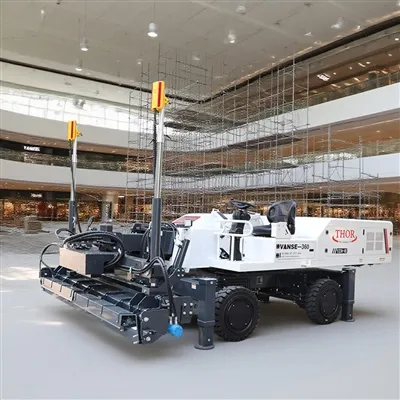
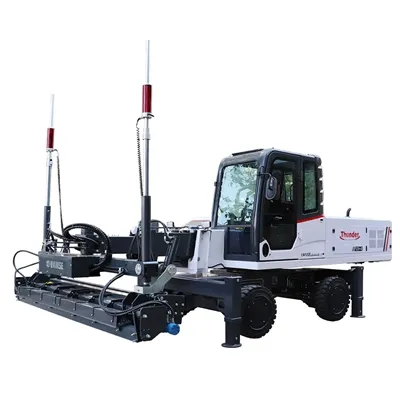
The financial savings from using a laser leveling are substantial, but they are realized primarily through reduced labor, increased speed, and minimized rework, rather than just equipment cost. Here is a summary of the true cost savings and efficiency gains compared to traditional levelinging methods: A laser leveling dramatically reduces the size and skill level required of a crew, leading to significant savings on payroll and associated costs. Labor Reduction: Up to 60% fewer workers needed for the levelinging and leveling process. Example: A large commercial pour might require 20+ people using traditional methods, but only 3–4 people with a ride-on laser leveling. Skill Dependency: The machine automates the critical leveling function, reducing reliance on expensive, highly specialized skilled laborers (who would otherwise be needed to set string lines and pour guides). Operational Flexibility: Laser leveling allow for staggered start times, helping contractors avoid overtime and reducing worker fatigue, leading to a healthier, more productive, and less error-prone crew. The speed of placement is where high-volume contractors generate major savings and gain a competitive edge. Increased Speed: Laser leveling can work 4 to 5 times faster than manual levelinging. Output: A typical ride-on unit can place and level 6,000–10,000 square feet (550–930 m^2) per hour, or potentially 2,500–3,500 m^2 in a single day. Shorter Construction Period: Contractors report completing slab installations 30%–40% faster, which reduces overall project timelines, minimizes formwork rental costs, and allows follow-up trades (e.g., floor finishing, racking installation) to start sooner. By delivering high FF/FL numbers, the machine eliminates costly grinding and maintenance down the line. Minimized Rework: The laser's high precision 1mm accuracy) virtually eliminates the need for expensive post-pour corrections like bump grinding or filling low spots. This dramatically reduces the risk of the slab failing ACI standards. Material Uniformity: The consistent vibration and leveling action leads to a denser, more uniform slab, improving the floor's strength and compactness by an estimated 25%. Equipment Maintenance: In high-tolerance environments (like VNA warehouses), a flatter floor reduces wear and tear on material handling equipment (like forklifts) by reducing bouncing and vibrations. One study suggested eliminating joint mismatches could save over $12 per square foot annually in material handling vehicle maintenance over the long term. For a high-volume concrete contractor, the cumulative, long-term savings from buying a laser leveling can total 740,000$ to 920,000$ in avoided labor and rework costs over the equipment's lifespan. However, for a smaller contractor, the saving is realized in the short-term by renting the machine for a large job, avoiding the multi-hundred thousand dollar capital investment while still capturing the labor efficiency and quality gains. Note: The parameters provided in this document are for reference only and are not mandatory. Due to differences in technical characteristics between different brands and models of laser levelers, please consult the manufacturer for a suitable solution before actual operation. This reference document assumes no responsibility for any issues arising from failure to follow the manufacturer's instructions.Specific examples of how the use of power trowels reduces reliance on manual labor and increases efficiency.
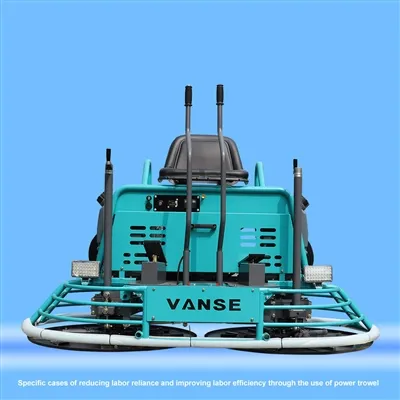
The reduction in labor reliance and the improvement in labor efficiency through the use of power trowel are revolutionary. The following is visually illustrated through a specific comparative case and detailed data dissection. Project area: 10,000 square meters Concrete thickness: 15 centimeters Construction requirements: Meet the industrial standards for flatness (±3mm/2m) and smoothness (finishing). Strong laborers (carrying and preparing) : 4-5 people Plastering workers (responsible for finishing the surface) : 8-10 people (experienced master craftsmen are required) Total number of people: 12 to 15 people working simultaneously. Workers need to wear boots, line up on the initially set concrete, and use tools such as wooden power trowel and iron power trowel, bending over to repeatedly smooth and smooth it out. This is an extremely physically demanding process and a huge test for the workers' waists and arms. Because it involves multiple people working together, it is difficult to ensure even force application and consistent steps, which easily leads to a "wavy" ground. Daily completed area: A skilled team can complete a maximum of 800 to 1,000 square meters in a day (calculated based on 8 to 10 hours). Total construction period: It will take 10 to 12 days to complete 10,000 square meters of ground. Quality risk: Highly dependent on the technical proficiency and physical condition of workers. The construction quality dropped significantly after fatigue in the afternoon, and the joints were prone to unevenness. Extremely high labor costs: Calculated based on 15 people, the daily labor cost is huge. High management costs: It requires an outstanding foreman to coordinate over a dozen people, making management very difficult. Hidden costs: The risk of work-related injuries caused by workers' fatigue work and the cost of rework due to substandard quality. Power trowel operator: 2 (take turns to operate to prevent fatigue) Auxiliary workers (responsible for corner and pipeline handling) : 3-4 people Total number of people: 5 to 6. After the concrete is spread, vibrated and leveled, it is allowed to set initially. The operator drives the power trowel machine into the site to carry out large-scale rough power trowel (installing the disc) and fine power trowel (installing the power trowel). Auxiliary workers simultaneously use small hand-held power trowel or manually handle corners, column bases, and the area around equipment foundations that machines cannot reach. Daily completed area: One power trowel team can easily complete 2,500 to 3,000 square meters in a day. Total construction period: It only takes 3 to 4 days to complete 10,000 square meters of ground. Quality Assurance: The flatness is guaranteed by the machine, uniform and consistent, eliminating fluctuations caused by human factors. The surface density and smoothness are much higher than those of artificial ones. Labor costs have been significantly reduced: the number of employees has decreased by more than 60%. Equipment cost: The rental or depreciation expenses of the power trowel machine need to be borne, but they are far lower than the labor cost savings. The overall cost has significantly decreased: The shortening of the construction period has led to a reduction in management and rental fees, and the one-time excellence in quality has avoided rework. The overall cost-effectiveness is extremely high. Comparison dimension Pure manual operation Mechanized operation Enhance the effect Quantity of labor force 12 to 15 people Five to six people Reduce by approximately 60% to 70% Daily completed area 800-1,000 square meters 2,500-3,000 square meters Increase by approximately 200% to 300% Per capita daily efficiency Approximately 70 square meters per person Approximately 500 square meters per person Increase by more than 600% Total construction period 10 to 12 days Three to four days Shorten by approximately 60% to 70% Quality consistency Dependent on individuals and unstable Guaranteed by machines, it is uniform and stable From "craftsmanship" to "industrial standards" Labor intensity of workers Extremely high (bending over, carrying heavy loads Medium (standing to operate the machine) Significantly reduced occupational health protection Replacing ten with one, directly substituting heavy labor: The working efficiency of one machine is equivalent to that of a dozen skilled workers, directly solving the problems of "labor shortage" and "high labor costs". Technology empowerment lowers the skill threshold: Traditional plasters need several years to master solid skills. A power trowel operator can start working after a short period of training and can produce more stable quality. Transform reliance on "the experience of experienced masters" into replicable "standardized operations". Speed wins, shortening the project cycle: A shorter construction period means faster delivery and use, creating earlier returns for the owner, while saving a significant amount of on-site management costs and equipment rental costs for the construction party. The quality leap achieves dual benefits: higher flatness and better surface strength. It not only meets the strict requirements of modern industrial floors, reduces dust and wear problems during later use, but also completely avoids the rework losses caused by substandard quality. This is a "hidden" efficiency improvement. Conclusion: The use of a power trowel is not merely a simple "machine replacing human", but a comprehensive upgrade of the construction process. It has achieved a deep reduction in reliance on labor and a leapfrog improvement in labor efficiency by significantly reducing the number of workers, greatly enhancing operational efficiency, and fundamentally ensuring construction quality. It is an indispensable core equipment in modern concrete floor construction. Note: The parameters provided in this document are for reference only and are not mandatory. Due to differences in technical characteristics between different brands and models of laser levelers, please consult the manufacturer for a suitable solution before actual operation. This reference document assumes no responsibility for any issues arising from failure to follow the manufacturer's instructions.How to ensure safety during the construction process of concrete laser leveling machine?
••◆◆◆•• Introduction As an indispensable construction equipment in the modern construction industry, the safe operation of the concrete laser leveling is crucial to ensuring the safety of personnel, the integrity of the equipment and the quality of the project at the construction site. This document aims to explain how to ensure safety during the construction process of concrete laser leveling machines, including compliance with safe operating procedures, equipment inspection and maintenance, wearing protective equipment, on-site safety warnings, construction personnel training, environmental risk assessment, and emergency plan preparation As well as construction progress and quality control. ••◆◆◆•• Comply with safe operating procedures 1. Before using the concrete laser leveling, you must read and understand the safe operating procedures of the equipment in detail to ensure that every operator is familiar with the safety requirements. 2. Operators must hold a certificate to work. Unlicensed or illegal operations are prohibited. 3. During the construction process, operators should always pay attention to the surrounding environment and avoid collisions with people, other equipment or obstacles. ••◆◆◆•• Equipment inspection and maintenance 1. Before starting the equipment, a comprehensive inspection should be carried out, including electrical systems, mechanical components, laser systems, etc., to ensure that the equipment is in good working condition. 2. During the use of the equipment, regular maintenance should be carried out and worn parts should be replaced in time to ensure stable performance of the equipment. 3. If there is a malfunction or abnormality in the equipment, stop it immediately for inspection and contact professionals for repair. ••◆◆◆•• Wear protective equipment 1. Operators should wear standard protective equipment, including safety helmets, work clothes, non-slip shoes, gloves, etc., to prevent accidents. 2. At the construction site, special protective equipment such as protective glasses and dustproof mouthpieces should also be worn as needed. ••◆◆◆•• On-site safety warning 1. Obvious safety warning signs, such as safety warning signs, warning lights, etc., should be set up at the construction site to remind personnel to pay attention to safety. 2. During the construction process, cordons or warning areas should be set up according to the actual situation, and non-construction personnel are prohibited from entering. ••◆◆◆•• Construction personnel training 1. Operators should receive comprehensive construction safety technical training and be familiar with equipment operation methods, safety requirements and emergency response measures. 2. Conduct safety education and training for construction personnel on a regular basis to improve their safety awareness and self-protection capabilities. ••◆◆◆•• Environmental risk assessment 1. Before construction, an environmental risk assessment should be conducted on the construction site to identify potential safety risks. 2. Develop corresponding risk control measures and emergency plans for the identified safety risks. ••◆◆◆•• Emergency plan preparation 1. Develop a detailed emergency plan, including accident reporting procedures, personnel evacuation and rescue measures, etc. 2. Conduct regular emergency drills to improve the ability to respond to emergencies. ••◆◆◆•• Construction progress and quality control 1. Develop a reasonable construction progress plan to ensure that the construction progress meets the design requirements and avoid safety risks caused by blind rush to work. 2. Strengthen construction quality control to ensure that the construction quality of concrete laser leveling machines meets relevant standards and specifications. ••◆◆◆•• Conclusion The safety assurance of the construction process of the concrete laser leveling is a systematic project that requires the joint efforts of all construction personnel. Safety risks during the construction process can be effectively reduced by complying with safe operating procedures, equipment inspection and maintenance, wearing protective equipment, on-site safety warnings, construction personnel training, environmental risk assessment, emergency plan preparation, and construction progress and quality control. , protect the life safety of construction personnel and ensure the quality and progress of the project.