Technical Knowledge
Shandong Vanse Machinery’s laser leveling machine leads the market with four major advantages

The construction machinery industry is becoming more and more mature, and various types of construction machinery are increasingly used in my country's consumer market, especially this year, concrete laser leveling machines are increasingly recognized by customers.
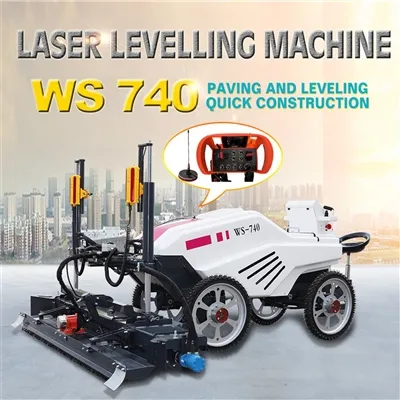
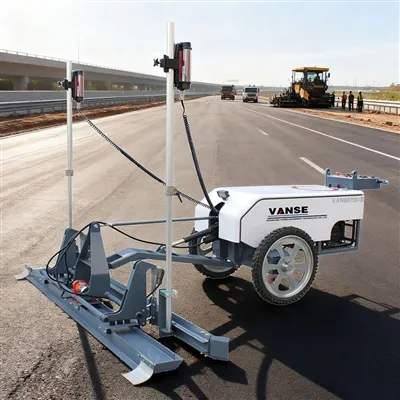
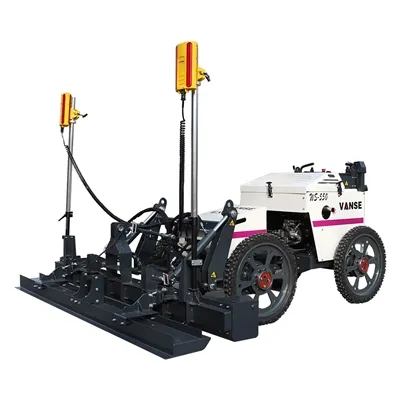
As the leader of concrete laser leveling machines, the concrete laser leveling machines produced by Shandong Vanse Machinery can achieve large-scale construction. By solving the concrete surface layer at one time, all the "quality problems" brought by the secondary approach are completely eliminated. It truly realizes the "three super" floor of flatness, smoothness, density, high strength, one layer as a whole, reduced costs, shortened construction period, and absolutely durable.
Shandong Vanse Machinery Concrete Laser Leveling Machine has several advantages over traditional laser leveling machines:
1. Laser point-to-point, high precision and low error.
Traditional leveling technology requires template support to control the elevation of the ground and pull the control line. The elevation error is large. The horizontality and flatness of the entire floor cannot be guaranteed.
The laser point-to-point transmitter is used, which is suitable for large-area one-time paving. There is a laser measurement and control system to control the elevation in real time. There is no need to pull the line for leveling, and there is no need to support the side plate in the middle to control the ground elevation. Thus, the elevation error caused by the vibration of the formwork (channel steel) during the construction process is avoided, and the elevation error caused by the traditional manual block formwork is also reduced.
2. Reduce labor costs and double efficiency.
The traditional process has a large number of construction workers, and it is necessary to support the formwork (channel steel), dot, and spread. It requires about 20 people. The construction area is 700 square meters per day. The total number of people using the concrete laser leveling machine is more than half less than that of the traditional process. It can be operated by one person. The construction area is 2500-3500 square meters per day, which greatly reduces the labor cost.
3. Better flatness and integrity.
Traditional construction technology, one day of formwork, one day of pouring, can only be skipped one by one, which has great limitations, cannot be operated continuously, and has poor integrity, which is easy to cause cumulative errors in construction joints.
The concrete laser leveling machine is more efficient and integrated for a large area of floor paving at one time. The completion of the entire floor makes the ground integrity better, which is completely impossible for traditional construction.
4. The ground is more compact and uniform.
The high-frequency vibrator of 4000 times per minute allows the leveling head vibrator to produce uniform high-frequency vibration, making the concrete floor more compact and uniform.
Combining the above detailed comparison between ordinary leveling machines and Shandong Vanse Machinery's laser leveling machines, we can know why laser leveling machines are so popular now. In order to better and more effectively serve our customers, Shandong Vanse Machinery will continue to provide customers with safe and reliable products and more complete after-sales services.
Thanks to All the Friends Who Support and Trust Shandong Vanse Machinery Technology Co., Ltd.
If you want to know more about Shandong Vanse Machinery Technology Co., Ltd. or have any questions, please feel free to contact us:
Our Factory
Shandong Vanse Machinery Technology Co., Ltd.








Share this article

About the Author: Shandong Vanse Machinery Technology Co., Ltd.
Shandong Vanse Machinery Technology Co., Ltd. is a high-tech manufacturer specializing in concrete construction machinery, including laser screeds and related equipment. The company integrates R&D, production, and global sales, with products exported to over 60 countries and widely used in infrastructure projects worldwide.
Previous Post
Next Post
Related Articles
You Might Also Like
How does a concrete laser leveling improve the flatness?
Concrete laser levelings improve flatness by: 1. Utilize laser technology to ensure the flatness and thickness of the concrete surface by precisely controlling the position and height of the laser beam. 2. Automated control technology can realize continuous and automatic leveling operations and improve work efficiency. 3. When performing automatic leveling, there is an accurate reference plane. Generally, when the main focus is to control the height, the tightrope method is suitable; when the main focus is to control the thickness, the floating datum beam method is adopted. Generally, tightrope is used for the bottom layer, and floating datum beam method is used for the middle layer and surface layer. 4. The leveling machine has a vibration function, which can effectively compact the concrete material to the required thickness evenly, further improving the flatness. 5. Leveling machines are usually equipped with high-precision sensors and controllers that can monitor and adjust the flatness and height of the concrete surface in real time. Therefore, through the above methods, the concrete laser leveling can effectively improve the flatness of the concrete surface, thereby improving the quality of stinging.What are the specific requirements for the environmental protection indicators of concrete laser leveling in green building projects?
In green building projects, the environmental protection requirements for concrete laser leveling machines have gone beyond the traditional scope of "construction efficiency", and more emphasis is placed on their comprehensive performance in energy conservation, emission reduction, noise reduction, and consumption reduction. These requirements are not a single standard but run through all aspects of equipment selection, construction process and management, aiming to minimize the negative impact of construction activities on the environment and personnel health. The following is a detailed breakdown of the specific requirements: This is the most crucial environmental protection indicator, directly related to the air quality at the construction site. Type of power source Priority electric type: When conditions permit, electric laser levelings should be given priority. Electric equipment achieves zero on-site emissions during operation and does not produce harmful gases such as carbon monoxide (CO), hydrocarbons (HC), nitrogen oxides (NOx), and particulate matter (PM), greatly improving the construction environment in underground Spaces or poorly ventilated areas. Clean fuel engines: If fuel power must be used, equipment that meets the emission standards for non-road mobile machinery at Stage IIIA or higher (such as Stage IV) should be selected. These engines adopt advanced electronic fuel injection and exhaust after-treatment technologies (such as diesel particulate filters (DPF) and selective catalytic reduction (SCR)), which can significantly reduce pollutant emissions. Specific requirements: In the tender documents or construction specifications of green building projects, the emission standards for levelings should be clearly stipulated, and the use of electric equipment should be encouraged. Pay attention to the energy consumed by the equipment to complete a unit of work. High-efficiency hydraulic system: The leveling machine equipped with high-efficiency hydraulic systems such as load-sensitive and variable pumps can automatically adjust the power output according to the actual working conditions, reduce reactive power loss, and lower fuel or electricity consumption. Intelligent control and standby function: The equipment should be equipped with an automatic idle speed or automatic shutdown function. When not in operation for a long time, it can reduce the engine speed or automatically shut off the engine to avoid unnecessary fuel waste and emissions. Although it is difficult to set a uniform energy consumption figure, when selecting equipment, you can ask the manufacturer to provide the energy consumption data of their products and compare them with other models to choose the one with higher energy efficiency. Construction noise is the main factor disturbing residents and also an important assessment point for green construction. Low-noise design: The equipment should adopt low-noise engines, optimized mufflers, noise control for the hydraulic system, and sound insulation covers, etc. Operating noise limit: Within a certain range from the equipment (such as 7 meters), the operating noise should be lower than 80 decibels (dB), or even lower. This is particularly important for construction near hospitals, schools and residential areas. Vibration control: A good vibration damping design not only enhances operational comfort but also reduces the vibration impact on surrounding precision instruments and building structures. Specific requirements: Clearly define the construction period in the construction plan and stipulate the on-site noise monitoring values. Selecting equipment that meets the low-noise standards is a prerequisite for achieving this goal. One of the core advantages of the laser leveling itself is to enhance the efficiency of material utilization. High flatness and high marking accuracy: The laser control system can ensure extremely high levelness and marking accuracy of the floor. This means: Reduce excessive concrete consumption: Avoid concrete waste caused by elevation errors. Reduce the materials of the leveling layer: Excellent flatness can eliminate or minimize the need for subsequent cement mortar leveling layers, saving materials such as cement and sand and gravel. The flatness of the floor constructed by laser leveling (usually measured by FF/FL value) should meet the design requirements, thereby indirectly achieving material savings. This is an important indirect indicator for evaluating its environmental benefits. Reducing corrections and rework: High-precision construction avoids chiseling and rework caused by substandard flatness from the source, thereby reducing the generation of construction waste. Sealing and Maintenance: The equipment should have a good hydraulic system sealing performance. Regular inspection and maintenance should be carried out to prevent hydraulic oil leakage from contaminating soil and groundwater. Specific requirements: The construction site should establish equipment maintenance and inspection systems to ensure there is no oil leakage. In the event of a leakage, there should be an emergency response plan and collection measures. Specify environmental protection specifications in the tender documents: When purchasing or leasing equipment, include the above-mentioned environmental protection indicators (such as "must be electric or fuel engine meeting National IV emission standards", "operating noise ≤80dB") as mandatory or bonus technical requirements in the contract. Select green construction contractors: Prioritize those that possess modern, low-emission fleet equipment and have mature experience in green construction management. Supervision and monitoring during the construction process Conduct noise and air quality monitoring at the construction site. Check the maintenance records of the equipment to ensure that it is always in good environmental protection working condition. Record the actual usage of concrete, compare it with the designed usage, and evaluate the effect of material savings. Refer to green building evaluation standards: such as China's "Green Building Evaluation Standard" (GB/T 50378), the United States' LEED certification, etc., all of which have corresponding provisions for environmental protection, energy conservation and material resource utilization during the construction process. Using environmentally friendly construction equipment is one of the specific measures to meet the requirements of these terms. For the concrete laser leveling machines in green building projects, the environmental protection requirements form a comprehensive system, with the core lying in: Electric vehicles are preferred, and the fuel must meet high emission standards. Pursue low noise and low vibration to achieve friendly construction. By taking advantage of its high-precision characteristics, it saves concrete and leveling materials from the source and reduces waste. Only by implementing these specific requirements in equipment selection, contract management and construction supervision can the environmental protection value of advanced construction machinery in green buildings be truly brought into play, and the unity of economic, social and environmental benefits be achieved. Note: The parameters provided in this document are for reference only and are not mandatory. Due to differences in technical characteristics between different brands and models of laser levelers, please consult the manufacturer for a suitable solution before actual operation. This reference document assumes no responsibility for any issues arising from failure to follow the manufacturer's instructions.How to determine the maintenance cycle of concrete laser leveling machine?
As an important equipment in modern construction, the efficient and precise leveling performance of concrete laser leveling machine greatly improves the quality and efficiency of the project. However, the long-term stable operation of any equipment is inseparable from scientific and reasonable maintenance. Therefore, determining the maintenance cycle of concrete laser leveling machine is a vital task. This article will discuss in depth how to determine the maintenance cycle of concrete laser leveling machine from the aspects of equipment use frequency analysis, working environment investigation, manufacturer recommended cycle, component wear inspection, maintenance record, maintenance cost analysis, and safety and performance evaluation. 1. Equipment use frequency analysis + – The use frequency of concrete laser leveling machine is one of the important factors affecting its maintenance cycle. The higher the frequency of equipment use, the faster the wear and aging of its internal mechanical parts, so more frequent maintenance is required. For equipment with high frequency use, the maintenance cycle should be shortened to ensure that the equipment is always in good working condition. On the contrary, for equipment with low frequency of use, the maintenance cycle can be appropriately extended Avoid unnecessary waste of resources. When conducting a frequency analysis, we need to carefully record each use of the equipment, including information such as usage time, workload, and working environment. Through the statistics and analysis of these data, we can derive the average frequency and characteristics of the equipment, which provides an important basis for determining the maintenance cycle. 2. Working environment inspection + – The working environment of the temperature-soluble soil laser leveling machine also has an important impact on its maintenance cycle. The equipment works in a harsh environment, such as dust, high temperature, etc., which will accelerate the corrosion and wear of its components. Therefore, when determining the maintenance cycle, the impact of the working environment must be fully considered. We should conduct on-site inspections of the working environment of the equipment to understand factors such as humidity, temperature, and dust concentration in the environment. At the same time, it is also necessary to pay attention to whether the equipment is often exposed to corrosive substances or subjected to strong mechanical shock during work. Based on this information, we can make appropriate adjustments to the maintenance cycle of the equipment to adapt to different working environments. 3. Manufacturer recommended cycle + – Equipment manufacturers usually give recommended maintenance cycles based on the design and manufacturing process of the equipment. These recommended cycles are usually based on the normal service life and expected wear of the equipment, and have certain reference value. When determining the maintenance cycle of the concrete laser leveling machine, we should refer to the recommended cycle provided by the manufacturer and make comprehensive considerations based on the actual use of the equipment and the working environment. If the equipment does not have any abnormal situation during use and the working environment is good, then maintenance can be carried out according to the cycle recommended by the manufacturer. However, if the equipment fails frequently or the working environment is bad, the maintenance cycle may need to be shortened. 4. Component wear inspection + – The various components of the concrete laser leveling machine will wear during use, and the different degrees of wear will directly affect the performance and life of the equipment. Therefore, regular wear inspection of the components of the equipment is an important basis for determining the maintenance cycle. When inspecting component wear, we should focus on the vulnerable parts and key components of the equipment, such as blades, bearings, seals, etc. By checking the wear of these components, we can understand the overall operating status of the equipment and then determine whether maintenance is needed. At the same time, according to the wear law of the components, the future wear trend can be predicted to provide a basis for formulating maintenance plans. 5. Maintenance records + – Maintenance records are important data reflecting the maintenance of equipment. By analyzing the maintenance records, we can understand the historical maintenance of the equipment and the operating status after each maintenance. This information is of great significance for determining the maintenance cycle. We should establish a complete maintenance record system to record the time, content, personnel and other information of each maintenance in detail. At the same time, we should also track and record the operation of the equipment after maintenance. Through the statistics and analysis of these records, we can find potential problems in the operation of the equipment, so as to carry out preventive maintenance in advance. 6. Maintenance cost analysis + – Maintenance cost is one of the important factors to be considered when determining the maintenance cycle of wet concrete laser leveling machine. Too frequent maintenance will increase maintenance costs, while too long maintenance cycle may lead to more equipment failures and increase the cost of overhaul or replacement of parts. Therefore, we need to conduct a comprehensive analysis of the maintenance cost of the equipment. This includes counting the cost of each maintenance and repair, and analyzing the relationship between the cost and the maintenance cycle. By finding the best balance point, we can reduce maintenance costs while ensuring the normal operation of the equipment. When conducting maintenance cost analysis, it is also necessary to consider the purchase cost and expected service life of the equipment. If the purchase cost of the equipment is high and the expected service life is long, then when determining the maintenance cycle, more attention should be paid to the long-term stable operation of the equipment and the reduction of long-term costs. 7. Safety and performance evaluation + – Safety and performance are key indicators for the operation of concrete laser leveling machines, and are also important bases for determining maintenance cycles. The safety of equipment includes the safety of operators and the safety of the equipment itself, while performance is directly related to construction quality and efficiency. Therefore, we need to regularly evaluate the safety and performance of the equipment. This includes checking whether the safety protection devices of the equipment are intact, whether the operation is convenient, and whether the operation is smooth. At the same time, it is also necessary to test and evaluate the performance indicators of the equipment, such as leveling accuracy and work efficiency. Based on the evaluation results of safety and performance, we can adjust the maintenance cycle. If the safety and performance of the equipment decline or fluctuate, the maintenance cycle should be shortened, and the problem should be checked and solved in time. On the contrary, if the safety and performance of the equipment are stable and good, the maintenance cycle can be appropriately extended. In summary, determining the maintenance cycle of the concrete laser leveling machine requires comprehensive consideration of equipment use frequency, working environment, manufacturer recommended cycle, component wear inspection, maintenance records, maintenance costs, safety and performance evaluation, and other aspects. Only by comprehensively considering these factors can we formulate a scientific and reasonable maintenance plan to ensure the long-term stable operation and efficient construction of the equipment. 8. Specific implementation of safety and performance evaluation + – When implementing safety and performance evaluation, it is necessary to first provide professional training to operators to ensure that they are familiar with the various safety operating procedures of the equipment and can correctly identify and deal with potential safety hazards. At the same time, the equipment manager or maintenance engineer also needs to conduct regular equipment inspections, focusing on whether the safety protection devices and warning signs of the equipment are complete and clear to ensure the safety of the operators. In terms of performance evaluation, professional testing equipment and methods can be used to quantitatively evaluate the various performance indicators of the concrete laser leveling machine. For example, by measuring the leveling accuracy and efficiency of the equipment, the performance status of the equipment can be intuitively understood. At the same time, the performance of the equipment can also be comprehensively evaluated in combination with the actual needs of the construction to determine whether it is necessary to adjust the maintenance cycle or take other improvement measures. In addition, with the continuous advancement of technology and the upgrading of equipment, we also need to pay attention to the safety performance and performance characteristics of the new concrete laser leveling machine. By comparing and analyzing the differences between new equipment and existing equipment, we can provide a reference for formulating a more scientific and reasonable maintenance cycle. 9. Dynamic adjustment of maintenance cycle + – It should be noted that the maintenance cycle of the concrete laser leveling machine is not static. With the increase of equipment use time, changes in working environment and technological progress, the maintenance cycle may need to be adjusted dynamically. Therefore, we should establish a dynamic maintenance cycle adjustment mechanism. This includes regular evaluation and analysis of the equipment's operating conditions, component wear, maintenance costs, etc., and timely adjustment of the maintenance cycle based on the evaluation results. At the same time, it is also necessary to pay attention to changes in industry standards and best practices, and promptly apply new experiences and practices to the maintenance of equipment. 10. Conclusion + – In summary, determining the maintenance cycle of concrete laser leveling machines is a complex and meticulous process that requires comprehensive consideration of multiple factors. Through scientific analysis, reasonable evaluation and dynamic adjustment, we can formulate a maintenance plan that meets the actual needs of the equipment, ensure the safe and stable operation of the equipment and efficient construction, and at the same time, this will also help reduce the maintenance cost of the equipment, extend its service life, and provide strong guarantees for the sustainable development of the enterprise. In future work, we should continue to deepen the research and practice of the maintenance cycle of warm concrete laser leveling machines, constantly explore new methods and means, improve the maintenance level and management efficiency of equipment, and at the same time strengthen exchanges and cooperation within the industry, share experience and resources, and jointly promote the progress and development of maintenance technology for concrete laser leveling machines.