Technical Knowledge
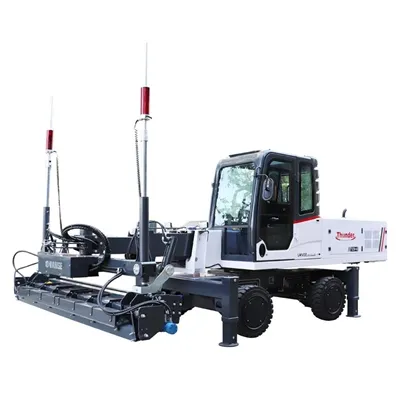
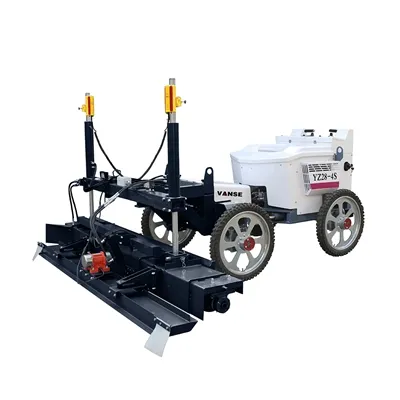
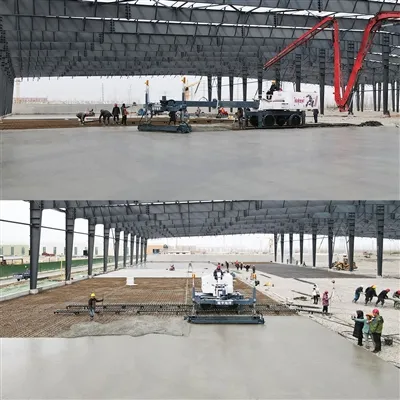
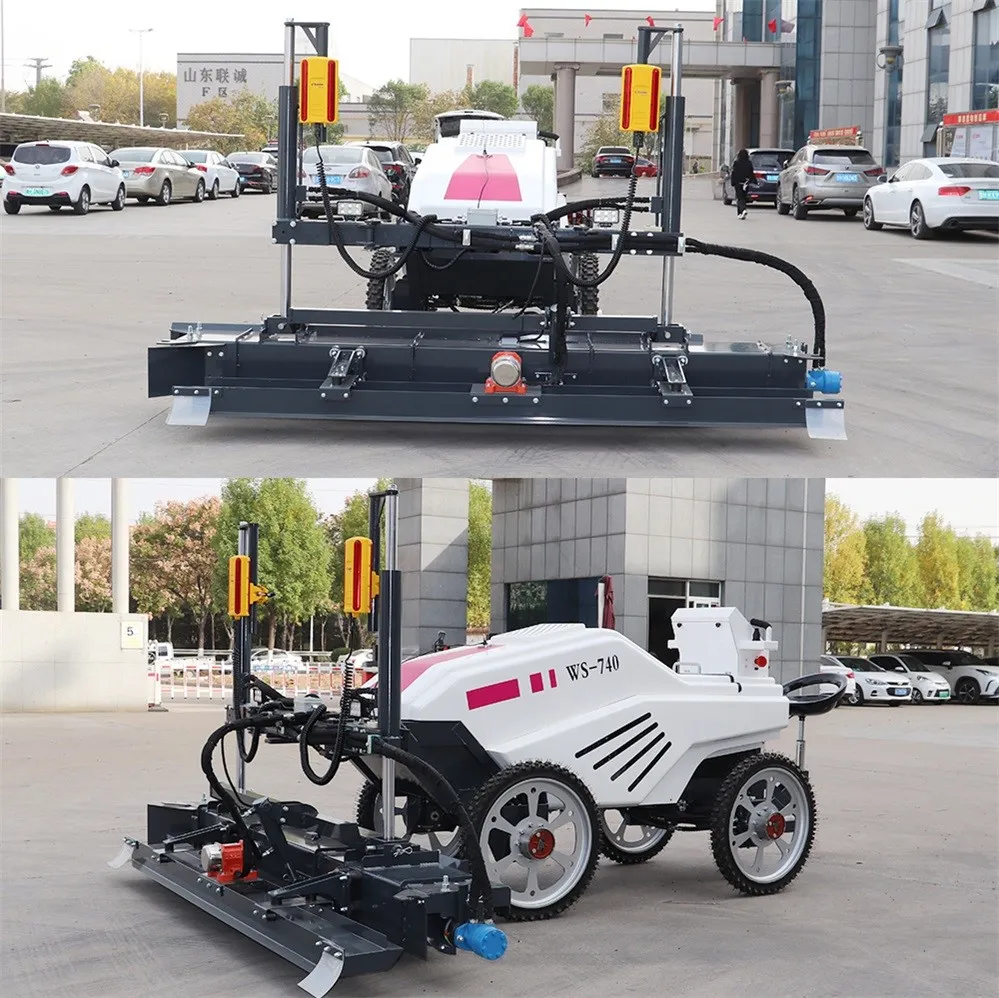
How does a concrete laser leveling improve the flatness?
Concrete laser levelings improve flatness by:
1. Utilize laser technology to ensure the flatness and thickness of the concrete surface by precisely controlling the position and height of the laser beam.
2. Automated control technology can realize continuous and automatic leveling operations and improve work efficiency.
3. When performing automatic leveling, there is an accurate reference plane. Generally, when the main focus is to control the height, the tightrope method is suitable; when the main focus is to control the thickness, the floating datum beam method is adopted. Generally, tightrope is used for the bottom layer, and floating datum beam method is used for the middle layer and surface layer.
4. The leveling machine has a vibration function, which can effectively compact the concrete material to the required thickness evenly, further improving the flatness.
5. Leveling machines are usually equipped with high-precision sensors and controllers that can monitor and adjust the flatness and height of the concrete surface in real time.
Therefore, through the above methods, the concrete laser leveling can effectively improve the flatness of the concrete surface, thereby improving the quality of stinging.

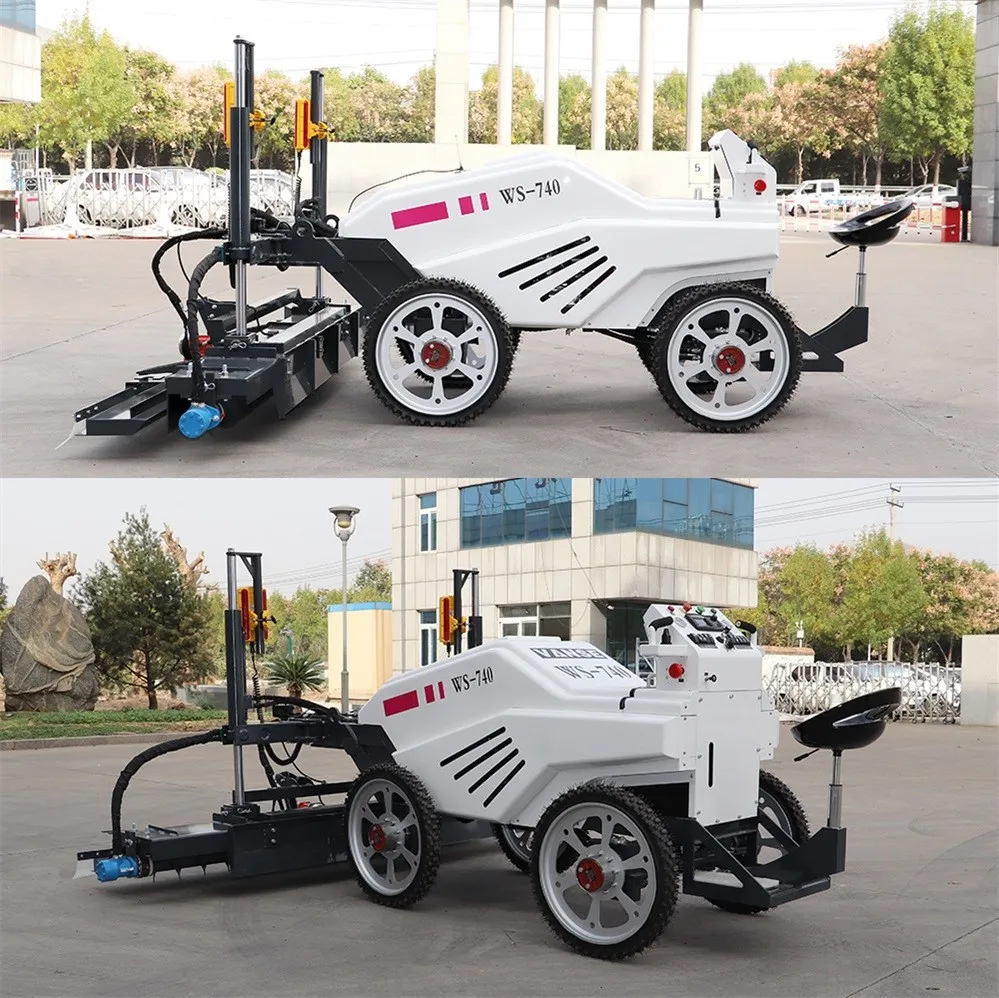
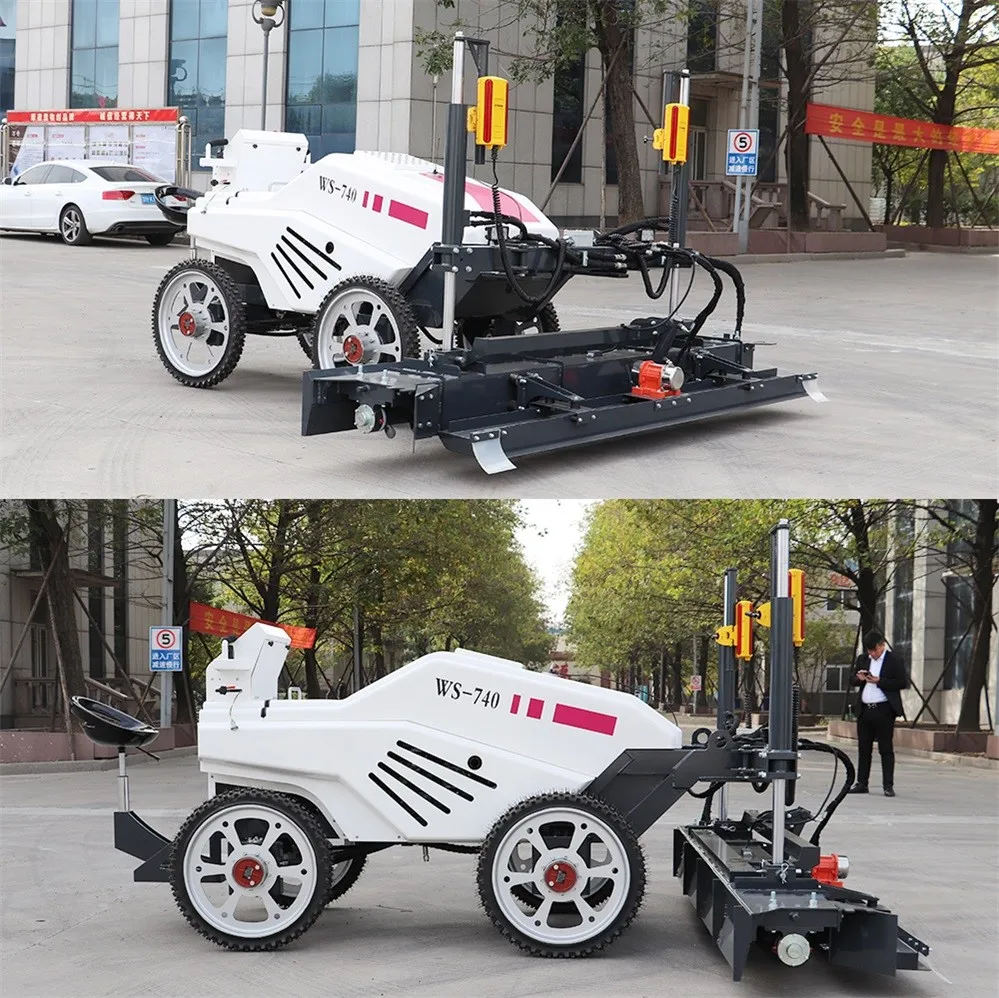
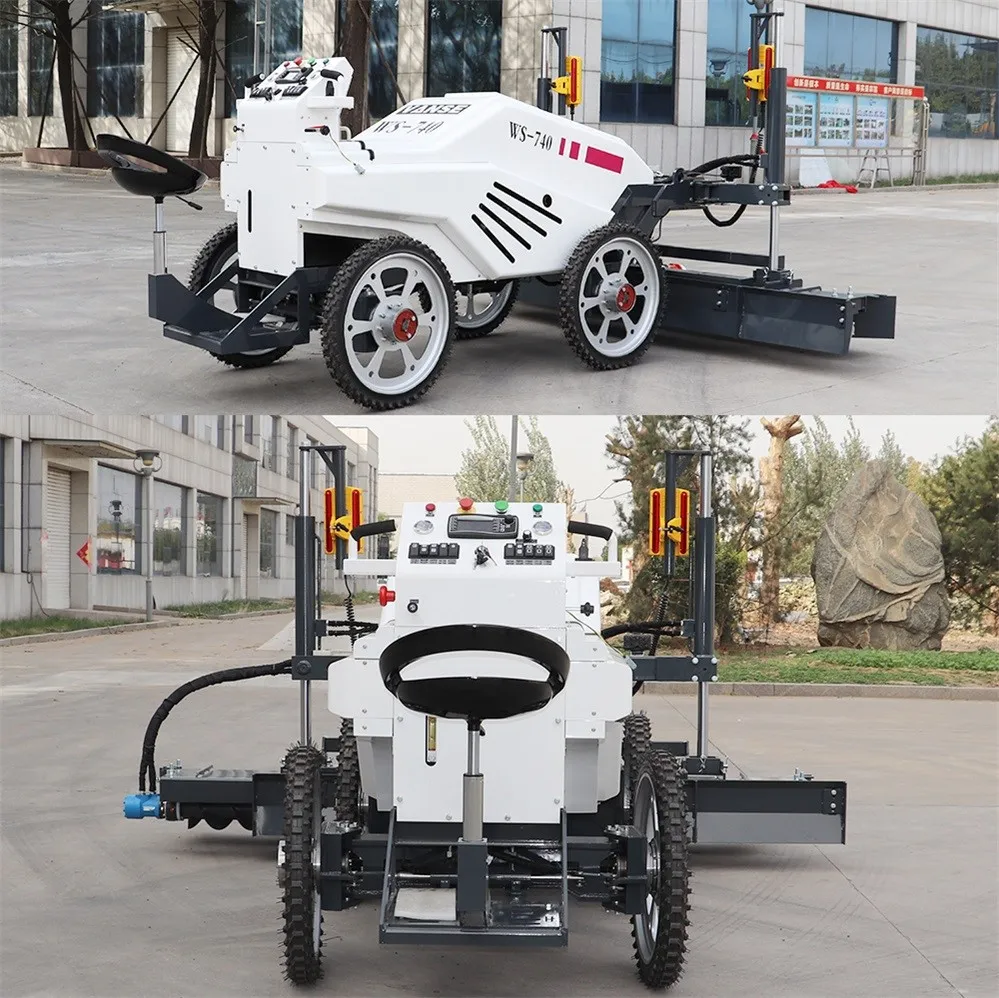
Thanks to All the Friends Who Support and Trust Shandong Vanse Machinery Technology Co., Ltd.
If you want to know more about Shandong Vanse Machinery Technology Co., Ltd. or have any questions, please feel free to contact us:
Our Factory
Shandong Vanse Machinery Technology Co., Ltd.








Share this article

About the Author: Shandong Vanse Machinery Technology Co., Ltd.
Shandong Vanse Machinery Technology Co., Ltd. is a high-tech manufacturer specializing in concrete construction machinery, including laser screeds and related equipment. The company integrates R&D, production, and global sales, with products exported to over 60 countries and widely used in infrastructure projects worldwide.
Previous Post
Next Post
Related Articles
You Might Also Like
Laser leveling machine manufacturers: Standardized use to extend its life is no longer a problem
As we all know, the service life of the laser leveler is limited. If you don't want the life of the leveler to end early, you need to follow the rules during use. As an expert in the production and use of levelers, laser levelers naturally have a lot of knowledge that others don't know. In order to help users learn to use the leveler, laser levelers will give a detailed introduction in today's content, so please don't miss it. ▲ After the laser leveler manufacturer completes the leveling operation, it will perform routine maintenance operations in accordance with the contents of the routine maintenance procedures. ▲ The working devices and motion mechanisms of the leveler that are in direct contact with the asphalt mixture during the operation are sprayed with diesel after the operation and then run for a period of time to remove the residual asphalt on them, so that they can operate freely and rotate flexibly. It is forbidden to spray diesel on the electronic control system and spiral wire to prevent fire and burning when the power is turned on. ▲ After leveling the fly ash soil operation, flush with water to flush away the white material. After flushing, use waste hydraulic oil to lubricate the active parts of the scraper conveyor chain, and apply anti-rust oil to the piston rod. Be careful not to flush the electrical appliances and bearings with water to prevent short circuits and foreign objects from entering the bearings. ▲ Clean and check the vertical slope meter lifting and adjustment device, and apply grease to the screw. Apply grease to the floating arm slide rail. Grease each oil filling point until the joints overflow. For leveling machines with oil filling cups, observe the consumption and fill them up at any time. ▲ Due to the high efficiency of construction, the later seam cutting needs to keep up. Generally, each laser paving leveling machine is equipped with 7-8 seam cutting machines to meet the requirements. ▲ The speed of the laser leveling machine should not be too fast during the leveling operation; ▲ The laser leveling machine manufacturer should perform initial leveling before concrete leveling, and the concrete after initial leveling should be higher than the established elevation. ▲ It is advisable to use ground film covering maintenance in the early stage, and cover the non-woven fabric after cutting the seam. ▲ When installing the laser transmitter, be careful to avoid obstacles; ▲ During the construction process, due to the side pressure of concrete, the steel mesh is easy to move horizontally. For this reason, an isolation bench is directly placed on the adjacent steel mesh, and the horizontal movement of the steel mesh is effectively controlled, and the bench can be used in rotation. The above is the relevant matters that our concrete laser leveling machine manufacturer tells you. I hope it can help you. If you want to buy it, please contact us as soon as possible. The contact number and company address of our company are at the bottom of the screen. Whether you call for details or come to the factory for inspection, we warmly welcome you.What benefits and drawbacks does a concrete laser leveling machine have?
– Using the laser system for positioning and control, the horizontality and elevation control of the concrete surface can be accurately achieved, and the error can be controlled within ±3 mm, which is much higher than the accuracy of traditional manual leveling. – The laser signal has a wide coverage range, which can ensure the consistency of flatness in a large construction area and avoid local unevenness. – Mechanized operation replaces manual work, which can quickly complete the paving, leveling and vibration of concrete, and can process hundreds of square meters per hour, which is 3-5 times more efficient than traditional methods. – The equipment is relatively easy to operate, and only a few operators are needed to complete the entire construction process, reducing labor costs and management difficulties. – High-precision leveling can reduce the waste of concrete and avoid excessive use of materials or rework and repair due to inaccurate leveling. – Although the equipment purchase cost is high, in the long run, efficient construction progress and reduced labor costs can reduce the overall construction cost. – Vibration is carried out simultaneously during the leveling process to make the concrete density uniform, reduce quality problems such as hollowing and cracks, and improve the bearing capacity and durability of the ground. – The flat surface provides a good foundation for subsequent decoration projects (such as laying floor tiles, epoxy flooring, etc.), reducing the difficulty and cost of subsequent construction. – It can be used in large-scale concrete construction scenes such as large factories, warehouses, parking lots, airport runways, squares, etc., especially suitable for projects with high flatness requirements. – It can adapt to concrete pouring of different thicknesses, from thin cushion layers to thick foundations. – The purchase price of a laser leveling machine usually ranges from hundreds of thousands to millions of yuan. For small construction companies or short-term projects, the initial investment pressure is relatively large. – The equipment needs regular maintenance and upkeep. For example, the maintenance costs of components such as laser transmitters and hydraulic systems are relatively high. – Before construction, it is necessary to ensure that there is no strong electromagnetic interference around the site to avoid affecting the reception and transmission of laser signals. – For areas with complex terrain or obstacles (such as special-shaped structures and narrow spaces), the operation of the equipment will be restricted, and manual assistance may be required to complete local construction. – The debugging and operation of the equipment requires professionals. If the operator is not familiar with the laser system and equipment performance, it may affect the construction accuracy and efficiency. – Once the equipment fails or the laser system fails, professional technicians are required to repair it, which may cause construction interruption. – The equipment is large in size and heavy in weight. Special vehicles are required for transportation, the transfer cost is high, and a certain amount of space is required when moving within the site. – The equipment needs to consume diesel or electricity when running, which consumes a lot of energy. At the same time, the engine and hydraulic system will produce a lot of noise, which may be restricted when working in residential areas or noise-sensitive areas. Concrete laser leveling machines are widely used in large-scale concrete projects due to their high precision, high efficiency and high-quality construction advantages, but their high cost and technical requirements also make them have certain limitations in small projects or complex scenes. Construction units can weigh their advantages and disadvantages according to the project scale, precision requirements and budget, and choose the appropriate construction equipment. Click the below to jump immediately!!! ARMOUR JOINT CONCRETE LEVELING MACHINE LIGHT TOWER POWER TROWEL SLIPFORM MACHINE STEEL FIBER TOPPING SPREADER TRACKED MINI DUMPERWhat are the quality concrete acceptance criteria for building ground projects?
Acceptance standards for quality concrete in building floor projects 1. General principles 1.1 Purpose This standard clarifies the specifications and standards for quality concrete acceptance of building ground projects to ensure that the project quality meets the design requirements and is safe to use. 1.2 Scope of application This standard applies to the acceptance of concrete materials in building ground projects, including requirements for raw materials, construction technology, quality inspection and acceptance, and safe and civilized construction. 2. Material acceptance standards 2.1 Cement When using cement, cement with product quality certificate and on-site inspection report should be selected, and on-site acceptance should be carried out in accordance with regulations. After the cement enters the site, it should be stored separately according to different varieties, labels, and factory dates, and signs should be set up. It is strictly prohibited to use expired, damp, or agglomerated cement. 2.2 Sand and stone Sand and stone should meet the design requirements, be free of impurities such as silt and stone powder, and have particle size and gradation that meet specification requirements. For projects with special requirements, special sand and stone should be used. 2.3 Water When using tap water or well water, make sure the water is clean and free of impurities such as oil, acid, and alkali. The chloride ion content in water should not exceed specification requirements. 2.4 Admixtures Admixtures should meet the design requirements, have product quality certificates and on-site inspection reports, and undergo on-site acceptance in accordance with regulations. The type and dosage of admixtures should comply with the design and specification requirements and should not contain ingredients harmful to the human body. 3. Construction process acceptance standards 3.1 Template installation Design calculations should be carried out before the formwork is installed, and the formwork should be made and installed in accordance with the design requirements. The strength and stiffness of the formwork should meet the construction requirements, and the joints should be tight, smooth, and free of slurry leakage. The formwork support system should be firm and stable and must not tilt or shake. After the formwork is removed, the surface should be kept clean and free of residue. 3.2 Steel bar binding Rust removal treatment should be carried out before the steel bars are bound. The specifications, models, quantities and spacing of the steel bars should meet the design requirements. The steel bars should be tied firmly and not loose. The joints of the steel bars should comply with the specification requirements, and the welding quality should comply with the design and specification requirements. The thickness of the protective layer of steel bars should meet the design requirements. When cement mortar pads are used, the number of pads should not be less than 4/m2. 3.3 Concrete pouring Before pouring the compacted soil, the formwork, steel bars, etc. should be inspected to ensure that they meet the construction requirements. The slump of concrete should comply with the design and specification requirements, and no water or additives should be added to the mixer at will. When pouring the compacted soil, it should be carried out in layers. The thickness of each layer should not be too large, and it should be vibrated densely without vibration leakage. After the concrete pouring is completed, the surface should be polished and compacted in time to prevent cracks. 3.4 Maintenance After the concrete pouring is completed, curing should be carried out in time, and the curing time should not be less than 7 days. During the curing period, the concrete surface should be kept moist to prevent shrinkage cracks. When using cover watering for curing, the frequency of watering should be enough to keep the concrete in a moist state. When using plastic film for curing, the plastic film should remain completely sealed and water-tight. After the curing is completed, the formwork should be removed promptly and the finished product should be protected in accordance with regulations. 4. Quality inspection and acceptance standards 4.1 Essentials The quality of building ground engineering should comply with the design requirements and relevant specifications, and the surface should be smooth, smooth, and free of cracks, pitting and other defects. The dividing joints should be neat and straight, and there should be no staggered joints. There should be no leakage at the junction between the floor and the wall. Ground engineering with functional requirements should meet the requirements of relevant functional functions.