Technical Knowledge
What problems will be caused by unstable installation of the laser transmitter of the concrete laser leveling machine?
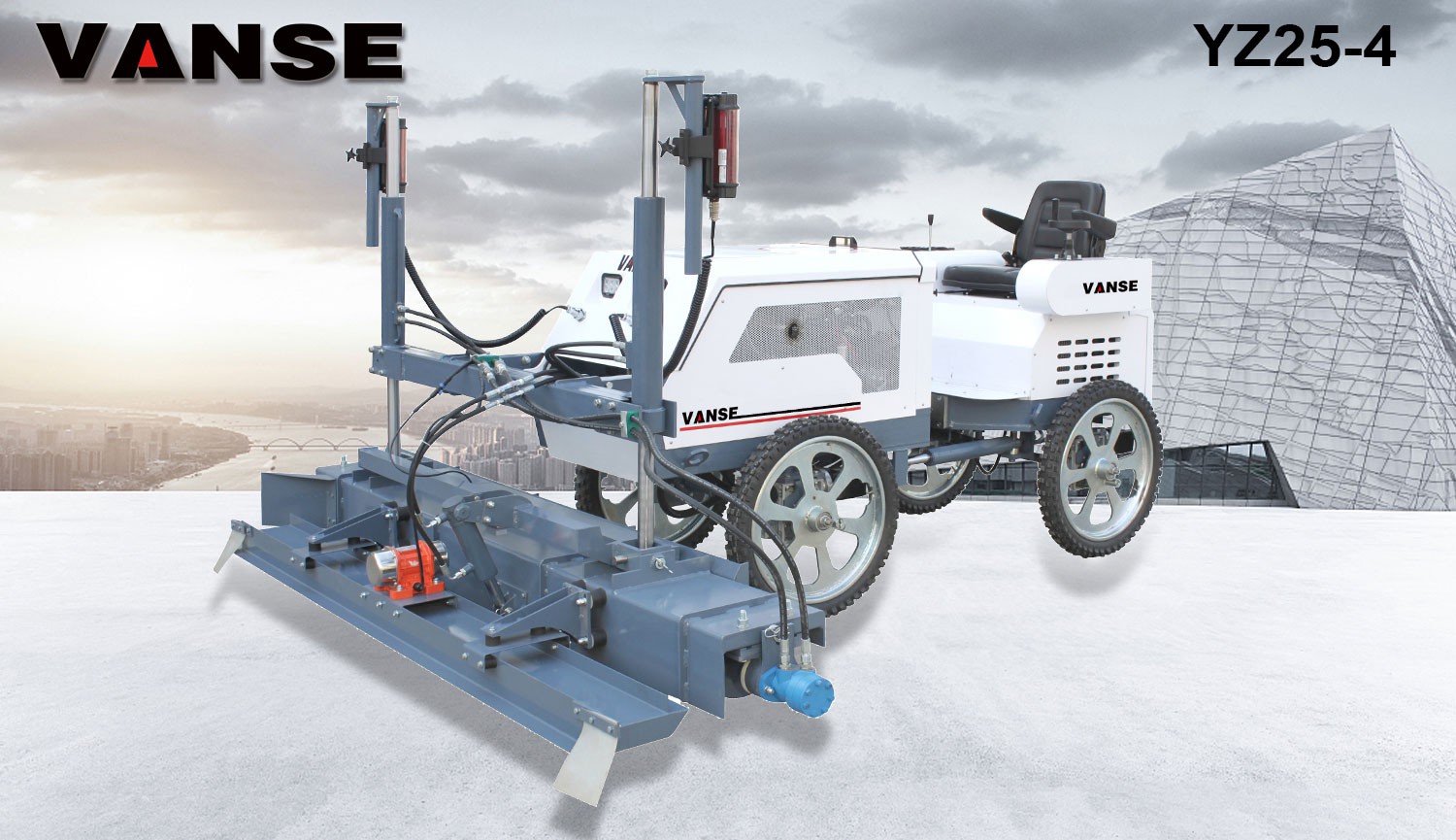
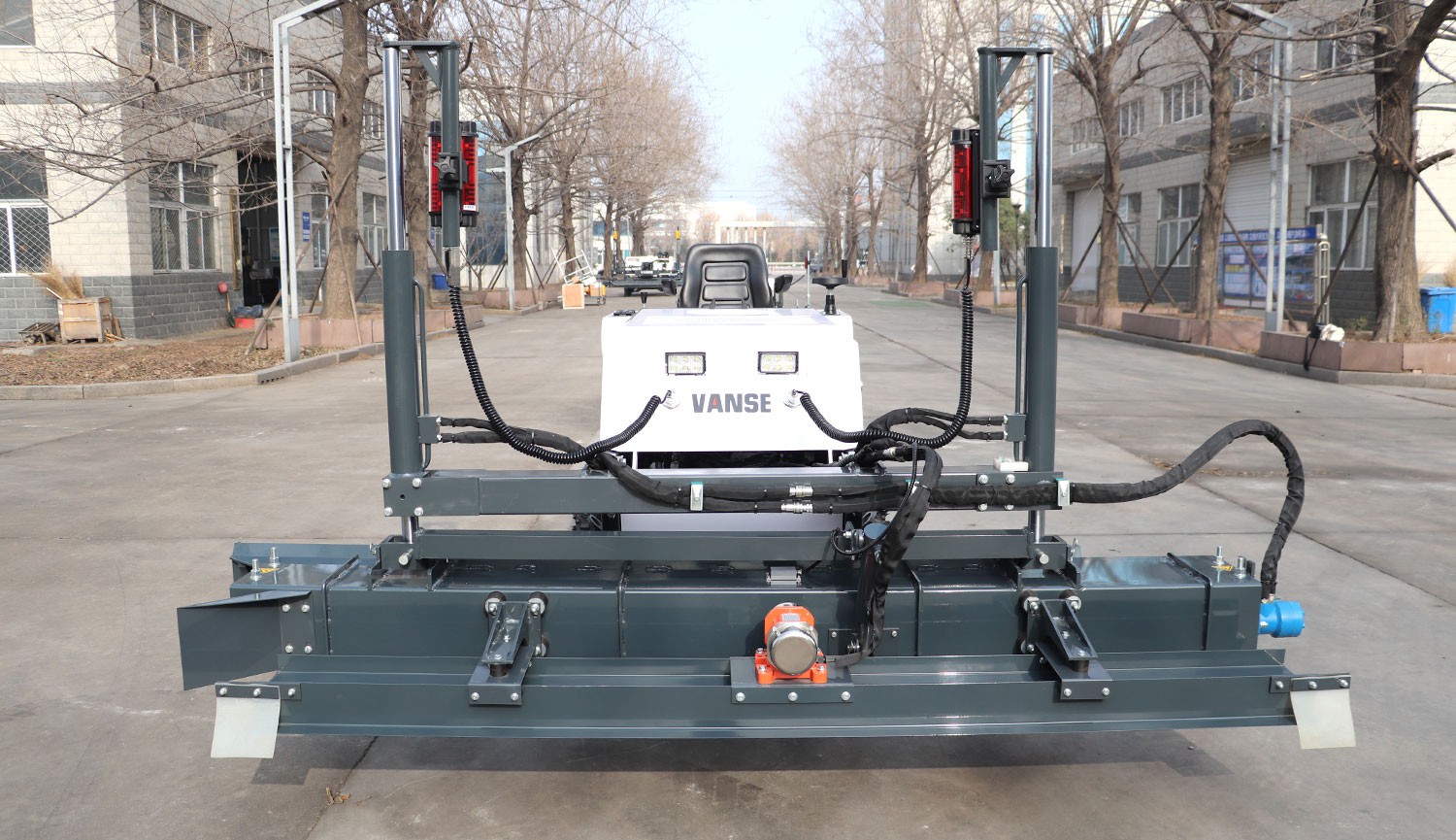
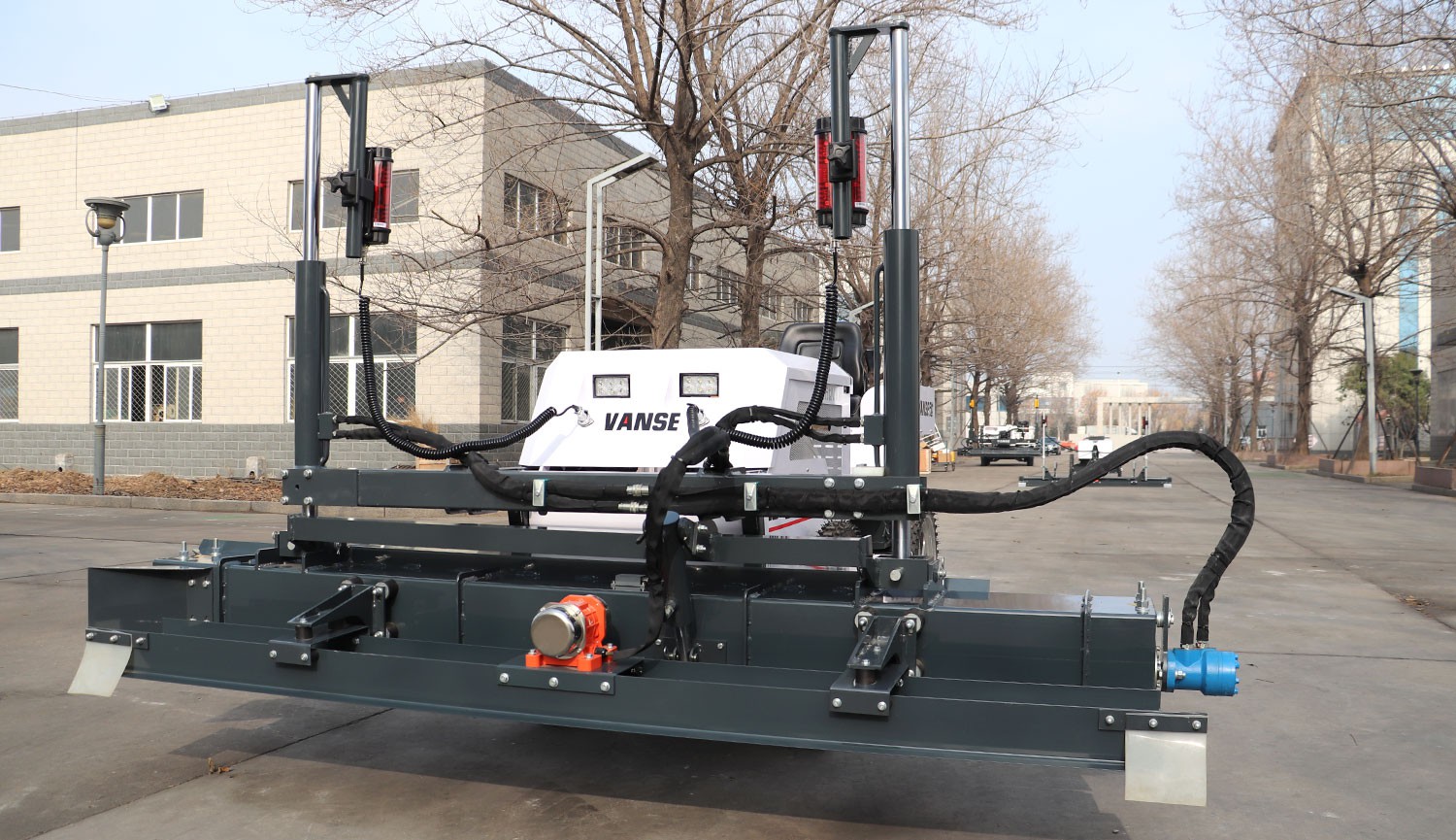
Unstable installation of the laser transmitter of the concrete laser leveling machine will cause problems in many aspects such as construction accuracy, equipment performance, construction efficiency and safety, as follows:
Impact on construction accuracy
– Flatness deviation:
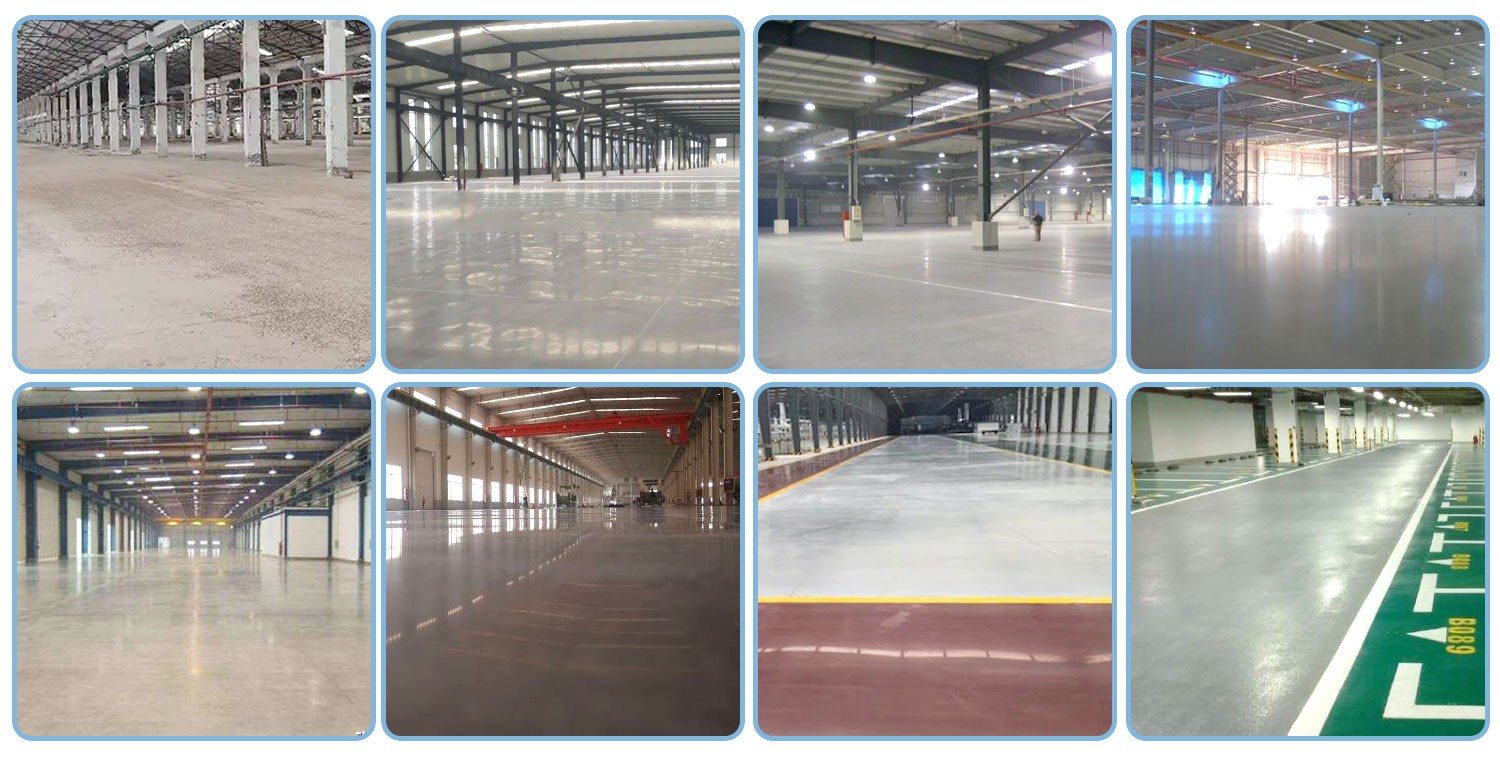
If the laser transmitter is installed unstably, the baseline of the laser beam it emits will fluctuate or deviate. The leveling machine relies on laser signals to control the height and levelness of the scraper or leveling beam. Inaccurate baselines will cause height differences on the concrete surface at different locations, causing the flatness to exceed the allowable error range, affecting the overall quality and performance of the ground.
– Slope error:
For concrete construction with slope requirements, such as parking lots and roads, unstable installation of the laser transmitter will cause deviations in slope control. It may lead to poor drainage, water accumulation in low-lying areas, affecting the use function, and even causing long-term damage to the concrete structure.
Reduce equipment performance
– Increase mechanical wear:
Due to the unstable installation of the laser transmitter, the leveling machine will frequently make unnecessary adjustments and corrections during operation, which will cause the mechanical parts of the equipment to bear additional stress and impact. Long-term operation will accelerate the wear of mechanical parts, such as scrapers, leveling beams, transmission devices, etc., reduce the service life of the equipment, and increase maintenance costs and downtime.
– Affect the life of electronic components:
Unstable installation may cause vibration and impact of the electronic components inside the laser transmitter, resulting in loose connections, solder joints falling off or circuit failures. At the same time, unstable working conditions can cause problems such as overheating of electronic components, shorten the service life of electronic components, and affect the overall performance and reliability of the laser transmitter.
Lead to reduced construction efficiency
– Increase construction time:
The construction accuracy problems caused by unstable installation of the laser transmitter require construction workers to spend more time on manual repairs and leveling. In addition, the decline in equipment performance may also cause failures and require downtime for maintenance, which will extend the overall construction time and affect the progress of the project.
– Reduce construction continuity:
Various problems caused by unstable installation will lead to frequent pauses and adjustments during the construction process, destroying the continuity and smoothness of the construction. This will not only affect the work efficiency and enthusiasm of construction workers, but may also have an adverse effect on the pouring quality of concrete, such as cold joints and loose concrete bonding.
Safety hazards
– Risk of equipment tipping:
Unstable installation of the laser transmitter may cause it to shake or tip during operation, posing a safety threat to surrounding construction personnel and equipment. Especially when working at heights or when there are dense personnel and equipment on the construction site, the tipping of the transmitter may cause serious safety accidents.
– Electrical safety issues:
Unstable installation may loosen the power cord, signal line and other connections of the laser transmitter, leading to electrical safety issues such as poor contact and short circuit. This may not only damage the equipment, but also cause safety accidents such as fire, threatening the safety of personnel and property on the construction site.
Thanks to All the Friends Who Support and Trust Shandong Vanse Machinery Technology Co., Ltd.
If you want to know more about Shandong Vanse Machinery Technology Co., Ltd. or have any questions, please feel free to contact us:
Our Factory
Shandong Vanse Machinery Technology Co., Ltd.








Share this article

About the Author: Shandong Vanse Machinery Technology Co., Ltd.
Shandong Vanse Machinery Technology Co., Ltd. is a high-tech manufacturer specializing in concrete construction machinery, including laser screeds and related equipment. The company integrates R&D, production, and global sales, with products exported to over 60 countries and widely used in infrastructure projects worldwide.
Previous Post
Next Post
Related Articles
You Might Also Like
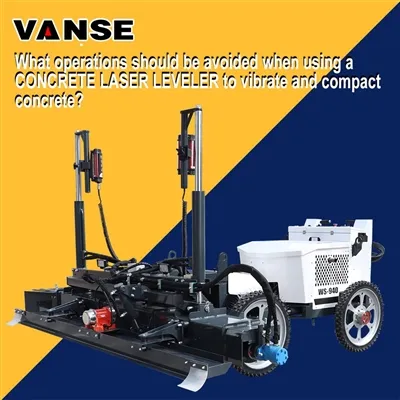
What operations should be avoided when using a concrete laser leveler to vibrate and compact concrete?
Improper operation of a concrete laser leveling machine during compaction can lead to problems such as segregation, uneven surfaces, and insufficient density. The following key practices should be avoided: Over-vibration: Excessive vibration frequency (exceeding the equipment's recommended range, such as over 5,000 vibrations per minute) or prolonged vibration time can cause aggregate to sink and mortar to float, resulting in segregation (gravel concentrates at the bottom and excessive laitance on the surface), impacting structural strength and durability. Insufficient vibration: Excessive vibration frequency or insufficient vibration depth (failure to reach the bottom of the concrete) can prevent internal bubbles from being expelled and gaps between aggregates from being filled, leading to honeycombs and voids, and reduced density. Parameters not adapted to concrete characteristics: Parameters not adjusted according to concrete slump (e.g., using a low frequency for dry, hard concrete and a high frequency for plastic concrete) can result in either inadequate vibration or segregation. Repeatedly vibrating the same area: Repeatedly vibrating the same location will damage the concrete's initial structure and exacerbate segregation, especially when performed on concrete in the initial setting stage. This can cause sanding and cracking of the surface. Missed edges or corners: The vibrator fails to reach areas such as the edge of the formwork or areas with dense rebar. These areas are prone to honeycombing due to insufficient vibration energy and require manual assisted vibration (such as using an inserted vibrator). However, this should avoid interfering with the laser leveling machine. Mismatching vibration and travel speed: If the machine travels too fast, the vibrator will stay in a specific area too short, failing to achieve adequate compaction. If the machine travels too slowly, excessive vibration may cause segregation, impacting construction efficiency. Failure to promptly level after vibration: After vibration, the concrete surface will fluctuate due to vibration. If this is not promptly leveled using the laser leveling system, the surface will exceed the required flatness, requiring additional repairs and increasing costs. Forced vibration when the concrete slump exceeds the specified value: Concrete with a large slump (e.g., over 200mm) is inherently fluid and can easily segregate due to excessive vibration. Concrete with a small slump (e.g., less than 50mm) has difficulty transmitting energy through vibration, which can lead to insufficient density. Therefore, the concrete mix proportions should be adjusted before construction. Vibrating after initial setting: After initial setting (loss of plasticity), vibration can damage the existing structural framework, causing surface cracking and reduced strength. Vibration timing must be strictly controlled and synchronized with the concrete pouring rhythm. Continuing to use a vibrator when the vibrator is worn or stuck: Wear on the vibrator blades will attenuate the vibration energy, while sticking can cause localized severe impact, resulting in localized concrete segregation or surface damage. Regularly inspect the equipment. Failure to adjust the vibration depth based on the construction thickness: Too shallow a vibration depth (less than 2/3 of the concrete thickness) can result in a loose, deeper layer; too deep a vibration depth (contacting the formwork or base) can damage the formwork due to vibration impact or introduce impurities into the base, affecting concrete quality. By avoiding these practices, the laser leveling can ensure efficient concrete compaction during the vibration process while maintaining surface accuracy and structural strength, reducing subsequent repair costs. Click the below to jump immediately!!! ARMOUR JOINT CONCRETE LASER LEVELING MACHINE LIGHT TOWER POWER TROWEL SLIPFORM MACHINE STEEL FIBER TOPPING SPREADER TRACKED MINI DUMPERThere are two methods and techniques for leveling concrete pavement, which one is more suitable for actual construction?
Two methods and techniques for concrete pavement leveling: Comparative analysis of manual leveling and mechanical leveling In concrete pavement construction, leveling operations are an important step in ensuring the smoothness of the pavement and improving its performance and aesthetics. Depending on the construction conditions, the leveling operation can take two methods: manual leveling and mechanical leveling. This article will conduct a detailed analysis of these two methods and their techniques, and explore which method is more suitable based on actual construction conditions. Manual leveling mainly relies on the experience and skills of workers, using scrapers, wooden bars and other tools. After the concrete is poured, workers need to quickly and evenly scrape the concrete surface with a scraper, then use a wooden pole to check the flatness, and scrape repeatedly until the requirements are met. (1) Master the initial setting time of concrete to ensure that the leveling work is completed before the concrete begins to harden. (2) The scraper must be used evenly and forcefully to avoid unevenness. (3) The wooden poles should be kept level during inspection to ensure that the road surface is overall smooth. Advantages: The manual leveling method is flexible and convenient for small area or irregular-shaped road construction. Disadvantages: High technical requirements for workers, relatively low leveling efficiency, and difficulty in ensuring the smoothness of large-area road surfaces. Mechanical leveling mainly uses mechanical equipment such as vibrating rollers and plate vibrators. After the concrete is poured, the concrete is first compacted with a vibratory roller and then finely leveled with a plate vibrator. (1) Ensure that the mechanical equipment is in good working condition and adjust the vibration frequency and amplitude. (2) Control the driving speed of the road roller and plate vibrator to maintain uniform operation. (3) For corners and areas that are difficult to level mechanically, manual leveling is required. Advantages: The mechanical leveling method is highly efficient, can quickly complete the leveling of large areas of road surface, and the leveling quality is relatively stable. Disadvantages: It may not be suitable for small-area or irregular-shaped road construction, and requires certain equipment investment and maintenance costs. (1) For large-area, regular-shaped road construction, mechanical leveling method is more suitable because it can significantly improve construction efficiency and ensure leveling quality. (2) For small-area, irregular-shaped pavement construction, manual leveling may be more suitable because it is more flexible. (1) The manual leveling method has high technical requirements for workers and requires experienced workers to ensure the leveling quality. (2) The mechanical square rule is relatively simple but has certain requirements for the operation and maintenance of mechanical equipment. (1) The initial investment cost of manual leveling method is low, but the labor cost may be high, and the leveling efficiency is relatively low (2) The mechanical leveling method requires certain equipment investment and maintenance costs, but in the long run, its construction efficiency and quality advantages may bring higher economic benefits. When selecting a concrete pavement leveling method, factors such as construction conditions, technical requirements, and economic costs need to be comprehensively considered. The manual leveling method is suitable for small-area, irregular-shaped pavement construction, while the mechanical leveling method is more suitable for large-area, regular-shaped pavement construction. In actual construction, two methods can be flexibly used according to specific conditions to achieve the best leveling effect. (1) Strengthen technical training for workers and improve the quality and efficiency of manual leveling. (2) Optimize the configuration and maintenance management of mechanical equipment to ensure the stable progress of mechanical leveling work. (3) In actual construction, manual leveling and mechanical leveling are combined and used flexibly according to specific conditions to improve construction efficiency and quality. (4) Regularly conduct quality inspections and assessments of the construction process, identify problems in a timely manner and take appropriate measures to improve them. Concrete pavement leveling is a key link to ensure pavement quality and performance. When selecting a leveling method, factors such as construction conditions, technical requirements, and economic costs should be fully considered. Through detailed analysis and comparison of the two methods of manual leveling and mechanical leveling, the following conclusions can be drawn: In actual construction, these two methods should be flexibly used according to specific conditions to achieve the best leveling effect. At the same time, strengthening the technical training of workers and the management and maintenance of machinery and equipment are also important ways to improve the quality and efficiency of leveling. Note: The parameters provided in this document are for reference only and are not mandatory. Due to differences in technical characteristics between different brands and models of laser levelers, please consult the manufacturer for a suitable solution before actual operation. This reference document assumes no responsibility for any issues arising from failure to follow the manufacturer's instructions.How should the slump of concrete pavement construction be adjusted in different construction scenarios?
Reason: The increase in temperature will accelerate the cement hydration rate and the water evaporation rate, resulting in faster loss of concrete slump and reduced fluidity. Adjustment method: Appropriately increase the slump. It is generally recommended to increase it by 2040mm compared with normal temperature construction. For example, the slump is controlled at 80100mm at normal temperature, and it can be adjusted to 100140mm at high temperature. At the same time, measures can be taken to reduce the temperature of raw materials, such as shading aggregates, spraying water to cool down, using underground cold water to mix concrete, and adding ice cubes to the mixing water to control the concrete outlet temperature ≤30℃. Reason: Low temperature will prolong the setting time of concrete and deteriorate the construction performance. If the slump is too small, the concrete may be difficult to vibrate and compact. Adjustment method: The slump should not be too large, usually controlled at 3060mm. Warm water can be used to mix concrete to increase the temperature of the concrete out of the machine, and the amount of admixture can be appropriately reduced to avoid too long setting time of the concrete. In addition, attention should be paid to the insulation and maintenance of the concrete to prevent freezing. Reason: Long transportation time will cause the slump of concrete to be lost. If the initial slump is small, it may be difficult to meet the construction requirements when arriving at the construction site. Adjustment method: Appropriately increase the slump when setting off, such as increasing it by 2030mm compared to normal construction. For example, the normal construction slump is 80100mm, and it can be set to 100130mm during longdistance transportation. At the same time, on the basis of the continuous lowspeed rotation of the mixer tank (24 rpm), a transport retarder can be added to ensure that the slump loss rate is ≤30% within 2 hours. Reason: Pumping requires concrete to have good fluidity and pumpability to pass through the pipeline smoothly and reach the pouring location. Adjustment method: The slump is usually controlled at 120180mm. It is necessary to select a suitable pumping agent and adjust its dosage according to the pumping distance, height and pipeline layout. At the same time, optimize the concrete mix ratio and control the sand ratio at around 35%45% to improve the fluidity and water retention of the concrete. Reason: If manual paving or small mechanical paving is used, the concrete does not need to have high fluidity like pumping, but it still needs to have a certain workability to facilitate paving and vibration. Adjustment method: The slump is generally controlled at 3080mm. If the slump is increased by one level (i.e., by 20 30 mm), in addition to increasing the sand content by more than 1% to ensure stability and workability, the amount of water (5 10 kg/m3) and cement (10 kg per cubic meter) must be increased accordingly. In actual construction, the optimal slump and mix ratio should be determined through tests according to specific conditions, and inspection and adjustment should be carried out strictly in accordance with relevant standards and specifications to ensure the construction quality of the concrete pavement.