Technical Knowledge
Laser guided concrete levelings drive in or boom type for sale
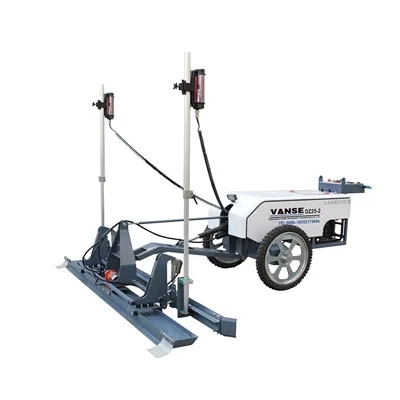
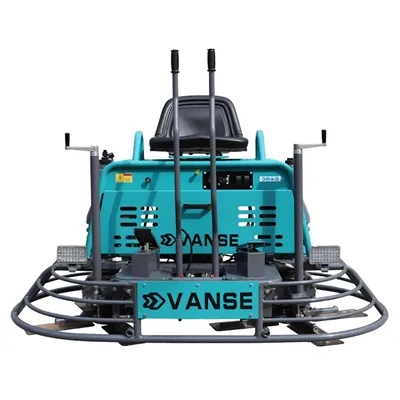
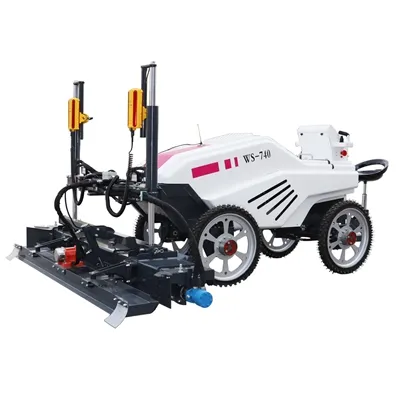
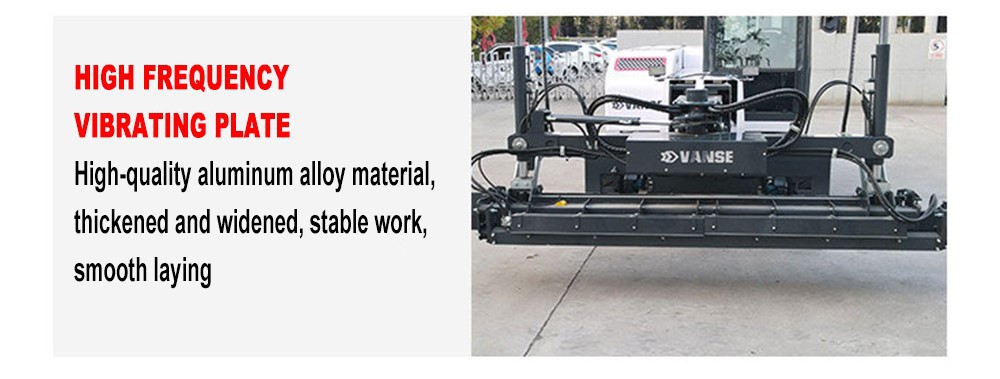
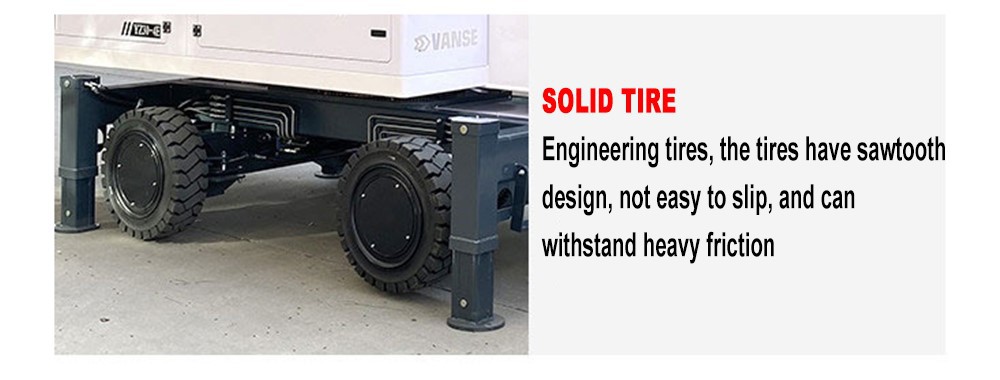
VANSE established products line in 4 models of Two-wheeled Laser leveling Machine, Four-wheeled Laser leveling Machine,2 models of Seat-type Laser Troweling Machine, as well as supporting equipments like Walk-behind Laser Troweling Machine, Vibration Ruler, and etc.
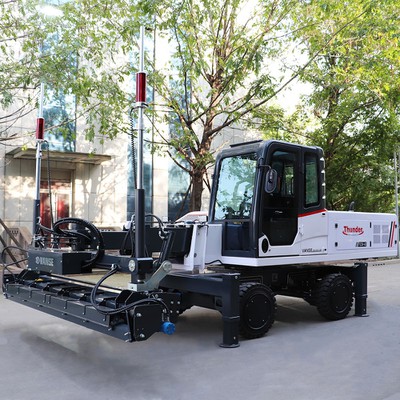
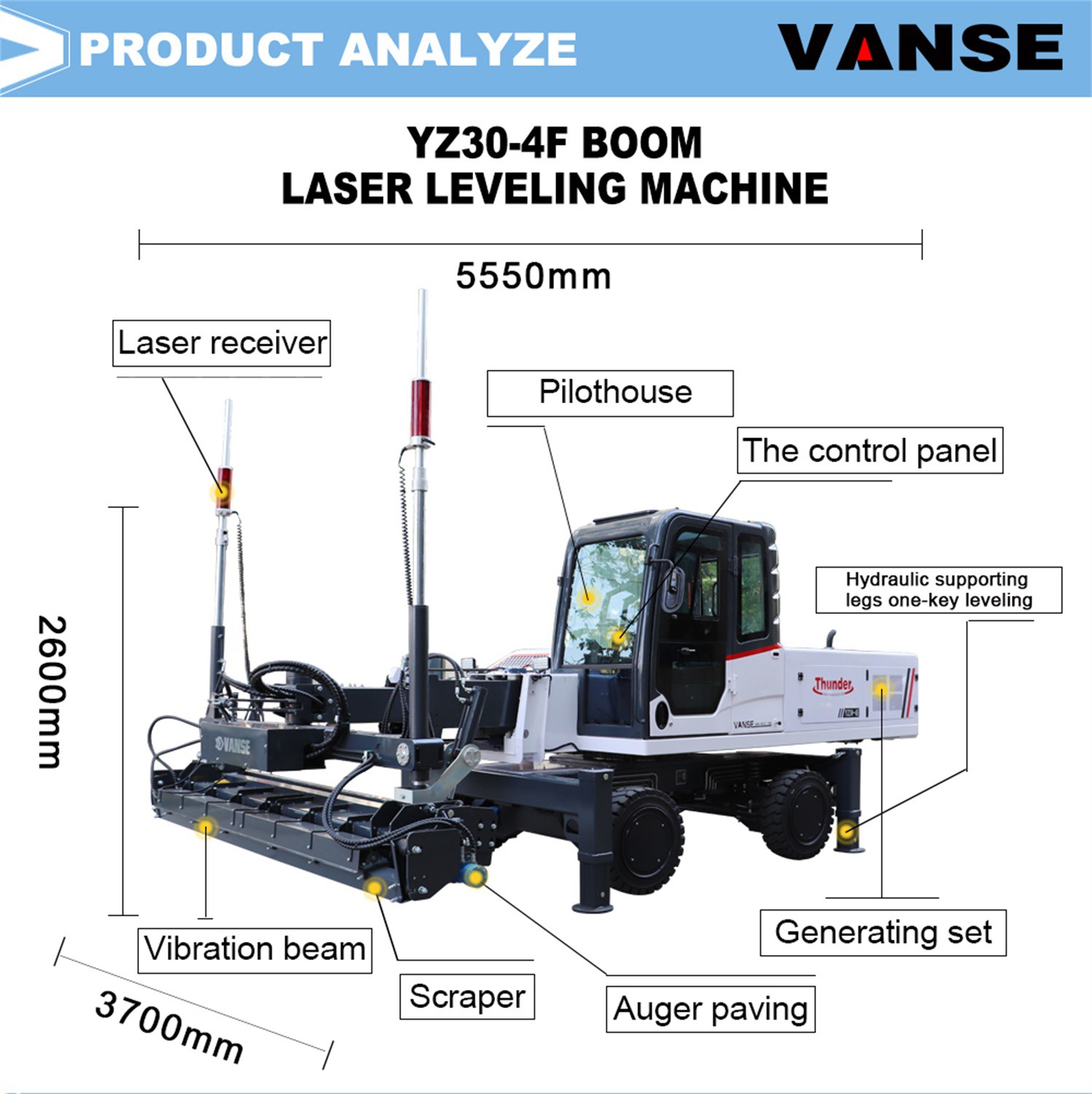
1, Concrete laser levelings are used in concrete floor works, including flat floor works, slop works and double slops works. Such as factory, workshop, park, plaza, super market, exhibition hall, container yards, wharf, play ground, square and so on.
2, It has three important functions: Paving the concrete, Leveling the concrete floor, Compacting the concrete floor. It improves the quality of floor.
3, It can level the concrete floor automatically by microcomputer laser scanning.
4, It can improve the flatness of the concrete floor. The height deviation of all concrete floor is below 1.5mm.
5, It can save about 70% of manpower. So it can increase the profit greatly.
6, It can shorten the construction period. It can work quickly and well.
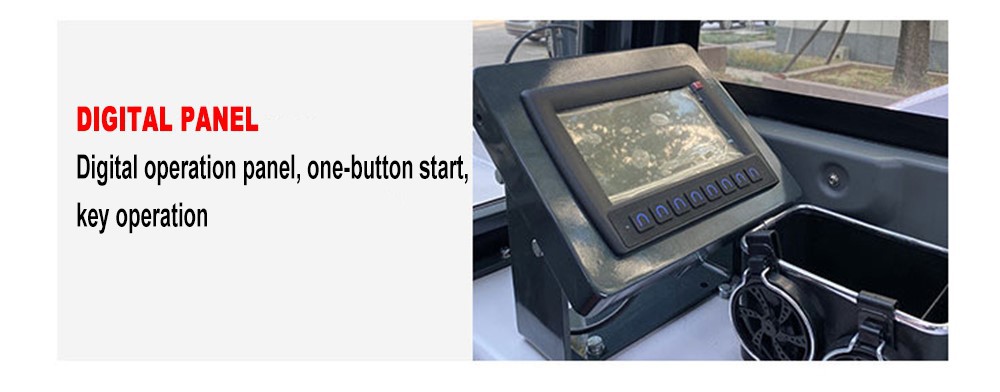
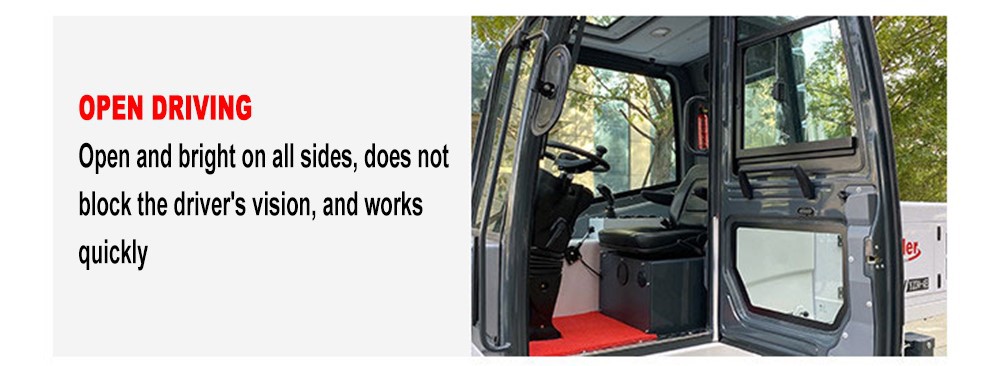
7,Operation is very easy.
8, The drive system is hydraulic drive fully.
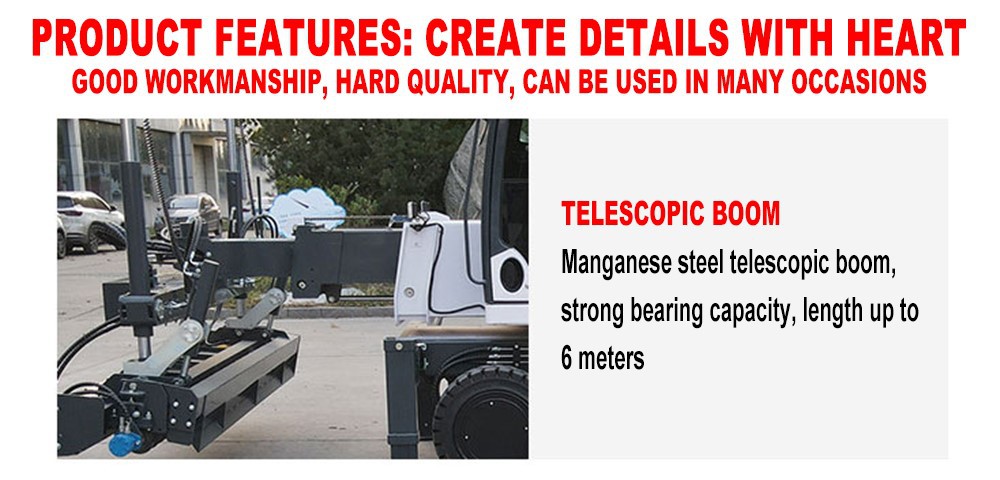
9, Telescopic boom type laser leveling can rotary 360 degrees and the telescopic boom 6m long.
Thanks to All the Friends Who Support and Trust Shandong Vanse Machinery Technology Co., Ltd.
If you want to know more about Shandong Vanse Machinery Technology Co., Ltd. or have any questions, please feel free to contact us:
Our Factory
Shandong Vanse Machinery Technology Co., Ltd.








Share this article

About the Author: Shandong Vanse Machinery Technology Co., Ltd.
Shandong Vanse Machinery Technology Co., Ltd. is a high-tech manufacturer specializing in concrete construction machinery, including laser screeds and related equipment. The company integrates R&D, production, and global sales, with products exported to over 60 countries and widely used in infrastructure projects worldwide.
Previous Post
Next Post
Related Articles
You Might Also Like
Where are the energy-saving & environmental protection performance of concrete laser leveling machine specifically reflected?
The energy-saving and environmental protection performance of concrete laser leveling machines is mainly reflected in multiple dimensions such as energy utilization efficiency, material loss control, pollutant emission optimization and sustainable design. The following are specific manifestations: – The use of high-efficiency and energy-saving engines improves fuel efficiency by 10%-20% compared with traditional models, reducing fossil energy consumption. For example, some electric laser leveling machines rely on lithium batteries for power supply, and have zero fuel consumption during operation, reducing energy consumption costs by more than 30%. – Equipped with an intelligent idling system, the equipment automatically reduces the engine speed when not in operation, avoiding idling energy waste and further reducing fuel consumption. – The use of load-sensitive hydraulic technology automatically adjusts the hydraulic oil flow and pressure according to the operating load to reduce energy loss. For example, during leveling operations, the system only provides the required power to avoid the conversion of excess hydraulic energy into heat energy loss. – The laser positioning system achieves millimeter-level leveling accuracy (error ≤3mm), avoiding repeated concrete repairs or over-thick paving due to insufficient flatness in traditional manual construction, and can reduce the amount of concrete used by 5%-10%. Taking a 10,000㎡ site as an example, it can save about 50-100m³ of concrete, reduce material costs and reduce carbon emissions from cement production (about 0.9 tons of CO₂ per ton of cement production). – Mechanized operations are 3-5 times more efficient than manual construction, shortening the construction period while reducing the energy consumption of on-site machinery and personnel. For example, traditional manual leveling requires multiple rounds of operations, while the laser leveling machine is formed in one go, reducing the energy consumption of repeated construction. – Some models are equipped with engines that meet the emission standards of National VI, Euro V, and US EPA (or Euro V, Tier 4 Final), reducing nitrogen oxide (NOx) and particulate matter (PM) emissions by more than 50%, reducing air pollution. Electric models have completely zero tail gas emissions and are suitable for construction indoors or in environmentally sensitive areas. – Through the engine soundproof cover and hydraulic system noise reduction design, the operating noise can be controlled below 85 decibels (traditional models are about 95 decibels), reducing the noise pollution of the surrounding environment caused by construction, and meeting the environmental protection standards of urban construction. – Key components (such as hydraulic pumps and motors) adopt modular design, which can be replaced separately in case of failure, avoiding the scrapping of the entire machine and extending the service life of the equipment. According to statistics, modular design can reduce the equipment maintenance cost by 20% and extend the replacement cycle of parts by 3-5 years. – Equipped with energy consumption monitoring display screen, real-time display of fuel consumption and power consumption data, to help operators optimize the operation mode. For example, by adjusting the construction speed through data feedback, the energy consumption per unit area can be reduced by 5%-8%. Some models have passed ISO 14001 environmental management system certification or LEED green building certification, suitable for green construction projects, helping Party A to obtain environmental rating bonus points. Summary: The core value of energy saving and environmental protection The concrete laser leveling machine combines "high-efficiency power + precise construction + low-consumption design" to not only reduce the energy consumption and pollutant emissions of a single device, but also reduce the environmental load of construction projects from the perspective of the entire life cycle through material saving and construction efficiency improvement, which is in line with the current trend of green construction under the "dual carbon" goal.What factors affect the compaction effect of concrete power trowel?
– Trowel type and weight – Different types of trowels, such as walk-behind and ride-on, have different compaction effects. Ride-on trowels are usually heavier, and their own weight can provide greater pressure for the compaction process. They are generally suitable for compacting large areas and thicker concrete. Walk-behind trowels are relatively light, and may require the operator to apply additional pressure when compacting thicker concrete. For example, a ride-on trowel can weigh hundreds of kilograms, and through its own gravity and the pressure generated by the operation of the machine, it can effectively compact a concrete layer of 10-15 cm deep; a walk-behind trowel generally weighs tens of kilograms, and for the same thickness of concrete, it may be necessary to achieve similar compaction effects through repeated operations or increased downward operating force. – The size and number of trowel discs on the trowel also affect the compaction effect. Larger trowel discs can cover more ground area when rotating, making the pressure more evenly distributed, which helps to improve the compaction effect. Compared with a single-disc trowel, a double-disc trowel can apply pressure to concrete from two directions at the same time, making the pressure on the concrete surface more balanced, thereby enhancing the compaction effect to a certain extent. For example, the diameter of the two trowel discs of a double-disc ride-on trowel can reach about 1 meter, which can better compact a large area of concrete during operation and reduce the height difference of the ground. – Power and speed of trowel – A powerful trowel can better overcome the resistance of concrete during operation, allowing the trowel blade to embed deeper into the concrete surface, thereby improving the compaction effect. For example, a gasoline-powered trowel has more power than an electric trowel of the same type. When dealing with hard concrete, it can drive the trowel blade to rotate with higher torque to effectively compact the concrete. – The speed of the trowel also has an important impact on the compaction effect. A trowel with a moderate speed can make the trowel blade fully contact with the concrete surface and evenly transfer the pressure to the concrete. If the speed is too high, the friction between the trowel and the concrete will increase, which may cause the trowel to jump and affect the uniformity of compaction; if the speed is too low, it will not generate enough centrifugal force and pressure, and the compaction effect will be greatly reduced. Generally speaking, the speed of the trowel machine is more suitable between 70 and 150 rpm. The specific speed should be adjusted according to the slump, hardness and other factors of the concrete. – Concrete slump – Slump is an indicator of the fluidity of concrete. Concrete with a large slump has good fluidity and is easier to be compacted under the action of the trowel. However, if the slump is too large and the concrete is too thin and soft, the trowel may sink into the concrete during operation, affecting the compaction effect and work efficiency. On the contrary, concrete with a small slump is relatively dry and hard, requiring greater pressure to compact, and the trowel of the trowel machine may be difficult to penetrate into the concrete, which is prone to uneven surface compaction. For example, concrete with a slump of 50-90 mm is more suitable for trowel compaction, which can ensure the compaction effect while making the trowel work normally. – Concrete mix ratio and aggregate characteristics – The mix ratio of concrete (the ratio of cement, sand, gravel and water) directly affects its performance. A reasonable mix ratio can make concrete have good workability and strength, which is conducive to compaction. For example, an appropriate increase in the amount of cement can improve the cohesion of concrete, making it easier to form a dense structure during compaction. – The characteristics of aggregates (sand and gravel) are also critical. The particle size, shape and gradation of aggregates will affect the compaction effect of concrete. Aggregates with moderate particle size, regular shape and good gradation can better fill each other in concrete, reduce pores, and make it easier for concrete to reach a dense state under trowel compaction. If the aggregate particle size is too large or too small, or the gradation is unreasonable, it may cause more pores inside the concrete, and it is difficult to achieve the ideal density even after trowel compaction. – Operation speed and pressure control – The operation speed of the trowel has a significant impact on the compaction effect. If the operation speed is too fast, the trowel blade will stay in each position for too short a time and cannot fully compact the concrete; if the operation speed is too slow, the work efficiency will be reduced. In actual operation, it is necessary to adjust the appropriate operation speed according to the state of the concrete and the performance of the trowel. For example, when compacting and troweling concrete after initial setting, the operation speed of the hand-held trowel is generally controlled at 2-4 meters per minute. – The pressure applied by the operator to the trowel is also important. Appropriately increasing the pressure can improve the compaction effect, but excessive pressure may cause excessive wear of the trowel blade and even damage the concrete surface. The operator needs to reasonably control the pressure according to the hardness of the concrete, the type of trowel and the trowel stage (rough grinding or fine grinding). In the rough grinding stage, the pressure can be appropriately increased to compact the concrete; in the fine grinding stage, the pressure should be reduced to obtain a smooth surface. – Operation trajectory and number of times – A reasonable operation trajectory can make the concrete surface subject to uniform pressure and improve the compaction effect. Usually, a zigzag, circular or spiral operation track is used. For example, in the construction of large-scale concrete floors, a circular operation track is used to gradually compact and smooth from the edge to the center or from the center to the edge to ensure that the entire floor can be evenly treated. – The number of operations will also affect the compaction effect. Generally speaking, multiple smoothing and compacting of concrete, with each smoothing direction perpendicular to each other, can make the concrete surface smoother and denser. However, too many operations may cause the mortar layer on the concrete surface to be too thick, resulting in surface cracking and other problems, so the number of operations needs to be controlled according to actual conditions.How to evaluate the performance & stability of laser receivers?
There are several aspects to consider when evaluating the performance and stability of a laser receiver: 1. Sensitivity: Sensitivity refers to the minimum optical power that the receiver can detect. Evaluating the sensitivity of a laser receiver usually requires knowledge of parameters such as the laser's output power, beam divergence, optical system efficiency, and receiver noise. 2. Dynamic range: Dynamic range refers to the ratio of the maximum optical power to the minimum optical power that the receiver can receive under normal operating conditions. Evaluating the dynamic range of a laser receiver requires considering factors such as the maximum output power of the laser, the linear range of the receiver, the saturation output, and the nonlinear effects of the optical system. 3. Stability: Stability refers to the performance changes of the laser receiver under different environmental conditions. Evaluating the stability of a laser receiver requires testing its performance under different environmental factors such as temperature, humidity, and air pressure, and observing changes in parameters such as output power, response speed, and noise. 4. Reliability: Reliability refers to the service life and stability of the laser receiver. Evaluating the reliability of a laser receiver requires considering factors such as the stability of its internal circuitry, optical components and mechanical structure, as well as the production process. 5. Compatibility: Compatibility refers to the degree of matching between the laser receiver and lasers of different types and specifications. Evaluating the compatibility of a laser receiver requires consideration of its spectral response range, modulation frequency, and polarization state. To sum up, multiple aspects need to be considered when evaluating the performance and stability of a laser receiver, and a comprehensive evaluation needs to be carried out based on actual application requirements.