Technical Knowledge
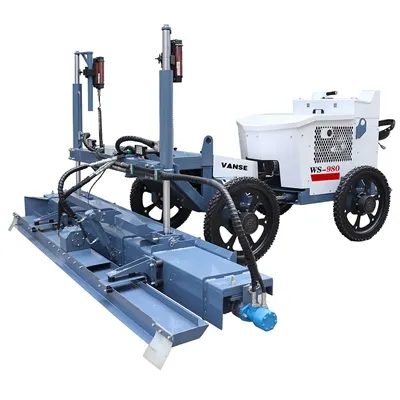
VANSE Ride-On Laser Concrete leveling For Sale
Laser Concrete leveling
Take the laser emitted by the transmitter as the reference plane
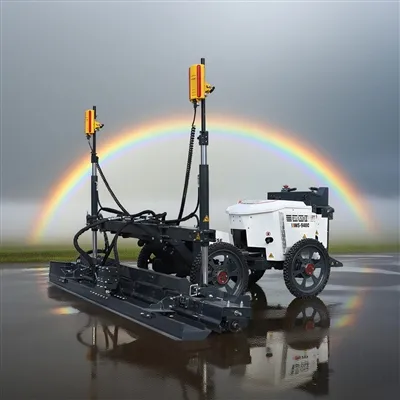
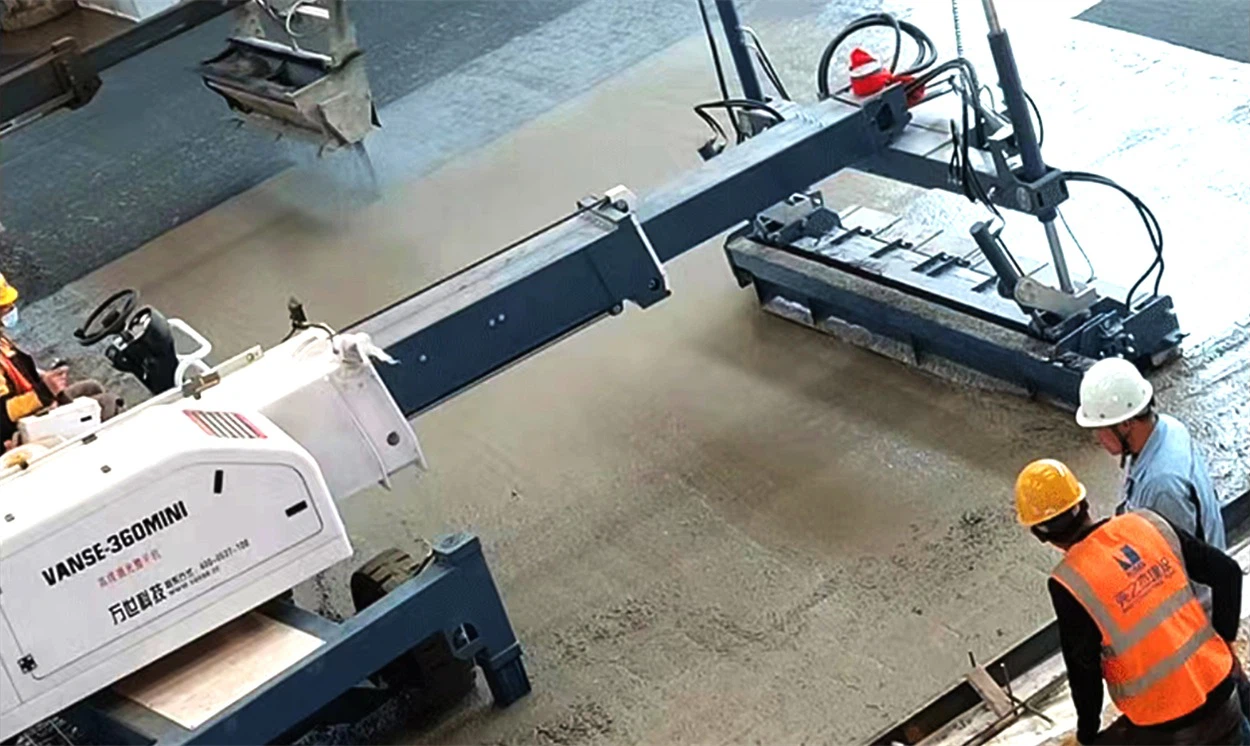
The laser leveling machine is a kind of equipment that takes the laser emitted by the transmitter as the reference plane, and controls the leveling head in real time through the laser receiver on the laser leveling machine, so as to achieve high-precision and rapid leveling of concrete.
Construction Steps
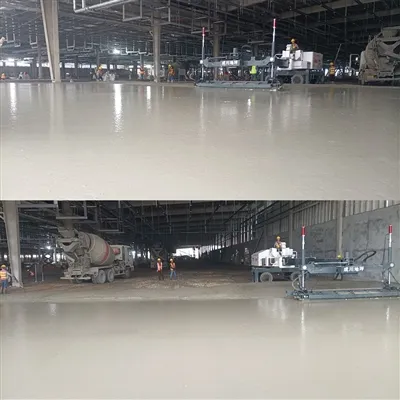
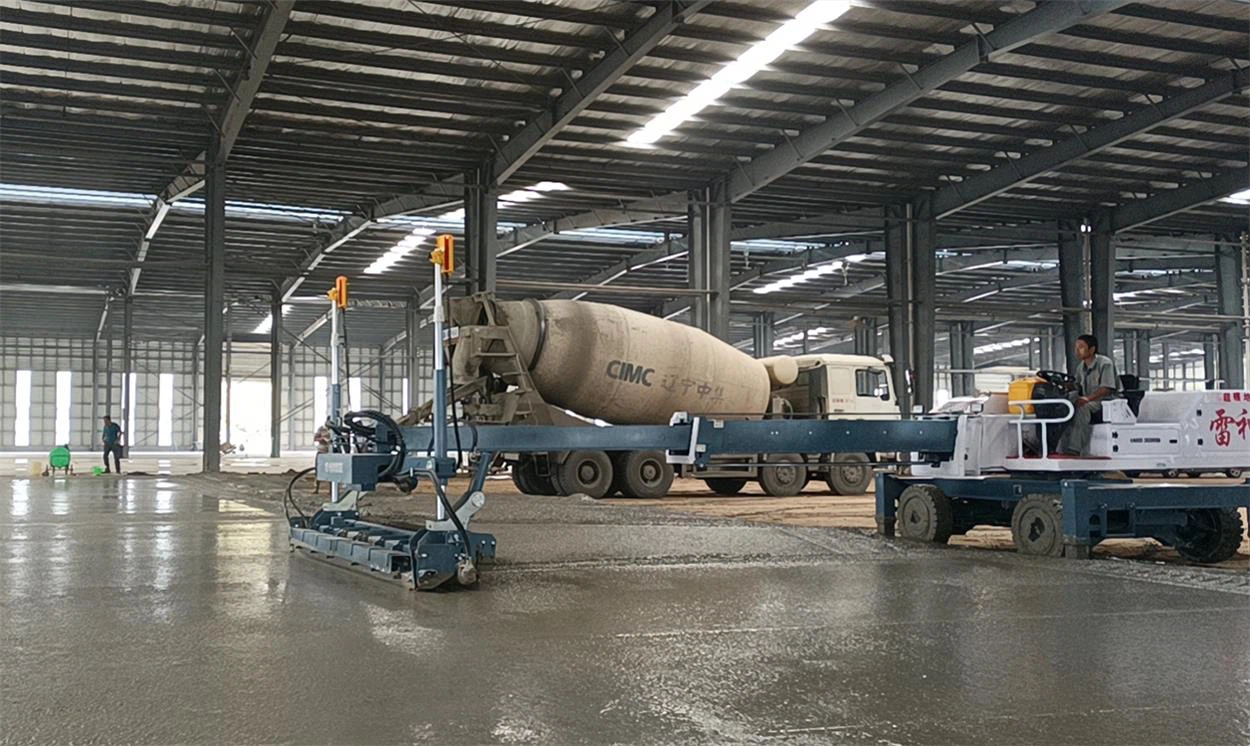
It is indeed a time-saving and labor-saving way to use a concrete laser leveling machine to pave the ground. It is not only fast and effective, but also can save labor to the greatest extent. After the equipment is started, it will level itself according to the height of the ground or after manual leveling. For compaction, both methods can be applied.
Main construction process:
Civil engineering formwork support (bottom formwork) → steel bar tie-up → concrete pouring and laser leveling device elevation control → laser leveling machine for concrete leveling → professional technicians use scraper bars to level accurately → single-disc troweling machine to lift slurry and smooth → Professionals use scraper bars to accurately level → professional operation of double-disc driving trowel → surface finish → finished product protection
1. Civil engineering formwork (bottom formwork): Civil engineering formwork support (bottom formwork) is strictly controlled in elevation as in normal drawing design and construction specification acceptance standards, and the scaffolding is firmly supported. It should be noted that the "clear water concrete" building (ground) Surface and concrete pouring shall be constructed at the same time. In order to facilitate mechanical construction, there shall be no formwork or supporting elements higher than the building (ground) level, except for the reserved and pre-embedded levels.
2. Reinforcement tie-up: Because the surface layer is a building (ground) surface formed at one time by using the protective layer of reinforced concrete, the reinforcement must ensure that the concrete protective layer is sufficient, and no reinforcement, stirrups or weldments are allowed to be placed The concrete pouring surface layer is exposed, causing the machine to hit the steel bar, which not only destroys the machine but also destroys the surface layer of the building (ground).
3. Laser leveling instrument controls concrete pouring: set the elevation on the column reinforcement before concrete pouring, and lead the accurate elevation to the laser leveling instrument control system, and the concrete pouring personnel will control the elevation to be 5 times higher than the design elevation when scraping – Within the range of 10mm, lay a solid foundation for the leveling of the next laser leveling machine.
4. VANSE laser leveling machine leveling: In the case of accurate elevation setting by professional technicians, mechanical operators will accurately level the concrete surface under the control of the laser sweeper, and VANSE leveling machine will automatically level the surface The machine is calibrated and controlled to ensure the accuracy of the entire plane.
5. Leveling by professionals: This process is to re-measure the puddles with a laser sweeper when the bleeding of the concrete pouring surface is completed, fill the puddles with concrete, and use a scraper bar to rotate the opposite layer 360° to achieve a comprehensive level. Control the flatness and smooth the edge details of the column root formwork, and use the laser sweeper to repeatedly detect until the requirements are met.
6. Single-disk troweling machine for smoothing and lifting slurry: while the concrete is poured in an orderly manner according to the specifications, the concrete poured earlier will reach the initial setting earlier by using the time difference of the concrete construction. 2-3mm footprint), it is convenient to use single-disc troweling machine and troweling disc to perform cross-breaking troweling to ensure the smooth control of the mechanical operation process.


Thanks to All the Friends Who Support and Trust Shandong Vanse Machinery Technology Co., Ltd.
If you want to know more about Shandong Vanse Machinery Technology Co., Ltd. or have any questions, please feel free to contact us:
Our Factory
Shandong Vanse Machinery Technology Co., Ltd.








Share this article

About the Author: Shandong Vanse Machinery Technology Co., Ltd.
Shandong Vanse Machinery Technology Co., Ltd. is a high-tech manufacturer specializing in concrete construction machinery, including laser screeds and related equipment. The company integrates R&D, production, and global sales, with products exported to over 60 countries and widely used in infrastructure projects worldwide.
Previous Post
Next Post
Related Articles
You Might Also Like
How to ensure the work efficiency and safety of concrete laser leveling machine during the leveling process?
During the leveling process, the concrete laser leveling machine needs to ensure working efficiency and safety to achieve efficient and reliable construction. Here are some suggestions and measures: Ensure work efficiency: 1. Preliminary preparation: Ensure that all work before construction is fully prepared, including inspection of the laser leveling machine, detection of concrete materials, and assessment of the construction environment 2. Proficient in operation: Operators need to have professional skills and knowledge, and be familiar with the performance and operation of the laser leveling machine to complete the leveling work quickly and accurately. 3. Reasonable planning: According to the construction area and requirements, reasonably plan the construction process to improve work efficiency. For example, leveling can be carried out in partitions or sections to reduce repetitive or cross-cutting operations. 4. Regular maintenance: Regularly maintain and maintain the laser leveling machine to ensure its normal operation, extend its service life and improve work efficiency. Use high-quality concrete materials: Choosing high-quality concrete materials can reduce the number of reworks and adjustments and improve work efficiency. Guaranteed safety: 1. Safe operating procedures: Develop and comply with safe operating procedures, and ensure that operators are familiar with safe operating procedures and strictly abide by them. 2. Wear protective equipment: Operators and other on-site workers should wear appropriate protective equipment, such as hard hats, protective glasses, gloves, etc., to prevent accidental injuries 3. Equipment safety inspection: Before and after construction, conduct safety inspections on the laser leveling machine to ensure that its structure is complete and its functions are normal. 4. Set up warning signs: Set up obvious warning signs around the construction area to remind non-workers to stay away from the work area. 5. Training and education: Provide regular safety training and education to operators to improve their safety awareness and ability to respond to emergencies. 6. Emergency plan: Develop an emergency plan for possible safety accidents and conduct regular drills to ensure that staff are familiar with emergency procedures. 7. Environmental control: The safety of the construction environment must also be controlled, such as maintaining appropriate ventilation, controlling the temperature and humidity of the stinging site, etc. 8. Regular maintenance: Regular maintenance and upkeep can ensure the safe operation of the laser leveling machine and reduce failures and potential safety hazards. 9. Compliance inspection: Ensure that all equipment and materials used comply with national and local regulations to avoid safety risks caused by non-compliance To sum up, in order to ensure the working efficiency and safety of the concrete laser leveling machine during the smoothing process, it is necessary to start from many aspects, including preliminary preparation, operating skills, compliance with equipment maintenance safety regulations, and the formulation of emergency plans. By comprehensively considering these factors and taking appropriate measures, efficient and safe construction can be achieved.Regarding environmental awareness education, how can the environmental awareness of workers using a concrete laser leveling machine be raised?
To enhance environmental awareness among concrete laser leveling operators during environmental awareness education, it's necessary to consider the specific construction scenarios, the cognitive patterns of operators, and the operational characteristics of the equipment. A comprehensive education program encompassing "cognition – skills – habits – supervision" should be designed to ensure that environmental protection concepts are translated into concrete construction behaviors. The following are possible optimization directions: First, identify the core issues directly related to environmental protection in concrete laser leveling construction to ensure that educational content is relevant and targeted, avoiding generalities. Three key pain points should be addressed: easily seep into the soil and contaminate groundwater); exhaust emissions from the equipment's engine (including NOx and particulate matter); and the indiscriminate discharge of wastewater from post-operation equipment cleaning (which contains cement residue and can cause soil compaction). Consumables and resource waste include: improper operation leading to misaligned concrete levels, resulting in rework and waste of raw materials; and the careless disposal of waste oil during equipment oil and hydraulic oil changes (which can contaminate soil). Environmental impacts include: noise from equipment operation (especially disturbing in residential areas) and dust from operation (dust spread due to failure to cover or water the surface). The first step in education: Use "case studies + data" to help construction workers intuitively understand the hazards. For example, show real-life cases such as "A project was fined 50,000 yuan by the environmental protection department for excessive wastewater discharge from a laser leveling machine" and "Waste oil seeping into the soil caused the withering of surrounding vegetation." Or calculate, "If a laser leveling machine reduces concrete rework by 10% per operation, it can save approximately 20 tons of cement per year (equivalent to reducing CO₂ emissions by 18 tons)." Use concrete consequences and benefits to build environmental awareness. Differentiated educational content is designed based on the differences in responsibilities of different positions (operators, auxiliary workers, and on-site managers) to avoid a "one-size-fits-all" approach and ensure that the content is directly related to the work of the personnel. Positions Core Educational Content Educational Objectives Laser leveling Operator 1. Environmentally Friendly Equipment Operation: such as precisely controlling concrete paving thickness (to reduce rework and waste) and promptly shutting down the engine after work (to reduce idling exhaust emissions); Master environmental protection skills in all aspects of "operation – maintenance – emergency" 2. Environmentally Friendly Equipment Maintenance: such as standardized waste oil recovery (designated containers and transfer to qualified personnel) and recycling equipment cleaning wastewater (e.g., connecting to a sedimentation tank); 3. Emergency Response: such as quickly sealing slurry leaks (covering with impermeable cloth) and absorbing oil spills (using absorbent cotton); Field Assistant 1. Consumables Management: such as recycling concrete residue (to avoid careless disposal) and dustproof covering (covering unhardened surfaces with geotextiles promptly after work); Clarify environmental protection responsibilities in auxiliary work and reduce hidden pollution 2. Waste Separation: such as separating equipment packaging materials (plastic, cardboard) from construction waste. Field Manager 1. Implementation of Environmental Protection Systems: such as establishing environmental standards for equipment operations (e.g., exhaust emission standards and wastewater discharge locations); Possess overall management capabilities to control environmental risks from the source 2. Risk Assessment: such as proactively identifying sensitive groundwater areas in the work area to prevent slurry infiltration. Construction workers tend to prefer hands-on learning and are averse to purely theoretical indoctrination. Therefore, environmental education should be more accessible through scenarios, practical exercises, and engaging content. ① Scenario-Based Practical Training: "Learning by Doing" on the construction site Environmental Protection Operation Demonstration Post: Experienced operators are selected to demonstrate environmentally friendly practices during laser leveling operations, such as "How to adjust equipment parameters to reduce concrete waste" and "How to properly clean equipment after operation (connecting a wastewater bucket to prevent turbulence)." Other personnel observe and practice on-site, while administrators simultaneously explain the environmental significance of each action (e.g., "Recycling one bucket of wastewater can reduce soil pollution by one square meter"). Environmental Protection Emergency Drill: Simulating scenarios such as "laser leveling hydraulic oil leak" and "concrete slurry flowing into green belts," construction personnel practice on-site techniques such as "contain oil stains with absorbent cotton" and "intercept slurry with sandbags and recycle it." They are evaluated on "handling speed and environmental effectiveness" to strengthen their emergency environmental protection skills. ② Visual Promotion: Making Environmental Protection Knowledge Visible and Remembrance-Friendly On-site "Environmental Warning Walls": Near the laser leveling machine operating area, use images and brief text to illustrate "wrong versus correct operation"-for example, the image on the left shows "Waste oil spilled on the ground withers vegetation" and the image on the right shows "Waste oil poured into a dedicated bucket and handed over to a recycling truck." Below, it's labeled "1 liter of waste oil = 1,000 liters of water contaminated." Equipment "Environmental Reminder Stickers": Stickers are placed on the laser leveling machine's operating panel, fuel tank cap, and other locations, such as "Check exhaust filter before starting (operate only if it meets standards)" and "Pour waste oil into the red bucket after oil change" to constantly remind operators to pay attention to environmental details. ③ Interactive Incentives: Reinforce Environmental Habits with Positive Feedback Environmental Points System: Create an environmental points account for construction workers-for example, "5 points for recycling a barrel of waste oil in a proper manner," "10 points for no concrete rework," and "3 points for notifying others of environmental violations." Points can be redeemed for daily necessities (such as laundry detergent and hard hats) or priority access to skills training, using incentives to drive proactive environmental protection. Environmental Complaints: Regularly organize gatherings for construction workers to share environmental issues they've encountered (e.g., "There was no place to drain wastewater during previous operations, so it just flowed randomly") and discuss solutions (e.g., "Requesting a temporary sedimentation tank in the work area"). This helps workers move from passive acceptance to active participation in environmental improvements. Education must be accompanied by supervision to prevent the "learned and forgotten" approach. Through a combination of "institutional constraints and positive guidance," environmental protection can become a conscious behavior of construction workers. Clarify environmental responsibility lists: Environmental requirements for laser leveling operations are included in job responsibilities, such as "Operators must ensure the concrete rework rate is ≤3% for each operation" and "Managers must inspect equipment exhaust emissions daily." This assigns responsibilities to specific individuals to prevent "no one in charge." Daily Inspections + Regular Assessments: During daily inspections, on-site managers will focus on environmental aspects of laser leveling operations (e.g., "Is there any wastewater discharge?" and "Is waste oil recycled?") and record environmental compliance. Environmental performance will be included in monthly performance appraisals. Those who maintain compliance for three consecutive months will be awarded the title of "Environmental Model" and receive rewards. Those who violate regulations will receive retraining and a deadline for rectification. Introduce "Environmental Supervisors": One or two "Environmental Supervisors" (optional) will be selected from construction personnel (part-time positions available) to regularly remind colleagues to adhere to proper operation procedures and collect feedback on environmental issues to management, fostering a culture of mutual monitoring and shared participation. Leveraging external expertise, we can help construction workers understand that environmental protection isn't a burden, but a long-term benefit, thereby increasing their willingness to proactively practice environmental protection. Invite environmental protection officials to provide on-site presentations: Environmental enforcement officers will use local case studies (e.g., "A construction site was penalized for pollution caused by a laser leveling") to explain environmental regulations (e.g., construction-related provisions in the Air Pollution Prevention and Control Law and the Soil Pollution Prevention and Control Law) and clarify the consequences of violations (fines, work suspension, and impact on corporate credit). Introduce green construction case studies: Invite project teams implementing "environmentally friendly construction" to share their experiences. For example, "A project used precise laser levelinging and waste material recycling to save 30 tons of concrete, reduce costs by 20,000 yuan, and even earn the local "Green Construction Site" designation." This allows construction workers to see that "environmental protection equals cost reduction and honor," dispelling the misconception that "environmental protection increases costs." Through the above methods, environmental awareness can be transformed from a "slogan" into the "daily operation" of concrete laser leveling machine construction workers, which not only reduces the impact of construction on the environment, but also reduces the environmental risks of the project, and achieves a dual improvement in "project quality + environmental benefits". Note: The parameters provided in this document are for reference only and are not mandatory. Due to differences in technical characteristics between different brands and models of laser levelers, please consult the manufacturer for a suitable solution before actual operation. This reference document assumes no responsibility for any issues arising from failure to follow the manufacturer's instructions.Can the bathroom floor be leveled with self-leveling cement?
It is feasible to use self-leveling cement to level the bathroom floor, but some details and construction steps need to be paid attention to. Below are detailed answers to the use of self-leveling cement for bathroom floor leveling. 1. Characteristics of self-leveling cement Self-leveling cement is a special cement material with strong fluidity, small shrinkage, high strength, wear resistance, and anti-skid properties. It is a pre-mixed dry powdery material that, when mixed with water, can automatically level and form a smooth, flat ground. 2. Advantages of using self-leveling cement on bathroom floor ♦Good leveling effect: Self-leveling cement can automatically level, reducing manual operations and avoiding uneven ground problems. ♦Smooth surface: The floor formed by self-leveling cement is very smooth, difficult to accumulate dirt and moisture, and easy to clean. ♦Wear-resistant and anti-skid: Self-leveling cement has high wear-resistant and anti-skid properties, which can ensure the safety and service life of the bathroom. ♦Environmental protection: Self-leveling cement produces relatively little pollution and noise during the construction process, which complies with environmental protection requirements. 3. Construction steps for using self-leveling cement on bathroom floor ♦Preparation: Clean the bathroom floor to ensure there is no oil, moisture and debris. Make simple repairs to the ground, such as filling cracks and local leveling. ♦Measure the area: Measure the bathroom floor to determine the amount of self-leveling cement required. ♦Mixing materials: Mix self-leveling cement and water according to the proportion required in the instruction manual, and stir evenly. ♦Pour grout laying: Pour the mixed self-leveling cement slurry on the ground and let it flow freely until it covers the entire ground. Make sure the slurry is of consistent thickness to avoid build-up or thin layers. ♦Scraping operation: Use a scraper to smooth the self-leveling cement to control surface flatness and slope. Scaling and patching can be done as many times as needed. ♦Maintenance: Carry out maintenance after the initial setting of the self-leveling cement, keep the ground moist, and avoid walking and placing heavy objects. Maintenance time generally takes more than 24 hours. ♦Complete finishing: After the maintenance is completed, finishing work such as laying anti-skid tiles and floors can be carried out to enhance the beauty and practicality of the ground. 4. Precautions ♦Before using self-leveling cement, make sure the bathroom floor is dry, flat and firm to avoid the slurry from adhering easily or causing hollowing. Self-leveling cement has high strength and wear resistance, but for heavily loaded areas or areas subject to frequent friction, it is recommended to reinforce or choose a more wear-resistant material. ♦When mixing self-leveling cement, the material proportion and mixing time should be strictly controlled in accordance with the instructions to ensure stable slurry quality. ♦When scraping, attention should be paid to controlling the strength and direction of the scraper to avoid scratches or marks. Local unevenness or defects can be repaired. ♦During the maintenance period, the ground should be kept moist to avoid direct sunlight or high temperatures that may cause the surface to dry out too quickly. At the same time, avoid walking and placing heavy objects to avoid damage to the ground. ♦After completing the finishing work, regular cleaning and maintenance should be carried out to avoid dirt accumulation and wear and tear, and to maintain the beauty and service life of the floor. In short, using self-leveling cement to level the bathroom floor has many advantages and feasibility. However, attention should be paid to details and precautions during the construction process to ensure that the quality and effect of the ground are at its best. If you have any questions or need further information, it is recommended to consult professionals or construction teams for advice and guidance.