Technical Knowledge
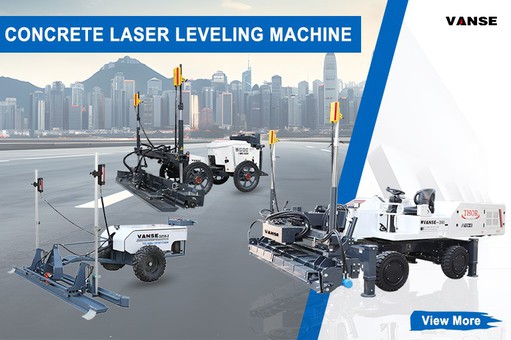
Laser guided concrete levelings drive in or boom type for sale
February 14, 2023
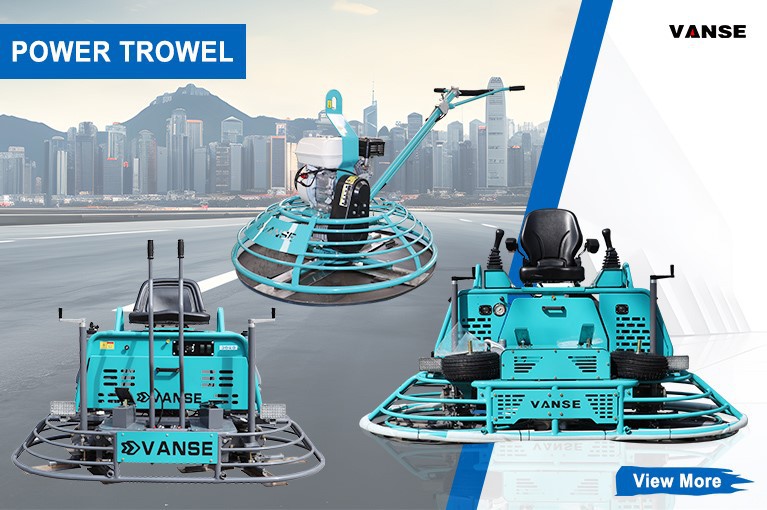
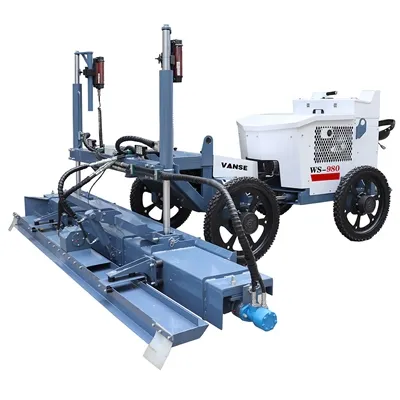
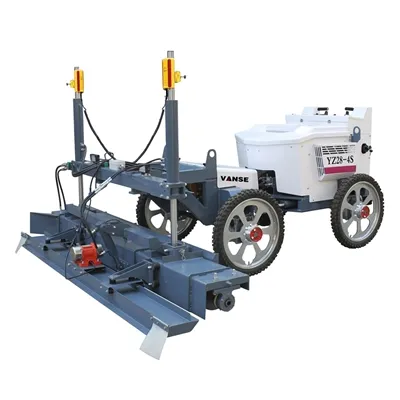
VANSE established products line in 4 models of Two-wheeled Laser leveling Machine, Four-wheeled Laser leveling Machine,2 models of Seat-type Laser Troweling Machine, as well as supporting equipments like Walk-behind Laser Troweling Machine, Vibration Ruler, and etc.
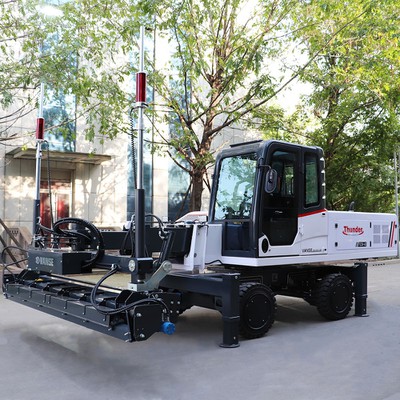
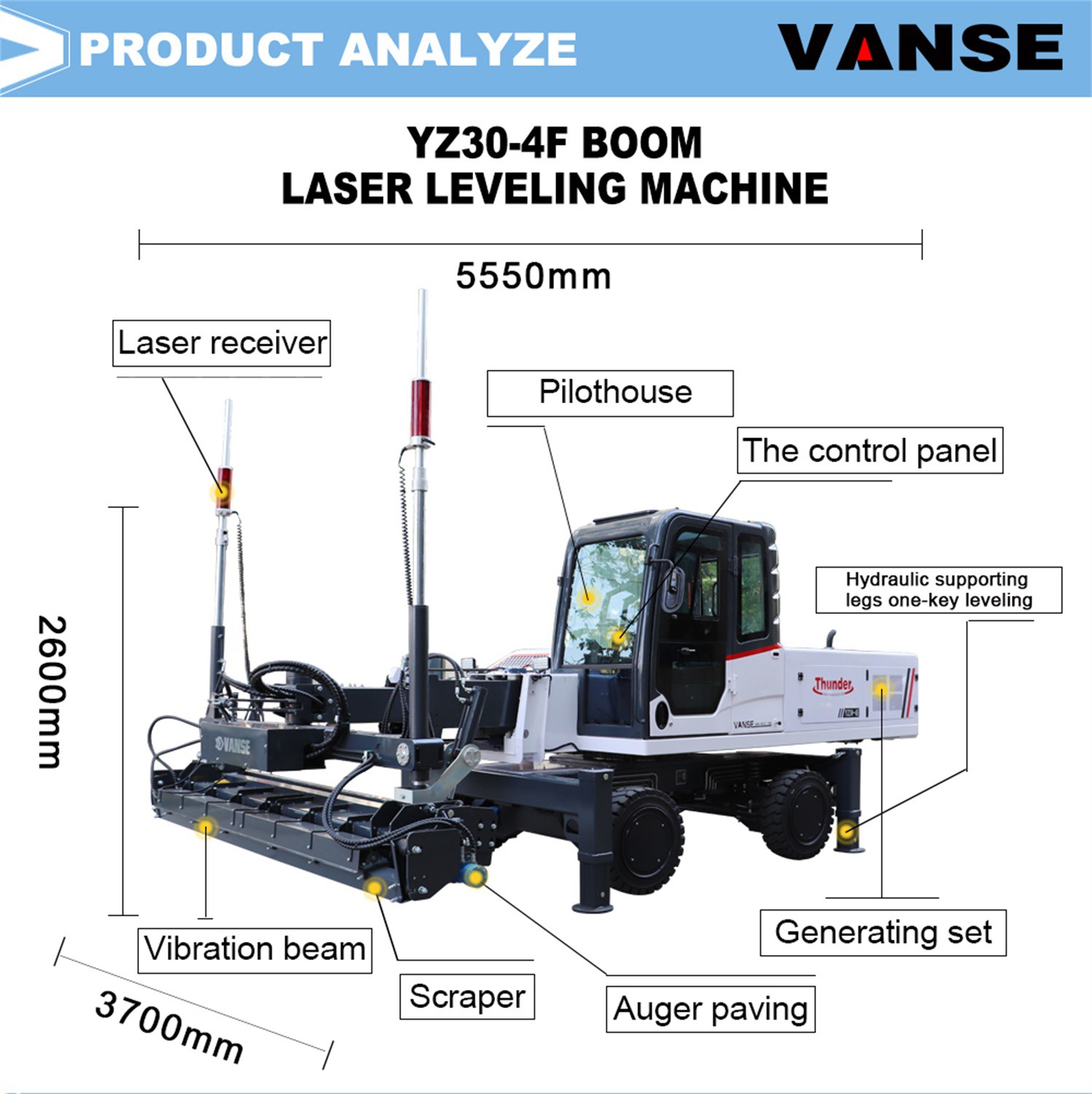
1, Concrete laser levelings are used in concrete floor works, including flat floor works, slop works and double slops works. Such as factory, workshop, park, plaza, super market, exhibition hall, container yards, wharf, play ground, square and so on.
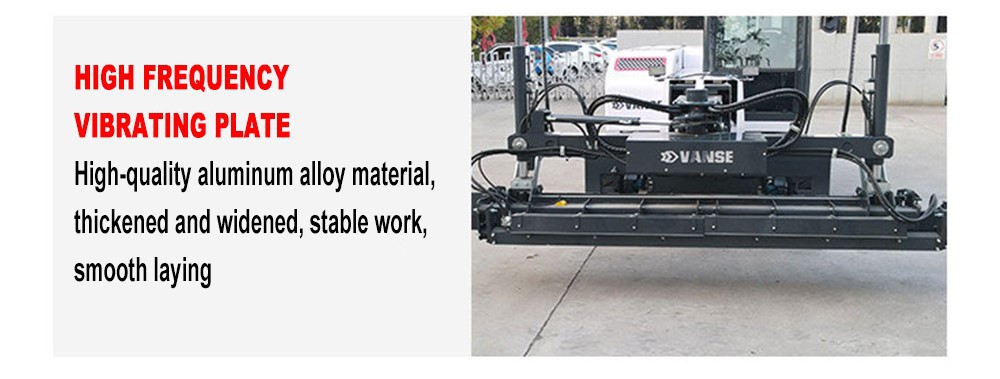
2, It has three important functions: Paving the concrete, Leveling the concrete floor, Compacting the concrete floor. It improves the quality of floor.
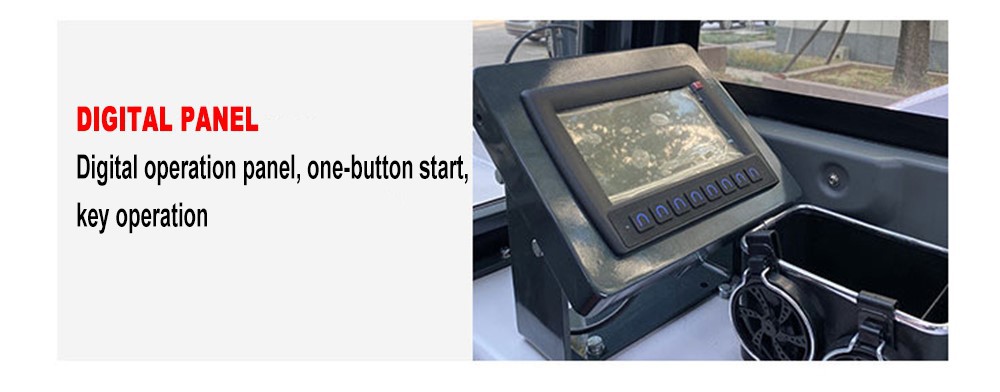
3, It can level the concrete floor automatically by microcomputer laser scanning.
4, It can improve the flatness of the concrete floor. The height deviation of all concrete floor is below 1.5mm.
5, It can save about 70% of manpower. So it can increase the profit greatly.
6, It can shorten the construction period. It can work quickly and well.
7,Operation is very easy.
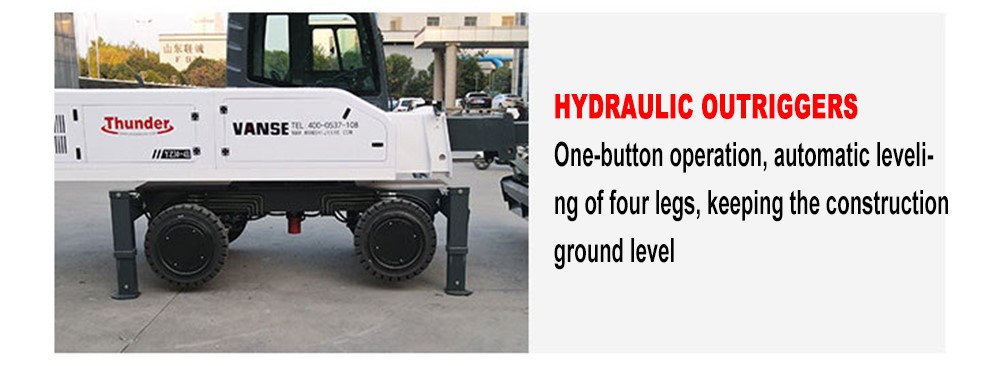
8, The drive system is hydraulic drive fully.
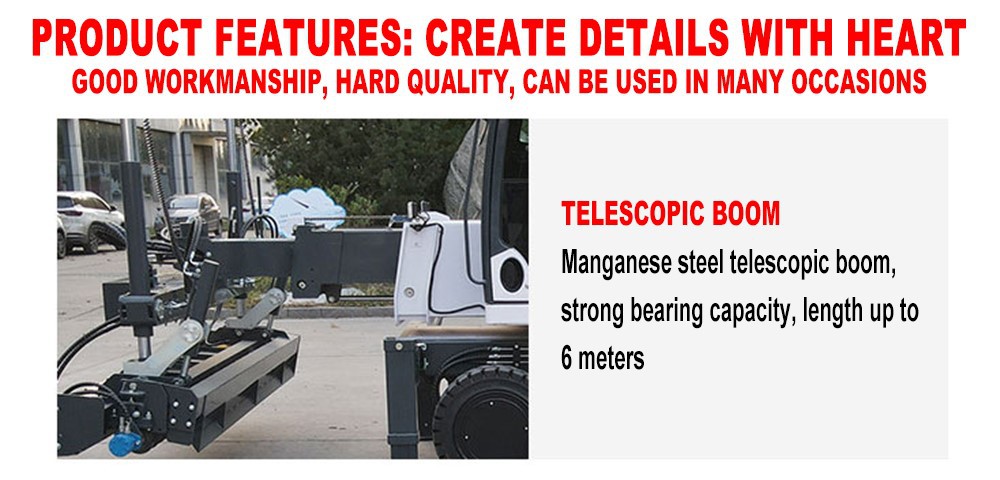
9, Telescopic boom type laser leveling can rotary 360 degrees and the telescopic boom 6m long.
Thanks to All the Friends Who Support and Trust Shandong Vanse Machinery Technology Co., Ltd.
If you want to know more about Shandong Vanse Machinery Technology Co., Ltd. or have any questions, please feel free to contact us:
Our Factory
Shandong Vanse Machinery Technology Co., Ltd.

About the Author: Shandong Vanse Machinery Technology Co., Ltd.
Shandong Vanse Machinery Technology Co., Ltd. is a high-tech manufacturer specializing in concrete construction machinery, including laser screeds and related equipment. The company integrates R&D, production, and global sales, with products exported to over 60 countries and widely used in infrastructure projects worldwide.
Shandong Vanse Machinery
Leading manufacturer specializing in high-performance concrete laser screeds, telescopic arm flatwork handlers, and mechanical ride-on power trowels.
Post overview
Main PRODUCT Categories
Need Machine Guidance?
Speak directly with Shandong Vanse field specialists for tailored equipment quotes and site planning.
Contact Us TodayRelated Articles
You Might Also Like
December 10, 2025
Routine inspection of the power trowel’s hydraulic system
The hydraulic system is the heart of a ride-on power trowel, controlling critical functions like steering, blade pitch, and drive, which makes routine inspection essential for safety and performance. Here is a comprehensive checklist for the routine inspection of a power trowel's hydraulic system, divided by frequency. The manufacturer's manual always provides the definitive schedule and procedures. The following is a general guide. These checks are performed before starting the machine for the day. Component Inspection Focus Action/Symptom to Look For Hydraulic Fluid Level Reservoir Check the sight glass or dipstick for the correct level. Low fluid can cause the pump to draw in air (aeration). Fluid Condition Fluid Sample Visually check the fluid color. Look for milky/cloudy fluid (water contamination) or black/burnt fluid (overheating/oxidation). Hoses, Lines, and Fittings Entire System Inspect all hoses, tubes, and connections. Look for leaks (oil seepage or drips), bulges, cracks, abrasions, or chafing where lines rub against the frame. Pump and Motor Pump Casing Check the pump and connections for signs of oil seepage or external leaks. Hydraulic Cylinders Rod Surfaces Inspect the exposed cylinder rods for pitting, scoring, or corrosion. A film of oil around the rod seals indicates a potential leak. Initial Operation Auditory Check Start the engine and listen to the pump. Listen for unusual noises like a loud whining/gurgling (aeration/cavitation), knocking, or vibration. These checks often require the machine to be running or a closer look at specific components. Component Inspection Focus Action/Symptom to Look For System Performance Controls Test the pitch control, steering, and any hydraulic drive functions. Movement should be smooth and responsive. Slow, erratic, or jerky operation suggests low pressure or air in the system. System Temperature Reservoir/Hoses After running the machine, check the temperature of the reservoir (using an infrared thermometer, if available). Excessive heat ($>180^\circ$F or per manual) indicates an issue with the cooler or internal leakage. Filter Indicator Pressure Gauge/Button Check the filter's differential pressure indicator (if equipped) for a "pop-out" button or high reading, which signals a clogged filter that needs immediate replacement. Breathers and Vents Reservoir Inspect the breather caps and fill screens. Ensure they are clean and not allowing dirt or contaminants to enter the reservoir. Pressure Relief Valve (PRV) Under Load (Advanced/Technician) Verify the set pressure using a calibrated gauge and listen for chattering noise under load, which suggests a possible malfunction. These tasks are crucial for preventing long-term damage caused by contamination and fluid breakdown. Always consult the manufacturer's maintenance hour guide. Service Task Typical Interval Rationale Hydraulic Fluid Change Annually or Every 1,000–2,000 Hours Old oil loses its viscosity, anti-wear properties, and thermal stability, leading to excessive wear and heat. Hydraulic Filter Replacement First Change: 50–100 Hours (Break-In) Removes contaminants generated during the initial break-in period. Hydraulic Filter Replacement Every 250–500 Hours (or with oil change) Filters are essential for removing abrasive particulate contamination which is the #1 cause of component wear. Reservoir Cleaning With every major oil change Cleaning the reservoir removes settled sludge and debris, including cleaning the suction strainer. Fluid Sampling (Oil Analysis) Every 500–1,000 Hours A lab analysis provides the most accurate measure of contamination (particulate count, water, metal) and fluid health, allowing you to safely extend change intervals. Symptom Probable Cause Immediate Action Erratic or Slow Operation Air in the system (aeration), low fluid level, or worn pump/valve. Bleed the system to remove air; check fluid level and top off. Excessive Noise (Whining/Gurgling) Air ingestion (leak in the suction line) or low fluid level causing cavitation. Find and seal the air leak (often a loose fitting); check and fill the fluid. Overheating Fluid Low fluid level, clogged oil cooler/fins, or internal component leakage (e.g., in a cylinder or valve). Clean cooler fins; check fluid level; inspect for internal leaks. Blade Pitch Drift/Will Not Hold Angle Internal leakage within the hydraulic cylinder seals or the pitch control valve. Consult a technician for seal replacement or valve repair. Would you like to review the engine maintenance checklist for a ride-on power trowel, as it is closely tied to hydraulic pump performance? Note: The parameters provided in this document are for reference only and are not mandatory. Due to differences in technical characteristics between different brands and models of laser levelers, please consult the manufacturer for a suitable solution before actual operation. This reference document assumes no responsibility for any issues arising from failure to follow the manufacturer's instructions.Read More
March 31, 2026
What’s the compatibility between spreaders and concrete textures?
In the realm of commercial and industrial concrete construction, achieving a wear-resistant, super-flat surface is a delicate science. One of the most critical factors in this process is understanding the compatibility between concrete topping spreaders and the underlying concrete texture (which includes the mix design, slump, and curing stage). For contractors aiming to meet rigorous international Floor Flatness (FF) and Floor Levelness (FL) standards, treating all concrete pours as identical is a recipe for surface failure. To maintain high E-E-A-T (Experience, Expertise, Authoritativeness, and Trustworthiness) in your construction practices, you must align your spreading equipment with the specific physical properties of the concrete matrix. Here is a comprehensive technical guide on matching topping spreader operations to various concrete textures, featuring integrated solutions from Vanse Machinery (www.vansemac.com). The "texture" of fresh concrete is heavily dictated by its slump (the consistency and workability of the mix) and its water-to-cement ratio. High-Slump (Wet) Concrete: If a base slab is poured with a high moisture content, it will generate a significant amount of bleed water. A topping spreader must never broadcast dry-shake hardener onto standing water. Doing so traps the water beneath the hardener, causing severe blistering, delamination, and a weak surface texture. The spreader operator must wait longer for the moisture to evaporate before engaging the machine. Low-Slump (Stiff) Concrete: Stiffer mixes have less bleed water. If the concrete is too dry, the dry-shake hardener (mineral or metallic aggregate) will not have enough moisture to chemically react and bond with the cement paste. In these scenarios, the spreader must be deployed much earlier in the curing window. A premium automated topping spreader is not a one-size-fits-all tool; its mechanics must be adjusted to suit the base texture and the type of hardener being applied. Aggregate Size Compatibility: Dry-shake hardeners range from fine powders to coarse metallic aggregates. The spreader's hopper grate, agitation shaft, and drop-gate must be calibrated to the specific flowability of the material. If coarse metallic hardeners are used on a dense, fast-setting concrete mix, the spreader must be calibrated for a heavier, uniform drop to ensure the heavy particles embed deeply into the paste. Tire Interaction: The physical texture of the semi-cured slab dictates machine mobility. High-quality automated spreaders are equipped with wide-profile, low-pressure flotation tires. If the concrete texture is slightly softer than ideal, these tires prevent the machine from sinking and destroying the FL metrics that were just established by the laser leveling. When project specifications demand a heavy application of hardener (e.g., 5 to 8 kg/m²) on a standard commercial mix, the concrete texture simply cannot absorb that volume of dry material all at once without drying out and flaking. To maintain compatibility, the spreader must be utilized in a multi-pass system: First Pass: The spreader broadcasts 50% to 60% of the required hardener. The material absorbs the available surface moisture, darkening in color. Initial Integration: The surface is lightly floated to break the tension and work the hardener into the top layer of the concrete texture. Second Pass: The spreader applies the remaining material at a perpendicular angle to ensure perfectly uniform coverage. Achieving perfect compatibility between machine and material requires an integrated equipment ecosystem. Relying on mismatched machinery disrupts the timing required to bond the hardener to the concrete texture. As highlighted by Shandong Vanse Machinery Technology Co., Ltd., mastering industrial floor construction requires a sequence of precision: Perfecting the Base Texture: High-performance boom-type concrete laser leveling (such as the Vanse YZ30-4E or YZ40-4E) strike off the wet concrete, creating a perfectly level, homogenous base texture free of manual inconsistencies. Synchronized Spreading: Once the exact curing stage is reached, the automated topping spreader is deployed. Its speed and dosage are precisely matched to the specific slump and hardener requirements of the pour, ensuring zero material waste. Final Compaction: Ride-on power trowels (like the Vanse VS836) then apply aggressive mechanical pressure, burnishing the surface and permanently locking the dry-shake hardener into the concrete matrix for a seamless, dust-proof finish. By controlling every stage of the pour with dedicated, high-efficiency equipment, contractors can adapt to any concrete texture and consistently deliver the super-flat, high-durability floors demanded by global logistics and manufacturing sectors. Note: The parameters provided in this document are for reference only and are not mandatory. Due to differences in technical characteristics between different brands and models of laser levelers, please consult the manufacturer for a suitable solution before actual operation. This reference document assumes no responsibility for any issues arising from failure to follow the manufacturer's instructions.Read More
June 4, 2025
How to evaluate the reliability of concrete laser leveling machine?
In the field of modern concrete construction, concrete laser leveling machine (concrete laser leveling machine or concrete laser leveler) has become the preferred equipment for many large projects due to its high efficiency and precision. With the continuous increase in the industry's requirements for construction quality and efficiency, as well as the continuous development of industries such as infrastructure construction and real estate, the market demand for concrete laser leveling machines is growing. According to relevant reports, the global concrete laser leveling machine market size is expected to reach US$1.76 billion in 2025, with an annual growth rate of approximately 11.4%. In this context, it is particularly important to evaluate the reliability of concrete laser leveling machines, which is not only related to construction quality, but also closely related to the cost and progress of the project. Leveling accuracy is the core performance indicator of concrete laser leveling machines, which directly determines the flatness of the concrete surface after construction. In projects such as airport runways and precision electronic factories that require extremely high ground flatness, high-precision laser leveling machines are indispensable. Some of the internationally renowned brands use advanced 3D laser scanning technology to achieve a flatness accuracy of ±2 mm. Some leading domestic companies, such as Shandong Vanse Machinery Technology Co., Ltd., currently have product accuracy of ±2 mm, of which the WS940C/YZ30-4E uses 3D laser scanning technology. When evaluating the leveling accuracy, you can view the technical parameter description of the equipment and refer to the test data of actual construction cases. At the same time, pay attention to the stability of the laser system. Stable laser signal transmission can ensure continuous and accurate leveling operations. For example, in the floor construction of large shopping malls, the use of high-precision laser leveling machines can ensure that the floor will not cause uneven laying of floor tiles or inconvenience for pedestrians due to flatness problems during long-term use. Work efficiency directly affects the construction progress and cost of the project. Taking the common large-scale industrial plant construction as an example, the traditional manual leveling method not only consumes a lot of manpower, but also has a slow construction speed, while the concrete laser leveling machine shows significant advantages. The concrete laser paving and leveling machine can complete 3,000 square meters of work per day and 350 square meters per hour (depending on the type of machine, the construction area completed varies), greatly shortening the construction cycle. When evaluating work efficiency, it is necessary to comprehensively consider parameters such as the equipment's travel speed, vibration frequency, and scraping width. At the same time, combined with the actual construction environment, such as site size and concrete supply, it is necessary to determine whether the equipment can maintain efficient operation under different working conditions. For example, in the construction of a narrow underground parking lot, the mobility and flexible operation of the equipment have a greater impact on work efficiency. As the "eye" of the concrete laser leveling machine, the stability of the laser system is crucial. A stable laser system can ensure that the equipment continues to provide an accurate elevation benchmark during long-term operation. Some high-end laser leveling machines are equipped with a dual-axis automatic compensation system, which can effectively reduce the interference of the laser signal caused by uneven ground or equipment vibration. When evaluating the stability of the laser system, the performance of the equipment under different ground conditions can be observed, such as whether the laser system can quickly adjust and maintain stable elevation control when constructing on a foundation with large undulations. At the same time, understand the protection level and anti-interference ability of the laser transmitter, as well as whether it has an automatic calibration function. For example, in a dusty construction site, a laser transmitter with a good dustproof design can better maintain signal stability and ensure the accuracy of the leveling operation. Reasonable structural design is the basis for ensuring the stable operation and durability of the concrete laser leveling machine. The overall structure of the equipment should fully consider the stress conditions during operation to ensure that key components such as the frame and vibrating device have sufficient strength and rigidity. Taking the driving laser leveling machine as an example, its frame structure needs to bear the weight of the equipment itself, the weight of the operator, and the vibration impact during operation. Therefore, it is mostly welded with high-strength steel and optimized to disperse stress and prevent deformation or breakage. In addition, the layout of the equipment should be easy to operate and maintain, and the connection and transmission methods between the components should be simple and reliable. For example, some advanced laser leveling machines adopt a modular design, integrating components with different functions into independent modules, which is convenient for quick replacement of faulty modules during maintenance and shortening downtime. The manufacturing process is directly related to the quality and reliability of the equipment. During the manufacturing process of high-quality concrete laser leveling machines, extremely high processing accuracy is required for parts. Taking the scraper of the leveling machine as an example, the surface flatness and straightness errors must be controlled within a very small range to ensure uniformity and high precision when leveling concrete. At the same time, advanced welding technology and surface treatment technology are also the key to improving equipment quality. For example, the use of robot welding technology can ensure uniform and firm welds and improve the stability of welding quality; hot-dip galvanizing or painting of key components can effectively enhance the anti-corrosion ability of the equipment and extend its service life. When evaluating the manufacturing process level, you can check the production qualifications and quality certification system of the equipment manufacturer, as well as understand its reputation and performance in the industry. For example, manufacturers with ISO quality management system certification usually follow stricter quality control standards during the production process. The durability of key components of concrete laser leveling machines, such as engines, hydraulic systems, electrical components, etc., directly affects the overall service life of the equipment. Take the engine as an example. Under the condition of continuous long-term operation, high-quality engines can maintain stable power output, and have good heat dissipation performance and low failure rate. Some laser leveling machines that use well-known brand engines can run for thousands of hours without failure under harsh working conditions after rigorous durability testing. When evaluating the durability of key components, you can check the brand, model and related technical parameters of the components to understand their reputation and actual application cases in the market. At the same time, pay attention to the warranty period of the components provided by the manufacturer. A longer warranty period usually means confidence in the quality of the components. For example, if the oil pump, oil cylinder and other components in the hydraulic system are made of high-quality materials and advanced manufacturing processes, leakage and wear can be effectively reduced, and the reliability and durability of the system can be improved. Equipment that is easy to maintain can reduce the cost of use and improve the availability of the equipment. The concrete laser leveling machine should have a design that is convenient for inspection, cleaning and replacement of parts. For example, the engine hood of the equipment should be easy to open, so as to facilitate daily inspection of oil level, air filter and other components; the installation position of key components should be easy to operate, such as the filter element of the hydraulic system, which should be designed in a position that is easy to disassemble and replace. In addition, the manufacturer should provide a detailed maintenance manual to clarify the maintenance cycle, maintenance items and operation methods, and provide original parts support in a timely manner. Some advanced laser leveling machines are also equipped with a fault diagnosis system that can quickly locate the fault point and provide accurate maintenance instructions for maintenance personnel. For example, when the electrical system of the equipment fails, the fault diagnosis system can prompt the specific fault code through the indicator light or display screen to help maintenance personnel quickly troubleshoot the problem and shorten the maintenance time. By investigating the actual performance of concrete laser leveling machines under different working conditions, we can more intuitively understand its reliability. In the construction of large storage centers, due to the large ground area and high flatness requirements, the laser leveling machine needs to work continuously for a long time, which is a great test for the stability and durability of the equipment. In the construction of some outdoor parking lots with complex terrain, the equipment not only has to deal with the ups and downs of the ground, but may also face the influence of bad weather. At this time, the adaptability and reliability of the equipment are particularly important. By collecting construction feedback from similar projects, we can fully understand the advantages and disadvantages of the equipment under different working conditions. User feedback and word of mouth are important bases for evaluating the reliability of concrete laser leveling machines. In industry forums, social media groups and professional equipment evaluation websites, a large number of users' evaluations of laser leveling machines of different brands and models can be collected. For example, after using a certain brand of laser leveling machine for a period of time, some users reported that the laser system of the equipment had a problem of reduced accuracy after half a year of use, while other users praised a certain equipment for its simple operation and convenient maintenance, and stable performance in multiple projects. In addition, you can communicate with construction companies and engineering contractors who have actually used the equipment to understand the problems they encountered during long-term use and their evaluation of the overall performance of the equipment. By comprehensively analyzing a large number of user feedback, we can have a more accurate understanding of the reliability of concrete laser leveling machines of different brands and models, and provide a strong reference for equipment selection. Click the below to jump immediately!!! ARMOUR JOINT CONCRETE LASER LEVELING MACHINE LIGHT TOWER POWER TROWEL SLIPFORM MACHINE STEEL FIBER TOPPING SPREADER TRACKED MINI DUMPERRead More