Technical Knowledge
Automatic levelling concrete floor laser leveling machine for sale
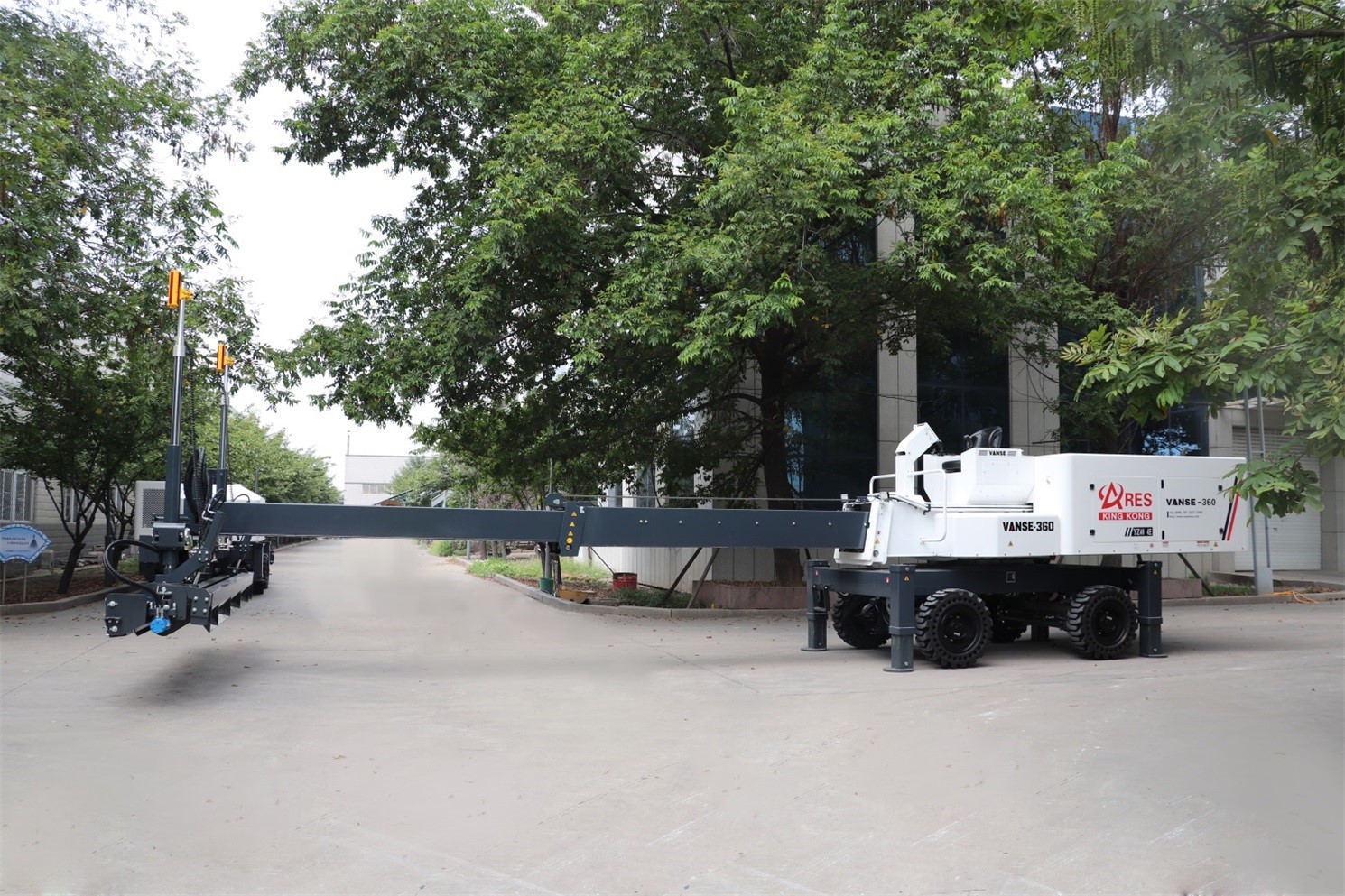
1. Concrete laser leveling machines are more and more used in building floors. The laser measurement and control system on the leveling machine is used to control the leveling machine in real time. There is no need to pull up the control line and control the ground level without supporting side formwork. In the absence of interference, the overall height of the paved ground remains unaffected no matter where the leveling moves. But how to use the concrete laser leveling machine to level the ground, here is a detailed explanation for you:
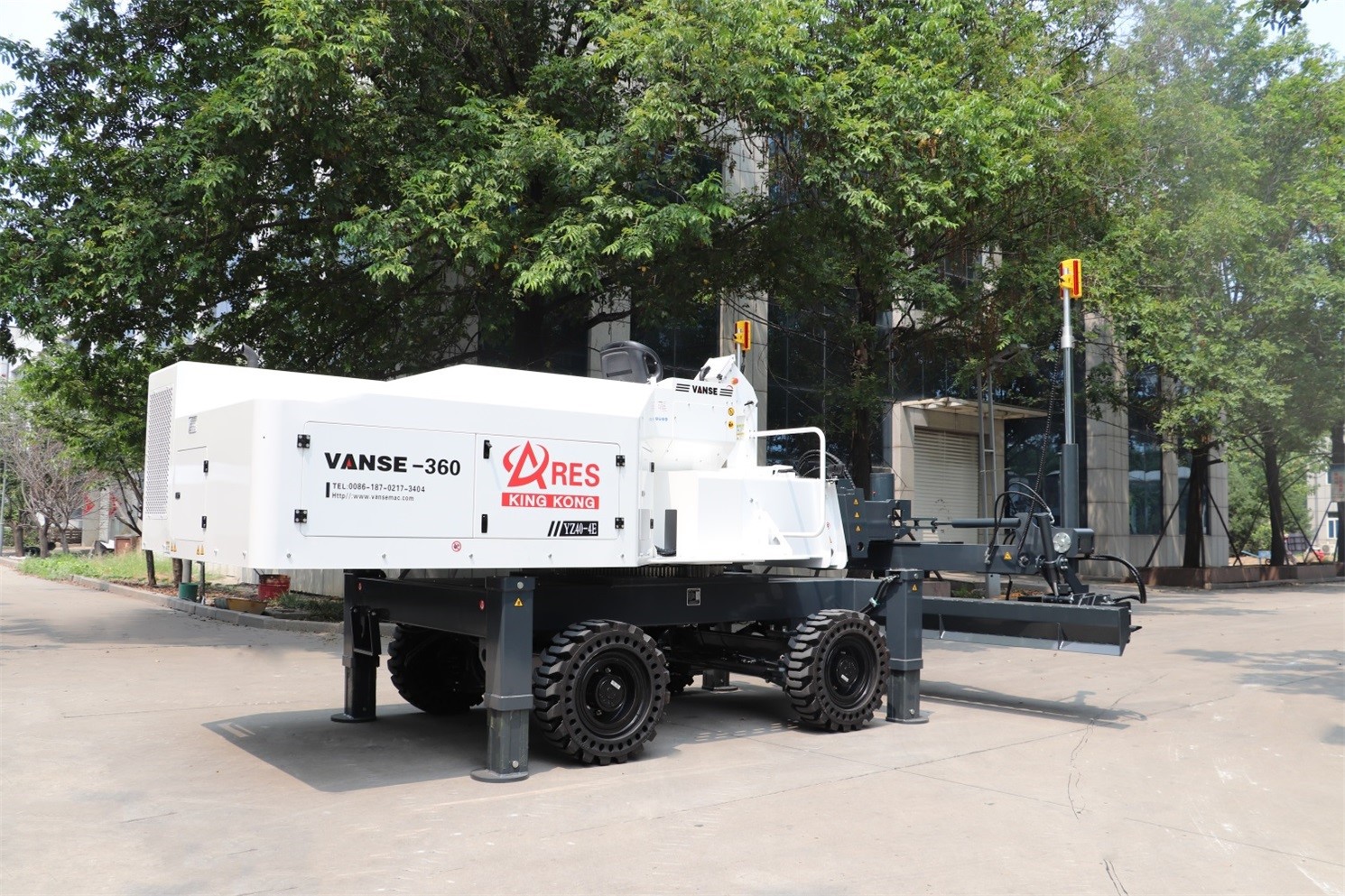
2. One operator assists the manipulator to install and debug the machine, and the main operator installs the transmitter and the handheld receiver. Check whether the position of the launch tube is safe; measure the initial height of concrete paving (above 2mm); ≥10MM); measure the height of the concrete after leveling (the range cannot be lower than -2MM and cannot exceed 3MM) Key points: concrete edges and manual scraping concrete surfaces; when the machine is cool, clean the machine. Check the battery level of the handheld receiver.
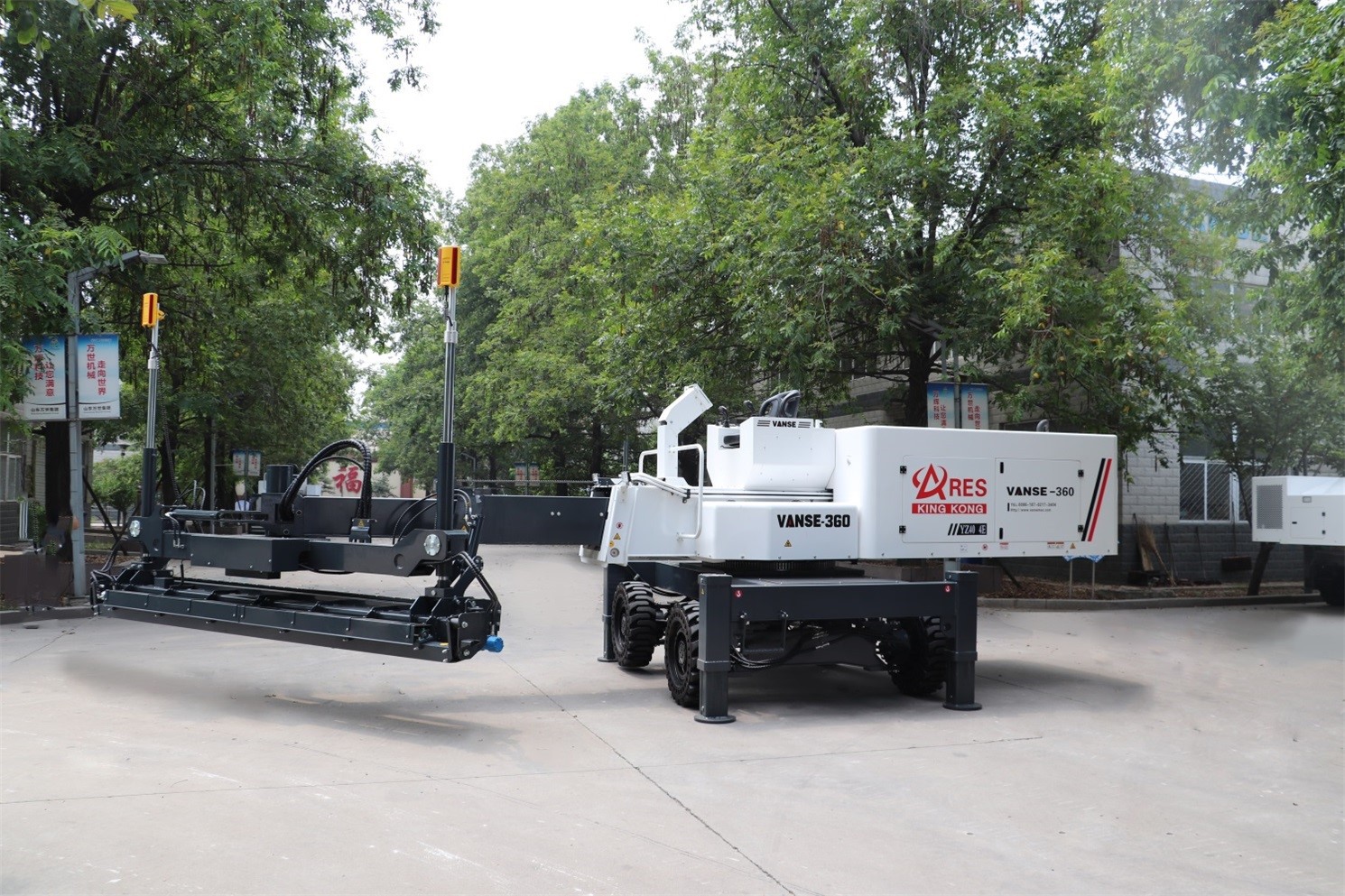
3. When the two concrete leveling machines cannot be operated, they should level the concrete together with the pavers; when following the machine, they should follow the command of the main machine crew to scrape and fill the position of the scraper. (The concrete material should not be lower than the edge of the scraper, and should not be 35MM higher than the edge of the scraper);
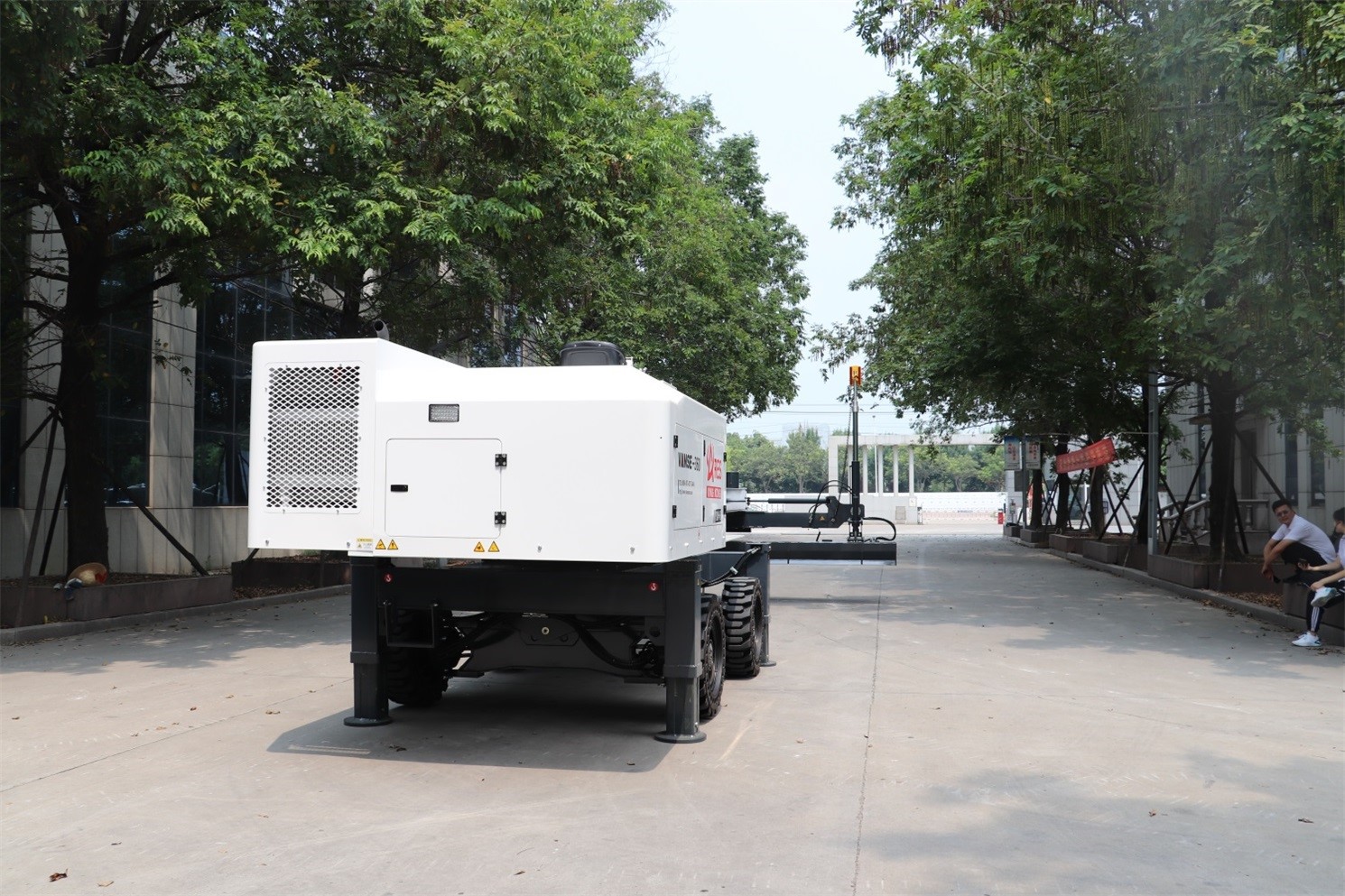
4. 2-4 paving workers must obey the command of the operator; initially level the concrete.
Thanks to All the Friends Who Support and Trust Shandong Vanse Machinery Technology Co., Ltd.
If you want to know more about Shandong Vanse Machinery Technology Co., Ltd. or have any questions, please feel free to contact us:
Our Factory
Shandong Vanse Machinery Technology Co., Ltd.








Share this article

About the Author: Shandong Vanse Machinery Technology Co., Ltd.
Shandong Vanse Machinery Technology Co., Ltd. is a high-tech manufacturer specializing in concrete construction machinery, including laser screeds and related equipment. The company integrates R&D, production, and global sales, with products exported to over 60 countries and widely used in infrastructure projects worldwide.
Previous Post
Next Post
Related Articles
You Might Also Like
How to perform regular maintenance on concrete laser leveling machine?
◆◆★◆◆ Introduction Concrete laser leveling machine is an indispensable and important equipment in modern building construction. Its performance stability and service life directly affect the quality and progress of the project. In order to ensure long-term efficient operation of the equipment and reduce the failure rate, regular maintenance is an essential link. This article will elaborate on how to perform regular maintenance on concrete laser levelings, aiming to provide operating guidelines for equipment operators and maintenance personnel. ◆◆★◆◆ The importance of maintenance Regular maintenance plays a vital role for concrete laser leveling machines. By regularly inspecting, cleaning, tightening, adjusting, and lubricating the equipment, the service life of the equipment can be effectively extended, sudden failures can be reduced, and leveling efficiency and construction quality can be improved. At the same time, maintenance can also detect potential safety hazards in time to ensure the safety of operators. ◆◆★◆◆ Maintenance cycles and projects 1. Daily maintenance: performed before and after daily work, mainly including equipment cleaning, checking whether all components are tight, and refueling lubrication points, etc. 2. Weekly maintenance: Carry out once a week. In addition to daily maintenance, it is also necessary to check the wear and tear of various moving parts, the oil level and oil quality of the hydraulic system, etc. 3. Monthly maintenance: Carry out once a month, including comprehensive inspection of all parts of the equipment, tightening loose parts, cleaning or replacing filter elements, etc. 4. Quarterly maintenance: Carry out once a quarter, mainly to conduct a comprehensive inspection, adjustment, tightening, lubrication of the equipment, and replace seriously worn parts, etc. 5. Annual maintenance: Carry out once a year, including comprehensive inspection of all parts of the equipment, replacement of severely worn parts, cleaning of oil tanks and hydraulic systems, etc. ◆◆★◆◆ Maintenance steps and methods 1. Equipment cleaning: Use a soft cloth or brush to remove dust and oil on the surface of the equipment, paying special attention to the cleaning of sensitive components such as laser receivers and control systems. 2. Inspection and tightening: Check whether all parts of the equipment are tightened. If they are loose, tighten them in time. Use appropriate tools and tighten to the specified torque. 3. Lubrication: According to the requirements of the equipment lubrication chart, refuel or change the oil at each lubrication point of the equipment. Use specified lubricating oil or grease to ensure the equipment is well lubricated. 4. Check the wear and tear: Check the wear and tear of each moving part of the equipment. If the wear is serious, replace it in time. Wear parts, such as blades, scrapers, etc., should be inspected and replaced regularly. 5. Clean the hydraulic system: Clean the hydraulic system tank and filter regularly, and replace the hydraulic oil. Check the hydraulic pipeline for leakage and damage. If so, repair or replace it in time. 6. Check the electrical sys tem: Ch eck whether the circuits and components of the equipment's electrical system are intact. If damaged, replace them in time. Dust and tighten electrical components regularly. 7. Adjustment and calibration: Adjust and calibrate the equipment according to the equipment usage and construction requirements. Such as adjusting the angle and position of the laser emitter to ensure leveling accuracy; calibrating control system parameters to improve leveling efficiency, etc. ◆◆★◆◆ Maintenance precautions 1. Stop the machine and disconnect the power supply before maintenance to ensure that the equipment is in a safe state. 2. Special tools and specified lubricants and greases should be used during maintenance. 3. During the maintenance process, attention should be paid to observing the operation of each component of the equipment. If there is any abnormality, the machine should be stopped for inspection and dealt with in time. 4. After maintenance, a trial run should be carried out to check whether the equipment is operating normally and there are no abnormalities. 5. Maintenance records should record in detail the time, content, replaced parts and other information of each maintenance to facilitate follow-up tracking and management. ◆◆★◆◆ Conclusion Regular maintenance is a key link to ensure long-term and efficient operation of the concrete laser leveling. By formulating reasonable maintenance cycles and projects, adopting correct maintenance steps and methods, and paying attention to safety and details during maintenance, the service life of the equipment can be effectively extended, the failure rate can be reduced, and the leveling efficiency and construction quality can be improved. . At the same time, regular maintenance can also reduce maintenance costs and improve the overall efficiency of the equipment. Therefore, construction units should attach great importance to regular maintenance of concrete laser leveling machines to ensure that the equipment is always in good operating condition.In the actual case analysis of the concrete laser leveling machine construction, how did the supplier deal with the acceptance problem?
In actual concrete laser leveling installation cases, suppliers typically take the following measures to address acceptance issues: Proactive Response and Communication: Upon receiving feedback from the acceptance party regarding issues with the concrete laser leveling, the supplier should respond immediately and conduct an internal investigation as soon as possible to understand the cause of the problem. At the same time, the supplier should maintain close communication with the acceptance party, remaining calm and objective, avoiding emotional outbursts, to ensure both parties can discuss the issue rationally, jointly analyze the cause, and negotiate a solution. Develop and Implement Corrective Action Plans: Based on the nature of the issue, the supplier should develop a detailed corrective action plan, including corrective measures, a timeline, and responsible individuals. The corrective action plan should be feasible and ensure completion within the specified timeframe. For example, if the laser leveling fails to meet flatness standards, the supplier may need to adjust the laser system parameters or calibrate the mechanical structure of the equipment. Upon completion, the supplier should promptly provide feedback to the acceptance party on the corrective actions and provide relevant documentation, such as test reports and commissioning records, for re-inspection. Provide Technical Support and Services: During the acceptance process, the supplier should arrange for professional technicians to be on-site to assist the acceptance party in testing and acceptance work. If the equipment requires performance testing, the supplier's technical staff should assist the acceptance party in developing a test plan and provide necessary technical guidance and support. During the installation and commissioning phases, the supplier's technical staff should also provide technical briefings to the construction personnel, explaining the equipment's operation and maintenance procedures to ensure proper operation. Strictly Control Product Quality: The supplier should strictly control quality during the equipment production process, sampling and testing raw materials and conducting quality inspections to ensure compliance with relevant standards and requirements. Furthermore, the supplier should conduct quality monitoring on the finished concrete laser levelings, including testing and evaluating various performance indicators such as flatness, slope control accuracy, and equipment stability, to ensure that product quality meets acceptance standards. Improve Contract Management and Risk Management: During the contract signing phase, the supplier should clarify with the acceptance party key details such as acceptance standards, acceptance methods, objection deadlines, and warranty period. Any issues discovered during the acceptance process should be handled in accordance with the contractual agreement, such as responsibility for rectification costs and compensation for losses. If the parties disagree on the nature of the issue or the solution, they may consider engaging a third-party for appraisal or evaluation, or seeking legal resolution. Click the below to jump immediately!!! Shandong Vanse Machinery Technology Co.,Ltd ARMOUR JOINT view more CONCRETE LASER LEVELING MACHINE view more POWER TROWEL view more SLIPFORM MACHINE view more STEEL FIBER view more TOPPING SPREADER view moreCommon sources of errors & solutions in the construction of concrete laser leveling machines
Although the concrete laser leveling machine is a highly precise device, it is not a "fully automatic wonder". The final leveling accuracy (FF/FL value) of it is highly dependent on the perfect coordination of "human-machine-material-method". Often, the machine itself is not faulty, but the ground it produces has unevenness or wave patterns. Here are the four main sources of common errors and their specific solutions. This is a "guide to avoiding pitfalls" derived from countless construction sites. This is the most common but also the most easily overlooked source of error. The laser system serves as the benchmark for the leveling machine. If the benchmark is incorrect, everything will be ruined. Source of error Description of the phenomenon Solution Reference drift of the transmitter Over time, the overall elevation of the entire area has shifted or there has been a large-scale inclination. Root control: The launcher tripod must be set up on a completely stationary base (strictly prohibited from being placed on soil prone to subsidence or on vibrating floor slabs). Root control: The launcher tripod must be set up on a completely stationary base (strictly prohibited from being placed on soil prone to subsidence or on vibrating floor slabs). Laser signal dead zone / interference The machine suddenly started to move erratically, or the leveling head began to shake up and down. Clean up the site: Ensure there is no obstruction (workers moving, pillars) between the transmitter and the receiver. Light shielding reflection: Remove large areas of glass and stainless steel plates at the scene to prevent multi-path laser reflection that could cause false signals. Adjusting the Dead Band: Based on the requirements for flatness, appropriately set the sensitivity (width of the dead band) of the receiver. Strong wind vibration During outdoor construction, strong winds blew the transmitter, causing the base surface to shake up and down. Physical Wind Protection: Build a wind shield around the transmitter, or use a heavy tripod with added weights. 💡 Expert tip: Never allow the power cords of the concrete pump pipe or the vibration rod to come into contact with the frame of the laser emitter! This is the most embarrassing error that can occur on-site. The mechanical condition of the machine directly determines whether it can accurately execute the instructions of the laser system. Question: If there is a significant difference in tire pressure between the left and right wheels, the machine will shake while moving, causing the leveling head to sway left and right and resulting in wave patterns. Solution: Before construction, the tire pressure of all four wheels must be measured to ensure they are exactly the same. Question: The laser caused the scraper to rise, but the hydraulic cylinder responded half a second later, resulting in a "pit" on the ground. Solution: Check if the hydraulic oil temperature is too high and if the solenoid valve is clogged. Problem: The bottom of the scraper is worn unevenly, resulting in scratches or stripes on the polished surface. Solution: Daily inspect the wear plate at the bottom of the scraper. Replace it immediately if it is severely worn. This is the factor that the machine "cannot control" but is the most affected one. The inconsistency in slump (cohesion) is the number one killer of flatness. Too dry (<100mm): The machine cannot scrape, or the leveling head is "pushed up" by the counterforce, resulting in an overly high ground elevation. Too dry (<100mm): The machine cannot scrape, or the leveling head is "pushed up" by the counterforce, resulting in an overly high ground elevation. Solution: Strict control must be exercised over the material distribution at the concrete mixing station! Designate a dedicated person to test the slump before the tanker unloads the material. Those with Unqualified slumps must be immediately withdrawn or adjusted on-site. The optimal slump for the laser leveling machine is typically 140mm ± 20mm (depending on the model). Question: The interval between the first batch of materials and the second batch is too long, resulting in "cold joints" or hardness differences at the junction. The machine will vibrate when passing through. Solution: Ensure continuous supply of materials and avoid any interruptions. A good machine requires a good operator. The operator's experience determines 30% of the final outcome. Error principle: If the concrete in front of the scraper is piled up too high (for example, more than half the height of the feeding screw), the machine resistance becomes too large, the tires slip or the machine head is lifted. If it is piled up too little, it will result in the pit not being filled. Solution: The operator needs to work in coordination with the general workers to ensure that there is always only 2-3 cm of excess concrete remaining on the scraper during the rolling process. Make more corrections when necessary and avoid excessive adjustments. Solution: The recommended standard overlap width is usually between 15cm and 30cm, and the marking lines should be used to assist with walking. Solution: The recommended standard overlap width is usually between 15cm and 30cm, and the marking lines should be used to assist with walking. Question: It's like driving over a speed bump. If you go too fast, the suspension system doesn't have enough time to react. Solution: Maintain a constant speed. It is generally recommended to keep the speed within the range of 3 – 5 meters per minute, allowing sufficient reaction time for the hydraulic system. Check 1 (Test): Before starting each day's work, calibrate the laser transmitter and check the tire pressure. Check 2 (Control): Strictly control the slump of the first batch of concrete, and set the standard for the day. Check 3 (and): At a distance of 2 meters behind the leveling machine, arrange workers to hold a 3-meter scraper to perform fine adjustment (remember: it's fine adjustment, not re-scraping), to eliminate any minor defects that may remain at the turning points or seams of the machine. Note: The parameters provided in this document are for reference only and are not mandatory. Due to differences in technical characteristics between different brands and models of laser levelers, please consult the manufacturer for a suitable solution before actual operation. This reference document assumes no responsibility for any issues arising from failure to follow the manufacturer's instructions.