Technical Knowledge
Which one has higher working efficiency and which one lower between concrete laser leveling machine and paver?
|
|
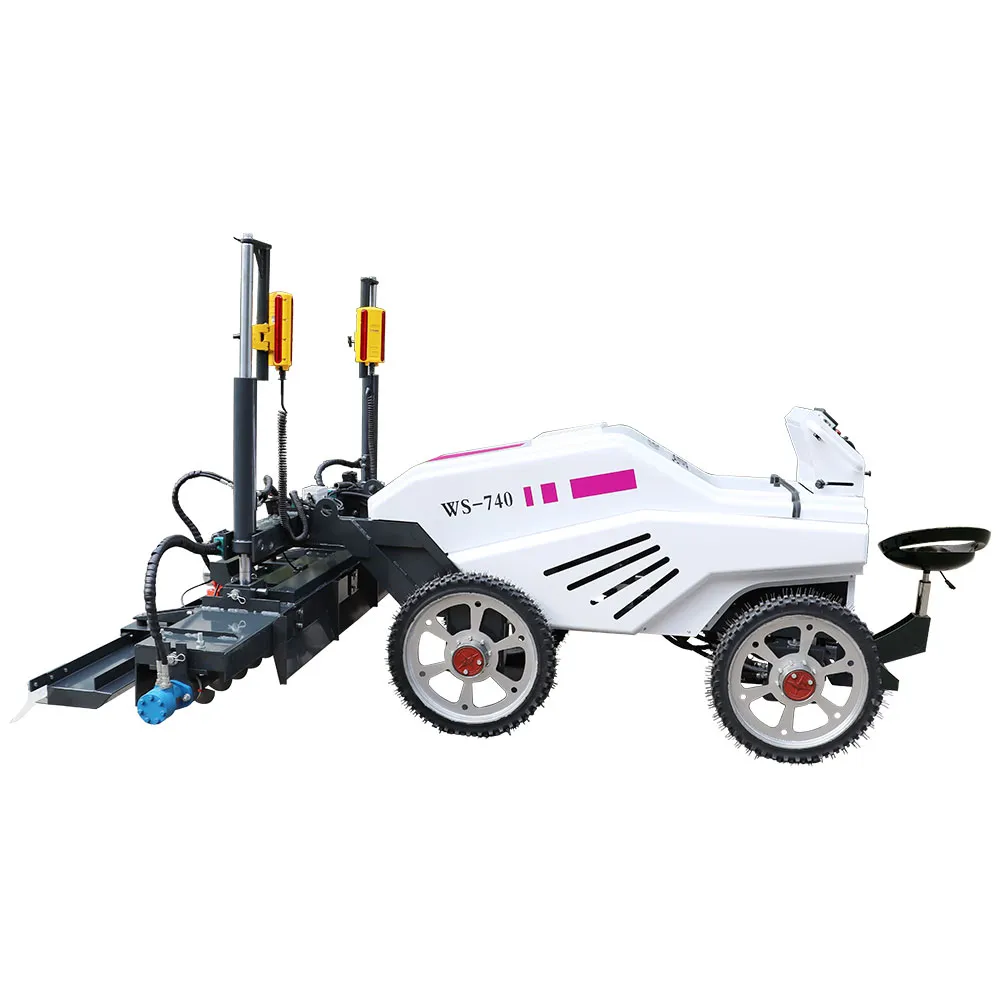
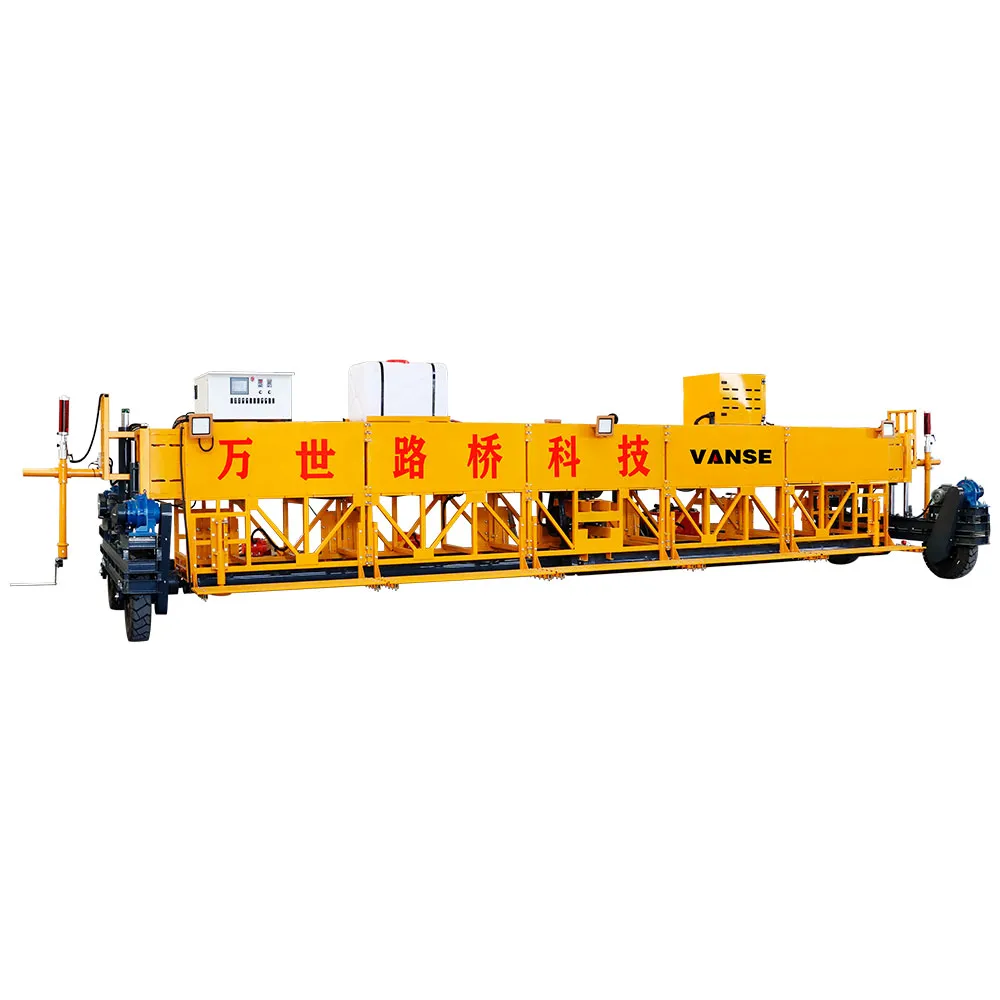
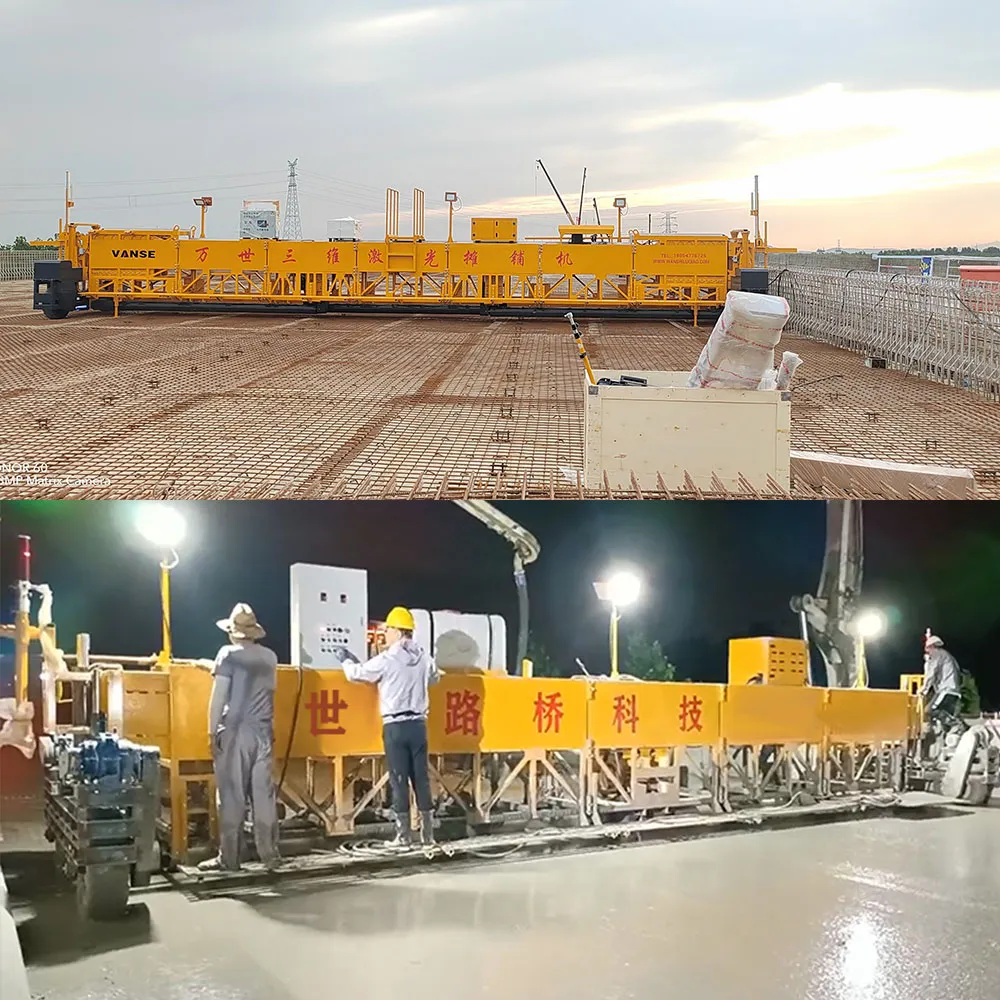
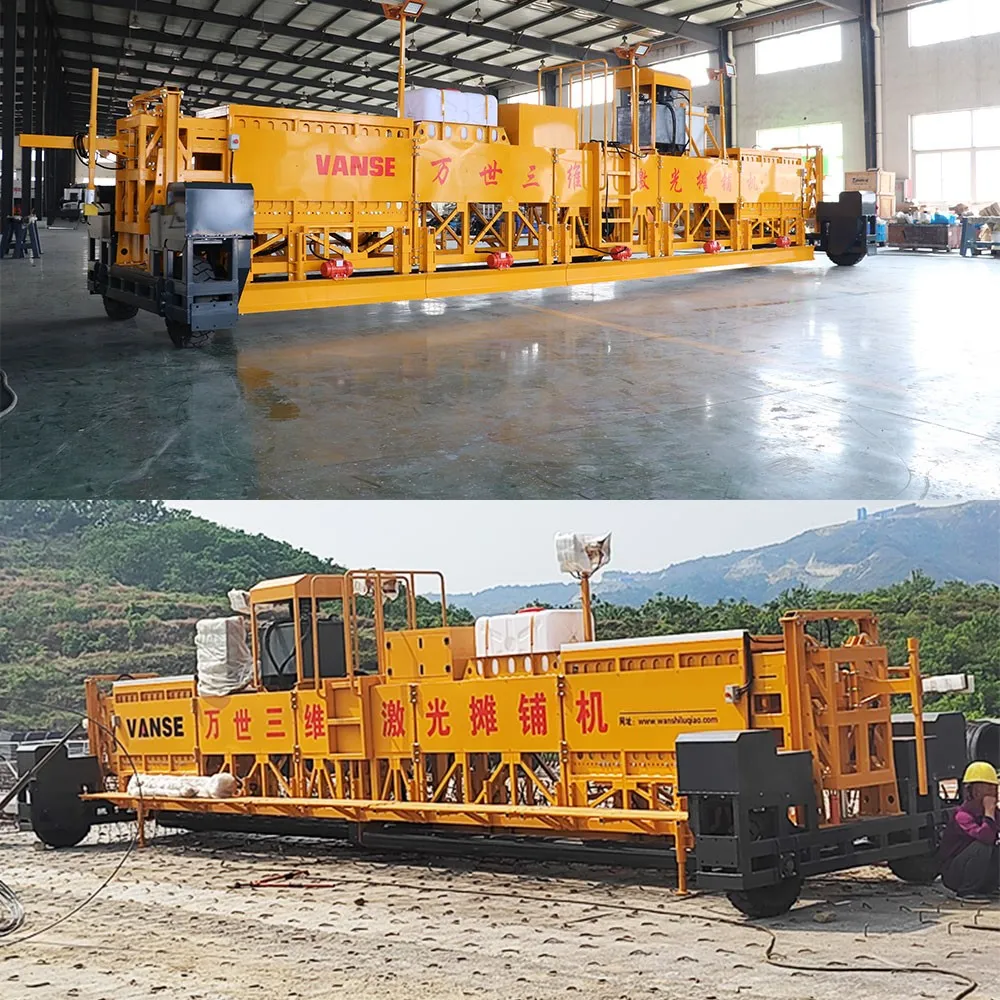
Concrete laser levelings and push paver machines each have their own advantages in terms of work efficiency, and it is difficult to directly compare which one is higher and which is lower. This is because the usage scenarios and working principles of the two devices are different, resulting in their performance in work efficiency being different.
The concrete laser leveling machine is mainly used for floor leveling work. It uses laser technology for positioning and can quickly and accurately complete the floor leveling work. Due to its high precision and efficiency, the concrete laser leveler performs well in leveling work on large floors, squares, warehouses and other places. In addition, the concrete laser leveling machine can also be equipped with different working devices to adapt to different construction needs, further improving its work efficiency.
Paver machines are mainly used for paving infrastructure such as roads and bridges. Pavers can quickly lay and level a variety of materials, such as asphalt, cement, and more. Its working principle is to transport materials to the working position through a conveyor belt and use a leveling to level them. Because pavers are suitable for large-area, continuous paving work, they have high work efficiency in the construction of infrastructure such as roads and bridges.
In summary, concrete laser levelings and push paver machines each have their own advantages in work efficiency, depending on the usage scenario and construction needs. When choosing which equipment to use, comprehensive considerations need to be made based on the actual situation to achieve the best construction results and economic benefits.
|

|
|

|
|

|
Thanks to All the Friends Who Support and Trust Shandong Vanse Machinery Technology Co., Ltd.
If you want to know more about Shandong Vanse Machinery Technology Co., Ltd. or have any questions, please feel free to contact us:
Our Factory
Shandong Vanse Machinery Technology Co., Ltd.








Share this article

About the Author: Shandong Vanse Machinery Technology Co., Ltd.
Shandong Vanse Machinery Technology Co., Ltd. is a high-tech manufacturer specializing in concrete construction machinery, including laser screeds and related equipment. The company integrates R&D, production, and global sales, with products exported to over 60 countries and widely used in infrastructure projects worldwide.
Previous Post
Next Post
Related Articles
You Might Also Like
Personal safety protective equipment (PPE) specifications and best practices for operating a power trowel machine
Operating a power trowel machine is a high-risk job, involving high-speed rotating components, flying debris, intense vibration and loud noise. Strictly adhering to personal protective equipment (PPE) standards is not only a company regulation but also a key to safeguarding your life safety and health. The following is a detailed specification and best practices for personal safety protective equipment (PPE) used in operating a power trowel machine. This is a comprehensive protection system covering the head to the feet, none of which can be missing. Body parts Protective equipment Normative requirements and significance Head Safety helmet It must be worn to prevent it from colliding with the pipelines or structures above when working with your head up, or falling when bending over. Eyes and Face Protective glasses/safety goggles • Absolutely necessary. Prevent high-speed splashes such as cement debris and dust from harming your eyes. It is recommended to choose a model with side wing protection to provide all-round protection. Listening Noise-canceling earplugs or earmuffs It is strongly recommended to wear it. The engine of the power trowel machine is extremely noisy, and long-term exposure can lead to permanent hearing damage. The noise reduction effect of ear cups is usually better than that of earplugs, and they are more comfortable. Respiratory system Dust mask (at least N95 level) • Must be worn. Concrete operation generates a large amount of cement dust and silica dust. Inhaling them can seriously harm lung health and may lead to silicosis. In confined Spaces or when there is a great deal of dust, a half mask respirator (with P100 filter cotton) should be considered for use. Hand Anti-vibration gloves • Must be worn. Not only is it anti-slip and wear-resistant, but more importantly, it can effectively reduce shock. Long-term operation of a power troweler can cause "hand-transmitted vibrations", which may lead to "white finger disease" (vibration-induced vascular disease) and nerve damage. Shock-absorbing gloves are the first line of defense. Body Long-sleeved work clothes Wear tight and durable long-sleeved shirts and pants to prevent your skin from being burned by cement or scratched by flying debris, and to protect it from the sun. Do not wear loose clothing to avoid being caught in rotating parts. Feet Puncture-resistant and anti-slip safety shoes • Absolutely necessary. The toe of the shoes should be made of steel to prevent heavy objects from injuring the toes. The soles of shoes should be puncture-resistant to prevent stepping on sharp objects such as nails. The soles of shoes must be anti-slip because walking on fresh concrete surfaces is very slippery. Leg Waterproof pants/aprons (optional but recommended) When it is necessary to kneel on the ground or work close to wet concrete, waterproof pants can keep the body dry and prevent cement from corroding the skin and clothing. After personal protective measures are in place, it is also necessary to check the equipment and environment Blade/power trowel: Whether it is firmly installed, free of cracks, and whether the wear is within the safe range. Protective cover: Whether it is intact and properly installed. This is a key component to prevent the feet from being drawn in and must not be removed or damaged. Wiring/Fuel: Check if the wires are damaged (electric type) or if the fuel is leaking (gasoline type). Operating mechanism: Whether the throttle and switch are flexible and effective. Clear the site: Remove all obstacles on the ground, such as tools, steel bar ends, and wooden boards. Check the condition of the concrete: Confirm that the concrete has reached the initial setting strength suitable for people to operate on (usually the depth of footprint subsidence does not exceed 5-10mm). Operating too early will damage the ground and the machine is prone to sinking. Lighting: Ensure that the working area is well-lit. ** bystanders: ** Ensure that there are no unauthorized personnel in the work area, especially children. When starting up, make sure the blade is kept away from the ground and anyone. Always hold the operation handle tightly with both hands to maintain your balance and the stability of the machine. Always stay vigilant, pay attention to your feet and the surrounding environment, and avoid tripping over wires or pump pipes. Walking route: Adopt a regular and overlapping walking path to avoid sudden turns or steps backward. Wire management: If it is an electric power trowel, make sure the wires are always behind you and away from the area where the blades rotate. The wire can be carried over the shoulder strap. If the machine is stuck or malfunctioning: Immediately turn off the engine. Wait until the blade has completely stopped before conducting an inspection. When encountering obstacles such as steel bars: Stop the machine immediately and avoid them. When feeling tired: Rest immediately. Fatigue will greatly increase the risk of accidents. Cleaning and maintenance must be carried out only after the machine has completely stopped, the spark plug connector has been removed (for gasoline engines), or the power supply has been disconnected (for electric motors). When cleaning the blade, extra care should be taken even if the machine is turned off, as the edges are extremely sharp Trap 1: "Just for a moment. It's fine not to wear protective gear." Avoidance: Accidents occur in an instant. It is essential to develop a muscle memory that requires protection when the device is turned on. Trap 2: "It's too hot. Don't wear earplugs/masks anymore." Avoidance: Damage to hearing and lungs is cumulative and irreversible. Comfort can never override health. Trap 3: Remove the protective cover for operation. Avoidance: This is an extremely dangerous behavior! The protective cover is designed to save lives and must never be removed at any time. Trap 4: Cleaning the blade by hand while the machine is running. Avoidance: This is the main cause of serious finger breakage accidents. The machine must be shut down before handling. The safety guidelines for operating a power trowel machine can be summarized as: Full-body protection, stay alert, respect the machine, and anticipate risks. " Internalizing this guideline as your operational habit is not only responsible for yourself but also for your family and colleagues. Safety is always the top priority in construction. No project progress is worth trading for safety. Note: The parameters provided in this document are for reference only and are not mandatory. Due to differences in technical characteristics between different brands and models of laser levelers, please consult the manufacturer for a suitable solution before actual operation. This reference document assumes no responsibility for any issues arising from failure to follow the manufacturer's instructions.What operations should be avoided when using a concrete laser leveler to vibrate and compact concrete?
Improper operation of a concrete laser leveling machine during compaction can lead to problems such as segregation, uneven surfaces, and insufficient density. The following key practices should be avoided: Over-vibration: Excessive vibration frequency (exceeding the equipment's recommended range, such as over 5,000 vibrations per minute) or prolonged vibration time can cause aggregate to sink and mortar to float, resulting in segregation (gravel concentrates at the bottom and excessive laitance on the surface), impacting structural strength and durability. Insufficient vibration: Excessive vibration frequency or insufficient vibration depth (failure to reach the bottom of the concrete) can prevent internal bubbles from being expelled and gaps between aggregates from being filled, leading to honeycombs and voids, and reduced density. Parameters not adapted to concrete characteristics: Parameters not adjusted according to concrete slump (e.g., using a low frequency for dry, hard concrete and a high frequency for plastic concrete) can result in either inadequate vibration or segregation. Repeatedly vibrating the same area: Repeatedly vibrating the same location will damage the concrete's initial structure and exacerbate segregation, especially when performed on concrete in the initial setting stage. This can cause sanding and cracking of the surface. Missed edges or corners: The vibrator fails to reach areas such as the edge of the formwork or areas with dense rebar. These areas are prone to honeycombing due to insufficient vibration energy and require manual assisted vibration (such as using an inserted vibrator). However, this should avoid interfering with the laser leveling machine. Mismatching vibration and travel speed: If the machine travels too fast, the vibrator will stay in a specific area too short, failing to achieve adequate compaction. If the machine travels too slowly, excessive vibration may cause segregation, impacting construction efficiency. Failure to promptly level after vibration: After vibration, the concrete surface will fluctuate due to vibration. If this is not promptly leveled using the laser leveling system, the surface will exceed the required flatness, requiring additional repairs and increasing costs. Forced vibration when the concrete slump exceeds the specified value: Concrete with a large slump (e.g., over 200mm) is inherently fluid and can easily segregate due to excessive vibration. Concrete with a small slump (e.g., less than 50mm) has difficulty transmitting energy through vibration, which can lead to insufficient density. Therefore, the concrete mix proportions should be adjusted before construction. Vibrating after initial setting: After initial setting (loss of plasticity), vibration can damage the existing structural framework, causing surface cracking and reduced strength. Vibration timing must be strictly controlled and synchronized with the concrete pouring rhythm. Continuing to use a vibrator when the vibrator is worn or stuck: Wear on the vibrator blades will attenuate the vibration energy, while sticking can cause localized severe impact, resulting in localized concrete segregation or surface damage. Regularly inspect the equipment. Failure to adjust the vibration depth based on the construction thickness: Too shallow a vibration depth (less than 2/3 of the concrete thickness) can result in a loose, deeper layer; too deep a vibration depth (contacting the formwork or base) can damage the formwork due to vibration impact or introduce impurities into the base, affecting concrete quality. By avoiding these practices, the laser leveling can ensure efficient concrete compaction during the vibration process while maintaining surface accuracy and structural strength, reducing subsequent repair costs. Click the below to jump immediately!!! ARMOUR JOINT CONCRETE LASER LEVELING MACHINE LIGHT TOWER POWER TROWEL SLIPFORM MACHINE STEEL FIBER TOPPING SPREADER TRACKED MINI DUMPERIntroduction and working principle of floor concrete laser leveling machine
1. Definition: 1.1 Definition of laser leveling machine: guided by laser, used for leveling and leveling concrete a kind of machine equipment. 1.2 Definition of laser leveling: When large-area concrete floor is being constructed, laser leveling machine is used to vibrate, level and control the ground elevation of newly poured concrete. 2. Introduction of floor concrete laser leveling machine The technology principle of the laser leveling machine for floor concrete relies on gasoline generator to generate electricity, and uses the flat head to drive the laser measurement and control system, computer control system and servo drive system to complete the leveling work. The whole machine is composed of the fuselage and flat head, and the leveling of concrete is mainly completed by the flat head part. 3. Preparation 3.1 After the basic level treatment, the laser leveling machine equipment debugging, according to the original leveling point to a fixed reference level; Lay plastic film, tie steel mesh (according to the design needs), set the edge die; Set up the laser transmitter, according to the original level of the floor elevation into the laser leveling machine. 3.2 The concrete shall be transported by commercial concrete and transported to the construction site by concrete truck. 3.3 Elevation check Use the hand-held receiver to check the elevation of the floor, introduce the elevation into the laser leveling machine, adjust the reference point of the leveling machine. 4. Concrete paving Within the effective construction range of the flat head of the laser leveling machine, the concrete is first made artificially to the height of 1-2㎝ (the specific height depends on the concrete slump), and then the vibration, compaction and leveling work is completed by the laser leveling machine of the floor concrete in one time.