Technical Knowledge
What is the current after-sales service for concrete laser leveling machines? How perfect is it?

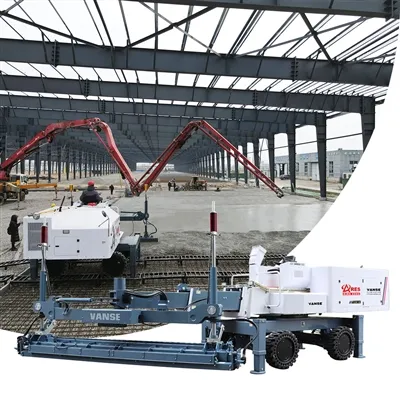
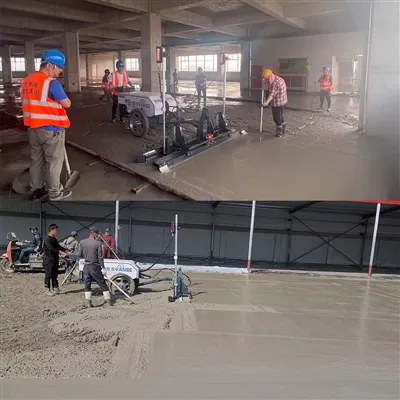
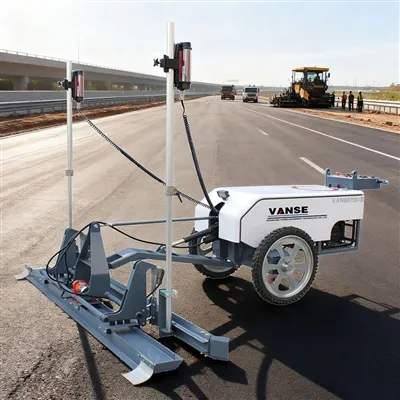
Speaking of after-sales service, in fact, the after-sales service of the entire flooring industry has always been lacking. When there is a problem with a customer's equipment, there is always the problem of the manufacturer not responding in time, or even not responding at all. There have been many customers in the past who were unable to receive timely after-sales service due to problems when purchasing concrete laser leveling machines from other manufacturers. This not only delayed the construction period, but also caused a certain degree of losses. As a service benchmark in the flooring industry, Wanshi Machinery has always put the needs of customers first and adhered to its "three ones" commitment.
In fact, after-sales service is not just about helping customers, but also about helping yourself. For a company, credibility and reputation are crucial, and after-sales service is the cornerstone of credibility and reputation. Wanshi Machinery fulfills the Three Ones promise, "response within a quarter of an hour, arrive within one day, and solve the problem within one day." Only a quarter-of-an-hour response can reassure customers, arrival within one day can ensure that the construction period is not delayed, and solving problems within one day is a reflection of technical strength. These three points bring confidence to customers and guarantee their decision to choose Wanshi Concrete Laser Leveling Machine.
The customer's problems are the company's problems, and the customer's confidence is the company's confidence. The two are closely connected, which is the relationship between water and boat. Wanshi Machinery always keeps customers in mind and adheres to the three one promises. Not only do we want customers to choose Wanshi Machinery, but we also want customers to have no regrets about their choice.


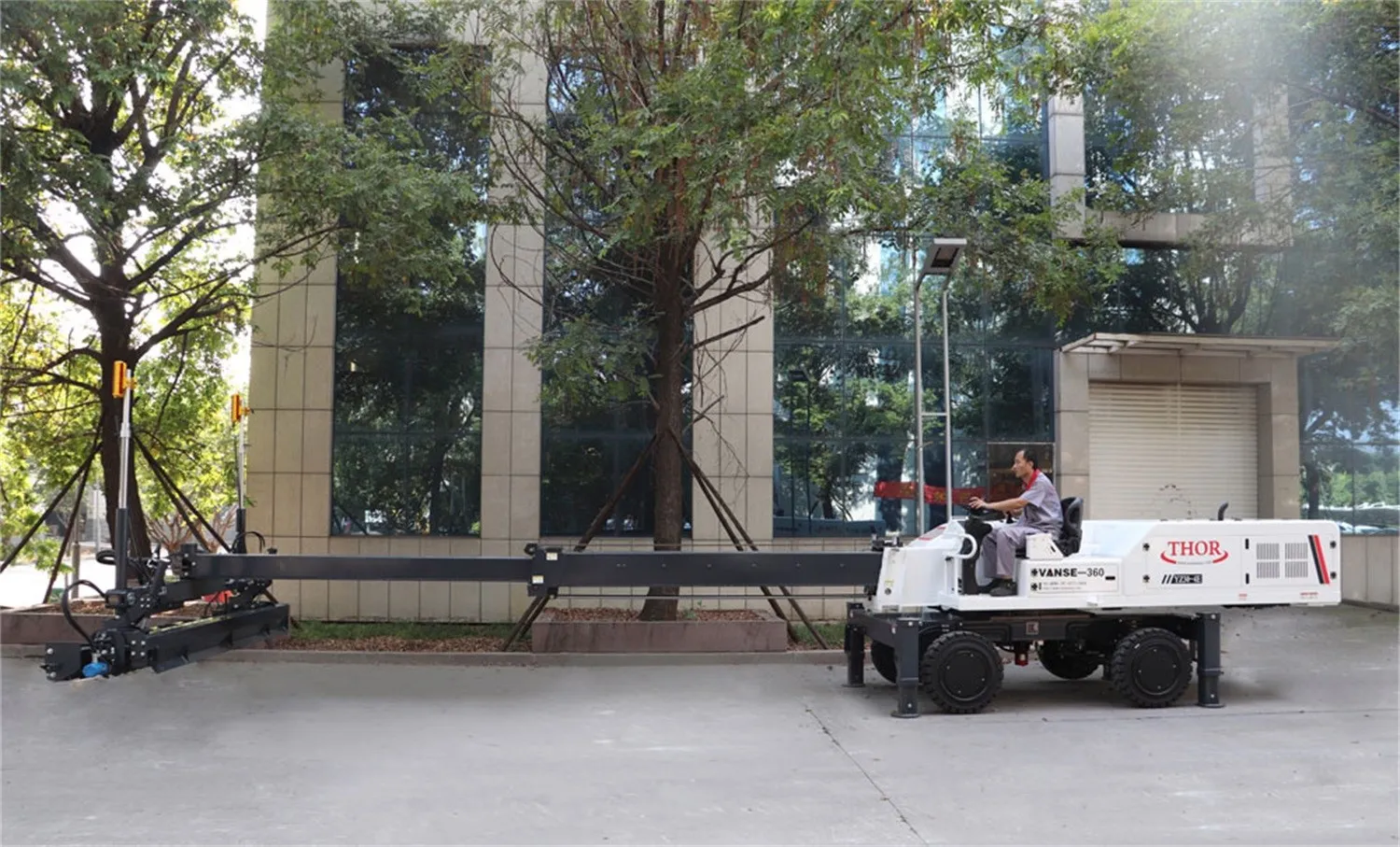
Thanks to All the Friends Who Support and Trust Shandong Vanse Machinery Technology Co., Ltd.
If you want to know more about Shandong Vanse Machinery Technology Co., Ltd. or have any questions, please feel free to contact us:
Our Factory
Shandong Vanse Machinery Technology Co., Ltd.








Share this article

About the Author: Shandong Vanse Machinery Technology Co., Ltd.
Shandong Vanse Machinery Technology Co., Ltd. is a high-tech manufacturer specializing in concrete construction machinery, including laser screeds and related equipment. The company integrates R&D, production, and global sales, with products exported to over 60 countries and widely used in infrastructure projects worldwide.
Previous Post
Next Post
Related Articles
You Might Also Like
How should the slump of concrete pavement construction be adjusted in different construction scenarios?
Reason: The increase in temperature will accelerate the cement hydration rate and the water evaporation rate, resulting in faster loss of concrete slump and reduced fluidity. Adjustment method: Appropriately increase the slump. It is generally recommended to increase it by 2040mm compared with normal temperature construction. For example, the slump is controlled at 80100mm at normal temperature, and it can be adjusted to 100140mm at high temperature. At the same time, measures can be taken to reduce the temperature of raw materials, such as shading aggregates, spraying water to cool down, using underground cold water to mix concrete, and adding ice cubes to the mixing water to control the concrete outlet temperature ≤30℃. Reason: Low temperature will prolong the setting time of concrete and deteriorate the construction performance. If the slump is too small, the concrete may be difficult to vibrate and compact. Adjustment method: The slump should not be too large, usually controlled at 3060mm. Warm water can be used to mix concrete to increase the temperature of the concrete out of the machine, and the amount of admixture can be appropriately reduced to avoid too long setting time of the concrete. In addition, attention should be paid to the insulation and maintenance of the concrete to prevent freezing. Reason: Long transportation time will cause the slump of concrete to be lost. If the initial slump is small, it may be difficult to meet the construction requirements when arriving at the construction site. Adjustment method: Appropriately increase the slump when setting off, such as increasing it by 2030mm compared to normal construction. For example, the normal construction slump is 80100mm, and it can be set to 100130mm during longdistance transportation. At the same time, on the basis of the continuous lowspeed rotation of the mixer tank (24 rpm), a transport retarder can be added to ensure that the slump loss rate is ≤30% within 2 hours. Reason: Pumping requires concrete to have good fluidity and pumpability to pass through the pipeline smoothly and reach the pouring location. Adjustment method: The slump is usually controlled at 120180mm. It is necessary to select a suitable pumping agent and adjust its dosage according to the pumping distance, height and pipeline layout. At the same time, optimize the concrete mix ratio and control the sand ratio at around 35%45% to improve the fluidity and water retention of the concrete. Reason: If manual paving or small mechanical paving is used, the concrete does not need to have high fluidity like pumping, but it still needs to have a certain workability to facilitate paving and vibration. Adjustment method: The slump is generally controlled at 3080mm. If the slump is increased by one level (i.e., by 20 30 mm), in addition to increasing the sand content by more than 1% to ensure stability and workability, the amount of water (5 10 kg/m3) and cement (10 kg per cubic meter) must be increased accordingly. In actual construction, the optimal slump and mix ratio should be determined through tests according to specific conditions, and inspection and adjustment should be carried out strictly in accordance with relevant standards and specifications to ensure the construction quality of the concrete pavement.How serviceable is a concrete laser leveling machine ?
The maintainability of a concrete laser leveling refers to its ability to be easily and quickly repaired, replaced or improved in the event of failure or performance degradation. The serviceability of concrete laser levelings will be discussed in detail below. 1. Failure rate of concrete laser leveling machine The failure rate of a concrete laser leveling is an important factor in its maintainability. Generally speaking, the lower the failure rate of the equipment, the better its repairability. The occurrence of failure mainly depends on the reliability, stability and manufacturing materials and processes of the equipment. Concrete laser leveling machines with high reliability and stability generally use high-quality components and advanced manufacturing processes to reduce failure rates. 2. Ease of maintenance of concrete laser leveling machine Ease of repair refers to the ease with which equipment can be repaired conveniently and quickly when it malfunctions. How easy a concrete laser leveling is to repair depends on several factors, including its design, manufacturing and service manuals. Some well-designed concrete laser levelings can improve their ease of maintenance by simplifying the maintenance process, reducing the difficulty of maintenance and providing detailed maintenance manuals. 3. Maintainability of concrete laser leveling machine Maintainability refers to the ability of equipment to undergo regular maintenance and upkeep during its life cycle. Regular maintenance and upkeep can help your concrete laser leveling maintain good performance and extend its service life. Some concrete laser leveling machines are designed with ease of maintenance and care in mind, such as easy-to-replace parts, easy-to-clean structures, etc., which all help to improve their maintainability. 4. Repairability of concrete laser leveling machine Repairability refers to the ability of equipment to recover through repair or replacement when it malfunctions or degrades in performance. Generally speaking, the repairability of a concrete laser leveling depends on factors such as its modular design, standardized interfaces, and the ease of replacing parts. By adopting modular design, the fault location can be limited to specific modules, reducing the impact on the overall equipment; standardized interfaces facilitate the interchange of parts between equipment; the convenience of replacing parts helps shorten maintenance time and reduce costs. . 5. Upgradeability of concrete laser leveling machine Upgradability refers to the ability of equipment to expand functions and improve performance during technological development. As technology continues to advance, concrete laser levelings also need to be continuously upgraded to meet new needs. The upgradable concrete laser leveling can expand its functions or improve its performance on the original basis, thereby extending its service life and improving its overall performance. 6. Maintenance training of concrete laser leveling machine Maintainability training refers to relevant training provided to equipment users to help them understand equipment maintenance methods and precautions. For concrete laser leveling machines, users need to understand the operation methods, daily maintenance, common troubleshooting and emergency handling of the equipment. By providing detailed maintenance training, we can help users better understand equipment maintenance methods and improve equipment reliability and service life. Summarize: The maintainability of a concrete laser leveling has an important impact on its stability and efficiency in the production process. The maintainability of concrete laser levelings can be improved by optimizing the design, selecting high-quality components and providing detailed maintenance training. In addition, users also need to formulate a reasonable maintenance plan based on the characteristics of the equipment and the use environment, and perform regular maintenance and inspections to ensure good performance of the equipment and extend its service life.What are the specific requirements for the environmental protection indicators of concrete laser leveling in green building projects?
In green building projects, the environmental protection requirements for concrete laser leveling machines have gone beyond the traditional scope of "construction efficiency", and more emphasis is placed on their comprehensive performance in energy conservation, emission reduction, noise reduction, and consumption reduction. These requirements are not a single standard but run through all aspects of equipment selection, construction process and management, aiming to minimize the negative impact of construction activities on the environment and personnel health. The following is a detailed breakdown of the specific requirements: This is the most crucial environmental protection indicator, directly related to the air quality at the construction site. Type of power source Priority electric type: When conditions permit, electric laser levelings should be given priority. Electric equipment achieves zero on-site emissions during operation and does not produce harmful gases such as carbon monoxide (CO), hydrocarbons (HC), nitrogen oxides (NOx), and particulate matter (PM), greatly improving the construction environment in underground Spaces or poorly ventilated areas. Clean fuel engines: If fuel power must be used, equipment that meets the emission standards for non-road mobile machinery at Stage IIIA or higher (such as Stage IV) should be selected. These engines adopt advanced electronic fuel injection and exhaust after-treatment technologies (such as diesel particulate filters (DPF) and selective catalytic reduction (SCR)), which can significantly reduce pollutant emissions. Specific requirements: In the tender documents or construction specifications of green building projects, the emission standards for levelings should be clearly stipulated, and the use of electric equipment should be encouraged. Pay attention to the energy consumed by the equipment to complete a unit of work. High-efficiency hydraulic system: The leveling machine equipped with high-efficiency hydraulic systems such as load-sensitive and variable pumps can automatically adjust the power output according to the actual working conditions, reduce reactive power loss, and lower fuel or electricity consumption. Intelligent control and standby function: The equipment should be equipped with an automatic idle speed or automatic shutdown function. When not in operation for a long time, it can reduce the engine speed or automatically shut off the engine to avoid unnecessary fuel waste and emissions. Although it is difficult to set a uniform energy consumption figure, when selecting equipment, you can ask the manufacturer to provide the energy consumption data of their products and compare them with other models to choose the one with higher energy efficiency. Construction noise is the main factor disturbing residents and also an important assessment point for green construction. Low-noise design: The equipment should adopt low-noise engines, optimized mufflers, noise control for the hydraulic system, and sound insulation covers, etc. Operating noise limit: Within a certain range from the equipment (such as 7 meters), the operating noise should be lower than 80 decibels (dB), or even lower. This is particularly important for construction near hospitals, schools and residential areas. Vibration control: A good vibration damping design not only enhances operational comfort but also reduces the vibration impact on surrounding precision instruments and building structures. Specific requirements: Clearly define the construction period in the construction plan and stipulate the on-site noise monitoring values. Selecting equipment that meets the low-noise standards is a prerequisite for achieving this goal. One of the core advantages of the laser leveling itself is to enhance the efficiency of material utilization. High flatness and high marking accuracy: The laser control system can ensure extremely high levelness and marking accuracy of the floor. This means: Reduce excessive concrete consumption: Avoid concrete waste caused by elevation errors. Reduce the materials of the leveling layer: Excellent flatness can eliminate or minimize the need for subsequent cement mortar leveling layers, saving materials such as cement and sand and gravel. The flatness of the floor constructed by laser leveling (usually measured by FF/FL value) should meet the design requirements, thereby indirectly achieving material savings. This is an important indirect indicator for evaluating its environmental benefits. Reducing corrections and rework: High-precision construction avoids chiseling and rework caused by substandard flatness from the source, thereby reducing the generation of construction waste. Sealing and Maintenance: The equipment should have a good hydraulic system sealing performance. Regular inspection and maintenance should be carried out to prevent hydraulic oil leakage from contaminating soil and groundwater. Specific requirements: The construction site should establish equipment maintenance and inspection systems to ensure there is no oil leakage. In the event of a leakage, there should be an emergency response plan and collection measures. Specify environmental protection specifications in the tender documents: When purchasing or leasing equipment, include the above-mentioned environmental protection indicators (such as "must be electric or fuel engine meeting National IV emission standards", "operating noise ≤80dB") as mandatory or bonus technical requirements in the contract. Select green construction contractors: Prioritize those that possess modern, low-emission fleet equipment and have mature experience in green construction management. Supervision and monitoring during the construction process Conduct noise and air quality monitoring at the construction site. Check the maintenance records of the equipment to ensure that it is always in good environmental protection working condition. Record the actual usage of concrete, compare it with the designed usage, and evaluate the effect of material savings. Refer to green building evaluation standards: such as China's "Green Building Evaluation Standard" (GB/T 50378), the United States' LEED certification, etc., all of which have corresponding provisions for environmental protection, energy conservation and material resource utilization during the construction process. Using environmentally friendly construction equipment is one of the specific measures to meet the requirements of these terms. For the concrete laser leveling machines in green building projects, the environmental protection requirements form a comprehensive system, with the core lying in: Electric vehicles are preferred, and the fuel must meet high emission standards. Pursue low noise and low vibration to achieve friendly construction. By taking advantage of its high-precision characteristics, it saves concrete and leveling materials from the source and reduces waste. Only by implementing these specific requirements in equipment selection, contract management and construction supervision can the environmental protection value of advanced construction machinery in green buildings be truly brought into play, and the unity of economic, social and environmental benefits be achieved. Note: The parameters provided in this document are for reference only and are not mandatory. Due to differences in technical characteristics between different brands and models of laser levelers, please consult the manufacturer for a suitable solution before actual operation. This reference document assumes no responsibility for any issues arising from failure to follow the manufacturer's instructions.