Technical Knowledge
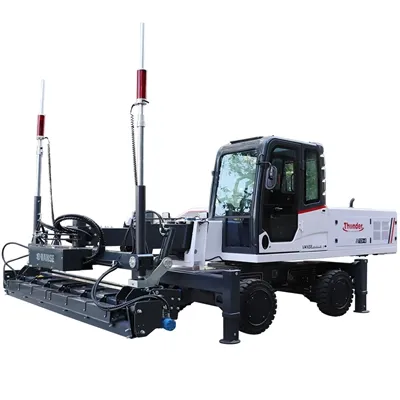
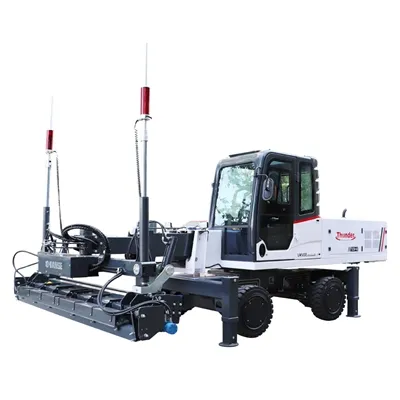
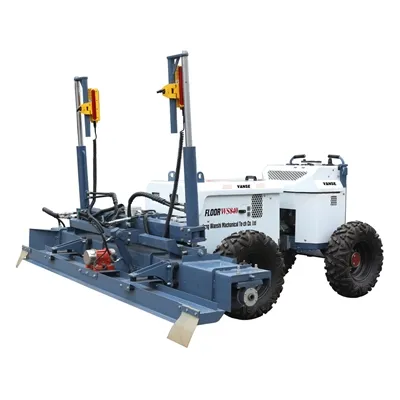
VANSE Telescopic Boom Concrete Laser Leveling Machine Helps You Take Over Large Projects
May 11, 2023
Shandong Vanse Machinery Technology Co., Ltd. is a domestic set manufacturing, sales, technical services in one, specializing in concrete laser leveling machine,Concrete Floor Surface Grinder enterprises.
The company is located in the ancient Kyushu one of Shandong Yanzhou, the geographical location of the more, convenient transportation.
Has passed National High-tech Enterprise certificationIS09001 quality certification, ISO1400 environmentalProducts have CE certification and SGS and BV approved factory checking reportsthe engines for machines have EURO 5 and EPA,
emission meet EU and USA standard.
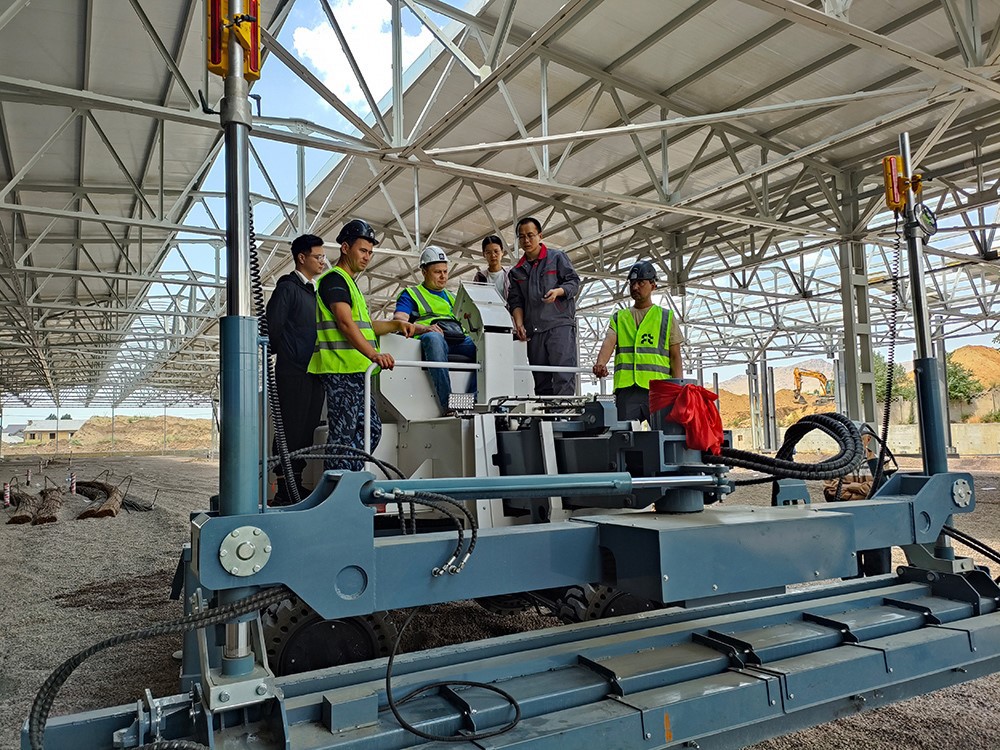
With the rapid development and prosperity of the floor industry, laser leveling machines are more and more used in floor construction, especially in the construction of large-area concrete floors,
the use of laser leveling machines can greatly improve construction efficiency.
Vanse large-scale telescopic arm laser leveling machine adopts the most advanced laser system and full hydraulic control system to make the concrete construction ground leveling with higher precision and stronger compactness,
and to meet high-standard construction requirements at the same time of high-efficiency construction.
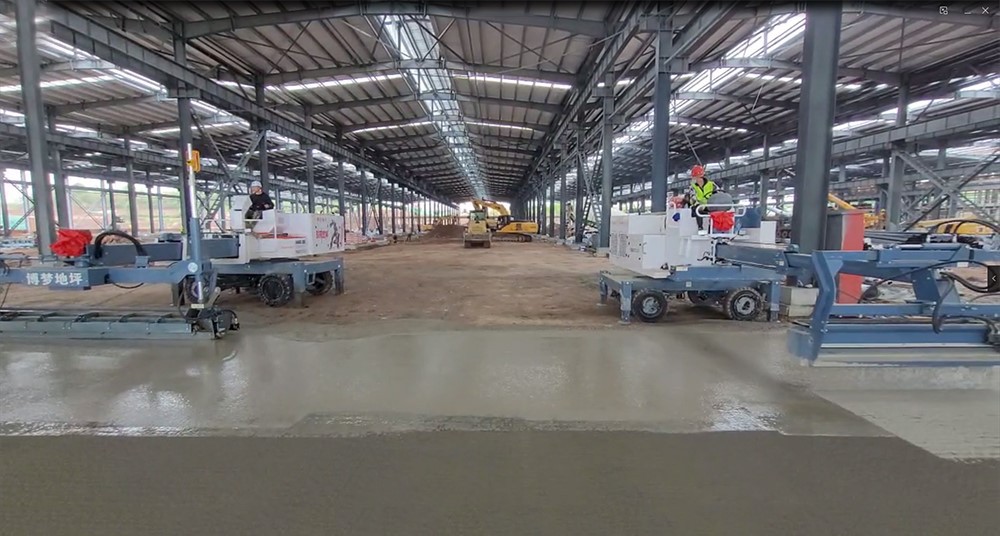
Another major feature of Vanse large-scale telescopic arm laser leveling machine is that it saves labor and improves efficiency. It can shorten the construction period by two thirds and reduce labor by more than half. The key quality is better,
the cost performance is very high, and the maintenance cost can also be reduced. so for the general construction team, the cost is not too high, and the price of the floor industry is also acceptable.
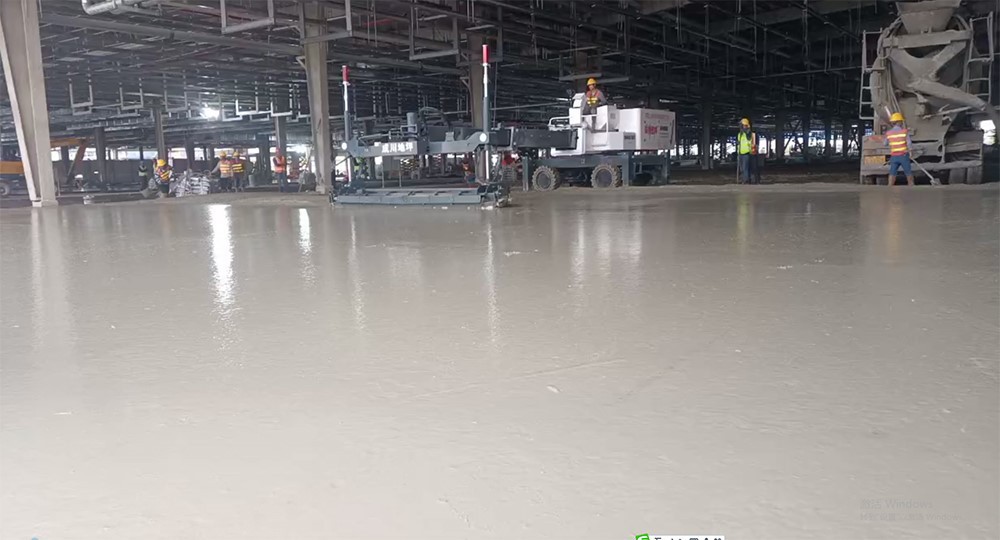
Leasing or buying and selling large laser levelers is a very good choice.
Shandong Vanse Machinery has experienced senior engineers who serve customers wholeheartedly, develop together, and cooperate for win-win results.
Thanks to All the Friends Who Support and Trust Shandong Vanse Machinery Technology Co., Ltd.
If you want to know more about Shandong Vanse Machinery Technology Co., Ltd. or have any questions, please feel free to contact us:
Our Factory
Shandong Vanse Machinery Technology Co., Ltd.


About the Author: Shandong Vanse Machinery Technology Co., Ltd.

Shandong Vanse Machinery Technology Co., Ltd. is a high-tech manufacturer specializing in concrete construction machinery, including laser screeds and related equipment. The company integrates R&D, production, and global sales, with products exported to over 60 countries and widely used in infrastructure projects worldwide.

Shandong Vanse Machinery
Leading manufacturer specializing in high-performance concrete laser screeds, telescopic arm flatwork handlers, and mechanical ride-on power trowels.
Post overview
Main PRODUCT Categories
Need Machine Guidance?
Speak directly with Shandong Vanse field specialists for tailored equipment quotes and site planning.
Contact Us TodayRelated Articles
You Might Also Like
October 11, 2023
What are the common faults and troubleshooting methods of concrete laser leveling machines?
The concrete laser leveler is a high-tech equipment used for concrete construction. It uses laser technology to level the concrete surface to improve construction quality and efficiency. However, during use, the concrete laser leveling may experience some common faults, which can be repaired with some simple troubleshooting methods. The following will introduce common faults and troubleshooting methods of concrete laser leveling machines. 1. The device cannot be turned on. The device cannot be turned on because the power cord is not connected correctly, the battery is low, or the device itself is faulty. To troubleshoot this problem, you can check whether the power cord is connected correctly, whether the battery is charged or replaced with a new one, and whether there are other malfunctions in the device. 2. The device cannot receive signals. The failure of the device to receive signals may be caused by the GPS antenna being blocked, signal receiver failure, or surrounding signal interference. To troubleshoot this fault, you can check whether the GPS antenna is blocked or move to a better location, check whether the signal receiver is faulty or replace it with a new one, eliminate surrounding signal interference, etc. 3. The device cannot scan. The device cannot scan. The reason may be that the laser head is blocked, the laser head is faulty, or the control circuit is faulty. To troubleshoot this fault, you can check whether the laser head is blocked or clean, check whether the laser head is faulty or replace it with a new one, check whether the control circuit is faulty or repair the circuit, etc. 4. The device cannot transmit data. The device cannot transmit data. The reason may be that the memory card is full, the memory card is faulty, or the connection between the device and the computer is poor. To troubleshoot this problem, you can check whether the memory card is full or delete unnecessary files, check whether the memory card is faulty or replace it with a new one, check whether the connection between the device and the computer is good, etc. 5. The device cannot be calibrated. The failure of the device to be calibrated may be caused by incorrect calibration steps, incorrect placement of the device, or errors during the calibration process. To troubleshoot this problem, you can follow the correct calibration steps, place the device in the correct location, check if there are any errors during the calibration process, etc. 6. The equipment cannot perform automatic leveling. The failure of the equipment to perform automatic leveling may be caused by sensor failure, poor connection between the sensor and the equipment, or incorrect sensor position. To eliminate this fault, you can check whether the sensor is faulty or replace it with a new one, check whether the connection between the sensor and the device is good, adjust the position of the sensor, etc. 7. The equipment cannot perform automatic smoothing. The equipment cannot perform automatic smoothing. It may be caused by motor failure, poor connection between the smoother and the equipment, or incorrect position of the smoother. To eliminate this fault, you can check whether the motor is faulty or replace it with a new one, check whether the connection between the trowel and the equipment is good, adjust the position of the trowel, etc. 8. The equipment cannot perform automatic control. The failure of the equipment to perform automatic control may be caused by controller failure, control circuit failure or control program error. To eliminate this fault, you can check whether the controller is faulty or replace it with a new controller, check whether the control circuit is faulty or repair the circuit, check whether the control program is wrong or update the program, etc. In short, there are many common faults and troubleshooting methods for concrete laser leveling machines. When a fault occurs, you should first understand the basic operating methods of the machine, and then analyze and troubleshoot according to the actual situation. If you cannot solve the problem by yourself, it is recommended to seek help from professional technicians in time.Read More
May 24, 2024
How Is The Frequency Of Maintenance Of Concrete Laser Leveling Machine Determined?
How is the frequency of maintenance of concrete laser leveling machine determined? As an important equipment in modern building construction, the frequency of maintenance of concrete laser leveling machine is of great significance to ensure the normal operation of the equipment, extend its service life and ensure the quality of construction. Determining a reasonable maintenance frequency is a complex process that requires consideration of the combined effects of multiple factors. This article will delve into how to determine the maintenance frequency of concrete laser levelings, and cover frequency of use and working environment, equipment performance evaluation, manufacturer recommendations and maintenance manuals, regular inspections and preventive maintenance, fault and exception handling, maintenance records and tracking and professional technical support and services. 1. Frequency of use and working environment The frequency of use and working environment of the concrete laser leveling are the basic factors that determine the frequency of maintenance. Generally speaking, equipment that is heavily used is more prone to wear and failure and therefore requires more frequent maintenance. At the same time, the complexity of the working environment will also affect the frequency of maintenance. If the equipment often operates in harsh environments, such as dusty, watery, high or low temperatures, the frequency of maintenance will also need to increase accordingly. When determining the frequency of maintenance, a preliminary assessment can be made based on the actual use of the equipment and the working environment. For example, if the equipment needs to work for a long time every day and the working environment is harsh, then it is recommended to perform comprehensive maintenance once a week or every two weeks. 2. Equipment performance evaluation Equipment performance evaluation is an important basis for determining maintenance frequency. By evaluating the performance of the equipment, you can understand the operating status and wear of the equipment and determine when maintenance is needed. Performance evaluation includes but is not limited to the flatness, flatness deviation, compactness, operational flexibility and stability of the equipment. During the evaluation process, if it is found that the performance of the equipment has declined or an abnormality occurs, maintenance should be carried out in a timely manner. At the same time, based on the results of equipment performance evaluation, the frequency of maintenance can be adjusted to ensure that the equipment is always maintained in optimal condition. 3. Manufacturer's recommendations and maintenance manual Manufacturer's recommendations and maintenance manuals are important references for determining the frequency of maintenance on concrete laser levelings. Manufacturers usually provide a detailed set of maintenance recommendations based on equipment design, manufacturing and testing experience. These recommendations usually include specific requirements and cycles for equipment cleaning, lubrication, tightening, inspection, and replacement of wear parts. The maintenance manual is a detailed guide for equipment maintenance, which contains maintenance requirements and specific operating steps for each component of the equipment. . By reading and maintaining the manual, we can have a more comprehensive understanding of the structure, performance and maintenance methods of the equipment, thereby more accurately determining the frequency of maintenance. Therefore, when determining the maintenance frequency of the concrete laser leveling, we should carefully read the recommendations and maintenance manuals provided by the manufacturer, and comprehensively consider the actual situation of the equipment. 4.Regular inspection and preventive maintenance Regular inspection and preventive maintenance are important measures to ensure the stable operation of the concrete laser leveling. Through regular inspections, potential problems and hidden dangers of the equipment can be discovered in time to prevent the occurrence or expansion of faults. Preventive maintenance is to delay the wear and aging process of equipment through a series of maintenance measures before equipment failure occurs. Regular inspections usually include visual inspection, electrical system inspection, hydraulic system inspection and transmission component inspection. During the inspection process, attention should be paid to the wear and tear of the equipment, the lubrication condition, the tightening of fasteners, and the contact of electrical components. Preventive maintenance includes regularly changing lubricants, cleaning filters, adjusting transmission component clearances, and tightening loose components. These measures can effectively extend the service life of the equipment and improve the stability of the equipment. The frequency of regular inspections and preventive maintenance should be determined based on the actual use of the equipment and the working environment. For equipment with high frequency of use or harsh working environment, the frequency of inspection and maintenance should be appropriately increased. 5. Fault and exception handling Fault and exception handling are important links in the maintenance process. When equipment fails or an abnormal situation occurs, it should be dealt with in time to prevent the failure from expanding or affecting the construction progress. When dealing with a fault, you should first determine the cause and location of the fault. Through observation, testing and analysis, the root cause of the fault is found, and then appropriate measures are taken to repair or replace it. At the same time, faults should be summarized and recorded to avoid the recurrence of similar problems during subsequent maintenance. In addition to handling faults, attention should also be paid to abnormal conditions of the equipment. For example, abnormal sounds, vibrations or temperature increases during the operation of the equipment may be symptoms of potential problems with the equipment. When these abnormalities are discovered, timely inspection and repair should be carried out to ensure the normal operation of the equipment. Therefore, when determining the maintenance frequency of concrete laser levelings, the need for fault and abnormal handling should also be taken into consideration. If your equipment frequently malfunctions or behaves abnormally, it may require more frequent maintenance. 6. Maintenance records and tracking Maintenance records and tracking are important means to ensure that maintenance work is carried out in an orderly manner. By recording the maintenance status of the equipment, the maintenance history and status of the equipment can be understood in a timely manner, providing reference for subsequent maintenance work. Maintenance records should include information such as the time, content, and methods of each maintenance, as well as problems found and treatment results. At the same time, records should be organized and analyzed regularly to evaluate the maintenance effect of the equipment and determine the next maintenance plan. Through the tracking and analysis of maintenance records, the actual operation status and maintenance needs of the equipment can be more accurately understood, thereby providing a more reliable basis for determining the frequency of maintenance. 7. Professional technical support and services Professional technical support and services are important guarantees to ensure the smooth progress of concrete laser leveling maintenance work. Manufacturers or professional maintenance teams usually have rich technical experience and professional knowledge and can provide timely and accurate technical support and services. During the maintenance process, if you encounter problems that are difficult to solve or need professional technical support, you can seek help from the manufacturer or a professional maintenance team. They can provide targeted solutions and technical guidance based on the actual situation and specific needs of the equipment. At the same time, professional technical support and services can also provide equipment upgrades and improvement suggestions to help users make better use of the equipment and improve its performance and efficiency. Through cooperation with the professional technical team, we can have a more comprehensive understanding of the characteristics and maintenance of the equipment. Maintenance requirements to more accurately determine the frequency of maintenance. To sum up, determining the frequency of concrete laser leveling maintenance is a process that takes multiple factors into consideration. Through comprehensive consideration of frequency of use and working environment, equipment performance evaluation, manufacturer recommendations and maintenance manuals, regular inspections and preventive maintenance, fault and exception handling, maintenance records and tracking, and professional technical support and services, we can provide equipment with Develop a scientific and reasonable maintenance plan. In actual operations, we need to flexibly adjust the frequency and content of maintenance based on the specific conditions and actual needs of the equipment. At the same time, we will strengthen the training and technical improvement of maintenance personnel to ensure that they are proficient in equipment maintenance skills and provide a strong guarantee for the stable operation of the equipment. In addition, with the continuous advancement of science and technology and the upgrading of equipment, we also need to pay attention to new maintenance technologies and methods and apply them to actual work in a timely manner to improve the effectiveness and efficiency of maintenance. During the maintenance process, we should also pay attention to the following points: First, we must strengthen the daily cleaning and maintenance of the equipment, regularly clean up dust and debris on the surface of the equipment, and keep the equipment clean and hygienic. This can not only extend the service life of the equipment, but also improve the construction efficiency of the equipment. Secondly, pay attention to the lubrication of the equipment, regularly replace the lubricating oil and clean the filter to ensure that the lubrication system of the equipment is smooth. Good lubrication conditions can reduce equipment wear and failure and improve equipment stability and reliability. In addition, attention should be paid to the inspection and maintenance of the equipment's electrical system and hydraulic system. Regularly check the contact of electrical components and the connection of the lines to ensure the normal operation of the electrical system: Regularly check the cleanliness of the wave pressure oil and the stability of the oil level to ensure the stable operation of the hydraulic system. Finally, it is necessary to establish a sound maintenance record and file management system, and conduct detailed records and analysis of each maintenance situation to provide reference and basis for subsequent maintenance work. At the same time, through the management of maintenance records and files, potential problems and hidden dangers of the equipment can be discovered in time, providing a basis for preventive maintenance. In short, determining the frequency of concrete laser leveling maintenance is a comprehensive and complex process that requires comprehensive consideration of multiple factors. Through the implementation of scientific and reasonable maintenance plans and measures, we can ensure the stable operation of the equipment and extend its service life, and provide efficient and high-quality services for concrete construction. However, it is worth noting that although we have discussed multiple factors to determine the frequency of maintenance, each specific concrete laser leveling may vary depending on its model, specifications, usage conditions and other factors. different. Therefore, in actual operation, we also need to flexibly adjust the frequency and method of maintenance according to specific conditions. At the same time, with the advancement of science and technology and the upgrading of equipment, new maintenance concepts and technologies will continue to emerge. We should actively pay attention to the latest developments and technological developments in the industry, and promptly apply new maintenance concepts and technologies to actual work to improve the maintenance level and efficiency of equipment. In addition, it is also very important to strengthen communication and cooperation with other peers and professional and technical personnel. By sharing experiences, exchanging ideas and jointly discussing ways to solve problems, we can continuously improve our professional skills and levels and provide better support and services for the maintenance of concrete laser leveling machines. Finally, we need to emphasize the continuity and stability of maintenance work. Maintenance work should not be just an occasional temporary task, but should become a long-term, stable job. Only consistent maintenance can ensure the stable operation of the equipment and extend its service life. To sum up, determining the frequency of concrete laser leveling maintenance is a complex and important process. We need to comprehensively consider multiple factors, formulate a scientific and reasonable maintenance plan, and strengthen the continuity and stability of maintenance work. Only in this way can we ensure the stable operation and efficient construction of the equipment and contribute to the development of the concrete industry. The above content is only a relatively comprehensive overview of the maintenance frequency of concrete laser leveling machines. In actual operation, we still need to conduct more in-depth research and discussion based on specific circumstances. I hope this article can provide some reference and inspiration for readers, and inspire more thinking and research on the maintenance of concrete laser leveling machines.Read More
November 3, 2025
Comparison of wear resistance and service life of power trowel blades made of different materials (such as stainless steel and alloy)
The blades of power trowel made of different materials have significant differences in wear resistance and service life, which directly affect the construction efficiency, cost and the final quality of the floor. Below, I will conduct a detailed comparative analysis of common stainless steel, alloy (usually referring to high-carbon alloy steel), and other material blades. Material type Wear resistance Service life Main advantages Main disadvantages Applicable scenarios High-carbon alloy steel Extremely high long It has extremely high hardness, is highly wear-resistant, has a long service life and is cost-effective. It has relatively low toughness and may crack when exposed to hard objects such as stones. Not rust-proof. The vast majority of ordinary cement concrete floors are the ideal choice for those who pursue efficiency and cost. Stainless steel Low to moderate short Absolutely rust-proof, corrosion-resistant and easy to clean. It has low hardness and poor wear resistance, and requires frequent replacement or grinding. In occasions with special rust prevention requirements, such as food factories, pharmaceutical factories, chemical laboratories, and humid environments. Tool steel/spring steel Medium Medium It has good toughness, is impact-resistant and not prone to chipping. Its wear resistance is not as good as that of high-carbon alloy steel and needs to be ground regularly. The ground conditions are poor and the base layer contains a lot of hard and miscellaneous stones. Tungsten carbide hard alloy Ultimate Extremely long It features extremely high hardness and wear resistance, with a service life several times that of alloy steel. It is extremely expensive, brittle and has poor impact resistance. Super-hard floors (such as aggregate wear-resistant floors, heavy-duty wear-resistant floors) and large-scale projects that pursue ultimate efficiency. Wear resistance and service life: This is currently the most widely used and best-performing material for power trowel machine blades on the market. By adding elements such as carbon, chromium and vanadium, and through special heat treatment processes (such as quenching + tempering), its surface hardness can reach above HRC 55-60. This hardness is sufficient to efficiently grind cement mortar and provide a very long service life. Advantages High hardness and high wear resistance: In normal concrete operations, it wears out slowly and has a long single service life. High cost performance: Moderate price, achieving the best balance between wear resistance and cost. Strong versatility: Suitable for over 90% of concrete floor construction. Disadvantage Not rust-proof: It needs to be kept dry; otherwise, it is prone to rust. It should be oiled for protection when idle. Brittleness: Although it has high hardness, its toughness is relatively insufficient. If there are hard objects such as stones that have not been cleaned up on the ground, the cutting edge of the blade is prone to "chipping", forming a notch and affecting the polishing effect. Wear resistance and lifespan: The core advantage of stainless steel lies in the passivation film provided by its chromium content, which endows it with excellent corrosion resistance. However, this characteristic usually comes at the expense of hardness. The hardness of common martensitic stainless steel is much lower than that of high-carbon alloy steel that has undergone special heat treatment. Therefore, its wear rate when grinding concrete is extremely fast, and its service life is significantly shorter than that of alloy blades. Advantages Absolute rust resistance: Completely resistant to water vapor and alkaline cement erosion, easy to clean and store. Hygiene: It will not contaminate the floor or products due to rust and meets the hygiene standards of specific industries. Disadvantage Poor wear resistance: This is its main shortcoming, which requires more frequent replacement or grinding, increasing downtime and blade costs. Low cost-effectiveness: Although the blade itself may not be expensive, due to its short lifespan, the overall usage cost is high. Tool steel/spring steel Greater emphasis is placed on toughness and fatigue strength. They can withstand greater bending and impact without breaking or chipping. Its wear resistance lies between that of stainless steel and high-carbon alloy steel. It is applicable to working conditions where the ground conditions are uncertain and there may be hidden hard objects. Tungsten carbide hard alloy blade The peak of wear resistance. It does not work on the steel substrate. Instead, it bonds extremely hard tungsten carbide particles together through metals such as cobalt, with a hardness of over HRA 90 (much higher than HRC). The service life is usually 5 to 10 times or even longer than that of high-carbon alloy steel. The drawback is that it is extremely expensive, usually more than ten times the price of alloy blades, and it is very brittle and highly sensitive to impact. It is usually welded to the cutting edge of ordinary alloy steel blades in the form of "wear-resistant blocks" or "hard alloy cutting heads", which not only ensures wear resistance but also controls cost and overall toughness For the vast majority of conventional concrete floor construction: High-carbon alloy steel blades are preferred. It strikes the best balance among wear resistance, lifespan and price, making it the most cost-effective choice. For special environments with strict hygiene and rust prevention requirements: Such as food processing plants, dairy factories, pharmaceutical factories, chemical plants, swimming pools, basements, etc., even if the stainless steel blades have a short lifespan, they must be used to prevent rust pollution and ensure the quality of the floor. For super wear-resistant floors with extremely poor ground conditions or containing a large amount of hard aggregates: Consider using alloy blades with tungsten carbide wear-resistant blocks. Although the initial investment is large, in the face of extreme wear environments, its extremely long service life can significantly reduce the frequency of blade replacement and downtime. From the perspective of the entire project cycle, it may be a more economical choice. How to further increase the lifespan of blades (regardless of material) : Correct operation: Start smoothing the concrete only after it has reached the appropriate initial setting period (about 3-5mm sunken when stepped on by a person). If it is done too early, the slurry will stick; if it is done too late, it will not be able to be ground smoothly, both of which will accelerate wear. Timely grinding: After use, the blade will become dull. Regularly grinding the cutting edge with an Angle grinder can restore its sharpness and effectively extend the total service life. Proper storage: After use, clean the clean water slurry, apply anti-rust oil to the alloy steel blades, and store in a dry place. Wear resistance and service life are not determined by a single "material", but are jointly determined by "material + heat treatment process". In the vast majority of cases, high-carbon alloy steel that has undergone good heat treatment is the best choice for power trowel blades. Stainless steel is irreplaceable in specific fields due to its unique anti-rust performance, but it needs to accept the disadvantage of its relatively poor wear resistance. For extreme working conditions, "king" grade tungsten carbide hard alloy blades can be considered. Note: The parameters provided in this document are for reference only and are not mandatory. Due to differences in technical characteristics between different brands and models of laser levelers, please consult the manufacturer for a suitable solution before actual operation. This reference document assumes no responsibility for any issues arising from failure to follow the manufacturer's instructions.Read More